Tag: lang:en

  • How Dining Became Málaga’s Economic Engine in 2026

    How Dining Became Málaga’s Economic Engine in 2026

    Málaga has long been celebrated for its fried fish and beach bars, but as we settle into the first quarter of 2026, it is clear that the city’s gastronomy has evolved into something far more significant: a primary economic driver. The era of the simple seasonal opening is giving way to structured business models, where restaurant groups and investment funds are betting heavily on the Costa del Sol.

    The “Thermometer” of the Real Economy

    It is often said that you can judge the economic health of a city by its dinner tables. In 2026, that metric suggests Málaga is booming, but also changing. Gastronomy here has become what experts are calling a “thermometer of the real economy.” We are seeing a distinct move away from the amateurish ventures of the past toward highly professionalized hospitality projects.

    According to a recent analysis by Economía 3, the restaurants that marked the start of this year are characterized not just by their chefs, but by their solidity as businesses. The focus has shifted from fleeing trends to building lasting brands. These aren’t just places to eat; they are assets that attract high-value tourism and retain local capital.

    2025 vs. 2026: What We Want vs. What We Are Building

    To understand where we are going, we have to look at where we just came from. The search trends from late 2025 paint an interesting picture of consumer desire. While the industry pushes for high-end luxury, the local demand remains rooted in accessible comfort.

    Data reported by Málaga Hoy highlights that the most searched terms leading into this year were surprisingly grounded: sushi, pizzerias, and artisanal bakeries dominated the digital landscape. This creates a fascinating dynamic for 2026—a city that craves high-quality comfort food while its skyline is being filled with ambitious, premium dining concepts.

    The Professionalization of the Table

    What differentiates the 2026 landscape from previous years is the level of investment required to compete. The “mom and pop” shop is finding it harder to survive without adapting to new management tools and marketing strategies. The winners of this year are those who have managed to combine the warmth of traditional Malagueño hospitality with the rigor of a multinational company.

    We are seeing:
    * Consolidation of Groups: Individual owners are teaming up or being acquired by larger hospitality groups to share resources.
    * Brand Export: Málaga is no longer just importing concepts from Madrid or London; it is beginning to export its own successful dining brands to other territories.
    * Niche Specialization: Generalist menus are out. The most successful businesses this year are those focusing on doing one thing—be it specialty coffee or premium smash burgers—exceptionally well.

    A Hopeful Outlook

    As we watch these gleaming new establishments open their doors, there is a palpable sense of pride in how far Málaga has come. The city is competing on a global level, offering experiences that rival major European capitals. My only hope, as we navigate this wave of investment and growth, is that we ensure there is still room for the small, chaotic, and wonderfully human places that made us fall in love with this city in the first place. Progress is delicious, but it should never taste generic.
  • Innovation at PTA: Málaga Startups Shine in National Top 100

    Innovation at PTA: Málaga Startups Shine in National Top 100

    The technological ecosystem in Málaga continues to demonstrate its maturity and competitive edge on the national stage, paralleling the recent surge where dining became a new economic engine for the city. In early 2026, the Association of Science and Technology Parks of Spain (APTE) released its definitive list of the 100 best startups located in science and technology parks across the country. Notably, three companies based in the Málaga TechPark (PTA) have secured their places in this prestigious ranking.

  • €200M Investment Redefining Málaga’s Port

    €200M Investment Redefining Málaga’s Port

    The relationship between Málaga and its sea has always been intimate, but it is currently undergoing a structural metamorphosis. For years, the conversation surrounding the Port of Málaga has oscillated between its function as a transit hub and its potential as a destination in its own right. As of February 2026, that debate seems to have found a definitive answer in the form of a substantial financial commitment, paralleling the broader shift where dining has become the city’s new economic engine.

  • Málaga’s 2026 Foodie Radar: Matiz & New Tables

    Málaga’s 2026 Foodie Radar: Matiz & New Tables

    It is late February 2026, and if there is one thing that hasn’t slowed down in Málaga, it is the appetite for new dining experiences. The city’s gastronomic boom, fueled by exciting openings like artisan ravioli specialist Relleno, has evolved from a trend into a permanent state of being. We are seeing a shift away from stiff, individual tasting menus toward a warmer, more Andalusian concept: high-end sharing.

  • 67 Years Since the Discovery of Nerja Cave

    67 Years Since the Discovery of Nerja Cave

    Sometimes the greatest treasures are found by accident. In the case of Málaga’s most famous geological monument, it wasn’t a team of archaeologists or geologists who broke ground, but a group of five local boys out looking for bats.

    This year marks the 67th anniversary of that fateful night on January 12, 1959. While the official date passed earlier this year, the story remains a charming reminder of how much history lies just beneath our feet in the Axarquía region.

    A Night to Remember

    Sixty-seven years ago, five young friends from Maro—Francisco Navas, brothers Miguel and Manuel Muñoz, José Luis Barbero, and José Torres—headed towards a sinkhole known locally as “La Mina.” They had noticed bats exiting the hole and, driven by curiosity, decided to investigate.

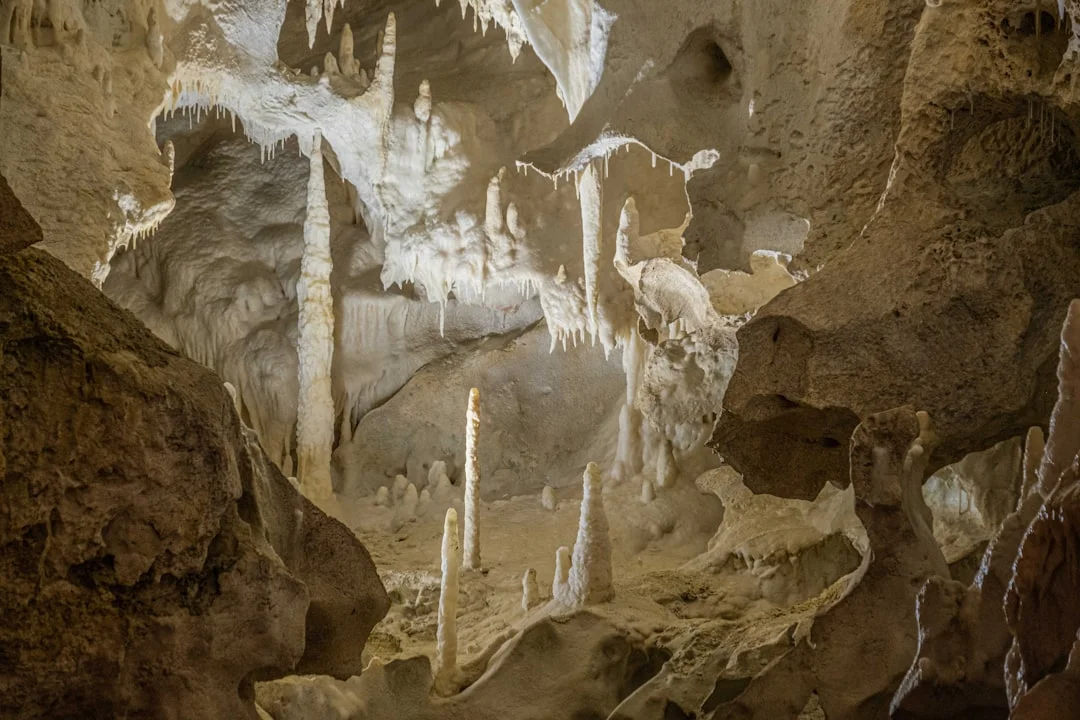
    After breaking through some stalactites that blocked a narrow passage, they dropped down into what is now known as the Sala de la Cascada (Waterfall Hall). Instead of just a bat nest, they found human skeletons and ceramic pottery. They had stumbled into a time capsule that had been sealed for thousands of years.

    Earlier this year, the Subdelegate of the Government, Javier Salas, presided over a commemorative act to honor this discovery, noting the cave’s status as a driver of tourism and cultural identity for the province. According to La Noción, the event highlighted the cave’s enduring legacy nearly seven decades later.

    Why Visit Now?

    The Cueva de Nerja is one of the most visited monuments in Spain. In the height of summer, the queues can be long, and the coastal humidity can be intense even before you enter the caverns.

    However, visiting in late winter or early spring (right now) offers a distinct advantage:

    • Space to Breathe: You can admire the colossal central column in the Hall of the Cataclysm—the largest in the world—without being jostled by large tour groups.
    • Temperature Stability: The cave maintains a relatively constant internal temperature. While it’s a refuge from the August heat, it also feels pleasantly distinct from the crisp winter air outside.
    • The Museum: Don’t skip the Nerja Museum in the town center (Plaza de España) before or after your cave visit to see the artifacts the boys actually found.

    Practical Information for 2026

    If you haven’t been in a few years, the facilities have likely been upgraded since your last trip. The botanical gardens surrounding the entrance are now lush and well-maintained, offering a nice walk before your scheduled entry time.

    • Location: Maro, roughly 50 minutes driving from Málaga city.
    • Tickets: It is highly recommended to book online to secure your slot, even in the off-season.
    • Footwear: Wear shoes with good grip. The floor is non-slip, but it is still a damp cave environment.

    Whether you are a local who hasn’t visited since a school trip or a newcomer to the Costa del Sol, the 67th anniversary is a great excuse to head east. It is a humbling experience to stand in the dark and realize that, were it not for the curiosity of five teenagers, this underground cathedral might still be sleeping in silence.

    We hope you take the time to explore this subterranean wonder while the season is still quiet. It’s a reminder that adventure is often just around the corner—or just down a small hole in the ground.

  • Tech Watch: Málaga Startups Secure Spots in National Top 100

    Tech Watch: Málaga Startups Secure Spots in National Top 100

    For years, the narrative surrounding Málaga has shifted from “sun and sand” to “silicon and servers.” By early 2026, that narrative has solidified into hard data. The ecosystem is no longer just about attracting big corporate hubs like Google or Vodafone; it is about the organic growth of local innovation, seeing Málaga startups at the PTA shine in the national Top 100.

  • Portofino Brings Italo-Mediterranean Cuisine to the Center

    Portofino Brings Italo-Mediterranean Cuisine to the Center

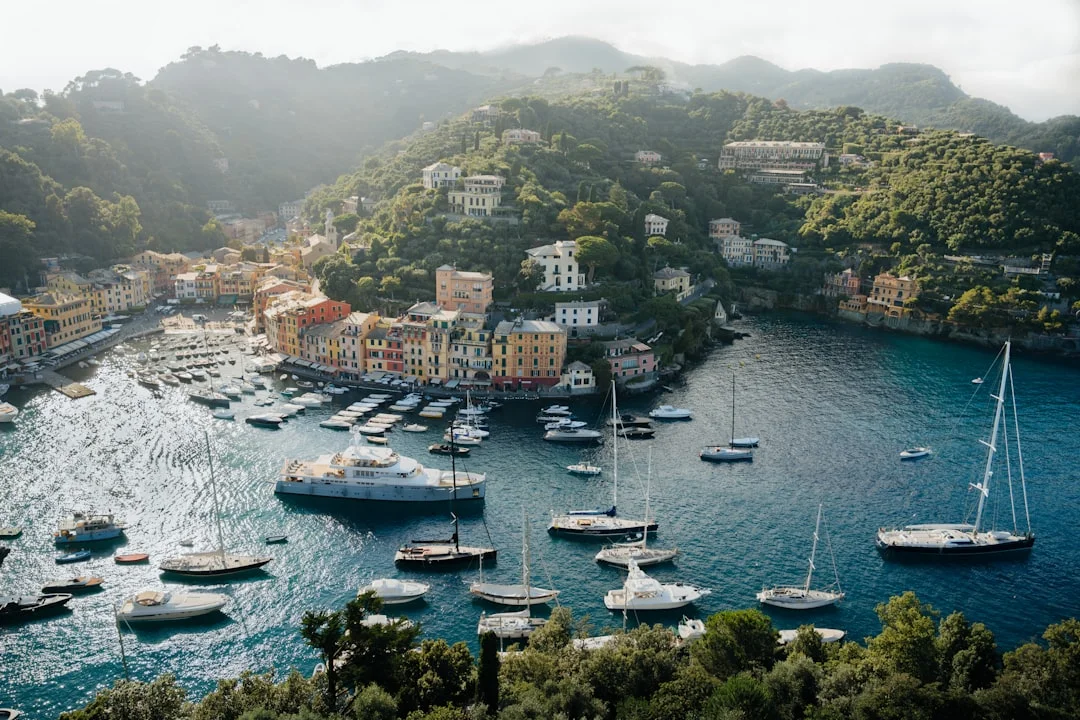
    Málaga’s gastronomic evolution continues to gain momentum in 2026, matching the dynamism of local startups securing spots in the national top 100. While the historic center has long been saturated with fast-food pizza chains and tourist-focused trattorias, a new wave of restaurateurs is aiming for something more substantial. The latest arrival to join this movement is Portofino, a venue that officially opened its doors on January 10, bringing a refined Italo-Mediterranean concept to the heart of the city.

  • Madrid’s Relleno and the Rise of Young Chefs in Málaga

    Madrid’s Relleno and the Rise of Young Chefs in Málaga

    Málaga’s gastronomic map continues to redraw itself, moving well beyond the traditional (though beloved) espetos and fried fish to incorporate sophisticated Italo-Mediterranean cuisine like Portofino. The city is currently experiencing a dual phenomenon: the arrival of successful, specialized concepts from Madrid, and the consolidation of a homegrown generation of chefs who are turning the local dining scene on its head.

  • Málaga Tech Sector: New Startup Network & Recognition

    Málaga Tech Sector: New Startup Network & Recognition

    The technological landscape in Málaga is shifting from a phase of rapid expansion to one of structured consolidation. As of early 2026, the focus has moved beyond simply attracting foreign multinationals—often enticed by sophisticated city center additions like Portofino—to nurturing the indigenous ecosystem. Two recent developments highlight this maturity: the launch of a dedicated network for local innovators and the national recognition of Málaga-based startups.

  • Village of 450 Transforming into Global Digital Nomad Hub

    Village of 450 Transforming into Global Digital Nomad Hub

    In the heart of the Genal Valley, where the roads curve endlessly through dense chestnut and cork oak forests, lies a village that shouldn’t, by traditional logic, be booming with tech talent. Benarrabá, a quintessential pueblo blanco with a population hovering around 450, has become an unlikely epicenter for the digital nomad movement in southern Spain, paralleling the broader maturation of Málaga’s tech sector.