Tag: lang:en

  • New Openings: Matiz, Willie Orellana, and the Rise of ‘Gastronomic Interior Design’ in Málaga

    New Openings: Matiz, Willie Orellana, and the Rise of ‘Gastronomic Interior Design’ in Málaga

    For a long time, the dining landscape in Málaga’s historic center felt somewhat polarized. You either had the traditional, no-frills tapas bars—which we love dearly—or the obvious tourist traps engaging in the ‘paella and sangria’ hustle. But something shifted in the last few years. The city is growing up, and the restaurant scene is sophisticated along with it.

    This isn’t just about higher prices or fancier ingredients. It is about a complete shift in the experience, characterized by what we call ‘Gastronomic Interior Design.’ It’s the realization that the lighting, the acoustics, and the textures are just as vital as the salt and acid in a dish.

    Two major movements are happening this season that highlight this trend: the arrival of Matiz and the expansion of the Willie Orellana footprint near the Cathedral.

    Matiz: The Art of Sharing

    Set to open its doors officially in April (with soft-opening phases to watch out for), Restaurante Matiz is positioning itself as a cornerstone of this new wave. Located in the heart of the city, connected to the Molina Lario atmosphere, Matiz is moving away from the rigid structure of ‘starter-main-dessert’.

    The concept here is distinctly social. The menu is designed to be shared, encouraging a communal way of eating that fits the Andalusian lifestyle but elevates it. When you look for ‘Restaurante Matiz Málaga carta’ (menu), don’t expect a static list. The focus is on seasonal produce and ‘market cuisine’—a term often abused, but here it promises a genuine rotation of local ingredients handled with modern techniques.

    But the Matiz (nuance) isn’t just in the food; it’s in the space. The design aims to create distinct micro-environments. Whether you are there for a quick vermouth or a long dinner, the interior design dictates the mood. It is a prime example of how Málaga is shedding the ‘rustic-only’ aesthetic for something sharper and more cosmopolitan.

    Willie Orellana and the Cathedral Quarter

    If you live in Málaga, you know Willie Orellana from Uvedoble, one of the pioneers in turning the ‘taberna’ concept into something gourmet without losing its soul. Now, the focus shifts to the area surrounding the Cathedral.

    New openings in this zone are critical. The area around ‘La Manquita’ has historically been difficult for locals to navigate due to the density of tourist-focused establishments. Orellana’s new proposal aims to reclaim this space for quality dining. By bringing a serious gastronomic offer right next to the city’s most visited monument, it signals that the city center can be premium and authentic simultaneously.

    The Rise of Gastronomic Interior Design

    Why does this matter? Because 2025 is shaping up to be the year where ‘ambiance’ is no longer an afterthought. In the past, a good ham and a cold beer were enough. Today, the new openings in Málaga center are investing heavily in architecture and interior design.

    This trend serves two purposes:
    1. ** DIFFERENTIATION: In a crowded market, a stunning space is the first hook.
    2.
    PACING:** Good design encourages diners to stay longer, relax, and enjoy the ‘sobremesa’.

    We are seeing a move towards warmer materials, acoustic treatments (essential in noisy Spain), and open layouts that show off the kitchen. It is an honest approach: nothing is hidden.

    What This Means for You

    If you are planning a night out in the coming months, keep your eyes on the Molina Lario and Cathedral axis. The ‘best restaurants near Cathedral Málaga’ list is about to get a serious update.

    Practical Tips:
    * Book Ahead: Places like Matiz, once fully operational, will likely have waitlists due to the hype.
    * Go for the ‘Pica-Pica’: Embrace the sharing concept. Order 4 or 5 dishes for the table rather than individual plates.
    * Look Up: Pay attention to the architecture. These new renovations are uncovering beautiful parts of Málaga’s old buildings that were previously hidden behind plaster and neon signs.

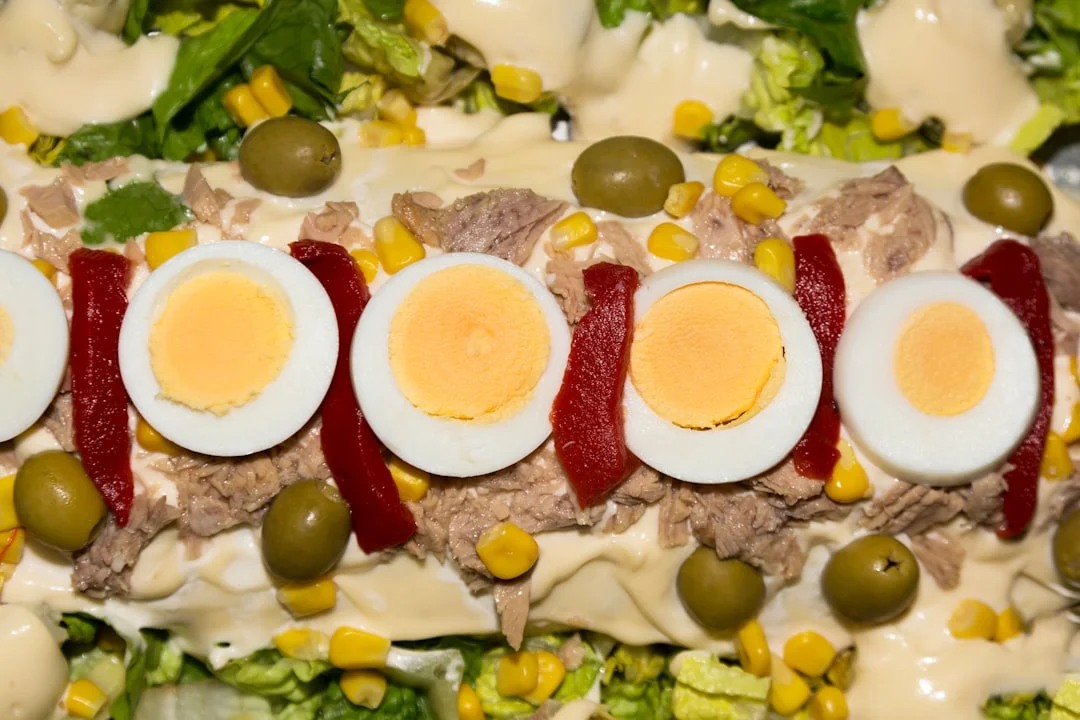
    It is refreshing to see our city investing in quality. While we will always defend the corner bar with the fluorescent lights and the best ensaladilla rusa on earth, there is room for this new elegance. It proves that Málaga can be a world-class destination without selling its soul, offering spaces where design and flavor meet in the middle.

    Here is to hoping these new tables are filled not just with visitors, but with locals reclaiming the joy of dining in their own city center.

  • Beyond the Lobby: Hidden Routes and Secrets of Málaga’s Hotels

    Beyond the Lobby: Hidden Routes and Secrets of Málaga’s Hotels

    Málaga is a city of layers. To the casual observer, it is a canvas of bright sunshine, bustling promenades, and the azure embrace of the Mediterranean. Yet, for those willing to look closer, there exists a second map of the city—one drawn not on paper, but in the stone passageways, hidden courtyards, and soaring terraces of its most historic hotels.

    Accommodation here is rarely just a place to sleep; often, it is a gateway to the city’s past and a vantage point for its future. We have curated a selection of hidden routes and local secrets found within the hospitality sector, inviting you to experience Málaga from the inside out.

    The Subterranean City: Vincci Selección Posada del Patio

    In the heart of the city, just a stone’s throw from the Guadalmedina riverbed, stands a modern structure that guards an ancient secret. The Vincci Selección Posada del Patio offers more than five-star luxury; it offers a literal route into history.

    During the construction of the hotel, workers unearthed exceptionally preserved remains of the city’s ancient walls. Rather than burying them, the hotel integrated them into its foundation. Guests can walk over glass floors revealing the stones below or take a private tour of the archaeological site beneath the hotel. Here, you can trace the outline of the Roman city and the subsequent Arab wall, a silent testament to the civilizations that have called this port home. It is a humbling experience to sip your morning coffee knowing that beneath your feet lies two thousand years of history.

    The Noble Past: Palacio Solecio

    Walking down the narrow, vibrant Calle Granada, it is easy to miss the entrance to Palacio Solecio. This 18th-century palace, once the home of the Genoese nobleman Félix Solesio, was a ruin for decades before being meticulously restored to its former glory.

    The secret here lies in the architecture. Step through the heavy wooden doors and you are transported away from the tapas-bar noise into a serene Andalusian courtyard. The restoration work is a masterclass in respecting heritage; the original stone arches and columns have been preserved, and the grand staircase whispers tales of the aristocracy that once glided up its steps. It serves as a perfect starting point for a “Bourbon Málaga” route, exploring the architectural shifts that occurred in the city during the late 1700s.

    The Watchtower: Parador de Gibralfaro

    While not hidden in the traditional sense, the Parador de Gibralfaro holds a perspective that many visitors miss by staying strictly in the historic center. Perched atop Mount Gibralfaro, adjacent to the castle, this hotel offers a retreat from the urban heat.

    The local secret here is the “blue hour.” While the crowds gather at the walls of the Alcazaba below, the terrace of the Parador offers a more dignified, quiet contemplation of the sunset. From this vantage point, you can see the geometry of the bullring, the expansive port, and the curvature of the coast stretching toward Torremolinos. It is a place of solitude and stone, where the breeze carries the scent of pine and sea salt, far removed from the clamor of the streets below.

    The English Legacy: Castillo de Santa Catalina

    Venturing east towards the El Limonar district—Málaga’s most exclusive residential area—one discovers the Castillo de Santa Catalina. This is not merely a hotel; it is a Neo-Mudéjar fortress built in 1932, sitting on the site of a 17th-century fortress.

    This hotel represents the “hidden route” of Málaga’s bourgeoisie era. The surrounding neighborhood is dotted with villas built by wealthy industrialists and British merchants who settled here in the 19th and early 20th centuries. A stay or a visit here connects you to the romantic, garden-city vision of Málaga. The hotel’s terrace provides arguably the most elegant view of the Bay of Málaga, framed by historic archways. It is a favorite spot for locals to celebrate momentous occasions, yet remains relatively undiscovered by the average tourist.

    The Literary Corner: AC Hotel Málaga Palacio

    To the untrained eye, the AC Hotel Málaga Palacio is a towering brutalist structure from the 1960s. However, it is an institution woven into the fabric of the city’s social life. Its rooftop is legendary, not just for the pool, but for the angle it provides of the Cathedral.

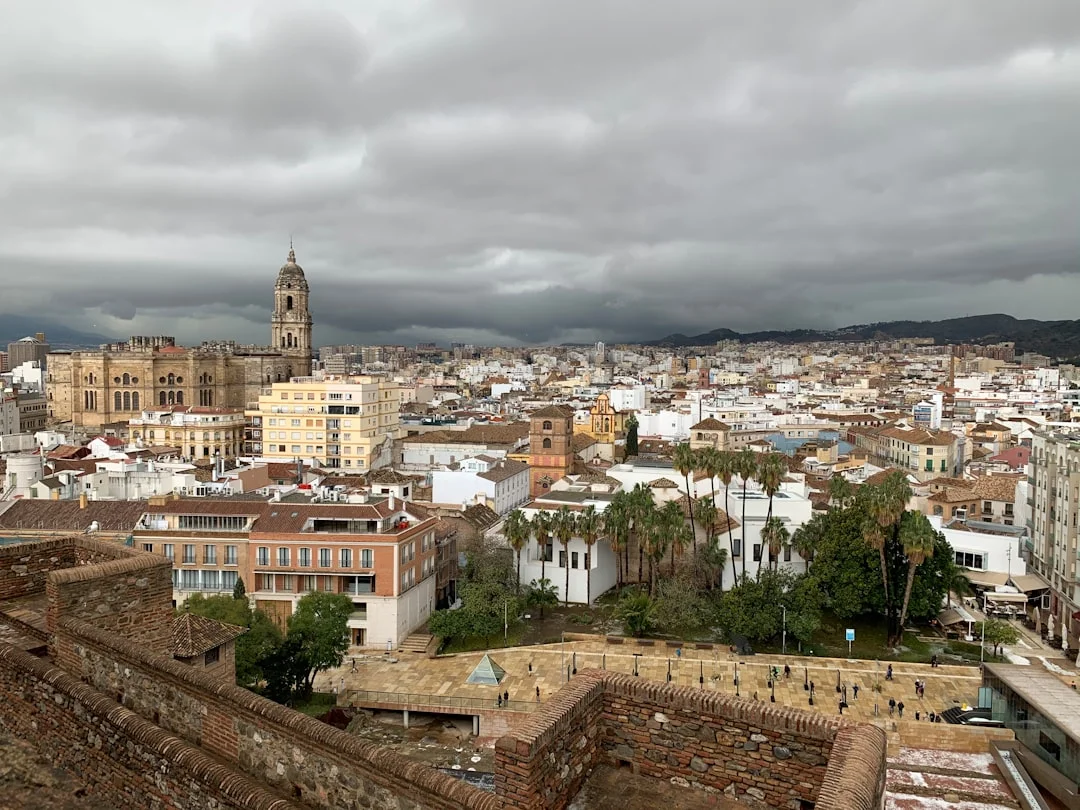
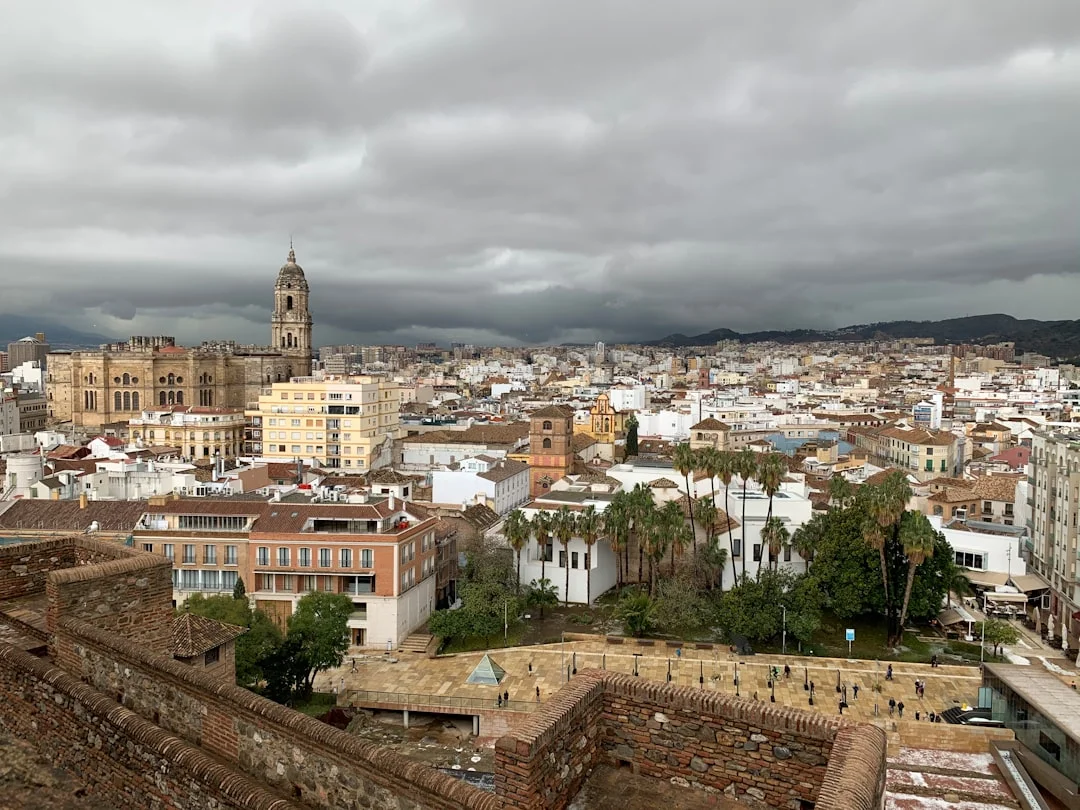
    From the rooftop terrace, one feels close enough to touch the “Manquita” (the one-armed lady), as the Cathedral is affectionately known due to its unfinished south tower. The secret route here is visual: looking down, you gain a bird’s-eye view of the Bishop’s Palace and the intricate layout of the streets that medieval maps struggled to capture. It is the best place to understand the density and intimacy of the city center.

    Tips for the Curious Traveler

    • Ask the Concierge: In Málaga, the concierge often holds the keys to more than just your room. Ask them for the “llaves de la ciudad” (keys to the city)—metaphorically speaking. They often know which private patios are open for viewing or where to find the best live flamenco that isn’t a tourist trap.
    • Off-Season Magic: To truly appreciate the silence of the courtyards and the whispers of the hallways, visit during the shoulder seasons (November or February). The light is softer, and the hotels reclaim their stately, quiet atmosphere.
    • The Breakfast Rule: Even if you aren’t a guest, many of these historic hotels offer breakfast or brunch to the public. It is an affordable luxury that grants you access to these architectural marvels without the cost of an overnight stay.

    We hope this guide serves as a lantern, illuminating the darker, quieter, and more beautiful corners of our city. Málaga is a place that rewards the curious, and often, the greatest discoveries are found simply by pushing open a heavy door and stepping inside.

  • Off-Radar: The Weekly Cultural Agenda You Are Likely Missing

    Off-Radar: The Weekly Cultural Agenda You Are Likely Missing

    If you live in Málaga long enough, you eventually suffer from a specific kind of ‘museum fatigue.’ We are blessed with the Picasso, the Thyssen, and the Pompidou, and they are magnificent. But for those of us who live here—whether born and bred Malagueños or expats settling into the rhythm of the Costa del Sol—there comes a weekend when you just want to do something different.

    You don’t want to queue. You don’t want to fight through a sea of cruise ship passengers. You want something real, often smaller, and frequently much more hands-on.

    Enter the Diputación de Málaga (the Provincial Council).

    While the big entities grab the international headlines, the Diputación maintains a vibrant, highly accessible, and surprisingly edgy agenda of workshops, theater, and exhibitions. This is the “Off-Radar” list that often dictates where the locals are actually spending their Friday evenings.

    The Two Pillars: La Térmica and MVA

    When we talk about the Diputación’s weekly programming, we are usually talking about two specific powerhouses. Understanding the difference between them is key to planning your week.

    1. La Térmica: The Creative Lab

    Located in the west of the city, La Térmica is a cultural center housed in a stunning early 20th-century building. Its programming is eclectic and modern.

    • The Vibe: Hip, educational, and social.
    • What to look for: This is the place for workshops. From photography and ceramic creation to philosophy debates and contemporary dance classes.
    • The Highlight: Their famous “Red Fridays” (night markets with concerts) are legendary, but their weekly agenda is usually filled with smaller, intimate talks and courses that are incredibly affordable.

    2. MVA Cultural Centre: The Stage

    Located right in the center on Calle Ollerías, the MVA (María Victoria Atencia) is a hidden gem for performing arts enthusiasts.

    • The Vibe: Classic, intimate, and serious about the arts.
    • What to look for: This is the hub for theater and cinema. They run fantastic film cycles (often VOSE – original version with Spanish subtitles), documentaries, and plays by local and national companies.
    • The Best Part: Many of the shows at the MVA are free via invitation. You simply have to be quick on the draw to reserve your spot on their website (mientrada.net) when the weekly batch is released.

    Why Check the ‘Diputación’ Agenda?

    If you are trying to integrate into life in Málaga, ignoring this agenda is a mistake. Here is why it matters for organic growth in your social and cultural life:

    • Cost-Effective: A vast majority of these events are subsidized. You will find professional workshops for a fraction of the private market price, and theater shows that cost nothing but a reservation.
    • Language Exchange: While the primary language is Spanish, the nature of these events (especially workshops at La Térmica) attracts a very international crowd. It is a natural environment to practice your Spanish without the pressure of a classroom.
    • Authenticity: You are seeing the culture that is being made now, by local artists, rather than the culture of the past hanging on museum walls.

    How to Stay Updated

    The programming cycles tend to be seasonal, but the specific agenda drops weekly or monthly depending on the venue.

    1. Check the websites: Bookmark the official portals for La Térmica and Cultura MVA.
    2. Look for ‘Generación del 27’: This is the literature and poetry branch of the Diputación, often hosting readings in historical settings.
    3. The Coastal Towns: Don’t forget that the Diputación also funds events in the pueblos. Often, a great concert or exhibition you see listed is actually happening in a Cultural Center in Rincón de la Victoria or Torremolinos, giving you a perfect excuse for a day trip.

    A Final Thought

    It is easy to get stuck in the routine of beach bars and the city center. But Málaga is a province that creates, not just one that consumes.

    Next time you are wondering what to do on a Tuesday evening or a Saturday morning, skip TripAdvisor. Look at what the Diputación has scheduled. You might find yourself watching an obscure indie film, learning to bind books, or listening to a jazz quartet in a small hall. It might not be famous, but it will be real. And sometimes, that is exactly what we need.

  • 5 Secrets Hidden Behind the Facades of Málaga’s Hotels

    5 Secrets Hidden Behind the Facades of Málaga’s Hotels

    For decades, the hotels of the Costa del Sol were often viewed merely as functional gateways to the beach—places to drop one’s bags before rushing to the Mediterranean sands. However, the capital city of Málaga has undergone a sophisticated renaissance, transforming its hospitality landscape into a tapestry of history, art, and architectural marvels.

    To stay in Málaga today is to sleep within the layers of time. From the foundations of ancient civilizations to the whisper of 19th-century nobility, the city’s accommodations offer far more than a continental breakfast. Here are five things you likely didn’t know about the hotels in this radiant Andalusian port.

    1. You Can Sleep Above Ancient Roman Walls

    In many cities, if you wish to see the ruins of the past, you visit a museum. In Málaga, you might simply need to visit the basement of your hotel.

    During the construction and renovation of several properties in the historic center, excavators struck gold—archaeologically speaking. The most famous example is found beneath the Vincci Selección Posada del Patio. Here, guests can walk over glass floor panels that reveal the beautifully preserved remains of the city’s old Roman and Arabic walls. These are not replicas; they are the literal foundations of the ancient city of Malaca. It is a humbling experience to enjoy a morning coffee while suspended above two thousand years of history.

    2. The Phenomenon of the “Semana Santa” Balcony

    In the world of luxury travel, the penthouse usually commands the highest price tag. However, during one specific week in Málaga, the hierarchy of value is inverted.

    During Semana Santa (Holy Week), the most coveted real estate in any hotel along the official procession route (such as those on the Alameda Principal or Calle Larios) is not the quiet suite with the sea view, but the lower-floor rooms with balconies facing the street. These rooms are often booked years in advance, sometimes passed down through families or regulars like heirlooms.

    Hotels such as the Molina Lario or the historic Larios Room Mate become theatrical boxes. Guests pay a premium not for silence, but for the privilege of being mere meters away from the tronos (thrones) as they pass by, enveloped in the scent of incense and the sound of Saeta singers.

    3. The Grand Dame that Served as a Hospital

    The Gran Hotel Miramar is arguably the crown jewel of Málaga’s luxury sector, a palace of white grandeur facing the Mediterranean in the La Malagueta district. While today it serves champagne and hosts royalty, its walls hold a far more turbulent memory.

    Opened originally in 1926 by King Alfonso XIII as the Hotel Príncipe de Asturias, its glamour was interrupted by the Spanish Civil War. During the conflict, this architectural masterpiece was repurposed as a field hospital. Following the war, it ceased to be a hotel entirely for many decades, serving as the Palace of Justice. If you walk its majestic halls today, you are treading on floors that have witnessed the extremes of human experience—from the height of aristocratic leisure to the stark realities of war, and finally, a return to elegance.

    4. The Rebirth of the Andalusian Palace

    A distinct trend in Málaga’s recent hotel boom is the rescue of the Palacio. Rather than building modern glass towers in the Old Town, hoteliers have painstakingly restored 18th and 19th-century noble homes.

    A prime example is the Palacio Solecio on Calle Granada. For years, this building was a crumbling ruin, a shadow of its former glory. Its restoration was not merely a renovation but a resurrection, bringing back the Genoese marble pillars and the intricate stunning brickwork characteristic of the era. Staying in these venues offers a tactile connection to the Andalusian aristocracy of the past. The architecture dictates the experience; no two rooms are alike, shaped by the eccentricities of the original masonry rather than a standardized blueprint.

    5. The “Parador” with a Strategic Advantage

    While many hotels boast of being in the “heart of the city,” the Parador de Málaga Gibralfaro boasts a location that was historically reserved for defense, not hospitality.

    Situated atop Mount Gibralfaro, next to the ancient castle, this hotel occupies a site that was essentially a military lookout for centuries. It offers a perspective of the city that no other hotel can replicate—looking down directly into the bullring and across the bay. It is one of the few places where you can disconnect entirely from the urban hum while still looking directly at it. The stone structures here are built from the same local rock as the fortress, making the hotel feel like a natural extension of the mountain itself.

    A Note on Discovery

    Málaga is a city that rewards the curious traveler. As you walk through the marble lobbies or look out from a sun-drenched terrace, I hope you take a moment to consider the stories etched into the stones around you. There is a profound beauty in knowing that your place of rest is part of the city’s living history, continuing a narrative that began centuries before we arrived.

  • Málaga 2026 Agenda: From André Rieu to Summer Festival Previews

    Málaga 2026 Agenda: From André Rieu to Summer Festival Previews

    The 2026 Cultural Calendar Starts Now

    There is a common misconception that the cultural life of the Costa del Sol goes into hibernation after the Three Kings parade, only to wake up again when the beach bars open for Easter. That might have been true a decade ago, but the Málaga 2026 agenda proves otherwise.

    The year is starting with heavy hitters. We are talking about world-class orchestral performances, intimate family theater to wrap up the holidays, and the immediate launch of summer festival ticket sales. If you wait until May to book your favorite concerts, you will likely be staring at a “Sold Out” screen or paying resale premiums.

    Here is your practical guide to the first major events of 2026 and why you need to act fast.

    The Waltz King Returns: André Rieu in Málaga

    For classical music lovers and those who simply enjoy a massive spectacle, the headline event of January is undoubtedly André Rieu. The Dutch violinist and conductor, known for bringing the waltz to the masses, is bringing his Johann Strauss Orchestra back to the Palacio de Deportes Martín Carpena.

    The Dates:
    * Monday, January 26, 2026
    * Tuesday, January 27, 2026

    Rieu’s concerts are not just recitals; they are shows. Expect elaborate costumes, a choir, and a repertoire that mixes classical waltzes with tunes from musicals and film.

    Why urgency matters: André Rieu has a fiercely loyal following that travels across Europe to see him. While the Martín Carpena is a large venue, the acoustics require a specific seating configuration, limiting capacity compared to a basketball game. If you are looking for concierto André Rieu Málaga entradas, check the official channels immediately. The Monday date was added specifically because demand is high, and seats in the central blocks usually vanish months in advance.

    Closing the Holidays: Family Theater (January 4-5)

    Before the children go back to school, there is a distinct window for family culture. The weekend of January 4th and 5th—right before the Three Kings arrive—is traditionally reserved for waiting anxiously for presents. However, the local theaters are offering a calmer alternative to the shopping frenzy.

    The programming this year focuses on themes of memory and childhood. These aren’t just loud pantomimes; they are thoughtful plays designed to bridge the gap between holiday excitement and the return to routine.

    Check the listings for the Teatro Cánovas and Teatro Echegaray. These venues are perfect for younger audiences because of their size—no seat is too far from the stage. Taking the kids to the theater on the 4th or the morning of the 5th is a great way to lower the adrenaline levels before the cavalcade begins.

    looking Ahead: Starlite Occident & Paris 15

    While we are still wearing coats, the machinery for the summer of 2026 is already humming. The “Early Bird” concept is crucial here.

    Starlite Occident (Marbella):
    The boutique festival in the Nagüeles quarry has changed how it announces artists. Instead of dropping the whole lineup in spring, they now release names continuously.

    • The Strategy: If you see a favorite artist confirmed for the Starlite 2026 cartel, buy the ticket that day. Starlite uses dynamic pricing; as the date approaches and VIP boxes sell out, general admission prices rise significantly.

    Sala Paris 15 (Málaga City):
    For those who prefer sweat, rock, and indie music over gala dinners, Paris 15 remains the backbone of Málaga’s concert scene. Their 2026 calendar is already filling up for February and March. Unlike summer festivals, these are indoor gigs with strict capacity limits. Keep an eye on their schedule for Spanish indie bands and touring rock acts that often skip larger arenas.

    Practical Tips for Ticket Hunters

    1. Official Sources Only: For André Rieu, stick to his official website or major recognized Spanish ticket vendors (like El Corte Inglés or Ticketmaster). Avoid secondary sites where prices are inflated.
    2. Transport to Carpena: If you are going to the Rieu concert, remember that parking at the Palacio de Deportes can be chaotic if there is a Unicaja game or another event nearby. The Metro (Line 2, Palacio de los Deportes stop) is your best friend. It’s cheap, reliable, and drops you right at the door.
    3. Newsletter Subscriptions: Sign up for the alerts from Starlite and Paris 15. The pre-sale codes are often sent to subscribers 24 hours before the general public, which is the difference between getting a front-row seat and standing in the back.

    It feels good to see Málaga bustling with such high-caliber events right from the start of the year. Whether you are planning to waltz in the Carpena or just looking for a quiet theater afternoon with your grandchildren, 2026 promises to be a vibrant year for our city. I hope you manage to snag those tickets you want—see you in the stalls.

  • Gastro-Design: When Interiors Matter as Much as the Menu in Malaga

    Gastro-Design: When Interiors Matter as Much as the Menu in Malaga

    For decades, eating out in Malaga was a straightforward affair. You went where the fish was freshest or the ensaladilla rusa was the coldest. The decor? Often an afterthought—fluorescent lights, tiled walls, and paper tablecloths. And honestly, there is an undeniable charm to those traditional spots that we hope never disappears.

    However, if you have taken a walk through the city center recently, specifically around the Cathedral area, you might have noticed a shift. The gastronomic scene in Malaga is maturing, and quite rapidly. We are entering the era of “Gastro-Design,” where the architecture, lighting, and furniture are treated with the same reverence as the ingredients in the kitchen.

    It is no longer enough to just serve good food. To stand out in a booming city, new openings are betting on a holistic experience. Here is a look at how design is reshaping our local restaurants.

    The Rise of the ‘Total Experience’

    We eat with our eyes first. This old adage used to refer to the plating of the food, but today, it starts the moment you step through the door. The concept of gastro-design isn’t just about spending a fortune on fancy chairs; it is about narrative. It connects the culinary concept with the physical space.

    In Malaga, this trend is driven by a demanding local clientele and a sophisticated international audience. We are seeing spaces that are Instagrammable, yes, but also functional and comfortable. The acoustics are better, the lighting is warmer, and the flow of the room encourages conversation.

    Matiz: A Case Study in Cohesion

    One of the clearest examples of this new wave is Matiz. If you haven’t visited yet, it captures exactly where Malaga is heading.

    The restaurant focuses on a concept of sharing and tasting—a very Andalusian way of eating, but elevated. The interior design reflects this. It isn’t stiff or overly formal; it creates distinct “moments” within the same space. Whether you are sitting at the bar or in the courtyard area, the environment feels curated to match the menu.

    The textures used in the decor mirror the textures on the plate. It feels modern but rooted in the Mediterranean. This is crucial because a disconnect between food and design is the quickest way to confuse a diner. At Matiz, the harmony between the kitchen and the dining room suggests that the owners understand that comfort is the ultimate luxury.

    The Cathedral Zone: The New Design Hub

    Walk a few streets over, and you see the influence of restaurateurs like Willie Orellana. The area surrounding the Cathedral is transforming from a tourist-heavy transit zone into a destination for serious dining.

    Orellana’s projects are pushing the envelope. We are moving away from the “generic tourist trap” aesthetic toward venues that have personality and soul. These new spaces often feature:

    • Adaptive Reuse: Utilizing the historic bones of Malaga’s old buildings—exposed brick, original beams—and blending them with modern steel and glass.
    • Lighting as Architecture: Gone are the harsh overhead lights. We are seeing intimate, low-level lighting that creates privacy even in a crowded room.
    • Open Kitchens: The kitchen is now a stage. Design involves transparency, allowing diners to see the action, which builds trust and adds energy to the room.

    Why Design Matters for the Diner

    Why should you, the diner, care about the wallpaper or the choice of wood?

    1. Comfort: Good design considers ergonomics. You can linger over a second bottle of wine because the chairs are actually supportive.
    2. Acoustics: This is the invisible part of design. The new wave of restaurants is investing in sound-absorbing materials so you don’t have to shout to be heard by the person across the table.
    3. Pacing: The layout of a restaurant dictates the service flow. A well-designed floor plan usually results in better, more attentive service.

    Looking Toward 2026

    As we look ahead, the bar has been raised. For any new restaurant planning to open in the center of Malaga in the coming years, “good food” is merely the baseline entry requirement. To survive and thrive, they will need to tell a story through their space.

    We are likely to see more collaborations between top chefs and renowned interior architects. The competition is fierce, but the winner is ultimately the city itself. We are shedding the skin of a purely seasonal beach destination and putting on the suit of a European cultural and gastronomic capital.

    It is an exciting time to live and eat in Malaga. While we will always love our noisy, chaotic chiringuitos, there is something deeply satisfying about sitting in a beautiful room, with perfect lighting, enjoying a meal that tastes as good as the space feels.

    Let’s hope this attention to detail continues to spread, making our city not just a place to visit, but a place to truly savor.

  • Málaga’s Hard-Tech Pivot: Semiconductors and the Circular Economy

    Málaga’s Hard-Tech Pivot: Semiconductors and the Circular Economy

    For the past decade, the narrative surrounding Málaga’s technological rise has been dominated by software companies, remote work, and lifestyle branding. The city successfully positioned itself as the “Silicon Valley of Southern Europe,” attracting giants like Google, Vodafone, and Oracle. However, 2024 has marked the beginning of a structural evolution. Málaga is pivoting from being a service-oriented software hub to a Hard-Tech ecosystem focused on critical infrastructure, specifically semiconductors and the circular economy.

    This shift is not merely a branding exercise; it is supported by tangible heavy-industry investments that anchor the local economy much more effectively than digital services alone. The two pillars of this transformation are the arrival of IMEC (Interuniversity Microelectronics Centre) and the establishment of a specialized Circular Economy Academy at Málaga TechPark.

    The IMEC Factor: Why Chips Matter

    The confirmation that IMEC will establish its second major innovation center in Málaga (outside of its Leuven headquarters) is arguably the most significant economic development for the region in recent years.

    IMEC is not a standard IT company; it is the world-leading research and innovation hub in nanoelectronics and digital technologies. In the global semiconductor value chain, IMEC sits at the apex of R&D. They do not manufacture consumer chips for phones; they design the lithography and nanotechnology processes that make future chip manufacturing possible.

    Strategic Implications for Málaga

    1. Global Validation: By choosing Málaga over other European contenders, IMEC validates the region’s technical capacity. It signals to other deep-tech industries that the requisite infrastructure and talent pool exist here.
    2. The “Sticky” Economy: unlike software consultancies which can relocate with relative ease, hard-tech facilities (clean rooms, labs, prototyping centers) are capital-intensive and geographically rooted. This creates long-term economic stability.
    3. High-Value Employment: The jobs generated by this sector differ significantly from general IT support. We are looking at demand for physicists, material scientists, and specialized microelectronics engineers.

    The facility is expected to focus on specialized chip prototyping, bridging the gap between academic research and industrial manufacturing. This aligns with the European Union’s “Chips Act,” which aims to double Europe’s market share in semiconductors by 2030.

    The Circular Economy Academy: Industrial Sustainability

    Parallel to the high-tech focus of IMEC, Málaga TechPark (PTA) is addressing the operational side of the future industry: sustainability. The announcement of a dedicated Circular Economy Academy within the park represents a move to professionalize green tech.

    The circular economy in an industrial context goes beyond simple recycling. It involves:

    • Industrial Symbiosis: Where waste from one process becomes the raw material for another.
    • Lifecycle Engineering: Designing products for durability and disassembly.
    • Resource Efficiency: Minimizing energy and water usage in manufacturing.

    The Academy aims to train a workforce capable of managing these complex systems. As European regulations on carbon footprints and waste management tighten, companies operating out of Málaga will need certified professionals to ensure compliance and efficiency. This positions the TechPark not just as a place for offices, but as a living lab for sustainable industrial practices.

    From Digital Nomads to Deep Tech Engineers

    For years, the headlines have focused on Málaga as a paradise for digital nomads—professionals who bring consumption power but often lack integration into the local industrial fabric. The “Hard-Tech” pivot changes the demographic target.

    Deep tech requires deep talent. The synergy between the University of Málaga (UMA), the Technology Park, and these new industrial players suggests a roadmap where local talent is retained rather than exported. The demand for highly specialized technical skills (in nanotechnology and circular processes) pushes the local educational ecosystem to upgrade its curriculum.

    This transition also helps mitigate the gentrification risks associated with transient workers. An industrial base creates permanent, year-round employment structures that are less susceptible to seasonal fluctuations or global remote-work trends.

    Looking Toward 2026

    The convergence of semiconductor R&D and circular economy protocols sets a clear trajectory for investment through 2026. Investors are increasingly looking for “defensive” assets—sectors that are essential to national security and global supply chains. Chips and energy efficiency fit this description perfectly.

    By diversifying into hardware and sustainability, Málaga hedges its bets. It is no longer solely dependent on the volatility of the software market or the real estate pressures of the lifestyle sector. It becomes a node in the global supply chain of critical technology.

    As we watch these massive industrial gears begin to turn, it is encouraging to see the city laying foundations that go deeper than the surface level of tourism and apps. Real growth—the kind that supports families and builds a future—often happens in quiet laboratories and efficient factories rather than on trendy terraces. It is a hopeful sign that Málaga is building something designed to last.

  • Sanctuaries of the Sun: A Curator’s Guide to Málaga’s Finest Hotels

    Sanctuaries of the Sun: A Curator’s Guide to Málaga’s Finest Hotels

    For decades, Málaga was perceived primarily as a gateway—a transit point where travelers landed before whisking themselves away to the resorts of Marbella or the white villages of the interior. That narrative, however, has been thoroughly rewritten. Today, the capital of the Costa del Sol is a destination of its own distinct gravity, boasting a cultural renaissance that rivals any European city of its size.

    With the arrival of world-class museums and a revitalized culinary scene, the hotel landscape has evolved in kind. The city has moved beyond functional accommodation to embrace true hospitality artistry. We are now seeing a beautiful tension between the historic and the avant-garde; 18th-century palaces are being reborn as boutique retreats, while modernist icons rise along the port.

    Here is an elegant selection of the best hotels in Málaga today, curated for the traveler seeking not just a bed, but a sense of place.

    The Grand Dame: Gran Hotel Miramar

    To understand the magnitude of Málaga’s hospitality history, one must look to the Gran Hotel Miramar. Located in the upscale La Malagueta district, just steps from the shoreline, this property is the undisputed Grand Dame of the city. Originally opened in 1926 by King Alfonso XIII, it has served as a hospital during the Civil War and a courthouse in later years, before being meticulously restored to its Belle Époque glory in 2017.

    Walking through the lobby feels like stepping into a different era. The Moorish revival architecture, with its intricate tiling and soaring arches, pays homage to Andalusia’s complex past. The rooms are dressed in whites and creams, maximizing the incredible light that floods in from the Mediterranean.

    Why we love it: The gardens. Sipping a coffee amidst the manicured lawns and fountains, with the sea breeze rustling the palms, offers a tranquility that is rare in a bustling city.

    Historic Intimacy: Palacio Solecio

    If the Miramar is about grandeur, Palacio Solecio is about intimacy and texture. Tucked away on Calle Granada, in the beating heart of the old Jewish Quarter, this hotel is a masterclass in restoration. Housed in an 18th-century palace, the building lay in ruins for decades until a recent transformation breathed new life into its stone walls.

    Upon entering, you are greeted by the original stone staircase and a magnificent Andalusian courtyard. The design aesthetic is sophisticated and moody, favoring rich velvets, dark woods, and warm lighting that contrasts beautifully with the bright Andalusian sun outside. It feels less like a hotel and more like the private residence of a noble merchant.

    The Highlight: The restaurant, Balausta, helmed by Michelin-starred chef José Carlos García, serves refined takes on local classics within the hotel’s glass-covered patio. It is a dining experience that captures the essence of the south.

    Contemporary Cool: Only YOU Hotel Málaga

    For those who prefer a pulse over a pause, the Only YOU Hotel has changed the energy of the city center. Situated at the entrance of the port, facing the iconic Alameda Principal, this hotel represents the modern, cosmopolitan face of Málaga.

    Since its opening, the lobby has become a meeting point for locals and travelers alike, blurring the lines between a hotel and a social club. The design is fresh, incorporating Art Deco touches with a Mediterranean, nautical flair. The rooms are designed for comfort but with a sharp, fashion-forward aesthetic.

    The Verdict: The rooftop terrace, known as Lolita, offers one of the most dynamic views in the city, sweeping from the Cathedral to the Ferris wheel and the sea. It is the perfect spot for a sunset cocktail before diving into the city’s nightlife.

    The View from Above: Vincci Selección Larios Diez

    Calle Larios is the spine of Málaga, the marble-paved thoroughfare that hosts everything from Easter processions to the Christmas light show. Residing at number 10 is Vincci Selección Larios Diez, a hotel that offers a privileged vantage point over the city’s most famous street.

    This is a hotel for the urbanite. The location is unbeatable for those who wish to step out of the door and be immediately immersed in the shopping and café culture. Despite the bustle below, the rooms are soundproofed sanctuaries of calm. The design utilizes natural materials and neutral tones to create a relaxing atmosphere.

    Don’t Miss: The restaurant El Taller de Larios 10 on the top floor. It offers a unique perspective of the Cathedral tower, allowing you to dine almost eye-level with the bells of the ‘Manquita’.

    A Castle on the Hill: Soho Boutique Castillo de Santa Catalina

    For a stay that feels truly exclusive, one must look upward to the district of El Limonar. The Castillo de Santa Catalina is a Neo-Mudéjar palace built in 1932, sitting atop a hill overlooking the Bay of Málaga. This is not a place for those who want to stumble home from a bar in the city center; it is a retreat for romance and silence.

    With only a handful of rooms, the service is incredibly personalized. The architecture is evocative, featuring horseshoe arches and fortress-like walls. The view from the terrace is arguably the best in the province, offering a panoramic sweep of the Mediterranean that stretches to the horizon.

    It is a place to disconnect, to read a book in the sun, and to watch the ships drift slowly into the harbor below.

    Choosing Your Málaga

    When selecting your accommodation, consider the rhythm of your trip.

    • Choose La Malagueta (Miramar) if you want the beach at your feet and a resort feel.
    • Choose the Old Town (Solecio, Larios Diez) if you want to live among the museums, tapas bars, and history.
    • Choose the Port area (Only YOU) for a modern, energetic vibe and easy transport links.
    • Choose El Limonar (Castillo) for privacy, history, and unparalleled views.

    Málaga is a city that rewards curiosity, and where you choose to rest your head is the first step in that journey. Whether you prefer the whisper of history in a restored palace or the salty breeze of a seafront balcony, we hope this guide helps you find a space that feels like home, even if just for a few nights.

  • Eating in Malaga: A Practical Guide for Locals and Visitors

    Eating in Malaga: A Practical Guide for Locals and Visitors

    Let’s be honest: eating in Malaga is a joy, but it can be confusing if you don’t know the local rules. The city has undergone a massive gastronomic explosion in the last decade, shifting from simple taverns to Michelin stars. However, the soul of Malaga remains in its traditional dishes and the specific rituals of how we eat.

    Whether you are a visitor trying to avoid the tourist traps or a local looking to rediscover the classics, this guide cuts through the noise. Here is what you need to know to eat well in the capital of the Costa del Sol.

    First Things First: The Coffee Code

    If you sit down at a terrace and order “a coffee with milk,” you might get a confused look from the waiter. In Malaga, ordering coffee is an exact science, created by the legendary Café Central (now closed, but the legacy lives on) to measure the ratio of coffee to milk.

    Here is your cheat sheet:

    • Nube: A lot of milk, just a splash of coffee.
    • Sombra: A bit more coffee than a nube, but still milky.
    • Mitad: Half coffee, half milk. The standard.
    • Cortado: Mostly coffee, a splash of milk.
    • Solo: Black coffee.

    Don’t overthink it, just pick your strength. And yes, it is perfectly acceptable to shout your order politely if the bar is noisy. It’s part of the charm.

    The Breakfast Ritual: The Pitufo

    Forget croissants or pancakes. The breakfast of champions here is the Pitufo (Smurf). It refers to the small size of the bread roll, which mimics the size of a Smurf.

    You order a pitufo toasted with:
    * Aceite y tomate: Olive oil and crushed tomato. A classic.
    * Catalana: The above, plus cured ham.
    * Zurrapa or Manteca: If you want something heavier, try these pork lard spreads. They are colored red (with paprika) or white. It sounds heavy, but it is delicious in the winter.

    Lunch: The Holy Trinity

    Lunch in Malaga usually starts late, around 2:00 PM or 2:30 PM. If you go at noon, you will be eating alone.

    1. The Espeto

    This is the icon. Sardines skewered on a bamboo stick and roasted over an open fire (usually in an old fishing boat filled with sand).

    The rules:
    * Eat them with your hands.
    * The best place to eat them is by the sea, specifically in the neighborhoods of El Palo or Pedregalejo. The further east you go along the promenade, the cheaper and more authentic they tend to get.
    * Tradition says to eat them in months that contain the letter “R” (though in reality, the summer months are when they are most popular and fat).

    2. Fritura Malagueña

    Fried fish is everywhere, but good fried fish is an art. It should be crisp, not greasy, and the flour should be light.

    Look for Boquerones (anchovies), either fried or in vinegar. Also, Rosada (Kingklip) is a local favorite white fish that is mild and perfect for children.

    3. Ensalada Malagueña

    Because you cannot live on fried food alone. This salad is a refreshing mix of cooked potatoes, oranges, cod (or tuna), scallions, and Aloreña olives. The contrast between the salty cod and the sweet orange is what makes this dish spectacular.

    The Spoon Dish: Gazpachuelo

    If you visit in winter or just want comfort food, ask for Gazpachuelo. It is a warm soup that looks like hot milk, but it is actually a fish stock emulsion made with garlic mayonnaise (alioli), potato, and white fish.

    It sounds strange to foreigners—warm mayonnaise soup?—but it is incredibly delicate and savory. It was originally a fisherman’s dish made from cheap ingredients, and now it is a delicacy.

    A Note on Tapas

    Unlike Granada, where tapas are often free and massive with every drink, Malaga operates differently. While you might get some olives or lupin beans (altramuces) with your beer, you usually pay for tapas here. This is actually good news: it means the quality is higher, and you can choose exactly what you want.

    The Sweet Finish

    If you have space left, walk into a bakery and ask for a Torta Loca (Crazy Cake). It consists of two rounds of puff pastry filled with custard, topped with an orange glaze and a cherry. It’s sweet, sticky, and undeniably Malagueño.

    Where to Shop: Atarazanas Market

    To understand the food, you have to see the raw ingredients. The Mercado Central de Atarazanas is essential. The building itself is a marvel, featuring a Moorish archway from the old shipyard.

    Inside, it’s loud and vibrant. You can buy fresh produce, but you can also stand at the bars inside the market and eat fresh prawns or skewers right off the grill. It is one of the best “fast food” experiences in the city.

    Final Practical Tips

    • Tipping: It is not mandatory, but leaving small change or rounding up is polite and appreciated.
    • Bread: In restaurants, bread is often placed on the table automatically and charged for (cubierto). If you don’t want it, say so immediately, though it is usually worth the euro to soak up the sauces.
    • Water: Tap water in Malaga is safe to drink, though many locals prefer bottled water due to the high mineral content (hard water) which affects the taste.

    Malaga’s food scene is about fresh ingredients and simple preparation. We don’t hide the flavors behind heavy sauces. We hope this guide helps you navigate the menus with confidence. There is always a new tavern to discover or an old favorite to revisit, so get out there and enjoy.