Tag: by:maria_rojas

  • 6700 by Bacus: Almerian Gem Shines in Málaga’s Food Scene

    6700 by Bacus: Almerian Gem Shines in Málaga’s Food Scene

    Málaga’s culinary landscape is currently experiencing an unprecedented boom. With new venues opening almost weekly, the competition is fierce, and standing out is harder than ever. Yet, Almerian chef Pablo Fuente has managed to do exactly that. Over the past 18 months, his restaurant, 6700 by Bacus, has quietly but decisively cemented its place as one of the city’s most outstanding dining experiences.

    From Almería to Málaga: Pablo Fuente’s Vision

    Chef Pablo Fuente is no stranger to the demanding standards of southern Spain’s gastronomy. Hailing from Almería, his culinary journey is deeply rooted in the rich, diverse flavors of his home province—where land meets sea in a unique microclimate.

    When he brought his vision to Málaga, he didn’t just want to open another restaurant. He aimed to introduce a distinct culinary identity that bridges Almerian heritage with contemporary techniques. According to a feature by Ideal, Fuente’s approach has successfully captivated both local foodies and international visitors, navigating a highly competitive local market with remarkable poise.

    What Makes 6700 by Bacus Stand Out?

    In a city where many new spots rely heavily on trendy aesthetics, 6700 by Bacus places the focus squarely on the plate. The restaurant’s success over its first year and a half lies in several key elements:

    • The Almerian Connection: Fuente champions ingredients and culinary secrets from Almería, introducing Málaga’s diners to flavor profiles and products that are rarely spotlighted in the local scene.
    • Meticulous Technique: Every dish reflects a balance of traditional slow-cooking methods and modern culinary innovation.
    • An Evolving Menu: Rather than sticking to a static selection, the kitchen adapts to seasonal availability, ensuring that repeat visits always offer something fresh.

    The atmosphere is intimate and welcoming, designed to let the food take center stage. It avoids the pretense often associated with high-end dining, choosing instead to deliver a warm, authentic experience that respects the diner.

    Navigating the Fierce Málaga Food Scene

    Málaga’s transformation into a major European cultural and technological hub has brought a parallel evolution in its food scene. While this means more potential customers, it also means that diners have incredibly high expectations.

    Remaining relevant and highly rated after 18 months of operation is a significant milestone for any new establishment here. By focusing on consistency, impeccable service, and a clear culinary narrative, Pablo Fuente has proved that there is always room for genuine quality. 6700 by Bacus is no longer just a “promising newcomer”—it is now firmly established as one of the most exciting culinary landmarks in the city.

    As Málaga continues to grow, it is heartening to see chefs like Pablo Fuente enrich our streets with their regional histories and dedication to the craft. Dining here reminds us that behind every great plate is a story of hard work, roots, and a deep passion for bringing people together around a table. We hope you get to experience this Almerian gem on your next stroll through our beautiful city.


  • Wo Sie den besten Ajoblanco im Zentrum von Málaga essen können

    Wo Sie den besten Ajoblanco im Zentrum von Málaga essen können

    Wenn die Temperaturen im Juli an der Costa del Sol in die Höhe schnellen – einer Region, die nicht nur Urlauber anzieht, sondern kürzlich auch einen Rekordumsatz auf dem Immobilienmarkt von Málaga verzeichnete –, wird die Suche nach Abkühlung sowohl zur täglichen Priorität als auch zu einer kulinarischen Kunstform. Während Strände und klimatisierte Museen vorübergehend Erleichterung bieten, wissen die Einheimischen, dass man der Hitze am besten von innen heraus trotzt. Hier kommt Ajoblanco ins Spiel, Málagas typische kalte Mandel-Knoblauch-Suppe.

    Oft als „weißes Gazpacho“ bezeichnet, ist der Ajoblanco tatsächlich Jahrhunderte älter als seine rote, auf Tomaten basierende Verwandte. Da Tomaten und Paprika erst nach den spanischen Expeditionen nach Amerika in Europa Einzug hielten, verließen sich die Andalusier des Mittelalters auf lokale mediterrane Grundnahrungsmittel: Mandeln, Knoblauch, altbackenes Brot, Olivenöl, Essig und Wasser. Das Ergebnis ist ein cremiges, erfrischendes und äußerst sättigendes Gericht, das bis heute ein Eckpfeiler der südspanischen Gastronomie ist.

    Laut einem aktuellen kulinarischen Bericht von El Mundo erleben traditionelle kalte Suppen diesen Sommer eine enorme Renaissance, da Reisende und Feinschmecker nach authentischen, geschichtsträchtigen Gerichten suchen, die eine feuchtigkeitsspendende Zuflucht vor der Mittelmeersonne bieten.

    Hier erfahren Sie, wo Sie den absolut besten traditionellen Ajoblanco im historischen Zentrum von Málaga finden.

    Die besten Adressen für Ajoblanco im historischen Zentrum von Málaga

    1. Cortijo de Pepe (Plaza de la Merced)

    Für ein unprätentiöses Erlebnis wie aus einer anderen Zeit ist das Cortijo de Pepe kaum zu schlagen. Diese rustikale Taverne, die seit 1971 besteht, serviert einige der authentischsten andalusischen Traditionsgerichte der Stadt. Ihr Ajoblanco ist berühmt für seine Cremigkeit, wird eiskalt in einer traditionellen Keramikschale serviert und mit einer Handvoll süßer, grüner Muskatellertrauben garniert. Das Gleichgewicht zwischen scharfem Knoblauch und süßer Mandel ist hier einfach makellos.

    2. Bodega Bar El Pimpi (Calle Granada)

    Keine kulinarische Tour durch Málaga ist vollständig ohne einen Zwischenstopp im El Pimpi. Obwohl es bei Besuchern äußerst beliebt ist, bleibt das Engagement für lokale malagenische Rezepte unerschütterlich. Der Ajoblanco im El Pimpi ist seidig und reichhaltig und hebt die Qualität der lokalen Axarquía-Mandeln hervor. Er wird traditionell mit Weintrauben und einem Schuss nativem Olivenöl extra von höchster Qualität garniert. Eine Schale davon in den kühlen, von Fässern gesäumten Innenräumen zu genießen, ist ein klassisches Málaga-Erlebnis.

    3. La Cosmopolita (Calle Dean Espinosa)

    Wenn Sie erleben möchten, wie moderne Köche traditionelle Rezepte auf ein neues Niveau heben, sollten Sie das La Cosmopolita besuchen. Unter der Leitung von Küchenchef Dani Carnero bietet dieses gehobene Bistro auf seiner saisonalen Sommerkarte häufig Ajoblanco an. Carnero respektiert die klassische Basis, kombiniert sie jedoch oft mit kreativen Beilagen wie rotem Thunfisch-Tatar, geräucherten Sardinen oder saisonalem Obst, was einen genialen Kontrast aus Texturen und süß-sauren Aromen bietet.

    4. Mesón Ibérico (Calle San Lorenzo)

    Das Mesón Ibérico liegt direkt am Rande des Viertels Soho in der Nähe des historischen Zentrums und ist ein Favorit unter Einheimischen, die erstklassige Zutaten schätzen. Ihr Ajoblanco ist außergewöhnlich samtig und bringt das erstklassige native Olivenöl extra aus der Provinz hervorragend zur Geltung. Es ist die perfekte Vorspeise, bevor Sie sich über die berühmten Grillgerichte und Schinkenspezialitäten herummachen.

    Wie Sie Ajoblanco wie ein Einheimischer essen

    Um diesen andalusischen Klassiker in vollen Zügen zu genießen, sollten Sie diese einfachen Tipps beachten:

    • Genießen Sie den Kontrast: Traditioneller Ajoblanco wird fast immer mit süßen grünen Weintrauben oder Scheiben reifer Melone serviert. Die Süße der Frucht harmoniert wunderbar mit dem scharfen Knoblauch und den reichhaltigen Mandelölen.
    • Die richtige Begleitung: Kombinieren Sie Ihre Suppe mit einem Glas trockenem, gekühltem Moscatel-Wein aus der D.O. Málaga oder Sierras de Málaga.
    • Am besten mittags: Aufgrund des rohen Knoblauchs genießen die Einheimischen den Ajoblanco meist als Vorspeise zum Mittagessen und weniger als schweres, spätes Abendessen.

    Sich durch die historischen Gassen von Málaga zu schlemmen, gehört zu den größten Freuden eines südspanischen Sommers. Wir hoffen, dass Ihnen diese einfache, kalte Schale voller Geschichte ebenso viel Wohlbefinden und Freude bereitet wie den Einheimischen seit Generationen. Bleiben Sie cool, essen Sie gut und genießen Sie den langsamen, sonnenverwöhnten Rhythmus unserer wunderschönen Stadt.

  • Where to Eat the Best Ajoblanco in Malaga Center

    Where to Eat the Best Ajoblanco in Malaga Center

    As July temperatures soar across the Costa del Sol—matching the sizzling momentum of the local property market, which recently saw Málaga real estate reach a record €418M in H1 2026—finding ways to stay cool becomes both a daily priority and an culinary art form. While beaches and air-conditioned museums offer temporary relief, locals know the best way to beat the heat is from the inside out. Enter ajoblanco, Málaga’s signature cold almond and garlic soup.

    Often called “white gazpacho,” ajoblanco actually predates its red, tomato-based cousin by centuries. Because tomatoes and peppers did not arrive in Europe until after the Spanish expeditions to the Americas, medieval Andalusians relied on local Mediterranean staples: almonds, garlic, stale bread, olive oil, vinegar, and water. The result is a creamy, refreshing, and deeply satisfying dish that remains a cornerstone of southern Spanish gastronomy.

    According to a recent culinary feature by El Mundo, traditional cold soups are seeing a massive resurgence this summer as travelers and foodies seek out authentic, heritage-rich dishes that offer a hydrating escape from the Mediterranean sun.

    Here is where to find the absolute best traditional ajoblanco in Málaga’s historic center.

    Top Spots for Ajoblanco in Málaga’s Historic Center

    1. Cortijo de Pepe (Plaza de la Merced)

    For an unpretentious, step-back-in-time experience, Cortijo de Pepe is hard to beat. Operating since 1971, this rustic tavern serves up some of the most authentic Andalusian comfort food in the city. Their ajoblanco is famously smooth, served ice-cold in a traditional ceramic bowl, and topped with a handful of sweet green Muscatel grapes. The balance of sharp garlic and sweet almond is flawless here.

    2. Bodega Bar El Pimpi (Calle Granada)

    No culinary tour of Málaga is complete without a stop at El Pimpi. While it is highly popular with visitors, their commitment to local Malagueño recipes remains steadfast. El Pimpi’s ajoblanco is silky and rich, highlighting the quality of local Axarquía almonds. It is traditionally garnished with grapes and a drizzle of premium extra virgin olive oil. Enjoying a bowl in their cool, barrel-lined interior is a classic Málaga experience.

    3. La Cosmopolita (Calle Dean Espinosa)

    If you want to experience how modern chefs elevate traditional recipes, head to La Cosmopolita. Led by chef Dani Carnero, this high-end bistro frequently features ajoblanco on its seasonal summer menu. Carnero respects the classic base but often pairs it with creative garnishes like red tuna tartar, smoked sardines, or seasonal fruit, offering a brilliant contrast of textures and savory-sweet flavors.

    4. Mesón Ibérico (Calle San Lorenzo)

    Located just on the edge of the Soho district near the historic center, Mesón Ibérico is a favorite among locals who appreciate top-tier ingredients. Their ajoblanco is exceptionally velvety, showcasing premium extra virgin olive oil from the province. It’s the perfect starter before diving into their famous grilled meats and cured hams.

    How to Eat Ajoblanco Like a Local

    To fully appreciate this Andalusian classic, keep these simple tips in mind:

    • Savor the contrast: Traditional ajoblanco is almost always served with sweet green grapes or slices of ripe melon. The sweetness of the fruit cuts through the sharp garlic and rich almond oils beautifully.
    • Pair it right: Pair your soup with a glass of dry, chilled Moscatel wine from the D.O. Málaga or Sierras de Málaga.
    • Lunch is best: Because of the raw garlic content, locals typically enjoy ajoblanco as a starter during lunch rather than a heavy late-night dinner.

    Eating your way through Málaga’s historic streets is one of the greatest pleasures of a southern Spanish summer. We hope this simple, cold bowl of history brings you as much comfort and joy as it has brought to locals for generations. Stay cool, eat well, and enjoy the slow, sun-drenched rhythm of our beautiful city.

  • Malaga Culture Dept Must Pay to Use New Auditorio

    Malaga Culture Dept Must Pay to Use New Auditorio

    Málaga has spent the last two decades successfully rebranding itself from a beach gateway into a vibrant cultural capital, celebrated for its premium gastronomy and culture. However, a surprising internal decision has highlighted a growing tension at the heart of the city’s strategy: the clash between local cultural development and highly lucrative business tourism.

    According to a report by Diario Sur, the municipal company Promálaga, which is set to manage the highly anticipated Auditorio de Málaga, plans to prioritize high-yield congresses and corporate events.

    As a direct result of this business-first model, Málaga’s own Culture Department will be required to pay a rental fee every time it wants to stage an opera, a classical concert, or any public cultural event at the venue.

    The Price of Culture in a Business Hub

    The decision has raised eyebrows across the city’s cultural sectors. The Auditorio de Málaga has long been championed as the missing piece in the city’s cultural puzzle—a state-of-the-art space designed to host large-scale symphonic music and operas that existing venues, like the historic Teatro Cervantes, simply cannot accommodate.

    However, under the current management plan, the venue is being treated primarily as a commercial asset. To keep the facility financially self-sustaining, Promálaga intends to fill its calendar with international congresses, trade shows, and corporate gatherings. While these events bring high-spending business tourists to the city, they leave fewer open dates—and higher price tags—for local cultural programming.

    If the Culture Department has to pay standard or even slightly subsidized rental fees out of its own budget to use the municipal space, it raises several critical questions:

    • Budget Strains: Will the cost of renting the venue eat into the actual artistic budgets for operas and concerts?
    • Ticket Prices: Will locals have to pay higher ticket prices to offset the internal fees?
    • Availability: Will cultural events be relegated to the off-season to make way for peak-season corporate conventions?

    A Long-Standing Tension

    This internal administrative hurdle is a physical manifestation of a debate that has been brewing in Málaga for years. The city has done an incredible job attracting museums, tech companies, and digital nomads. Yet, many residents and local artists worry that the soul of the city is being priced out in favor of corporate interests.

    While business tourism undoubtedly boosts the local economy, hotels, and restaurants, the Auditorio was originally envisioned as a landmark for the people of Málaga. Having the city’s own cultural representatives pay a municipal company to access a publicly funded space feels, to many, like a step too far toward corporatization.

    Finding a Sustainable Balance

    Promálaga’s perspective is rooted in financial pragmatism. Running a world-class auditorium is incredibly expensive, and relying solely on public subsidies can drain municipal coffers. By hosting profitable corporate events, the venue can theoretically offset its operational costs.

    However, cultural advocates argue that the primary return on investment for a public auditorium should not be measured solely in corporate euros, but in social and cultural enrichment.

    As the plans for the Auditorio move forward, local cultural leaders are hoping for a compromise—such as a guaranteed quota of free or highly discounted days reserved exclusively for public programming, ensuring that opera and classical music remain accessible to everyone in Málaga.

    As Málaga continues to evolve at lightning speed, finding the sweet spot between economic ambition and community identity is one of its greatest challenges. We can only hope that the city’s decision-makers remember that a city’s true wealth isn’t just found in its balance sheets, but in the music, art, and shared experiences that bring its streets and theaters to life.

  • 15 Kunstausstellungen, die Sie heute in Málaga entdecken können

    15 Kunstausstellungen, die Sie heute in Málaga entdecken können

    Málaga hat sein altes Image, nur ein sonniges Tor zur Costa del Sol zu sein, offiziell abgelegt. Heute präsentiert sich die Stadt stolz als Kulturhauptstadt Südspaniens. Ob Sie nun als neu zugezogener Einwohner Fuß fassen möchten oder als Reisender einen anspruchsvollen Nachmittag verbringen wollen – vielleicht auch, um der extremen Hitze von bis zu 46 °C in Málaga zu entkommen – das künstlerische Angebot der Stadt ist überwältigend.

    An jedem beliebigen Tag können Sie erstklassige Galerien, unabhängige Werkstätten und experimentelle Räume betreten. Laut den aktuellen Kulturkalendern auf Hoy Málaga gibt es derzeit mindestens 15 unglaubliche Sommer-Kunstausstellungen und Räume zu entdecken.

    Hier ist Ihr kuratierter Leitfaden, um sich heute in den besten Kunsträumen von Málaga zurechtzufinden.

    Die internationalen Schwergewichte

    1. Museo Picasso Málaga: Die lokale Legende

    Man kann nicht über Kunst in Málaga sprechen, ohne mit dem berühmtesten Sohn der Stadt zu beginnen. Die im wunderschönen Palacio de Buenavista untergebrachte Sammlung des Museums zeigt Picassos sich entwickelnde Stile, vom Klassizismus bis zum Kubismus. Es ist ein tief persönlicher Blick auf seine Beziehung zu seiner Heimatstadt.

    2. Centre Pompidou Málaga: Moderne unter dem Kubus

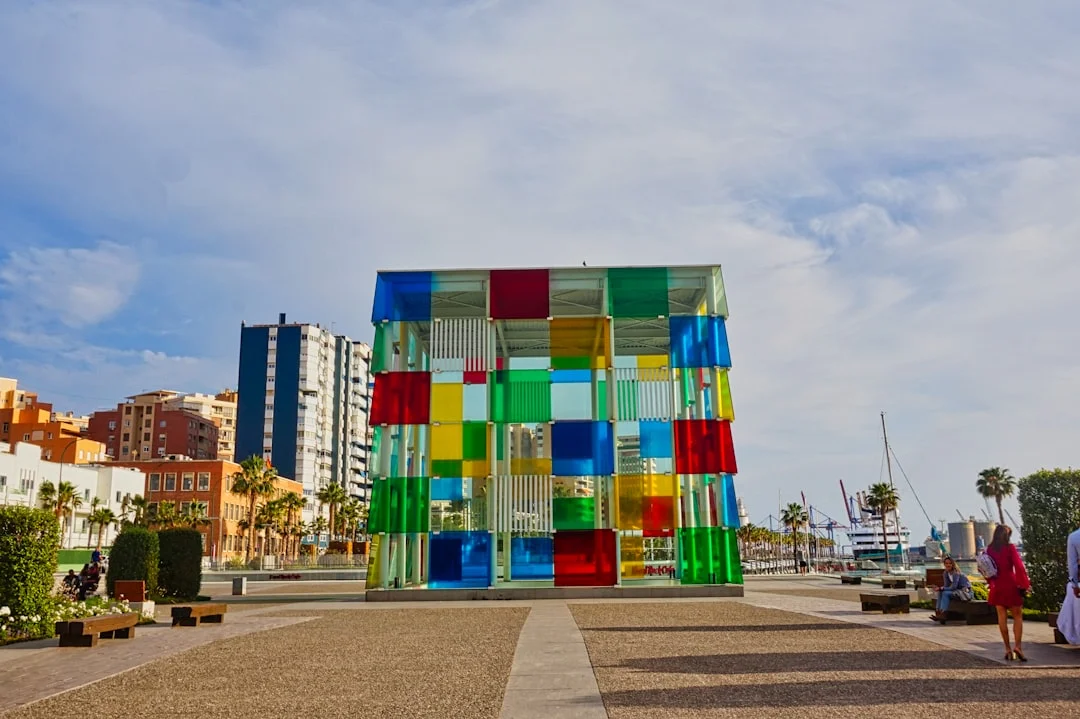
    Unter dem ikonischen Glaskubus im Muelle Uno gelegen, bietet die Málager Außenstelle des Pariser Kunstgiganten eine außergewöhnliche Reise durch die Kunst des 20. und 21. Jahrhunderts. Die aktuelle semi-permanente Ausstellung erforscht Themen wie Identität, Industrialisierung und moderne Architektur durch beeindruckende Multimedia-Installationen.

    3. Museo Carmen Thyssen: Spanische Meisterwerke des 19. Jahrhunderts

    Untergebracht im Palacio de Villalón aus dem 16. Jahrhundert, beherbergt dieses Museum eine außergewöhnliche Sammlung andalusischer und spanischer romantischer Malerei. Es ist der perfekte Ort, um das Licht, die Folklore und die Landschaften Südspaniens durch historische Pinselstriche zu verstehen.

    4. Colección del Museo Ruso: Unbeugsame Kunst

    Dieser im historischen Tabacalera-Gebäude untergebrachte Raum präsentiert weiterhin atemberaubende Wechselausstellungen. Mit seinem Fokus auf klassische und zeitgenössische slawische Kunst, Avantgarde-Bewegungen und historische Retrospektiven bleibt er einer der einzigartigsten Räume der Stadt.

    Zeitgenössische & alternative Zentren

    5. CAC Málaga: Wegweisende Gegenwartskunst

    Das Centro de Arte Contemporáneo (CAC) am Rande des Viertels Soho ist ein Muss für Liebhaber von Street-Art, Fotografie und Bildhauerei. Es zeigt regelmäßig Einzelausstellungen von international renommierten modernen Künstlern sowie lokalen spanischen Talenten.

    6. La Térmica: Avantgarde und Experimentelles

    Etwas außerhalb des Stadtzentrums gelegen, wurde dieses ehemalige Industriegebäude in ein florierendes Kulturzentrum verwandelt. La Térmica beherbergt alles von zeitgenössischen Fotografie-Ausstellungen über Grafikdesign-Präsentationen bis hin zu offenen Ateliers von Artists-in-Residence.

    7. CAC Málaga – La Coracha: Kunst am Berghang

    Direkt unterhalb des Castillo de Gibralfaro gelegen, widmet sich diese Außenstelle des CAC-Hauptmuseums in erster Linie der Förderung aufstrebender lokaler Künstler. Die historische Backsteinarchitektur bildet einen wunderschönen Kontrast zu der modernen, oft experimentellen Kunst im Inneren.

    8. MUPAM (Museo del Patrimonio Municipal)

    Am Fuße der Alcazaba gelegen, schlägt das städtische Denkmalmuseum (MUPAM) die Brücke zwischen Málagas Geschichte und seinen zeitgenössischen Schöpfern. In seinen Sälen für Wechselausstellungen werden häufig lokale Künstler gewürdigt, die die visuelle Identität der Stadt geprägt haben.

    Historische & institutionelle Galerien

    9. Museo de Málaga: Schöne Künste im Zollpalast

    Der Palacio de la Aduana beherbergt die archäologischen Schätze der Stadt neben einer beeindruckenden Kunstsammlung. In den oberen Stockwerken sind atemberaubender spanischer Realismus des 19. Jahrhunderts und Werke der frühen Moderne zu sehen, die oft übersehen werden, aber absolut lohnenswert sind.

    10. Museo Casa Natal de Picasso: Wo alles begann

    Das an der Plaza de la Merced gelegene Geburtshaus Picassos aus dem Jahr 1881 bietet mehr als nur Erinnerungsstücke. Es zeigt wechselnde Sonderausstellungen seiner grafischen Arbeiten, Keramiken und Werke seiner Zeitgenossen.

    11. Ateneo de Málaga: Bürgerkunst im Herzen der Stadt

    An der historischen Plaza de la Constitución ist das Ateneo ein wichtiger gesellschaftlicher Raum. Seine Ausstellungsräume zeigen häufig anregende Fotografie, politische Kunst und zeitgenössische Installationen regionaler Kunstschaffender.

    12. Sociedad Económica de Amigos del País

    Ebenfalls an der Plaza de la Constitución gelegen, veranstaltet diese historische Institution aus dem 18. Jahrhundert Ausstellungen klassischer und zeitgenössischer Malerei in einem wunderbar stimmungsvollen Saal mit hohen Decken.

    Soho & unabhängige Räume

    13. La Casa Amarilla: Das Herz der lokalen Szene

    Wenn Sie sehen möchten, wo sich Málagas aktive Künstler tatsächlich treffen, sollten Sie La Casa Amarilla im Viertel Soho besuchen. Teils Galerie, teils Werkstatt, ermöglicht dieser unabhängige Raum den Kauf von originaler, erschwinglicher Kunst direkt von den Schöpfern.

    14. Galería Isabel Hurley: Hochkarätige zeitgenössische Kunst

    Für einen tiefen Einblick in den kommerziellen zeitgenössischen Kunstmarkt präsentiert diese Galerie avantgardistische nationale und internationale Künstler. Die Ausstellungen hier sprengen oft Grenzen mit Konzeptkunst, Videoinstallationen und experimenteller Bildhauerei.

    15. Archivo Municipal: Geschichte und Fotografie

    Das Stadtarchiv an der Alameda Principal öffnet regelmäßig seinen Innenhof und seine Ausstellungshallen für die Öffentlichkeit. Es ist ein fantastischer Ort, um historische Fotografie-Ausstellungen zu sehen, die Málagas Wandel im Laufe der Jahrzehnte dokumentieren.

    Praktische Tipps für Ihre Kunst-Tour

    • Öffnungszeiten prüfen: Viele kleinere Galerien und städtische Räume sind montags geschlossen. Große Museen wie das Picasso und Pompidou sind täglich geöffnet.
    • Sonntagsrabatte: Mehrere große Museen bieten am Sonntagnachmittag freien Eintritt (meist in den letzten beiden Öffnungsstunden).
    • Street-Art in Soho: Beschränken Sie Ihre Kunstbetrachtung nicht nur auf Innenräume. Das Viertel Soho selbst ist eine Freiluftgalerie mit riesigen Wandgemälden weltberühmter Künstler wie Obey und D*Face.

    Wir hoffen, dass dieser Leitfaden Sie dazu inspiriert, abseits der ausgetretenen Pfade zu wandeln und sich in den Farben, Texturen und Ideen zu verlieren, die unsere Stadt heute prägen. Málagas Schönheit liegt nicht nur in der warmen Meeresbrise, sondern auch im lebendigen, kreativen Geist der Menschen, die hier zu Hause sind. Viel Spaß beim Entdecken!

  • 15 Art Exhibitions to Discover Today in Málaga

    15 Art Exhibitions to Discover Today in Málaga

    Málaga has officially shed its old reputation as just a sunny gateway to the Costa del Sol. Today, it stands proud as the cultural capital of Southern Spain. Whether you are a newly arrived resident finding your feet or a traveler seeking a refined afternoon indoors to escape the extreme heat of up to 46°C, the city’s artistic offering is staggering.

    On any given day, you can step into world-class galleries, independent workshops, and experimental spaces. According to the active cultural listings on Hoy Málaga, there are at least 15 incredible summer art exhibitions and spaces to discover right now.

    Here is your curated guide to navigating Málaga’s best art spaces today.

    The International Heavyweights

    1. Museo Picasso Málaga: The Local Legend

    You cannot talk about art in Málaga without starting with its most famous son. Located in the beautiful Palacio de Buenavista, the museum’s collection showcases Picasso’s evolving styles, from classicism to cubism. It is a deeply personal look at his relationship with his hometown.

    2. Centre Pompidou Málaga: Modernity Under the Cube

    Situated beneath the iconic glass cube at Muelle Uno, the Málaga branch of the Parisian giant offers an exceptional journey through 20th and 21st-century art. The current semi-permanent exhibition explores themes of identity, industrialization, and modern architecture through striking multimedia installations.

    3. Museo Carmen Thyssen: 19th-Century Spanish Masterpieces

    Housed in the 16th-century Palacio de Villalón, this museum holds an extraordinary collection of Andalusian and Spanish romantic paintings. It is the perfect place to understand the light, folklore, and landscapes of Southern Spain through historical brushstrokes.

    4. Colección del Museo Ruso: Resilient Art

    Located in the historic Tabacalera building, this space continues to present breathtaking temporary exhibitions. Focusing on classic and contemporary Slavic art, avant-garde movements, and historical retrospectives, it remains one of the city’s most unique spaces.

    Contemporary & Alternative Hubs

    5. CAC Málaga: Cutting-Edge Contemporary

    The Centro de Arte Contemporáneo (CAC), located on the edge of the Soho district, is a must-visit for lovers of street art, photography, and sculpture. It regularly hosts solo exhibitions by internationally acclaimed modern artists alongside local Spanish talent.

    6. La Térmica: Avant-Garde and Experimental

    Slightly outside the city center, this former industrial space has been converted into a thriving cultural powerhouse. La Térmica hosts everything from contemporary photography exhibitions to graphic design showcases and artist-in-residence open studios.

    7. CAC Málaga – La Coracha: Art on the Hillside

    Nestled just below the Gibralfaro Castle, this annex of the main CAC museum is dedicated primarily to promoting emerging local artists. The historic brick architecture contrasts beautifully with the modern, often experimental art inside.

    8. MUPAM (Museo del Patrimonio Municipal)

    Located at the foot of the Alcazaba, the Municipal Heritage Museum bridges the gap between Málaga’s history and its contemporary creators. Its temporary halls frequently highlight local artists who have shaped the city’s visual identity.

    Historic & Institutional Galleries

    9. Museo de Málaga: Fine Arts at the Customs Palace

    The Palacio de la Aduana houses the city’s archaeological treasures alongside an impressive fine arts collection. The top floors feature stunning 19th-century Spanish realism and early modern works that are often overlooked but deeply rewarding.

    10. Museo Casa Natal de Picasso: Where It All Began

    Located in Plaza de la Merced, the house where Picasso was born in 1881 offers more than just memorabilia. It hosts rotating temporary exhibitions of his graphic works, ceramics, and pieces by his contemporaries.

    11. Ateneo de Málaga: Civic Art in the Heart of Town

    In the historic Plaza de la Constitución, the Ateneo is a vital civic space. Its exhibition rooms frequently showcase thought-provoking photography, political art, and contemporary installations by regional creators.

    12. Sociedad Económica de Amigos del País

    Also situated in Plaza de la Constitución, this historic 18th-century institution hosts classical and contemporary painting exhibitions in a wonderfully atmospheric, high-ceilinged hall.

    Soho & Independent Spaces

    13. La Casa Amarilla: The Heart of the Local Scene

    If you want to see where Málaga’s working artists actually hang out, head to La Casa Amarilla in the Soho district. Part gallery, part workshop, this independent space allows you to buy original, affordable art directly from the creators.

    14. Galería Isabel Hurley: High-End Contemporary Art

    For a deep dive into the commercial contemporary art market, this gallery showcases avant-garde national and international artists. The exhibitions here often push boundaries with conceptual art, video installations, and experimental sculpture.

    15. Archivo Municipal: History and Photography

    The Municipal Archive, located on Alameda Principal, regularly opens its courtyard and exhibition halls to the public. It is a fantastic spot to catch historical photography exhibitions documenting Málaga’s transformation over the decades.

    Practical Tips for Your Art Crawl

    • Check the Hours: Many smaller galleries and municipal spaces close on Mondays. Major museums like the Picasso and Pompidou remain open daily.
    • Sunday Discounts: Several major museums offer free entry on Sunday afternoons (usually during the last two hours of operation).
    • Soho Street Art: Don’t limit your art viewing to the indoors. The Soho neighborhood itself is an open-air gallery, featuring massive murals by world-famous artists like Obey and D*Face.

    We hope this guide inspires you to step off the beaten path and lose yourself in the colors, textures, and ideas shaping our city today. Málaga’s beauty lies not just in its warm sea breeze, but in the vibrant creative spirit of the people who call it home. Happy exploring!

  • Málaga startet Bewerbung als nationale Gastronomie-Hauptstadt

    Málaga startet Bewerbung als nationale Gastronomie-Hauptstadt

    Málaga ist weithin bekannt für seinen ganzjährigen Sonnenschein, seine reiche Geschichte, erstklassige Museen und zukunftsweisende Technologieprojekte wie das geplante Mikroelektronik-Zentrum im Malaga TechPark. Nun strebt die Stadt jedoch eine andere Art der Anerkennung an. Die Stadtverwaltung hat offiziell eine ambitionierte Kampagne gestartet, um Málaga als Spaniens nächste nationale Gastronomie-Hauptstadt zu positionieren und die tief verwurzelte kulinarische Identität der Region ins Rampenlicht zu rücken.

    Diese Initiative soll beweisen, dass Málagas Gastroszene nicht nur eine Nebenattraktion für sonnenhungrige Touristen ist, sondern ein eigenständiges Kraftzentrum für Kultur, Innovation und nachhaltige Qualität.

    Eine gemeinsame Vision für Málagas kulinarisches Erbe

    In einer kürzlichen Präsentation betonte Málagas Bürgermeister Francisco de la Torre, dass es bei der Bewerbung um viel mehr geht als nur um den Gewinn eines Titels. Es sei eine Gelegenheit, die kulturelle Identität der Stadt durch das Essen zurückzuerobern und zu feiern. Laut einem Bericht von Europa Press arbeitet der Stadtrat Hand in Hand mit lokalen Gastronomie- und Hotelverbänden zusammen, um ein vielfältiges Aktivitätsprogramm zu entwerfen.

    Diese gemeinschaftliche Initiative zielt darauf ab, traditionelle Rezepte mit modernen kulinarischen Techniken zu verbinden, um sicherzustellen, dass sowohl das lokale Erbe als auch die innovative Spitzengastronomie gut vertreten sind. Auf diese Weise möchte sich Málaga als erstklassiges Reiseziel für hochwertigen, nachhaltigen kulinarischen Tourismus etablieren.

    „Unsere Gastronomie ist eine fundamentale Säule unserer Kultur. Diese Bewerbung ist eine Hommage an unsere lokalen Erzeuger, Köche und die Generationen von Familien, die unsere kulinarischen Traditionen am Leben erhalten haben.“

    Jenseits des Espeto: Was macht Málagas Küche so einzigartig?

    Während fast jeder Besucher die Freude kennt, einen espeto (Sardinen-Spieß) in einem chiringuito am Strand zu essen, ist Málagas gastronomische Landschaft unglaublich vielfältig. Die Provinz fungiert als natürliche Speisekammer und bietet einzigartige Zutaten, die die lokalen Gerichte prägen:

    • Die Küste: Frische Meeresfrüchte, die von boquerones (Sardellen) über rote Garnelen bis hin zu lokalen Muscheln (conchas finas) reichen.
    • Die Täler im Landesinneren: Preisgekrönte Olivenöle, Ziegenkäse aus der Sierra de Málaga und die berühmten Süßweine der Region.
    • Die tropische Küste: Die Region Axarquía produziert erstklassige Avocados, Mangos und Chirimoyas, die der modernen andalusischen Küche eine frische, tropische Note verleihen.

    Diese unglaubliche Vielfalt hat eine kulinarische Revolution ausgelöst. Heute verfügt Málaga über mehrere Michelin-Sterne-Restaurants neben historischen Tavernen und bietet eine dynamische Gastroszene, die Traditionalisten und abenteuerlustige Feinschmecker gleichermaßen anspricht. Von neuen Tapas-Lokalen, die sich den andalusischen Traditionen verschrieben haben bis hin zu innovativen Konzepten wie erstklassigen Gourmet-Burgern, die an lokalen Tankstellen serviert werden, erweitern sich die kulinarischen Grenzen der Stadt ständig.

    Was Sie erwartet: Veranstaltungen und Aktivitäten

    Im Rahmen der Bewerbung initiieren der Stadtrat und lokale Gastronomiegruppen eine Reihe von öffentlichen Veranstaltungen, Workshops und Lebensmittelmärkten. Diese Initiativen sollen sowohl die Einwohner als auch die internationale Gemeinschaft einbeziehen und hochwertige Gastronomie für alle zugänglich machen.

    Besucher und Einheimische können sich auf spezielle Degustationsmenüs, historische kulinarische Touren und Kooperationen zwischen traditionellen Viertel-Tavernen und modernen Köchen freuen. Diese Veranstaltungen werden die Marke Sabor a Málaga (Geschmack von Málaga) hervorheben, die die Qualität und Herkunft der lokalen Produkte aus der Provinz zertifiziert.

    Wie Sie Málagas bestes Essen schon jetzt erleben können

    Wenn Sie in die Aromen eintauchen möchten, die Málaga zu einem würdigen Anwärter auf den Titel der Gastronomie-Hauptstadt machen, sollten Sie hier beginnen:

    1. Besuchen Sie die lokalen Märkte: Besuchen Sie den Mercado de Atarazanas oder den Mercado del Carmen. Diese lebhaften Treffpunkte eignen sich hervorragend, um frischen lokalen Käse, Oliven und Meeresfrüchte direkt an den Ständen zu probieren.
    2. Erkunden Sie traditionelle Tavernen: Kehren Sie in historische Lokale wie El Pimpi oder die Antigua Casa de Guardia ein, um lokale Süßweine in Kombination mit einfachen, authentischen Tapas zu probieren.
    3. Probieren Sie kreative andalusische Küche: Reservieren Sie einen Tisch in einem der modernen Bistros der Stadt, in denen Köche klassische Gerichte wie ajoblanco (kalte Mandelsuppe) mit kreativen, modernen Präsentationen neu erfinden.

    Wir hoffen, dass diese spannende Bewerbung den fleißigen Landwirten, Fischern und Köchen, die das Essen in Málaga zu einem solchen Vergnügen machen, noch mehr Anerkennung bringt. Essen hat eine einzigartige Art, Menschen zusammenzubringen, und wir freuen uns darauf, noch viele weitere unvergessliche Mahlzeiten an den Tischen dieser wunderschönen Stadt zu teilen.

  • Málaga Launches Bid for National Gastronomic Capital

    Málaga Launches Bid for National Gastronomic Capital

    Málaga is widely celebrated for its year-round sunshine, rich history, and world-class museums. While the city is increasingly recognized as a technological powerhouse, recently highlighted by plans to build a new microelectronics hub at Malaga TechPark, it is now setting its sights on a different kind of recognition. The local government has officially launched an ambitious campaign to position Málaga as Spain’s next National Gastronomic Capital, aiming to spotlight the deep-rooted culinary identity of the region.

    This initiative seeks to prove that Málaga’s food scene is not just a secondary attraction for sun-seeking tourists, but a powerhouse of culture, innovation—much like the city’s growing digital ecosystem, recently bolstered by the FJX Group’s first European tech hub in Málaga—and sustainable quality in its own right.

    A Shared Vision for Málaga’s Culinary Heritage

    In a recent presentation, Málaga’s Mayor, Francisco de la Torre, emphasized that the bid is about much more than winning a title. It is an opportunity to reclaim and celebrate the city’s cultural identity through food. According to a report by Europa Press, the city council is working hand-in-hand with local hospitality and gastronomy associations to design a diverse program of activities.

    This collaborative effort aims to connect traditional recipes with modern culinary techniques, ensuring that both local heritage and cutting-edge gastronomy are well represented. By doing so, Málaga aims to establish itself as a premier destination for high-quality, sustainable culinary tourism.

    “Our gastronomy is a fundamental pillar of our culture. This bid is a tribute to our local producers, chefs, and the generations of families who have kept our culinary traditions alive.”

    Beyond the Espeto: What Makes Málaga’s Food Unique?

    While almost every visitor knows the joy of eating an espeto (grilled sardines) at a seaside chiringuito, Málaga’s gastronomic landscape is incredibly diverse. The province acts as a natural pantry, offering unique ingredients that define its local dishes:

    • The Coast: Fresh seafood ranging from boquerones (anchovies) to red prawns and local clams (conchas finas).
    • The Inland Valleys: Award-winning olive oils, goat cheeses from the Sierra de Málaga, and the famous sweet wines of the region.
    • The Tropical Coast: The Axarquía region produces world-class avocados, mangoes, and chirimoyas, adding a fresh, tropical twist to modern Andalusian cuisine.

    This incredible variety has fueled a culinary revolution. Today, Málaga boasts several Michelin-starred establishments alongside historic taverns, creating a dynamic food scene that appeals to traditionalists and adventurous foodies alike. From new tapas spots dedicated to Andalusian traditions to innovative concepts like premium gourmet burgers served at local gas stations, the city’s culinary boundaries are constantly expanding.

    What to Expect: Events and Activities

    As part of the bid, the city council and local hospitality groups are rolling out a series of public events, workshops, and food markets. These initiatives are designed to involve both residents and the international community, making high-quality gastronomy accessible to everyone.

    Visitors and locals can expect special tasting menus, historical food tours, and collaborations between traditional neighborhood taverns and contemporary chefs. These events will highlight the Sabor a Málaga (Taste of Málaga) brand, which certifies the quality and origin of local provincial products.

    How to Experience Málaga’s Best Food Right Now

    If you want to dive into the flavors that make Málaga a worthy contender for the Gastronomic Capital title, here is where you should start:

    1. Visit the Local Markets: Head to Mercado de Atarazanas or Mercado del Carmen. These bustling hubs are perfect for tasting fresh local cheese, olives, and seafood straight from the stalls.
    2. Explore Traditional Taverns: Step into historic spots like El Pimpi or Antigua Casa de Guardia to sample local sweet wines paired with simple, authentic tapas.
    3. Try Creative Andalusian Cuisine: Book a table at one of the city’s modern bistros, where chefs are reinventing classic dishes like ajoblanco (cold almond soup) with creative, modern presentations.

    We hope this exciting bid brings even more appreciation to the hardworking farmers, fishermen, and chefs who make dining in Málaga such a joy. Food has a unique way of bringing people together, and we look forward to sharing many more memorable meals around the table in this beautiful city.

  • Dúo by Alita: Gourmet-Burger an einer Tankstelle in Málaga

    Dúo by Alita: Gourmet-Burger an einer Tankstelle in Málaga

    Während Málaga derzeit Schlagzeilen macht, weil die Stadt neue Hotels und Ferienwohnungen für drei Jahre verbietet, zeigt sich ihre kulinarische Szene weiterhin gewohnt innovativ – und der neueste Hotspot sorgt an einem höchst ungewöhnlichen Ort für Aufsehen. Wenn Sie das nächste Mal eine örtliche Tankstelle ansteuern, um aufzutanken, bleiben Sie vielleicht für ein erstklassiges Essen dort.

    Die Köche hinter dem vom Repsol-Guide empfohlenen Restaurant Alita, das kürzlich mit seiner überraschenden Schließung in Soho für Schlagzeilen sorgte, haben offiziell Dúo by Alita ins Leben gerufen – einen High-End-Burger-Foodtruck, der dauerhaft an einer Tankstelle in Málaga parkt. Dieses originelle Projekt verbindet gehobene Gastronomie-Expertise mit dem ultimativen, lässigen Street-Food-Format und zieht bereits die Aufmerksamkeit lokaler Feinschmecker und Expats auf sich.

    Spitzengastronomie trifft auf hohe Oktanzahl

    Es kommt nicht alle Tage vor, dass preisgekrönte kulinarische Talente ihre Zelte direkt neben Zapfsäulen aufschlagen. Die Köpfe hinter Alita, einem vom renommierten Repsol-Guide hochgeschätzten Restaurant, beschlossen, neue Wege zu gehen. Ihr Ziel war einfach: die Formalitäten des traditionellen Restaurantbesuchs abzulegen und erstklassigen Geschmack direkt auf die Straße zu bringen.

    Wie La Opinión de Málaga berichtet, bietet der Foodtruck Premium-Gourmet-Burger zu einem unglaublich günstigen Einstiegspreis von nur 6 Euro an. Durch den Betrieb an einer Tankstelle umgehen die Köche die hohen Betriebskosten eines traditionellen Lokals im Stadtzentrum und geben diese Ersparnisse direkt an die Kunden weiter, ohne Kompromisse bei der Qualität der Zutaten einzugehen.

    Was steht auf der Speisekarte?

    Auch wenn das Ambiente ungezwungen ist, die Zubereitung ist es keineswegs. Erwarten Sie sorgfältig ausgewähltes Fleisch, handwerklich hergestellte Brötchen und hausgemachte Saucen, die den Fine-Dining-Hintergrund der Köche widerspiegeln.

    • Premium-Beef-Patties: Perfekt angebraten, um saftig zu bleiben.
    • Signature-Saucen: Hausgemachte Reduktionen und Aiolis, die den klassischen Burger auf ein neues Level heben.
    • Erschwinglicher Luxus: Mit Angeboten ab 6 € bietet es eine hochwertige Alternative zu herkömmlichem Fast Food.

    Málagas wachsendes kulinarisches Prestige

    Dieser unkonventionelle Start ist ein hervorragendes Beispiel für die kreative Freiheit, die Málagas moderne Food-Szene prägt. Die Stadt verwandelt sich rasant von einem traditionellen Urlaubstor in eine bedeutende europäische kulinarische Destination.

    Tatsächlich passt dieser Innovationsgeist perfekt zu den ehrgeizigen Plänen der Stadt. Málaga positioniert sich derzeit als ernsthafter Anwärter auf den Titel der Europäischen Hauptstadt der gastronomischen Kultur. Laut Europa Press betonte Bürgermeister Francisco de la Torre kürzlich den Wert von Málagas kulinarischem Erbe und seiner sich entwickelnden gastronomischen Identität als Kernpfeiler des kulturellen Reichtums der Stadt. Projekte wie Dúo by Alita beweisen, dass diese gastronomische Kultur keineswegs nur auf Sterne-Restaurants beschränkt ist, sondern auch in den unerwartetsten Ecken der Gemeinschaft lebendig ist und gedeiht.

    Warum sich ein Besuch lohnt

    Für Expats und Einheimische, die genug vom üblichen Restaurant-Alltag haben, bringt Dúo by Alita frischen Wind. Es ist unkompliziert, unprätentiös und bietet wirklich hervorragendes Essen. Es stellt die Vorstellung infrage, dass man für ein großartiges Essen eine Reservierung, weiße Tischdecken oder eine saftige Rechnung braucht. Manchmal braucht es nur die Leidenschaft für gutes Essen, ein paar talentierte Köche und einen gut platzierten Foodtruck.

    Wir hoffen, dass dieser einzigartige kleine Ort Sie dazu inspiriert, die ausgetretenen Pfade zu verlassen und die kreativen Aromen zu entdecken, die unsere wunderschöne Stadt zu bieten hat. Málaga überrascht uns jeden Tag aufs Neue und beweist, dass Großartiges tatsächlich an den gewöhnlichsten Orten zu finden ist.

  • Dúo by Alita: Gourmet Burgers at a Malaga Gas Station

    Dúo by Alita: Gourmet Burgers at a Malaga Gas Station

    Malaga’s culinary scene is no stranger to innovation, even as the city navigates major changes like the recently announced three-year ban on new hotels and tourist flats. Amidst this shifting landscape, its latest hotspot is turning heads in the most unexpected of places. If you find yourself pulling into a local gas station for a fill-up, you might just end up staying for a world-class meal.

    The chefs behind the Repsol-recommended restaurant Alita, which recently made headlines with its surprise closure in Soho, have officially launched Dúo by Alita, a high-end burger food truck parked permanently at a Malaga service station. Combining fine-dining expertise with the ultimate casual street food format, this quirky venture is already capturing the imagination of local foodies and expats alike.

    High Gastronomy Meets High Octane

    It is not every day that award-winning culinary talent sets up shop next to petrol pumps. The minds behind Alita, a restaurant highly regarded by the prestigious Repsol Guide, decided to break the mold. Their goal was simple: strip away the formality of traditional sit-down dining and bring top-tier flavor directly to the streets.

    As reported by La Opinión de Málaga, the food truck offers premium gourmet burgers starting at an incredibly accessible price point of just 6 euros. By operating out of a gas station, the chefs bypass the heavy overhead costs of a traditional city-center local, passing those savings directly onto the customer without compromising on ingredient quality.

    What is on the Menu?

    While the setting is casual, the preparation is anything but. Expect carefully sourced meats, artisanal buns, and homemade sauces that reflect the chefs’ fine-dining background.

    • Premium Beef Paties: Perfectly seared to retain juiciness.
    • Signature Sauces: House-made reductions and aiolis that elevate the classic burger.
    • Affordable Luxury: With options starting at €6, it offers a high-quality alternative to standard fast food.

    Malaga’s Growing Culinary Prestige

    This unconventional launch is a prime example of the creative freedom defining Malaga’s modern food scene. The city is rapidly transforming from a traditional holiday gateway into a major European culinary destination.

    In fact, this spirit of innovation aligns perfectly with the city’s grander ambitions. Malaga is currently positioning itself as a serious contender for the European Capital of Gastronomic Culture. According to Europa Press, Mayor Francisco de la Torre recently emphasized the value of Malaga’s culinary heritage and its evolving gastronomic identity as core pillars of the city’s cultural richness. Projects like Dúo by Alita prove that this gastronomic culture is not just confined to Michelin-starred establishments, but is alive, well, and thriving in the most unexpected corners of the community.

    Why It Is Worth the Visit

    For expats and locals tired of the usual restaurant routines, Dúo by Alita offers a breath of fresh air. It is fun, unpretentious, and serves genuinely excellent food. It challenges the idea that great dining requires a reservation, white tablecloths, or a hefty bill. Sometimes, all you need is a passion for great food, a couple of talented chefs, and a well-placed food truck.

    We hope this unique little spot inspires you to step off the beaten path and explore the creative flavors our beautiful city has to offer. Malaga continues to surprise us every single day, proving that great things truly can be found in the most ordinary places.