Tag: by:maria_rojas

  • New Foundation Aims to Complete Malaga Cathedral

    New Foundation Aims to Complete Malaga Cathedral

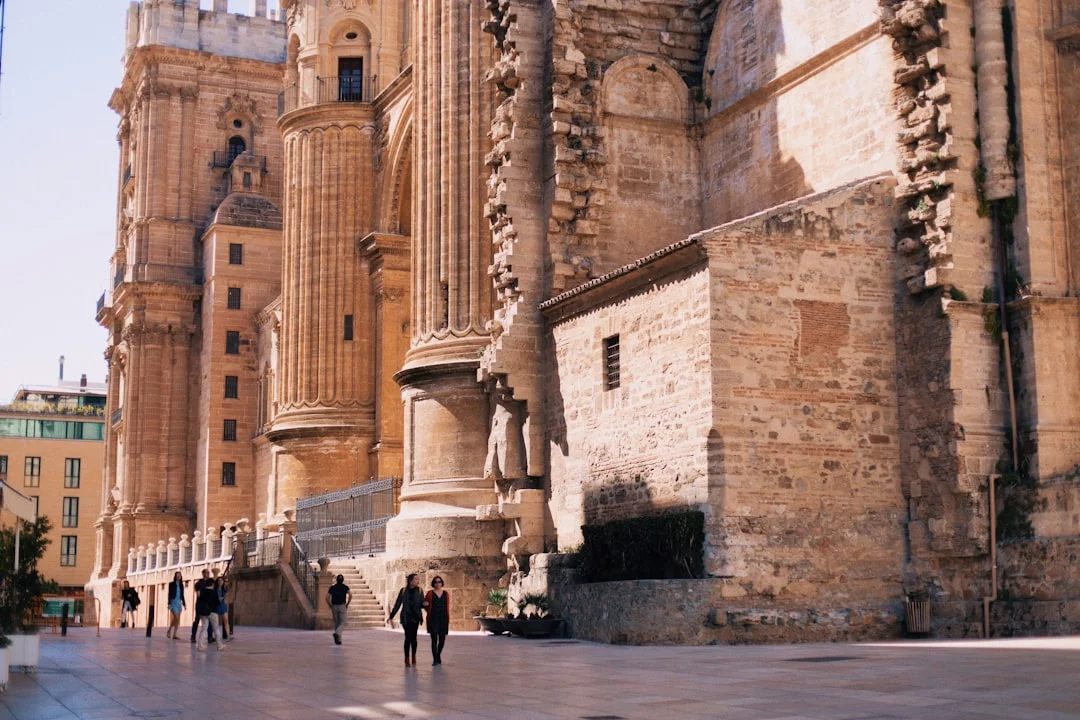
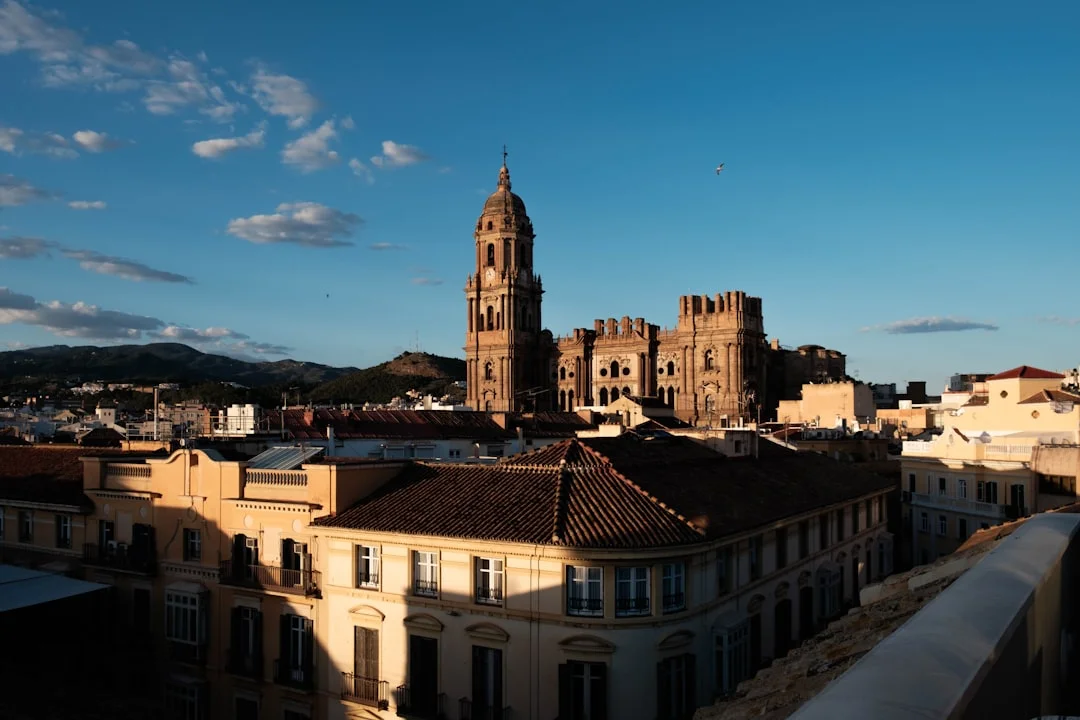
    For nearly six centuries, the skyline of Málaga has been defined by a beautiful, albeit lopsided, silhouette. The Santa Iglesia Catedral Basílica de la Encarnación is famously known as ‘La Manquita’ (The One-Armed Lady) because its south tower was never built.

    However, this historic status quo might be on the verge of a historic shift. As reported by Diario Sur in July 2026, a group of local collectives and civic leaders is organizing to establish a brand-new foundation. Their primary mission? To mobilize civil society, raise the necessary private funds, and finally complete the construction of Málaga’s most famous landmark.

    Here is a look at why the cathedral remains unfinished, what this new movement proposes, and the passionate debate it has sparked among locals and expats alike.

    Why Was Malaga Cathedral Left Unfinished?

    Construction on the cathedral began in 1528 on the site of a former mosque. Over the next two and a half centuries, the building evolved into a magnificent blend of Gothic, Renaissance, and Baroque architectural styles.

    By the late 18th century, work was progressing on the second (south) tower. However, in 1782, construction ground to a halt.

    There are two main explanations for why the money ran out:
    * The Popular Legend: Local lore insists that the budget allocated for the completion of the tower was sent to the United States to help fund the American Revolutionary War against the British.
    * The Historical Reality: Most historians point to a more local cause. The funds were diverted to pay for urgent public works closer to home, specifically the construction of the Camino de Antequera, a vital transport route connecting Málaga to the interior of Andalusia.

    Whatever the exact reason, the work stopped, leaving the south tower as a stump and the main facade incomplete. Over the centuries, what was once a temporary delay became the cathedral’s defining characteristic.

    The 2026 Initiative: A Citizen-Led Push

    For generations, completing the cathedral has been a recurring talking point in Málaga’s political and cultural circles. What makes the current push different is its grassroots, citizen-led approach.

    According to recent reports, the upcoming foundation aims to bypass political gridlock by directly involving the public and the business community. By creating a structured foundation, the organizers hope to:
    1. Raise Private Capital: Attract donations from local businesses, international patrons, and citizens who want to see the original architectural vision realized.
    2. Promote Public Dialogue: Host debates, exhibitions, and educational forums to explain the architectural plans and the benefits of completing the structure.
    3. Collaborate with Authorities: Work alongside the Bishopric of Málaga, the regional government (Junta de Andalucía), and the City Council to ensure any future construction respects the historical integrity of the monument.

    The Great Debate: To Build or Not to Build?

    The proposal has instantly reignited a passionate debate across the city. For many, “La Manquita” is not just a building; it is an identity.

    The Case for Completing It

    Proponents of the project argue that finishing the cathedral is a matter of historical justice and architectural pride. They point out that:
    * The Original Vision: The cathedral was designed to have two towers. Completing it would fulfill the master plan laid out by the Renaissance architects.
    * Structural Protection: Finishing the roof and towers in a cohesive manner could provide better long-term protection against humidity and water damage, which have plagued the cathedral for decades.
    * A Global Statement: Completing a major historic cathedral in the 21st century would put Málaga in the global architectural spotlight, much like the ongoing works at Barcelona’s Sagrada Família.

    The Case for Leaving It Alone

    On the other side of the debate, many residents and heritage purists believe the cathedral should remain exactly as it is:
    * The Identity of “La Manquita”: The unfinished tower is what makes the cathedral unique. Without its missing arm, it would simply be another grand cathedral, losing the quirky charm that locals and tourists love.
    * A Monument to History: The unfinished state is a physical record of Málaga’s 18th-century economic realities and historical shifts.
    * Priorities: Opponents argue that fundraising efforts and public attention would be better spent on preserving Málaga’s existing, deteriorating heritage sites rather than building new structures.

    Visiting Malaga Cathedral Today

    If you are living in or visiting Málaga, the cathedral remains an absolute must-visit. Even in its “one-armed” state, it is a breathtaking monument.

    • The Interior: Inside, you will find soaring ceilings, stunning 17th-century choir stalls carved by Pedro de Mena, and beautiful stained-glass windows.
    • The Roof Tour (Las Cubiertas): For a truly unique perspective, you can book a guided tour of the cathedral’s vaulted brick roofs. Climbing the 200 steps of the northern tower rewards you with some of the finest 360-degree views of the port, the Alcazaba, and the historic center.

    Whether the new foundation succeeds in its ambitious goal or “La Manquita” keeps her famous silhouette forever, the conversation itself shows how deeply the people of Málaga care about protecting the city’s historic heritage. Cities are living things, constantly balancing the weight of their past with the ambitions of their future. As we watch this new chapter unfold, it reminds us that history in Málaga is never truly finished.
  • Juanjo Fuentes Exhibition: Free Art in Málaga Center

    Juanjo Fuentes Exhibition: Free Art in Málaga Center

    If you are looking for excellent free things to do in Malaga in July 2026, perhaps while visiting the city as the Málaga hotel sector booms with luxury openings, there is a brand-new cultural escape waiting for you right in the heart of the city. The Salas Mingorance, located within the Municipal Archive (Archivo Municipal), is currently hosting a brilliant solo exhibition by the renowned artist Juanjo Fuentes.

    This free exhibition offers a refreshing, air-conditioned sanctuary from the midday heat while showcasing a stunning dialogue between traditional craftsmanship and contemporary digital art.

    The Fusion of Porcelain and Digital Collage

    Juanjo Fuentes is celebrated for his bold aesthetic, and this latest showcase does not disappoint. The exhibition seamlessly blends two seemingly opposite mediums: delicate, classical porcelain pieces and vibrant, cutting-edge digital collages.

    According to a feature by La Opinión de Málaga, the collection invites viewers into a colorful, surreal world where historical iconography meets modern pop culture. The meticulous detail in the porcelain figures contrasts beautifully with the layered, thought-provoking narratives of the digital collages lining the walls. It is an exhibition that feels both nostalgic and intensely forward-looking.

    Why It’s the Perfect Midday Escape

    During the peak of summer, exploring Malaga’s outdoor sights between 12:00 and 17:00 can be exhausting. Taking a break inside one of the city’s air-conditioned museums and galleries is a favorite local secret.

    • Cool Environment: The Salas Mingorance are fully air-conditioned, making it an ideal spot to lower your body temperature while enjoying high-quality local art.
    • Central Location: Situated right on the Alameda Principal, it is just a short walk from Calle Larios, the port, and the main historic monuments.
    • Quick & Inspiring: You can easily enjoy the entire collection in 30 to 45 minutes, making it a perfect addition to a day of sightseeing or shopping.

    Practical Information & Opening Hours

    Planning your visit is straightforward. The exhibition is entirely free to enter and will remain open to the public until September 27, 2026.

    Salas Mingorance Malaga Opening Hours:

    • Monday to Friday: 10:00 to 13:00 and 18:00 to 21:00
    • Saturdays, Sundays, and Holidays: 10:00 to 13:00
    • Address: Archivo Municipal de Málaga, Alameda Principal, 23, 29001 Málaga
    • Admission: Free

    Whether you are a long-time resident looking for fresh local talent or a traveler seeking a quiet, inspiring moment away from the crowds, Juanjo Fuentes’ exhibition is highly recommended. It is a vivid reminder of Malaga’s thriving, accessible contemporary art scene.

    We hope this quiet corner of the Alameda brings you as much inspiration and cool relief as it does to us. There is always something beautiful waiting to be discovered just behind the heavy stone doors of our city’s historic archives.

  • Málaga and UMA Partner to Protect City Heritage

    Málaga and UMA Partner to Protect City Heritage

    As Málaga continues its rapid evolution into a global tech and tourism hub, favored by an enviable climate where even extreme polar air masses spare the Costa del Sol, a pressing question hangs over its cobblestone streets: how do we preserve the city’s authentic soul?

    While high-tech offices, modern holiday rentals, and ambitious new developments like the recently approved 29-story Zaha Hadid El Bulto tower reshape the urban landscape, a vital rescue mission is quietly underway. This month, local institutions and historic family-run businesses are stepping up to ensure that Málaga’s unique heritage isn’t lost to gentrification.

    A New Alliance for Málaga’s Historic Heritage

    In a significant step toward safeguarding the city’s identity, the Málaga City Council (via its Gerencia de Urbanismo) and the University of Málaga (UMA) signed a formal collaboration agreement on July 23, 2026. As reported by Europa Press, this partnership establishes a dedicated framework for research, documentation, and the strategic protection of the city’s historical assets.

    Rather than viewing heritage as static museum pieces, the alliance aims to integrate historical preservation into modern urban planning, especially as new developments like the Zaha Hadid luxury tower reshape the city’s skyline. Academic experts and city officials will work hand-in-hand to identify vulnerable structures, document local history, and create policies that keep Málaga’s architectural and cultural legacy intact for future generations.

    The Living Heritage: Traditional Eateries Under Pressure

    While protecting buildings is crucial, the true heartbeat of Málaga lies in its living heritage—the traditional, family-run establishments that have fed neighborhoods for decades. In the city center, these authentic spaces are facing unprecedented pressure from rising rents and changing consumer habits, leading to a shifting culinary landscape where iconic spots are constantly reinvented, as seen with the new restaurant taking over the former La Alvaroteca venue.

    Classic spots serve as vital social anchors. A prime example of this resistance is the story of traditional venues like those profiled by Málaga Hoy. Consider the legacy of the historic restaurant in the city center founded back in 1971 by former Málaga CF player José Portalés. For over half a century, places like this have served as community living rooms, offering affordable, home-cooked Andalusian classics to locals, workers, and curious travelers alike.

    These eateries are more than just business ventures; they are repositories of local memory. When a historic tavern closes to make way for a generic franchise, the city loses a piece of its oral history, its culinary traditions, and its neighborhood cohesion.

    How to Experience and Support Authentic Málaga

    For visitors and residents who want to help keep Málaga’s soul alive, the solution is simple: vote with your wallet. Supporting authentic local spots is the most effective way to ensure they survive.

    • Step off the Main Drags: Skip the global fast-food chains and seek out the narrow side streets of the historic center. Look for places with hand-written menu boards and bustling local crowds.
    • Order the Classics: Try traditional Malagueño dishes like ensaladilla rusa, boquerones fritos, porra antequerana, or a simple, perfectly poured caña of Victoria beer.
    • Value the Experience: Accept that traditional service might be loud, fast-paced, and entirely in Spanish. Embrace the lively atmosphere—it is a core part of the local dining culture.

    Looking Forward

    As Málaga navigates its golden era of growth, finding a balance between progress and preservation is the defining challenge of our time. The new partnership between the city and the university is a hopeful sign that institutional protection is catching up to the community’s needs. Ultimately, however, the survival of Málaga’s unique character relies on the choices we make every day at the dinner table.

    We hope that as the city grows, we can continue to share a table in the very places that made us fall in love with Málaga in the first place. Let us cherish and protect these corners of warmth and history.

  • Wo Sie im Zentrum von Málaga traditionell essen können

    Wo Sie im Zentrum von Málaga traditionell essen können

    Da Málaga als globales Zentrum für Tourismus und Remote Work stetig wächst – nicht zuletzt dank des ganzjährig angenehmen Klimas, bei dem oft selbst polare Luftmassen die Costa del Sol verschonen – hat das historische Zentrum einen rasanten Zuwachs an internationalen Franchise-Ketten, trendigen Brunch-Lokalen und minimalistischen Cafés erfahren. Doch versteckt zwischen den belebten, durchmodernisierten Straßen behaupten sich noch immer einige wenige traditionelle kulinarische Bastionen. Dies sind die Orte, an denen die Rezepte unverändert bleiben, der Service herzlich und unaufgeregt ist und die Seele von Málaga auf dem Teller serviert wird.

    Für Reisende und neu zugezogene Einwohner, die abseits der anfänglichen Bürokratie – wie der richtigen Reihenfolge bei NIE und Padrón – das echte Málaga suchen, ist das Aufspüren dieser Orte mehr als nur eine kulinarische Entdeckungsreise – es ist eine Möglichkeit, die lokale Gemeinschaft zu unterstützen und die lebendige Geschichte der Stadt zu bewahren.

    Das Erbe des Mesón Portalés: Eine 55 Jahre alte Institution

    Eines der besten Beispiele für diesen lokalen Widerstand ist das Mesón Portalés. Gegründet im Jahr 1971 von José Portalés Úbeda, einem ehemaligen Profifußballer von Málaga CF, ist dieses Lokal seit Generationen ein Eckpfeiler der lokalen Gastronomieszene.

    Etwa ein Jahrzehnt nach der Eröffnung ging das Restaurant in die Hände der Familie Ramos über. Anstatt modernen kulinarischen Trends hinterherzujagen, trafen sie die bewusste Entscheidung, die authentischen Aromen der traditionellen Hausmannskost von Málaga zu bewahren. Mitten im Herzen des historischen Zentrums gelegen, fühlt sich das Betreten des Mesón Portalés wie eine Zeitreise an.

    Hier finden Sie keinen Avocado-Toast oder trüffelverfeinerten Schaum. Stattdessen ist die Küche auf deftige, wohltuende Klassiker spezialisiert:
    * Albóndigas en salsa de almendras: Zarte Fleischbällchen, geschmort in einer reichhaltigen, traditionellen Mandelsauce.
    * Plato de los Montes: Ein herzhaftes Gericht aus den Bergen mit Chorizo, Schweinelende (lomo en manteca), Bratkartoffeln und einem Spiegelei.
    * Ajoblanco: Die klassische kalte Mandel-Knoblauch-Suppe, serviert mit süßen Weintrauben aus Málaga.

    Laut einem Bericht von Málaga Hoy über das gastronomische Erbe der Region sind Orte wie das Mesón Portalés von entscheidender Bedeutung, um die kulturelle Identität des Stadtzentrums inmitten der raschen Gentrifizierung zu bewahren.

    Weitere traditionelle Tempel, die Sie nicht verpassen sollten

    Wenn Sie die authentische Tapas-Kultur von Málaga erleben möchten, sollten Sie diese historischen Orte auf Ihre Liste setzen:

    1. Antigua Casa de Guardia (Gegründet 1840)

    Als älteste Taverne Málagas ist dieser legendäre Ort an der Alameda Principal ein absolutes Muss. Es gibt keine Stühle; die Gäste lehnen an der langen Holztheke, während die Barkeeper lokalen Süßwein direkt aus riesigen Holzfässern einschenken. Ihre Rechnung wird immer noch mit Kreide direkt auf den Tresen geschrieben. Kombinieren Sie ein Glas Seco Trastras oder Pedro Ximénez mit einem einfachen Teller lokaler Miesmuscheln oder Garnelen zum Selberschälen.

    2. Cortijo de Pepe (Gegründet 1971)

    In der Nähe der Plaza de la Merced gelegen, bietet das Cortijo de Pepe eine rustikale, tavernenartige Atmosphäre. Im Erdgeschoss befindet sich eine belebte Bar, in der Sie traditionelle Tapas wie pimientos de Padrón, gegrillten Oktopus und Fleischspieße (pinchitos) genießen können. Wenn Sie lieber im Sitzen essen möchten, bietet der Speisesaal im Obergeschoss einen gemütlichen Rückzugsort mit einer Speisekarte, die von Fleisch aus dem Holzofen und klassischen Eintöpfen geprägt ist.

    3. La Campana

    Wenn Sie im Zentrum Lust auf traditionellen frittierten Fisch nach Málaga-Art haben, ist La Campana die richtige Adresse. Es ist laut, voll und unglaublich charmant. Bestellen Sie ein kaltes Bier oder ein Glas lokalen Weißwein zu einem Teller knuspriger boquerones (Sardellen), calamares oder adobo (marinierter Fisch).

    Wie Sie eine authentische Tapas-Bar in Málaga erkennen

    Da so viele Lokale für Touristen auf „traditionell“ getrimmt sind, kann es schwierig sein, das Authentische vom Imitat zu unterscheiden. Beachten Sie diese praktischen Tipps:
    * Die Speisekarte: Authentische Lokale haben meist einfache, gedruckte Speisekarten (oft nur auf Spanisch) oder handgeschriebene Kreidetafeln. Wenn neben jedem Gericht Hochglanzfotos zu sehen sind, ist Vorsicht geboten.
    * Das Publikum: Suchen Sie nach Bars, in denen die Gäste Spanisch sprechen, insbesondere ältere Einheimische, die seit Jahrzehnten denselben Ort besuchen.
    * Die Einrichtung: Traditionelle Bars zeichnen sich oft durch Metalltheken, Fässer als Tische und einen schnellen, schnörkellosen Service aus, bei dem sich die Kellner Ihre Bestellung merken, ohne sie aufzuschreiben.

    Die Seele der Stadt bewahren

    Jedes Mal, wenn wir uns für eine familiengeführte Taverne und gegen eine globale Fast-Food-Kette entscheiden, tragen wir dazu bei, die einzigartige Identität von Málaga lebendig zu erhalten. Diese traditionellen Küchen tun mehr, als uns nur zu ernähren; sie verbinden uns mit den Familien, der Geschichte und den Aromen, die Málaga zu der herzlichen, einladenden Stadt gemacht haben, in die wir uns überhaupt erst verliebt haben. Wir hoffen, dass diese kulinarischen Zufluchtsorte auch bei der fortschreitenden Entwicklung der Stadt fest verwurzelt bleiben und noch über Jahrzehnte hinweg Gemütlichkeit und Tradition servieren.

  • Where to Eat Traditional Food in Malaga Center

    Where to Eat Traditional Food in Malaga Center

    As Malaga continues to grow as a global hub for tourism and remote work, drawing newcomers who must first navigate the correct NIE and Padrón paperwork order, the historic center has seen a rapid rise in international franchises, trendy brunch spots, and minimalist cafes. Yet, tucked away between the crowded, thoroughly modernized streets, a handful of traditional culinary bastions still stand. These are the places where the recipes remain unchanged, the service is warm and unpretentious, and the soul of Malaga is served on a plate.

    For travelers and newly arrived residents seeking the real Malaga, finding these spots is more than just a culinary quest—it is a way to support the local community and preserve the city’s living history.

    The Legacy of Mesón Portalés: A 55-Year-Old Institution

    One of the finest examples of this local resistance is Mesón Portalés. Founded in 1971 by José Portalés Úbeda, a former professional football player for Málaga CF, this establishment has been a cornerstone of the local dining scene for generations.

    About a decade after its opening, the restaurant passed into the hands of the Ramos family. Rather than chasing modern culinary trends, they made a conscious decision to preserve the authentic flavors of Malaga’s traditional home cooking. Located right in the heart of the historic center, stepping into Mesón Portalés feels like stepping back in time.

    Here, you won’t find avocado toasts or truffle-infused foam. Instead, the kitchen specializes in robust, comforting classics:
    * Albóndigas en salsa de almendras: Tender meatballs simmered in a rich, traditional almond sauce.
    * Plato de los Montes: A hearty mountain dish featuring chorizo, pork loin (lomo en manteca), fried potatoes, and a fried egg.
    * Ajoblanco: The classic cold almond and garlic soup, served with sweet Malaga grapes.

    According to a feature on local heritage dining by Málaga Hoy, places like Mesón Portalés are vital to maintaining the cultural identity of the city center amidst rapid gentrification.

    Other Traditional Temples You Cannot Miss

    If you want to experience the authentic tapas culture of Malaga, add these historic spots to your list:

    1. Antigua Casa de Guardia (Founded in 1840)

    As Malaga’s oldest tavern, this legendary spot on the Alameda Principal is a must-visit. There are no chairs; customers lean against the long wooden bar while bartenders pour local sweet wines directly from massive wooden barrels. Your tab is still written in chalk directly on the counter. Pair a glass of Seco Trastras or Pedro Ximénez with a simple plate of local mussels or peel-and-eat prawns.

    2. Cortijo de Pepe (Founded in 1971)

    Located near Plaza de la Merced, Cortijo de Pepe offers a rustic, tavern-like atmosphere. The ground floor features a bustling bar where you can enjoy traditional tapas like pimientos de Padrón, grilled octopus, and skewered meats (pinchitos). If you prefer a sit-down meal, the upstairs dining room offers a cozy retreat with a menu dominated by wood-fired meats and classic stews.

    3. La Campana

    If you are craving traditional Malaga-style fried fish in the center, La Campana is the place to go. It is loud, crowded, and incredibly charming. Order a cold beer or a glass of local white wine alongside a plate of crispy boquerones (anchovies), calamares, or adobo (marinated fish).

    How to Spot an Authentic Malaga Tapas Bar

    With so many venues designed to look “traditional” for tourists, it can be hard to separate the authentic from the imitation. Keep these practical tips in mind:
    * The Menu: Authentic spots usually have simple, printed menus (often only in Spanish) or handwritten blackboards. If there are glossy photos of the food next to every item, proceed with caution.
    * The Crowds: Look for bars where the patrons are speaking Spanish, especially older locals who have been coming to the same spot for decades.
    * The Setup: Traditional bars often feature metal counters, barrels used as tables, and a fast-paced, no-nonsense service style where the waiters memorize your order without writing it down.

    Preserving the Soul of the City

    Every time we choose a family-run tavern over a global fast-food chain, we help keep Malaga’s unique identity alive. These traditional kitchens do more than just feed us; they connect us to the families, history, and flavors that made Malaga the warm, welcoming city we fell in love with in the first place. We hope that as the city continues to evolve, these culinary sanctuaries remain firmly rooted, serving up comfort and tradition for decades to come.

  • In Málaga steht Spaniens fünftaktivster Blitzer

    In Málaga steht Spaniens fünftaktivster Blitzer

    Wenn Sie in Málaga unterwegs sind – sei es als täglicher Pendler, als Expat, der sich an der Costa del Sol einlebt, oder als Tourist, der die Region im Mietwagen erkundet –, sollten Sie besonders genau auf Ihren Tacho achten.

    Aktuelle Verkehrsdaten enthalten eine wichtige Warnung für Autofahrer: In Málaga steht der fünftaktivste Blitzer in ganz Spanien. Laut einem ausführlichen Bericht von Diario SUR verzeichnete dieses spezielle Radar im gesamten Jahr 2025 die meisten Geschwindigkeitsüberschreitungen in der gesamten Autonomen Gemeinschaft Andalusien und bleibt auch 2026 eine der Haupteinnahmequellen für Verkehrsbußgelder.

    Hier erfahren Sie alles, was Sie über diese berüchtigte Radarfalle wissen müssen, warum sie so viele Autofahrer überrascht und wie Sie auf den Straßen von Málaga sicher (und bußgeldfrei) unterwegs sind – einer Stadt, die übrigens auch durch bahnbrechende KI-Forschung der UMA im Bereich Robotik von sich reden macht.

    Wo befindet sich der aktivste Blitzer Málagas?

    Der besagte Blitzer befindet sich auf einem der am stärksten befahrenen Abschnitte der Mittelmeer-Autobahn.

    • Die Straße: A-7 (Autovía del Mediterráneo)
    • Der Standort: Kilometer 246 (nahe dem Stadtteil Cerrado de Calderón in Málaga)
    • Die Richtung: In Richtung Osten (nach Rincón de la Victoria und Nerja)
    • Das Tempolimit: 80 km/h

    Warum tappt man hier so leicht in die Radarfalle?

    Dieser spezielle Abschnitt der A-7 ist ein Paradebeispiel für eine klassische „Radarfalle“, auch wenn die Verkehrsbehörden ihn mit dem hohen Aufkommen an Einfädelungsspuren und den historischen Unfallzahlen in diesem Bereich begründen.

    Mehrere Faktoren tragen zu der hohen Anzahl an Bußgeldern bei:
    1. Plötzlicher Geschwindigkeitsabfall: Autofahrer, die auf der Autobahn unterwegs sind, sind an Tempolimits von 100 km/h oder 120 km/h gewöhnt. Sobald man sich der Umgehungsstraße von Málaga nähert, sinkt das Limit abrupt auf 80 km/h.
    2. Der Gefälle-Effekt: Der Blitzer befindet sich an einem Gefälle. Selbst wenn Sie den Fuß vom Gaspedal nehmen, kann die Schwerkraft Ihr Fahrzeug leicht über die 80-km/h-Grenze bewegen, wenn Sie nicht aktiv bremsen.
    3. Starker Tourismusverkehr: Die A-7 ist die Hauptverkehrsader, die den Flughafen Málaga mit der östlichen Costa del Sol verbindet. Täglich passieren Tausende von Touristen diese Stelle, die mit den örtlichen Gegebenheiten nicht vertraut sind.

    Geschwindigkeitsüberschreitungen in Spanien: Was Sie wissen müssen

    Die spanische Verkehrsbehörde DGT (Dirección General de Tráfico) teilt Geschwindigkeitsüberschreitungen in leichte, schwere und sehr schwere Verstöße ein.

    Wenn Sie am Kilometer 246 geblitzt werden, drohen Ihnen folgende Strafen:

    • Bis zu 100 km/h (in einer 80-km/h-Zone): 100 € Bußgeld (kein Punktabzug).
    • 101 km/h bis 110 km/h: 300 € Bußgeld und 2 Punkte Abzug.
    • 111 km/h bis 120 km/h: 400 € Bußgeld und 4 Punkte Abzug.
    • Über 130 km/h: Die Bußgelder steigen auf bis zu 600 €, bei extremen Überschreitungen drohen zudem strafrechtliche Konsequenzen.

    Pro-Tipp: Wenn Sie ein Bußgeld erhalten und dieses innerhalb der ersten 20 Kalendertage ab dem Zustellungsdatum bezahlen, erhalten Sie einen Rabatt von 50 % auf den Gesamtbetrag. Allerdings verzichten Sie damit auch auf Ihr Recht, Einspruch einzulegen.

    Tipps für sicheres Fahren und zur Vermeidung von Bußgeldern in Málaga

    Das Autofahren auf Málagas Straßen muss nicht stressig sein, wenn Sie ein paar einfache Richtlinien befolgen:

    1. Nutzen Sie Navigations-Apps mit Echtzeit-Warnungen

    Apps wie Google Maps, Waze und Apple Maps dürfen in Spanien legal die Standorte von festen Blitzern anzeigen. Lassen Sie Ihre Navigations-App mitlaufen – sie warnt Sie rechtzeitig, wenn Sie sich dem Blitzer bei km 246 nähern.

    2. Achten Sie auf die blauen Blitzer-Schilder

    In Spanien müssen feste Blitzer im Voraus angekündigt werden. Achten Sie auf die rechteckigen blauen Schilder, die ein Auto mit Funkwellen zeigen. Wenn Sie dieses Schild sehen, sollten Sie sofort Ihren Tacho überprüfen.

    3. Beachten Sie die Toleranzgrenze

    Die spanische DGT wendet eine Toleranzgrenze an (oft als „7er-Regel“ bezeichnet). Bei Tempolimits unter 100 km/h beträgt die Toleranz in der Regel 7 km/h. Das bedeutet, dass der Blitzer bei einem Limit von 80 km/h normalerweise ab einer Geschwindigkeit von 88 km/h auslöst. Am sichersten ist es jedoch, sich strikt an die 80 km/h zu halten.

    4. Denken Sie an die Zusatzgebühren bei Mietwagen

    Wenn Sie mit einem Mietwagen unterwegs sind, wird das Bußgeld an die Autovermietung geschickt. Diese teilt der DGT Ihre Daten als Fahrer mit und belastet Ihre Kreditkarte fast immer mit einer Bearbeitungsgebühr (in der Regel zwischen 40 € und 60 €) für die Weiterleitung des Bescheids.

    Eine Fahrt entlang der Costa del Sol bietet einige der schönsten Küstenblicke Europas – egal, ob Sie mit dem Auto unterwegs sind oder Málagas westliche Strandpromenade zu Fuß erkunden. Wenn Sie die örtlichen Tempolimits beachten und ein Auge auf die aktivsten Blitzer der Region haben, bleibt Ihre Reise sicher, entspannt und frei von ungeplanten Ausgaben. Gute Fahrt auf unseren wunderschönen andalusischen Straßen!

  • Malaga Hosts Spain’s Fifth Most Active Speed Camera

    Malaga Hosts Spain’s Fifth Most Active Speed Camera

    Aquí tienes el artículo enriquecido con los enlaces de manera natural y fluida, manteniendo el tono y sentido original del texto:

    If you are driving around Malaga—whether you are a local commuter, an expat settling into the Costa del Sol, or a tourist exploring the region in a rental car—it is time to pay extra attention to your speedometer.

    Recent traffic data highlights a crucial warning for drivers: Malaga is home to the fifth most active speed camera in all of Spain. According to a detailed report by Diario SUR, this specific radar accumulated the highest number of speeding sanctions in the entire autonomous community of Andalusia throughout 2025, and it remains a primary source of traffic penalties in 2026.

    Here is what you need to know about this notorious speed trap, why it catches so many drivers off guard, and how you can stay safe (and fine-free) on Malaga’s roads.

    Where is Malaga’s Most Active Radar Located?

    The radar in question is situated on one of the busiest stretches of the Mediterranean Highway.

    • The Road: A-7 (Autovía del Mediterráneo)
    • The Location: Kilometer 246 (near the Cerrado de Calderón area in Malaga city)
    • The Direction: Eastbound (towards Rincón de la Victoria and Nerja)
    • The Speed Limit: 80 km/h

    Why Does This Camera Catch So Many Drivers?

    This particular stretch of the A-7 is a textbook example of a “speed trap” design, though traffic authorities justify it due to the high volume of merges and historical accident rates in the area.

    Several factors contribute to its high fine rate:
    1. Sudden Speed Drop: Drivers traveling along the highway are accustomed to limits of 100 km/h or 120 km/h. As you approach the Malaga city bypass, the limit drops abruptly to 80 km/h.
    2. The Downhill Effect: The camera is positioned on a downhill gradient. Even if you lift your foot off the accelerator, gravity alone can easily push your vehicle past the 80 km/h threshold if you do not actively apply the brakes.
    3. Heavy Tourist Traffic: The A-7 is the main artery connecting Malaga Airport to the eastern Costa del Sol. Thousands of tourists who are unfamiliar with the local road layout pass through here daily.

    Speeding Fines in Spain: What You Need to Know

    Spain’s Directorate-General for Traffic (DGT) categorizes speeding infractions into minor, serious, and very serious.

    If you get caught by the kilometer 246 radar, here is what you could face:

    • Up to 100 km/h (in an 80 km/h zone): €100 fine (no points deducted from your license).
    • 101 km/h to 110 km/h: €300 fine and 2 points deducted.
    • 111 km/h to 120 km/h: €400 fine and 4 points deducted.
    • Exceeding 130 km/h: Fines escalate up to €600, with potential criminal charges for extreme speeding.

    Pro-Tip: If you receive a fine, paying it within the first 20 calendar days from the notification date grants you a 50% discount on the total amount. However, doing so means you waive your right to appeal.

    Tips for Driving Safely and Avoiding Fines in Malaga

    Navigating Malaga’s roads does not have to be stressful if you follow a few simple guidelines:

    1. Use Navigation Apps with Real-Time Alerts

    Apps like Google Maps, Waze, and Apple Maps are legally permitted to show the locations of fixed speed cameras in Spain. Keep your co-pilot app open; it will warn you well in advance as you approach the km 246 camera.

    2. Look Out for the Blue Radar Signs

    In Spain, fixed speed cameras must be signaled beforehand. Watch for the rectangular blue signs depicting a car radiating radio waves. When you see this sign, check your speedometer immediately.

    3. Understand the “Margin of Error”

    Spain’s DGT applies a margin of error (often referred to as the “Rule of 7”). For speed limits under 100 km/h, the margin is generally 7 km/h. This means the camera at an 80 km/h limit will typically trigger if you are driving at 88 km/h or faster. However, it is always safest to stick strictly to 80 km/h.

    4. Be Mindful of Rental Car Surcharges

    If you are driving a rental car, the fine will be sent to the rental agency. They will identify you as the driver to the DGT and will almost certainly charge an administrative fee (usually between €40 and €60) directly to your credit card just for processing the notification.

    Driving along the Costa del Sol offers some of the most beautiful coastal views in Europe, whether you are in a car or exploring Málaga’s west coast promenade on foot. By staying mindful of local speed limits and keeping an eye out for the region’s most active speed traps, you can ensure your journey remains safe, smooth, and free of unwanted financial surprises. Safe travels on our beautiful Andalusian roads!

  • Málaga to Build Medieval Ceramics Center Over Ruins

    Málaga to Build Medieval Ceramics Center Over Ruins

    Málaga’s historic center is a living museum, where a simple walk down a cobblestone alleyway can quickly turn into a journey through centuries of human history. Beneath the modern tapas bars and vibrant plazas lie layers of Phoenician, Roman, and Moorish civilizations. While exploring on foot is ideal, those driving through the wider metropolitan area should stay alert, as Malaga is home to one of Spain’s most active speed cameras.

    Now, a new cultural project is set to bring one of these hidden layers directly to the surface. Málaga’s Urban Planning department (Gerencia de Urbanismo) is promoting a dedicated cultural space showcasing medieval ceramics, built directly over the excavated ruins of an ancient medieval suburb (arrabal).

    Unearthing Calle Chinchilla

    The project will be located on Calle Chinchilla, a quiet street tucked away in the heart of the historic center. For years, this pocket of the city has kept its secrets buried. However, recent urban planning evaluations have paved the way for a specialized center that integrates modern architecture with in-situ archaeological preservation.

    According to reports from Boletín Bien, the local government has approved the necessary planning details (Estudio de Detalle) to move forward with this project. The initiative aims to protect, study, and display the archaeological remains discovered during prior excavations on the plot, turning what would have been a standard residential development into a public-facing cultural asset—a move that aligns with the city’s broader efforts to protect local neighborhoods and limit new tourist apartments on residential land.

    The Story of Málaga’s Medieval Arrabal

    During the period of Muslim rule (Al-Andalus), Málaga was a bustling port city protected by formidable defensive walls. As the population grew, vibrant suburbs—known as arrabales—developed just outside the main gates.

    These suburbs were hubs of daily life, commerce, and industry. The excavations at Calle Chinchilla have revealed:

    • Domestic structures: Foundations of homes, courtyards, and alleyways that show how ordinary citizens lived.
    • Industrial activity: Evidence of kilns and workshops, highlighting Málaga’s historical role as a center for ceramic production.
    • The Transition Era: Artifacts that document the delicate transition period between Moorish rule and the Christian conquest in the late 15th century.

    By building the ceramics center directly over these ruins, visitors will be able to look down into the excavations, bridging the gap between the modern city street and the medieval ground floor.

    What to Expect from the New Cultural Space

    While still in the development and design phase, the vision for the Calle Chinchilla center is highly practical and educational. Unlike traditional museums where artifacts are stripped from their context and placed behind glass cases miles away, this center will emphasize in-situ conservation.

    Visitors can expect to see beautifully preserved pottery fragments, household utensils, and architectural remnants right where they were uncovered. Explanatory panels and digital reconstructions will help illustrate how clay was sourced, shaped, fired, and used in medieval Málaga, offering an intimate look at the daily lives of the artisans who shaped the city’s identity.

    A Boost for Cultural Tourism

    For expats, slow travelers, and history enthusiasts, this project represents a welcome shift. While Málaga has successfully rebranded itself over the last two decades as a city of world-class art museums (such as the Picasso, the Pompidou, and the famous Carmen Thyssen Museum), there is a growing appetite for heritage-based tourism that highlights local history.

    The Calle Chinchilla center will offer a quieter, more reflective alternative to the crowded main museums, providing a hyper-local look at the neighborhood’s roots.

    As the project progresses through its final administrative and construction phases, it stands as a testament to Málaga’s commitment to preserving its complex, multicultural identity. It reminds us that progress does not have to come at the expense of the past; instead, the two can live side-by-side, offering future generations a window into the hands that built this city.

    There is a quiet beauty in knowing that the very clay shaped by potters hundreds of years ago will soon have a permanent home on the very soil where it was fired. We look forward to watching this space transform, bringing Málaga’s rich medieval history back into the light where it belongs.

  • Carmen Thyssen Malaga Opens Free on Thursday Nights

    Carmen Thyssen Malaga Opens Free on Thursday Nights

    When summer temperatures in Malaga climb, outdoor sightseeing during the day becomes a challenge. Fortunately, the city’s vibrant cultural scene is adapting to the climate by shifting its activities to the cooler evening hours. For locals, expats, and visitors looking for a perfect post-sunset plan, the Carmen Thyssen Museum Malaga has introduced an ideal solution.

    Under the initiative ‘Noches Coanfi en el Thyssen’, the museum is opening its doors completely free of charge during select Thursday nights this summer. It is a fantastic opportunity to enjoy world-class art without the daytime heat or the usual ticket price, especially for visitors navigating the city’s changing accommodation landscape now that Malaga has banned new tourist apartments on residential land.

    Key Dates and Times for 2026

    To plan your visit, keep these specific dates and times in mind:

    • When: Every Thursday night in July 2026, as well as the first two Thursdays of August (specifically August 6 and August 13, 2026).
    • Hours: The free-entry period runs from 20:00 to 23:00 (8:00 PM to 11:00 PM).
    • Cost: Completely free; no advance booking is required to access the galleries during these hours.

    According to the local events roundup by Diario Sur, this initiative is one of the standout free cultural plans available in the province this summer, offering a refreshing alternative to traditional nightlife.

    What Can You See During the Free Hours?

    This is not a scaled-back visit. Late-night guests have access to the museum’s most significant spaces, making it a comprehensive cultural experience:

    1. The Permanent Collection: Housed within the beautiful 16th-century Palacio de Villalón, the collection features an incredible survey of 19th-century Spanish and Andalusian painting, showcasing works by master artists like Joaquín Sorolla, Francisco de Zurbarán, and Julio Romero de Torres.
    2. The Archaeological Site: Located beneath the palace, this underground space reveals Roman remains dating back to the 1st to 5th centuries AD, including the fascinating underground Roman villa and fish-salting basins.
    3. Temporary Exhibitions: Visitors can also explore three temporary exhibitions currently running at the museum, including the highly anticipated ‘Archipiélago’ exhibition, which explores contemporary artistic dialogues.

    Practical Tips for Your Visit

    • Arrive Early but Expect a Queue: Because this is a free event in the heart of the historic center, expect a brief queue outside the palace doors. Arriving shortly before 20:00 is highly recommended.
    • Combine Art with Tapas: The museum is located on Calle Compañía, just steps away from Plaza de la Constitución. It is the perfect starting point for a late-night tapas run once the galleries close at 23:00.
    • Dress Comfortably: While the museum interior is perfectly air-conditioned (a welcome relief from the summer humidity), the streets of Malaga will still be warm, so light clothing and comfortable walking shoes are key.

    Taking advantage of these late-night openings is one of the best ways to experience Malaga like a local. There is something uniquely peaceful about wandering through quiet, air-conditioned galleries while the bustling city outside slowly winds down from the heat of the day. We hope this initiative brings a touch of fresh air and inspiration to your summer evenings in our beautiful city.

  • 6700 by Bacus: Ein Juwel aus Almería glänzt in Málagas Gastronomieszene

    6700 by Bacus: Ein Juwel aus Almería glänzt in Málagas Gastronomieszene

    Málagas kulinarische Landschaft erlebt derzeit einen beispiellosen Boom. Da fast wöchentlich neue Lokale eröffnen, ist der Wettbewerb hart und es ist schwieriger denn je, sich von der Masse abzuheben. Dennoch ist es dem aus Almería stammenden Koch Pablo Fuente gelungen, genau das zu tun. In den vergangenen 18 Monaten hat sein Restaurant, 6700 by Bacus, still und leise, aber entschlossen seinen Platz als eines der herausragendsten kulinarischen Erlebnisse der Stadt gefestigt.

    Von Almería nach Málaga: Die Vision von Pablo Fuente

    Küchenchef Pablo Fuente ist mit den anspruchsvollen Standards der südspanischen Gastronomie bestens vertraut. Da er aus Almería stammt, ist seine kulinarische Reise tief in den reichen, vielfältigen Aromen seiner Heimatprovinz verwurzelt – dort, wo Land und Meer in einem einzigartigen Mikroklima aufeinandertreffen.

    Als er seine Vision nach Málaga brachte, wollte er nicht einfach nur ein weiteres Restaurant eröffnen. Sein Ziel war es, eine eigenständige kulinarische Identität zu etablieren, die das Erbe Almerías mit zeitgenössischen Techniken verbindet. Laut einem Porträt von Ideal hat Fuentes Ansatz sowohl lokale Feinschmecker als auch internationale Besucher erfolgreich in seinen Bann gezogen und sich mit bemerkenswerter Gelassenheit auf einem hart umkämpften lokalen Markt behauptet.

    Was macht das 6700 by Bacus so besonders?

    In einer Stadt, in der viele neue Lokale stark auf trendige Ästhetik setzen, rückt das 6700 by Bacus den Fokus ganz auf den Teller. Der Erfolg des Restaurants in den ersten anderthalb Jahren basiert auf mehreren Schlüsselelementen:

    • Die Verbindung zu Almería: Fuente setzt auf Zutaten und kulinarische Geheimnisse aus Almería und macht die Gäste in Málaga mit Geschmacksprofilen und Produkten bekannt, die in der lokalen Szene selten im Rampenlicht stehen.
    • Sorgfältige Technik: Jedes Gericht spiegelt ein Gleichgewicht zwischen traditionellen Schmor- und Garmethoden und moderner kulinarischer Innovation wider.
    • Eine wechselnde Speisekarte: Anstatt an einer statischen Auswahl festzuhalten, passt sich die Küche der saisonalen Verfügbarkeit an, sodass wiederholte Besuche immer etwas Neues bieten.

    Die Atmosphäre ist intim und einladend, so gestaltet, dass das Essen im Mittelpunkt steht. Sie verzichtet auf die Prätention, die oft mit gehobener Gastronomie verbunden wird, und bietet stattdessen ein herzliches, authentisches Erlebnis, das den Gast wertschätzt.

    Sich in Málagas hart umkämpfter Gastronomieszene behaupten

    Málagas Wandel zu einem bedeutenden europäischen Kultur- und Technologiezentrum hat eine parallele Entwicklung in seiner Gastronomieszene mit sich gebracht. Dies bedeutet zwar mehr potenzielle Kunden, bringt aber auch unglaublich hohe Erwartungen der Gäste mit sich.

    Nach 18 Monaten Betrieb weiterhin relevant und hoch bewertet zu bleiben, ist für jedes neue Lokal hier ein bedeutender Meilenstein. Durch die Konzentration auf Konstanz, tadellosen Service und eine klare kulinarische Geschichte hat Pablo Fuente bewiesen, dass für echte Qualität immer Platz ist. Das 6700 by Bacus ist längst kein bloßer „vielversprechender Newcomer“ mehr – es hat sich fest als einer der aufregendsten kulinarischen Anlaufpunkte der Stadt etabliert.

    Während Málaga weiter wächst, ist es erfreulich zu sehen, wie Köche wie Pablo Fuente unsere Straßen mit ihren regionalen Geschichten und ihrer Hingabe an das Handwerk bereichern. Ein Abendessen hier erinnert uns daran, dass hinter jedem großartigen Gericht eine Geschichte voller harter Arbeit, Wurzeln und einer tiefen Leidenschaft steht, Menschen an einem Tisch zusammenzubringen. Wir hoffen, dass Sie dieses Juwel aus Almería bei Ihrem nächsten Spaziergang durch unsere wunderschöne Stadt selbst erleben können.