Tag: by:maria_rojas

  • Five Málaga Chiringuitos Named Best in Spain by Forbes

    Five Málaga Chiringuitos Named Best in Spain by Forbes

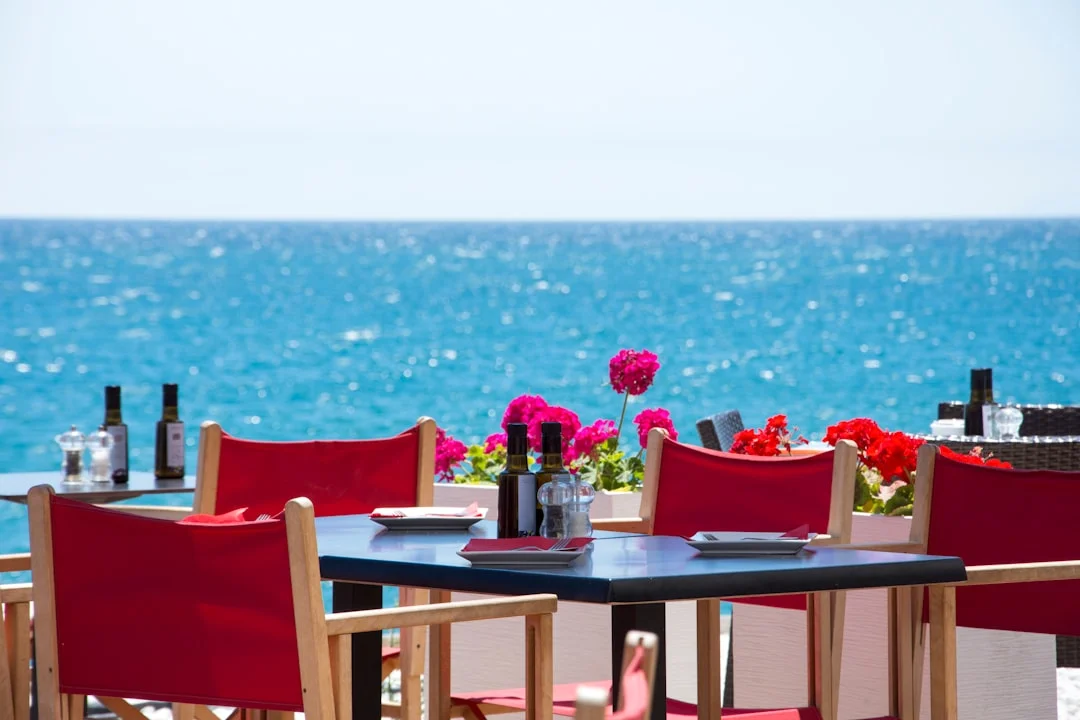
    The traditional beachside chiringuito has evolved. While we still love the rustic charm of plastic chairs and simple grilled sardines, the Costa del Sol has mastered a parallel art: relaxed luxury.

    In its highly anticipated selection of the best beach restaurants in Spain for 2026, the prestigious business magazine Forbes highlighted this evolution by including five exceptional venues from the province of Málaga. According to a report by La Opinión de Málaga, these establishments have become true benchmarks of high-end coastal dining, seamlessly blending top-tier gastronomy with the laid-back rhythm of the Mediterranean.

    Whether you are looking for a sophisticated lunch on the sand or a sunset dinner with world-class wine, here are the five Málaga chiringuitos that Forbes recommends visiting this summer.

    The Selected Chiringuitos of Málaga for 2026

    1. La Milla (Marbella)

    Located on the golden sands of Marbella’s Golden Mile, La Milla has long been a temple for seafood purists. Under the culinary direction of Luismi Menor and Cesar Morales, this venue has redefined what beach dining can be. Forbes recognizes it for its uncompromising commitment to fresh, locally sourced seafood and its spectacular wine cellar, which features over 400 references. It is the ultimate spot for a long, indulgent lunch that stretches into the evening.

    2. La Plage Casanis (Marbella)

    For those seeking a bohemian-chic atmosphere paired with exceptional food, La Plage Casanis in Marbella is a must-visit. This beach club and restaurant offers a stunning organic aesthetic, live DJ sets, and a menu heavily influenced by French-Mediterranean fusion. Known for its wood-fired grill and vibrant sunset energy, it offers a sophisticated yet energetic escape right on the shore.

    3. Chambao (Marbella)

    Nestled within the iconic Marbella Club Hotel, Chambao represents the pinnacle of Marbella’s classic, understated luxury. It captures the essence of the traditional Andalusian chiringuito but elevates it with impeccable service and a refined menu. Here, you can enjoy perfectly executed Andalusian classics, fresh catches of the day, and refreshing cocktails while resting under the shade of palm trees.

    4. La Recaleta (Málaga Capital)

    Proving that you don’t have to leave the capital to experience world-class beach dining, La Recaleta makes the list as a standout urban oasis. Located on the popular La Caleta beach, this venue brings a touch of boutique sophistication to the city’s coastline. It is highly praised for its creative Mediterranean menu, welcoming design, and its ability to offer a tranquil escape just minutes from the bustling historic center of Málaga.

    5. Oasis (Fuengirola)

    Rounding out the list is Oasis, located on the lively promenade of Fuengirola. This establishment has earned its place on the Forbes list by offering a modern, fresh approach to coastal gastronomy. With a menu that features both innovative Mediterranean dishes and high-quality sushi, alongside a fantastic cocktail selection, Oasis has successfully elevated the dining scene in Fuengirola, making it a favorite for both locals and international visitors.

    What Makes a Chiringuito “Forbes-Worthy”?

    To make this exclusive list, a beach restaurant must offer more than just a great view. Forbes evaluates several key elements:

    • Gastronomic Innovation: Moving beyond standard fried fish to offer creative, chef-driven menus.
    • Exceptional Product Quality: A strict focus on wild-caught, local fish, premium meats, and seasonal ingredients.
    • Ambiance and Design: Elegant, comfortable spaces that respect the coastal environment while offering maximum comfort.
    • Service: Attentive, professional, and warm hospitality that rivals the best inland restaurants.

    Planning Your Visit

    Because these venues are highly sought after—especially during the peak summer months of July and August—reservations are highly recommended weeks in advance. Many of these locations also offer sunbed rentals, allowing you to transition seamlessly from a morning of sunbathing to a gourmet lunch.

    There is something deeply restorative about eating incredible food with your feet practically in the sand, listening to the gentle lap of the waves. As Málaga continues to grow as a global culinary hub, we hope you find time to slow down, share a table with people you love, and enjoy the simple, sun-drenched pleasures our beautiful coastline has to offer.
  • Museen in Málaga: 15 Kunstausstellungen, die Sie heute sehen sollten

    Museen in Málaga: 15 Kunstausstellungen, die Sie heute sehen sollten

    Wenn die Temperaturen im Juli in Málaga in die Höhe schnellen, ist der Strand nicht Ihre einzige Zuflucht. Tatsächlich hat die rasante Verwandlung der Stadt in eine der führenden Kulturmetropolen Europas den ultimativen Sommer-Rückzugsort hervorgebracht: erstklassige, hervorragend klimatisierte Museen. Wenn Sie Ihre Reiseroute planen, finden Sie auch Inspiration in unserem Málaga-Wochenendführer für Märkte und Kunstausstellungen.

    Von Picassos revolutionärem Pinselstrich bis hin zu modernsten zeitgenössischen Installationen bietet Málagas Indoor-Kunstszene einen kühlen Zufluchtsort für Geist und Körper. Egal, ob Sie ein engagierter Kunsthistoriker sind oder einfach nur der Mittagssonne entfliehen möchten, hier sind 15 außergewöhnliche Ausstellungen und Sammlungen, die Sie heute in Málaga besuchen können, wie vom lokalen Kunst-Tracker Hoy Málaga hervorgehoben.

    Picassos Erbe in seiner Geburtsstadt

    1. Pablo Picasso: Structures of Invention (Museo Picasso Málaga)

    Diese Hauptausstellung im beeindruckenden Palacio de Buenavista bietet einen tiefen Einblick in das Schaffen des Künstlers, der die Kunst des 20. Jahrhunderts neu definiert hat. Sie zeigt eine außergewöhnliche Auswahl an Gemälden, Skulpturen und Keramiken aus seiner gesamten Karriere und veranschaulicht, wie er die Regeln der Darstellung immer wieder brach und neu erfand. Ebenso zukunftsorientiert wie Picassos Werke zeigt sich heute auch der lokale Sport, wo die neuesten Málaga CF Transfer-News zu Pellicers Kader für 2026/27 für Gesprächsstoff in der Stadt sorgen.

    2. Picassos frühe Jahre & Grafiken (Museo Casa Natal)

    Treten Sie direkt in das Geburtshaus von Picasso an der Plaza de la Merced ein. Heute zeigt das Museum nicht nur persönliche Erinnerungsstücke der Familie, sondern auch sorgfältig kuratierte temporäre Galerien, die sich auf seine frühen akademischen Arbeiten, Zeichnungen und die grafischen Meisterwerke konzentrieren, die seine Jugend prägten.

    Zeitgenössische & Avantgardistische Räume

    3. Place-Space-Time (Centre Pompidou Málaga)

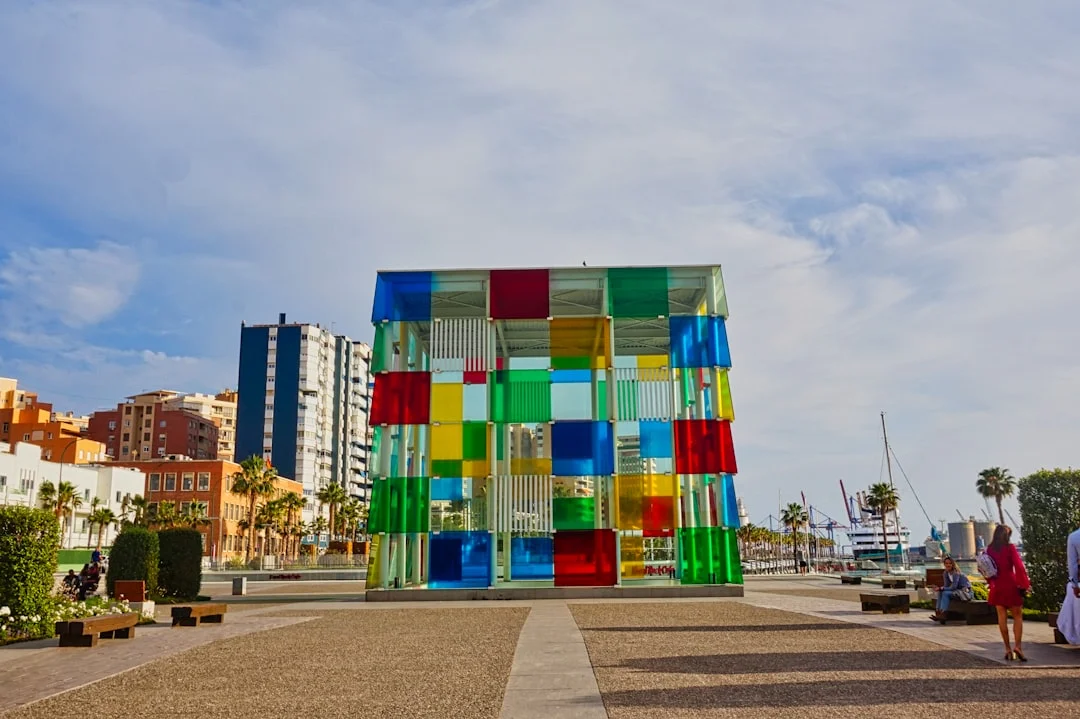
    Die semi-permanente Ausstellung des Centre Pompidou, erkennbar an dem riesigen Glaskubus am Hafen, lädt Besucher dazu ein, moderne und zeitgenössische Meisterwerke zu entdecken. Es ist eine brillante, zum Nachdenken anregende Reise durch die Konzepte von Raum, Zeit und menschlicher Identität.

    4. Temporäre zeitgenössische Fotografie (Centre Pompidou Málaga)

    Zusätzlich zu seiner Hauptsammlung zeigt das Pompidou in seinen unteren Galerien regelmäßig temporäre Fotografie- und Multimedia-Ausstellungen. Diese kleineren, fokussierten Präsentationen bieten einen erfrischenden Blick auf aktuelle globale Perspektiven.

    5. Internationale zeitgenössische Kunst (CAC Málaga)

    Das Centro de Arte Contemporáneo (CAC) im Viertel Soho ist ein Zentrum für wegweisende Kunst. In seiner Haupthalle werden großformatige Gemälde, Skulpturen und Videokunst von einigen der gewagtesten internationalen Künstler der Gegenwart gezeigt.

    6. Aufstrebende andalusische Talente (CAC La Coracha)

    Nur einen kurzen Spaziergang hinauf in Richtung Gibralfaro beleuchtet der Nebenstandort des CAC in La Coracha lokale und regionale andalusische Künstler. Es ist the perfekte Ort, um frische, experimentelle Stimmen zu entdecken, die die südspanische Kunstszene prägen.

    Klassische Meisterwerke & Spanischer Realismus

    7. Spanische Landschaften des 19. Jahrhunderts (Museo Carmen Thyssen)

    Das Museo Carmen Thyssen, das in einem wunderschönen Palast aus dem 16. Jahrhundert untergebracht ist, beherbergt eine der besten Sammlungen spanischer und andalusischer Costumbrismo-Malerei. Heute können Sie hier durch romantische Landschaften und lebendige Darstellungen des traditionellen spanischen Lebens wandern.

    8. Modernistische Dialoge (Sonderausstellung im Museo Carmen Thyssen)

    Die temporären Galerien des Thyssen-Museums zeigen derzeit einen kuratierten Dialog zwischen spanischen Modernisten des frühen 20. Jahrhunderts und ihren europäischen Zeitgenossen und beleuchten den kreativen Austausch, der über die Pyrenäen hinweg stattfand.

    9. Revello de Toro: Die Kunst der Porträtmalerei (Museo Revello de Toro)

    Versteckt im historischen Wohnhaus des Werkstattmeisters Pedro de Mena feiert dieses Museum das Leben und Werk des in Málaga geborenen Porträtmalers Félix Revello de Toro. Seine feinen, ausdrucksstarken Frauenporträts und intimen Familienszenen sind tief bewegend.

    Historische & Eklektische Sammlungen

    10. Sammlung der Schönen Künste (Museo de Málaga)

    Die Abteilung für Schöne Künste des Provinzmuseums ist im monumentalen Palacio de la Aduana untergebracht und zeigt Meisterwerke aus dem 19. und 20. Jahrhundert, darunter Werke von Muñoz Degrain, Enrique Simonet und Bernardo Ferrándiz.

    11. Archäologische Schätze (Museo de Málaga)

    Begeben Sie sich in den oberen Etagen des Palacio de la Aduana auf eine Reise durch die phönizische, römische und maurische Vergangenheit Málagas. Die kühlen, gedimmten Galerien zeigen unglaubliche Artefakte, die die antike Geschichte dieser Hafenstadt am Mittelmeer erzählen, die eng mit dem 3.000 Jahre alten phönizischen Erbe der Stadt verbunden ist.

    12. Sakrale Kunst & Barocke Meisterwerke (Kathedralmuseum von Málaga)

    Im Inneren der hoch aufragenden Kathedrale (liebevoll La Manquita genannt) zeigt das Kathedralmuseum hervorragende Beispiele religiöser Malerei, Bildhauerei und Goldschmiedekunst aus der Renaissance und dem Barock.

    Expressionismus, Geschichte & Fotografie

    13. Neo-Expressionismus & Spirituelle Kunst (Museo Jorge Rando)

    Als erstes Museum Spaniens, das sich ausschließlich dem Expressionismus widmet, zeigt dieser Raum die intensiven, emotionalen Werke von Jorge Rando neben wechselnden Ausstellungen internationaler expressionistischer Künstler. Es ist ein ruhiger, kontemplativer Ort, der zum Verweilen einlädt.

    14. Kulturelles Gedächtnis & Fotografie (La Térmica)

    Etwas westlich des Stadtzentrums gelegen, bietet dieses lebendige Kulturzentrum hervorragende temporäre Fotografie-Ausstellungen. Von Ikonen der Popkultur aus der Mitte des Jahrhunderts bis hin zur Dokumentarfotografie sind die Galerien hier den kurzen Ausflug immer wert.

    15. Thematische Sammlungen (Colección del Museo Ruso)

    In dem historischen Tabacalera-Gebäude präsentiert dieser Raum weiterhin sorgfältig kuratierte thematische Ausstellungen, die sich auf historisch bedeutende Kunstbewegungen konzentrieren, mit unglaublichen Werken des Realismus, des Konstruktivismus und des frühen Avantgarde-Designs.

    Praktische Tipps für Ihren Kulturtag

    • Die Hitze umgehen: Die heißesten Stunden des Tages liegen normalerweise zwischen 14:00 und 18:00 Uhr. Planen Sie Ihre Museumsbesuche in dieser Zeit, um die Zeit in klimatisierten Räumen optimal zu nutzen.
    • Kombitickets: Viele Museen bieten Kombi-Tickets an (wie das Picasso-Museum + Casa Natal), mit denen Sie Geld sparen können.
    • Kostenloser Sonntag: Viele der besten Museen in Málaga bieten in den letzten Stunden des Sonntagnachmittags freien Eintritt. Wenn Sie mit kleinem Budget reisen, können Sie Ihre Besuche so planen, dass Sie die besten kostenlosen Museen in Málaga nutzen, um das Beste aus Ihrer Reise zu machen.
    • Auf dem Laufenden bleiben: Ausstellungspläne, Sonderschließungen und neue Galerieeröffnungen können sich ändern. Um in Echtzeit zu sehen, was heute stattfindet, konsultieren Sie den Live-Kulturführer auf Hoy Málaga.

    Sich ein paar Stunden Zeit zu nehmen, um zur Ruhe zu kommen und in diese stillen, kühlen Räume einzutauchen, ist eines der größten Vergnügen eines Sommers in Málaga. Wir hoffen, dass diese Ausstellungen Ihnen Inspiration, einen Moment der Ruhe und eine tiefere Verbindung zu dem kreativen Geist bringen, der unsere wunderschöne Stadt auszeichnet.

  • Malaga Museums: 15 Art Exhibitions to See Today

    Malaga Museums: 15 Art Exhibitions to See Today

    When July temperatures soar in Malaga, the beach isn’t your only refuge. In fact, the city’s rapid transformation into one of Europe’s premier cultural capitals has provided the ultimate summer escape: world-class, beautifully air-conditioned museums. If you are planning your itinerary, you can also find inspiration in our Málaga weekend guide to markets and art shows.

    From Picasso’s revolutionary brushstrokes to cutting-edge contemporary installations, Malaga’s indoor art scene offers a cool sanctuary for your mind and body. Whether you are a dedicated art historian or simply looking to escape the midday sun, here are 15 exceptional exhibitions and collections you can visit in Malaga today, as highlighted by local arts tracker Hoy Málaga.

    Picasso’s Legacy in His Birthplace

    1. Pablo Picasso: Structures of Invention (Museo Picasso Málaga)

    Located in the stunning Palacio de Buenavista, this core exhibition offers a deep dive into the artist who redefined 20th-century art. It features an exceptional selection of paintings, sculptures, and ceramics spanning his entire career, showing how he constantly broke and remade the rules of representation. Meanwhile, sports enthusiasts visiting the city can also catch up on local football updates, such as the latest Málaga CF transfer news regarding Pellicer’s squad design for 2026/27.

    2. Picasso’s Early Years & Graphics (Museo Casa Natal)

    Step directly into the house where Picasso was born in Plaza de la Merced. Today, the museum showcases not only intimate family memorabilia but also highly curated temporary galleries focusing on his early academic works, drawings, and the graphic masterpieces that shaped his youth.

    Contemporary & Avant-Garde Spaces

    3. Place-Space-Time (Centre Pompidou Málaga)

    Recognizable by the giant glass cube on the port, the Centre Pompidou’s semi-permanent exhibition invites visitors to explore modern and contemporary masterpieces. It is a brilliant, thought-provoking journey through the concepts of space, time, and human identity.

    4. Temporary Contemporary Photography (Centre Pompidou Málaga)

    In addition to its main collection, the Pompidou regularly hosts temporary photography and multimedia exhibitions in its lower galleries. These smaller, focused showcases offer a refreshing look at current global perspectives.

    5. International Contemporary Art (CAC Málaga)

    Located in the Soho district, the Centro de Arte Contemporáneo (CAC) is a powerhouse for cutting-edge art. Its main hall features large-scale paintings, sculptures, and video art from some of the most daring international artists working today.

    6. Emerging Andalusian Talents (CAC La Coracha)

    Just a short walk up towards the Gibralfaro, CAC’s sister space at La Coracha highlights local and regional Andalusian artists. It is the perfect place to discover fresh, experimental voices shaping the southern Spanish art scene.

    Classic Masterpieces & Spanish Realism

    7. 19th-Century Spanish Landscapes (Museo Carmen Thyssen)

    The Carmen Thyssen Museum, housed in a gorgeous 16th-century palace, holds one of the finest collections of Spanish and Andalusian costumbrista paintings. Today, you can wander through romantic landscapes and vivid depictions of traditional Spanish life.

    8. Modernist Dialogues (Museo Carmen Thyssen Temporary Exhibition)

    The Thyssen’s temporary galleries currently feature a curated dialogue between early 20th-century Spanish modernists and their European contemporaries, highlighting the creative exchange that flowed across the Pyrenees.

    9. Revello de Toro: The Art of Portraiture (Museo Revello de Toro)

    Tucked away in the historic home of workshop master Pedro de Mena, this museum celebrates the life and work of Malaga-born portraitist Félix Revello de Toro. His delicate, expressive portraits of women and intimate family scenes are deeply moving.

    Historical & Eclectic Collections

    10. Fine Arts Collection (Museo de Málaga)

    Housed in the monumental Palacio de la Aduana, the Fine Arts section of the provincial museum features masterworks from the 19th and 20th centuries, including pieces by Muñoz Degrain, Enrique Simonet, and Bernardo Ferrándiz.

    11. Archaeological Treasures (Museo de Málaga)

    On the upper floors of the Palacio de la Aduana, take a journey through Malaga’s Phoenician, Roman, and Moorish past. The cool, dimly lit galleries display incredible artifacts that tell the ancient story of this Mediterranean port, which is closely tied to the city’s 3,000-year-old Phoenician legacy.

    12. Sacred Art & Baroque Masterpieces (Malaga Cathedral Museum)

    Inside the towering cathedral (affectionately known as La Manquita), the cathedral museum displays brilliant examples of religious painting, sculpture, and goldwork from the Renaissance and Baroque eras.

    Expressionism, History & Photography

    13. Neo-Expressionism & Spiritual Art (Museo Jorge Rando)

    As Spain’s first museum dedicated entirely to Expressionism, this space showcases the intense, emotional works of Jorge Rando alongside rotating exhibitions of international expressionist artists. It is a quiet, contemplative space that rewards slow viewing.

    14. Cultural Memory & Photography (La Térmica)

    Located slightly west of the city center, this vibrant cultural hub offers excellent temporary photography exhibitions. From mid-century pop culture icons to documentary photography, the galleries here are always worth the short trip.

    15. Thematic Collections (Colección del Museo Ruso)

    Located in the historic Tabacalera building, this space continues to present highly curated thematic exhibitions focusing on historically significant art movements, featuring incredible works of realism, constructivism, and early avant-garde design.

    Practical Tips for Your Cultural Day Out

    • Beat the Peak: The hottest hours of the day are usually between 2:00 PM and 6:00 PM. Plan your museum visits during these hours to maximize your time in the air conditioning.
    • Combined Tickets: Many museums offer combined passes (like the Picasso Museum + Casa Natal) which can save you money.
    • Free Sunday Hours: Many of Malaga’s top museums offer free admission during the last few hours of Sunday afternoons. If you are exploring on a budget, you can plan your visits around the best free museums in Málaga to make the most of your trip.
    • Stay Updated: Exhibition schedules, special closures, and new gallery openings can change. To see what is happening in real-time today, consult the live cultural guide on Hoy Málaga.

    Taking a few hours to slow down and immerse yourself in these quiet, cool spaces is one of the greatest pleasures of a Malaga summer. We hope these exhibitions bring you inspiration, a moment of calm, and a deeper connection to the creative spirit that defines our beautiful city.

  • Kulinarische Geheimnisse aus Málaga: 5 Dinge, die Sie noch nicht wussten

    Kulinarische Geheimnisse aus Málaga: 5 Dinge, die Sie noch nicht wussten

    Málaga ist weithin bekannt für seine sonnigen Strände, seine reiche Geschichte und seine lebendige kulinarische Szene. Die meisten Besucher lernen schnell die brutzelnden Sardinen am Strand (espetos), die süßen lokalen Weine oder auch eine Abkühlung mit dem besten handgemachten Eis in Málaga zu schätzen. Die Esskultur hier reicht jedoch viel tiefer, als es die üblichen Touristenmenüs vermuten lassen.

    Hinter den berühmtesten Gerichten und alltäglichen Gewohnheiten Málagas verbergen sich einzigartige historische Besonderheiten, strenge lokale Regeln und eine jahrhundertealte kulturelle Verschmelzung. Wenn Sie tiefer eintauchen möchten, ist die Erkundung der versteckten kulinarischen Routen, die die Einheimischen lieben, der beste Weg dafür. Hier sind fünf Dinge, die Sie wahrscheinlich noch nicht über die Esskultur in Málaga wussten.

    1. Kaffee bestellen ist eine lokale Mathestunde

    Wenn Sie in Málaga ein traditionelles Café betreten und einfach einen café con leche bestellen, wird der Barista Sie wahrscheinlich um eine Präzisierung bitten. In Málaga wird Kaffee nach einer hochspezifischen Skala von neun verschiedenen Namen bestellt, die ausschließlich auf dem genauen Verhältnis von Kaffee zu Milch basiert.

    Dieses System wurde in den 1950er Jahren von José Prado erfunden, dem Besitzer des historischen Café Central an der Plaza de la Constitución. In den Mangeljahren der Nachkriegszeit wollte Prado vermeiden, Kaffee an Kunden zu verschwenden, die mehr Milch bevorzugten. Er entwarf eine visuelle Tabelle an der Wand:

    • Un solo: 100 % Kaffee.
    • Un largo: 90 % Kaffee, 10 % Milch.
    • Un semi-corto: 70 % Kaffee.
    • Un solo corto: 60 % Kaffee.
    • Un mitad: 50 % Kaffee, 50 % Milch (die Standardmischung).
    • Un entrecorto: 40 % Kaffee.
    • Un corto: 30 % Kaffee.
    • Un sombra: 20 % Kaffee (wörtlich „ein Schatten“ Kaffee).
    • Un nube: 10 % Kaffee (wörtlich „eine Wolke“ Milch).

    Obwohl das Café Central vor einigen Jahren seine Pforten geschlossen hat, ist diese einzigartige Bestellsprache in jedem lokalen Betrieb in der gesamten Provinz tief verwurzelt.

    2. Es gibt einen strengen Kalender für den Verzehr von Sardinen

    Vielleicht sehen Sie das ganze Jahr über espetos de sardinas (Sardinen, die auf Bambusspieße gesteckt und über offenem Olivenholzfeuer am Strand geröstet werden) auf der Speisekarte, aber die Einheimischen wissen, dass es ein strenges Zeitfenster gibt, um sie in bester Qualität zu genießen.

    Die goldene Regel in Málaga lautet, Sardinen nur in den Monaten ohne „R“ zu essen – also im Mai, Juni, Juli und August.

    Hinter dieser Tradition steckt eine fundierte Wissenschaft. In den warmen Sommermonaten steigt die Wassertemperatur des Mittelmeers, was zu einem Überfluss an Plankton führt. Die Sardinen fressen ausgiebig, wodurch sie prall, fettreich und unglaublich schmackhaft werden. Im Winter und im frühen Frühjahr sind die Fische magerer und trockener, was sich nicht gut für die Grilltechnik über offenem Feuer eignet. Wenn Sie den ultimativen, auf der Zunge zergehenden espeto wollen, halten Sie sich an die Sommerhitze.

    3. Das ultimative lokale Fast Food ist der „Campero“

    Während Spanien für seine bocadillos (Sandwiches aus rustikalem Baguette) berühmt ist, hat Málaga seinen ganz eigenen König des Fast Foods: den Campero.

    In den 1980er Jahren als günstige, sättigende Option für Studenten und die Arbeiterklasse entstanden, wird der Campero mit einem speziellen runden, flachen Brötchen zubereitet, das innen weich ist. Die klassische Variante ist reichlich mit Schinken, Käse, Salat, Tomate und Mayonnaise belegt und wird dann in einem Kontaktgrill gepresst, bis das Brot unglaublich knusprig wird und der Käse schmilzt.

    Heute finden Sie unzählige Varianten mit gegrilltem Hähnchen (pechuga), Thunfisch, Spiegeleiern oder sogar pikantem Schweinefilet (lomo). Es ist ein warmes, herrlich unordentliches und äußerst sättigendes lokales Grundnahrungsmittel, das Sie außerhalb der Grenzen der Provinz Málaga nur selten finden werden.

    4. Málagas berühmte kalte Suppe kommt ohne Tomaten aus

    Wenn man an andalusische kalte Suppen denkt, kommen einem meist gazpacho oder salmorejo in den Sinn. Aber Málagas typische kalte Suppe ist der Ajoblanco, und er enthält absolut keine Tomaten.

    Tatsächlich wird Ajoblanco oft als „die weiße Gazpacho“ bezeichnet und ist eigentlich viel älter als seine roten Verwandten. Er geht auf die maurische Al-Andalus-Zeit zurück, Jahrhunderte bevor spanische Entdecker Tomaten aus Amerika mitbrachten.

    Das Rezept ist wunderbar einfach, erfordert aber hochwertige Zutaten: in Wasser eingeweichtes altbackenes Brot, Knoblauch, natives Olivenöl extra, einen Spritzer Essig und die Hauptzutat – gemahlene lokale Mandeln. Es wird zu einer glatten, cremigen, hellen Suppe püriert und traditionell eiskalt serviert, garniert mit süßen grünen Muskatellertrauben oder reifen Melonenscheiben, um die Schärfe des Knoblauchs auszugleichen.

    5. Süßwein wurde einst zur Bezahlung von Seeleuten verwendet

    Málagas Süßwein (vino dulce) hat eine Geschichte, die bis zu den Phöniziern zurückreicht, was die Region zu einem der ältesten Weinbaugebiete Europas macht.

    Im 18. und 19. Jahrhundert herrschte im Hafen von Málaga reger internationaler Handel. Der lokale Süßwein, der aus den Rebsorten Pedro Ximénez und Moscatel hergestellt wurde, war so robust und zuckerhaltig, dass er sich hervorragend transportieren ließ, ohne zu verderben. Er wurde von der britischen Marine und den Handelsschiffern sehr geschätzt. Tatsächlich war der Wein so wertvoll, dass er häufig als Währung verwendet wurde, um die Heuer der Seeleute und die Hafengebühren direkt am Kai zu bezahlen.

    Noch heute können Sie diese lebendige Geschichte erleben, indem Sie urige Tavernen besuchen, in denen die Barkeeper Ihre Rechnung direkt mit Kreide auf den Holztresen schreiben, während Sie an Ihrem dunklen, sirupartigen Glas Málaga Virgen nippen.

    Málaga über seine Küche zu entdecken, öffnet ein Fenster zum widerstandsfähigen, kreativen und tief traditionellen Geist der Menschen, die hier leben. Im Süden Spaniens geht es beim Essen nie nur um reine Nahrungsaufnahme; es ist eine gemeinsame Geschichte, ein entspanntes Gespräch und eine Art, andere am Tisch willkommen zu heißen. Wir hoffen, dass Ihnen Ihr nächster Bissen in unserer wunderschönen Stadt noch ein wenig besser schmeckt, wenn Sie die Geschichten dahinter kennen.

  • Málaga Food Secrets: 5 Things You Didn’t Know

    Málaga Food Secrets: 5 Things You Didn’t Know

    Málaga is widely celebrated for its sunny beaches, rich history, and vibrant culinary scene. Most visitors quickly learn to love the sizzling beachside sardines (espetos), the sweet local wines, or even cooling down with some of the best artisan ice cream in Málaga. However, the food culture here runs much deeper than what you see on the standard tourist menu.

    Behind Málaga’s most famous dishes and daily habits lie unique historical quirks, strict local rules, and centuries of cultural blending. If you want to dive deeper, exploring the hidden food routes that locals love is the best way to experience it. Here are five things you probably didn’t know about the food culture in Málaga.

    1. Ordering Coffee is a Local Math Lesson

    If you walk into a traditional café in Málaga and simply ask for a café con leche, the barista will likely ask you for clarification. In Málaga, coffee is ordered using a highly specific scale of nine different names, based entirely on the exact ratio of coffee to milk. This rich local gastronomy extends to the beachfront as well, with five Málaga chiringuitos recently named among the best in Spain by Forbes.

    This system was invented in the 1950s by José Prado, the owner of the historic Café Central in Plaza de la Constitución. During the post-war shortage years, Prado wanted to avoid wasting coffee on customers who preferred more milk. Reflecting the same local spirit of innovation that today drives UMA students to design advanced electric race cars, he mapped out a visual chart on the wall:

    • Un solo: 100% coffee.
    • Un largo: 90% coffee, 10% milk.
    • Un semi-corto: 70% coffee.
    • Un solo corto: 60% coffee.
    • Un mitad: 50% coffee, 50% milk (the standard mix).
    • Un entrecorto: 40% coffee.
    • Un corto: 30% coffee.
    • Un sombra: 20% coffee (literally “a shadow” of coffee).
    • Un nube: 10% coffee (literally “a cloud” of milk).

    Though Café Central closed its doors a few years ago, this unique ordering language remains deeply ingrained in every local establishment across the province.

    2. There is a Strict Calendar for Eating Sardines

    You might see espetos de sardines (sardines skewered on bamboo sticks and roasted over open olive-wood fires on the beach) offered year-round, but locals know there is a strict window for eating them at their best.

    The golden rule in Málaga is to only eat sardines in the months without an “R”—meaning May, June, July, and August.

    There is sound science behind this tradition. During the warm summer months, the Mediterranean water temperature rises, leading to an abundance of plankton. The sardines feed heavily, making them plump, fatty, and incredibly flavorful. During the winter and early spring, the fish are leaner and drier, which doesn’t translate well to the open-fire grilling technique. If you want the ultimate, melt-in-your-mouth espeto, stick to the summer heat.

    3. The Ultimate Local Fast Food is the “Campero”

    While Spain is famous for bocadillos (sandwiches made with rustic baguettes), Málaga has its own distinct king of fast food: the Campero.

    Born in the 1980s as a cheap, filling option for students and working-class locals, the Campero is made with a specific round, flat bread roll that is soft on the inside. The classic version is loaded with ham, cheese, lettuce, tomato, and mayonnaise, then pressed in a flat-top grill until the bread becomes incredibly crispy and the cheese melts.

    Today, you can find endless variations featuring grilled chicken (pechuga), tuna, fried eggs, or even spicy pork loin (lomo). It is a warm, messy, and intensely comforting local staple that you will rarely find outside the borders of Málaga province.

    4. Málaga’s Famous Cold Soup Has No Tomatoes

    When people think of Andalusian cold soups, gazpacho or salmorejo usually come to mind. But Málaga’s signature cold soup is Ajoblanco, and it contains absolutely no tomatoes.

    In fact, Ajoblanco is often called “the white gazpacho” and is actually much older than its red counterparts. It dates back to the Moorish Al-Andalus period, centuries before Spanish explorers brought tomatoes back from the Americas.

    The recipe is beautifully simple but requires high-quality ingredients: stale bread soaked in water, garlic, extra virgin olive oil, a splash of vinegar, and the star ingredient—ground local almonds. It is blended into a smooth, creamy, pale soup and traditionally served ice-cold, garnished with sweet green Muscatel grapes or slices of ripe melon to balance the sharp garlic kick.

    5. Sweet Wine Was Once Used to Pay Off Sailors

    Málaga’s sweet wine (vino dulce) has a history stretching back to the Phoenicians, making it one of the oldest wine-producing regions in Europe.

    During the 18th and 19th centuries, the port of Málaga was bustling with international trade. The local sweet wine, made from Pedro Ximénez and Moscatel grapes, was so robust and high in sugar that it traveled incredibly well without spoiling. It became highly prized by the British navy and merchant sailors. In fact, the wine was so valuable that it was frequently used as a form of currency to pay off sailors’ wages and port taxes directly on the docks.

    Today, you can still experience this living history by visiting old-school taverns where the bartenders chalk your bill directly onto the wooden counter as you sip your dark, syrupy glass of Málaga Virgen.

    Exploring Málaga through its kitchens offers a window into the resilient, creative, and deeply traditional spirit of the people who live here. Food is never just about sustenance in southern Spain; it is a shared history, a slow conversation, and a way of welcoming others to the table. We hope your next bite in our beautiful city tastes just a little richer knowing the stories behind it.

  • Malaga’s MVA Cultural Centre Hosts ‘INT 25’ Exhibition

    Malaga’s MVA Cultural Centre Hosts ‘INT 25’ Exhibition

    Discover Malaga’s Grassroots Art Scene Beyond the Major Museums

    While Malaga has rightfully earned its reputation as a “City of Museums” thanks to heavyweights like the Picasso Museum, the Pompidou Centre, and the Carmen Thyssen, there is a thriving, grassroots creative pulse that tourists rarely see. As the city continues its rise as a premium weekend destination, finding these alternative spaces is essential for expats and locals looking to connect with Malaga’s authentic contemporary culture. Currently, the Centro Cultural María Victoria Atencia (MVA) is hosting an exhibition that spotlights the next generation of local talent.

    The exhibition, titled ‘INT 25’, brings together 52 contemporary works created by the latest graduates of the Master of Artistic Production at the University of Malaga (UMA). Visitors looking to immerse themselves in the city’s vibrant culture can also take this opportunity to discover some hidden secrets of Malaga’s food scene.

    According to a recent report by La Opinión de Málaga, this showcase serves as a vital springboard for emerging creators, offering them a professional platform to present their work to the public.

    What is the ‘INT 25’ Exhibition?

    The ‘INT 25’ exhibition is an annual milestone for Malaga’s academic art community. It represents the culmination of intense research, experimentation, and hands-on creation by students finishing their postgraduate art degrees—reflecting the same spirit of innovation found in other local academic breakthroughs, such as the recent UMA AI research that cuts smart city energy by 50%.

    Visitors can expect a highly diverse range of mediums and themes, including:
    * Avant-garde paintings and illustrations exploring modern identity.
    * Sculptural installations utilizing unconventional materials.
    * Digital media and photography addressing contemporary social challenges.
    * Conceptual art that challenges traditional boundaries.
    * Industrial design and engineering, showcasing cutting-edge student projects like the newly unveiled UMA electric race car.

    Because these artists are working at the start of their professional careers, the energy of the exhibition is raw, experimental, and deeply reflective of the issues facing young people in Spain today.

    Why Visit the MVA Cultural Centre?

    Located on Calle Ollerías in the heart of the historic center, the Centro Cultural María Victoria Atencia (managed by the Diputación de Málaga) is a cornerstone of the local community. Unlike the larger commercial galleries, the MVA focuses heavily on supporting local performing arts, independent cinema, and emerging visual artists.

    Here is why you should add it to your weekly plans:
    1. Support Local Talent: By visiting exhibitions like ‘INT 25’, you are directly supporting the local creative ecosystem and discovering artists before they hit mainstream global galleries.
    2. Free Cultural Access: In line with Malaga’s commitment to making culture accessible, entry to the exhibition is completely free of charge.
    3. A Quieter, Reflective Space: Tucked away from the bustling tourist crowds of Calle Larios, the MVA offers a peaceful environment to contemplate art at your own pace. If you enjoy stepping off the beaten path, it pairs perfectly with discovering some of Malaga’s best hidden routes and secrets.

    For more ideas on current exhibitions and cultural activities running alongside this event, you can check out local listings on Hoy Málaga.

    Practical Information for Visitors

    • Venue: Centro Cultural María Victoria Atencia (MVA)
    • Address: Calle Ollerías, 34, 29012 Málaga
    • Admission: Free
    • Current Exhibition: ‘INT 25’ (Featuring 52 works by UMA Master’s graduates)

    Whether you are an art collector looking for the next big name, an expat wanting to understand the local social landscape, or simply looking for an inspiring afternoon stroll, the MVA is well worth a visit this July.

    Seeing the passion and raw talent of these young creators reminds us that Malaga’s cultural identity is not just built on its historic past, but is actively being rewritten every day. From grassroots exhibitions like ‘INT 25’ to major upcoming projects like the Astoria cultural hub, the city’s creative landscape continues to evolve. We hope you take an hour out of your week to step inside, explore their visions, and feel inspired by the future of Andalusian art.

  • Massentourismus in Málaga: Rekordsommer trifft auf lokalen Widerstand

    Massentourismus in Málaga: Rekordsommer trifft auf lokalen Widerstand

    Málaga sonnt sich in einem weiteren Rekordsommer. Die Strände sind voll, die Terrassen belebt und die lokale Wirtschaft verzeichnet beispiellose Besucherzahlen. Doch unter der sonnigen Oberfläche vollzieht sich ein spürbarer Stimmungsumschwung in der Bevölkerung. Die Beziehung zwischen den Einwohnern der Stadt und der boomenden Tourismusbranche hat einen kritischen Wendepunkt erreicht.

    Für ausländische Einwohner, digitale Nomaden und bewusste Reisende ist es unerlässlich, diese lokale Dynamik zu verstehen. Bei den Diskussionen in Málaga geht es längst nicht mehr nur darum, Besucher willkommen zu heißen; es geht um das Überleben, um Nachhaltigkeit und um den Erhalt der Seele der Stadt.

    Der Konflikt zwischen Rekorden und Lebensqualität

    Während die Tourismusstatistiken in dieser Saison historische Höchststände erreichen, wächst die gesellschaftliche Ablehnung des aktuellen Modells des „Massentourismus“ rasant. Laut einem ausführlichen Bericht von Infobae hat die einheimische Bevölkerung zunehmend das Gefühl, dass dieses rücksichtslose, auf hohe Besucherzahlen ausgerichtete Modell direkt mit ihrer grundlegenden Lebensqualität kollidiert.

    Die Hauptkonfliktpunkte sind offensichtlich: rasant steigende Wohnkosten, die Umwandlung traditioneller Viertel in Zentren für Ferienvermietungen und die Überlastung der lokalen Infrastruktur. Was einst als Wirtschaftswunder gefeiert wurde, wird nun unter dem Aspekt der sozialen Nachhaltigkeit neu bewertet.

    Was fordern die sozialen Bewegungen?

    In diesem Sommer organisieren sich lokale Aktivistengruppen und Nachbarschaftsvereine, um konkrete gesetzgeberische Maßnahmen zu fordern. Anstatt sich nur zu beschweren, haben diese Bewegungen spezifische, strukturelle Vorschläge vorgelegt, um den Umgang von Málaga mit dem weltweiten Tourismus neu zu gestalten:

    • Infrastrukturgrenzen: Aktivisten fordern einen sofortigen Stopp des weiteren Ausbaus des Flughafens Málaga-Costa del Sol und des lokalen Seehafens.
    • Einschränkungen für emissionsstarke Reisen: Es wird zunehmend gefordert, die Ankunft von Privatjets und Mega-Kreuzfahrtschiffen zu begrenzen, die stark zur Umweltbelastung beitragen, während sie dem Durchschnittsbürger nur einen geringen wirtschaftlichen Nutzen bringen.
    • Fokus auf den öffentlichen Nahverkehr: Die Einwohner möchten, dass die Regierung nachhaltigen lokalen öffentlichen Verkehrsmitteln – wie dem Ausbau der Cercanías-Bahnlinien – Vorrang vor einer Infrastruktur einräumt, die ausschließlich dazu dient, Touristen vom Flughafen in die Küstenorte zu befördern.
    • Schutz des Wohnraums: Die Forderungen nach einer Eindämmung der Ausbreitung von Ferienwohnungen (viviendas turísticas) stehen weiterhin im Vordergrund der Bewegung, da die Einheimischen aus ihrer eigenen Stadt verdrängt werden.

    „Das Ziel ist nicht, Menschen am Besuch von Málaga zu hindern, sondern sicherzustellen, dass die Stadt ein lebenswerter Ort für die Menschen bleibt, die hier arbeiten, studieren und Familien gründen.“

    Wie ausländische Einwohner und Reisende helfen können

    Als internationale Residenten oder Besucher spielen wir eine direkte Rolle in diesem Ökosystem. Málaga zu unterstützen bedeutet nicht, wegzubleiben; es bedeutet, die Art und Weise zu verändern, wie wir die Stadt erleben. Hier sind einige praktische Möglichkeiten, wie Sie sich an den lokalen Wünschen nach einem nachhaltigeren Modell orientieren können:

    1. Wählen Sie langfristige oder zertifizierte Unterkünfte

    Wenn Sie nach Málaga ziehen, entscheiden Sie sich für traditionelle langfristige Mietverträge, anstatt von einer kurzfristigen Ferienunterkunft zur nächsten zu wechseln, was Wohnraum dem regulären Mietmarkt entzieht. Wenn Sie für einen kurzen Aufenthalt hier sind, ziehen Sie registrierte Hotels in Betracht, die lokales Personal zu fairen Arbeitsbedingungen beschäftigen.

    2. Nutzen Sie öffentliche und aktive Verkehrsmittel

    Málaga verfügt über ein hervorragendes und günstiges öffentliches Nahverkehrsnetz. Verzichten Sie auf Mietwagen und private Transfers. Nutzen Sie die Cercanías-Bahn für Fahrten entlang der Küste, fahren Sie mit der Metro oder nutzen Sie das städtische Busnetz (EMT).

    3. Unterstützen Sie die Wirtschaft in den Stadtvierteln

    Verlassen Sie das unmittelbare Stadtzentrum und die touristischen Hauptmeilen, wo internationale Einzelhandelsketten zunehmend lokale Geschäfte verdrängen – ein Trend, der durch die Nachricht über einen österreichischen Souvenir-Riesen verdeutlicht wird, der eine riesige Filiale in der Calle Nueva eröffnet. Kaufen Sie stattdessen Ihre Lebensmittel auf traditionellen städtischen Märkten wie dem Mercado de Atarazanas oder dem Mercado de Bailén. Unterstützen Sie familiengeführte Geschäfte, Bäckereien im Viertel und lokales Handwerk, deren Existenz von einer beständigen, ganzjährigen Unterstützung durch die Gemeinschaft abhängt.

    Einen ausgewogenen Weg in die Zukunft finden

    Der Charme von Málaga lag schon immer in seiner Herzlichkeit, seinen offenen Straßen und seinem lebendigen Gemeinschaftsleben. Der aktuelle Widerstand gegen den Massentourismus ist kein Angriff auf Außenstehende, sondern eine leidenschaftliche Verteidigung genau der Dinge, die die Stadt überhaupt erst so attraktiv machen. Indem wir auf die Stimmen der Einheimischen hören und unsere Gewohnheiten anpassen, können wir dazu beitragen, dass Málaga ein blühendes, einladendes Zuhause für alle bleibt – sowohl für diejenigen, die seit Generationen hier leben, als auch für diejenigen, die gerade erst ankommen.

    Wir hoffen auf eine Zukunft, in der Politik und gemeinschaftliches Handeln zusammenwirken, um das empfindliche Gleichgewicht unserer wunderschönen Küstenheimat zu schützen und sie für die kommenden Jahre lebendig und gerecht zu erhalten.

  • Málaga Mass Tourism: Record Summer Meets Local Backlash

    Málaga Mass Tourism: Record Summer Meets Local Backlash

    Málaga is basking in yet another record-breaking summer. The beaches are packed, terraces are lively, and the local economy is seeing unprecedented visitor numbers. However, beneath the sunny surface, a significant shift in local sentiment is taking place. The relationship between the city’s residents and its booming tourism industry has reached a critical tipping point.

    For foreign residents, digital nomads, and conscious travelers, understanding this local dynamic is essential. The conversation in Málaga is no longer just about welcoming visitors; it is about survival, sustainability, and preserving the city’s soul.

    The Clash of Records and Quality of Life

    While tourism statistics are reaching historic heights this season, social rejection of the current ‘mass tourism’ model is growing rapidly. According to a detailed report by Infobae, the local population is increasingly feeling that this predatory, high-volume model directly collides with their basic quality of life.

    The primary friction points are clear: skyrocketing housing costs, the transformation of traditional neighborhoods into hubs for holiday rentals, and the strain on local infrastructure. What was once celebrated as an economic miracle is now being re-evaluated through the lens of social sustainability.

    What Are the Social Movements Demanding?

    This summer, local activist groups and neighborhood associations are organizing to demand concrete legislative action. Rather than simply complaining, these movements have put forward specific, structural proposals to reshape how Málaga interacts with global travel:

    • Infrastructure Limits: Activists are calling for an immediate halt to further expansions of the Málaga-Costa del Sol Airport and the local maritime port.
    • Restrictions on High-Emission Travel: There is a growing demand to limit the arrival of private jets and mega-cruise ships, which contribute heavily to environmental strain while offering limited economic return to average citizens.
    • Focus on Public Transport: Residents want the government to prioritize sustainable local public transit—such as expanding the Cercanías train lines—over infrastructure designed solely to move tourists from the airport to coastal resorts.
    • Housing Protections: Calls to curb the spread of tourist apartments (viviendas turísticas) remain at the forefront of the movement, as locals find themselves priced out of their own city.

    “The goal isn’t to stop people from visiting Málaga, but to ensure that the city remains a livable place for the people who work, study, and raise families here.”

    How Foreign Residents and Travelers Can Help

    As international residents or visitors, we play a direct role in this ecosystem. Supporting Málaga doesn’t mean staying away; it means changing how we consume the city. Here are a few practical ways to align with local desires for a more sustainable model:

    1. Choose Long-Term or Certified Housing

    If you are moving to Málaga, opt for traditional long-term rental contracts rather than bouncing between short-term holiday lets, which keeps properties out of the residential market. If you are visiting short-term, consider registered hotels that employ local staff under fair labor agreements.

    2. Use Public and Active Transport

    Málaga has an excellent, affordable public transit network. Skip the rental cars and private transfers. Use the Cercanías train to travel along the coast, ride the metro, or use the city’s municipal bus system (EMT).

    3. Support Neighborhood Economies

    Step outside the immediate city center and the main tourist strips, where international retail chains are increasingly replacing local businesses—a trend highlighted by the news of an Austrian souvenir giant opening a massive store on Calle Nueva. Instead, buy your groceries at traditional municipal markets like Mercado de Atarazanas or Mercado de Bailén. Support family-owned shops, neighborhood bakeries, and local craftspeople whose livelihoods depend on steady, year-round community support.

    Finding a Balanced Path Forward

    Málaga’s charm has always been its warmth, its open streets, and its vibrant community life. The current pushback against mass tourism is not an attack on outsiders, but a passionate defense of the very things that make the city so attractive in the first place. By listening to local voices and adjusting our habits, we can help ensure that Málaga remains a thriving, welcoming home for everyone—both those who have lived here for generations and those who are just arriving.

    We hope to see a future where policy and community action come together to protect the delicate balance of our beautiful coastal home, keeping it vibrant and fair for years to come.

  • Baiku: Versteckte japanische Bar erobert Teatinos im Sturm

    Baiku: Versteckte japanische Bar erobert Teatinos im Sturm

    Während das historische Zentrum von Málaga die Massen mit traditionellen Tapas und Blick auf die Küste anzieht, erkunden informierte Feinschmecker zunehmend versteckte kulinarische Routen, die Einheimische lieben, indem sie ihre Aufmerksamkeit ins Landesinnere richten. Teatinos, das lebendige Studenten- und Wohnviertel der Stadt, hat sich still und heimlich zu einem der spannendsten kulinarischen Hotspots in Andalusien entwickelt.

    An der Spitze dieser Bewegung steht das Baiku, eine intime japanische Bar, die sich schnell zu einer der exklusivsten Reservierungen der Stadt entwickelt hat. Ohne auffällige Beschilderung, große Marketingkampagnen oder lautes Trara erreicht dieser Geheimtipp seinen täglichen Ausgebucht-Status rein durch Mundpropaganda und kulinarische Exzellenz.

    Die Vision hinter der Bar

    Das Baiku ist die Idee von Jonatan Jiménez und Ernesto Ramírez, zwei leidenschaftlichen Profis, die es sich zur Aufgabe gemacht haben, ein authentisches, hochwertiges japanisches Speiseerlebnis nach Málaga zu bringen. Anstatt den Massentourismus zu bedienen, haben sie sich für Teatinos entschieden, um ein lokales, anspruchsvolles Publikum anzusprechen.

    Wie kürzlich von Diario Sur hervorgehoben wurde, hat das Baiku die Aufmerksamkeit lokaler Feinschmecker auf sich gezogen, indem es Intimität und Qualität der Zutaten über eine hohe Anzahl an Sitzplätzen stellt. Die Gestaltung konzentriert sich auf eine elegante, interaktive Bar, an der die Gäste die sorgfältige Zubereitung jedes Gerichts aus nächster Nähe beobachten können.

    Was macht das Baiku so besonders?

    Wenn Sie genug von standardmäßigen Sushi-Kombinationen und vorhersehbaren Menüs haben, bietet das Baiku eine erfrischende Alternative. Während das historische Zentrum kürzlich vielbeachtete, trendige Konzepte wie das virale Sushi Bom in Málaga begrüßt hat, verfolgt das Baiku einen völlig anderen, zurückhaltenden Ansatz. Das zeichnet es aus:

    • Intime Atmosphäre: Die begrenzte Anzahl an Plätzen sorgt dafür, dass jeder Gast die persönliche Aufmerksamkeit der Köche genießt, was dem Ganzen das Flair eines privaten Dining-Clubs verleiht.
    • Kompromisslose Qualität: Der Fokus liegt ganz auf dem Teller. Von der präzisen Würzung des Reises bis hin zum Einkauf von frischem, saisonalem Fisch wird jedes Detail mit Respekt vor den traditionellen japanischen Techniken behandelt.
    • Das Überraschungsmoment: Das Menü entwickelt sich danach, was frisch und außergewöhnlich auf den Märkten zu finden ist – eine Belohnung für abenteuerlustige Gäste, die auf die Expertise der Köche vertrauen.

    So reservieren Sie einen Platz

    Aufgrund der geringen Kapazität und des wachsenden Rufs unter lokalen Expats und ansässigen Feinschmeckern erfordert die Sicherung eines Platzes im Baiku etwas Planung.

    1. Planen Sie im Voraus: Erwarten Sie nicht, an einem Wochenendabend einfach so hineinzuspazieren. Die Reservierungen werden in Blöcken freigeschaltet und sind fast augenblicklich vergriffen.
    2. Halten Sie die Gruppe klein: Dies ist kein Ort für große Gruppenfeiern. Gehen Sie allein, als Paar oder in einer kleinen Dreiergruppe hin, um die ruhige, fokussierte Energie des Raumes voll und ganz zu genießen.
    3. Erkunden Sie Teatinos: Machen Sie einen ganzen Abend daraus. Teatinos ist voll von Kaffeespezialitäten-Cafés, Craft-Beer-Bars und modernen Dessert-Spots, die sich perfekt für einen Drink vor oder nach dem Abendessen eignen.

    Da Málaga als internationale Stadt immer weiter wächst, ist es unglaublich spannend zu sehen, wie Viertel wie Teatinos ihre eigene, unverwechselbare kulinarische Identität entwickeln. Das Baiku ist der Beweis dafür, dass man keine erstklassige Lage an der Calle Larios braucht, um eine große Wirkung zu erzielen – nur fantastisches Essen, Hingabe zum Handwerk und eine einladende Theke. Wir hoffen, dass es Ihnen gelingt, bald einen Platz zu ergattern und dieses Stück Tokio hier in Südspanien selbst zu erleben.

  • Baiku: Hidden Japanese Bar Takes Teatinos by Storm

    Baiku: Hidden Japanese Bar Takes Teatinos by Storm

    While Málaga’s historic center draws crowds for traditional tapas and coastal views, foodies in the know are increasingly exploring hidden food routes that locals love by turning their attention inland. Teatinos, the city’s vibrant student and residential quarter, has quietly evolved into one of the most exciting culinary hubs in Andalucia.

    At the forefront of this movement is Baiku, an intimate Japanese bar that has quickly become one of the most exclusive reservations in town. Operating without flashy signage, grand marketing campaigns, or loud fanfare, this hidden gem achieves a daily “sold out” status purely through word of mouth and culinary excellence—part of a broader wave in which specialty coffee is reshaping Málaga’s upscale dining scene.

    The Vision Behind the Bar

    Baiku is the brainchild of Jonatan Jiménez and Ernesto Ramírez, two passionate professionals dedicated to bringing an authentic, high-quality Japanese dining experience to Málaga. Instead of catering to mass tourism, they chose Teatinos for its local, discerning crowd.

    As recently highlighted by Diario Sur, Baiku has captured the attention of local gastrophiles by prioritizing intimacy and ingredient quality over high-volume seating. The layout centers around a sleek, interactive bar where diners can watch the meticulous preparation of each dish up close.

    What Makes Baiku Special?

    If you are tired of generic sushi combos and predictable menus, Baiku offers a refreshing alternative. While the historic center has recently welcomed highly-publicized, trendy concepts like the viral Sushi Bom in Málaga, Baiku takes a completely different, understated approach. Here is what sets it apart:

    • Intimate Atmosphere: The limited seating ensures that every guest receives personalized attention from the chefs, making it feel like a private dining club.
    • No-Nonsense Quality: The focus is entirely on the plate. From the precise seasoning of the rice to the sourcing of fresh, seasonal fish, every detail is handled with respect for traditional Japanese techniques.
    • The Element of Surprise: The menu evolves based on what is fresh and exceptional in the markets, rewarding adventurous diners who trust the chefs’ expertise.

    How to Book a Spot

    Because of the small capacity and growing reputation among local expats and resident foodies, securing a seat at Baiku requires planning.

    1. Plan Ahead: Do not expect to walk in on a weekend evening. Reservations open in blocks and are snatched up almost instantly.
    2. Keep It Small: This is not the venue for large group celebrations. Go alone, as a couple, or in a small group of three to fully appreciate the quiet, focused energy of the space.
    3. Explore Teatinos: Make an evening of it. Teatinos is packed with specialty coffee shops, craft beer bars, and modern dessert spots perfect for pre- or post-dinner drinks.

    As Málaga continues to grow as an international city, it is incredibly exciting to see neighborhoods like Teatinos develop their own distinct culinary identities. Baiku is proof that you do not need a prime spot on the Calle Larios to make a massive impact—just incredible food, dedication to the craft, and a welcoming counter. We hope you manage to snag a seat soon and experience this slice of Tokyo right here in southern Spain.