Tag: by:javier_ruiz

  • Stadt der Kontraste: Das historische ‘Juguetes Carrión’ schließt, während das Dachprojekt der Kathedrale voranschreitet

    Stadt der Kontraste: Das historische ‘Juguetes Carrión’ schließt, während das Dachprojekt der Kathedrale voranschreitet

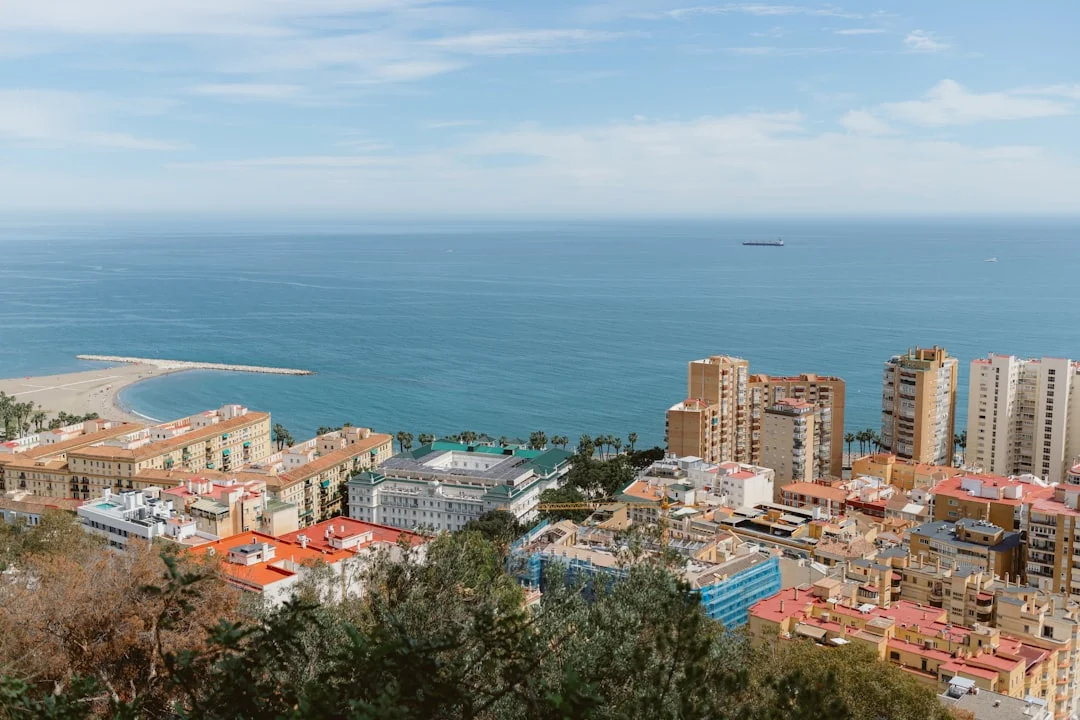
    Málaga ist eine Stadt, die einen tiefgreifenden Wandel durchlebt. Für internationale Einwohner und Einheimische, welche die Geschichte der Stadt schätzen, bietet das aktuelle Stadtbild eine bittersüße Studie der Kontraste. Einerseits verschwinden traditionelle Familienunternehmen aus dem Geschäftszentrum; andererseits fließen massive Investitionen in den Erhalt der bedeutendsten historischen Denkmäler der Stadt. Zwei aktuelle Entwicklungen fangen diese Dynamik perfekt ein: die dauerhafte Schließung des beliebten lokalen Geschäfts ‘Juguetes Carrión’ und der stetige Fortschritt der strukturellen Renovierungsarbeiten am Dach der Kathedrale von Málaga.

    Abschied von einer lokalen Institution: Juguetes Carrión

    Für Generationen von Einheimischen war der Name ‘Juguetes Carrión’ gleichbedeutend mit kindlicher Freude, Weihnachtseinkäufen und der festlichen Stimmung der Heiligen Drei Könige. Die dauerhafte Schließung markiert das Ende einer Ära für Málagas historischen Einzelhandel.

    Die Schließung eines derart tief verwurzelten Unternehmens verdeutlicht einen breiteren Trend im Stadtzentrum. Da Málagas globales Profil rasant gestiegen ist, hat sich auch die Geschäftslandschaft verändert. Steigende Gewerbemieten, die Expansion multinationaler Einzelhandelsketten und die unbestreitbare Dominanz des E-Commerce haben ein zunehmend herausforderndes Umfeld für traditionelle, familiengeführte Geschäfte geschaffen. Für viele Einwohner ist der Weg vorbei an den nun geschlossenen Türen von Juguetes Carrión eine drastische Erinnerung an das rasante Tempo, mit dem sich die alltägliche Identität der Stadt verändert.

    Die Vergangenheit bewahren: Das Dach der Kathedrale

    In scharfem Kontrast zum Verlust des alltäglichen kommerziellen Erbes erlebt die Denkmalpflege in Málaga historische Meilensteine. Die lang ersehnten Arbeiten am Dach der Kathedrale von Málaga – liebevoll La Manquita genannt, aufgrund ihres unvollendeten Südturms – schreiten stetig voran.

    Jahrzehntelang litt die Kathedrale unter schweren Wasserlecks, die ihre strukturelle Integrität und die unschätzbaren Kunstwerke im Inneren bedrohten. Das aktuelle Architekturprojekt, das den Bau eines massiven Satteldachs umfasst, um das Gebäude endlich vor den Elementen zu schützen, ist eine der bedeutendsten Investitionen in das Kulturerbe in der modernen Geschichte der Stadt. Ab 2026 ist der Fortschritt für jeden sichtbar, der von den umliegenden Plätzen nach oben blickt. Die Gerüste und Kräne stehen für die Verpflichtung sicherzustellen, dass Málagas Kronjuwel noch viele Jahrhunderte überdauert.

    Eine Stadt im Wandel

    Diese beiden gleichzeitigen Realitäten – der Verlust von Juguetes Carrión und die Befestigung der Kathedrale – veranschaulichen den komplexen Balanceakt, dem sich Málaga heute gegenübersieht. Die Stadt internationalisiert und modernisiert sich in rasantem Tempo, zieht globale Technologieunternehmen und Millionen von Besuchern an. Dennoch muss sie herausfinden, wie sie den lokalen Charme bewahren kann, der sie überhaupt erst so attraktiv gemacht hat, während sie gleichzeitig die großartigen Denkmäler sichert, die ihre Geschichte verankern.

    Es ist nie einfach, sich von den kleinen Orten zu verabschieden, die unsere persönlichen Erinnerungen bergen, genauso wie es ehrfurchtgebietend ist zu beobachten, wie eine jahrhundertealte Kathedrale endlich das Dach erhält, das sie immer haben sollte. Wenn wir durch die belebten, sich ständig verändernden Straßen des Zentrums navigieren, werden wir daran erinnert, dass Städte lebendige Gebilde sind. Auch wenn wir den Verlust geschätzter lokaler Geschäfte betrauern mögen, bietet das anhaltende Engagement für den Erhalt unseres gemeinsamen monumentalen Erbes die tröstliche Gewissheit, dass der grundlegende Geist von Málaga auch für zukünftige Generationen stark bleiben wird.

  • City of Contrasts: Historic ‘Juguetes Carrión’ Closes as Cathedral Roof Project Advances

    City of Contrasts: Historic ‘Juguetes Carrión’ Closes as Cathedral Roof Project Advances

    Málaga is a city experiencing a profound transformation. For international residents and locals who cherish the city’s history, the current landscape offers a bittersweet study in contrasts. On one hand, traditional family-owned businesses are disappearing from the commercial center; on the other, massive investments are being poured into preserving the city’s most significant historical monuments. Two recent developments perfectly capture this dynamic: the permanent closure of the beloved local shop ‘Juguetes Carrión’ and the steady progress of the structural renovations on the roof of the Málaga Cathedral.

    Farewell to a Local Institution: Juguetes Carrión

    For generations of locals, the name ‘Juguetes Carrión’ was synonymous with childhood joy, holiday shopping, and the festive spirit of the Three Kings. Its permanent closure marks the end of an era for Málaga’s historic retail sector.

    The shuttering of such a deeply rooted establishment highlights a broader trend in the city center. As Málaga’s global profile has skyrocketed, the commercial landscape has shifted. Rising commercial rents, the expansion of multinational retail chains, and the undeniable dominance of e-commerce have created an increasingly challenging environment for traditional, family-run shops. For many residents, walking past the now-closed doors of Juguetes Carrión is a stark reminder of the rapid pace at which the city’s everyday identity is changing.

    Preserving the Past: The Cathedral Roof

    In sharp contrast to the loss of everyday commercial heritage, monumental preservation in Málaga is seeing historic milestones. The long-awaited works on the roof of the Málaga Cathedral—affectionately known as La Manquita due to its unfinished south tower—are advancing steadily.

    For decades, the Cathedral suffered from severe water leaks that threatened its structural integrity and priceless interior artworks. The current architectural project, which involves constructing a massive gabled roof to finally seal the building from the elements, is one of the most significant heritage investments in the city’s modern history. As of 2026, the progress is visible to anyone looking up from the surrounding plazas. The scaffolding and cranes represent a commitment to ensuring that Málaga’s crown jewel endures for centuries to come.

    A City in Transition

    These two simultaneous realities—the loss of Juguetes Carrión and the fortification of the Cathedral—illustrate the complex balancing act Málaga faces today. The city is internationalizing and modernizing at breakneck speed, attracting global tech companies and millions of visitors. Yet, it must figure out how to retain the local charm that made it so attractive in the first place, while simultaneously securing the grand monuments that anchor its history.

    It is never easy to say goodbye to the small places that hold our personal memories, just as it is awe-inspiring to watch a centuries-old cathedral finally receive the roof it was always meant to have. As we navigate the bustling, ever-changing streets of the center, we are reminded that cities are living entities. While we may mourn the loss of cherished local shops, the ongoing dedication to preserving our shared monumental heritage offers a comforting reassurance that the foundational spirit of Málaga will continue to stand strong for future generations.

  • Tech-Sektor in Málaga wächst trotz weltweiter KI-Entlassungen weiter

    Tech-Sektor in Málaga wächst trotz weltweiter KI-Entlassungen weiter

    Während wir uns durch das Jahr 2026 bewegen, erlebt der globale Technologiesektor weiterhin erhebliche Umstrukturierungen. Die weitreichende Einführung von Künstlicher Intelligenz hat in den großen Tech-Hubs weltweit zu einer Welle von Unternehmensverkleinerungen geführt. Wenn man jedoch genauer auf die Costa del Sol blickt, entfaltet sich ein ganz anderes Bild. Das Tech-Ökosystem von Málaga überlebt den KI-Umbruch nicht nur; es expandiert aktiv.

    Für digitale Nomaden und Expats, die zum Arbeiten nach Málaga ziehen, bietet die aktuelle Situation ein äußerst beruhigendes Bild. Wenn Sie sich fragen: „Ist Málaga immer noch ein guter Ort für Tech-Fachkräfte?“, deuten die Daten auf ein klares Ja hin.

    Dem globalen Trend trotzen

    Während internationale Schlagzeilen von Personalabbau dominiert werden, ist die lokale Realität in Andalusien von stetigem Wachstum geprägt. Laut Berichten der Diario Sur schaffen Tech-Unternehmen in Málaga weiterhin aktiv Arbeitsplätze. Anstatt Mitarbeiter zu ersetzen, nutzen viele der hier ansässigen Firmen KI, um ihre Abläufe zu skalieren, was wiederum mehr menschliche Kontrolle, spezialisierte Entwickler und Projektmanager erfordert.

    Diese Widerstandsfähigkeit resultiert aus der vielfältigen Natur des Tech-Ökosystems in Málaga. Die Stadt hat sich strategisch als Zentrum für Cybersicherheit, Mikroelektronik und nachhaltige Technologien positioniert – Sektoren, in denen menschliche Expertise absolut entscheidend bleibt und nicht einfach wegrationalisiert werden kann.

    Neuigkeiten aus dem Malaga TechPark und Erweiterung des Ökosystems

    Das Herzstück dieses lokalen Booms bleibt der Malaga TechPark (PTA). In den letzten Jahren hat der Park kontinuierlich multinationale Konzerne und innovative Start-ups gleichermaßen angezogen. Auch im Jahr 2026 bleibt die Nachfrage nach Tech-Jobs in Málaga robust, da die Infrastruktur ein nachhaltiges Unternehmenswachstum unterstützt.

    Zu den Schlüsselfaktoren, die diesen lokalen Einstellungsboom vorantreiben, gehören:

    • Strategischer Hub-Status: Málaga dient als strategische Brücke zwischen den europäischen und lateinamerikanischen Märkten.
    • Spezialisierte Talentpools: Lokale Universitäten und spezialisierte Trainings-Bootcamps bringen hochqualifizierte Absolventen hervor, die genau auf die Bedürfnisse der ankommenden Tech-Giganten zugeschnitten sind.
    • Lebensqualität: Unternehmen erkennen, dass sie eine außergewöhnliche Work-Life-Balance bieten müssen, um Top-Talente in einem wettbewerbsintensiven Markt zu halten. Málagas Klima, Kultur und Anbindung machen es zu einem überzeugenden Argument für die internationale Personalbeschaffung.

    Ein sicherer Hafen für digitale Nomaden und Expats

    Für die internationale Gemeinschaft ist die anhaltende Schaffung von Tech-Jobs in Málaga ein starkes Signal für wirtschaftliche Stabilität. Die Angst, ins Ausland zu ziehen, nur um dann mit plötzlichen Entlassungen in der Branche konfrontiert zu werden, ist für viele Expats eine berechtigte Sorge. Das lokale Wachstum in Málaga bietet jedoch einen Puffer gegen die Volatilität, die man im Silicon Valley oder in London beobachten kann.

    Die Coworking-Spaces bleiben voll, Networking-Events finden regelmäßig statt, und die Integration von lokalen Fachkräften und internationalen digitalen Nomaden fördert weiterhin ein dynamisches, kollaboratives Umfeld. Die Stadt hat den Übergang von einer rein tourismusgetriebenen Wirtschaft zu einem ausgewogenen, zukunftssicheren technologischen Kraftzentrum erfolgreich vollzogen.

    Wenn man in dieser pulsierenden Stadt lebt und arbeitet, ist es unglaublich ermutigend zu sehen, wie unser lokales Ökosystem inmitten der globalen Unsicherheit floriert. Wir hoffen, dass Málaga auch weiterhin ein einladendes, stabiles Zuhause für Innovatoren und Träumer aus der ganzen Welt bietet und damit beweist, dass eine hohe Lebensqualität und eine hochmoderne Industrie wunderbar koexistieren können.

  • Tech Sector in Malaga Keeps Growing Despite Global AI Layoffs

    Tech Sector in Malaga Keeps Growing Despite Global AI Layoffs

    As we navigate through 2026, the global technology sector continues to experience significant restructuring. Widespread adoption of Artificial Intelligence has led to a wave of corporate downsizing in major tech hubs across the globe. However, looking closely at the Costa del Sol, a very different narrative is unfolding. Malaga’s tech ecosystem is not just surviving the AI disruption; it is actively expanding.

    For digital nomads and expats moving to Malaga for work, the current landscape offers a highly reassuring picture. If you are asking yourself, “Is Malaga still a good place for tech workers?” the data points to a resounding yes.

    Defying the Global Trend

    While international headlines are dominated by workforce reductions, the local reality in Andalusia is one of steady growth. According to reports from Diario Sur, tech companies in Malaga are actively continuing to create employment. Rather than replacing workers, many firms operating here are leveraging AI to scale their operations, requiring more human oversight, specialized developers, and project managers.

    This resilience stems from the diverse nature of the Malaga tech ecosystem. The city has strategically positioned itself as a hub for cybersecurity, microelectronics, and sustainable technologies—sectors where human expertise remains absolutely critical and cannot be easily automated away.

    Malaga TechPark News and Ecosystem Expansion

    The heart of this localized boom remains the Malaga TechPark (PTA). Throughout recent years, the park has continuously attracted multinational corporations and innovative startups alike. In 2026, the demand for tech jobs in Malaga remains robust because the infrastructure supports sustainable corporate growth.

    Key factors driving this local hiring surge include:

    • Strategic Hub Status: Malaga serves as a strategic bridge between European and Latin American markets.
    • Specialized Talent Pools: Local universities and specialized training bootcamps are producing highly skilled graduates tailored to the needs of incoming tech giants.
    • Quality of Life: Companies recognize that to retain top talent in a competitive market, they must offer an exceptional work-life balance. Malaga’s climate, culture, and connectivity make it an easy sell for international recruitment.

    A Safe Haven for Digital Nomads and Expats

    For the international community, the continued creation of tech jobs in Malaga is a strong signal of economic stability. The fear of moving abroad only to face sudden industry layoffs is a valid concern for many expats. However, the localized growth in Malaga provides a buffer against the volatility seen in Silicon Valley or London.

    Coworking spaces remain full, networking events are frequent, and the integration between local professionals and international digital nomads continues to foster a dynamic, collaborative environment. The city has successfully transitioned from a purely tourism-driven economy to a balanced, future-proof technological powerhouse.

    Living and working in this vibrant city, it is incredibly encouraging to see our local ecosystem thrive amidst global uncertainty. We hope Malaga continues to offer a welcoming, stable home for innovators and dreamers from around the world, proving that a great quality of life and a cutting-edge industry can beautifully coexist.

  • Historical Memory: Crowdfunded ‘La Desbandá’ Monument Coming to Teatinos

    Historical Memory: Crowdfunded ‘La Desbandá’ Monument Coming to Teatinos

    To truly understand a city, one must look beyond its sunny promenades and bustling new tapas epicenters to acknowledge its deeper, sometimes painful, historical roots. For residents and expats looking to connect with Málaga’s past, learning about the Spanish Civil War’s local impact is essential. Soon, a new physical space for reflection will be added to the cityscape: a citizen-funded monument honoring the victims of ‘La Desbandá’ is set to be erected at the University of Málaga’s Teatinos campus.

    Understanding ‘La Desbandá’

    ‘La Desbandá’ (The Flight) remains one of the darkest and most tragic chapters in Málaga’s modern history. In early February 1937, as Nationalist forces approached the city during the Spanish Civil War, tens of thousands of civilians—men, women, and children—fled eastward along the coastal road toward Almería, which was still under Republican control.

    During this desperate exodus, the fleeing civilians were subjected to relentless bombardment from the sea by nationalist cruisers and from the air by German and Italian warplanes. While exact numbers remain debated by historians, it is estimated that thousands of innocent people lost their lives along the N-340 highway. For decades, the event was largely shrouded in silence, but recent years have seen a strong push from local associations and historians to recover this memory and honor those who perished.

    A Citizen-Driven Monument

    The initiative to build a permanent memorial has been driven by the local community through a grassroots crowdfunding campaign on the platform Goteo.org. The project recently reached a significant milestone. According to La Opinión de Málaga, the campaign successfully surpassed its minimum funding goal in late April 2026, ensuring that the construction of the monument can finally move forward.

    This financial backing from everyday citizens highlights a collective desire to preserve historical memory. The funds will cover the creation of a sculptural piece designed not only as a tribute but as an educational landmark for the city.

    The Teatinos Campus Location

    Finding an appropriate home for the monument was a crucial part of the project. The University of Málaga (UMA) stepped forward to support the initiative by ceding a designated plot of land at its Teatinos Campus.

    Placing the memorial within a university environment is a highly symbolic choice. Teatinos is the academic heart of the city, bustling with thousands of young students daily. By integrating this piece of historical memory into the campus landscape, the university ensures that the tragic lessons of ‘La Desbandá’ are passed down to future generations, fostering a culture of peace, reflection, and historical awareness.

    Why Historical Memory Matters

    For international residents and visitors, engaging with initiatives like the ‘La Desbandá’ monument offers a profound way to connect with the local community. It bridges the gap between being a mere observer of the city’s modern charm and becoming an informed resident who respects its complex past.

    As the monument takes shape in Teatinos, it stands as a testament to the resilience of the people of Málaga. It is our hope that spaces like these continue to foster empathy and understanding, reminding us all of the enduring importance of peace and the shared humanity that binds our community together.

  • Málaga geht bei den neuen Hochkapazitätszügen ‘Mega-Cercanías’ leer aus

    Málaga geht bei den neuen Hochkapazitätszügen ‘Mega-Cercanías’ leer aus

    Die Cercanías-Linie C1 ist das unbestrittene Rückgrat des öffentlichen Nahverkehrs an der Costa del Sol. Sie verbindet das Zentrum von Málaga mit dem internationalen Flughafen, Torremolinos, Benalmádena und Fuengirola und ist eine tägliche Lebensader für Einwohner, digitale Nomaden und Millionen von Touristen. Da die Fahrgastzahlen jedoch auch 2026 weiter ansteigen, müssen Pendler, die auf größere Züge zur Linderung des Gedränges hoffen, auf unbestimmte Zeit warten.

    Die spanische Regierung hat bereits bestätigt, dass die neue Flotte von Renfes Hochkapazitäts-Nahverkehrszügen – bekannt als „Mega-Cercanías“ – an der Provinz Málaga vorbeigehen wird. Stattdessen werden diese dringend benötigten Modernisierungen in die Netzwerke von Madrid und Katalonien fließen.

    Das Hauptproblem: Infrastrukturelle Einschränkungen

    Die Entscheidung, Málaga von der Einführung der neuen Hochkapazitätszüge auszuschließen, lässt sich auf einfache Geometrie zurückführen. Laut ausführlicher Berichterstattung von Málaga Hoy ist das Haupthindernis ein gravierender Platzmangel an den derzeitigen Bahnhöfen der Linien C1 und C2.

    Die neuen Mega-Cercanías-Züge sind deutlich länger als das aktuelle Rollmaterial. Um sie sicher unterzubringen, müssten die Bahnsteige erheblich verlängert werden. Leider wurden viele der Bahnhöfe entlang der Costa del Sol in engen städtischen Umgebungen oder unterirdisch gebaut, was Bahnsteigverlängerungen entweder unbezahlbar oder ohne weitreichende, störende Tiefbauprojekte physisch unmöglich macht.

    Ein wachsender Engpass für Pendler

    Für jeden, der regelmäßig während der Hauptverkehrszeiten oder im Hochsommer mit der C1 fährt, ist der Kapazitätsmangel eine vertraute Frustration. Die Strecke ist bekanntermaßen überfüllt. Durch Málagas boomende Beliebtheit als Tech-Hub und erstklassiges Reiseziel bringt das Fahrgastaufkommen die bestehenden Züge routinemäßig an ihre absoluten Grenzen.

    • Flughafentransfers: Reisende mit Gepäck haben in den Stoßzeiten oft Mühe, überhaupt in den Zug zu gelangen.
    • Tägliches Pendeln: Einheimische und Expats, die zwischen den Küstenstädten und dem Stadtzentrum pendeln, finden oft nur noch Stehplätze vor.
    • Veranstaltungsanstürme: Bei großen lokalen Festen, wichtigen lokalen Sportereignissen, Feiertagen oder an Hochsommerwochenenden hat das System Mühe, den sprunghaften Anstieg der Nutzerzahlen zu bewältigen.

    Während die Taktung der Züge (die alle 20 Minuten verkehren) im Allgemeinen zuverlässig ist, erfordert die schiere Masse an Menschen entweder eine höhere Zugfrequenz – was an die Grenzen der eingleisigen Streckenabschnitte stößt – oder größere Züge, die die Bahnhöfe derzeit nicht fassen können.

    Wie geht es weiter?

    Wenn Hochkapazitätszüge auf absehbare Zeit vom Tisch sind, müssen Regionalplaner und Verkehrsbehörden nach alternativen Lösungen suchen, um das Schienennetz der Costa del Sol zu entlasten. Die Modernisierung der Signalsysteme, um etwas kürzere Zugintervalle zu ermöglichen, oder schließlich die Bewältigung der monumentalen Aufgabe, die gesamte Strecke zweigleisig auszubauen, bleiben Themen intensiver lokaler Debatten.

    In Málaga zu leben und zu arbeiten bedeutet, sich an die Wachstumsschmerzen der Stadt anzupassen. Wir alle kennen das Gefühl, sich an einem brütend heißen Julinachmittag in einen überfüllten C1-Waggon zu quetschen und zu hoffen, dass die Klimaanlage durchhält. Auch wenn es enttäuschend ist, dass die Mega-Züge in absehbarer Zeit nicht in Centro Alameda einfahren werden, so zeigt sich doch immer wieder die Widerstandsfähigkeit unserer Gemeinschaft. Wir hoffen, dass der fortlaufende Dialog zwischen den lokalen Behörden und den nationalen Verkehrsgremien letztendlich den Weg für das moderne, geräumige Nahverkehrssystem ebnen wird, das dieser wunderschöne Küstenabschnitt verdient.

  • Malaga Misses Out on High-Capacity ‘Mega-Cercanías’ Trains

    Malaga Misses Out on High-Capacity ‘Mega-Cercanías’ Trains

    The C1 Cercanías line is the undisputed backbone of public transport on the Costa del Sol. Connecting central Malaga with the international airport, Torremolinos, Benalmádena, and Fuengirola, it is a daily lifeline for residents, digital nomads, and millions of tourists. However, as ridership continues to swell in 2026, commuters hoping for larger trains to ease the crush will have to wait indefinitely.

    The Spanish government previously confirmed that Renfe’s new fleet of high-capacity commuter trains—dubbed “mega-Cercanías”—will bypass the province of Malaga. Instead, these desperately needed upgrades are being directed to networks in Madrid and Catalonia.

    The Core Issue: Infrastructure Limitations

    The decision to exclude Malaga from the new high-capacity train rollout comes down to simple geometry. According to detailed coverage by Málaga Hoy, the primary obstacle is a severe lack of space at the current stations along the C1 and C2 lines.

    The new mega-Cercanías trains are significantly longer than the current rolling stock. To safely accommodate them, station platforms would need to be substantially extended. Unfortunately, many of the stations along the Costa del Sol were built in constrained urban environments or underground, making platform extensions either prohibitively expensive or physically impossible without major, disruptive civil engineering projects.

    A Growing Bottleneck for Commuters

    For anyone who regularly rides the C1 during peak hours or the height of summer, the lack of capacity is a familiar frustration. The route is notoriously crowded. With Malaga’s booming popularity as a tech hub and premier travel destination, the passenger volume routinely pushes the existing trains to their absolute limits.

    • Airport Transfers: Travelers with luggage often struggle to board during rush hours.
    • Daily Commutes: Locals and expats commuting between the coastal towns and the city center face standing-room-only conditions.
    • Event Surges: During major local festivals, key local sporting events, holidays, or peak summer weekends, the system struggles to absorb the spike in users.

    While the frequency of the trains (running every 20 minutes) is generally reliable, the sheer volume of bodies requires either more frequent trains—which pushes up against the limits of the single-track sections of the line—or larger trains, which the stations cannot currently handle.

    What Comes Next?

    If high-capacity trains are off the table for the foreseeable future, regional planners and transit authorities must look for alternative solutions to relieve the pressure on the Costa del Sol’s rail network. Upgrading the signaling systems to allow for slightly tighter intervals between trains, or eventually tackling the monumental task of double-tracking the entire line, remain topics of intense local debate.

    Living and working in Malaga means adapting to its growing pains. We all know the feeling of squeezing onto a packed C1 carriage on a sweltering July afternoon, hoping the air conditioning holds up. While it is disappointing that the mega-trains won’t be gliding into Centro Alameda anytime soon, the resilience of our community always shines through. We hope that continued dialogue between local authorities and national transport bodies will eventually pave the way for the modern, spacious transit system this beautiful stretch of the coast deserves.

  • Bibliotheksprojekt San Agustín wegen Kostenüberschreitungen erneut gestoppt

    Bibliotheksprojekt San Agustín wegen Kostenüberschreitungen erneut gestoppt

    Der ins Stocken geratene Traum von Málagas großer Bibliothek

    Jeder, der durch das historische Zentrum von Málaga spaziert, hat wahrscheinlich schon die markante Fassade des ehemaligen Klosters San Agustín bewundert. Nur einen Steinwurf vom Picasso-Museum entfernt, ist dieses architektonische Juwel Gegenstand eines ehrgeizigen Umbaus. Das Ziel? Die Schaffung einer hochmodernen öffentlichen Bibliothek, die als wichtiges kulturelles Zentrum für die Stadt dienen soll. Solche positiven Nachrichten aus der Kulturlandschaft sind derzeit eine willkommene Aufmunterung für viele Einheimische, die sportlich die verletzungsbedingte Krise und den Rückfall des Málaga CF aus den Play-off-Rängen verkraften müssen.

    Wenn Sie sich jedoch gefragt haben, warum das Gebäude von San Agustín weiterhin geschlossen und von Baugerüsten umgeben ist, lautet die Antwort, wie so oft in der Welt der Denkmalrestaurierung: finanzielle Hürden.

    Warum ist das Gebäude von San Agustín geschlossen?

    Das mit Spannung erwartete Bibliotheksprojekt San Agustín ist auf ein weiteres großes Hindernis gestoßen. Die Bauarbeiten wurden offiziell eingestellt, wodurch sich die historische Stätte in einem Zustand der Ungewissheit befindet.

    Der Hauptgrund für diesen plötzlichen Stopp sind massive Kostenüberschreitungen, die vor Ort als sobrecostes bezeichnet werden. Die Renovierung eines jahrhundertealten Klosters im Herzen einer alten Stadt ist bekanntermaßen unberechenbar. Sobald der erste Spatenstich erfolgt ist, treten oft Komplikationen auf – von unerwartetem strukturellem Verfall bis hin zur Entdeckung archäologischer Überreste. Diese Überraschungen erfordern spezialisierte Eingriffe, die unweigerlich die Kosten für Arbeitskräfte und Materialien in die Höhe treiben.

    Laut aktuellen Berichten der Diario Sur haben die finanziellen Diskrepanzen zwischen dem ursprünglichen Vertrag und den tatsächlichen Kosten, die für einen sicheren Abschluss des Projekts erforderlich sind, die Bauunternehmen gezwungen, die Arbeit niederzulegen. Bis sich das Kulturministerium und die Baufirmen auf ein aktualisiertes Budget einigen können, wird es auf der Baustelle ruhig bleiben.

    Was die neue öffentliche Bibliothek für Málaga bedeutet

    Die Verzögerung ist ein schwerer Rückschlag für die kulturelle Infrastruktur der Stadt. Die geplante öffentliche Staatsbibliothek im Zentrum von Málaga sollte weit mehr sein als nur ein Aufbewahrungsort für Bücher. Der Masterplan umfasste:

    • Moderne Lernbereiche: Ausgestattet mit Highspeed-Internet und Ruhezonen für Studenten und Remote-Arbeiter.
    • Kulturelle Ausstellungsbereiche: Räumlichkeiten, die lokaler Kunst, historischen Archiven und Gemeinschaftsveranstaltungen gewidmet sind.
    • Denkmalschutz: Eine sorgfältige Restaurierung der ursprünglichen Kreuzgänge und des Innenhofs des Klosters, die erstmals seit Jahrzehnten wieder für die Öffentlichkeit zugänglich gemacht werden sollen.

    Sowohl für Expats als auch für Einheimische versprach diese Einrichtung einen ruhigen, leicht zugänglichen Zufluchtsort im pulsierenden Herzen der Stadt.

    Eine Chronologie der Frustration

    Der Weg zum Umbau des Klosters San Agustín war lang und kurvenreich.

    „Die Restaurierung des historischen Herzens von Málaga erfordert Geduld, aber die ständigen Verzögerungen bei San Agustín stellen den öffentlichen Optimismus auf eine harte Probe.“

    Das Projekt hat im Laufe der Jahre zahlreiche Unterbrechungen und Neustarts erlebt. Jedes Mal, wenn ein Gerüst aufgebaut wird, keimt neue Hoffnung auf, dass die Stadt endlich ihre Zentralbibliothek bekommt. Doch administrative Hürden und Finanzierungsstreitigkeiten bremsen die Dynamik immer wieder aus. Während wir uns auf das Jahr 2026 zubewegen, bleibt die Frage offen, ob die aktuelle Finanzierungslücke schnell geschlossen werden kann oder ob das Projekt eine völlig neue öffentliche Ausschreibung erfordert – ein Prozess, der die Eröffnung um weitere Jahre verzögern könnte.

    Auch wenn der gegenwärtige Stillstand enttäuschend ist, bleibt die Vision für das Gebäude von San Agustín eine der aufregendsten kulturellen Perspektiven in Málaga. Es fällt schwer, beim Vorbeigehen an der stillen Baustelle keinen Anflug von Traurigkeit zu verspüren, in dem Wissen, welch lebendiger Gemeinschaftsraum im Inneren darauf wartet, geboren zu werden. Dennoch haben Städte, die so alt sind wie unsere, die Eigenschaft, solche bürokratischen Verzögerungen zu überdauern. Wir können nur hoffen, dass die Behörden und Baufirmen bald eine gemeinsame Basis finden, damit sich die Türen dieses prächtigen Gebäudes endlich öffnen können und uns allen, die Málaga ihr Zuhause nennen, einen ruhigen, inspirierenden Zufluchtsort bieten.

  • San Agustín Library Project Halted Once Again Over Costs

    San Agustín Library Project Halted Once Again Over Costs

    The Stalled Dream of Málaga’s Grand Library

    Anyone strolling through Málaga’s historic center has likely admired the striking facade of the former Convent of San Agustín. Located just a stone’s throw from the Picasso Museum, this architectural gem has been the subject of an ambitious transformation. The goal? To create a state-of-the-art public library that would serve as a major cultural hub for the city, offering a welcome piece of positive news for locals who might be disappointed by Málaga CF’s recent injury woes and drop from the play-off spots.

    However, if you have found yourself wondering why the San Agustín building remains closed and surrounded by scaffolding, the answer is a familiar one in the world of heritage restorations: financial roadblocks.

    Why is the San Agustín Building Closed?

    The highly anticipated San Agustín library project has hit yet another major obstacle. Construction works have been officially paralyzed, leaving the historic site in a state of limbo.

    The primary cause for this sudden halt is a severe case of budget overruns, known locally as sobrecostes. Renovating a centuries-old convent in the heart of an ancient city is notoriously unpredictable. Complexities often arise once ground is broken, from unexpected structural decay to the discovery of archaeological remains. These surprises require specialized interventions, which inevitably drive up the cost of labor and materials.

    According to recent coverage by Diario Sur, the financial discrepancies between the initial contract and the actual costs required to safely complete the project have forced contractors to down tools. Until the Ministry of Culture and the construction firms can agree on an updated budget, the site will remain quiet.

    What the New Public Library Means for Málaga

    The delay is a significant blow to the city’s cultural infrastructure. The proposed public state library in the Málaga center was designed to be much more than a repository for books. The master plan included:

    • Modern Study Spaces: Equipped with high-speed internet and quiet zones for students and remote workers.
    • Cultural Exhibition Areas: Spaces dedicated to local art, historical archives, and community events.
    • Heritage Preservation: A careful restoration of the convent’s original cloisters and courtyard, opening them up to the public for the first time in decades.

    For expats and locals alike, this facility promised a tranquil, accessible refuge in the bustling heart of the city.

    A Timeline of Frustration

    The journey to convert the San Agustín convent has been a long and winding road.

    “Restoring Málaga’s historic heart requires patience, but the continuous delays at San Agustín test the limits of public optimism.”

    The project has seen multiple stops and starts over the years. Each time scaffolding goes up, there is a renewed sense of hope that the city will finally get its central library. Yet, administrative hurdles and funding disputes repeatedly stall the momentum. As we navigate through 2026, the question remains whether the current financial gap can be bridged quickly, or if the project will require a completely new public tender—a process that could delay the opening for several more years.

    While the current paralysis is disappointing, the vision for the San Agustín building remains one of the most exciting cultural prospects in Málaga. It is hard not to feel a twinge of sadness walking past the silent construction site, knowing the vibrant community space that is waiting to be born inside. Still, cities as ancient as ours have a way of outlasting these bureaucratic delays. We can only hope that the authorities and contractors find common ground soon, so that the doors of this magnificent building can finally open, offering a quiet, inspiring sanctuary for all of us who call Málaga home.

  • Málaga University Acquires Andalucia’s First Human Genome Super-Sequencer

    Málaga University Acquires Andalucia’s First Human Genome Super-Sequencer

    Málaga’s reputation as the “Silicon Valley of Southern Europe” continues to expand beyond software development and enterprise tech, matching the city’s impressive growth as a cultural and museum benchmark. In a monumental leap for local biotechnology and medical research, the University of Málaga (UMA) is housing the very first human genome super-sequencer in Andalucia.

    This acquisition marks a significant milestone for the region’s scientific community, solidifying Málaga’s position at the forefront of genetic research in southern Spain.

    Unlocking the Human Genome

    A super-sequencer is a highly advanced piece of laboratory equipment capable of analyzing the human genome in its entirety with unprecedented speed and accuracy. According to recent reports from Diario Sur, this state-of-the-art machinery allows researchers at UMA to conduct deep, comprehensive genomic studies that were previously impossible to execute locally.

    By bringing this technology to Málaga, the university drastically reduces the time and cost associated with outsourcing genetic sequencing. Researchers are now able to process massive amounts of DNA data in-house, accelerating breakthroughs in personalized medicine, rare disease identification, and oncology.

    Expanding the Innovation Landscape

    For the international tech community and digital nomads drawn to the Costa del Sol, this development signals a broadening of the city’s innovation landscape. Málaga is already home to major hubs for cybersecurity, microelectronics, and software engineering. The introduction of advanced genomic infrastructure adds a robust health-tech and biotech pillar to the local economy.

    This diversification is crucial. It creates new opportunities for bioinformatics specialists, data scientists, and medical researchers to collaborate. As the super-sequencer generates vast datasets, the demand for computational power and data analysis naturally intersects with Málaga’s existing IT talent pool.

    A Catalyst for Education and Healthcare

    Beyond the immediate research benefits, the super-sequencer is a massive win for education. Students and faculty at UMA have hands-on access to top-tier technology, elevating the standard of scientific training in Andalucia. It ensures that the next generation of geneticists and bio-engineers are trained on the exact equipment driving global healthcare innovation.

    Furthermore, the proximity of this technology to local hospitals and healthcare centers opens the door for enhanced clinical trials and precision health initiatives tailored to the Andalucian population.

    It is deeply encouraging to watch our city grow not just as a destination for leisure and remote work, but as a genuine hub for life-saving scientific discovery. Knowing that the tools to decode the very building blocks of human life are now operating right here in Málaga fills us with a profound sense of hope for the future of local healthcare and the brilliant minds working to improve it.