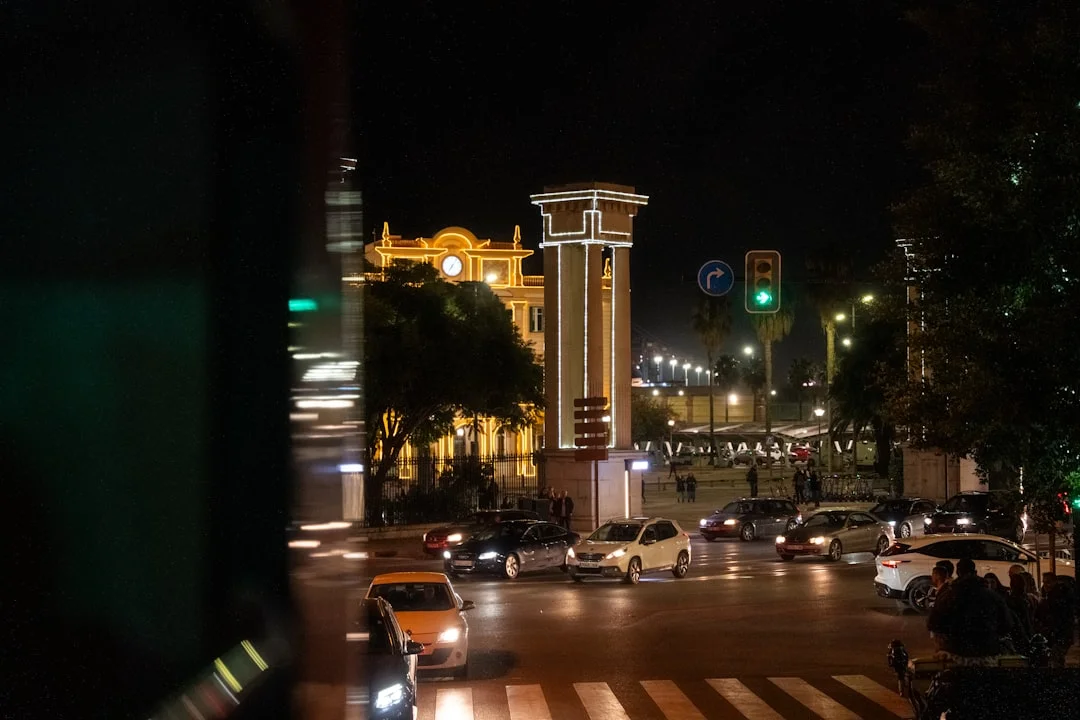
Wenn Sie schon einmal am Ufer des Guadalmedina im historischen Zentrum von Málaga spaziert sind, haben Sie wahrscheinlich – vielleicht nach einem Ausflug zum besten Chiringuito des Jahres 2025 – die kleine Fußgängerbrücke aus Stahl überquert, die die Kirche Santo Domingo mit dem Pasillo de Santa Isabel verbindet. Lokal bekannt als die Puente de los Alemanes (Brücke der Deutschen), ist dieses Bauwerk mehr als nur ein Übergang; es ist ein Denkmal für eine tragische Nacht und den immensen Mut einer Stadt.
Tag: by:javier_ruiz
-

The Bridge of Gratitude: 125 Years Since the Gneisenau Shipwreck
If you have ever walked along the Guadalmedina riverbank in Málaga’s historic center, you have likely crossed the small, steel pedestrian bridge connecting the church of Santo Domingo with the Pasillo de Santa Isabel. Known locally as the Puente de los Alemanes (Bridge of the Germans), this structure is more than just a walkway; it is a monument to a tragic night and a city’s immense bravery.
With the recent 125th anniversary of the sinking of the SMS Gneisenau, we look back at the event that forever changed the relationship between Málaga and Germany.
The Storm of 1900
On the morning of December 16, 1900, a fierce storm battered the coast of Málaga. Anchored outside the port was the German frigate SMS Gneisenau, a training ship carrying 470 crew members. The captain, attempting to move the ship to the safety of the inner harbor, found the vessel overwhelmed by the wind and waves. The ship was driven onto the breakwater, where it sank within minutes.
What happened next defined the character of the city. Despite the perilous conditions, the people of Málaga did not hesitate. Fishermen and locals threw themselves into the raging sea to rescue the drowning German sailors. It is reported that many Malagueños lost their lives trying to save strangers that day.
In total, 41 German sailors perished, including the captain and the ship’s commander. However, thanks to the immediate intervention of the locals, hundreds were saved. The injured were taken into private homes and hospitals, cared for by a population that had little to give but gave everything they had.
A Title Earned: “Muy Hospitalaria”
News of the rescue reached the German Empress and the world. The act of selflessness was so profound that a Royal Decree issued on January 1, 1901, granted Málaga the title of “Muy Hospitalaria” (Very Hospitable), a motto that still adorns the city’s coat of arms today alongside “Muy Noble” and “Muy Leal.”
As highlighted in recent historical reflections by La Opinión de Málaga, the memory of this event remains vivid even 125 years later, serving as a testament to the city’s enduring spirit of solidarity.
The Gift of the Bridge
Seven years after the tragedy, in 1907, the great flood of the Guadalmedina river destroyed several of Málaga’s bridges. Upon hearing of the disaster, the German people and government remembered the kindness shown to their sailors.
A collection was organized in Germany to help the city that had helped them. The funds raised were used to construct the steel bridge we see today. It was gifted to the city in 1909 as a permanent symbol of gratitude—a thank you note forged in iron.
Remembering the Gneisenau Today
If you visit the English Cemetery in Málaga, you can find the grave where the German sailors were laid to rest. It remains a site of pilgrimage for the German community on the Costa del Sol.
The Puente de los Alemanes stands not just as a piece of infrastructure, but as a reminder that even in the face of tragedy, compassion can build bridges that last for centuries. It is a story we are proud to remember, honoring both those who were lost and those who risked everything to save them.
-

Málaga Startup Network startet: Ein neuer Hub für 27 Unternehmen mit hohem Potenzial
Während Málagas Kunstagenda für den Winter 2026 Besucher anzieht, hat auch die technologische Landschaft der Costa del Sol diesen Monat einen bedeutenden Schritt in Richtung Reife gemacht. Um die wachsende Innovationskraft der Region zu organisieren und nach außen zu tragen, hat BIC Euronova offiziell das Málaga Startup Network ins Leben gerufen.
-

Málaga Startup Network Launches: A New Hub for 27 High-Potential Companies
The technological landscape of the Costa del Sol has taken a significant step toward maturity this month. In a move to organize and project the region’s growing innovation capacity, BIC Euronova has officially launched the Málaga Startup Network.
This new initiative acts as an umbrella brand, designed to connect, visualize, and strengthen the ecosystem of entrepreneurs and technology companies operating out of Málaga. For digital nomads, foreign investors, and local founders, this marks a pivotal moment in how the city structures its booming tech sector.
Unifying the Ecosystem
Málaga has long been a magnet for talent, but the rapid growth of recent years has created a need for better cohesion. The Málaga Startup Network aims to solve the fragmentation that often accompanies fast expansion.
Promoted by the European Business and Innovation Centre of Málaga (BIC Euronova), based in the Málaga TechPark, the network’s primary objective is to provide a clear entry point for those looking to engage with local innovation. According to El Referente, the initiative seeks to distinguish and support companies that demonstrate high growth potential and scalable business models.
The ‘Selected 27’
Central to the launch is the recognition of 27 specific startups that have been identified as the spearhead of this new network. These companies have been awarded a distinction that serves essentially as a seal of quality for investors and partners.
While the ecosystem is vast, these 27 companies represent the diversity of Málaga’s innovation, covering sectors such as:
- HealthTech and BioTech
- GreenTech and Sustainability
- Artificial Intelligence and Big Data
- Tourism Tech
This curation is particularly useful for international venture capital firms and angel investors who are eyeing Southern Spain but require a vetted list of opportunities to begin their due diligence.
Why This Matters for 2026
As we move through 2026, the competition among European tech hubs is intensifying. Málaga’s transition from a “sun and beach” destination to a legitimate “Silicon Valley of Europe” contender relies on structure.
According to the Parque Tecnológico de Andalucía (PTA), this network is not just about a list of names; it is about creating a structured environment where these companies can access mentoring, financing, and international visibility.
For the remote worker or tech professional living in Málaga, the network provides a clearer map of where the most exciting work is happening. It simplifies the job hunt for high-skilled talent and offers a structured community for networking events.
Looking Ahead
The creation of the Málaga Startup Network suggests that the city is moving past its “hype” phase and entering a phase of consolidation. With institutions like BIC Euronova steering the ship, the focus is now clearly on quality, scalability, and international connection.
It is inspiring to see the local community organize itself with such clarity. For those of us watching Málaga grow, initiatives like this provide the necessary foundation to ensure that the city’s tech boom is sustainable, inclusive, and deeply rooted in genuine innovation.
-

Lebendige Geschichte: Die Nao Santa María legt im Hafen von Málaga an
Wenn Sie diese Woche durch den Hafen von Málaga spazieren, bemerken Sie vielleicht eine markante Silhouette, die die Reihe moderner Yachten und Kreuzfahrtschiffe unterbricht. Die Nao Santa María, ein originalgetreuer Nachbau von Christoph Kolumbus’ Flaggschiff in Originalgröße, hat in der Stadt angelegt und ist derzeit für die Öffentlichkeit zugänglich – ein historischer Kontrast zu der 200-Millionen-Euro-Investition, die den Hafen neu definiert.
-

Living History: The Nao Santa María Docks in Málaga’s Port
Walking through the Port of Málaga this week, you might notice a striking silhouette interrupting the line of modern yachts and cruise ships. While the area prepares for a €200M investment redefining the port’s skyline, the Nao Santa María, a faithful full-scale replica of Christopher Columbus’s flagship, has docked in the city and is currently open to the public.
-

Plan Verde: Die Wiederverbindung der Stadt mit den Montes de Málaga
Für viele Einwohner und Expatriates in Málaga ist die Identität der Stadt untrennbar mit dem Mittelmeer verbunden. Blickt man jedoch nach Norden, bewacht eine weite Fläche grüner Kiefernwälder die Stadt: der Naturpark Montes de Málaga. Trotz seiner Nähe – oft von den Dächern der Stadt aus sichtbar – bleibt er für viele Einheimische eine ungenutzte Ressource.
Eine neue Initiative mit dem Namen „Plan Verde“ (Grüner Plan) zielt darauf ab, diese Dynamik im Jahr 2026 zu ändern.
Die Kluft zwischen Stadt und Natur überbrücken
Laut aktuellen Berichten von Diario Sur legt die lokale Verwaltung erneut großen Wert darauf, den Naturpark in das tägliche Leben der Stadt zu integrieren. Pablo Blanco, der Stadtrat für Nachhaltigkeit und Umwelt, hat die Wiederverbindung des städtischen Gefüges mit der natürlichen Umgebung als Priorität identifiziert.
Der Kern des Plans betrifft nicht nur die Geografie, sondern auch die Zugänglichkeit und das Bewusstsein. Während die Montes als „grüne Lunge“ der Stadt fungieren und essentiellen Sauerstoff sowie Temperaturregulierung bieten, war die psychologische und erholungsbezogene Verbindung oft schwach. Das Ziel ist es, den Park von einer fernen Kulisse in einen zugänglichen Hinterhof für die Malagueños zu verwandeln.
Nachhaltigkeit und verantwortungsvolle Freizeitgestaltung
Der Vorstoß für einen besseren Zugang ist mit einem Vorbehalt verbunden: Naturschutz. Die Montes de Málaga sind kein gewöhnlicher Park; sie sind ein geschützter Naturraum mit einem empfindlichen Ökosystem. Die Strategie konzentriert sich auf:
- Förderung von Wanderrouten: Verbesserung der Beschilderung und Instandhaltung der Wege, um das Gehen gegenüber dem Autofahren zu fördern.
- Umweltbildung: Aufklärung von einheimischen und internationalen Besuchern über die einzigartige Flora und Fauna dieser Kalksteinhügel.
- Verantwortungsvolle Nutzung: Sicherstellung, dass der erhöhte Besucherstrom nicht zu mehr Abfall oder Brandgefahr führt.
Warum die Montes erkunden?
Für diejenigen, die in Málaga leben und sich noch nicht über die Ronda Norte hinausgewagt haben, bieten die Montes einen starken Kontrast zur Feuchtigkeit und Hektik der Küste.
- Die „Ventas“: Historisch gesehen ist die Straße hinauf zu den Montes von ventas (Gasthöfen am Straßenrand) gesäumt, die den berühmten Plato de los Montes servieren. Dies ist eine kulinarische Tradition, die dem modernen Tourismusboom vorausgeht.
- Wandern und Radfahren: Von der Fuente de la Reina bis zu den verschiedenen miradores (Aussichtspunkten) bietet der Park Wege, die von sanften Spaziergängen bis zu technischen Mountainbike-Abfahrten reichen.
- Artenvielfalt: Es ist ein Zufluchtsort für Chamäleons, Adler und Wildschweine und bietet ein echtes Wildtiererlebnis nur wenige Minuten vom Stadtzentrum entfernt.
Da die Stadt weiter wächst, wird die Erhaltung und der Genuss dieser Grünflächen entscheidend für die Aufrechterhaltung einer hohen Lebensqualität. Der Fokus der Verwaltung deutet darauf hin, dass wir in naher Zukunft mehr Infrastruktur sehen werden, die umweltfreundliche Besuche unterstützt.
Es ist erfrischend, eine Verlagerung des Fokus auf die Berge zu sehen. Während der Strand das Gesicht von Málaga ist, sind die Montes seine Seele. Ich hoffe, dass dieser Plan erfolgreich darin ist, mehr von uns dazu zu ermutigen, gelegentlich die Flip-Flops gegen Wanderschuhe zu tauschen, und uns daran erinnert, dass die Natur nicht nur ein Reiseziel ist, sondern ein Nachbar, den es zu respektieren gilt.
-

Plan Verde: Reconnecting the City with the Montes de Málaga
For many residents and expatriates in Málaga, the city’s identity is inextricably linked to the Mediterranean Sea, a connection brought to life when the Nao Santa María docks in the port. However, looking north, a vast expanse of green pine forests guards the city: the Montes de Málaga Natural Park. Despite its proximity—often visible from city rooftops—it remains an underutilized resource for many locals.
-

Málaga treibt die Zukunft voran: Die eMobility Expo 2026 und die neue Ära des europäischen Verkehrs
Málaga wird schon lange für seine Lebensqualität und den Tourismus gefeiert, aber im Jahr 2026 etabliert sich die Stadt fest als Nervenzentrum für technologischen Fortschritt und Nachhaltigkeit. Die Ankunft der eMobility Expo 2026 markiert einen bedeutenden Meilenstein auf diesem Weg und verwandelt die Costa del Sol in die europäische Hauptstadt der Debatte über nachhaltige Mobilität.
Eine globale Bühne für grünen Verkehr
Der eMobility Expo World Congress hat Málaga als Kulisse für eine der wichtigsten Diskussionen im Automobil- und Transportsektor gewählt: die Umsetzung der neuen Vorschriften der Europäischen Union bezüglich Elektrofahrzeugen (EVs).
Angesichts der ehrgeizigen Klimaziele der EU steht die Industrie unter Druck, den Übergang weg von Verbrennungsmotoren zu beschleunigen. Die diesjährige Expo ist nicht nur eine Schau futuristischer Prototypen; sie ist ein strategischer Gipfel, auf dem politische Entscheidungsträger, Hersteller und technologische Vorreiter den Fahrplan für das nächste Jahrzehnt festlegen.
Laut ProSostenible konzentriert sich die Ausgabe 2026 speziell auf die Analyse dieser neuen regulatorischen Rahmenbedingungen. Die Veranstaltung dient als entscheidende Plattform, um zu verstehen, wie sich diese Gesetze auf alles auswirken werden – von den Lieferketten in der Fertigung bis hin zur städtischen Infrastrukturplanung.
Warum Málaga?
Die Wahl Málagas ist kein Zufall. In den letzten Jahren hat die Stadt aggressiv eine „Smart City“-Agenda verfolgt, elektrische Buslinien getestet, die Fahrradinfrastruktur ausgebaut und den Málaga TechPark in die globale digitale Wirtschaft integriert.
Die Ausrichtung der eMobility Expo 2026 unterstreicht zwei Schlüsselaspekte des Wachstums der Stadt:
- Strategisches Drehkreuz: Málaga wird zunehmend als Tor zwischen Europa und Afrika sowie als Brücke nach Lateinamerika gesehen, was es zu einem idealen Standort für internationale Dialoge über Logistik und Verkehr macht.
- Lebendes Labor: Die Stadt selbst fungiert als Testgelände für viele der auf der Expo diskutierten Technologien, von intelligenten Verkehrsmanagementsystemen bis hin zu Lösungen für die Zustellung auf der letzten Meile.
Geschäftsmöglichkeiten und die grüne Wirtschaft
Für lokale Unternehmen und internationale Investoren signalisiert die Expo einen boomenden Markt. Der Übergang zur Elektromobilität erfordert massive Infrastrukturverbesserungen – Ladestationen, Netzmodernisierung und Softwarelösungen – Sektoren, in denen Málagas Tech-Ökosystem bereits floriert.
Die Konvergenz des Technologiesektors mit der Automobilindustrie schafft einen fruchtbaren Boden für Start-ups und etablierte Firmen gleichermaßen, um Partnerschaften zu schmieden. Es wird erwartet, dass die Diskussionen, die hier 2026 über die Kreislaufwirtschaft von Batterien und die Reduzierung des CO2-Fußabdrucks geführt werden, den Ton für Geschäftsstrategien auf dem gesamten Kontinent angeben werden.
Blick in die Zukunft
Während wir uns durch das Jahr 2026 bewegen, bestätigt die Präsenz einer solch hochkarätigen Veranstaltung, dass Málaga über sein traditionelles Image hinauswächst. Es entwickelt sich zu einem Ort, an dem über die Zukunft unserer Fortbewegung, unserer Arbeit und unseres Lebens entschieden wird.
Es ist inspirierend zu sehen, wie unsere Stadt Gastgeber dieser wichtigen Gespräche ist. Ob Sie nun ein Branchenprofi sind oder einfach ein Bewohner, der die vorbeigleitenden Elektrobusse beobachtet – es ist klar, dass wir alle Teil eines größeren Wandels hin zu einer saubereren, ruhigeren und effizienteren Zukunft sind. Wir freuen uns darauf zu sehen, wie sich die in diesem Jahr vorgestellten Innovationen in reale Vorteile für unsere Straßen und Gemeinden verwandeln.
-

Málaga Drives the Future: eMobility Expo 2026 and the New Era of European Transport
Málaga has long been celebrated for its quality of life and tourism, but in 2026, the city is firmly establishing itself as a nerve center for technological advancement and sustainability. The arrival of the eMobility Expo 2026 marks a significant milestone in this journey, transforming the Costa del Sol into the European capital of the sustainable mobility debate.
A Global Stage for Green Transport
The eMobility Expo World Congress has chosen Málaga as the backdrop for one of the most critical discussions in the automotive and transport sectors: the implementation of new European Union regulations regarding electric vehicles (EVs).
With the EU’s ambitious climate targets looming, the industry is under pressure to accelerate the transition away from internal combustion engines. This year’s Expo is not just a showcase of futuristic prototypes; it is a strategic summit where policymakers, manufacturers, and tech disruptors are defining the roadmap for the next decade.
According to ProSostenible, the 2026 edition is specifically focused on analyzing these new regulatory frameworks. The event serves as a crucial platform for understanding how these laws will impact everything from manufacturing supply chains to urban infrastructure planning.
Why Málaga?
The choice of Málaga is no accident. Over the last few years, the city has aggressively pursued a “Smart City” agenda, testing electric bus lines, expanding cycling infrastructure, and integrating the Málaga TechPark into the global digital economy.
Hosting the eMobility Expo 2026 highlights two key aspects of the city’s growth:
- Strategic Hub: Málaga is increasingly seen as the gateway between Europe and Africa, as well as a bridge to Latin America, making it an ideal location for international logistics and transport dialogues.
- Living Lab: The city itself acts as a testing ground for many of the technologies discussed at the Expo, from smart traffic management systems to last-mile delivery solutions.
Business Opportunities and the Green Economy
For local businesses and international investors, the Expo signals a booming market. The transition to electric mobility requires massive infrastructure upgrades—charging stations, grid modernization, and software solutions—sectors where Málaga’s tech ecosystem is already thriving.
The convergence of the tech sector with the automotive industry creates a fertile ground for startups and established firms alike to forge partnerships. The discussions held here in 2026 regarding the circular economy of batteries and carbon footprint reduction are expected to set the tone for business strategies across the continent.
Looking Ahead
As we navigate 2026, the presence of such a high-caliber event confirms that Málaga is moving beyond its traditional image. It is becoming a place where the future of how we move, work, and live is being decided.
It is inspiring to see our city host these vital conversations. Whether you are an industry professional or simply a resident watching the electric buses glide by, it is clear that we are all part of a larger shift toward a cleaner, quieter, and more efficient future. We look forward to seeing the innovations unveiled this year translate into real-world benefits for our streets and communities.