Seit Jahren wandelt sich das Bild von Málaga von „Sonne und Strand“ zu „Silizium und Servern“. Anfang 2026 hat sich dieses Narrativ in harten Daten verfestigt. Es geht beim Ökosystem nicht mehr nur darum, große Firmenzentralen wie Google oder Vodafone anzuziehen; es geht um das organische Wachstum lokaler Innovationen – eine Dynamik, die auch neue Highlights auf Málagas Foodie-Radar setzt.
Tag: by:javier_ruiz
-
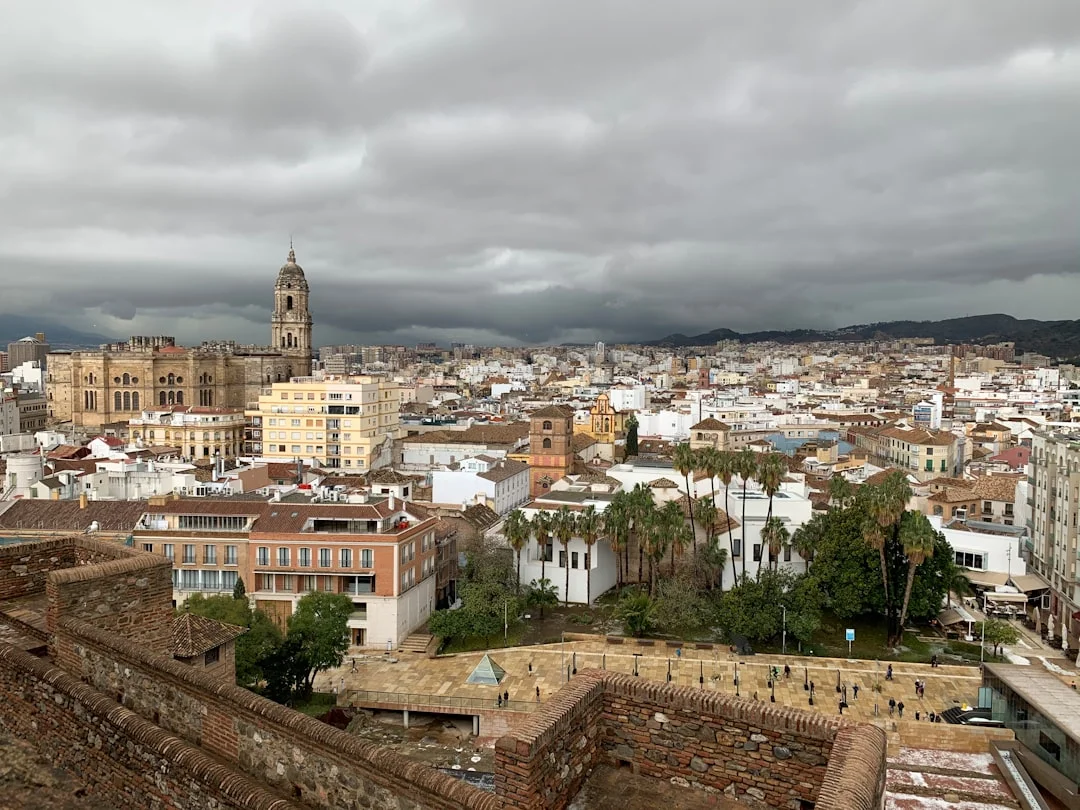
Tech Watch: Málaga Startups Secure Spots in National Top 100
For years, the narrative surrounding Málaga has shifted from “sun and sand” to “silicon and servers.” By early 2026, that narrative has solidified into hard data. The ecosystem is no longer just about attracting big corporate hubs like Google or Vodafone; it is about the organic growth of local innovation, seeing Málaga startups at the PTA shine in the national Top 100.
-
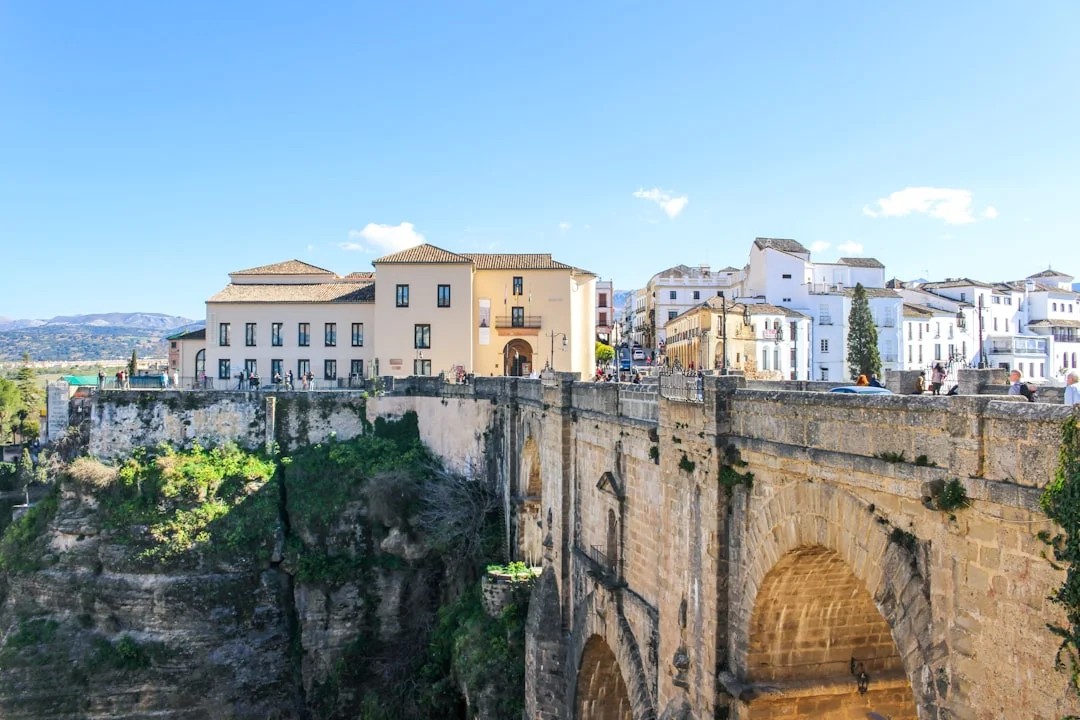
Die Brücke der Dankbarkeit: 125 Jahre nach dem Schiffbruch der Gneisenau
Wenn Sie schon einmal am Ufer des Guadalmedina im historischen Zentrum von Málaga spaziert sind, haben Sie wahrscheinlich – vielleicht nach einem Ausflug zum besten Chiringuito des Jahres 2025 – die kleine Fußgängerbrücke aus Stahl überquert, die die Kirche Santo Domingo mit dem Pasillo de Santa Isabel verbindet. Lokal bekannt als die Puente de los Alemanes (Brücke der Deutschen), ist dieses Bauwerk mehr als nur ein Übergang; es ist ein Denkmal für eine tragische Nacht und den immensen Mut einer Stadt.
-
The Bridge of Gratitude: 125 Years Since the Gneisenau Shipwreck
If you have ever walked along the Guadalmedina riverbank in Málaga’s historic center, you have likely crossed the small, steel pedestrian bridge connecting the church of Santo Domingo with the Pasillo de Santa Isabel. Known locally as the Puente de los Alemanes (Bridge of the Germans), this structure is more than just a walkway; it is a monument to a tragic night and a city’s immense bravery.
With the recent 125th anniversary of the sinking of the SMS Gneisenau, we look back at the event that forever changed the relationship between Málaga and Germany.
The Storm of 1900
On the morning of December 16, 1900, a fierce storm battered the coast of Málaga. Anchored outside the port was the German frigate SMS Gneisenau, a training ship carrying 470 crew members. The captain, attempting to move the ship to the safety of the inner harbor, found the vessel overwhelmed by the wind and waves. The ship was driven onto the breakwater, where it sank within minutes.
What happened next defined the character of the city. Despite the perilous conditions, the people of Málaga did not hesitate. Fishermen and locals threw themselves into the raging sea to rescue the drowning German sailors. It is reported that many Malagueños lost their lives trying to save strangers that day.
In total, 41 German sailors perished, including the captain and the ship’s commander. However, thanks to the immediate intervention of the locals, hundreds were saved. The injured were taken into private homes and hospitals, cared for by a population that had little to give but gave everything they had.
A Title Earned: “Muy Hospitalaria”
News of the rescue reached the German Empress and the world. The act of selflessness was so profound that a Royal Decree issued on January 1, 1901, granted Málaga the title of “Muy Hospitalaria” (Very Hospitable), a motto that still adorns the city’s coat of arms today alongside “Muy Noble” and “Muy Leal.”
As highlighted in recent historical reflections by La Opinión de Málaga, the memory of this event remains vivid even 125 years later, serving as a testament to the city’s enduring spirit of solidarity.
The Gift of the Bridge
Seven years after the tragedy, in 1907, the great flood of the Guadalmedina river destroyed several of Málaga’s bridges. Upon hearing of the disaster, the German people and government remembered the kindness shown to their sailors.
A collection was organized in Germany to help the city that had helped them. The funds raised were used to construct the steel bridge we see today. It was gifted to the city in 1909 as a permanent symbol of gratitude—a thank you note forged in iron.
Remembering the Gneisenau Today
If you visit the English Cemetery in Málaga, you can find the grave where the German sailors were laid to rest. It remains a site of pilgrimage for the German community on the Costa del Sol.
The Puente de los Alemanes stands not just as a piece of infrastructure, but as a reminder that even in the face of tragedy, compassion can build bridges that last for centuries. It is a story we are proud to remember, honoring both those who were lost and those who risked everything to save them.
-
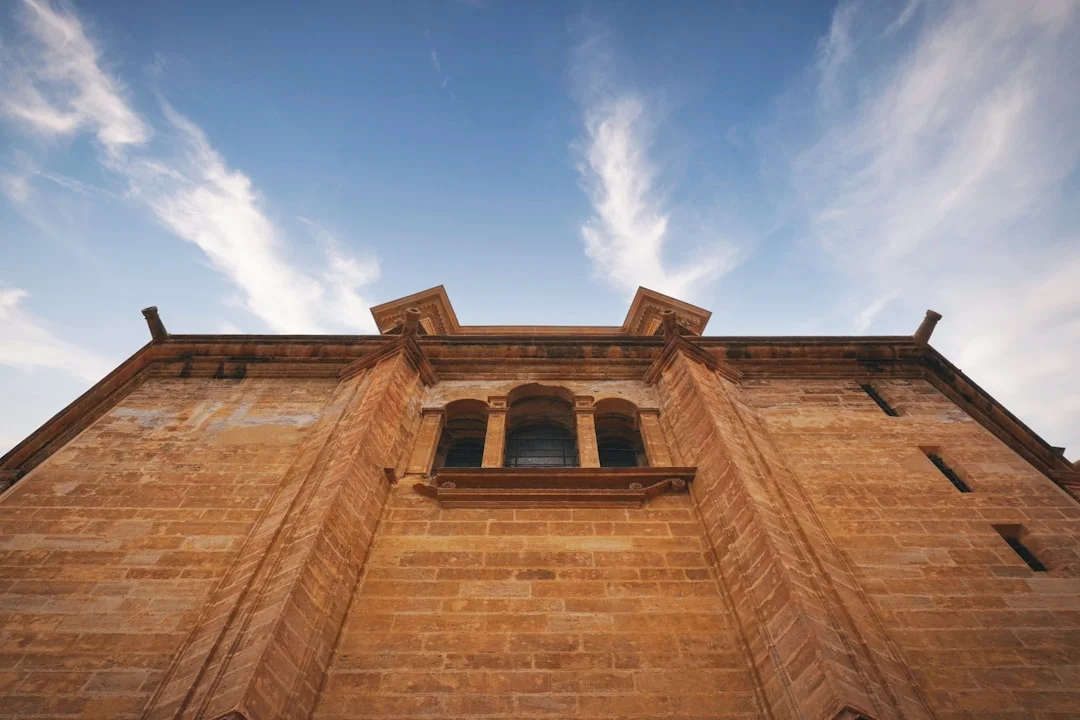
Málaga Startup Network startet: Ein neuer Hub für 27 Unternehmen mit hohem Potenzial
Während Málagas Kunstagenda für den Winter 2026 Besucher anzieht, hat auch die technologische Landschaft der Costa del Sol diesen Monat einen bedeutenden Schritt in Richtung Reife gemacht. Um die wachsende Innovationskraft der Region zu organisieren und nach außen zu tragen, hat BIC Euronova offiziell das Málaga Startup Network ins Leben gerufen.
-
Málaga Startup Network Launches: A New Hub for 27 High-Potential Companies
The technological landscape of the Costa del Sol has taken a significant step toward maturity this month. In a move to organize and project the region’s growing innovation capacity, BIC Euronova has officially launched the Málaga Startup Network.
This new initiative acts as an umbrella brand, designed to connect, visualize, and strengthen the ecosystem of entrepreneurs and technology companies operating out of Málaga. For digital nomads, foreign investors, and local founders, this marks a pivotal moment in how the city structures its booming tech sector.
Unifying the Ecosystem
Málaga has long been a magnet for talent, but the rapid growth of recent years has created a need for better cohesion. The Málaga Startup Network aims to solve the fragmentation that often accompanies fast expansion.
Promoted by the European Business and Innovation Centre of Málaga (BIC Euronova), based in the Málaga TechPark, the network’s primary objective is to provide a clear entry point for those looking to engage with local innovation. According to El Referente, the initiative seeks to distinguish and support companies that demonstrate high growth potential and scalable business models.
The ‘Selected 27’
Central to the launch is the recognition of 27 specific startups that have been identified as the spearhead of this new network. These companies have been awarded a distinction that serves essentially as a seal of quality for investors and partners.
While the ecosystem is vast, these 27 companies represent the diversity of Málaga’s innovation, covering sectors such as:
- HealthTech and BioTech
- GreenTech and Sustainability
- Artificial Intelligence and Big Data
- Tourism Tech
This curation is particularly useful for international venture capital firms and angel investors who are eyeing Southern Spain but require a vetted list of opportunities to begin their due diligence.
Why This Matters for 2026
As we move through 2026, the competition among European tech hubs is intensifying. Málaga’s transition from a “sun and beach” destination to a legitimate “Silicon Valley of Europe” contender relies on structure.
According to the Parque Tecnológico de Andalucía (PTA), this network is not just about a list of names; it is about creating a structured environment where these companies can access mentoring, financing, and international visibility.
For the remote worker or tech professional living in Málaga, the network provides a clearer map of where the most exciting work is happening. It simplifies the job hunt for high-skilled talent and offers a structured community for networking events.
Looking Ahead
The creation of the Málaga Startup Network suggests that the city is moving past its “hype” phase and entering a phase of consolidation. With institutions like BIC Euronova steering the ship, the focus is now clearly on quality, scalability, and international connection.
It is inspiring to see the local community organize itself with such clarity. For those of us watching Málaga grow, initiatives like this provide the necessary foundation to ensure that the city’s tech boom is sustainable, inclusive, and deeply rooted in genuine innovation.
-

Lebendige Geschichte: Die Nao Santa María legt im Hafen von Málaga an
Wenn Sie diese Woche durch den Hafen von Málaga spazieren, bemerken Sie vielleicht eine markante Silhouette, die die Reihe moderner Yachten und Kreuzfahrtschiffe unterbricht. Die Nao Santa María, ein originalgetreuer Nachbau von Christoph Kolumbus’ Flaggschiff in Originalgröße, hat in der Stadt angelegt und ist derzeit für die Öffentlichkeit zugänglich – ein historischer Kontrast zu der 200-Millionen-Euro-Investition, die den Hafen neu definiert.
-
Living History: The Nao Santa María Docks in Málaga’s Port
Walking through the Port of Málaga this week, you might notice a striking silhouette interrupting the line of modern yachts and cruise ships. While the area prepares for a €200M investment redefining the port’s skyline, the Nao Santa María, a faithful full-scale replica of Christopher Columbus’s flagship, has docked in the city and is currently open to the public.
-

Plan Verde: Die Wiederverbindung der Stadt mit den Montes de Málaga
Für viele Einwohner und Expatriates in Málaga ist die Identität der Stadt untrennbar mit dem Mittelmeer verbunden. Blickt man jedoch nach Norden, bewacht eine weite Fläche grüner Kiefernwälder die Stadt: der Naturpark Montes de Málaga. Trotz seiner Nähe – oft von den Dächern der Stadt aus sichtbar – bleibt er für viele Einheimische eine ungenutzte Ressource.
Eine neue Initiative mit dem Namen „Plan Verde“ (Grüner Plan) zielt darauf ab, diese Dynamik im Jahr 2026 zu ändern.
Die Kluft zwischen Stadt und Natur überbrücken
Laut aktuellen Berichten von Diario Sur legt die lokale Verwaltung erneut großen Wert darauf, den Naturpark in das tägliche Leben der Stadt zu integrieren. Pablo Blanco, der Stadtrat für Nachhaltigkeit und Umwelt, hat die Wiederverbindung des städtischen Gefüges mit der natürlichen Umgebung als Priorität identifiziert.
Der Kern des Plans betrifft nicht nur die Geografie, sondern auch die Zugänglichkeit und das Bewusstsein. Während die Montes als „grüne Lunge“ der Stadt fungieren und essentiellen Sauerstoff sowie Temperaturregulierung bieten, war die psychologische und erholungsbezogene Verbindung oft schwach. Das Ziel ist es, den Park von einer fernen Kulisse in einen zugänglichen Hinterhof für die Malagueños zu verwandeln.
Nachhaltigkeit und verantwortungsvolle Freizeitgestaltung
Der Vorstoß für einen besseren Zugang ist mit einem Vorbehalt verbunden: Naturschutz. Die Montes de Málaga sind kein gewöhnlicher Park; sie sind ein geschützter Naturraum mit einem empfindlichen Ökosystem. Die Strategie konzentriert sich auf:
- Förderung von Wanderrouten: Verbesserung der Beschilderung und Instandhaltung der Wege, um das Gehen gegenüber dem Autofahren zu fördern.
- Umweltbildung: Aufklärung von einheimischen und internationalen Besuchern über die einzigartige Flora und Fauna dieser Kalksteinhügel.
- Verantwortungsvolle Nutzung: Sicherstellung, dass der erhöhte Besucherstrom nicht zu mehr Abfall oder Brandgefahr führt.
Warum die Montes erkunden?
Für diejenigen, die in Málaga leben und sich noch nicht über die Ronda Norte hinausgewagt haben, bieten die Montes einen starken Kontrast zur Feuchtigkeit und Hektik der Küste.
- Die „Ventas“: Historisch gesehen ist die Straße hinauf zu den Montes von ventas (Gasthöfen am Straßenrand) gesäumt, die den berühmten Plato de los Montes servieren. Dies ist eine kulinarische Tradition, die dem modernen Tourismusboom vorausgeht.
- Wandern und Radfahren: Von der Fuente de la Reina bis zu den verschiedenen miradores (Aussichtspunkten) bietet der Park Wege, die von sanften Spaziergängen bis zu technischen Mountainbike-Abfahrten reichen.
- Artenvielfalt: Es ist ein Zufluchtsort für Chamäleons, Adler und Wildschweine und bietet ein echtes Wildtiererlebnis nur wenige Minuten vom Stadtzentrum entfernt.
Da die Stadt weiter wächst, wird die Erhaltung und der Genuss dieser Grünflächen entscheidend für die Aufrechterhaltung einer hohen Lebensqualität. Der Fokus der Verwaltung deutet darauf hin, dass wir in naher Zukunft mehr Infrastruktur sehen werden, die umweltfreundliche Besuche unterstützt.
Es ist erfrischend, eine Verlagerung des Fokus auf die Berge zu sehen. Während der Strand das Gesicht von Málaga ist, sind die Montes seine Seele. Ich hoffe, dass dieser Plan erfolgreich darin ist, mehr von uns dazu zu ermutigen, gelegentlich die Flip-Flops gegen Wanderschuhe zu tauschen, und uns daran erinnert, dass die Natur nicht nur ein Reiseziel ist, sondern ein Nachbar, den es zu respektieren gilt.
-
Plan Verde: Reconnecting the City with the Montes de Málaga
For many residents and expatriates in Málaga, the city’s identity is inextricably linked to the Mediterranean Sea, a connection brought to life when the Nao Santa María docks in the port. However, looking north, a vast expanse of green pine forests guards the city: the Montes de Málaga Natural Park. Despite its proximity—often visible from city rooftops—it remains an underutilized resource for many locals.