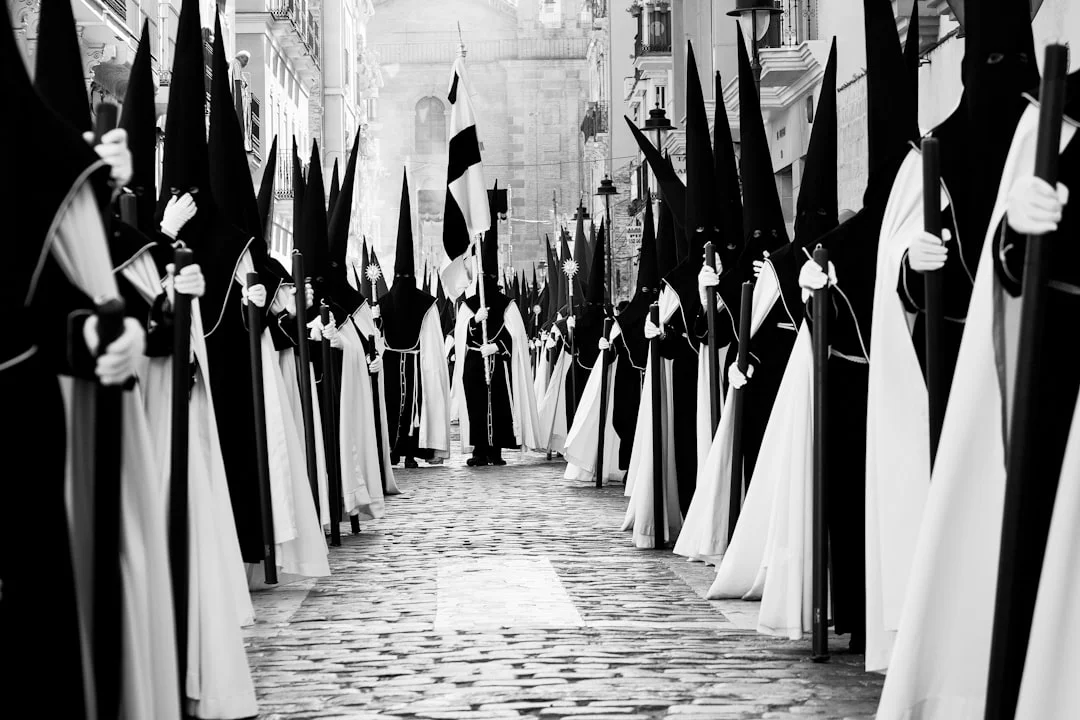
The scent of incense is officially wafting through the streets of Málaga, signaling that Semana Santa (Holy Week) is just around the corner. For newly arrived expats, who might be more accustomed to modern leisure attractions like the city’s newly opened giant inflatable park, the sheer scale of this traditional annual event can come as a logistical shock. The massive crowds, the extensive road closures, and the intense local devotion transform the city center into a completely different landscape.
While the main processions are still days away, the pre-Easter rituals have officially started with the traslados. It is time to learn the local traditions, explore the changing local soul of the famous Atarazanas Market, and plan your city center navigation for the 2026 edition.
What Are ‘Traslados’ in Málaga?
Before the massive wooden floats (tronos) can parade through the city, the religious figures must be moved from their home churches and parishes to their respective casas hermandad (brotherhood pavilions). This moving process is known as a traslado.
Unlike the formal, somber processions of Semana Santa itself, traslados are often more intimate neighborhood affairs. However, they still draw significant crowds and feature musical bands, incense, and brief traffic pauses. A perfect example of this kickoff is the recent transfer of the Nazareno de la Salutación, which took place on March 24, 2026. This widely shared event marks the true beginning of Málaga’s heavy religious and cultural activities.
The Semana Santa Málaga 2026 Schedule
The official Semana Santa Málaga 2026 schedule runs from Palm Sunday through Easter Sunday. Every brotherhood follows a meticulously planned route, but they all converge on the Recorrido Oficial (Official Route).
This central artery includes:
* Plaza de la Constitución
* Calle Larios
* Calle Martínez
* Atarazanas
* Alameda Principal
* Molina Lario
Because all processions must pass through this funnel, the city center becomes highly restricted. Grandstands and thousands of chairs are erected along these streets, effectively walling off sections of the historic center.
Navigating Road Closures in Málaga During Easter
If you live in, work in, or plan to visit the historic center, preparation is key. The Málaga Easter road closures are extensive and strictly enforced.
Transportation Shifts
Do not attempt to drive into the city center. Parking garages inside the Centro Histórico will be inaccessible or heavily restricted during the late afternoons and evenings. The local EMT buses that normally pass through the Alameda Principal will be permanently rerouted to the Paseo del Parque or the area near Muelle Heredia. The Málaga Metro becomes the most reliable way to enter and exit the city, with extended operating hours throughout the week.
Pedestrian Crossings
Walking across the city center requires patience. You cannot simply cross Calle Larios or the Alameda Principal whenever you wish. Police and event staff manage designated pedestrian crossing points (pasillos). These are only opened during gaps between passing processions. If you are caught on the wrong side of the route, you may have to wait 20 to 30 minutes to cross, or walk a significant detour around the entire official route.
Essential Tips for Expats
- Download an itinerary app: Local apps tracking the Málaga Easter processions route provide real-time GPS locations of the tronos.
- Stock up on essentials: If you live in the historic center, navigating through crowds with heavy grocery bags is a grueling task. Do your major shopping before the weekend.
- Plan your exits: If you have a flight or train to catch, double your estimated travel time to the airport or María Zambrano station.
Experiencing your first Semana Santa in Málaga can feel overwhelming, but it is also a remarkable opportunity to witness the city’s most profound cultural expression. Once you accept that normal routines must be paused, you can step outside, follow the sound of the marching bands, and appreciate the incredible artistry and community spirit that brings this historic tradition to life.
Leave a Reply