Tag: Road Closures

  • Recent Labor Day Protests and Road Closures in Malaga’s Historic Center

    Recent Labor Day Protests and Road Closures in Malaga’s Historic Center

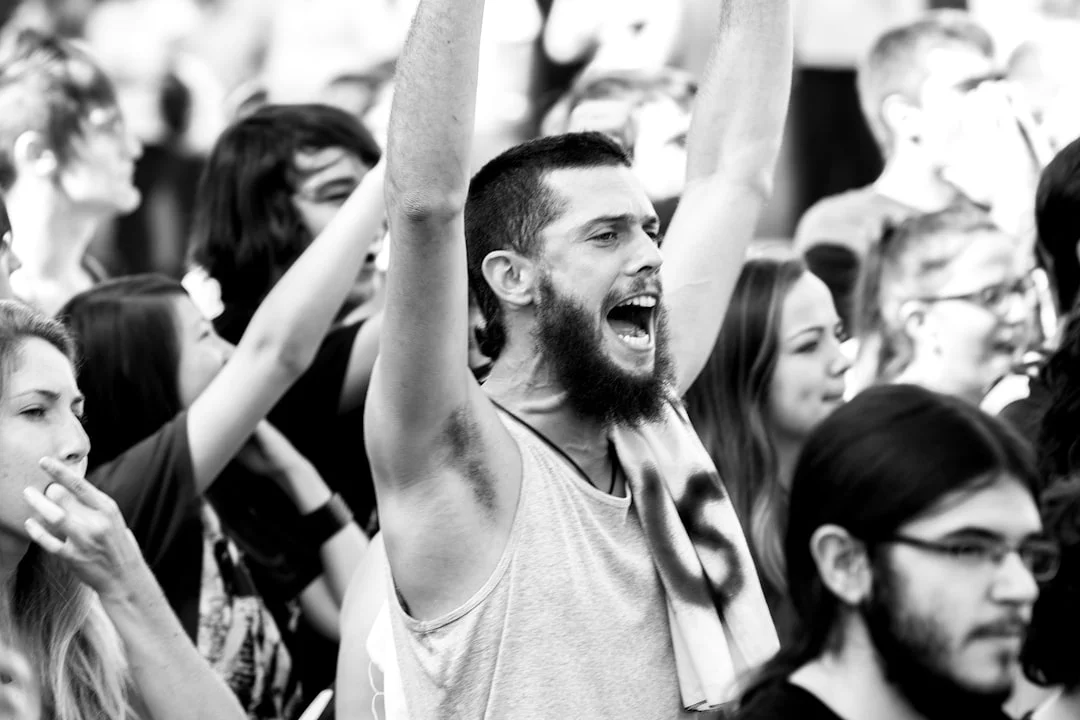
    If you were exploring downtown Malaga this past Wednesday, May 1st, you likely encountered large crowds and significant road closures. Arriving just after a busy weekend of event-related traffic cuts, International Workers’ Day—known locally as Día del Trabajador—brought thousands to the streets.

    While the historic center is usually bustling with shoppers and sightseers, this recent holiday saw major avenues temporarily closed to make way for demonstrations. Understanding the context of these marches offers a deeper look into the current socio-economic climate of our beautiful city, alongside other major institutional developments like its push to host Spain’s new national transport safety agency.

    The Route Through the Historic Center

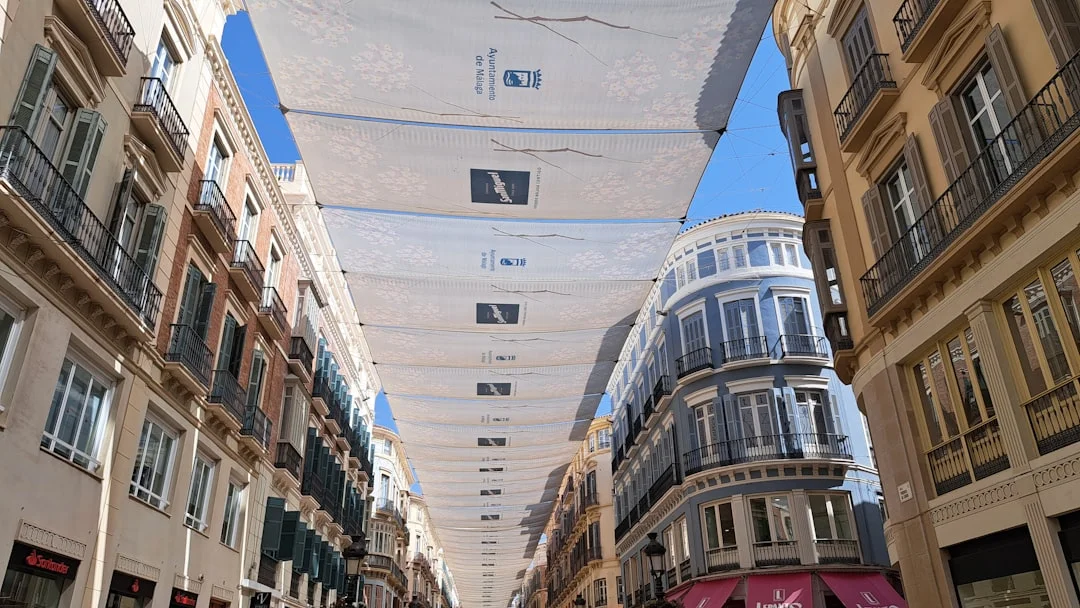
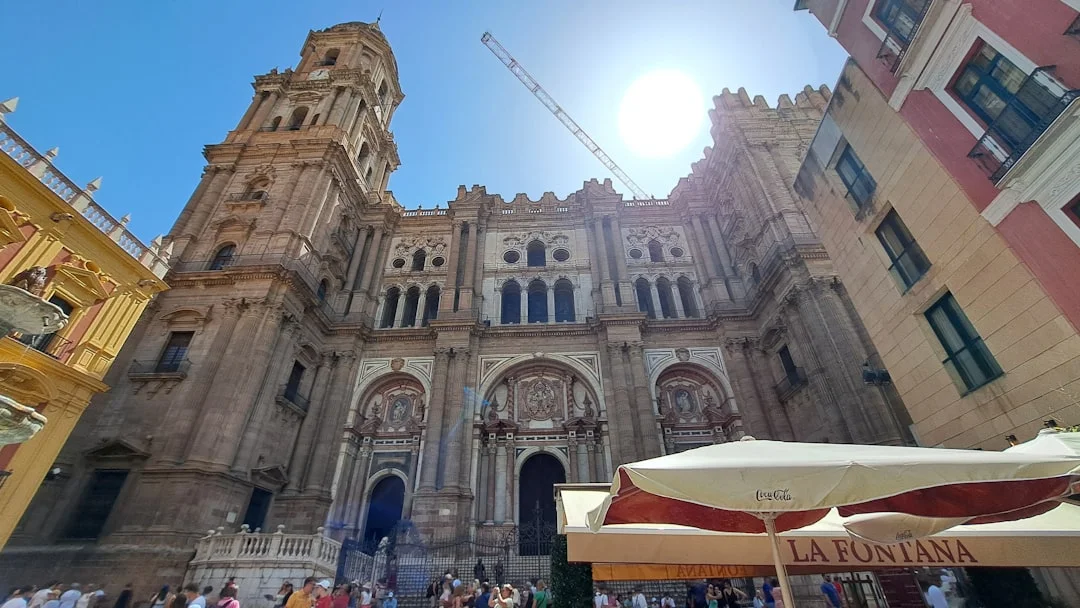
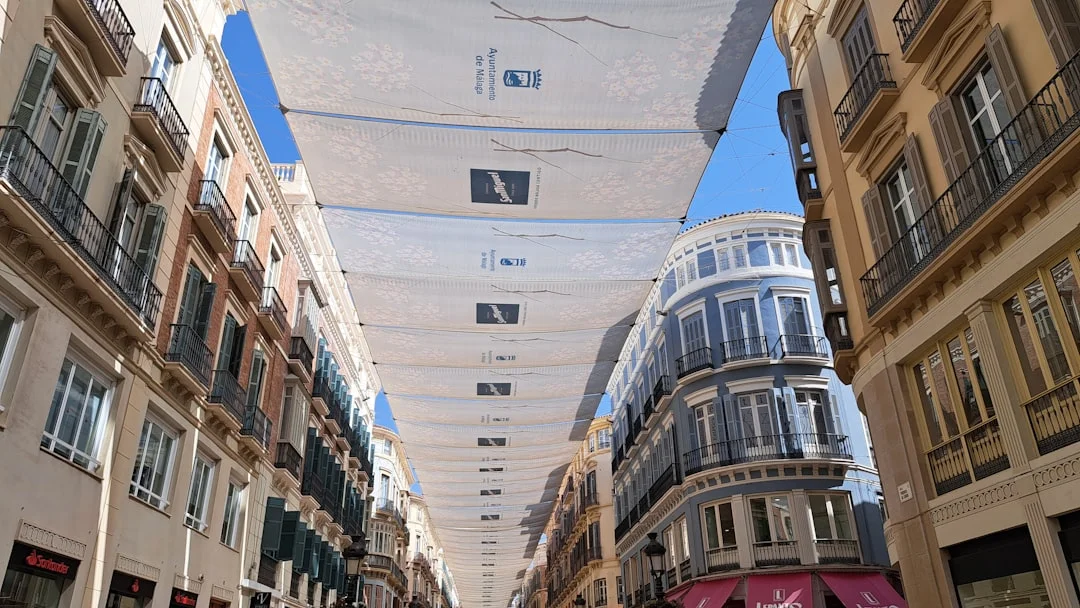
    The May 1st march traditionally takes over some of Malaga’s most iconic streets, and the 2026 edition was no exception, particularly since the city was chosen to host Spain’s central national rally. The demonstration began at Calle Alemania, moving steadily through the city before making its way up the famous Calle Larios. The route ultimately culminated at the Plaza de la Constitución.

    For visitors and expats, this meant that access to major thoroughfares was restricted for several hours. Cafes and shops along the route remained open, but moving across the center required a bit of patience and detouring.

    Core Demands: Housing and Wages

    Organized by major labor unions, including CCOO and UGT, the protests focused heavily on issues that are currently at the forefront of local conversations. According to coverage by Málaga Hoy, the primary demands of the marchers included improved wages, international peace, and urgent solutions for the local housing crisis.

    The housing situation is particularly relevant right now. As Malaga continues to grow as a top destination for remote workers and international expats, the local real estate market has experienced significant pressure. Wage stagnation combined with rising rent prices has made it increasingly difficult for locals to find affordable housing in the city center and surrounding neighborhoods. The May 1st demonstrations served as a vocal reminder of the friction between the city’s booming international appeal and the everyday realities of its workforce.

    Navigating Future May 1st Holidays

    If you plan to live in or visit Malaga long-term, it is helpful to keep May 1st marked on your calendar. Because it is a national public holiday, you should always anticipate:

    • Road Closures: Main arteries like Calle Larios and the Alameda Principal are often closed to vehicle traffic and difficult to navigate on foot during the morning and early afternoon.
    • Business Hours: Most major supermarkets and retail stores will be closed, though many restaurants and bars in tourist areas remain open.
    • Public Transport: Local buses (EMT) may run on reduced holiday schedules and face detours around the historic center.

    Watching a city navigate its own growth—sometimes marked by the closure of historic downtown businesses—is always a complex process. Events like the May 1st demonstrations are a vital part of civic life, ensuring that the voices of local workers are heard amid rapid changes. As Malaga continues to evolve and welcome new residents from around the globe, we hope that the city can find a sustainable balance—one that embraces international visitors while protecting the quality of life for the locals who make this region so deeply special.

  • Logistical Heads-Up: Málaga Chosen to Host Spain’s Central May 1st Labor Day Rally

    Logistical Heads-Up: Málaga Chosen to Host Spain’s Central May 1st Labor Day Rally

    If you are living in or visiting Málaga this spring, you will want to mark your calendar for the upcoming public holiday. This May 1st, 2026, Málaga is set to step into the national spotlight as the chosen host city for Spain’s central Labor Day (Día del Trabajador) rally, a particularly relevant event this year given recent local labor disputes, such as the precarious working conditions denounced by beach lifeguards.

    While May Day is traditionally a time of marches and demonstrations across the country, this year’s event in Málaga carries extra weight, arriving just days after the planned medical strikes and protests on April 29. It coincides directly with the official kickoff of the Andalusian regional election campaigns. Because of this, the city center will see a massive influx of attendees, including major national political figures, union leaders, and media outlets.

    According to local coverage by Diario Sur, the combination of the national rally and the election kickoff means residents and visitors should prepare for significant logistical adjustments.

    What to Expect in the City Center

    Historically, Labor Day marches in Málaga flow through the main arteries of the historic center. However, as the focal point for the entire country this year, the scale will be much larger than usual.

    • Large Crowds: Expect thousands of demonstrators, union members, and political supporters to gather. The atmosphere is generally peaceful and festive, but very densely packed.
    • High-Profile Appearances: Prominent national and regional figures will be leading the rallies, bringing heightened security measures and press presence.
    • Noise and Activity: Megaphones, chanting, and music are staples of the May 1st marches. If you are staying in a hotel or apartment near the Alameda Principal or Paseo del Parque, expect a very lively morning.

    Road Closures and Mobility

    If you have plans that involve crossing the city center on May 1st, it is highly recommended to rethink your transportation strategy.

    Areas to Avoid Driving

    The primary routes for these demonstrations usually include Alameda Principal, Paseo del Parque, Plaza de la Marina, and the surrounding streets. Expect total road closures in these areas from early morning until the mid-afternoon.

    Public Transport Shifts

    • Buses (EMT): Most city bus lines that pass through the center (such as those stopping at Alameda Principal and Paseo del Parque) will be diverted. Check the EMT app for real-time updates on the day.
    • Metro and Cercanías: This will be your best bet for getting around. The Málaga Metro (reaching Atarazanas) and the Cercanías train (reaching Málaga Centro-Alameda) run underground and will largely bypass the surface-level disruptions. However, expect the stations themselves to be much busier than a typical bank holiday.

    Tips for Navigating the Day

    If you are a visitor hoping to do some classic sightseeing, you might want to adjust your itinerary. The Alcazaba and Picasso Museum may remain open, but getting to them will require navigating through dense crowds.

    Instead, this could be the perfect day to explore areas outside the immediate center. Consider taking the bus out to El Palo or Pedregalejo for a relaxed seafood lunch, or hop on the Cercanías train to visit neighboring coastal towns like Torremolinos or Benalmádena.

    Living in a vibrant, growing city like Málaga means occasionally sharing our beautiful streets with major national events. While the road closures and crowds might require a bit of extra planning, it is also a unique opportunity to witness the passionate political and social culture of Spain firsthand. Whether you decide to head down to the Alameda to observe the historic 2026 rally or simply use the day to enjoy a quiet walk along the eastern beaches, I hope you have a safe and wonderful May Day.

  • Die Semana Santa 2026 naht: So navigieren Sie durch Málagas ‘Traslados’ und Straßensperrungen

    Die Semana Santa 2026 naht: So navigieren Sie durch Málagas ‘Traslados’ und Straßensperrungen

    Der Duft von Weihrauch weht offiziell durch die Straßen von Málaga und signalisiert, dass die Semana Santa (Karwoche) vor der Tür steht. Für neu angekommene Expats kann das schiere Ausmaß dieses jährlichen Ereignisses wie ein logistischer Schock wirken. Die riesigen Menschenmassen, die weitreichenden Straßensperrungen und die intensive lokale Hingabe verwandeln das Stadtzentrum – ebenso wie vertraute Orte, darunter der berühmte Atarazanas-Markt, der zunehmend um seine lokale Seele ringt – in eine völlig andere Landschaft.

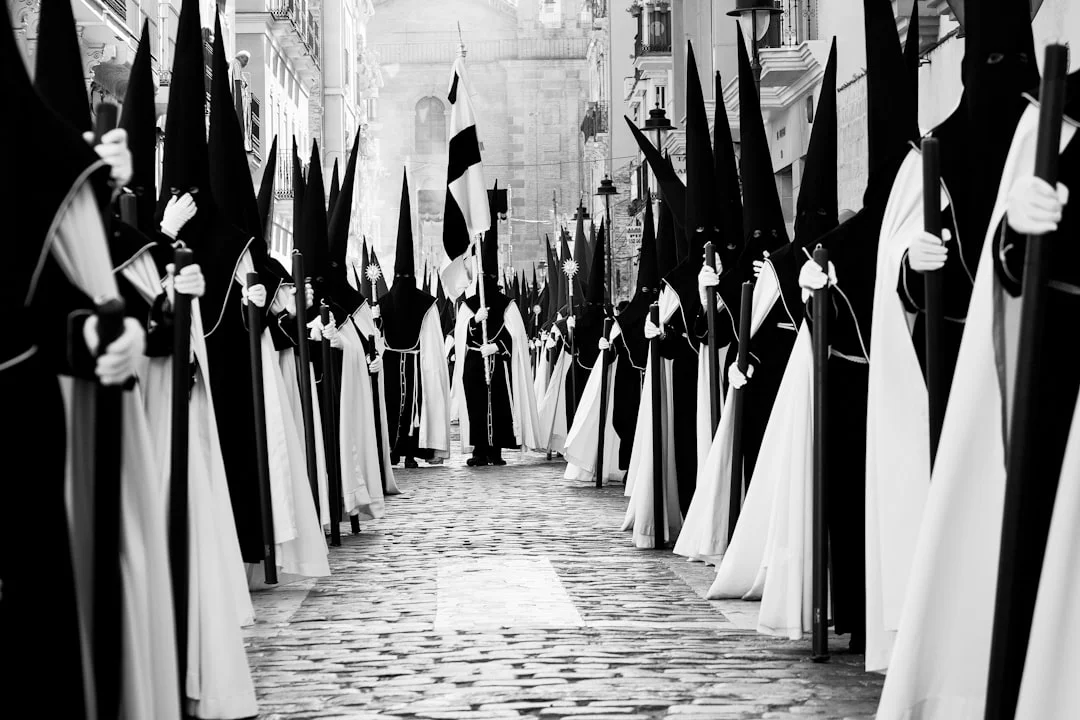
    Während die Hauptprozessionen noch einige Tage entfernt sind, haben die vorösterlichen Rituale mit den Traslados offiziell begonnen. Es ist an der Zeit, die lokalen Traditionen kennenzulernen und Ihre Wege durch das Stadtzentrum für die Ausgabe 2026 zu planen.

    Was sind ‘Traslados’ in Málaga?

    Bevor die massiven hölzernen Festwagen (Tronos) durch die Stadt ziehen können, müssen die religiösen Figuren von ihren Heimatkirchen und Pfarreien zu ihren jeweiligen Casas Hermandad (Bruderschaftspavillons) gebracht werden. Dieser Umzugsprozess wird als Traslado bezeichnet.

    Im Gegensatz zu den formellen, düsteren Prozessionen der eigentlichen Semana Santa sind Traslados oft intimere Angelegenheiten der Nachbarschaft. Dennoch ziehen sie beträchtliche Menschenmengen an und werden von Musikkapellen, Weihrauch und kurzen Verkehrsunterbrechungen begleitet. Ein perfektes Beispiel für diesen Auftakt ist der jüngste Transfer des Nazareno de la Salutación, der am 24. März 2026 stattfand. Dieses viel beachtete Ereignis markiert den wahren Beginn von Málagas intensiven religiösen und kulturellen Aktivitäten.

    Der Zeitplan der Semana Santa Málaga 2026

    Der offizielle Zeitplan der Semana Santa Málaga 2026 reicht vom Palmsonntag bis zum Ostersonntag. Jede Bruderschaft folgt einer akribisch geplanten Route, aber alle laufen auf dem Recorrido Oficial (der offiziellen Route) zusammen.

    Diese zentrale Verkehrsader umfasst:
    * Plaza de la Constitución
    * Calle Larios
    * Calle Martínez
    * Atarazanas
    * Alameda Principal
    * Molina Lario

    Da alle Prozessionen durch dieses Nadelöhr ziehen müssen, ist das Stadtzentrum stark eingeschränkt. Entlang dieser Straßen werden Tribünen und Tausende von Stühlen aufgestellt, die Teile des historischen Zentrums effektiv abriegeln.

    Umgang mit Straßensperrungen in Málaga an Ostern

    Wenn Sie im historischen Zentrum leben, arbeiten oder planen, es zu besuchen, ist Vorbereitung alles. Die Straßensperrungen zu Ostern in Málaga sind weitreichend und werden streng durchgesetzt.

    Änderungen im Nahverkehr

    Versuchen Sie nicht, mit dem Auto in die Innenstadt zu fahren. Parkhäuser im Centro Histórico sind am späten Nachmittag und Abend unzugänglich oder stark eingeschränkt. Die lokalen EMT-Busse, die normalerweise durch die Alameda Principal fahren, werden dauerhaft zum Paseo del Parque oder in die Gegend nahe Muelle Heredia umgeleitet. Die Málaga Metro wird zur zuverlässigsten Möglichkeit, in die Stadt zu gelangen und sie wieder zu verlassen, mit verlängerten Betriebszeiten während der gesamten Woche.

    Fußgängerübergänge

    Das Überqueren des Stadtzentrums zu Fuß erfordert Geduld. Sie können die Calle Larios oder die Alameda Principal nicht einfach überqueren, wann immer Sie möchten. Polizei und Veranstaltungspersonal verwalten ausgewiesene Fußgängerübergänge (Pasillos). Diese werden nur in den Lücken zwischen den vorbeiziehenden Prozessionen geöffnet. Wenn Sie auf der falschen Seite der Route feststecken, müssen Sie möglicherweise 20 bis 30 Minuten warten, um sie zu überqueren, oder einen erheblichen Umweg um die gesamte offizielle Route in Kauf nehmen.

    Wichtige Tipps für Expats

    • Laden Sie eine Routen-App herunter: Lokale Apps, die die Routen der Osterprozessionen in Málaga verfolgen, bieten Echtzeit-GPS-Standorte der Tronos.
    • Decken Sie sich mit dem Nötigsten ein: Wenn Sie im historischen Zentrum leben, ist es eine zermürbende Aufgabe, sich mit schweren Einkaufstüten durch die Menschenmassen zu kämpfen. Erledigen Sie Ihre Haupteinkäufe vor dem Wochenende.
    • Planen Sie Ihre Abreise: Wenn Sie einen Flug oder Zug erreichen müssen, verdoppeln Sie Ihre geschätzte Reisezeit zum Flughafen oder zum Bahnhof María Zambrano.

    Ihre erste Semana Santa in Málaga zu erleben, kann sich überwältigend anfühlen, aber es ist auch eine bemerkenswerte Gelegenheit, den tiefgründigsten kulturellen Ausdruck der Stadt zu bezeugen. Sobald Sie akzeptieren, dass die normalen Routinen pausieren müssen, können Sie nach draußen gehen, dem Klang der Blaskapellen folgen und die unglaubliche Kunstfertigkeit und den Gemeinschaftsgeist schätzen, die diese historische Tradition zum Leben erwecken.

  • Semana Santa 2026 Approaches: Navigating Málaga’s ‘Traslados’ and Road Closures

    Semana Santa 2026 Approaches: Navigating Málaga’s ‘Traslados’ and Road Closures

    The scent of incense is officially wafting through the streets of Málaga, signaling that Semana Santa (Holy Week) is just around the corner. For newly arrived expats, who might be more accustomed to modern leisure attractions like the city’s newly opened giant inflatable park, the sheer scale of this traditional annual event can come as a logistical shock. The massive crowds, the extensive road closures, and the intense local devotion transform the city center into a completely different landscape.

    While the main processions are still days away, the pre-Easter rituals have officially started with the traslados. It is time to learn the local traditions, explore the changing local soul of the famous Atarazanas Market, and plan your city center navigation for the 2026 edition.

    What Are ‘Traslados’ in Málaga?

    Before the massive wooden floats (tronos) can parade through the city, the religious figures must be moved from their home churches and parishes to their respective casas hermandad (brotherhood pavilions). This moving process is known as a traslado.

    Unlike the formal, somber processions of Semana Santa itself, traslados are often more intimate neighborhood affairs. However, they still draw significant crowds and feature musical bands, incense, and brief traffic pauses. A perfect example of this kickoff is the recent transfer of the Nazareno de la Salutación, which took place on March 24, 2026. This widely shared event marks the true beginning of Málaga’s heavy religious and cultural activities.

    The Semana Santa Málaga 2026 Schedule

    The official Semana Santa Málaga 2026 schedule runs from Palm Sunday through Easter Sunday. Every brotherhood follows a meticulously planned route, but they all converge on the Recorrido Oficial (Official Route).

    This central artery includes:
    * Plaza de la Constitución
    * Calle Larios
    * Calle Martínez
    * Atarazanas
    * Alameda Principal
    * Molina Lario

    Because all processions must pass through this funnel, the city center becomes highly restricted. Grandstands and thousands of chairs are erected along these streets, effectively walling off sections of the historic center.

    Navigating Road Closures in Málaga During Easter

    If you live in, work in, or plan to visit the historic center, preparation is key. The Málaga Easter road closures are extensive and strictly enforced.

    Transportation Shifts

    Do not attempt to drive into the city center. Parking garages inside the Centro Histórico will be inaccessible or heavily restricted during the late afternoons and evenings. The local EMT buses that normally pass through the Alameda Principal will be permanently rerouted to the Paseo del Parque or the area near Muelle Heredia. The Málaga Metro becomes the most reliable way to enter and exit the city, with extended operating hours throughout the week.

    Pedestrian Crossings

    Walking across the city center requires patience. You cannot simply cross Calle Larios or the Alameda Principal whenever you wish. Police and event staff manage designated pedestrian crossing points (pasillos). These are only opened during gaps between passing processions. If you are caught on the wrong side of the route, you may have to wait 20 to 30 minutes to cross, or walk a significant detour around the entire official route.

    Essential Tips for Expats

    • Download an itinerary app: Local apps tracking the Málaga Easter processions route provide real-time GPS locations of the tronos.
    • Stock up on essentials: If you live in the historic center, navigating through crowds with heavy grocery bags is a grueling task. Do your major shopping before the weekend.
    • Plan your exits: If you have a flight or train to catch, double your estimated travel time to the airport or María Zambrano station.

    Experiencing your first Semana Santa in Málaga can feel overwhelming, but it is also a remarkable opportunity to witness the city’s most profound cultural expression. Once you accept that normal routines must be paused, you can step outside, follow the sound of the marching bands, and appreciate the incredible artistry and community spirit that brings this historic tradition to life.