Tag: White Villages

  • Montecorto: Málagas verstecktes weißes Dorf mit kristallklarem Wasser

    Montecorto: Málagas verstecktes weißes Dorf mit kristallklarem Wasser

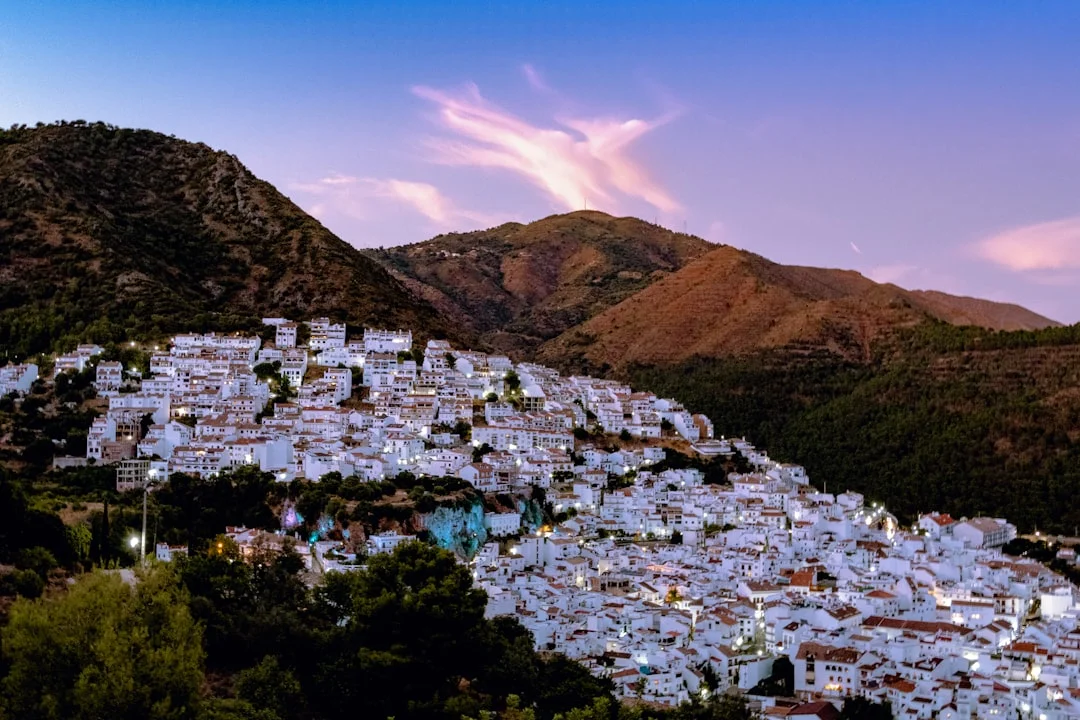
    Wenn die Sommertemperaturen an der Costa del Sol steigen, wird die Suche nach einem ruhigen, kühlen Zufluchtsort abseits der überfüllten Strände zur Priorität. Während die meisten Reisenden an die Küste strömen, zieht es Insider ins Landesinnere in die Serranía de Ronda. Am Fuße der Sierra de Grazalema liegt eines der bestgehüteten Geheimnisse der Provinz: Montecorto.

    Dieses malerische weiße Dorf ist ein Zufluchtsort mit frischer Bergluft, üppigen grünen Landschaften und dem ständigen, beruhigenden Rauschen von fließendem Wasser. Hier erfahren Sie, warum Montecorto in diesem Sommer das perfekte Ausflugsziel abseits der ausgetretenen Pfade ist.

    Das Dorf des Wassers: Natürliche Quellen und Acequias

    Was Montecorto wirklich von anderen andalusischen weißen Dörfern unterscheidet, ist sein Wasserreichtum. Das Dorf wurde über einem natürlichen Grundwasserleiter erbaut und hat das Wasser direkt in seine Architektur integriert. Wie von Málaga Hoy hervorgehoben, sorgt das Netz aus traditionellen acequias (Bewässerungskanälen) und natürlichen Quellen dafür, dass es in Montecorto selbst in den heißesten Monaten bemerkenswert frisch bleibt.

    Beim Erkunden der steilen, weiß getünchten Gassen werden Sie ständig vom Plätschern des Wassers begleitet. Ein absolutes Muss ist die Fuente de Arriba (die obere Quelle), wo kristallklares Bergwasser direkt aus dem Felsen fließt. Die Einheimischen treffen sich hier noch immer, um Krüge mit reinem, eiskaltem Trinkwasser zu füllen. Ganz in der Nähe zeigen das Gebiet der Piscina Natural (Naturschwimmbad) und die umliegenden Obstgärten, wie diese ständige Wasserversorgung eine fruchtbare, grüne Oase inmitten der Berglandschaft geschaffen hat.

    Eine Reise durch die römische und prähistorische Geschichte

    Montecorto ist nicht nur ein malerischer Rückzugsort, sondern auch ein geschichtsträchtiger Ort. Das fruchtbare Land und die reichhaltigen Wasserquellen zogen bereits in der Jungsteinzeit Siedler an.

    Nur ein kurzes Stück vom Dorfzentrum entfernt können Geschichtsinteressierte antike Ruinen erkunden, die Jahrtausende alt sind:

    • Der Dolmen von El Chopo: Eine prähistorische Grabstätte, die die tief verwurzelte Verbindung der Menschen zu diesem fruchtbaren Tal beweist.
    • Römische Ruinen von Acinipo: Nur wenige Kilometer außerhalb von Montecorto gelegen, bietet diese archäologische Stätte ein bemerkenswert gut erhaltenes römisches Theater, das direkt in den Kalksteinfelsen gehauen wurde. Es ist eines der beeindruckendsten römischen Relikte in Andalusien.
    • El Castillo: Die Überreste einer maurischen Festung, die einst den Grenzpass bewachte und einen Panoramablick auf die umliegende Landschaft bietet.

    Sommerwandern und malerische Aussichtspunkte

    Da Montecorto an den Naturpark Sierra de Grazalema grenzt, ist das Dorf ein hervorragender Ausgangspunkt für Wanderungen. Während man sich anstrengende Trekkingtouren im Sommer am besten für die frühen Morgenstunden aufhebt, gibt es viele schattige, kürzere Spaziergänge entlang der Wasserläufe – ähnlich wie andere erfrischende Routen im Landesinnere, wie die Wanderung zum Wasserfall von Jorox.

    Einer der beliebtesten Orte vor Ort ist der Mirador de la Frontera. Von diesem Aussichtspunkt aus genießen Sie einen weiten Blick auf den Stausee Zahara-el Gastor und die markanten Gipfel der Sierra de Grazalema. Die umliegenden Kiefernwälder und Olivenhaine bieten eine friedliche Kulisse für einen gemütlichen, achtsamen Spaziergang.

    Traditionelle Gastronomie: Wo man essen kann

    Nachdem Sie den Vormittag mit der Erkundung der historischen Gassen und natürlichen Quellen verbracht haben, ist der Genuss der lokalen Küche ein Muss. Die Gastronomie von Montecorto ist tief traditionell und setzt auf Gemüse aus den bewässerten Obstgärten der Region sowie auf hochwertiges Fleisch.

    Für ein authentisches Mittagessen empfiehlt sich das Restaurante El Tropezón. Dieses gemütliche Restaurant wird von Einheimischen und Besuchern gleichermaßen geschätzt und ist bekannt für sein perfekt gegrilltes Fleisch, hausgemachte Eintöpfe und traditionelle Tapas. Probieren Sie unbedingt die lokalen Schweinefleischgerichte und das frische Saisongemüse, das dank des nährstoffreichen, von Quellen bewässerten Bodens des Tals hervorragend schmeckt.

    Anreise

    Montecorto liegt etwa 115 Kilometer von der Stadt Málaga und nur 20 Kilometer von Ronda entfernt.

    • Mit dem Auto: Die Fahrt von Málaga dauert über die Autobahnen A-357 und A-367 etwa 1 Stunde und 30 Minuten und führt Sie durch einige der schönsten Landschaften im Landesinnere der Provinz. Kostenlose Parkplätze stehen am Dorfeingang zur Verfügung.

    Wenn Sie die feuchte Hitze der Küste gegen eine kühle Bergbrise, alte Geschichte und das beruhigende Rauschen natürlicher Quellen eintauschen möchten, ist Montecorto der ideale Zufluchtsort für den Sommer.

    Wir hoffen, dass dieser Reiseführer Sie dazu inspiriert, neue Wege zu gehen und die ruhige Schönheit von Málagas Dörfern im Landesinneren zu entdecken. Es hat immer etwas Magisches, nur eine kurze Autofahrt von der geschäftigen Küste entfernt eine kühle, grüne Oase zu finden.
  • Montecorto: Málaga’s Hidden White Village of Crystal Waters

    Montecorto: Málaga’s Hidden White Village of Crystal Waters

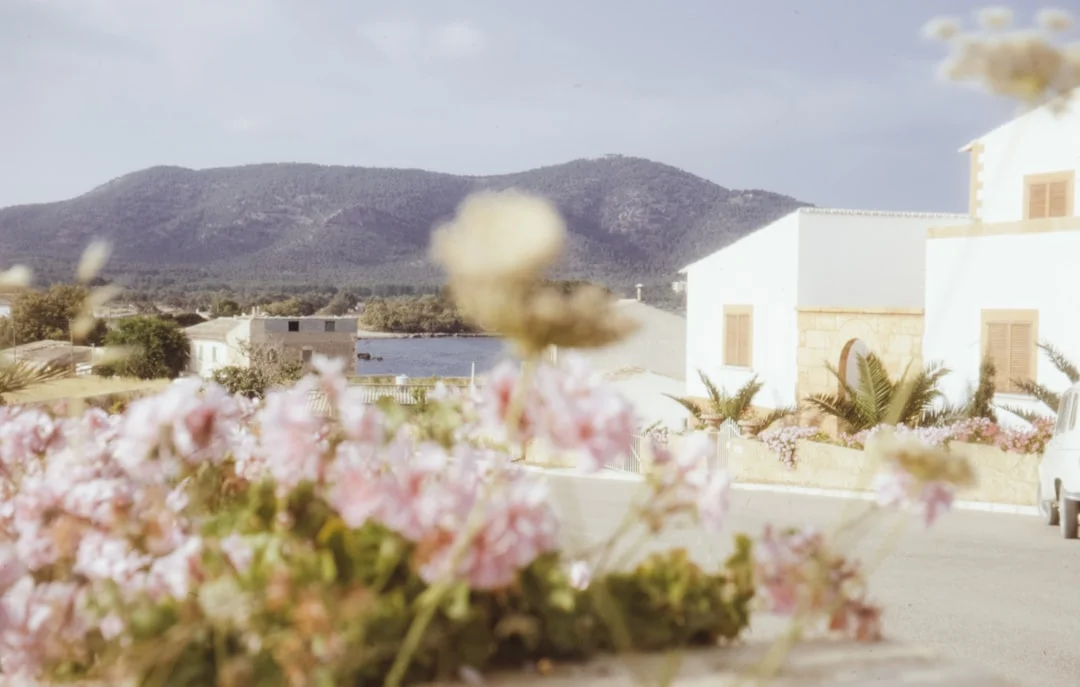
    As summer temperatures climb across the Costa del Sol, finding a quiet, cool refuge away from the crowded beaches becomes a priority. While most travelers flock to the coast, those in the know head inland to the Serranía de Ronda. Nestled at the foot of the Sierra de Grazalema lies one of the province’s best-kept secrets: Montecorto.

    This picturesque white village is a sanctuary of fresh mountain air, lush green landscapes, and a constant, soothing soundtrack of running water. Here is why Montecorto makes the perfect off-the-beaten-path day trip this summer.

    The Village of Water: Natural Springs and Acequias

    What truly sets Montecorto apart from other Andalusian white villages is its abundance of water. Built over a natural aquifer, the village has integrated water into its very architecture. As highlighted by Málaga Hoy, Montecorto’s network of traditional acequias (irrigation channels) and natural springs keeps the village remarkably fresh even during the hottest months.

    While exploring the steep, whitewashed streets, you will constantly encounter the sound of trickling water. A must-visit spot is the Fuente de Arriba (the Upper Fountain), where crystal-clear mountain water flows directly from the rock. Locals still gather here to fill up jugs of pure, ice-cold drinking water. Nearby, the Piscina Natural (Natural Pool) area and the surrounding orchards showcase how this constant water supply has sustained a fertile, green oasis in the middle of a mountainous landscape.

    A Journey Through Roman and Prehistoric History

    Montecorto is not just a scenic retreat; it is a place steeped in ancient history. The fertile land and abundant water sources attracted settlements as far back as the Neolithic period.

    Just a short distance from the village center, history enthusiasts can explore ancient ruins that date back thousands of years:

    • The Dolmen of El Chopo: A prehistoric burial site that proves the deep-rooted human connection to this fertile valley.
    • Acinipo Roman Ruins: Located just a few kilometers outside Montecorto, this archaeological site features a remarkably preserved Roman theater carved directly into the limestone rock. It is one of the most impressive Roman remnants in Andalusia.
    • El Castillo: The remains of a Moorish fortification that once guarded the border pass, offering panoramic views of the surrounding countryside.

    Summer Hiking and Scenic Viewpoints

    Because Montecorto borders the Sierra de Grazalema Natural Park, it serves as an excellent base for hiking. While high-intensity trekking is best saved for the early morning hours in the summer, there are plenty of shaded, shorter walks that follow the water streams—similar to other refreshing inland routes like the Jorox waterfall hike.

    One of the most popular local spots is the Mirador de la Frontera. From this vantage point, you can enjoy sweeping views of the Zahara-el Gastor reservoir and the dramatic peaks of the Grazalema range. The surrounding pine forests and olive groves provide a peaceful backdrop for a slow, mindful walk.

    Traditional Gastronomy: Where to Eat

    After a morning of exploring the historic streets and natural springs, enjoying the local cuisine is a must. Montecorto’s gastronomy is deeply traditional, relying on locally sourced vegetables from the irrigated orchards and high-quality meats.

    For an authentic lunch, head to Restaurante El Tropezón. Highly rated by locals and visitors alike, this cozy spot is famous for its perfectly grilled meats, homemade stews, and traditional tapas. Be sure to try the local pork dishes and fresh seasonal vegetables, which taste remarkably vibrant thanks to the rich, spring-watered soil of the valley.

    How to Get There

    Montecorto is located approximately 115 kilometers from Málaga city and just 20 kilometers from Ronda.

    • By Car: The drive from Málaga takes about 1 hour and 30 minutes via the A-357 and A-367 highways, taking you through some of the province’s most beautiful inland scenery. Free parking is easily available at the entrance of the village.

    If you are looking to exchange the coastal humidity for cool mountain breezes, ancient history, and the soothing sound of natural springs, Montecorto is the ideal summer escape.

    We hope this guide inspires you to take the road less traveled and discover the quiet beauty of Málaga’s inland villages. There is always something magical about finding a cool, green haven just a short drive from the bustling coast.

  • Die besten Frühlingsausflüge in der Provinz Málaga

    Die besten Frühlingsausflüge in der Provinz Málaga

    Der Mai wird in ganz Andalusien weithin als der „Monat der Blumen“ gefeiert, und Málaga bildet da keine Ausnahme. Für Expats, digitale Nomaden und Familien, die im Stadtzentrum leben, bietet diese Jahreszeit die perfekte Gelegenheit, die Provinz zu erkunden. Das Wetter ist warm, aber noch ohne die intensive Sommerhitze, was es zur idealen Jahreszeit macht, um durch die malerischen weißen Dörfer (pueblos blancos) zu schlendern, die unsere heimischen Berge säumen.

    Ganz gleich, ob Sie wunderschöne Fotos machen, eine entspannte Wochenendfahrt genießen oder sichere, fußgängerfreundliche Orte für einen Ausflug mit Kindern finden möchten, der Frühling in der Landschaft Málagas hat viel zu bieten.

    Im Fokus: Torrox Pueblo und Calle Nerja

    Während die Küstenseite von Torrox dafür berühmt ist, das „beste Klima Europas“ für sich zu beanspruchen, ist das im Landesinneren gelegene Pendant, Torrox Pueblo, der Ort, an dem der Frühlingszauber wirklich stattfindet. Kürzlich von lokalen Freizeitführern wie der Diario Sur hervorgehoben, glänzt Torrox Pueblo derzeit als Top-Reiseziel für einen malerischen Ausflug aufs Land.

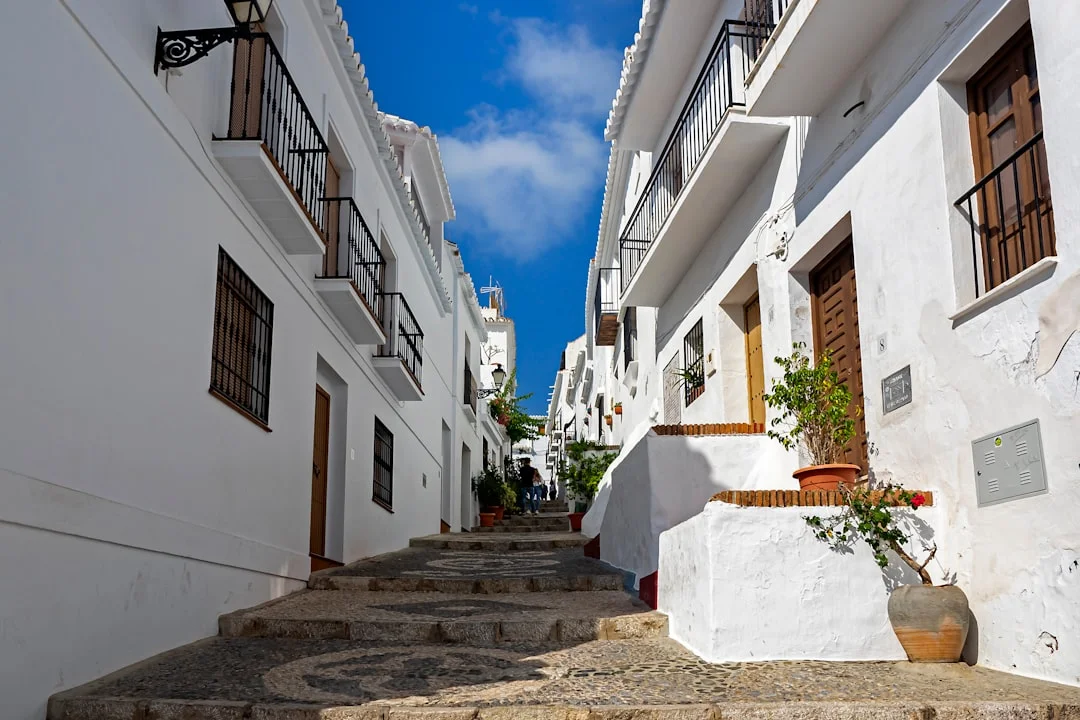
    Der herausragende Ort in dieser Saison ist die Calle Nerja. Diese schmale, verwinkelte Straße ist zu einem Favoriten sowohl für professionelle Fotografen als auch für Familien geworden, die auf der Suche nach dem perfekten Wochenend-Schnappschuss sind.

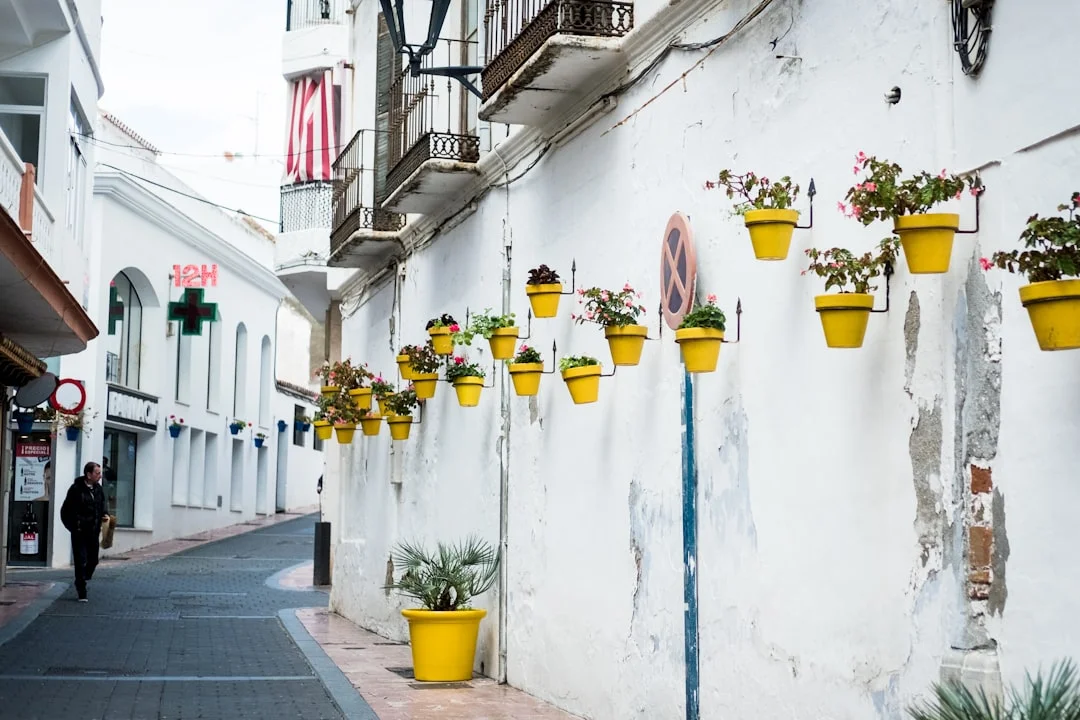
    • Warum es großartig für Kinder ist: Die Straßen sind größtenteils verkehrsberuhigt und entspannt, sodass Kinder sicher die bunten Blumentöpfe bestaunen können, die an den makellos weißen Wänden hängen.
    • Was es zu sehen gibt: Nehmen Sie sich Zeit und spazieren Sie vom Hauptplatz hinauf durch das Labyrinth der Gassen. Der Kontrast von leuchtend rosa Geranien und violetter Bougainvillea vor den weiß getünchten Fassaden ist im Mai besonders beeindruckend.

    Abseits der ausgetretenen Pfade: Unverzichtbare Frühlingsrouten

    Wenn Sie den großen Touristenmassen entgehen möchten, die oft nach Mijas oder Frigiliana strömen, gibt es mehrere weniger bekannte Dörfer, die eine ebenso atemberaubende Blumenpracht und authentischen lokalen Charme bieten.

    Casarabonela

    Eingebettet in die Ausläufer der Sierra de las Nieves, ist Casarabonela ein fantastisches Ziel für einen Tagesausflug. Seine steilen Straßen sind von botanischen Wundern gesäumt, und das Dorf beherbergt sogar einen eigenen botanischen Garten mit einer riesigen Sammlung von Kakteen und Sukkulenten. Im Mai sind die umliegenden Hänge mit wilden Frühlingsblumen übersät.

    Alozaina

    Ein weiteres Juwel in der Region der Sierra de las Nieves ist Alozaina, das unglaublich friedlich ist. Das Dorf ist von Olivenhainen umgeben, die zu dieser Jahreszeit in leuchtendem Grün erstrahlen. Wenn Sie durch das historische Zentrum spazieren, finden Sie Bögen und enge Durchgänge, die von den Bewohnern liebevoll mit saisonalen Blüten geschmückt wurden.

    Tipps für Ihren Frühlingsausflug

    Um Ihre Wochenendausflüge in diesem Mai optimal zu nutzen, sollten Sie einige praktische Tipps beachten:

    • Früh starten: Auch im Mai kann die Mittagssonne stark sein. Wenn Sie gegen 10:00 Uhr in einem Dorf ankommen, haben Sie genügend Zeit für Erkundungen, bevor Sie zu einem Mittagessen im Schatten einkehren.
    • Bequeme Schuhe tragen: Die schönsten Straßen in diesen Dörfern sind oft die steilsten und meist mit Kopfsteinpflaster versehen.
    • Mittagessen im Voraus buchen: Die lokalen ventas (Landgasthöfe) füllen sich an den Wochenenden schnell mit Einheimischen, die der Stadt entfliehen.

    Die Stadt zu verlassen, um die Provinz in voller Blüte zu sehen, ist eine der einfachen Freuden des Lebens hier. Es hat etwas zutiefst Erdendes, durch eine ruhige Dorfstraße zu spazieren, den Jasmin in der Luft zu riechen und die Sorgfalt zu sehen, die die Einheimischen in ihre Blumenarrangements stecken. Wir hoffen, diese Vorschläge helfen Ihnen dabei, diesen Frühling eine andere, ruhigere Seite von Málaga zu entdecken und wunderschöne Erinnerungen abseits des Trubels zu schaffen.

  • Best Spring Day Trips in Málaga Province

    Best Spring Day Trips in Málaga Province

    May is widely celebrated across Andalusia as the “Month of Flowers,” and Málaga is no exception. For expats, digital nomads, and families living in the city center, this time of year offers the perfect window to explore the province. The weather is warm but not yet showing the intense summer heat—though it is always smart to check local weather updates and coastal wind warnings before a trip—making it the ideal season to wander through the picturesque white villages (pueblos blancos) that dot our local mountains.

    Whether you are looking to capture beautiful photography, enjoy a relaxed weekend drive, or find safe, pedestrian-friendly spots for a day out with kids, spring in Málaga’s countryside has plenty to offer.

    Spotlight: Torrox Pueblo and Calle Nerja

    While the coastal side of Torrox is famous for claiming the “best climate in Europe,” its inland counterpart, Torrox Pueblo, is where the spring magic truly happens. Recently highlighted by local leisure guides like Diario Sur, Torrox Pueblo is currently shining as a top destination for a picturesque rural escapade.

    The standout location this season is Calle Nerja. This narrow, winding street has become a favorite for both professional photographers and families looking for the perfect weekend snapshot, often pairing their visit with a trip off the beaten path to explore Málaga’s unique inland museums.

    • Why it’s great for kids: The streets are mostly pedestrianized and slow-paced, allowing children to safely marvel at the colorful flower pots hanging from pristine white walls.
    • What to see: Take your time walking from the main plaza up through the labyrinth of alleys. The contrast of vibrant pink geraniums and purple bougainvillea against the whitewashed facades is striking in May.

    Off the Beaten Path: Essential Spring Routes

    If you want to avoid the heavy tourist crowds that often flock to Mijas or Frigiliana, there are several lesser-known villages that offer equally stunning floral displays and authentic local charm.

    Casarabonela

    Nestled at the foothills of the Sierra de las Nieves, Casarabonela is a fantastic day trip. Its steep streets are lined with botanical wonders, and the village even hosts a dedicated botanical garden with a massive collection of cacti and succulents. In May, the surrounding hillsides are carpeted with wild spring wildflowers.

    Alozaina

    Another gem in the Sierra de las Nieves region, Alozaina is incredibly peaceful. The village is surrounded by olive groves that are bright green this time of year. Walking through its historic center, you’ll find arches and narrow passageways decorated lovingly by the residents with seasonal blooms.

    Tips for Your Spring Day Trip

    To make the most of your weekend escapes this May, keep a few practical tips in mind:

    • Start early: Even in May, the midday sun can be strong. Arriving at a village by 10:00 AM gives you plenty of time to explore before stopping for a shaded lunch.
    • Wear comfortable shoes: The most beautiful streets in these villages are often the steepest and are usually paved with cobblestones.
    • Book lunch in advance: Local ventas (countryside restaurants) fill up quickly on weekends with locals escaping the city.

    Getting out of the city to see the province in full bloom is one of the simple joys of living here. There is something deeply grounding about walking through a quiet village street, smelling the jasmine in the air, and seeing the care locals put into their flower displays. We hope these suggestions help you discover a different, more tranquil side of Málaga this spring, creating beautiful memories away from the hustle and bustle.

  • Frigiliana: One of Spain’s Top Getaway Villages for 2026

    Frigiliana: One of Spain’s Top Getaway Villages for 2026

    Perched like a pearl against the rugged canvas of the Sierras de Tejeda, Almijara y Alhama Natural Park, Frigiliana has long whispered its secrets to those willing to venture beyond the bustling coastline of Málaga. With its labyrinthine streets, whitewashed facades adorned with vibrant bougainvillea, and sweeping views of the Mediterranean, it is a place where time seems to slow down, offering a serene retreat after enjoying Málaga’s lively weekend agenda of local festivals and art exhibitions. Now, its quiet allure is capturing the attention of travelers worldwide, cementing its status as a premium rural destination.

    According to a recent report by La Opinión de Málaga, the renowned vacation rental search engine Holidu has officially ranked Frigiliana as one of the most searched-for Spanish villages for a getaway in 2026. This recognition highlights a growing desire among modern travelers to seek out authentic, off-the-beaten-path experiences that prioritize culture, heritage, and slow travel over crowded tourist hotspots.

    The Allure of the Barribarto

    To understand why Frigiliana has captivated the imaginations of so many for 2026, one must wander through the Barribarto, the village’s historic upper quarter. Recognized as one of the best-preserved Moorish historic centers in all of Spain, this neighborhood is a masterclass in Mudéjar architecture.

    Steep flights of stairs and narrow, winding cobblestone alleys create a mesmerizing geometric maze. Each corner reveals a new visual delight: a brightly painted door, a hidden courtyard, or a ceramic mosaic detailing the village’s rich, albeit tumultuous, history. It is this profound sense of preserved authenticity that Holidu’s data points to—a destination that does not merely display its history, but breathes it.

    A Haven for Local Craftsmanship

    Beyond its architectural splendor, Frigiliana is celebrated as a sanctuary for artisans. The village’s commitment to preserving traditional crafts is a significant factor in its rising popularity. Visitors exploring the town will find a treasure trove of artisanal boutiques offering goods crafted with techniques passed down through generations.

    • Esparto Grass Weaving: Local artisans continue to work with esparto, weaving beautiful baskets, rugs, and decorative pieces that add a rustic, tactile charm to any home.
    • Hand-Painted Ceramics: Colorful, intricate ceramics line the shelves of small shops, reflecting the vibrant Andalusian spirit.
    • Textiles and Leather Goods: High-quality, handmade leather items and woven textiles offer a tangible connection to the region’s mercantile past.

    Supporting these local artisans not only provides travelers with unique keepsakes but also ensures the survival of these invaluable cultural practices.

    A Taste of Tradition: The Gastronomy of Frigiliana

    No getaway is complete without immersing oneself in the local flavors, and Frigiliana’s culinary offerings are as rich and layered as its history. The village is perhaps most famous for its miel de caña (sugar cane honey). Frigiliana is home to the only active sugar cane honey factory in Europe, El Ingenio Nuestra Señora del Carmen. This dark, molasses-like syrup is a staple in local kitchens, famously drizzled over fried eggplant (berenjenas fritas con miel de caña) to create a perfect harmony of savory and sweet.

    Travelers in 2026 can also look forward to indulging in other traditional delicacies:

    • Choto al Ajillo: A robust and flavorful dish of tender kid goat cooked slowly with garlic, almonds, and local wine.
    • Migas: A hearty, comforting dish made from toasted breadcrumbs, garlic, and olive oil, often served with melon, chorizo, or sardines.
    • Local Muscatel Wines: The surrounding hillsides are terraced with vineyards producing sweet, aromatic Moscatel wines, perfect for sipping as the sun sets over the valley.

    Planning Your 2026 Escape

    For those based in or visiting Málaga, Frigiliana represents the quintessential day trip. Located just under an hour’s drive from the capital, it offers an immediate and profound shift in pace. It serves as a perfect tranquil counterpoint to the region’s more bustling events, such as the vibrant weekend food festivals found further down the coast. Whether you are navigating the steep streets to reach the ruins of the Castillo de Lizar, dining on a terrace with panoramic views of the Axarquía region, or simply listening to the gentle splash of a village fountain, Frigiliana delivers an unpretentious, soul-nourishing experience.

    There is a quiet magic in stepping away from the predictable paths and finding yourself in a place that still measures time by the ringing of church bells and the slow drip of cane honey. Frigiliana is not just a destination on a map or a high-ranking name on a travel list; it is a gentle reminder of the enduring beauty of slow living, waiting patiently for you to wander its sunlit streets.

  • Guaro’s Tapas Route and White Village Charm in Málaga

    Guaro’s Tapas Route and White Village Charm in Málaga

    Guaro, a picturesque white village nestled at the gateway to the Sierra de las Nieves National Park, offers a perfect retreat from the bustling coastal towns of Málaga. For those who appreciate authentic Andalusian charm, this municipality recently showcased exactly why it deserves a spot on your day-trip itinerary.

    During the recent May 1st public holiday in 2026, the village came alive with a celebration of local gastronomy and culture. While many flocked to the beaches for the long weekend, those seeking an off-the-beaten-path experience found themselves wandering the narrow, whitewashed streets of Guaro for a vibrant Ruta de la Tapa (Tapas Route).

    A Taste of the Sierra de las Nieves

    The culinary event highlighted the rich flavors of the region. As reported by La Opinión de Málaga, the route featured seven distinct tapas created by local restaurants. Each bite was designed to pay homage to the traditional gastronomy of the Sierra de las Nieves, blending local produce with generations-old recipes.

    Visitors were able to stroll from one establishment to the next, sampling these unique culinary creations. Events like this provide an excellent opportunity to support local businesses while discovering the distinct flavors that define inland Málaga—from hearty mountain stews reduced into bite-sized portions to creative takes on local almonds and olive oil.

    Music in the Streets

    Great food is always better with a good soundtrack. The May 1st festivities in Guaro were accompanied by live music echoing through the village squares. The combination of acoustic performances, the clinking of glasses, and the relaxed chatter of locals and visitors created a welcoming, festive atmosphere that perfectly captured the essence of a Spanish holiday weekend.

    Planning Your Own Visit to Guaro

    Even if you missed the recent Tapas Route, Guaro remains an exceptional destination year-round. Located just a short drive from Marbella and the Costa del Sol, it serves as an ideal starting point for exploring the newly designated Sierra de las Nieves National Park.

    • Hiking and Nature: The surrounding area is packed with trails suitable for various fitness levels, offering stunning views of the surrounding valleys and the Mediterranean Sea in the distance.
    • Cultural Heritage: The village itself is a maze of steep streets, adorned with colorful flower pots and historic architecture, including the San Miguel Arcángel church.
    • Future Events: Keep an eye out for other annual celebrations, such as the famous Luna Mora festival typically held in late summer, where the town is illuminated by thousands of candles.

    It is always refreshing to step away from the familiar coastal routines and immerse ourselves in the quiet, enduring traditions of Málaga’s inland villages. Sharing a plate of local food and listening to music in a sun-drenched plaza reminds us of the simple, authentic connections that make living in or visiting this part of the world so incredibly special.

  • Guaro’s Tapas Route and White Village Charm

    Guaro’s Tapas Route and White Village Charm

    If you are looking for an authentic Andalusian experience away from the bustling coastal resorts, the inland pueblos blancos (white villages) of Málaga always deliver. A prime example is Guaro, a charming village that recently showcased the very best of its local culture and cuisine during the May 1st bank holiday.

    Nestled at the edge of the Sierra de las Nieves National Park, Guaro is a fantastic destination for a day trip or a long weekend getaway. Its recent gastronomic celebration serves as a perfect reminder of why this quiet corner of the province deserves a permanent spot on your travel itinerary.

    The May 1st Tapas Route: A Gastronomic Celebration

    This year, on May 1st, 2026, Guaro transformed its winding, whitewashed streets into a vibrant culinary hub. The town hosted a highly anticipated Tapas Route, blending traditional mountain flavors with a festive, community-driven atmosphere.

    As highlighted by La Opinión de Málaga, the 2026 event paid tribute to the rich gastronomy of the Sierra de las Nieves. Seven local restaurants participated, each creating a unique tapa that showcased regional ingredients and traditional cooking methods.

    Visitors who made the short drive from the coast were treated to:
    * Seven distinct tapas: Ranging from hearty traditional stews to creative bites utilizing local olive oil and almonds.
    * Live street music: Local bands and musicians roamed the village, providing a lively soundtrack to the culinary exploration.
    * Community spirit: The event brought together locals and international residents, all sharing tables and enjoying the warm spring weather.

    While the 2026 Tapas Route has just concluded, the participating restaurants continue to serve these incredible local dishes year-round. If you missed the May 1st festivities, you can still easily embark on your own self-guided culinary tour through the village.

    Gateway to the Sierra de las Nieves

    Beyond its food, Guaro’s location makes it a strategic base for nature enthusiasts. It sits right at the entrance of the Sierra de las Nieves National Park, an area renowned for its rugged beauty, deep ravines, and the rare Spanish fir (pinsapo) forests.

    Things to do in and around Guaro:

    • Hiking and Cycling: The surrounding hills offer trails for all levels, with stunning viewpoints looking down towards the Guadalhorce Valley and the Mediterranean Sea.
    • Explore the Moorish Layout: Take a walk through the town’s steep, narrow streets. The architecture is a direct legacy of its Al-Andalus past, designed to keep the houses cool during the long, hot summers.
    • Visit the Almond Center: Guaro is famous for its almond production. Depending on the season, you can learn about the harvesting process and taste local almond-based sweets.

    Planning Your Visit

    Getting to Guaro is straightforward. It is located about 50 minutes by car from Málaga city and just 30 minutes from Marbella. The drive itself is highly scenic, winding through rolling hills of olive groves and citrus orchards.

    When visiting small villages like Guaro, it is always a good idea to carry some cash, as smaller establishments might not always accept card payments for minor purchases like a morning coffee or a single tapa. Parking is usually available on the outskirts of the town, allowing you to easily explore the pedestrian-friendly center on foot.

    There is something undeniably special about spending a day in a place where time seems to slow down. Whether you are timing your visit for a specific festival or just heading up on a quiet Sunday afternoon, the hospitality of the inland villages rarely disappoints. It is in these quiet plazas, sharing a simple plate of food and listening to the hum of local life, that you often find the most memorable moments of living in or visiting Málaga.

  • El Borge: Rosinen-Hauptstadt in Málagas Axarquía

    El Borge: Rosinen-Hauptstadt in Málagas Axarquía

    Während die Costa del Sol Millionen an ihre Strände und zu Highlights wie dem besten Chiringuito des Jahres 2025 zieht, verbirgt sich die wahre Seele von Málaga oft in den Hügeln. Nur eine kurze Autofahrt landeinwärts liegt die Region Axarquía, eine Landschaft mit steilen Hängen und kurvenreichen Straßen. Tief in diesem Terrain liegt El Borge, ein kleines weißes Dorf, das sich wie eine andere Welt anfühlt, weit weg vom Trubel der Hauptstadt.

  • El Borge: Raisin Capital of Málaga’s Axarquía

    El Borge: Raisin Capital of Málaga’s Axarquía

    While the Costa del Sol draws millions to its beaches, the real soul of Málaga often hides in the hills. Just a short drive inland lies the Axarquía region, a landscape of steep slopes and winding roads. Deep within this terrain sits El Borge, a small white village that feels worlds away from the bustle of the capital, sharing its quiet charm with other inland gems transforming into global digital nomad hubs.