Tag: lang:en

  • Street Food Burger Expands to Teatinos

    Street Food Burger Expands to Teatinos

    If you walked past Calle Teseo in Teatinos recently and wondered why there was a massive crowd, the secret is officially out. The multi-award-winning burger joint, Street Food Burger, has expanded its footprint in Malaga, opening its highly anticipated second location.

    To celebrate the milestone on Wednesday, May 13, 2026, the team threw a grand opening party that included giving away 500 free hamburgers to the lucky first arrivals. While the freebies might be claimed, the arrival of this beloved brand in the university district is a huge permanent win for locals, students, and digital nomads alike.

    Why Teatinos Makes Sense

    Teatinos has rapidly evolved into one of Malaga’s most vibrant culinary hubs. Known for its wide avenues, youthful energy, and thriving expat community, it is the natural next step for a brand that has already conquered the city center.

    According to coverage by Málaga Hoy, this expansion reflects the growing demand for premium, street-style food outside of the traditional historic center. Local foodies have long tracked the city’s booming burger scene, which has been extensively documented by outlets like Diario Sur, noting a distinct shift toward high-quality, gourmet smash burgers across the province.

    What to Expect at the New Spot

    If you missed the 500-burger giveaway, don’t worry—the regular menu is more than worth the trip. Here is what you need to know before you go:

    • The Vibe: Casual, fast-paced, and decidedly modern. It is designed for quick lunches between classes or laid-back dinners with friends.
    • The Food: Expect their signature smash burgers with perfectly caramelized crusts, loaded fries, and a no-nonsense approach to classic American street food.
    • The Location: You can find them at Calle Teseo 8, right in the heart of the Teatinos district. It is easily accessible via the Metro (the Ciudad de la Justicia or Universidad stops are both manageable walks).

    A Thriving Local Scene

    Street Food Burger’s success story is a testament to Malaga’s evolving palate. Just a few years ago, finding a top-tier smash burger often required a trip to larger metropolitan capitals. Today, our own neighborhoods are hosting award-winning kitchens.

    Seeing a homegrown business grow and bring so much excitement to a neighborhood like Teatinos is genuinely uplifting. It reminds us that Malaga’s food scene isn’t just about catering to seasonal tourism; it is about building vibrant, everyday spaces where locals can gather, share a meal, and enjoy the simple pleasure of a really good burger.

  • Distrito Zeta Expansion: 74 New Smart Homes Hit the Market

    Distrito Zeta Expansion: 74 New Smart Homes Hit the Market

    Malaga’s real estate landscape is undergoing a profound transformation, driven by the city’s consolidation as Southern Europe’s premier tech hub. At the epicenter of this shift is Distrito Zeta, a highly anticipated smart neighborhood designed from the ground up for the modern resident. With an influx of digital nomads, tech professionals, and expat families seeking high-quality living, the demand for innovative housing has never been higher.

    The Latest Expansion: 74 New Units Underway

    Meeting this surging demand, leading developer Aedas Homes has officially broken ground on a new phase of development. According to recent reports from La Opinión de Málaga, construction has commenced on 74 new smart homes within the district.

    The project, which is being executed by the renowned construction firm Sacyr, is already seeing remarkable market traction. Even in these early stages, nearly 50% of the units have been sold. This rapid absorption rate underscores the red-hot nature of Malaga’s real estate market in 2026, particularly for properties that offer modern amenities and sustainable design.

    Aedas Homes’ Growing Footprint

    This new 74-unit promotion is just one piece of a much larger puzzle. Aedas Homes is making a massive bet on the future of Distrito Zeta. Currently, the developer has over 250 homes under construction in this innovative district alone.

    This aggressive expansion strategy highlights a clear analytical trend: buyers are no longer just looking for a place to live; they are investing in a lifestyle. The outskirts of Malaga are being reimagined not as mere commuter suburbs, but as fully integrated, tech-forward communities that cater to remote workers and international talent.

    Why Distrito Zeta?

    For those looking to buy property in Distrito Zeta, the appeal extends far beyond the four walls of the apartments. The neighborhood is built on the core pillars of sustainability, connectivity, and community.

    • Smart Infrastructure: From intelligent waste management to energy-efficient public lighting, the district leverages technology to minimize its environmental footprint.
    • Green Spaces: Extensive parks, urban gardens, and communal areas are designed to foster interaction among residents, appealing heavily to expat families who value a strong sense of community.
    • Strategic Location: Situated on the western outskirts of Malaga, it offers a peaceful residential environment while maintaining quick access to the historic city center, the international airport, and the Malaga TechPark (PTA).

    Navigating the 2026 Real Estate Market

    As we move through 2026, new real estate developments in Malaga continue to draw international attention. Distrito Zeta house prices reflect the premium nature of a smart-city environment, but the rapid sales pace indicates that buyers perceive strong long-term value. For tech workers relocating to the Costa del Sol, securing a home in a district that aligns with their digital-first, eco-conscious values is a top priority.

    Watching a new neighborhood rise from the dust is always a fascinating experience. It is a reminder that cities are living, breathing entities that adapt to the needs of their people. As Distrito Zeta takes shape and welcomes its first waves of residents, it offers a hopeful glimpse into a future where technology and community coexist harmoniously, providing a welcoming home for both locals and newcomers drawn to the undeniable magic of Malaga.

  • Málaga Researchers Lead European Blood Cancer Breakthrough

    Málaga Researchers Lead European Blood Cancer Breakthrough

    Beyond the Tech Hub: Málaga’s Biomedical Evolution

    Málaga’s international reputation is frequently anchored to its climate, its thriving tech startup ecosystem, and its appeal to remote workers. However, a structural shift is occurring within the city’s economic and academic frameworks. The biomedical sector is rapidly expanding, transforming the region into a critical node for high-level scientific research.

    Recent developments at the Biomedical Research Institute of Málaga (IBIMA) provide empirical evidence of this trajectory. Operating primarily out of the Hospital Clínico Virgen de la Victoria, local scientists are currently leading a pivotal European research initiative aimed at neutralizing one of the most aggressive forms of blood cancer.

    Identifying the Genetic ‘Switch’

    The core objective of this international project is highly specific: identifying and manipulating a genetic mechanism that drives the aggressive phase of the disease. According to recent coverage by Diario Sur, the research focuses on locating a biological ‘switch’ that, once deactivated, can halt the progression of the cancer.

    The research team is spearheaded by two prominent local figures in the medical community: hematologist Regina García and physician Alejandro Escamilla. Their methodology relies on rigorous genetic sequencing and data analysis to isolate the exact cellular triggers responsible for the rapid multiplication of malignant cells. By targeting the disease at its genetic root, the team aims to develop targeted therapies that are both more effective and less systematically toxic than conventional treatments.

    Key Data Points of the Initiative:

    • Lead Institution: Biomedical Research Institute of Málaga (IBIMA).
    • Primary Location: Hospital Clínico Virgen de la Victoria, Málaga.
    • Principal Investigators: Dr. Regina García (Hematology) and Dr. Alejandro Escamilla.
    • Clinical Objective: Isolation of a genetic mechanism to arrest the aggressive phase of blood cancer.
    • Scope: European-level collaboration and funding.

    The Strategic Importance for Málaga

    This project is not an isolated event but rather a metric of Málaga’s growing capacity to attract and retain top-tier scientific talent. The integration of clinical practice at the Hospital Clínico with the advanced research capabilities of IBIMA creates a closed-loop system where patient data directly informs laboratory research, which in turn accelerates clinical trials.

    For international professionals and investors monitoring Málaga’s growth, the biomedical sector represents a high-value vector. The infrastructure supporting projects of this magnitude requires a complex network of university partnerships, specialized funding, and advanced laboratory facilities. The fact that a European-level project is being coordinated from the capital of the Costa del Sol indicates that this infrastructure is not only in place but operating at a highly competitive standard.

    Future Clinical Applications

    The analytical approach taken by García, Escamilla, and their team is designed to yield actionable clinical results. If the genetic ‘switch’ is successfully isolated and a therapeutic inhibitor is developed, the protocol will move toward pan-European clinical trials. This places Málaga at the origin point of what could become a standard-of-care treatment across the continent.

    It is easy to measure a city’s progress by the number of tech companies moving into its business parks or the volume of international flights arriving at its airport. Yet, the true measure of a community’s maturity often lies in the quiet, methodical work happening inside its laboratories. Knowing that the professionals in our local hospitals are actively working to grant patients more time, more hope, and better outcomes is a profound reminder of the human element driving this city forward.

  • Tremendo Torremolinos: A Bold New Identity

    Tremendo Torremolinos: A Bold New Identity

    Nestled along the sun-kissed shores of the Costa del Sol, Torremolinos has long been a canvas upon which the history of Spanish tourism is painted. Yet, a profound transformation is sweeping through its vibrant streets. The coastal hotspot is actively shedding the remnants of its outdated mass-tourism reputation, stepping into the limelight with a striking new identity that speaks to the modern soul of the Mediterranean.

    The Dawn of ‘Tremendo’

    Recently unveiled in Madrid, the municipality’s vanguard tourism campaign, aptly titled ‘Tremendo Torremolinos’, marks a definitive turning point. As reported by La Opinión de Málaga, this bold initiative is designed to highlight the town’s authentic identity, its celebrated diversity, and its inherently avant-garde character.

    Rather than relying solely on the undeniable allure of its pristine beaches, the campaign dives deep into the cultural essence of the city. It is a visual and narrative manifesto declaring that Torremolinos is not just a place to visit, but a dynamic, evolving community to experience, sharing the progressive spirit of a broader Málaga region that is also making international strides through groundbreaking medical research against blood cancer.

    The Faces of a Cultural Renaissance

    At the heart of the Tremendo Torremolinos promotional video is a constellation of prominent local figures who embody the spirit of the town. The campaign beautifully weaves together the raw, rhythmic energy of legendary flamenco dancer ‘Carrete’, the contemporary artistic vision of Borja Cortés, the powerful vocal presence of Carmen Balbuena, and the captivating essence of Alma DeSoul, showcasing a vibrant local lifestyle that extends beyond the arts to the wider region’s exciting street food expansions in Teatinos.

    These artists are not mere ambassadors; they are the living, breathing testament to a municipality that nurtures creativity. Their inclusion sends a resoundingly clear message: Torremolinos is a crucible of culture where tradition and modernity dance in perfect harmony.

    A Magnet for the Modern Traveler

    This rebranding is far more than a marketing exercise; it is a strategic embrace of the future. By championing diversity and cultural depth, Torremolinos is positioning itself as a premier destination for digital nomads, LGBTQ+ expats, and discerning modern travelers.

    For remote workers seeking inspiration, the town offers an idyllic blend of Mediterranean lifestyle, robust infrastructure, and an open-minded community. For the LGBTQ+ community, Torremolinos continues to fiercely protect and celebrate its historical status as a sanctuary of freedom and acceptance in Southern Europe. The Tremendo campaign reinforces this inclusivity, ensuring that every visitor and new resident feels not just welcomed, but celebrated for exactly who they are.

    As the warm Andalusian breeze carries the promise of a new era, it is deeply inspiring to witness a town reclaim its narrative with such grace and confidence. Torremolinos is proving that a destination can honor its sun-soaked heritage while boldly embracing a diverse, creative, and inclusive future. For those of us who cherish this coastline, seeing this vibrant community flourish and invite the world to share in its ‘tremendous’ spirit is nothing short of a joy.

  • Malaga Weather: Wind Warnings and Reservoir Updates

    Malaga Weather: Wind Warnings and Reservoir Updates

    Navigating Malaga’s Spring Weather Dynamics

    Living in Malaga means embracing a dynamic coastal climate, but the spring of 2026 has brought its own set of meteorological conditions to monitor, such as the return of rain following a recent polar snap. From sudden shifts in coastal winds to the ever-present conversation about water scarcity, staying updated on local weather and infrastructure is essential for residents and visitors alike.

    Coastal Winds and Temperature Shifts

    The Mediterranean coast is no stranger to blustery conditions, but recent atmospheric shifts have prompted official advisories. The State Meteorological Agency (AEMET) recently issued a yellow warning for strong coastal winds in Malaga for Friday, May 15. While the peak of that specific alert has passed, the broader Malaga wind forecast indicates that breezy, unpredictable conditions will continue to influence the coastline throughout the latter half of May.

    Interestingly, these wind events have served a dual purpose by keeping the typical late-spring heat at bay. Temperatures have remained notably contained during these breezy periods, offering a brief respite before the inevitable summer heatwaves arrive. For those planning maritime activities or coastal outings, keeping a close eye on any upcoming Malaga weather warning Friday updates and weekend forecasts remains a practical necessity.

    Monitoring Malaga Reservoir Levels in 2026

    While the coastal winds dictate daily outdoor plans, the province’s water supply dictates long-term sustainability. Ongoing drought concerns have made water infrastructure a primary focus for both local authorities and everyday citizens. Tracking the Malaga reservoir levels 2026 has become a routine, yet vital, part of local life.

    According to mid-May reservoir capacity reports, critical infrastructure like the La Concepción reservoir continues to be closely monitored. This particular reservoir is vital for supplying the densely populated western Costa del Sol. Although the early months of the year saw sporadic rainfall, the overall historical deficit requires careful water management and continued conservation efforts from the community to ensure stable supplies through the dry season.

    A Forward-Looking Approach to Climate Adaptation

    The dual reality of managing sudden weather alerts and long-term water scarcity highlights a broader theme for Malaga in 2026: adaptation. Local municipalities are increasingly proactive, balancing the immediate safety of residents during high-wind events with the strategic distribution of agricultural and municipal water supplies.

    As we move closer to the peak summer months, the collective awareness of our environment has never been more important. Whether it means securing loose items on a terrace during a wind advisory or being mindful of daily water consumption at home, small actions contribute significantly to the region’s overall resilience. It is a shared responsibility that binds the community together, reminding us that our beautiful coastal home thrives best when we respect and adapt to the natural forces that shape it.

  • Roman Necropolis Discovered Under Calle Hilera Metro Works

    Roman Necropolis Discovered Under Calle Hilera Metro Works

    Málaga is a city that wears its history on its sleeve—and, as it turns out, buries it right under our daily commute. If you’ve been wondering why the ongoing Málaga Metro expansion seems to take a little longer than expected, perhaps delaying a quick ride to check out the latest street food burger expansions in Teatinos, the answer isn’t just standard bureaucratic tape. It is, quite literally, ancient history.

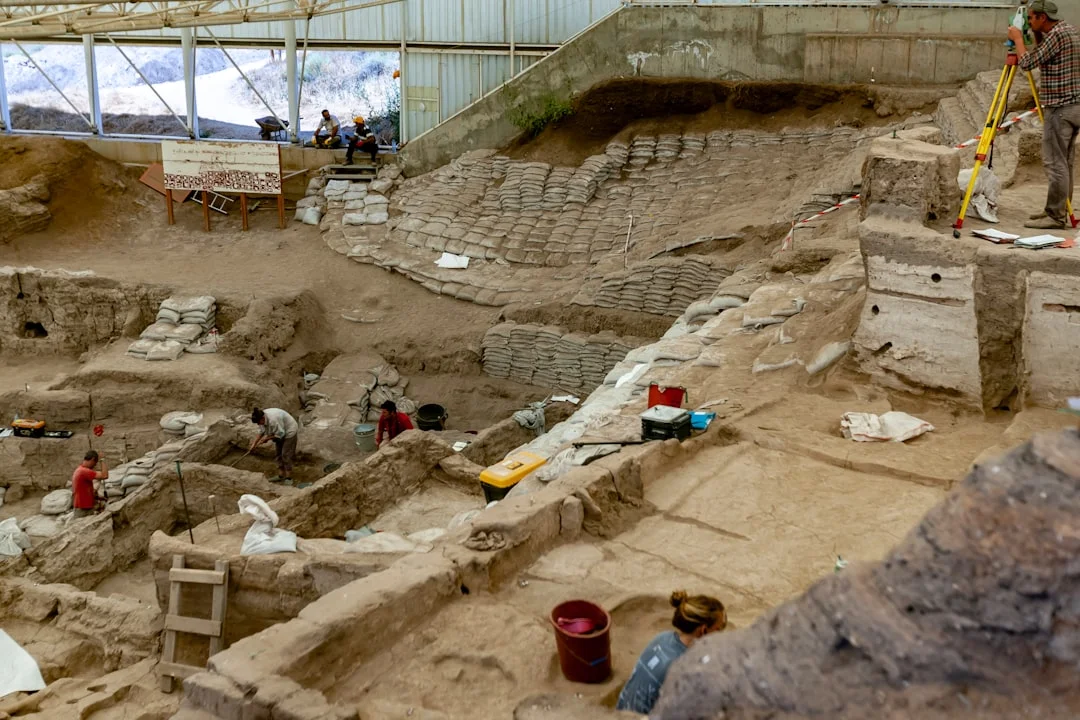
    During the excavations for the metro network extension, workers unearthed a massive Roman necropolis right beneath Calle Hilera. With over 600 burials discovered so far, this archaeological find offers a fascinating glimpse into the lives of those who walked these streets two millennia ago.

    A City Built on Centuries

    Anyone who has lived in Málaga for a while knows the unwritten rule of local construction: if you dig a hole, you will probably find a piece of the past. The city center sits atop layers of Phoenician, Roman, and Moorish settlements.

    The Calle Hilera discovery is one of the most significant urban archaeological finds in recent memory. According to ongoing updates from La Opinión de Málaga, the excavation teams have meticulously documented hundreds of ancient graves, carefully pausing modern progress to respect ancient residents.

    What We Know About the Find

    The sheer scale of the necropolis is staggering. Here is a quick look at what the archaeologists have uncovered beneath the asphalt:

    • Over 600 burials: Ranging from simple graves to more complex resting places.
    • Prime location: The site stretches beneath Calle Hilera, a busy artery that modern Malagueños use every day.
    • Artifacts and insights: Alongside human remains, excavators find pottery, coins, and personal items that provide crucial data about the health, diet, and social status of Roman Malaca.

    “It’s a stark reminder that our modern infrastructure is simply the latest layer in a city that has been thriving for thousands of years.”

    Balancing Progress and Preservation

    For daily commuters and local businesses, infrastructure delays can be a headache. The metro expansion is a massive, highly anticipated project meant to connect the city center with the Civil Hospital and beyond. When heavy machinery suddenly has to make way for archaeologists with trowels and brushes, timelines inevitably stretch.

    However, this is the price of living in one of Europe’s oldest continuously inhabited cities. The law requires that any historical remains found during public works be properly excavated, cataloged, and, if significant enough, preserved. As noted in further local coverage by La Opinión de Málaga, city planners and heritage experts work closely to ensure that modern progress doesn’t erase our shared history.

    What Happens Next?

    Once the archaeological teams complete their documentation and safely relocate the artifacts to local museums or storage facilities, the metro works will resume. In some cases across Spain, significant ruins are integrated into modern infrastructure—imagine waiting for your train next to a glass-encased Roman wall—though it remains to be seen how the Calle Hilera findings will be permanently memorialized.

    For history buffs, it’s an exciting time. It connects the dots between the Roman Theatre at the foot of the Alcazaba and the broader, bustling Roman port city that once dominated this coastline.

    It is always a bit humbling to realize that the ground we walk on, drive over, and soon ride trains under, has been home to people going about their daily lives for thousands of years. While the traffic diversions and construction noise can test our patience, discoveries like the Calle Hilera necropolis remind us why Málaga is so deeply special. We aren’t just building a future here; we are continually uncovering the foundations of our past.

  • €200M Port Hotel & 5 New Tourist Apartments Approved

    €200M Port Hotel & 5 New Tourist Apartments Approved

    Málaga’s transformation from a cultural transit point to a premier European destination continues at breakneck speed, impulsada por avances tecnológicos como la reciente inyección gubernamental de 168 millones de euros para un nuevo centro de microchips. As we move through 2026, the city’s real estate and tourism sectors remain red-hot, driven by a combination of international investment, digital nomad influx, and robust municipal backing. Two major developments this week underscore this ongoing boom: a monumental luxury hotel project in the Port of Málaga and the approval of five new tourist apartment buildings across the city.

    The €200M Port Hotel: Reshaping Málaga’s Skyline

    The most striking news for Málaga’s architectural and tourism landscape is the confirmation of a massive €200 million investment by hotel group Hesperia and Qatari investment fund Al Alfia. This joint venture will fund the construction of a new luxury hotel situated right in the Port of Málaga.

    This new hotel port of malaga project is set to redefine the city’s waterfront.

    • Economic Impact: The €200M injection is expected to create hundreds of construction jobs and long-term hospitality positions.
    • Luxury Focus: The project signals Málaga’s continued pivot towards high-end, luxury tourism, catering to a demographic that demands premium waterfront accommodations.

    According to a mid-May update from Diario Sur, this development is a cornerstone of the city’s broader strategy to elevate its international profile and maximize the economic utility of the port area.

    Five New Tourist Apartment Buildings Greenlit

    Parallel to the luxury hotel announcement, the city has officially given the green light to five new tourist apartment buildings. This move highlights the persistent demand for short-to-medium-term accommodations, particularly from expats, remote workers, and vacationers.

    However, this expansion comes at a time when tourist apartments regulations malaga are under intense scrutiny. The local government has been working to balance the lucrative economic benefits of tourist rentals with the pressing need for affordable residential housing for locals. These five new buildings have successfully navigated the latest zoning and licensing frameworks, setting a precedent for malaga real estate investments 2026.

    As noted in ongoing regional financial coverage by Economía Digital, real estate developers are increasingly adapting to stricter municipal guidelines. By building dedicated apartment blocks rather than converting individual residential flats, developers can secure these coveted licenses while theoretically easing the strain on standard residential buildings.

    What This Means for Investors and Expats

    For digital nomads, expats, and investors, these developments offer a clear signal: Málaga is doubling down on its infrastructure.

    • Investors: The approval of block-style tourist apartments suggests a shift toward more regulated, centralized short-term rental models. Capital is flowing into purpose-built hospitality rather than fragmented residential purchases.
    • Expats and Nomads: While more tourist beds are being added, the concentration of these licenses into dedicated buildings may help alleviate some pressure on the traditional residential rental market, which has seen fierce competition in recent years.

    Living in Málaga right now means witnessing a historic evolution. While the cranes in the sky and the shifting regulations bring growing pains, they also bring undeniable energy and opportunity. As the city balances its authentic local charm with world-class ambitions, we can only hope that these new investments will ultimately enrich the community, creating a vibrant, sustainable home for both those who have been here for generations and those who have just arrived.

  • 5 Malaga Tech Startups Aim for National Top 50

    5 Malaga Tech Startups Aim for National Top 50

    The Consolidation of the ‘Malaga Valley’

    The transformation of Malaga into a premier European technology hub is no longer a future projection; it is a measurable reality. For digital nomads, expatriates, and foreign tech professionals relocating to the Costa del Sol—a region simultaneously experiencing a historic boom in major hotel and tourist apartment developments—understanding the local corporate tissue is crucial. The ecosystem’s health directly correlates with networking density, investment pipelines, and high-skilled employment opportunities.

    A key indicator of this maturity is the recent performance of local enterprises on the national stage. According to IYMagazine, five Malaga-based companies have been distinguished at the XIII Premios Emprendemos for their high degree of innovation. These startups are now actively competing to secure a position within Spain’s prestigious Top 50 national ranking.

    Analyzing the Innovation Verticals

    The recognition of these five startups is not an isolated metric but a reflection of the strategic sectors currently driving Malaga’s tech economy. While early iterations of the local tech scene were heavily reliant on tourism and hospitality software, the 2026 landscape demonstrates significant diversification. The recognized companies operate across high-growth, globally relevant verticals:

    • Artificial Intelligence & Data Analytics: Startups leveraging machine learning to optimize enterprise resource planning and automate complex logistical frameworks.
    • Cybersecurity: Building upon the foundational infrastructure established by major multinationals in the city, local startups are developing proprietary threat-detection algorithms.
    • Sustainable AgTech: Addressing critical regional challenges, such as water scarcity, through IoT sensors and precision agriculture platforms.
    • HealthTech: Creating scalable digital health solutions, focusing on remote patient monitoring and decentralized clinical trials.
    • PropTech: Modernizing real estate transactions and property management, a highly relevant sector given the influx of international residents.

    What This Means for International Tech Professionals

    For the international talent pool residing in Malaga, the success of these startups represents highly pragmatic advantages.

    1. High-Skilled Job Creation

    Startups scaling to national prominence require specialized talent. The push for the Top 50 ranking usually aligns with Series A or Series B funding rounds, which directly translate into aggressive hiring phases. Roles in product management, full-stack development, data science, and international growth marketing are increasingly in demand locally.

    2. Networking and Strategic Partnerships

    The presence of highly competitive startups elevates the baseline of local networking events. Tech professionals looking to integrate into the local economy can find viable partners for B2B services, joint ventures, or localized integrations. The density of successful founders also attracts venture capital, creating a positive feedback loop for new entrepreneurs.

    3. Ecosystem Validation

    When local startups achieve national recognition, it validates the region’s capacity to support scalable business models. It proves that companies do not need to be headquartered in Madrid or Barcelona to access top-tier talent, secure funding, or achieve significant market penetration.

    The Path Forward

    The trajectory of these five startups will be closely monitored by both local stakeholders and national investors. Their potential inclusion in the national Top 50 would serve as another critical data point confirming Malaga’s status as a Tier-1 innovation hub in Southern Europe.

    Watching our local ecosystem mature from a promising concept into a powerhouse of national relevance brings a profound sense of pride. Behind every data point, funding round, and award nomination are dedicated teams working late into the night, proving that world-class innovation thrives beautifully under the Andalusian sun.

  • Málaga-Álora Train Disruption: Caminito del Rey Alert

    Málaga-Álora Train Disruption: Caminito del Rey Alert

    For thousands of locals and international visitors, the C2 Cercanías train line is the gateway to the lush Guadalhorce Valley and the spectacular Caminito del Rey. However, if you are planning a hiking trip or a countryside escape this season, a major transport update requires your immediate attention.

    Starting in late May 2026, a significant section of the Málaga-Álora train line will be temporarily suspended to accommodate essential infrastructure works.

    The Route Cut: Las Mellizas to Álora

    According to recent reports from Diario Sur, track upgrades will halt all train traffic on the final stretch of the C2 line, specifically between the Las Mellizas station and the Álora terminus.

    This interruption is part of an ongoing effort to modernize the railway infrastructure in the province, ensuring safer and more efficient travel in the long term. However, in the short term, it means travel times and logistics will change for anyone heading towards Álora or using it as a transit point to reach the Caminito del Rey.

    Renfe’s Replacement Bus Service

    To minimize the impact on daily commuters and tourists, Spain’s national railway operator, Renfe, is implementing a substitute transport plan.

    • Train to Las Mellizas: Passengers traveling from Málaga (Centro-Alameda or María Zambrano) will take the standard C2 Cercanías train until it terminates at Las Mellizas.
    • Bus to Álora: Upon arriving at Las Mellizas, a fleet of designated replacement buses will be waiting to transport passengers for the remainder of the journey to Álora.
    • The Return Trip: The same system applies in reverse. Travelers leaving Álora will board a bus to Las Mellizas, where they will transfer to a Málaga-bound train.

    Crucial Restrictions: Leave the Bikes and Pets Behind

    If you are an active traveler planning to cycle through the Guadalhorce Valley or hike with a furry companion, take careful note of this critical rule: Bicycles and pets are strictly prohibited on the replacement buses.

    While standard Cercanías trains are generally accommodating to cyclists and pet owners, the spatial constraints and safety regulations of the substitute bus service mean these allowances have been temporarily revoked for the Las Mellizas-Álora transfer.

    If your itinerary relies on bringing a bike or a pet, you will need to seek alternative transportation, such as renting a car or booking a private transfer directly from Málaga.

    How This Affects Your Caminito del Rey Visit

    The Caminito del Rey is one of Andalusia’s most sought-after attractions. While the official train station for the trail is El Chorro – Caminito del Rey (served by Media Distancia trains), many budget-conscious travelers and guided tour groups utilize the C2 Cercanías to Álora, connecting from there via local shuttle buses or taxis.

    If you are using the Cercanías route to reach the area in May 2026 or beyond, here is how to adapt:

    1. Add Buffer Time: Bus transfers inherently add time to a journey. Plan to leave Málaga at least one train earlier than you originally intended to ensure you do not miss your slotted entrance time for the Caminito.
    2. Check Media Distancia Options: Look into the direct Media Distancia trains from Málaga María Zambrano directly to El Chorro. While less frequent and slightly more expensive than the Cercanías, they may offer a more seamless journey if they remain unaffected by the local C2 line works.
    3. Confirm Shuttle Schedules: Double-check the departure times of the local buses that run from Álora to the Caminito del Rey visitor center, as they may have adjusted their schedules to align with the new bus-train transfer arrivals.

    Navigating public transport changes can sometimes feel like a hurdle, especially when you are visiting a new country and trying to reach a timed attraction. However, these infrastructure upgrades are a positive step toward a better, more reliable transit network for the Málaga province. With a little extra planning and an early start, your journey into the breathtaking landscapes of the Guadalhorce Valley will remain a memorable highlight of your trip.

  • Málaga CF Eyes Historic 2026 and La Rosaleda Reforms

    Málaga CF Eyes Historic 2026 and La Rosaleda Reforms

    Spring in Málaga isn’t just about beach days and terrace tapas; this year, the city is buzzing with football fever. Málaga CF is delivering an unforgettable end to the 2026 season, turning every matchday into a city-wide celebration. If you’ve recently moved to the Costa del Sol or are just looking to dive deeper into local culture, heading to the stadium right now is an absolute must.

    The Dream of 75 Points

    After a rollercoaster of a year, the Blue and Whites (Los Blanquiazules) have mounted a spectacular comeback. According to recent reports on the team’s progress, Málaga CF has set an ambitious target to reach 75 points before the season closes.

    This isn’t just a number; it’s a statement of intent and a testament to the squad’s resilience. The Málaga CF standings 2026 reflect a team that has fought tooth and nail to climb the ranks, capturing the hearts of lifelong fans and newcomers alike. Every tackle, goal, and final whistle carries the weight of a team determined to etch its name into the club’s history books.

    Pushing for La Rosaleda Stadium Reforms

    As the team shines on the pitch, the club’s management is looking toward the future. The board has formally requested that the stadium’s owners invest in significant La Rosaleda stadium reforms.

    As highlighted in recent local news summaries, these modernizations aim to elevate the matchday experience, potentially bringing the historic grounds up to the standards of Europe’s elite arenas. La Rosaleda has stood as a temple of Andalusian football for decades. A modern facelift wouldn’t just improve facilities for the players and fans; it would ensure the stadium remains a vibrant cultural hub for the city for generations to come, perfectly reflecting Málaga’s ongoing urban transformation.

    Why You Should Experience Matchday

    Football in Málaga is more than just a 90-minute game; it’s a weekend ritual that brings the whole city together. You don’t need to be a die-hard football tactician to enjoy it. Here is why you should join in:

    • The Atmosphere: The chanting, the sea of blue and white scarves, and the sheer passion of the crowd are infectious.
    • The Pre-Match Rituals: Grabbing a campero (Málaga’s famous toasted sandwich) and a cold drink at the bars surrounding the stadium is a rite of passage.
    • The Community: It’s one of the fastest ways to feel like a true Malagueño.

    Securing Málaga CF tickets is relatively straightforward via the club’s official website or at the stadium box office. However, with the team’s current hot streak and the season drawing to a thrilling close, you will want to book early before seats sell out.

    There is something truly special about standing shoulder to shoulder with locals, sharing the collective hopes and gasps of a weekend match. Whether the team hits that magical 75-point mark or the stadium gets its shiny new upgrades tomorrow, the heart of Málaga beats loudest inside La Rosaleda. It is an open invitation to belong, to cheer, and to be part of a community that loves its city just as fiercely as it loves its team.