Tag: lang:en

  • Exploring Málaga’s Expanding Culinary Landscape

    Exploring Málaga’s Expanding Culinary Landscape

    Málaga has long been celebrated for its sun-drenched beaches and historic charm, but over the last few years, a quiet revolution has taken place on our plates. The city’s appeal as a top destination for expats, remote workers, and digital nomads is increasingly driven by its gastronomy. If you are living in or visiting Málaga in 2026, navigating the expanding array of restaurants, tapas bars, and specialty cafes offers endless weekend exploration plans.

    Here is a practical look at how Málaga’s dining scene is evolving and where you should focus your culinary curiosity, reflecting a broader wave of local innovation that also includes projects like the University of Malaga’s recent e-Hawk software for monitoring electricity markets.

    The Evolution of Traditional Andalusian Flavors

    For decades, eating in Málaga meant a straightforward, albeit delicious, affair: espetos (sardines skewered and roasted over olive wood fires) on the beaches of Pedregalejo, or pescaíto frito (fried fish) in bustling local chiringuitos. While these staples remain the beating heart of local food culture, a new wave of chefs is elevating traditional Andalusian flavors.

    We are seeing a rise in modern tapas bars that take classic recipes and apply contemporary techniques. Think slow-cooked oxtail served in delicate brioche buns, or ajoblanco (cold almond and garlic soup) paired with tartare of locally caught red tuna.

    National publications like El País Gastronomía frequently highlight Málaga’s rising stars, noting how the province is successfully balancing its deep-rooted culinary heritage with Michelin-worthy innovation.

    The International Influx

    As Málaga’s demographic has shifted, welcoming a diverse community of international residents, so too has its food scene. You no longer have to settle for imitation flavors if you are craving global cuisine.

    • Specialty Coffee & Brunch: The Soho and Lagunillas neighborhoods are now packed with independent roasters and cafes. Avocado toast, shakshuka, and perfectly poured flat whites are standard weekend fare, catering heavily to the remote working crowd.
    • Asian Fusion: High-quality sushi, authentic ramen, and inventive Thai-Andalusian fusion spots have popped up across the historic center.
    • Middle Eastern & Mediterranean: Lebanese and Israeli-inspired eateries are bringing vibrant, vegetable-forward menus to the city, offering fantastic options for vegans and vegetarians—a dietary preference that historically struggled to find variety in southern Spain.

    Neighborhoods to Watch

    If you want to experience the best of Málaga’s food scene, step slightly off the beaten path of Calle Larios.

    Soho

    Known as the arts district, Soho is also the epicenter of Málaga’s modern dining. Here, you will find sleek sushi bars, craft beer taprooms, and bistros focusing on zero-kilometer, locally sourced ingredients. It is the perfect spot for a casual yet refined dinner after work.

    Pedregalejo & El Palo

    While still the undisputed champions of traditional seafood, these eastern neighborhoods are seeing a slow but steady influx of modern beach clubs and contemporary seafood restaurants. They offer the perfect blend of old-school charm and modern comfort, ideal for long, lazy Sunday lunches.

    Teatinos

    As the university district, Teatinos has always been known for cheap and cheerful tapas. However, as the city expands, this neighborhood is maturing. It is becoming a hotspot for innovative burger joints, craft pizzerias, and creative tapas bars that cater to a young, food-savvy crowd without the premium price tags of the historic center.

    Practical Tips for Dining in Málaga

    1. Embrace the Schedule: Locals still eat late. Lunch peaks around 2:30 PM, and dinner rarely starts before 9:00 PM. If you show up at a restaurant at 7:00 PM, you might find the kitchen closed or be dining alone.
    2. Book in Advance: The secret is out. For the best new restaurants, especially on weekends, reservations are no longer optional.
    3. Venture Out: Don’t limit yourself to the historic center. Some of the most exciting culinary projects are happening in residential neighborhoods where chefs have more freedom and lower overhead costs.

    Food has a unique way of connecting us to a city and to each other. Exploring Málaga’s changing culinary landscape isn’t just about finding a good meal; it’s about understanding how the city is growing and welcoming new influences while staying true to its roots. Whether you’re grabbing a quick specialty coffee before opening your laptop or settling in for a three-hour modern tapas tasting, there is a seat at the table waiting for you. Enjoy the journey, one bite at a time.
  • 11 Unique Inland Museums in Málaga Province

    11 Unique Inland Museums in Málaga Province

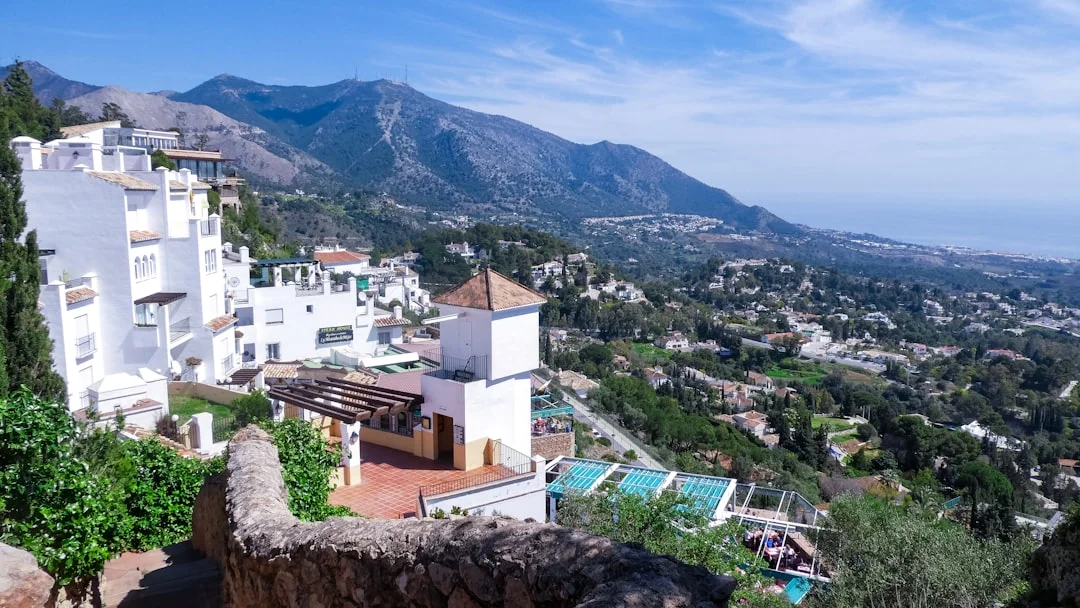
    Beyond the sun-drenched beaches and cosmopolitan hum of the Costa del Sol lies a quieter, more profound Málaga. For those who have already traced the familiar coastal routes, the province’s interior beckons with winding roads, whitewashed villages, and a slower rhythm of life. It is here, nestled between olive groves and rugged sierras, that a different kind of cultural wealth awaits.

    According to a recent feature by Diario Sur, there is a fascinating network of eleven highly unique, small museums and interpretation centers scattered across this rural landscape. Far from the sprawling galleries of the capital, these intimate spaces aim to recover rural memory, celebrate local traditions, and honor the legacy of regional writers. They offer a captivating glimpse into the region’s soul, making them the perfect anchor for a weekend road trip.

    Flavors of the Land: Honey, Chestnuts, and Mosto

    The agricultural heritage of Málaga is rich and varied, and several of these inland museums are dedicated to the very flavors that define the province.

    • The Sweetness of the Sierras: In the heart of the province, the dedication to apiculture comes alive. Small interpretation centers dedicated to honey not only explain the intricate life of bees but also highlight the traditional methods of harvesting. Visitors can learn about the distinct floral notes of local honey, from robust chestnut to delicate orange blossom.
    • The Autumn Harvest: Deep in the Genal Valley, surrounded by ancient forests, the humble chestnut takes center stage. Museum exhibits dedicated to this seasonal staple explore its historical importance to the local economy and diet, especially during the harsh winter months of centuries past.
    • The Spirit of the Grape: No journey through Málaga’s interior is complete without acknowledging its viticulture. Centers dedicated to mosto (local unfermented or partially fermented grape juice) and traditional wine-making offer a sensory journey into the presses and barrels that have sustained local communities for generations.

    Echoes of Childhood: Vintage Toys

    One of the most unexpected and delightful surprises among these eleven rural gems is the preservation of childhood nostalgia. Stepping away from agriculture, some villages have curated remarkable collections of vintage toys.

    These spaces are a visual feast of antique dolls, tin cars, and handcrafted wooden games. They serve as a poignant time capsule, illustrating how children played before the digital age. For older visitors, it is a touching trip down memory lane; for younger generations, it is a fascinating history lesson in imagination and craftsmanship.

    Custodians of Rural Memory and Literature

    Perhaps the most vital role these eleven museums play is that of memory keepers. The rapid modernization of southern Spain has left many traditional trades on the brink of obscurity.

    Preserving the Old Ways

    Through carefully preserved artifacts, old farming implements, and oral histories, these interpretation centers ensure that the grueling, yet deeply communal, way of rural life is not forgotten. They tell the stories of esparto grass weavers, traditional bakers, and the muleteers who once navigated the treacherous mountain passes.

    Literary Landscapes

    Furthermore, the dramatic landscapes of inland Málaga have long been a muse for poets and novelists. Several of these unique stops pay homage to regional writers who captured the essence of Andalusian village life in their prose. Walking through the exhibits, visitors can see the very desks, letters, and landscapes that birthed some of the region’s most evocative literature.

    Why Take the Detour?

    For expats and repeat visitors, seeking out these off-the-beaten-path museums is more than just a pleasant day trip. It is an act of sustainable tourism. By visiting these small-town centers, travelers distribute economic benefits beyond the crowded coastlines and help fund the preservation of local history.

    As we navigate an increasingly fast-paced world, these small, lovingly curated spaces offer something truly precious: perspective. Stepping into a rural museum is not just about observing artifacts; it is about listening to the quiet stories of the people who shaped this land. We hope these inland routes inspire you to take a detour from the familiar, roll down your car windows to let in the scent of pine and wild rosemary, and discover the enduring heartbeat of Málaga’s beautiful interior.

  • Málaga: Alegría de la Huerta Demands Smarter Green Spaces

    Málaga: Alegría de la Huerta Demands Smarter Green Spaces

    In the bustling northern district of Ciudad Jardín lies Alegría de la Huerta, a neighborhood currently at the center of a localized but universally relatable urban planning debate. Residents are raising their voices over a growing issue—literally. The neighborhood’s tree canopy, while providing much-needed shade, has become a structural liability, prompting a coordinated push for urban renewal.

    When Nature Outgrows the Sidewalk

    Urban forestry is a delicate balancing act. Plant the wrong species, and within a few decades, aggressive root systems will buckle pavement, interfere with underground pipes, and create accessibility hazards for pedestrians. This is precisely the scenario unfolding in Alegría de la Huerta. The current trees, planted years ago without sufficient foresight into their mature footprint, are now clashing with the neighborhood’s concrete infrastructure.

    According to recent reports from La Opinión de Málaga, the community is actively petitioning the local government to address this problematic flora. The overgrown roots and unsuitable species have not only damaged the sidewalks but have also become a daily obstacle for residents, particularly those with reduced mobility.

    Civic Action and Municipal Motions

    The issue has moved beyond neighborhood complaints and into the realm of formal municipal politics. The local municipal group ‘Con Málaga’ has stepped in to elevate the residents’ concerns. They are presenting a formal motion to the Málaga City Council, requesting a systematic and progressive replacement of the problematic trees.

    The goal is not deforestation, but rather smart urban landscaping. The motion advocates for substituting the current specimens with species specifically suited for urban environments. This means planting trees with deeper, less destructive root systems and canopies that do not interfere with residential facades or street lighting.

    A Blueprint for Other Neighborhoods

    For international residents and locals alike, this micro-level political action offers a fascinating glimpse into how neighborhood associations function in Málaga. It highlights a growing, city-wide awareness of sustainable urban planning. Whether you live in the historic center, El Palo, or Teatinos, the management of green zones, the mitigation of invasive species, and the upkeep of public infrastructure are issues that directly impact daily life and property values.

    Key takeaways from the Alegría de la Huerta initiative include:
    * Right Tree, Right Place: The importance of selecting native or adapted species that thrive in urban confines.
    * Progressive Replacement: Avoiding sudden clear-cutting in favor of a phased approach that maintains the neighborhood’s green lung while fixing the infrastructure.
    * Accessibility First: Prioritizing smooth, safe sidewalks for all pedestrians.

    It is always encouraging to see a community come together to shape the future of their streets. As our cities continue to evolve and adapt to changing climates and unpredictable weather shifts, these localized efforts remind us that a greener, more accessible neighborhood usually starts with a simple conversation among neighbors who care deeply about the place they call home.

  • Kid-Friendly Málaga: Weekend Theater and Romerías

    Kid-Friendly Málaga: Weekend Theater and Romerías

    Finding the right balance between keeping the kids entertained and enjoying the local culture is a common weekend goal for many parents. Springtime in the province is particularly generous, offering mild weather and a calendar packed with community gatherings. If you are looking for things to do with kids in Málaga this weekend, the city and surrounding towns provide an excellent mix of modern entertainment and deep-rooted Andalusian traditions.

    For expat families, getting involved in local weekend plans is one of the best ways to integrate. This May 2026, the agenda is highlighted by two fantastic options: engaging indoor theater productions designed for young audiences, and the vibrant, outdoor celebrations known as romerías, which are a wonderful way to enjoy the outdoors while communities like Alegría de la Huerta continue to advocate for smarter urban green spaces.

    The Magic of Children’s Theater

    Málaga has a thriving performing arts scene that doesn’t forget its youngest residents. Taking the family to see a play is a wonderful way to spend a weekend morning, especially if you want a comfortable environment where kids can practice their Spanish listening skills in a fun, visual context before heading out to enjoy the city’s ever-expanding culinary scene for lunch.

    Historically, venues like the Teatro Echegaray in the historic center and the Teatro Cánovas in the El Ejido neighborhood are the epicenters for children’s theater in Málaga. These spaces regularly host weekend matinees ranging from inventive puppet shows and modern circus acts to interactive musical storytelling.

    When planning your weekend, it is always a good idea to check the latest local listings. For a comprehensive look at specific showtimes and venues, local directories like the Diario Sur leisure guide regularly update their weekend schedules with the latest family events in Málaga.

    Experiencing Traditional Spring Romerías

    If you prefer to spend your weekend outdoors, May is the quintessential month for romerías across the province. A romería is a traditional festive pilgrimage where locals travel—often on foot, on horseback, or in beautifully decorated ox-drawn carts—to a local sanctuary or rural hermitage.

    For children, attending romerías in Málaga in May is a sensory-rich adventure. It is a fantastic opportunity to see Andalusian culture come alive. Kids are usually fascinated by the majestic horses, the colorful flamenco dresses (trajes de gitana), and the lively sounds of Spanish guitars and castanets.

    Many towns around Málaga host their own local romerías during the spring weekends. Once the procession reaches its destination, the event transforms into a massive countryside picnic. Families share traditional foods, large paellas are cooked over open fires, and there is plenty of open space for children to run and play safely.

    Tips for a Successful Family Romería

    If you are attending a romería with kids for the first time, a little preparation goes a long way:

    • Arrive early: Finding parking near the procession routes or the final destination can be challenging. Arriving early ensures a stress-free start to the day.
    • Pack the essentials: While there is always plenty of food to buy or share, having your kids’ favorite snacks and plenty of water is crucial.
    • Sun protection: May weather in Málaga is beautiful but the sun is already quite strong. Hats, sunglasses, and sunscreen are non-negotiable for an outdoor festival.
    • Dress comfortably: While you will see many locals in traditional attire, comfortable walking shoes are highly recommended, as the terrain at the final countryside locations can be dusty and uneven.

    Exploring Málaga with little ones is an adventure that reveals the true, welcoming heart of the province. Watching your children clap along to a local play or marvel at the decorated horses during a traditional festival makes all the planning worthwhile. Here is to a weekend filled with discovery, sticky churro fingers, and shared family memories that make calling this coastal province home so incredibly special.

  • Málaga’s Pescaíto Frito Neighborhoods

    Málaga’s Pescaíto Frito Neighborhoods

    If you spend enough time in Málaga, you will inevitably notice the wave of specialty coffee shops and trendy brunch spots taking over the city center. While a good flat white has its place, truly integrating into the Málaga lifestyle requires stepping away from the avocado toast and embracing the city’s culinary soul: pescaíto frito.

    Finding the best fried fish isn’t about walking into the first tourist-heavy restaurant on Calle Larios. It is about venturing into the residential neighborhoods where families have been perfecting the art of frying seafood for generations.

    The Anatomy of Perfect Pescaíto Frito

    To the uninitiated, fried fish might sound heavy or greasy. In Málaga, it is an art form. The secret lies in the simplicity of the ingredients and the mastery of the technique. Locals use a specific coarse flour (often a mix of wheat and chickpea flour), clean olive oil heated to the exact right temperature, and the freshest catch from the Alboran Sea.

    The result is a delicate, crisp exterior that shatters upon biting, revealing tender, perfectly cooked fish inside. There is no heavy batter, no lingering grease—just the pure taste of the sea, enhanced by a squeeze of fresh lemon.

    The 40-Year-Old Local Secret

    The true markers of an authentic freiduría (fried fish restaurant) are paper tablecloths, a bustling dining room filled with local families, and a history that spans decades. Recently, the local culinary scene was abuzz when renowned Spanish broadcaster Carlos Herrera bypassed the Michelin-starred venues to dine at a storied 40-year-old neighborhood seafood restaurant here in Málaga.

    When a figure known for his discerning palate seeks out a humble, decades-old local joint for his pescaíto frito, it confirms what malagueños have always known: the best food is found where the locals eat. As highlighted in El Español’s Málaga gastronomy coverage, these historic establishments remain the undisputed champions of the city’s culinary identity, preserving recipes and techniques that have remained unchanged for nearly half a century.

    Neighborhoods to Explore

    If you are ready to eat like a local, you need to know where to go. Here are the neighborhoods that serve as the beating heart of Málaga’s fried fish culture.

    Huelin

    Historically a working-class and fishermen’s neighborhood, Huelin is arguably the most authentic district for seafood in the city. The streets branching off from the Mercado de Huelin are packed with unpretentious bars serving massive portions of incredibly fresh fish at reasonable prices. The vibe here is loud, cheerful, and entirely local.

    El Palo and Pedregalejo

    While the beachfront promenades of these eastern neighborhoods are famous for their espetos (sardines roasted on skewers over open fires), the streets just one or two blocks inland hide fantastic traditional freidurías. These spots cater to the residents who live there year-round, offering exceptional plates of mixed fried fish without the beachfront premium.

    Ciudad Jardín

    Located north of the city center, Ciudad Jardín is a purely residential district that rarely sees a tourist. However, it boasts several legendary neighborhood restaurants that have been frying fish to perfection for decades. It is the perfect area to experience a Sunday family lunch exactly as a local family would.

    How to Order Like a Local

    Walking into a traditional neighborhood restaurant can be intimidating if you don’t know the terminology. Here is your cheat sheet for ordering pescaíto frito like a seasoned malagueño:

    • Boquerones al limón: Fresh anchovies marinated in lemon before being battered and fried. A non-negotiable staple.
    • Boquerones victorianos: Smaller, delicate anchovies fried whole. You eat them head, tail, and all.
    • Cazón en adobo: Dogfish marinated in a pungent mix of vinegar, garlic, cumin, and oregano, then fried. It packs a flavorful punch.
    • Rosada frita: A meaty, white fish (kingklip) that contains no bones. It is a favorite for those who prefer a cleaner, fuss-free bite.
    • Fritura Malagueña: If you can’t decide, order a mixed platter. It will give you a generous sampling of whatever is freshest that day.

    Pair your meal with an ice-cold Victoria beer or a crisp glass of blanco verdejo, and you have the perfect Málaga lunch.

    There is something deeply grounding about sitting in a loud, brightly lit neighborhood restaurant, surrounded by families sharing massive plates of fried fish. It strips away the pretense of modern dining and brings you back to the basics: good food, good company, and the timeless traditions of a Mediterranean coastal city. Finding these spots takes a little extra effort, but the reward is a genuine connection to the true spirit of Málaga.

  • Weather Shift: Rain Returning to Málaga After the Polar Snap

    Weather Shift: Rain Returning to Málaga After the Polar Snap

    The Unexpected May Chill

    Just when we thought we had safely packed away our winter coats for the year, Málaga experienced an unusual late-season polar cold wave. The crisp, biting winds that swept through the Costa del Sol this May 2026 caught many by surprise. But the atmospheric rollercoaster isn’t over yet. If you are wondering when it will rain in Malaga, the answer is: very soon.

    The Aemet Málaga Forecast

    Spain’s state meteorological agency, Aemet, has issued a notice regarding a sudden shift in our local weather patterns. Following the dry, freezing air of the polar snap, a new front is moving in, bringing much-needed precipitation to the region. According to regional reports from La Opinión de Málaga, this transition will see temperatures normalize but introduces a high probability of rain heading into the weekend.

    Understanding the Malaga weather weekend outlook is crucial for anyone planning to step out. The clash between the lingering cold air and the warmer, moisture-rich currents moving in from the Atlantic is creating the perfect recipe for widespread showers across the province.

    What This Means for Your Weekend

    For residents and visitors alike, the impending Malaga weather rain means it is time to adjust those outdoor plans. The quintessential Málaga experience—enjoying a leisurely afternoon of tapas on a sun-drenched terrace—might require a slight pivot.

    Here are a few practical tips for navigating the wet weather in the city:

    • Secure an indoor reservation: Popular tapas bars and restaurants fill up quickly when the outdoor terraces are forced to close. Book a table inside ahead of time to avoid wandering in the rain.
    • Swap the beach for culture: Use the rainy days to explore the city’s robust indoor offerings, such as the Picasso Museum, the Centre Pompidou, or the Carmen Thyssen Museum.
    • Visit the markets: The historic Atarazanas Market provides excellent shelter, vibrant local energy, and incredible seasonal produce, making it a perfect rainy-day excursion.

    A Global Shift on a Local Stage

    This erratic weather pattern—swinging from unseasonable warmth to a sudden polar snap, and now to heavy spring rain—reflects a broader global shift in climate dynamics. Meteorologists have noted that the jet stream’s unusual behavior is causing these late-season anomalies across Southern Europe. While Málaga is famous for its 300-plus days of sunshine, these occasional disruptions remind us of our connection to a much larger, ever-changing global climate system. Furthermore, the Aemet Malaga forecast of rain is actually a vital lifeline for Andalusia’s reservoirs and agricultural sectors, which have faced prolonged dry spells in recent years.

    Weather shifts like these remind us to be adaptable and appreciate the rhythm of nature, even when it interrupts our weekend plans. A rainy day in Málaga offers a rare, quieter beauty—the historic streets glisten, the local cafes feel a little cozier, and the parched earth gets a much-needed drink. So grab your umbrella, find a welcoming spot for a coffee or a plate of warm churros, and enjoy the refreshing change of pace.

  • Unveiling Corruption: ‘El último brindis’ Malaga Launch

    Unveiling Corruption: ‘El último brindis’ Malaga Launch

    Malaga isn’t just about sunny beaches and espetos; it’s increasingly the backdrop for heavy-hitting cultural and political conversations. Recently, the city hosted a significant literary event that caught the attention of Spain’s journalistic and political circles: the presentation of El último brindis.

    Written by the director of the prominent national newspaper ABC, this novel dives headfirst into the murky waters of political corruption. For expats and international residents eager to understand the undercurrents of Spanish society, this book—and the buzz surrounding its recent launch—offers a fascinating cultural entry point into the country’s political-literary debates.

    A Controversial Release

    At the Malaga book presentation, covered extensively by local outlets like Diario Sur, the author shared a revealing behind-the-scenes detail. Before the book even hit the shelves, he was explicitly advised against publishing it. The subject matter hits close to home in a country that has seen its fair share of political scandals over the decades.

    However, the author pushed forward, citing a deep-seated “journalistic duty” to bring the story to light. When a seasoned national journalist turns to fiction to tell a story about corruption, it often means the underlying truth is too complex—or too legally precarious—to be told within the standard daily news cycle.

    What This Means for Malaga’s Cultural Scene

    Choosing Malaga for this presentation wasn’t an accident. The city has steadily grown into a heavyweight cultural destination, proving it can host serious national debates alongside its booming tech and tourism sectors. For those of us living here, attending or following these events is a brilliant way to tap into the national zeitgeist.

    If you are working on your Spanish reading comprehension, picking up a copy of El último brindis could be a challenging but highly rewarding exercise. It is much more than just a political thriller; it is a sharp commentary on the mechanics of power, loyalty, and media in modern Spain.

    As our city continues to grow, it is a genuine privilege to see it become a stage for such vital, thought-provoking conversations. Navigating a new culture is rarely just about learning the language; it is about understanding the stories a society tells about itself. Here is hoping we continue to see more of these brave, necessary discussions taking root right here in our own backyard.

  • Coín’s Orange Festival and City Theatre for Kids

    Coín’s Orange Festival and City Theatre for Kids

    Embracing the Weekend in Málaga

    Finding the right balance for family weekend plans in Malaga can sometimes be a challenge, but this weekend offers a brilliant mix of rural traditions and urban culture. Whether you prefer a scenic drive inland to the Guadalhorce Valley or the comfortable seats of a city theatre, the province has something special in store.

    Fiesta de la Naranja Coín 2026

    The Guadalhorce Valley is often referred to as the orchard of Málaga. It also happens to be home to a massive, vibrant expat community that seamlessly blends with the local culture. This Saturday, the town of Coín is celebrating its beloved Orange Festival.

    Attending the Fiesta de la Naranja Coin 2026 is a brilliant way to experience traditional festivals in Andalusia. The town center transforms into a bustling market dedicated to all things citrus and local agriculture. If you decide to make the trip, you can expect:

    • Fresh local produce: Stalls overflowing with freshly picked oranges, lemons, seasonal vegetables, and handmade local crafts.
    • Traditional Gastronomy: The chance to taste authentic dishes, including the famous Sopa Hervida (a hearty local soup), alongside freshly squeezed juices and orange-infused desserts.
    • Live entertainment: Traditional music and dancing that bring the town squares to life throughout the afternoon.

    It is a fantastic day trip that offers a genuine slice of Andalusian agricultural heritage, perfect for families wanting to spend a day outdoors.

    Romerías and Literary Escapes

    Beyond the citrus celebrations in Coín, the regional weekend calendar is dotted with local romerías—traditional springtime pilgrimages where locals dress in classic attire, ride horses, and share food and music in the countryside. Additionally, several book-related events and open-air readings are taking place in smaller municipalities across the province, offering a quieter, more reflective afternoon for literature lovers.

    Urban Adventures: City Theatre for Kids

    If your idea of the perfect weekend involves staying within the city limits, Málaga’s cultural venues have you covered. When looking for things to do with kids in Malaga, the local theatre scene is an often-overlooked gem.

    This weekend, several city theaters have scheduled plays specifically designed for children. Venues like Teatro Echegaray and Teatro Cánovas frequently host interactive, visually captivating performances that keep younger audiences engaged without overwhelming them. From puppetry to musical storytelling, these shows are crafted to spark imagination and introduce children to the performing arts in an accessible way.

    For a comprehensive look at the weekend’s local schedules, showtimes, and ticket availability for these family-friendly performances, Diario Sur’s leisure section is an excellent resource to help plan your day.

    A Note on the Weekend

    Whether you decide to wander through the citrus-scented streets of Coín or watch your children’s faces light up during a theatrical performance in the city, the beauty of Málaga lies in its contrasts. We hope this weekend brings you a chance to slow down, connect with the local culture, and create some wonderful new memories with your family. Enjoy the sunshine, taste the local flavors, and have a beautiful weekend.

  • Coín’s Orange Festival and City Theatre for Kids

    Coín’s Orange Festival and City Theatre for Kids

    The weekend is fast approaching, bringing with it a fantastic mix of traditional Andalusian culture and urban family entertainment. Whether you are eager to explore the scenic inland towns or prefer a relaxed cultural afternoon in the city, Málaga and its surrounding areas offer something for everyone this weekend.

    Coín’s 2026 Fiesta de la Naranja

    The Guadalhorce Valley is often referred to as Málaga’s orchard, and for good reason. Home to a massive and vibrant expat community, the area is famous for its citrus groves. This Saturday, May 23, 2026, the town of Coín is celebrating its highly anticipated Fiesta de la Naranja (Orange Festival), an event that beautifully highlights the fresh local produce driving the region’s evolving gastronomic scene.

    This agricultural festival is a brilliant way to experience traditional Andalusian life. Visitors can expect the streets to be filled with the sweet scent of citrus, alongside stalls offering local crafts, freshly squeezed orange juice, and typical regional dishes. A highlight of the festival is the preparation of traditional local recipes like Sopa Hervía, a hearty dish that perfectly showcases the region’s agricultural roots.

    Beyond the food, the Fiesta de la Naranja is a lively social event. It offers a welcoming atmosphere where both locals and expats mingle, backed by live music and traditional dancing. If you are heading to the area, keep an eye out for local romerías (traditional religious pilgrimages) and seasonal book-related events that often coincide with the spring festivities in the valley.

    Urban Family Fun: City Theatre for Kids

    If a drive to the valley isn’t on your agenda, Málaga city has plenty to keep the little ones entertained. For families preferring to stay urban, the city’s theaters have scheduled multiple plays specifically designed for children this weekend.

    Venues across the city regularly transform their stages into magical worlds, offering everything from puppetry to interactive musical performances. These shows are a wonderful way to introduce children to the performing arts while enjoying a comfortable, family-focused environment.

    To see the specific showtimes and discover even more activities happening around the province, Diario Sur’s weekend plans guide provides a comprehensive and updated list of local events.

    Finding the right balance between exploring new traditions and enjoying comfortable city amenities is what makes spending time in Málaga so special. Whether you find yourself sharing traditional food under the citrus trees in Coín or watching your kids’ faces light up at a local theatre, I hope your weekend is full of warmth, good moments, and great company.

  • Government Injects €168M into Málaga’s Microchip Center

    Government Injects €168M into Málaga’s Microchip Center

    Málaga’s reputation as the “Málaga Valley” of Southern Europe has taken another monumental step forward. For tech professionals, digital nomads, and investors eyeing the Costa del Sol, the city is no longer just a lifestyle destination known for skyline-transforming developments like the upcoming €200 million port mega-hotel—it is rapidly becoming a heavyweight in European technology. This transformation is anchored by a massive €168 million government investment aimed at establishing a strategic semiconductor and microchip center.

    A Strategic Leap in European Tech

    The Spanish government has awarded a €168 million contract to build and develop a cutting-edge semiconductor facility in Málaga. This ambitious project is designed to position the city at the forefront of global microchip research and development.

    A core component of this initiative includes a strategic partnership with a global leader in advanced chips and nanotechnology. By aligning with top-tier international expertise, the center is engineered to push the boundaries of modern computing, electronics, and deep-tech innovation.

    Fostering Innovation and Startups

    The injection of capital goes far beyond laying bricks and mortar. The new microchip center is structured to be the beating heart of a broader technological ecosystem. Key focus areas include:

    • Accelerating R&D: Providing state-of-the-art laboratories and testing facilities for next-generation semiconductor technologies.
    • Empowering Deep-Tech Startups: Offering crucial funding pathways, incubation spaces, and mentorship for startups working on complex, hardware-driven solutions.
    • Strengthening University Ties: Creating a seamless pipeline between the University of Málaga and the private sector to ensure graduates have direct access to high-level research and employment opportunities.

    What This Means for Málaga’s Talent Pool

    For the thousands of digital nomads and tech workers relocating to Málaga, this development signals long-term economic stability and career growth. The semiconductor center is expected to generate a wave of highly specialized tech jobs in Málaga, attracting engineers, researchers, and developers from around the globe.

    This influx of international talent will further enrich the local tech community, driving up demand for co-working spaces, networking events, and collaborative projects. It proves that Málaga’s tech boom is built on solid, future-proof foundations rather than fleeting trends.

    As we watch these ambitious plans materialize into physical infrastructure and tangible opportunities, it is hard not to feel a sense of pride in how far the city has come. Málaga is carefully balancing its rich cultural heritage with a forward-thinking vision, ensuring that the tech ecosystem being built today will benefit both the local community and the bright minds choosing to call this city home for generations to come.