Manchmal werden die größten Schätze durch Zufall gefunden, während man andere – wie auf Málagas kulinarischem Radar für 2026 – gezielt suchen muss. Im Fall von Málagas berühmtestem geologischen Denkmal war es jedoch kein Team von Archäologen oder Geologen, das die Entdeckung machte, sondern eine Gruppe von fünf einheimischen Jungen, die nach Fledermäusen suchten.
Tag: History
-
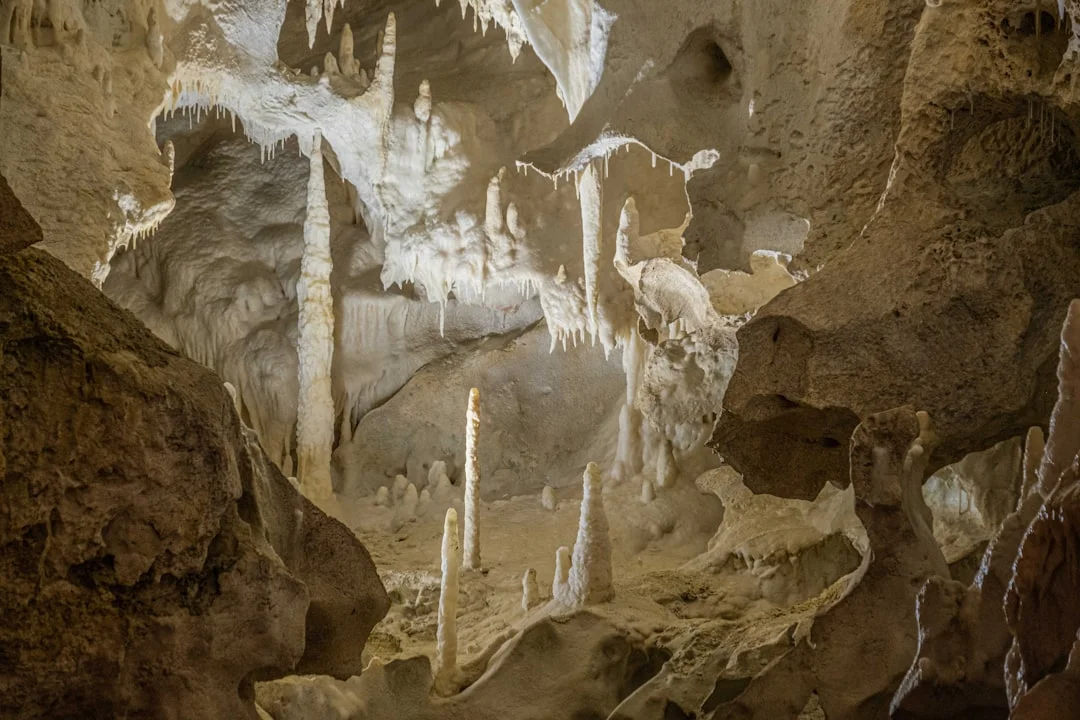
Underground Anniversary: 67 Years Since the Discovery of the Nerja Cave
Sometimes the greatest treasures are found by accident. In the case of Málaga’s most famous geological monument, it wasn’t a team of archaeologists or geologists who broke ground, but a group of five local boys out looking for bats.
This year marks the 67th anniversary of that fateful night on January 12, 1959. While the official date passed earlier this year, the story remains a charming reminder of how much history lies just beneath our feet in the Axarquía region.
A Night to Remember
Sixty-seven years ago, five young friends from Maro—Francisco Navas, brothers Miguel and Manuel Muñoz, José Luis Barbero, and José Torres—headed towards a sinkhole known locally as “La Mina.” They had noticed bats exiting the hole and, driven by curiosity, decided to investigate.
After breaking through some stalactites that blocked a narrow passage, they dropped down into what is now known as the Sala de la Cascada (Waterfall Hall). Instead of just a bat nest, they found human skeletons and ceramic pottery. They had stumbled into a time capsule that had been sealed for thousands of years.
Earlier this year, the Subdelegate of the Government, Javier Salas, presided over a commemorative act to honor this discovery, noting the cave’s status as a driver of tourism and cultural identity for the province. According to La Noción, the event highlighted the cave’s enduring legacy nearly seven decades later.
Why Visit Now?
The Cueva de Nerja is one of the most visited monuments in Spain. In the height of summer, the queues can be long, and the coastal humidity can be intense even before you enter the caverns.
However, visiting in late winter or early spring (right now) offers a distinct advantage:
- Space to Breathe: You can admire the colossal central column in the Hall of the Cataclysm—the largest in the world—without being jostled by large tour groups.
- Temperature Stability: The cave maintains a relatively constant internal temperature. While it’s a refuge from the August heat, it also feels pleasantly distinct from the crisp winter air outside.
- The Museum: Don’t skip the Nerja Museum in the town center (Plaza de España) before or after your cave visit to see the artifacts the boys actually found.
Practical Information for 2026
If you haven’t been in a few years, the facilities have likely been upgraded since your last trip. The botanical gardens surrounding the entrance are now lush and well-maintained, offering a nice walk before your scheduled entry time.
- Location: Maro, roughly 50 minutes driving from Málaga city.
- Tickets: It is highly recommended to book online to secure your slot, even in the off-season.
- Footwear: Wear shoes with good grip. The floor is non-slip, but it is still a damp cave environment.
Whether you are a local who hasn’t visited since a school trip or a newcomer to the Costa del Sol, the 67th anniversary is a great excuse to head east. It is a humbling experience to stand in the dark and realize that, were it not for the curiosity of five teenagers, this underground cathedral might still be sleeping in silence.
We hope you take the time to explore this subterranean wonder while the season is still quiet. It’s a reminder that adventure is often just around the corner—or just down a small hole in the ground.
-
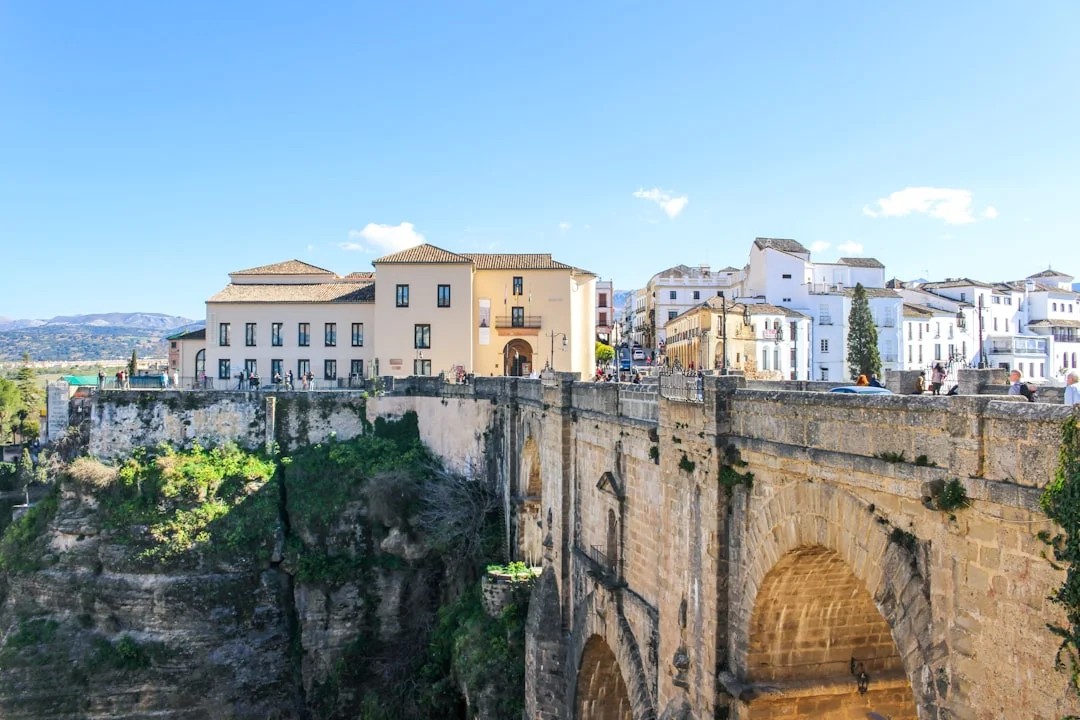
Die Brücke der Dankbarkeit: 125 Jahre nach dem Schiffbruch der Gneisenau
Wenn Sie schon einmal am Ufer des Guadalmedina im historischen Zentrum von Málaga spaziert sind, haben Sie wahrscheinlich – vielleicht nach einem Ausflug zum besten Chiringuito des Jahres 2025 – die kleine Fußgängerbrücke aus Stahl überquert, die die Kirche Santo Domingo mit dem Pasillo de Santa Isabel verbindet. Lokal bekannt als die Puente de los Alemanes (Brücke der Deutschen), ist dieses Bauwerk mehr als nur ein Übergang; es ist ein Denkmal für eine tragische Nacht und den immensen Mut einer Stadt.
-
The Bridge of Gratitude: 125 Years Since the Gneisenau Shipwreck
If you have ever walked along the Guadalmedina riverbank in Málaga’s historic center, you have likely crossed the small, steel pedestrian bridge connecting the church of Santo Domingo with the Pasillo de Santa Isabel. Known locally as the Puente de los Alemanes (Bridge of the Germans), this structure is more than just a walkway; it is a monument to a tragic night and a city’s immense bravery.
With the recent 125th anniversary of the sinking of the SMS Gneisenau, we look back at the event that forever changed the relationship between Málaga and Germany.
The Storm of 1900
On the morning of December 16, 1900, a fierce storm battered the coast of Málaga. Anchored outside the port was the German frigate SMS Gneisenau, a training ship carrying 470 crew members. The captain, attempting to move the ship to the safety of the inner harbor, found the vessel overwhelmed by the wind and waves. The ship was driven onto the breakwater, where it sank within minutes.
What happened next defined the character of the city. Despite the perilous conditions, the people of Málaga did not hesitate. Fishermen and locals threw themselves into the raging sea to rescue the drowning German sailors. It is reported that many Malagueños lost their lives trying to save strangers that day.
In total, 41 German sailors perished, including the captain and the ship’s commander. However, thanks to the immediate intervention of the locals, hundreds were saved. The injured were taken into private homes and hospitals, cared for by a population that had little to give but gave everything they had.
A Title Earned: “Muy Hospitalaria”
News of the rescue reached the German Empress and the world. The act of selflessness was so profound that a Royal Decree issued on January 1, 1901, granted Málaga the title of “Muy Hospitalaria” (Very Hospitable), a motto that still adorns the city’s coat of arms today alongside “Muy Noble” and “Muy Leal.”
As highlighted in recent historical reflections by La Opinión de Málaga, the memory of this event remains vivid even 125 years later, serving as a testament to the city’s enduring spirit of solidarity.
The Gift of the Bridge
Seven years after the tragedy, in 1907, the great flood of the Guadalmedina river destroyed several of Málaga’s bridges. Upon hearing of the disaster, the German people and government remembered the kindness shown to their sailors.
A collection was organized in Germany to help the city that had helped them. The funds raised were used to construct the steel bridge we see today. It was gifted to the city in 1909 as a permanent symbol of gratitude—a thank you note forged in iron.
Remembering the Gneisenau Today
If you visit the English Cemetery in Málaga, you can find the grave where the German sailors were laid to rest. It remains a site of pilgrimage for the German community on the Costa del Sol.
The Puente de los Alemanes stands not just as a piece of infrastructure, but as a reminder that even in the face of tragedy, compassion can build bridges that last for centuries. It is a story we are proud to remember, honoring both those who were lost and those who risked everything to save them.
-

Lebendige Geschichte: Die Nao Santa María legt im Hafen von Málaga an
Wenn Sie diese Woche durch den Hafen von Málaga spazieren, bemerken Sie vielleicht eine markante Silhouette, die die Reihe moderner Yachten und Kreuzfahrtschiffe unterbricht. Die Nao Santa María, ein originalgetreuer Nachbau von Christoph Kolumbus’ Flaggschiff in Originalgröße, hat in der Stadt angelegt und ist derzeit für die Öffentlichkeit zugänglich – ein historischer Kontrast zu der 200-Millionen-Euro-Investition, die den Hafen neu definiert.
-
Living History: The Nao Santa María Docks in Málaga’s Port
Walking through the Port of Málaga this week, you might notice a striking silhouette interrupting the line of modern yachts and cruise ships. While the area prepares for a €200M investment redefining the port’s skyline, the Nao Santa María, a faithful full-scale replica of Christopher Columbus’s flagship, has docked in the city and is currently open to the public.
-
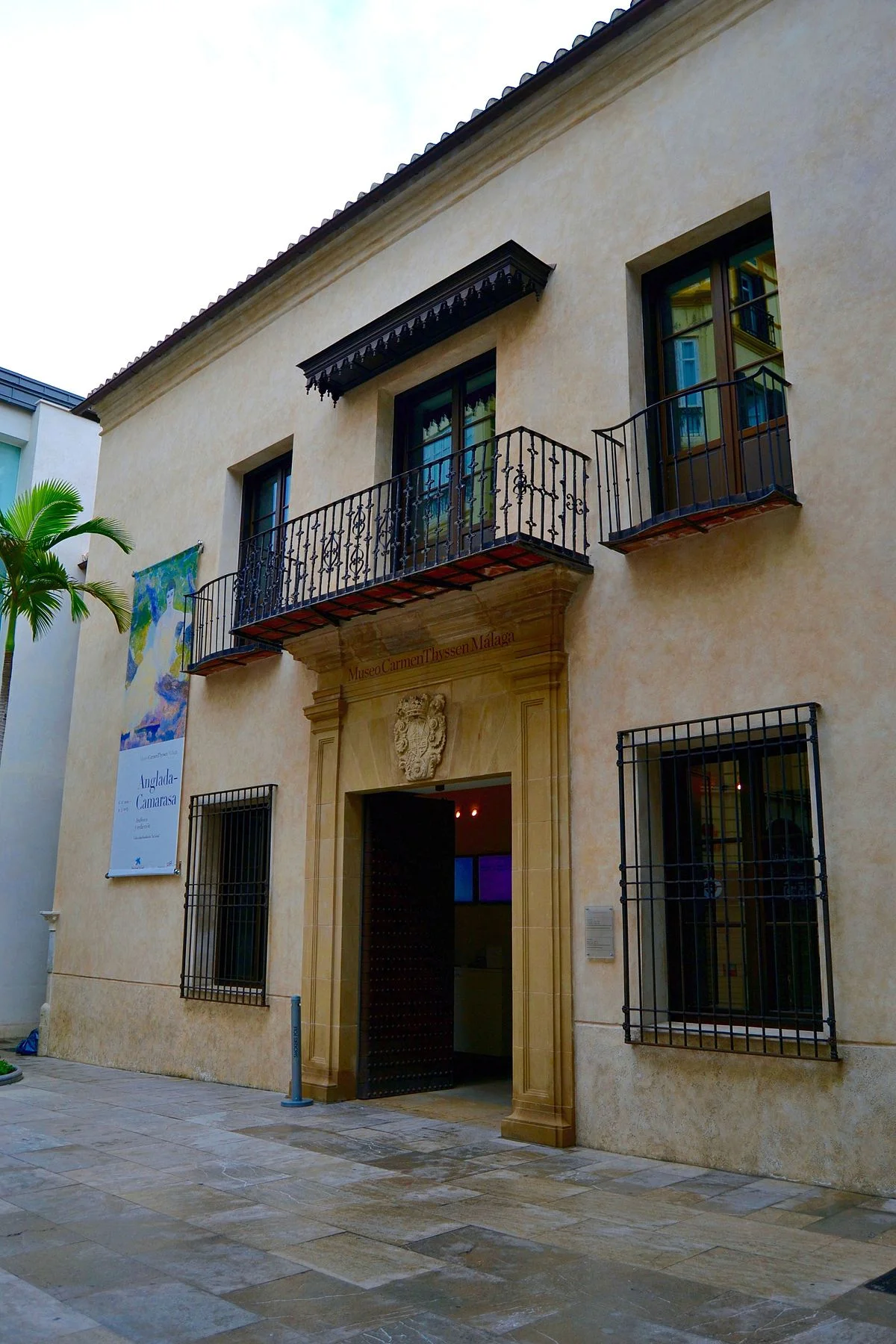
Unterirdisches Málaga: Die römische Villa im Carmen Thyssen öffnet endlich
Seit Jahren bewundern Besucher des Carmen Thyssen Museums die spanische Kunst des 19. Jahrhunderts an den Wänden, oft ohne zu wissen, dass ein bedeutendes Stück antiker Geschichte direkt unter ihren Füßen liegt. In einer Provinz, die auch historische Orte wie El Borge, die Rosinenhauptstadt, beheimatet, wird das Museum nun endlich sein unterirdisches Geheimnis lüften.
-
Underground Málaga: The Roman Villa at Carmen Thyssen Finally Opens
For years, visitors to the Carmen Thyssen Museum have admired the 19th-century Spanish art on the walls, often unaware that a significant piece of ancient history lay right beneath their feet. After a long wait—coinciding with the Gran Hotel Miramar’s centenary celebrations—the museum is set to unveil its underground secret.
-
Das Flüstern der Vergangenheit: Auf den Spuren von Málagas verborgenen Hotelgeheimnissen
In einer so vielschichtigen Stadt wie Málaga wohnt die Geschichte nicht nur in Museen; sie schläft unter den Dielen und flüstert durch die Innenhöfe ihrer geschichtsträchtigsten Unterkünfte. Während viele Besucher den unmittelbaren Komfort eines Meerblicks suchen, weiß der wahre Reisekenner, dass die Seele dieser andalusischen Hauptstadt oft hinter schweren Holztüren und unscheinbaren Fassaden verborgen liegt.
In Málaga zu übernachten bedeutet, seine Geschichte zu bewohnen. Hier führen wir Sie durch die verborgenen Routen und lokalen Geheimnisse in den faszinierendsten Hotels der Stadt – Orte, an denen die Architektur eine Geschichte erzählt, die so fesselnd ist wie die Stadt selbst.
Die unterirdische Stadt: Schlafen über der Geschichte
Málaga ist eine der ältesten durchgehend bewohnten Städte der Welt, und nirgendwo wird dies deutlicher als in den Fundamenten ihrer modernen Luxushäuser.
Das vielleicht eindrucksvollste Geheimnis liegt unter dem Vincci Selección Posada del Patio. Während die Zimmer zeitgenössische Eleganz bieten, offenbart das Untergeschoss eine verborgene Reise durch die Zeit. Während des Baus des Hotels wurden bedeutende archäologische Überreste entdeckt, darunter ein Abschnitt der alten römischen Stadtmauer und der alte Wellenbrecher des Hafens. Anstatt sie zuzuschütten, hat das Hotel sie bewahrt. Gäste können über Glasböden gehen, die den Blick auf die alten Steine darunter freigeben, und erhalten so einen privaten Einblick in die Geschichte, der vielen öffentlichen archäologischen Stätten in nichts nachsteht.
Das palastartige Revival: Geheimnisse des 18. Jahrhunderts
Wenn man die enge Calle Granada entlangschlendert, könnte man den Eingang zum Palacio Solecio, früher bekannt als Palacio del Marqués de la Sonora, leicht übersehen. Dieses Gebäude ist ein Zeugnis des architektonischen Aufschwungs des 18. Jahrhunderts.
Das Geheimnis liegt hier in der Restaurierung. Jahrzehntelang lag dieser Palast in Trümmern, ein Schatten seiner einstigen Pracht. Heute erstrahlt sein zentraler Innenhof – ein Meisterwerk aus Bögen und Säulen – wieder in seinem ursprünglichen Glanz. Das „Geheimnis“ für den aufmerksamen Gast ist das Treppenhaus. Es ist eine akribische Rekonstruktion des Originals und führt zu Zimmern, die sich weniger wie Hotelsuiten anfühlen, sondern eher wie die privaten Gemächer des andalusischen Adels. Es ist ein Ort, an dem das Licht auf dem Stein spielt und eine Zeit heraufbeschwört, in der Kutschen und nicht Taxis vor der Tür warteten.
Die Festung auf dem Hügel: Ein verborgener Rückzugsort
Während die Alcazaba und das Castillo de Gibralfaro Top-Touristenziele sind, wissen weniger Reisende, dass sie direkt neben diesen Monumenten im Parador de Málaga Gibralfaro übernachten können.
Das wahre Geheimnis dieses Ortes ist nicht nur die steinerne Struktur, sondern die Perspektive, die er bietet. Er eröffnet einen „verborgenen Weg“ zum spektakulärsten Sonnenaufgang der Stadt. Während die Stadt unten schläft, haben Gäste hier exklusiven Zugang zur Ruhe des Berggipfels. Es ist ein Rückzugsort im wahrsten Sinne des Wortes, abgekoppelt vom Trubel des Zentrums und doch über ihn wachend. Die Steinbögen und schweren Stoffe versetzen Sie zurück in die Zeit des Festungslebens, wenn auch mit deutlich mehr Komfort.
Die geheimen Gärten des Zentrums
Im Herzen des historischen Zentrums kann Lärm ein ständiger Begleiter sein. Bestimmte Boutique-Hotels haben jedoch die Kunst des patio andaluz gemeistert – interne Innenhöfe, die als Schallpuffer und Kühlsysteme fungieren.
Hotels wie das Molina Lario oder besondere Boutique-Häuser im Viertel Soho verbergen oft grüne Oasen hinter ihren Lobbys. Diese Innengärten sind von der Straße aus oft nicht sichtbar. Sie dienen als „Lungen“ des Gebäudes, gefüllt mit Jasmin und Orangenbäumen. Ein Hotel mit einem privaten Innenhof zu finden, bietet einen Weg zur Ruhe, der in einer pulsierenden mediterranen Metropole selten ist. Hierhin ziehen sich Einheimische und kluge Reisende für einen ruhigen Kaffee zurück, abseits der überfüllten Terrassen der Plaza de la Constitución.
Navigation durch das Archipel der Dachterrassen
Schließlich ist kein Führer zu Málagas Hotelgeheimnissen vollständig, ohne die vertikale Route zu erwähnen. Die Stadt hat eine Kultur des „Rooftop-Hoppings“ entwickelt, die für Uneingeweihte etwas undurchsichtig bleibt.
Hotels wie das AC Hotel Málaga Palacio oder das Room Mate Valeria bieten Terrassen, die fast als öffentliche Plätze am Himmel fungieren. Das Geheimnis liegt jedoch im Timing. Während der Sonnenuntergang die Massen anzieht, bieten die Vormittagsstunden auf diesen Terrassen einen privaten, ruhigen Aussichtspunkt, um den unvollendeten Turm der Kathedrale oder den schimmernden Horizont des Mittelmeers ohne die Unterbrechung durch Cocktail-Geplauder zu studieren.
Eine Anmerkung zur Entdeckung
Diese Orte zu finden, erfordert einen Perspektivwechsel. Es verlangt vom Reisenden, nicht nur auf die Ausstattungsliste zu schauen, sondern auf das Erbe des Gebäudes. Ist es ein umgebautes Kloster? Ein restaurierter Palast? Ein Bauwerk, das auf römischen Fundamenten errichtet wurde?
Auf dem Weg durch das Jahr 2026 neigt der Trend in Málaga zunehmend zu dieser Art von immersiver Gastfreundschaft – wo der Aufenthalt nicht nur eine Pause auf der Reise ist, sondern ein Reiseziel für sich. Wir hoffen, dass Sie Ihre eigene verborgene Ecke in dieser großartigen Stadt finden, vielleicht in einem ruhigen Innenhof, wo das einzige Geräusch das Plätschern eines Brunnens und das ferne Summen der Geschichte ist.
-
Whispers of the Past: Unveiling Málaga’s Hidden Hotel Secrets
In a city as layered as Málaga, history does not merely reside in museums; it sleeps beneath the floorboards and whispers through the courtyards of its most storied accommodations. While many visitors seek the immediate comfort of a sea view, the true connoisseur of travel knows that the soul of this Andalusian capital is often tucked away behind heavy wooden doors and unassuming façades.
To stay in Málaga is to inhabit its history. Here, we guide you through the hidden routes and local secrets found within the city’s most intriguing hotels—places where the architecture tells a story as compelling as the city itself.
The Subterranean City: Sleeping Above History
Málaga is one of the oldest continuously inhabited cities in the world, and nowhere is this more evident than in the foundations of its modern luxury establishments.
Perhaps the most striking secret lies beneath the Vincci Selección Posada del Patio. While the rooms offer contemporary elegance, the basement reveals a hidden route through time. During the hotel’s construction, significant archaeological remains were discovered, including a stretch of the city’s ancient Roman wall and the old breakwater of the port. Rather than burying them, the hotel preserved them. Guests can walk over glass floors that reveal the ancient stones below, offering a private viewing of history that rivals many public archaeological sites.
The Palatial Revival: 18th-Century Secrets
Wandering down the narrow Calle Granada, one might miss the entrance to Palacio Solecio, formerly known as the Palacio del Marqués de la Sonora. This building is a testament to the architectural resurgence of the 18th century.
The secret here lies in the restoration. For decades, this palace lay in ruin, a shadow of its former glory. Today, its central courtyard—a masterpiece of arches and columns—has been revived to its original splendor. The “secret” for the observant guest is the staircase. It is a meticulous reconstruction of the original, leading to rooms that feel less like hotel suites and more like the private chambers of Andalusian nobility. It is a place where the light plays tricks on the stone, evoking a time when carriages, not taxis, waited at the door.
The Fortress on the Hill: A Hidden Retreat
While the Alcazaba and Gibralfaro Castle are top tourist destinations, fewer travelers realize they can sleep adjacent to these monuments at the Parador de Málaga Gibralfaro.
The true secret of this location is not just the stone structure, but the perspective it offers. It provides a “hidden route” to the most spectacular sunrise in the city. While the city sleeps below, guests here have exclusive access to the quietude of the mountaintop. It is a retreat in the truest sense, disconnected from the bustle of the center yet watching over it. The stone arches and heavy drapery transport you back to a time of fortress living, albeit with significantly more comfort.
The Secret Gardens of the Center
In the heart of the historic center, noise can be a constant companion. However, specific boutique hotels have mastered the art of the patio andaluz—internal courtyards that act as sound buffers and cooling systems.
Hotels like the Molina Lario or distinct boutique properties in the Soho district often hide verdant oases behind their lobbies. These internal gardens are often not visible from the street. They serve as the “lungs” of the building, filled with jasmine and orange trees. Finding a hotel with a private interior courtyard offers a route to tranquility that is rare in a vibrant Mediterranean metropolis. It is here that locals and savvy travelers retreat for a quiet coffee, away from the crowded terraces of Plaza de la Constitución.
Navigating the Rooftop Archipelago
Finally, no guide to Málaga’s hotel secrets is complete without mentioning the vertical route. The city has developed a culture of “rooftop hopping” that remains somewhat opaque to the uninitiated.
Hotels such as the AC Hotel Málaga Palacio or the Room Mate Valeria offer terraces that function almost as public squares in the sky. However, the secret lies in the timing. While sunset draws the crowds, the mid-morning hours on these terraces offer a private, serene vantage point to study the cathedral’s unfinished tower or the shimmering Mediterranean horizon without the interruption of cocktail chatter.
A Note on Discovery
Finding these places requires a shift in perspective. It asks the traveler to look not just at the amenities list, but at the heritage of the building. Is it a converted convent? A restored palace? A structure built over Roman foundations?
As we move through 2026, the trend in Málaga is increasingly leaning towards this type of immersive hospitality—where the stay is not just a pause in the journey, but a destination in itself. We hope you find your own hidden corner in this magnificent city, perhaps in a quiet courtyard where the only sound is the trickling of a fountain and the distant hum of history.