Tag: Gentrification

  • Housing Tensions in Málaga: Protests and Rental Crisis

    Housing Tensions in Málaga: Protests and Rental Crisis

    Málaga’s transformation over the past decade is nothing short of remarkable. From a traditional Andalusian port city to a bustling European tech hub and digital nomad paradise, the city has successfully placed itself on the global map. However, this rapid internationalization has brought a complex and deeply human challenge to the forefront: a severe housing crisis that is reshaping the city’s social fabric and sparking widespread protests against evictions.

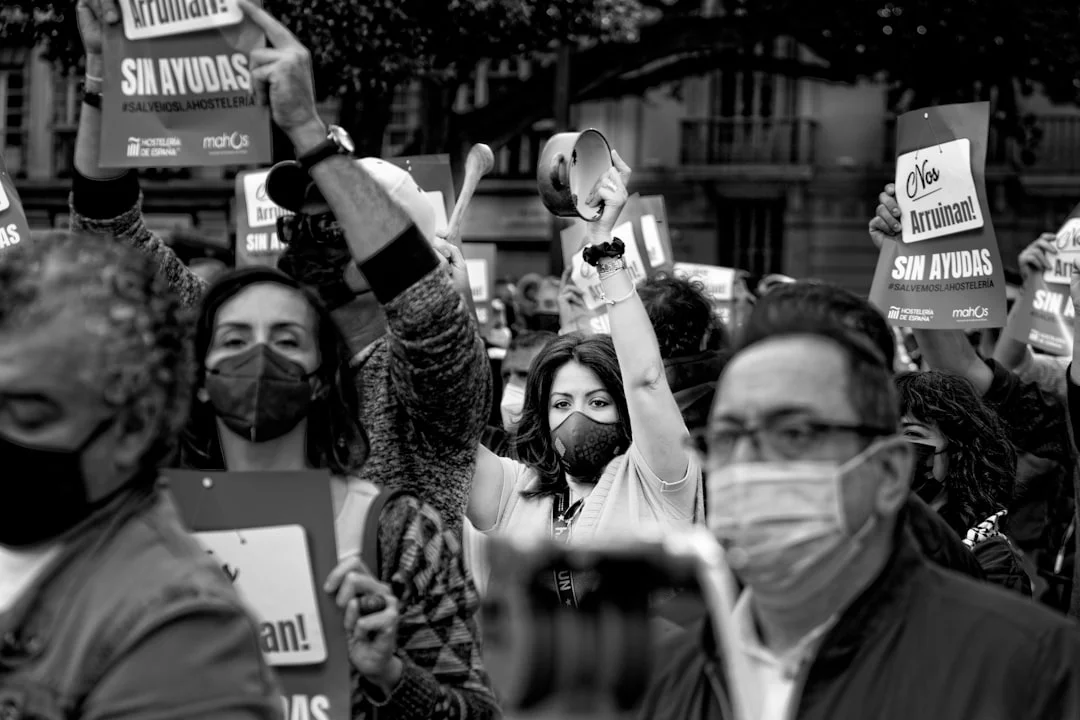
    Recently, this tension reached a boiling point on the streets. Hundreds of residents gathered to protest the eviction of local families from a residential block at Avenida de Europa 15. For international residents and prospective expats, understanding these events is crucial to grasping the realities of the city they call home.

    The Spark: Avenida de Europa 15

    The protests surrounding the Avenida de Europa block are not an isolated incident but rather a symptom of a much larger systemic issue. Families who have lived in their neighborhoods for decades are increasingly finding themselves priced out or explicitly asked to leave as properties are sold to investment funds or converted into lucrative short-term holiday rentals.

    During the recent demonstrations, hundreds of Malagueños stood in solidarity with the affected tenants. The message was clear: housing is a fundamental right, and the local population cannot be the collateral damage of the city’s economic boom. These protests highlight the emotional and financial toll of gentrification, where the very people who built the city’s vibrant culture are being pushed to its peripheries.

    A Global Issue on a Local Stage

    The dynamics playing out in Málaga are familiar to many popular global destinations, from Lisbon to Berlin. The equation is straightforward but devastating for locals:

    • Stagnant Local Wages: The average income in the province remains relatively low compared to Northern European standards.
    • Surging Demand: A steady influx of remote workers, retirees, and investors who possess significantly higher purchasing power.
    • Limited Supply: A housing stock that cannot expand fast enough, coupled with the aggressive conversion of long-term rentals into tourist accommodations.

    This imbalance creates a highly competitive real estate market. While international arrivals bring economic diversification and cultural exchange, their presence inadvertently drives up rental prices. Local reporting, such as coverage found via La Opinión de Málaga, frequently underscores the socio-economic pressures mounting on the city’s working class as financial institutions and real estate markets shift their focus toward higher-yield investments.

    Bridging the Divide

    For the international community in Málaga, acknowledging this reality is the first step toward becoming a responsible resident. The frustration seen in the protests is rarely directed at individuals seeking a better life in the sun; rather, it is aimed at a regulatory environment that fails to protect vulnerable tenants and manage the explosive growth sustainably.

    As Málaga continues to evolve in 2026, the conversation around sustainable urban development is more urgent than ever. City planners, investors, and both local and international residents must engage in a dialogue about how to share this beautiful city without erasing its soul.

    Living in a city means sharing in its triumphs and its struggles. As Málaga navigates these growing pains, one can only hope that a balance will be struck—a future where the city remains open and welcoming to the world, while fiercely protecting the homes, communities, and livelihoods of the locals who give it its undeniable charm.
  • Touristifizierung von Pozos Dulces

    Touristifizierung von Pozos Dulces

    Málagas historisches Zentrum ist seit langem ein Schauplatz kultureller Entwicklung, doch in den letzten Jahren hat sich die Metamorphose von einer ruhigen andalusischen Enklave zu einem belebten internationalen Hotspot beschleunigt. Im Epizentrum dieser Transformation liegt das Viertel Pozos Dulces, eine einst unscheinbare Ecke der Stadt, die sich derzeit einer tiefgreifenden und rasanten Neugestaltung unterzieht. Während diese urbane Aufwertung auch die lokale Gastronomie beflügelt, zieht es Feinschmecker für das wohl beste kulinarische Erlebnis Málagas interessanterweise ins nahegelegene Casabermeja.

  • Urban Shift: Touristification of Pozos Dulces

    Urban Shift: Touristification of Pozos Dulces

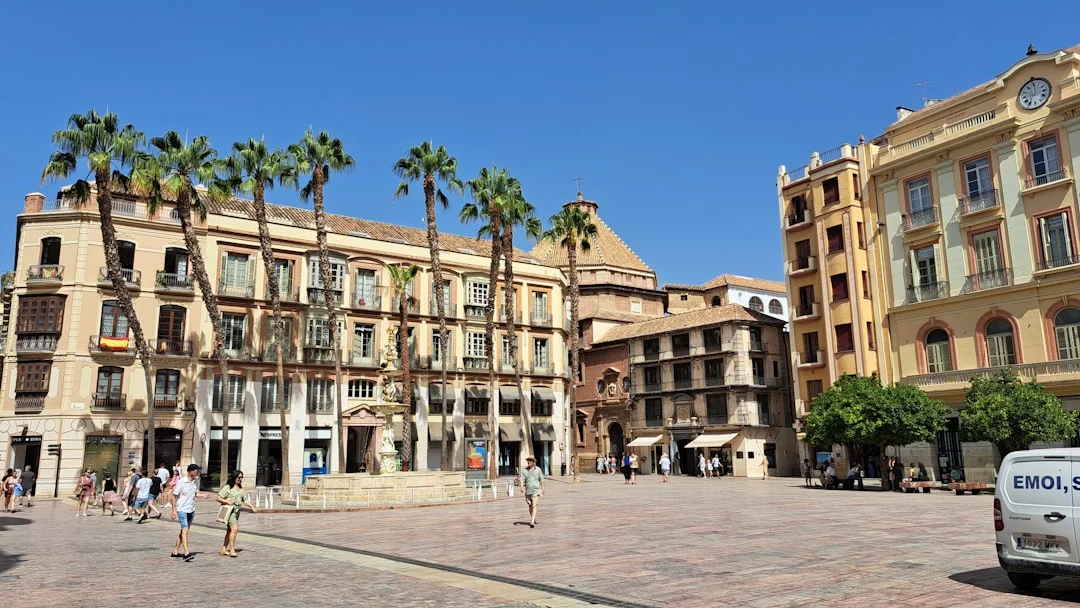
    Málaga’s historic center has long been a canvas of cultural evolution, but recent years have accelerated its metamorphosis from a quiet Andalusian enclave into a bustling international hotspot. At the epicenter of this transformation lies the Pozos Dulces area, a once-unassuming corner of the city that is currently undergoing a profound and rapid facelift.

    For those who have walked the winding alleys of Málaga Centro over the past decade, the shifting landscape is palpable. The cobblestones still echo with history, yet the facades look increasingly polished, catering to a new wave of global wanderers. This urban shift, often colloquially termed ‘touristification,’ brings both renewed vitality and complex challenges to the historic core.

    Pozos Dulces: A Microcosm of Urban Shift

    Nestled in the heart of the city, Calle Pozos Dulces and its surrounding alleyways traditionally offered a quiet respite from the lively arteries of Calle Larios and Plaza de la Constitución. Historically characterized by residential blocks and small, family-run enterprises, the street is now the focal point of intense real estate interest.

    The narrative of gentrification in the Malaga center is vividly playing out here. A stroll down Pozos Dulces today reveals a street in transition—scaffolding masking historic facades as interiors are gutted and reimagined for the modern traveler. This hyper-localized boom is not an isolated event but a reflection of broader trends reshaping the city, a phenomenon frequently documented by regional publications such as Diario Sur.

    The New Arrivals: Hostels and Boutique Hospitality

    The cornerstone of the Pozos Dulces transformation is the introduction of new accommodation concepts tailored to the modern visitor. The street is currently welcoming two new hostels and a highly anticipated boutique hotel, fundamentally altering the demographic flow of the neighborhood.

    These new boutique hotels in Malaga are designed to blend historic charm with contemporary luxury. Investors are keen to preserve the traditional Andalusian courtyards and ornate balconies while outfitting the interiors with high-end amenities, rooftop terraces, and artisanal cafes. The two new hostels aim at a slightly different demographic—the digital nomads and upscale backpackers who seek experiential travel without sacrificing comfort and design.

    While the architectural preservation is commendable, the influx of Pozos Dulces Malaga hotels signifies a clear pivot from residential use to transient hospitality. For every beautifully restored doorway, there is a lingering question about the displacement of long-term residents and the erosion of neighborhood cohesion.

    The Double-Edged Sword of ‘Touristification’

    The gentrification of the Malaga center is a deeply nuanced topic, particularly among the city’s growing expat community and its native malagueños. On one hand, the injection of capital into areas like Pozos Dulces revitalizes decaying infrastructure. Derelict buildings are saved from ruin, local businesses enjoy increased foot traffic, and the city’s global profile continues to rise.

    On the other hand, the ‘touristification’ of traditional streets brings undeniable growing pains. The conversion of residential apartments into short-term rentals and boutique accommodations drives up property values, often pricing out the very locals who give the city its authentic soul. The daily rhythm of the neighborhood shifts from the quiet hum of community life to the constant turnover of rolling suitcases and guided tours.

    This delicate balance is the defining challenge for Málaga in 2026. How does a city embrace its popularity while protecting the essence that made it popular in the first place?

    Looking Ahead

    As the dust settles on the construction in Pozos Dulces, the street will undoubtedly emerge more beautiful and vibrant than before. Yet, it serves as a poignant reminder of the fragility of urban ecosystems. The evolution of our beloved city is inevitable, but it requires mindful stewardship to ensure that progress does not erase heritage.

    Walking through the historic center, one cannot help but feel a deep appreciation for the layers of history beneath our feet. As Málaga continues to grow and adapt, it is our shared hope that the city will find a harmonious path forward—one where the warmth of the traditional Andalusian spirit remains the beating heart of every newly polished street, welcoming visitors while fiercely protecting its home.