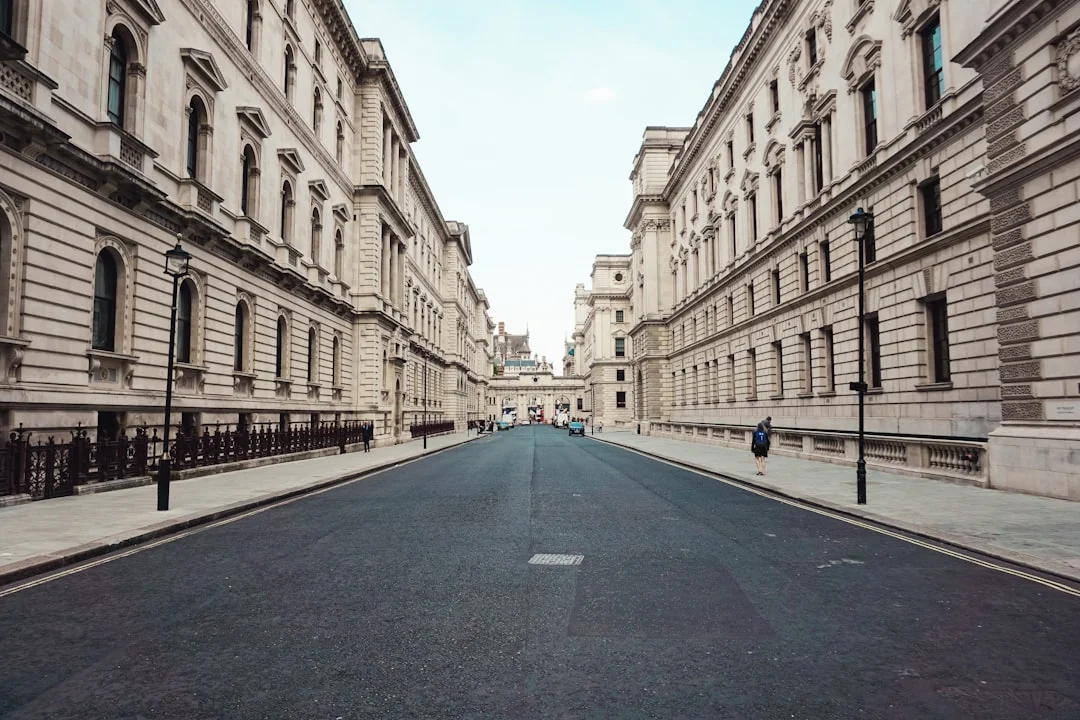
Tag: Gentrification

  • Ein sich wandelndes Stadtzentrum: Die historische Confitería Aparicio schließt ihre Filiale in der Innenstadt

    Ein sich wandelndes Stadtzentrum: Die historische Confitería Aparicio schließt ihre Filiale in der Innenstadt

    Das Ende einer Ära in der Innenstadt von Málaga

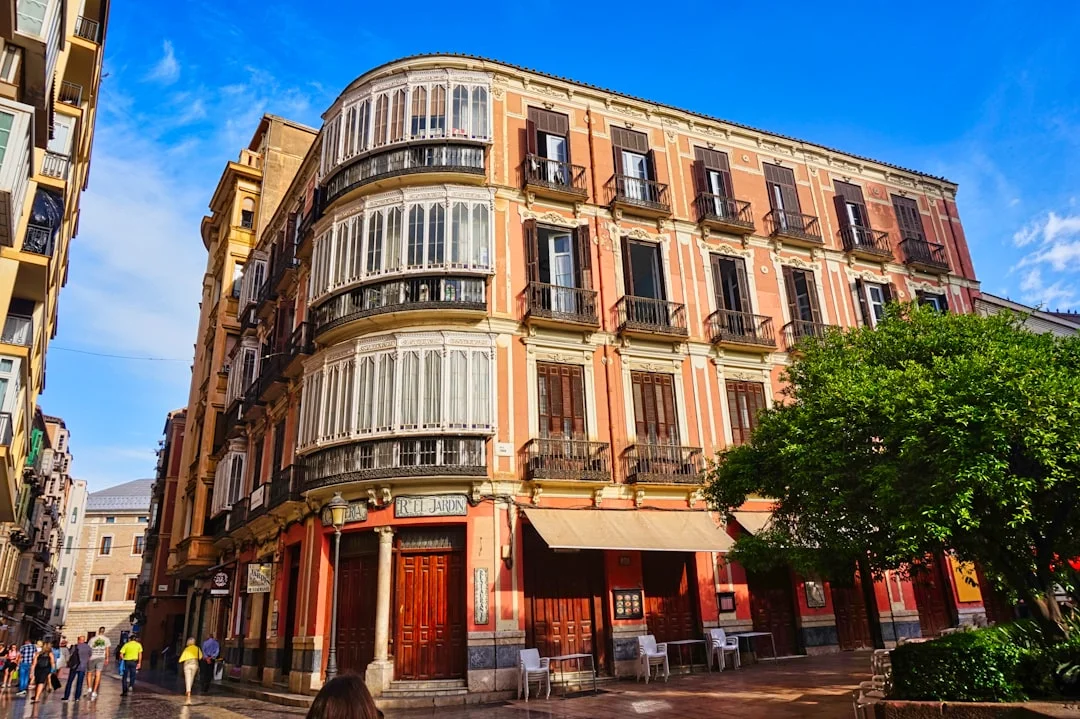
    Jeder, der genug Zeit in Málaga verbracht hat, weiß, dass sich das Stadtzentrum rasant entwickelt. Während der Zustrom von neuen Investitionen, Tech-Hubs und internationalen Restaurants unbestreitbar eine neue Energie auf die Straßen gebracht hat, fordert dies auch seinen Preis. Das jüngste Opfer dieses anhaltenden Wandels ist die Innenstadtfiliale der Confitería Aparicio, einer beliebten traditionellen Bäckerei, die Generationen von Malagueños bedient hat.

    Wie kürzlich von der Diario Sur angemerkt, ist die Schließung dieses ikonischen Ladenlokals mehr als nur ein Geschäft, das seine Türen schließt; es ist ein sichtbares Zeichen dafür, wie sich das historische Zentrum verändert. Für viele langjährige Expats und Einheimische fühlt sich der Verlust dieser Traditionsunternehmen an, als würde man ein Stück der Seele der Stadt verlieren.

    Ein Vermächtnis aus Zucker und Tradition

    Die Confitería Aparicio ist nicht einfach nur irgendeine Bäckerei. Sie ist eine Institution. Jahrzehntelang war sie die erste Anlaufstelle für das Gebäck am Sonntagmorgen, den Kaffee am Nachmittag und die Leckereien an den Feiertagen.

    • Die Klassiker: Von ihren perfekt glasierten locas bis hin zu ihren in Schokolade getauchten palmeras setzte Aparicio den Maßstab für traditionelle Süßwaren aus Málaga.
    • Die Atmosphäre: Im Gegensatz zu den modernen, minimalistischen Cafés, die an jeder Ecke aus dem Boden schießen, bot Aparicio einen unverfälschten Charme der alten Schule. Es war ein Ort, an dem das Personal Ihre Bestellung kannte und die Vitrinen hoch mit saisonalen Spezialitäten gestapelt waren.

    Obwohl die Marke selbst nicht vollständig verschwindet – sie ist weiterhin außerhalb des unmittelbaren historischen Kerns präsent –, ist der Verlust ihres Standorts in der Innenstadt eine bittere Pille für all jene, die die Bequemlichkeit und Nostalgie liebten, sich beim Spaziergang durch das Zentrum ein Gebäckstück zu holen.

    Die Gentrifizierung des historischen Zentrums

    Die Geschichte der Confitería Aparicio ist leider kein Einzelfall. In den letzten Jahren im Vorfeld von 2026 konnten wir eine stetige Abwanderung des traditionellen Handels aus dem Centro Histórico von Málaga beobachten.

    Mehrere Faktoren treiben diesen Wandel voran:

    1. Steigende Gewerbemieten: Da die Beliebtheit von Málaga auf der globalen Bühne rasant zunimmt, passen Vermieter die Gewerbemieten der Nachfrage an. Viele familiengeführte Unternehmen können diese Fixkosten schlichtweg nicht mehr rechtfertigen.
    2. Demografischer Wandel: Der tägliche Fußgängerverkehr im Zentrum ist stark auf Kurzzeitbesucher ausgerichtet. Souvenirläden, Boutique-Hotels und Fast-Casual-Franchise-Restaurants sind in diesem Umfeld oft lukrativer als eine traditionelle Bäckerei, die lokales Gebäck im mittleren Preissegment verkauft.
    3. Generationswechsel: In einigen Fällen wählen die jüngeren Generationen der Unternehmerfamilien andere Karrierewege, sodass niemand bleibt, um den strengen Arbeitsalltag einer Bäckerei oder eines traditionellen Geschäfts zu übernehmen.

    Was das für die Bewohner bedeutet

    Für diejenigen von uns, die Málaga ihr Zuhause nennen, erfordert die Anpassung an das sich verändernde Stadtbild ein wenig Mühe. Der Komfort, im historischen Zentrum alles „so wie früher“ vorzufinden, schwindet.

    Dennoch können praktische Schritte unternommen werden, um das kulturelle Erbe der Stadt zu unterstützen:

    • Wagen Sie sich über das Zentrum hinaus: Viele traditionelle Unternehmen florieren in Vierteln wie Huelin, El Palo und Teatinos. Wenn Sie diese Gegenden erkunden, unterstützen Sie nicht nur den lokalen Handel, sondern bekommen auch einen Eindruck vom authentischen Alltag in Málaga.
    • Stimmen Sie mit Ihrem Geldbeutel ab: Wenn Sie im Zentrum sind, treffen Sie die bewusste Entscheidung, Ihr Geld in den verbliebenen unabhängigen, alteingesessenen Geschäften auszugeben.
    • Akzeptieren Sie die Entwicklung: Städte sind lebendige Organismen. Auch wenn es völlig legitim ist, dem Verlust einer Lieblingsbäckerei nachzutrauern, ist es der beste Weg in die Zukunft, sich den neuen, hochwertigen und unabhängigen Unternehmen zu öffnen, die die lokale Kultur respektieren.

    Málaga durchläuft ein komplexes Kapitel seiner langen Geschichte und balanciert seinen neu gewonnenen globalen Status mit der Bewahrung seiner lokalen Identität. Es ist ein Übergang, der sowohl aufregende Möglichkeiten als auch unvermeidliche Abschiede mit sich bringt. Auch wenn die Straßen der Innenstadt ohne das vertraute Leuchten des Schaufensters der Confitería Aparicio ein wenig anders aussehen mögen, lebt der Geist der Stadt in den Menschen weiter, die sie ihr Zuhause nennen. Indem wir weiterhin lokale Handwerker unterstützen und die lebendigen Viertel außerhalb des Zentrums erkunden, können wir dazu beitragen, dass der einzigartige Charakter von Málaga noch für viele Generationen erhalten bleibt.

  • A Changing City Center: Historic Confitería Aparicio Closes Downtown Store

    A Changing City Center: Historic Confitería Aparicio Closes Downtown Store

    The End of an Era in Downtown Málaga

    Anyone who has spent enough time in Málaga knows that the city center is evolving rapidly. While the influx of new investments, tech hubs, and international eateries has brought undeniable energy to the streets, it comes with a trade-off. Following the recent closure of the historic Juguetes Carrión, the latest casualty in this ongoing transformation is the downtown branch of Confitería Aparicio, a beloved traditional bakery that has served generations of Malagueños.

    As recently noted by Diario Sur, the closure of this iconic storefront is more than just a business shutting its doors; it is a visible marker of how the historic center is changing. For many long-term expats and locals, losing these legacy businesses feels like losing a piece of the city’s soul.

    A Legacy of Sugar and Tradition

    Confitería Aparicio isn’t just any bakery. It is an institution. For decades, it has been the go-to spot for Sunday morning pastries, afternoon coffee, and holiday treats.

    • The Classics: From their perfectly glazed locas to their chocolate-dipped palmeras, Aparicio set the standard for traditional Málaga sweets.
    • The Atmosphere: Unlike the modern, minimalist cafes popping up on every corner, Aparicio offered an unapologetically old-school charm. It was a place where the staff knew your order and the display cases were piled high with seasonal specialties.

    While the brand itself isn’t disappearing completely—they still maintain a presence outside the immediate historic core—the loss of their downtown footprint is a tough pill to swallow for those who loved the convenience and nostalgia of grabbing a pastry while strolling through the center.

    The Gentrification of the Historic Center

    The story of Confitería Aparicio is, unfortunately, not unique. Over the last few years leading up to 2026, we have watched a steady exodus of traditional commerce from Málaga’s Centro Histórico.

    Several factors are driving this shift:

    1. Rising Commercial Rents: As Málaga’s popularity on the global stage skyrockets, landlords are adjusting commercial rents to match the demand. Many family-run businesses simply cannot justify the overhead.
    2. Changing Demographics: The daily foot traffic in the center leans heavily toward short-term visitors. Souvenir shops, boutique hotels, and fast-casual dining franchises are often more lucrative in this environment than a traditional bakery selling mid-priced local pastries.
    3. Generational Shifts: In some cases, the younger generations of business-owning families choose different career paths, leaving no one to take over the rigorous daily operations of a bakery or traditional shop.

    What This Means for Residents

    For those of us who call Málaga home, adapting to the changing landscape requires a bit of effort. The convenience of having everything “the way it used to be” right in the historic center is fading.

    However, practical steps can still be taken to support the city’s heritage:

    • Venture Beyond the Center: Many traditional businesses are thriving in neighborhoods like Huelin, El Palo, and Teatinos. Exploring these areas not only supports local commerce but also gives you a taste of authentic daily life in Málaga.
    • Vote with Your Wallet: When you are in the center, make a conscious choice to spend your money at the remaining independent, long-standing shops.
    • Accept the Evolution: Cities are living entities. While it is entirely valid to mourn the loss of a favorite bakery, embracing the new, high-quality independent businesses that respect the local culture is the best way forward.

    Málaga is navigating a complex chapter in its long history, balancing its newfound global status with the preservation of its local identity. It is a transition that brings both exciting opportunities and inevitable goodbyes. While the downtown streets might look a little different without the familiar glow of Confitería Aparicio’s display window, the spirit of the city lives on in the people who choose to call it home. By continuing to support local artisans and exploring the vibrant neighborhoods beyond the center, we can help ensure that Málaga’s unique character endures for generations to come.

  • Spannungen auf dem Wohnungsmarkt in Málaga: Einblicke in die lokalen Proteste und die Mietkrise

    Spannungen auf dem Wohnungsmarkt in Málaga: Einblicke in die lokalen Proteste und die Mietkrise

    Die Transformation Málagas im letzten Jahrzehnt ist schlichtweg bemerkenswert. Von einer traditionellen andalusischen Hafenstadt zu einem pulsierenden europäischen Tech-Hub und einem Paradies für digitale Nomaden hat sich die Stadt erfolgreich auf der Weltkarte positioniert. Diese rasante Internationalisierung hat jedoch eine komplexe und zutiefst menschliche Herausforderung in den Vordergrund gerückt: eine schwere Wohnungskrise, die das soziale Gefüge der Stadt neu formt.

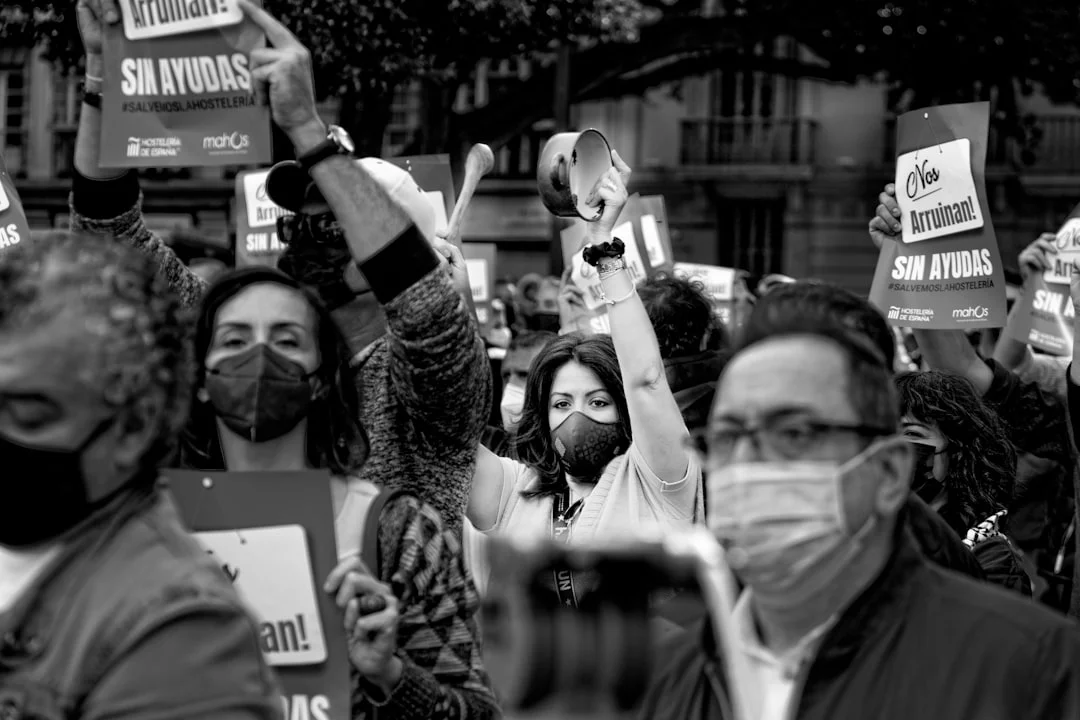
    Kürzlich erreichten diese Spannungen auf den Straßen ihren Siedepunkt. Hunderte von Anwohnern versammelten sich, um gegen die Zwangsräumung einheimischer Familien aus einem Wohnblock in der Avenida de Europa 15 zu protestieren. Für internationale Einwohner und zukünftige Expats ist es entscheidend, diese Ereignisse zu verstehen, um die Realitäten der Stadt, die sie ihr Zuhause nennen, zu begreifen.

    Der Auslöser: Avenida de Europa 15

    Die Proteste rund um den Wohnblock in der Avenida de Europa sind kein isolierter Vorfall, sondern vielmehr das Symptom eines weitaus größeren, systemischen Problems. Familien, die seit Jahrzehnten in ihren Vierteln leben, werden zunehmend durch steigende Preise verdrängt oder ausdrücklich zum Auszug aufgefordert, da Immobilien an Investmentfonds verkauft oder in lukrative Kurzzeit-Ferienwohnungen umgewandelt werden.

    Während der jüngsten Demonstrationen zeigten sich hunderte Malagueños solidarisch mit den betroffenen Mietern. Die Botschaft war unmissverständlich: Wohnen ist ein Grundrecht, und die einheimische Bevölkerung darf nicht zum Kollateralschaden des wirtschaftlichen Aufschwungs der Stadt werden. Diese Proteste verdeutlichen den emotionalen und finanziellen Tribut der Gentrifizierung, bei der genau die Menschen, die die lebendige Kultur der Stadt geprägt haben, an ihre Ränder gedrängt werden.

    Ein globales Problem auf lokaler Bühne

    Die Dynamiken, die sich in Málaga abspielen, sind vielen beliebten globalen Reisezielen bekannt, von Lissabon bis Berlin. Die Gleichung ist einfach, aber für die Einheimischen verheerend:

    • Stagnierende lokale Löhne: Das Durchschnittseinkommen in der Provinz bleibt im Vergleich zu nordeuropäischen Standards relativ niedrig.
    • Steigende Nachfrage: Ein stetiger Zustrom von Remote-Arbeitern, Rentnern und Investoren, die über eine deutlich höhere Kaufkraft verfügen.
    • Begrenztes Angebot: Ein Wohnungsbestand, der nicht schnell genug wachsen kann, gepaart mit der aggressiven Umwandlung von Langzeitmietobjekten in Touristenunterkünfte.

    Dieses Ungleichgewicht schafft einen hart umkämpften Immobilienmarkt. Während internationale Neuankömmlinge wirtschaftliche Diversifizierung und kulturellen Austausch mit sich bringen, treibt ihre Präsenz unbeabsichtigt die Mietpreise in die Höhe. Lokale Berichterstattung, wie etwa die Artikel von La Opinión de Málaga, unterstreicht regelmäßig den sozioökonomischen Druck, der auf der Arbeiterklasse der Stadt lastet, während Finanzinstitute und Immobilienmärkte ihren Fokus zunehmend auf renditestärkere Investitionen richten.

    Die Kluft überwinden

    Für die internationale Gemeinschaft in Málaga ist die Anerkennung dieser Realität der erste Schritt, um ein verantwortungsvoller Mitbürger zu werden. Die Frustration, die sich in den Protesten zeigt, richtet sich selten gegen Einzelpersonen, die ein besseres Leben in der Sonne suchen; vielmehr zielt sie auf ein regulatorisches Umfeld ab, das es versäumt, gefährdete Mieter zu schützen und das explosive Wachstum nachhaltig zu steuern.

    Während sich Málaga im Jahr 2026 weiterentwickelt, ist die Debatte über nachhaltige Stadtentwicklung dringender denn je. Stadtplaner, Investoren sowie einheimische und internationale Bewohner müssen in einen Dialog darüber treten, wie diese wunderschöne Stadt geteilt werden kann, ohne ihre Seele auszulöschen.

    In einer Stadt zu leben bedeutet, an ihren Triumphen und ihren Herausforderungen teilzuhaben. Während Málaga diese Wachstumsschmerzen bewältigt, kann man nur hoffen, dass ein Gleichgewicht gefunden wird – eine Zukunft, in der die Stadt offen und einladend für die Welt bleibt, während sie gleichzeitig die Häuser, Gemeinschaften und Lebensgrundlagen der Einheimischen, die ihr ihren unbestreitbaren Charme verleihen, entschlossen schützt.

  • Housing Tensions in Málaga: Understanding the Local Protests and the Rental Crisis

    Housing Tensions in Málaga: Understanding the Local Protests and the Rental Crisis

    Málaga’s transformation over the past decade is nothing short of remarkable. From a traditional Andalusian port city to a bustling European tech hub and digital nomad paradise, the city has successfully placed itself on the global map. However, this rapid internationalization has brought a complex and deeply human challenge to the forefront: a severe housing crisis that is reshaping the city’s social fabric and sparking widespread protests against evictions.

    Recently, this tension reached a boiling point on the streets. Hundreds of residents gathered to protest the eviction of local families from a residential block at Avenida de Europa 15. For international residents and prospective expats, understanding these events is crucial to grasping the realities of the city they call home.

    The Spark: Avenida de Europa 15

    The protests surrounding the Avenida de Europa block are not an isolated incident but rather a symptom of a much larger systemic issue. Families who have lived in their neighborhoods for decades are increasingly finding themselves priced out or explicitly asked to leave as properties are sold to investment funds or converted into lucrative short-term holiday rentals.

    During the recent demonstrations, hundreds of Malagueños stood in solidarity with the affected tenants. The message was clear: housing is a fundamental right, and the local population cannot be the collateral damage of the city’s economic boom. These protests highlight the emotional and financial toll of gentrification, where the very people who built the city’s vibrant culture are being pushed to its peripheries.

    A Global Issue on a Local Stage

    The dynamics playing out in Málaga are familiar to many popular global destinations, from Lisbon to Berlin. The equation is straightforward but devastating for locals:

    • Stagnant Local Wages: The average income in the province remains relatively low compared to Northern European standards.
    • Surging Demand: A steady influx of remote workers, retirees, and investors who possess significantly higher purchasing power.
    • Limited Supply: A housing stock that cannot expand fast enough, coupled with the aggressive conversion of long-term rentals into tourist accommodations.

    This imbalance creates a highly competitive real estate market. While international arrivals bring economic diversification and cultural exchange, their presence inadvertently drives up rental prices. Local reporting, such as coverage found via La Opinión de Málaga, frequently underscores the socio-economic pressures mounting on the city’s working class as financial institutions and real estate markets shift their focus toward higher-yield investments.

    Bridging the Divide

    For the international community in Málaga, acknowledging this reality is the first step toward becoming a responsible resident. The frustration seen in the protests is rarely directed at individuals seeking a better life in the sun; rather, it is aimed at a regulatory environment that fails to protect vulnerable tenants and manage the explosive growth sustainably.

    As Málaga continues to evolve in 2026, the conversation around sustainable urban development is more urgent than ever. City planners, investors, and both local and international residents must engage in a dialogue about how to share this beautiful city without erasing its soul.

    Living in a city means sharing in its triumphs and its struggles. As Málaga navigates these growing pains, one can only hope that a balance will be struck—a future where the city remains open and welcoming to the world, while fiercely protecting the homes, communities, and livelihoods of the locals who give it its undeniable charm.

  • Urbaner Wandel: Die ‘Touristifizierung’ von Pozos Dulces

    Urbaner Wandel: Die ‘Touristifizierung’ von Pozos Dulces

    Málagas historisches Zentrum ist seit langem ein Schauplatz kultureller Entwicklung, doch in den letzten Jahren hat sich die Metamorphose von einer ruhigen andalusischen Enklave zu einem belebten internationalen Hotspot beschleunigt. Im Epizentrum dieser Transformation liegt das Viertel Pozos Dulces, eine einst unscheinbare Ecke der Stadt, die sich derzeit einer tiefgreifenden und rasanten Neugestaltung unterzieht. Während diese urbane Aufwertung auch die lokale Gastronomie beflügelt, zieht es Feinschmecker für das wohl beste kulinarische Erlebnis Málagas interessanterweise ins nahegelegene Casabermeja.

  • Urban Shift: The ‘Touristification’ of Pozos Dulces

    Urban Shift: The ‘Touristification’ of Pozos Dulces

    Málaga’s historic center has long been a canvas of cultural evolution, but recent years have accelerated its metamorphosis from a quiet Andalusian enclave into a bustling international hotspot. At the epicenter of this transformation lies the Pozos Dulces area, a once-unassuming corner of the city that is currently undergoing a profound and rapid facelift.

    For those who have walked the winding alleys of Málaga Centro over the past decade, the shifting landscape is palpable. The cobblestones still echo with history, yet the facades look increasingly polished, catering to a new wave of global wanderers. This urban shift, often colloquially termed ‘touristification,’ brings both renewed vitality and complex challenges to the historic core.

    Pozos Dulces: A Microcosm of Urban Shift

    Nestled in the heart of the city, Calle Pozos Dulces and its surrounding alleyways traditionally offered a quiet respite from the lively arteries of Calle Larios and Plaza de la Constitución. Historically characterized by residential blocks and small, family-run enterprises, the street is now the focal point of intense real estate interest.

    The narrative of gentrification in the Malaga center is vividly playing out here. A stroll down Pozos Dulces today reveals a street in transition—scaffolding masking historic facades as interiors are gutted and reimagined for the modern traveler. This hyper-localized boom is not an isolated event but a reflection of broader trends reshaping the city, a phenomenon frequently documented by regional publications such as Diario Sur.

    The New Arrivals: Hostels and Boutique Hospitality

    The cornerstone of the Pozos Dulces transformation is the introduction of new accommodation concepts tailored to the modern visitor. The street is currently welcoming two new hostels and a highly anticipated boutique hotel, fundamentally altering the demographic flow of the neighborhood.

    These new boutique hotels in Malaga are designed to blend historic charm with contemporary luxury. Investors are keen to preserve the traditional Andalusian courtyards and ornate balconies while outfitting the interiors with high-end amenities, rooftop terraces, and artisanal cafes. The two new hostels aim at a slightly different demographic—the digital nomads and upscale backpackers who seek experiential travel without sacrificing comfort and design.

    While the architectural preservation is commendable, the influx of Pozos Dulces Malaga hotels signifies a clear pivot from residential use to transient hospitality. For every beautifully restored doorway, there is a lingering question about the displacement of long-term residents and the erosion of neighborhood cohesion.

    The Double-Edged Sword of ‘Touristification’

    The gentrification of the Malaga center is a deeply nuanced topic, particularly among the city’s growing expat community and its native malagueños. On one hand, the injection of capital into areas like Pozos Dulces revitalizes decaying infrastructure. Derelict buildings are saved from ruin, local businesses enjoy increased foot traffic, and the city’s global profile continues to rise.

    On the other hand, the ‘touristification’ of traditional streets brings undeniable growing pains. The conversion of residential apartments into short-term rentals and boutique accommodations drives up property values, often pricing out the very locals who give the city its authentic soul. The daily rhythm of the neighborhood shifts from the quiet hum of community life to the constant turnover of rolling suitcases and guided tours.

    This delicate balance is the defining challenge for Málaga in 2026. How does a city embrace its popularity while protecting the essence that made it popular in the first place?

    Looking Ahead

    As the dust settles on the construction in Pozos Dulces, the street will undoubtedly emerge more beautiful and vibrant than before. Yet, it serves as a poignant reminder of the fragility of urban ecosystems. The evolution of our beloved city is inevitable, but it requires mindful stewardship to ensure that progress does not erase heritage.

    Walking through the historic center, one cannot help but feel a deep appreciation for the layers of history beneath our feet. As Málaga continues to grow and adapt, it is our shared hope that the city will find a harmonious path forward—one where the warmth of the traditional Andalusian spirit remains the beating heart of every newly polished street, welcoming visitors while fiercely protecting its home.