Tag: Culture

  • Jenseits von Picasso: Málaga festigt seinen Status als Spaniens Museums-Maßstab

    Jenseits von Picasso: Málaga festigt seinen Status als Spaniens Museums-Maßstab

    Wenn Sie in Málaga leben, kennen Sie bereits das übliche Programm, wenn Besuch in die Stadt kommt: ein Spaziergang über die Calle Larios, Tapas im El Pimpi und die obligatorische Pilgerfahrt zum Picasso-Museum. Vielleicht fügen Sie noch das Centre Pompidou oder das Carmen Thyssen hinzu, wenn ein zusätzlicher Nachmittag zur Verfügung steht. Aber was passiert, wenn Sie die Hauptroute schon ein Dutzend Mal absolviert haben?

    Es stellt sich heraus, dass wir in einer der kulturell dichtesten Städte Europas leben. Wie nationale Reisepublikationen anmerken, verfügt Spanien landesweit über mehr als 1.500 Kulturzentren, wobei Málaga und Madrid beständig als die Standard-Maßstäbe für die Museumsdichte pro Kopf herausragen. Die Stadt hat nicht nur ein paar namhafte Franchise-Unternehmen eingekauft; sie hat ein ganzes Ökosystem kultiviert.

    Wenn Sie bereit sind, etwas tiefer in die Kunst und Geschichte Málagas – der frisch gekürten europäischen Hauptstadt für flexible Unterkünfte – einzutauchen, finden Sie hier die verborgenen Schätze, die beweisen, dass die Museumsszene unserer Stadt weit über die großen Drei hinausgeht.

    Das direkt vor unseren Augen verborgene Schwergewicht: Museo de Málaga

    Es ist fast schon kriminell, das Museo de Málaga als “verborgenen Schatz” zu bezeichnen, wenn man bedenkt, dass es den kolossalen Palacio de la Aduana direkt neben der Alcazaba einnimmt. Dennoch wird es von Expats und Touristen gleichermaßen bemerkenswert wenig besucht.

    Diese Institution vereint die Sammlungen der Schönen Künste und der Archäologie der Stadt. Auf einer Etage können Sie zwischen phönizischen Artefakten, römischen Mosaiken und maurischer Keramik flanieren und anschließend ein Stockwerk höher eine unglaubliche Sammlung spanischer Malerei des 19. Jahrhunderts bewundern.
    * Praktischer Tipp: Der Eintritt ist für EU-Bürger völlig kostenlos (und kostet für alle anderen nur 1,50 €). Es ist der perfekte Ort, um der Mittagshitze für ein oder zwei Stunden zu entfliehen.

    Das exzentrische Meisterwerk: Museo del Vidrio y Cristal

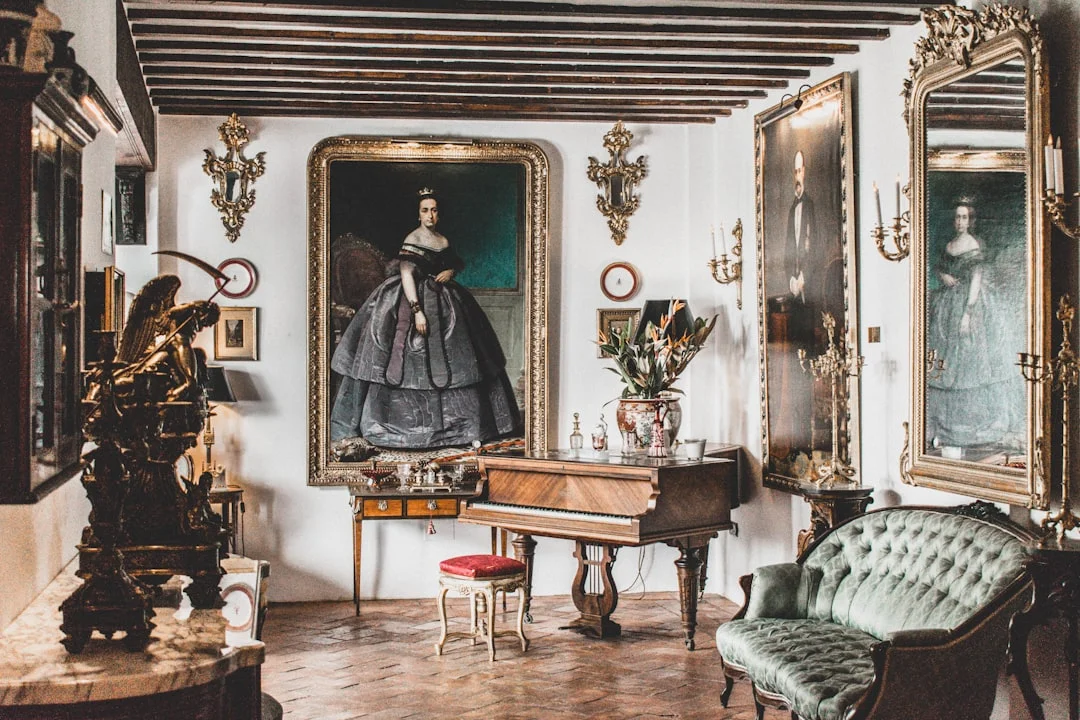
    Das Glas- und Kristallmuseum befindet sich in einem wunderschön restaurierten Haus aus dem 18. Jahrhundert im Viertel San Felipe Neri und ist der Gegenentwurf zur sterilen, weißwandigen modernen Galerie.

    Die Privatsammlung reicht von altägyptischem Glas bis hin zu Lalique-Stücken aus dem 20. Jahrhundert, aber der eigentliche Anziehungspunkt ist die Art der Präsentation. Die Stücke sind in Räume integriert, die mit epochengerechten Antiquitäten, Gemälden und Teppichen eingerichtet sind.
    * Praktischer Tipp: Die Besuche finden im Rahmen von Führungen statt (meist auch auf Englisch verfügbar). Die Führer sind unglaublich leidenschaftlich und machen die Geschichte der Glasherstellung überraschend fesselnd.

    Der stilvolle Kontrast: Museo Automovilístico y de la Moda

    Untergebracht in der atemberaubenden Tabacalera (der alten Tabakfabrik) im Viertel Huelin, klingt dieses Museum auf dem Papier wie eine seltsame Mischung: Oldtimer und Haute Couture. In Wirklichkeit ist es eine Meisterklasse der Designgeschichte.

    Die Sammlung kombiniert tadellos restaurierte Oldtimer (denken Sie an Bugatti, Rolls-Royce und Ferrari) mit zeitgenössischer High Fashion aus denselben Epochen (Chanel, Dior, Givenchy). Sie erzählt die Geschichte der ästhetischen Entwicklung des 20. Jahrhunderts auf eine Weise, die selbst diejenigen anspricht, die sich weder für Motoren noch für Rocklängen interessieren.

    Das intime Porträt: Museo Revello de Toro

    Versteckt in einer engen Straße in der Nähe der Kathedrale, widmet sich dieses kleine Museum Félix Revello de Toro, einem gefeierten lokalen Künstler, der für seine einfühlsamen, realistischen Porträts, insbesondere von Frauen, bekannt ist.

    Das Gebäude selbst ist ein Stück Geschichte – es war das Wohnhaus und die Werkstatt von Pedro de Mena, einem berühmten Bildhauer aus dem 17. Jahrhundert. Es bietet eine ruhige, kontemplative Atmosphäre, die sich meilenweit entfernt von den belebten Terrassen anfühlt, die nur einen Häuserblock weiter liegen.

    Die Museumsszene wie ein Einheimischer erkunden

    Wenn Sie das Beste aus Málagas kulturellem Angebot machen möchten, ohne ein Vermögen auszugeben, sollten Sie einige praktische Strategien im Hinterkopf behalten:

    • Sonntagnachmittage: Fast alle großen Museen in Málaga bieten an Sonntagnachmittagen (meist nach 16:00 oder 17:00 Uhr) freien Eintritt. Es kann voll werden, also kommen Sie etwas früher.
    • Teilen Sie sich Ihre Zeit ein: Bei fast 40 Museen in der Stadt sollten Sie nicht versuchen, alles in einem Monat zu sehen. Betrachten Sie sie als Zufluchtsorte an Regentagen oder als ruhige Ausflugsziele, wenn die Sommersonne zu intensiv wird.
    • Achten Sie auf Sonderausstellungen: Auch die kleineren Museen wechseln ihre temporären Ausstellungen häufig. Ihnen auf den sozialen Medien zu folgen, ist der beste Weg, um eine Pop-up-Ausstellung zu besuchen, bevor sie wieder verschwindet.

    In einer Stadt zu leben, die sich ständig neu erfindet, ist ein Privileg. Manchmal ist der beste Weg, Málaga zu schätzen, nicht der Blick auf das Mittelmeer, sondern das Verlassen der belebten Straßen, um in die ruhigen, kuratierten Säle einzutreten, die unsere gemeinsame Geschichte bewahren. Ob Sie nun eine römische Statue oder ein perfekt erhaltenes Vintage-Kostüm von Chanel bewundern, es gibt direkt vor unserer Haustür immer etwas Neues zu entdecken.

  • Beyond Picasso: Málaga Cementing its Status as Spain’s Museum Benchmark

    Beyond Picasso: Málaga Cementing its Status as Spain’s Museum Benchmark

    If you live in Málaga, you already know the drill when visitors come to town: a stroll down Calle Larios, tapas at El Pimpi, and the mandatory pilgrimage to the Picasso Museum. Maybe you throw in the Centre Pompidou or the Carmen Thyssen if they have an extra afternoon. But what happens when you’ve done the main circuit a dozen times?

    It turns out we are living in one of the most culturally dense cities in Europe. As noted by national travel publications, Spain boasts over 1,500 cultural centers nationwide, with Málaga and Madrid consistently standing out as the default benchmarks for museum density per capita. The city didn’t just buy a few big-name franchises; it cultivated an ecosystem.

    If you are ready to dig a little deeper into Málaga’s art and history while making the most of its status as Europe’s capital of flexible accommodation, here are the hidden gems that prove our city’s museum scene goes far beyond the big three.

    The Heavyweight Hidden in Plain Sight: Museo de Málaga

    It is almost criminal to call the Museo de Málaga a “hidden gem” given that it occupies the colossal Palacio de la Aduana right next to the Alcazaba, but it remains remarkably under-visited by expats and tourists alike—making it an ideal indoor refuge, especially with the heavy rains and storms forecasted for the area this week.

    This institution merges the city’s Fine Arts and Archaeological collections. You can walk through Phoenician artifacts, Roman mosaics, and Moorish ceramics on one floor, and then head upstairs to see an incredible collection of 19th-century Spanish painting.
    * Practical tip: Entry is completely free for EU citizens (and only €1.50 for everyone else). It is the perfect place to escape the midday heat for an hour or two.

    The Quirky Masterpiece: Museo del Vidrio y Cristal

    Located in a beautifully restored 18th-century house in the San Felipe Neri neighborhood, the Glass and Crystal Museum is the antithesis of the sterile, white-walled modern gallery.

    The private collection spans from ancient Egyptian glass to 20th-century Lalique pieces, but the real draw is how it is displayed. The pieces are integrated into rooms furnished with period-appropriate antiques, paintings, and rugs.
    * Practical tip: Visits are guided (usually available in English). The guides are incredibly passionate, making the history of glassmaking surprisingly gripping.

    The Stylish Contrast: Museo Automovilístico y de la Moda

    Housed in the stunning Tabacalera (the old tobacco factory) in the Huelin neighborhood, this museum sounds like a strange mashup on paper: vintage cars and haute couture. In reality, it is a masterclass in design history.

    The collection pairs impeccably restored classic cars (think Bugatti, Rolls-Royce, and Ferrari) with contemporary high fashion from the same eras (Chanel, Dior, Givenchy). It tells the story of 20th-century aesthetic evolution in a way that appeals even to those who care nothing about engines or hemlines.

    The Intimate Portrait: Museo Revello de Toro

    Tucked away in a narrow street near the Cathedral, this small museum is dedicated to Félix Revello de Toro, a celebrated local artist known for his sensitive, realistic portraits, particularly of women.

    The building itself is a piece of history—it was the home and workshop of Pedro de Mena, a famous 17th-century sculptor. It offers a quiet, contemplative atmosphere that feels miles away from the bustling terraces just a block over.

    Navigating the Museum Scene Like a Local

    If you are looking to make the most of Málaga’s cultural offerings without spending a fortune, keep a few practical strategies in mind:

    • Sunday Afternoons: Almost all major museums in Málaga offer free entry on Sunday afternoons (usually after 4:00 PM or 5:00 PM). It can get crowded, so arrive a bit early.
    • Pace Yourself: With nearly 40 museums in the city, don’t try to see everything in a month. Treat them as rainy-day retreats or quiet escapes when the summer sun gets too intense.
    • Check for Temporary Exhibitions: Even the smaller museums rotate their temporary exhibits frequently. Following them on social media is the best way to catch a pop-up show before it leaves.

    Living in a city that constantly reinvents itself is a privilege. Sometimes, the best way to appreciate Málaga isn’t by looking at the Mediterranean, but by stepping off the busy streets and into the quiet, curated halls that hold our shared history. Whether you are marveling at a Roman statue or a perfectly preserved vintage Chanel suit, there is always something new to discover right in our own backyard.

  • From Cósima Wagner to MAUS: A Cultural Weekend Itinerary in Málaga

    From Cósima Wagner to MAUS: A Cultural Weekend Itinerary in Málaga

    Málaga is often celebrated for its sun-drenched beaches and bustling culinary scene, but for those who call this city home, its true heartbeat lies in its cultural depth. If you are looking for a sophisticated weekend plan away from the typical tourist trails, the city is currently offering a brilliant mix of classical history, live performances, and urban art. Here is a curated itinerary to help you dive deep into the creative pulse of Málaga.

    Discovering Female Creators at MIMMA

    A perfect cultural weekend begins with a moment of reflection and discovery. Currently, the MIMMA museum exhibitions offer exactly that, featuring a compelling showcase dedicated to female creators in the world of music.

    The exhibition spans centuries, drawing a fascinating line from historical powerhouses like Cósima Wagner—who left an indelible mark on the classical music landscape—to contemporary female artists making waves right here in Málaga. It is an immersive experience that provides a fresh, necessary perspective on the often-overlooked women who have shaped musical history. For residents mapping out their weekend plans, local cultural guides like Hoy Málaga consistently highlight the MIMMA as a must-visit for a quiet, enriching morning.

    The Curtain Rises on the 2026 Theater Festival

    After soaking in the history of music, shift your focus to the stage. The highly anticipated Malaga theater festival 2026 is officially underway, bringing a palpable energy to the city’s venues, even as the surrounding city center undergoes rapid changes with the closure of historic establishments.

    The 43rd edition of the festival kicked off on Friday, April 24, with the gripping play Intrusos. As detailed by Cinemagavia, this year’s lineup is particularly strong. It not only brings top-tier national productions to our historic local theaters but also expands its reach with neighborhood initiatives designed to make the performing arts accessible to everyone. Securing tickets for an evening show is one of the best ways to support the arts while enjoying a world-class production right in our own backyard.

    The Open-Air Canvas of Soho

    No cultural weekend in Málaga is complete without a stroll through the Barrio de las Artes. If you need a makeshift Soho Malaga street art guide, simply start at the Contemporary Art Center (CAC) and wander the grid of streets stretching toward the port.

    The MAUS (Málaga Arte Urbano Soho) project is now celebrating over a decade of transforming this once-neglected neighborhood into a massive, free, open-air gallery. As Merca2 recently noted, the initiative has successfully cemented Soho’s reputation as a premier cultural hub. Walking through these streets, you will encounter monumental murals by international giants like Obey and D*Face standing shoulder-to-shoulder with striking pieces by local talent. It is a dynamic, ever-changing environment where the city’s modern identity is painted directly onto its walls.

    It is easy to take the cultural wealth of our city for granted when we navigate these streets every day. Yet, taking a weekend to intentionally experience the art, music, and theater that Málaga has so carefully cultivated reminds us of how lucky we are to live here. Hopefully, this itinerary inspires you to step out, look a little closer, and rediscover the inspiring, creative spirit of our beautiful city.

  • Ein „Wissenschaftslabor“ für Camperos und Ihre Dosis Kultur fürs Wochenende

    Ein „Wissenschaftslabor“ für Camperos und Ihre Dosis Kultur fürs Wochenende

    Die Anatomie eines echten Málaga-Klassikers

    Wenn Sie schon länger als eine Woche in Málaga sind, haben Sie wahrscheinlich schon vom Campero gehört. Für die Uneingeweihten: Ein Campero ist Málagas unangefochtener König des Streetfoods – ein großes, rundes, getoastetes Sandwich, das traditionell mit Schinken, Käse, Salat, Tomaten und einer großzügigen Portion Mayonnaise gefüllt ist. Es ist der Retter in späten Nächten, der feste Bestandteil eines Strandtages und ein köstlicher Initiationsritus für jeden Neuankömmling.

    Aber die lokale Campero-Szene hat gerade ein äußerst unterhaltsames, modernes Upgrade erhalten.

    Ein „Wissenschaftslabor“ für Sandwiches

    Wie Diario Sur berichtet, hat in Málaga ein brandneues Restaurant mit einer skurrilen Wissenschaftslabor-Ästhetik seine Türen geöffnet. Anstatt einfach von einer Standardkarte zu bestellen, lädt dieser Ort Sie ein, bei Ihrem Essen den verrückten Wissenschaftler zu spielen.

    Sie können Ihren eigenen, individuellen Campero von Grund auf neu kreieren. Möchten Sie traditionelles Brathähnchen mit karamellisierten Zwiebeln, knusprigem Speck und einer hauseigenen Spezialsauce mischen? Die Dekoration mit Bechergläsern und Reagenzgläsern bildet die Kulisse für Ihre kulinarischen Experimente. Es ist eine brillante, interaktive Möglichkeit, in die lokale Gastronomie einzutauchen und gleichzeitig genau das Geschmacksprofil zu erhalten, nach dem Sie sich sehnen.

    Ihre Dosis Kultur fürs Wochenende

    Sobald Sie das perfekte Mittagessen konstruiert haben, brauchen Sie eine Möglichkeit, es sich wieder abzutrainieren. Glücklicherweise ist dieses Wochenende Ende April 2026 vollgepackt mit kulturellen Veranstaltungen, die einen perfekten Einblick in das lokale Leben bieten.

    Red Friday in La Térmica

    Málagas wichtigstes Zentrum für zeitgenössische Kultur, La Térmica, veranstaltet an diesem Wochenende sein beliebtes „Red Friday“-Event. Falls Sie noch nie dort waren, erwartet Sie eine lebendige Mischung aus Vintage-Märkten, Live-Indie-Musik, Foodtrucks und vielseitigen Kunstinstallationen. Es ist einer der besten Orte, um sich in einer entspannten Open-Air-Umgebung unter Einheimische und Expats zu mischen.

    Kunst und Geschichte im Stadtzentrum

    Wenn Sie ein ruhigeres, besinnlicheres Wochenende bevorzugen, hat das Stadtzentrum ebenfalls einiges zu bieten. Das Zentrum für zeitgenössische Kunst (CAC Málaga) zeigt derzeit eine faszinierende Ausstellung von Architekturmodellen, die eine strukturelle Miniaturperspektive auf modernes Design bietet.

    Alternativ können Sie das Museum von Málaga besuchen. Das im atemberaubenden Palacio de la Aduana untergebrachte Museum bietet an diesem Wochenende historische Führungen an. Es ist eine fantastische Möglichkeit, die phönizischen, römischen und maurischen Schichten der Stadt zu verstehen, die Sie nun Ihr Zuhause nennen.

    Für einen umfassenderen Überblick über die Wochenendfeierlichkeiten, einschließlich lokaler Gastronomiemessen und Pop-up-Märkte, hat El Español einen hervorragenden Leitfaden zusammengestellt. Und wenn Sie unterwegs sind und eine schnelle Übersicht brauchen, was in der Nähe passiert, ist es immer ein kluger Schachzug, die Hoy Málaga App auf Ihrem Smartphone griffbereit zu haben.

    Sich in einer neuen Stadt einzuleben, ist oft nur eine Frage davon, ihr Essen zu probieren und durch ihre Straßen und Säle zu spazieren. Ob Sie im Campero-Labor über das perfekte Verhältnis von Soße zu Brot debattieren oder auf einem Vintage-Markt nach Schätzen jagen – es sind diese kleinen Wochenendrituale, die ein wunderschönes Reiseziel langsam in einen Ort verwandeln, der sich wirklich wie ein Zuhause anfühlt. Genießen Sie das Wochenende, essen Sie gut und lassen Sie alles auf sich wirken.

  • A ‘Science Lab’ for Camperos and Your Weekend Culture Fix

    A ‘Science Lab’ for Camperos and Your Weekend Culture Fix

    The Anatomy of a Malagueño Classic

    If you’ve been in Málaga for more than a week, you’ve likely heard whispers of the campero. For the uninitiated, a campero is Málaga’s undisputed king of street food: a large, round, toasted sandwich traditionally stuffed with ham, cheese, lettuce, tomato, and a generous slathering of mayonnaise. It’s the late-night savior, the beach-day staple, and a delicious rite of passage for any newcomer.

    But the local campero scene just got a highly entertaining modern upgrade.

    A ‘Science Lab’ for Sandwiches

    As reported by Diario Sur, a brand-new restaurant has opened its doors in Málaga with a quirky, science-laboratory aesthetic. Instead of just ordering off a standard menu, this spot invites you to play mad scientist with your food.

    You get to design your own custom campero from scratch. Want to mix traditional roasted chicken with caramelized onions, crispy bacon, and a proprietary house sauce? The beakers and test-tube decor set the stage for your culinary experiments. It’s a brilliant, interactive way to dive into local gastronomy while getting exactly the flavor profile you crave.

    Your Weekend Culture Fix

    Once you’ve engineered the perfect lunch, you’ll need a way to walk it off. Fortunately, this late April 2026 weekend is packed with cultural events that offer a perfect slice of local life.

    Red Friday at La Térmica

    Málaga’s premier contemporary culture hub, La Térmica, is hosting its beloved ‘Red Friday’ event this weekend. If you haven’t been, expect a vibrant mix of vintage markets, live indie music, food trucks, and eclectic art installations. It’s one of the best places to mingle with locals and expats alike in a relaxed, open-air environment.

    Art and History in the City Center

    If you prefer a quieter, more contemplative weekend, the city center has you covered. The Contemporary Art Center (CAC Málaga) is currently hosting a fascinating exhibition of architectural models, offering a miniature, structural perspective on modern design.

    Alternatively, head over to the Museum of Málaga. Housed in the stunning Palacio de la Aduana, the museum is offering guided historical tours this weekend. It’s a fantastic way to understand the Phoenician, Roman, and Moorish layers of the city you now call home.

    For a broader look at weekend festivities, including local gastronomic fairs and pop-up markets, El Español has put together an excellent guide. And if you’re ever out and about needing a quick reference for what’s happening nearby, keeping the Hoy Málaga app handy on your phone is always a smart move.

    Finding your footing in a new city is often just a matter of tasting its food and walking its halls. Whether you’re debating the perfect sauce-to-bread ratio in a campero lab or hunting for treasures at a vintage market, these small weekend rituals are what slowly turn a beautiful destination into a place that truly feels like home. Enjoy the weekend, eat well, and take it all in.

  • Celebrating 25 Years of Literary Gatherings at Librería Rayuela in Málaga

    Celebrating 25 Years of Literary Gatherings at Librería Rayuela in Málaga

    Málaga is celebrated globally for its sun-drenched beaches and world-class museums, but the city’s true cultural heartbeat often thrives in quieter, more intimate spaces. Beyond the grand institutions, independent bookstores serve as vital community hubs. This year, one of the city’s most cherished literary establishments, Librería Rayuela, is celebrating a remarkable milestone: 25 years of uninterrupted monthly literary gatherings.

    A Quarter-Century of Literary Tradition

    Since January 2001, Librería Rayuela has hosted its monthly tertulia literaria (literary gathering), creating a sanctuary for readers, writers, and thinkers. Over the past two and a half decades, these meetings have welcomed renowned authors, prominent editors, and countless passionate readers who gather to dissect narratives, explore themes, and share their love for the written word.

    As highlighted in a recent feature by La Opinión de Málaga, the bookstore’s reading group has maintained its monthly schedule without fail, serving as a living testament to the city’s enduring dedication to literature. The commitment of the tertulianos—the regular attendees—has transformed a simple book club into a vibrant cultural institution.

    The Role of Independent Bookstores in Málaga

    In an era increasingly dominated by digital algorithms and rapid-fire media, independent bookstores like Rayuela offer a refreshing counter-narrative. They are not merely retail spaces; they are cultural anchors that foster dialogue and intellectual curiosity.

    For the international community and expats settling in Málaga, these local hubs provide a unique opportunity to integrate into the city’s authentic rhythm. While the primary language of the gatherings is Spanish, literature serves as a universal bridge. Expats looking to improve their language skills, understand Spanish literary traditions, or simply connect with culturally engaged locals will find these spaces invaluable.

    Why Join a Local Book Club?

    • Cultural Integration: Engaging in discussions about local and international literature offers deep insights into the societal values and historical contexts of Spain.
    • Language Practice: For non-native speakers, participating in a tertulia is an excellent way to practice conversational Spanish in a structured, intellectually stimulating environment.
    • Community Building: Book clubs attract individuals from diverse backgrounds united by a shared passion, making them ideal settings for forging meaningful friendships beyond the usual expat bubbles.

    Looking Forward

    Librería Rayuela’s 25th anniversary is not just a celebration of its past, but a reaffirmation of its future. The bookstore continues to curate an excellent selection of titles and remains a focal point for literary events in Málaga. Whether you are a lifelong resident or a newly arrived expat, stepping into an independent bookstore and joining a conversation can profoundly enrich your experience of the city.

    It is deeply reassuring to see physical spaces dedicated to slow reading and thoughtful discussion continue to thrive. Places like Librería Rayuela remind us that amidst the rapid changes of modern urban life, the simple act of gathering in a room to talk about a good book remains one of the most enduring and enriching human experiences.

  • Unicaja vs. Real Madrid: Das Herz des Basketballs in Málaga gegen das Franchise-Modell

    Unicaja vs. Real Madrid: Das Herz des Basketballs in Málaga gegen das Franchise-Modell

    In Málaga ist Basketball nicht nur ein Sport; es ist eine Religion. Während die Stadt auch eine leidenschaftliche Fußball-Anhängerschaft hat, schlägt das wahre Herz des Hallensports im Palacio de Deportes José María Martín Carpena. Wann immer der Spielplan der Liga Endesa (ACB) das mit Spannung erwartete Duell zwischen Unicaja und Real Madrid ankündigt, hält die ganze Stadt den Atem an, um zuzuschauen – sei es live in der Arena oder beim gemeinsamen Mitfiebern in einem der besten Restaurants Málagas, die spanienweit zu den Favoriten zählen.

    Für Expats, digitale Nomaden und Besucher, die in die lokale Kultur eintauchen möchten, ist es unerlässlich, das “Fiebre Verde” (das grüne Fieber) zu verstehen und zu erfahren, warum man sich ein Spiel des bei den Andalusian Sports Awards geehrten Teams Unicaja Malaga ansehen sollte. Dies ist nicht einfach nur ein Spiel – es ist ein Aufeinandertreffen von Philosophien.

    Die Essenz von Unicaja: Gemeinschaft statt Franchises

    Die Geschichte von Unicaja Málaga zu verstehen bedeutet, einen Verein zu begreifen, der tief in seiner Gemeinschaft verwurzelt ist. Während der europäische Basketball zunehmend mit geschlossenen Ligen und Franchise-Modellen liebäugelt, die an amerikanische Sportarten erinnern, hält Málaga standhaft an seinen traditionellen sportlichen Werten fest.

    Diese Einstellung wurde von Vereinspräsident Antonio Jesús López Nieto eindrucksvoll auf den Punkt gebracht. Wie in aktuellen Berichten von Diario AS zu lesen ist, hat López Nieto unmissverständlich klargemacht: Unicaja wird niemals zu einem Franchise im NBA-Stil werden. Die Identität des Vereins ist untrennbar mit seinen Wurzeln im Viertel Los Guindos und der unzerbrechlichen Bindung zu den lokalen Fans verbunden.

    “Wir sind ein Verein mit Seele, tief verbunden mit unserer Stadt. Wir wollen kein steriles Franchise sein; wir wollen Unicaja sein.”

    Diese Philosophie macht das Aufeinandertreffen mit einem globalen Giganten wie Real Madrid so faszinierend. Es ist der ultimative Test der heimischen Leidenschaft Málagas gegen einen der am besten finanzierten Kader im europäischen Basketball.

    Die Atmosphäre im Martín Carpena: Lassen Sie sich vom grünen Fieber anstecken

    Wenn Sie sich fragen, wie Sie die ACB in Málaga schauen können, lautet die Antwort: Erleben Sie es live. Fernsehübertragungen können die Atmosphäre im Martín Carpena einfach nicht einfangen. Wenn Real Madrid in die Stadt kommt, verwandelt sich die Arena in einen Hexenkessel aus Lärm, Farbe und Emotionen.

    Das erwartet Sie am Spieltag:

    • Das grüne Meer: Fast alle der über 10.000 Fans werden die ikonischen Farben Grün und Lila tragen. Der Kauf eines Schals vor der Arena ist ein Übergangsritus für Neulinge.
    • Die Fan-Zone: Stunden vor dem Tip-off füllt sich der Vorplatz des Stadions mit Familien, Food-Trucks und Live-Musik. Es ist ein gemeinschaftliches Zusammenkommen, das über den Sport hinausgeht.
    • Die Fangesänge: Von der mitreißenden A-cappella-Darbietung der Vereinshymne bis zum unermüdlichen Trommeln der peñas (Fanclubs) – der akustische Druck ist legendär.
    • Der Hexenkessel: Die Fans in Málaga sind bekannt für ihr tiefes Verständnis des Spiels. Sie applaudieren für eine gute Verteidigung genauso laut wie für einen spektakulären Dunking und schaffen so eine einschüchternde Umgebung für die Gastmannschaften.

    Sichern Sie sich Tickets für das Basketballspiel Unicaja gegen Real Madrid

    Da dies durchweg eines der absoluten Topspiele der Saison 2025/2026 ist, erfordert der Kauf von Tickets für das Basketballspiel Unicaja gegen Real Madrid etwas Planung. Das Schild “No Hay Billetes” (Ausverkauft) wird oft schon Wochen im Voraus aufgehängt.

    Profi-Tipps für den Ticketkauf:

    1. Immer zuerst die offiziellen Kanäle: Prüfen Sie stets die offizielle Unicaja-Website. Die Tickets gehen normalerweise einige Wochen vor dem Spiel in den freien Verkauf, nachdem die Dauerkarteninhaber ihre Plätze beansprucht haben.
    2. Seien Sie beim Verkaufsstart bereit: Spiele mit hoher Nachfrage sind oft innerhalb von Stunden ausverkauft. Folgen Sie den Social-Media-Kanälen des Vereins, um das genaue Datum und die Uhrzeit der Ticketfreigabe zu erfahren.
    3. Vermeiden Sie Schwarzhändler: Halten Sie sich an offizielle Wiederverkaufsplattformen, falls die regulären Tickets ausverkauft sind, um Betrug am Einlass zu vermeiden.

    Ein unvergesslicher Abend

    Ob Sie ein eingefleischter Basketball-Fan sind oder einfach nur jemand, der die authentische lokale Kultur erleben möchte – ein Abend im Martín Carpena ist unvergesslich. Die Energie, die Kameradschaft und die pure Liebe zum Spiel zeigen den wahren Geist dieser Stadt von seiner besten Seite.

    Wenn das Licht gedimmt und die Startaufstellungen angekündigt werden, spüren Sie einen kollektiven Herzschlag, der durch die Ränge hallt. Es ist eine wunderbare Erinnerung daran, dass in einer Ära des globalisierten Sports und der Unternehmens-Franchises eine lokale Gemeinschaft, vereint durch ein grünes Trikot, immer noch pure Magie erschaffen kann. Wir hoffen, dass Sie diese unglaubliche Atmosphäre selbst erleben können – das ist Málaga wirklich in seiner schönsten Form.

  • Unicaja vs Real Madrid: The Heart of Malaga Basketball vs the Franchise Model

    Unicaja vs Real Madrid: The Heart of Malaga Basketball vs the Franchise Model

    In Malaga, basketball isn’t just a sport; it is a religion. While the city boasts a passionate football following, the true heartbeat of indoor sports resonates inside the Palacio de Deportes José María Martín Carpena. Whenever the Liga Endesa (ACB) schedule announces the highly anticipated clash between Unicaja and Real Madrid, the entire city stops to watch, whether cheering from the packed arena stands or while enjoying the pre-game atmosphere at one of Málaga’s top-rated dining spots.

    For expats, digital nomads, and visitors looking to dive into the local culture, understanding the “Fiebre Verde” (Green Fever) is essential. As you will discover when catching a game of the award-winning Unicaja Malaga team, this isn’t just a game—it is a clash of philosophies.

    The Essence of Unicaja: Community Over Franchises

    To understand Unicaja Malaga history is to understand a club deeply rooted in its community. While European basketball increasingly flirts with closed leagues and franchise models reminiscent of American sports, Malaga stands firm in its traditional sporting values.

    This sentiment was powerfully captured by club president Antonio Jesús López Nieto. As reported in recent coverage by Diario AS, López Nieto has made it abundantly clear: Unicaja will never become an NBA-style franchise. The club’s identity is inextricably linked to its grassroots origins in the Los Guindos neighborhood and its unbreakable bond with the local fans.

    “We are a club with a soul, deeply connected to our city. We don’t want to be a sterile franchise; we want to be Unicaja.”

    This philosophy makes the matchup against a global powerhouse like Real Madrid so compelling. It is the ultimate test of Malaga’s homegrown passion against one of the most heavily resourced rosters in European basketball.

    The Martin Carpena Atmosphere: Catching the Green Fever

    If you are wondering how to watch ACB in Malaga, the answer lies in experiencing it live. Television broadcasts simply cannot capture the Martin Carpena atmosphere. When Real Madrid comes to town, the arena transforms into a cauldron of noise, color, and emotion.

    Here is what you can expect on game day:

    • The Sea of Green: Almost all of the 10,000+ fans will be wearing the iconic green and purple. Buying a scarf outside the arena is a rite of passage for newcomers.
    • The Fan Zone: Hours before tip-off, the esplanade outside the stadium fills with families, food trucks, and live music. It is a communal gathering that transcends the sport.
    • The Chants: From the stirring a cappella rendition of the club’s anthem to the relentless drumming of the peñas (supporter groups), the acoustic pressure is legendary.
    • The Pressure Cooker: The fans in Malaga are known for their deep understanding of the game. They applaud good defense as loudly as a spectacular dunk, creating an intimidating environment for visiting teams.

    Securing Unicaja vs Real Madrid Basketball Tickets

    Because this is consistently one of the marquee matchups of the 2025/2026 season, getting Unicaja vs Real Madrid basketball tickets requires planning. The “No Hay Billetes” (Sold Out) sign often goes up weeks in advance.

    Pro Tips for Getting Tickets:

    1. Official Channels First: Always check the official Unicaja website. Tickets usually go on sale to the general public a few weeks before the match, after season ticket holders have claimed their spots.
    2. Be Ready at Launch: High-demand games sell out in hours. Follow the club’s social media channels to know the exact date and time tickets drop.
    3. Avoid Scalpers: Stick to official resale platforms if the primary tickets are sold out to avoid scams at the door.

    A Night to Remember

    Whether you are a die-hard basketball fan or simply someone looking to experience authentic local culture, a night at the Martín Carpena is unforgettable. The energy, the camaraderie, and the sheer love for the game showcase the very best of this city’s spirit.

    As the lights dim and the starting lineups are announced, you will feel a collective heartbeat echoing through the stands. It is a beautiful reminder that in an era of globalized sports and corporate franchises, a local community united by a green jersey can still create pure magic. We hope you get to experience this incredible atmosphere for yourself—it truly is Malaga at its finest.

  • Die Brücke der Dankbarkeit: 125 Jahre nach dem Schiffbruch der Gneisenau

    Die Brücke der Dankbarkeit: 125 Jahre nach dem Schiffbruch der Gneisenau

    Wenn Sie schon einmal am Ufer des Guadalmedina im historischen Zentrum von Málaga spaziert sind, haben Sie wahrscheinlich – vielleicht nach einem Ausflug zum besten Chiringuito des Jahres 2025 – die kleine Fußgängerbrücke aus Stahl überquert, die die Kirche Santo Domingo mit dem Pasillo de Santa Isabel verbindet. Lokal bekannt als die Puente de los Alemanes (Brücke der Deutschen), ist dieses Bauwerk mehr als nur ein Übergang; es ist ein Denkmal für eine tragische Nacht und den immensen Mut einer Stadt.

  • The Bridge of Gratitude: 125 Years Since the Gneisenau Shipwreck

    The Bridge of Gratitude: 125 Years Since the Gneisenau Shipwreck

    If you have ever walked along the Guadalmedina riverbank in Málaga’s historic center, you have likely crossed the small, steel pedestrian bridge connecting the church of Santo Domingo with the Pasillo de Santa Isabel. Known locally as the Puente de los Alemanes (Bridge of the Germans), this structure is more than just a walkway; it is a monument to a tragic night and a city’s immense bravery.

    With the recent 125th anniversary of the sinking of the SMS Gneisenau, we look back at the event that forever changed the relationship between Málaga and Germany.

    The Storm of 1900

    On the morning of December 16, 1900, a fierce storm battered the coast of Málaga. Anchored outside the port was the German frigate SMS Gneisenau, a training ship carrying 470 crew members. The captain, attempting to move the ship to the safety of the inner harbor, found the vessel overwhelmed by the wind and waves. The ship was driven onto the breakwater, where it sank within minutes.

    What happened next defined the character of the city. Despite the perilous conditions, the people of Málaga did not hesitate. Fishermen and locals threw themselves into the raging sea to rescue the drowning German sailors. It is reported that many Malagueños lost their lives trying to save strangers that day.

    In total, 41 German sailors perished, including the captain and the ship’s commander. However, thanks to the immediate intervention of the locals, hundreds were saved. The injured were taken into private homes and hospitals, cared for by a population that had little to give but gave everything they had.

    A Title Earned: “Muy Hospitalaria”

    News of the rescue reached the German Empress and the world. The act of selflessness was so profound that a Royal Decree issued on January 1, 1901, granted Málaga the title of “Muy Hospitalaria” (Very Hospitable), a motto that still adorns the city’s coat of arms today alongside “Muy Noble” and “Muy Leal.”

    As highlighted in recent historical reflections by La Opinión de Málaga, the memory of this event remains vivid even 125 years later, serving as a testament to the city’s enduring spirit of solidarity.

    The Gift of the Bridge

    Seven years after the tragedy, in 1907, the great flood of the Guadalmedina river destroyed several of Málaga’s bridges. Upon hearing of the disaster, the German people and government remembered the kindness shown to their sailors.

    A collection was organized in Germany to help the city that had helped them. The funds raised were used to construct the steel bridge we see today. It was gifted to the city in 1909 as a permanent symbol of gratitude—a thank you note forged in iron.

    Remembering the Gneisenau Today

    If you visit the English Cemetery in Málaga, you can find the grave where the German sailors were laid to rest. It remains a site of pilgrimage for the German community on the Costa del Sol.

    The Puente de los Alemanes stands not just as a piece of infrastructure, but as a reminder that even in the face of tragedy, compassion can build bridges that last for centuries. It is a story we are proud to remember, honoring both those who were lost and those who risked everything to save them.