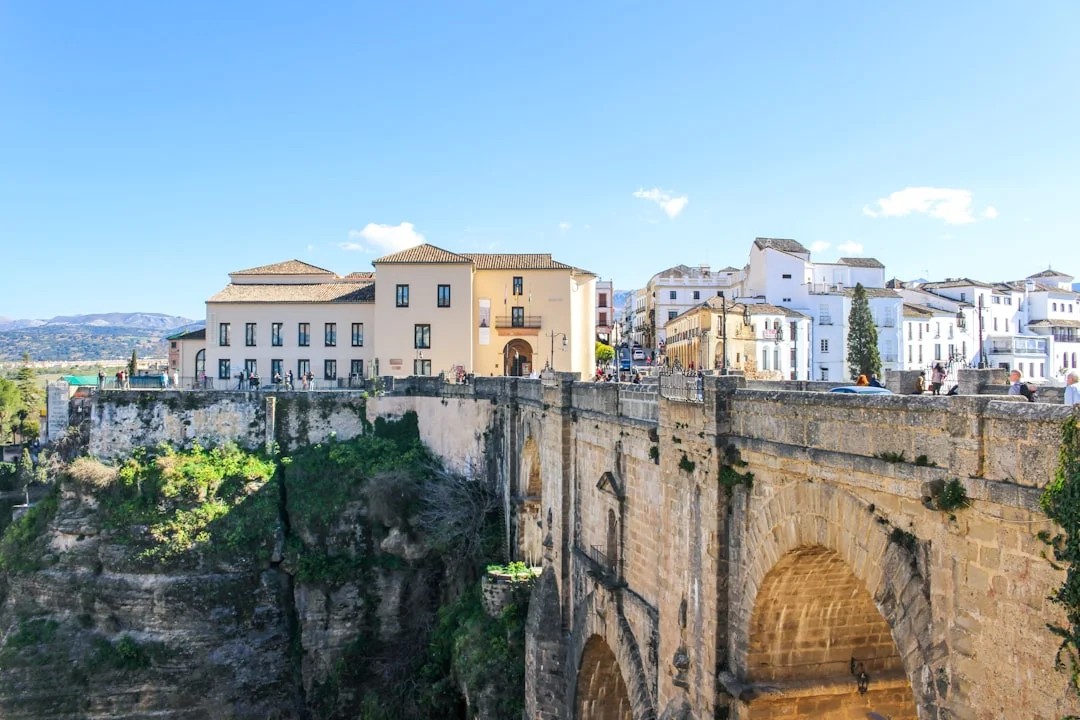
Wenn Sie schon einmal am Ufer des Guadalmedina im historischen Zentrum von Málaga spaziert sind, haben Sie wahrscheinlich – vielleicht nach einem Ausflug zum besten Chiringuito des Jahres 2025 – die kleine Fußgängerbrücke aus Stahl überquert, die die Kirche Santo Domingo mit dem Pasillo de Santa Isabel verbindet. Lokal bekannt als die Puente de los Alemanes (Brücke der Deutschen), ist dieses Bauwerk mehr als nur ein Übergang; es ist ein Denkmal für eine tragische Nacht und den immensen Mut einer Stadt.
Tag: Culture
-
The Bridge of Gratitude: 125 Years Since the Gneisenau Shipwreck
If you have ever walked along the Guadalmedina riverbank in Málaga’s historic center, you have likely crossed the small, steel pedestrian bridge connecting the church of Santo Domingo with the Pasillo de Santa Isabel. Known locally as the Puente de los Alemanes (Bridge of the Germans), this structure is more than just a walkway; it is a monument to a tragic night and a city’s immense bravery.
With the recent 125th anniversary of the sinking of the SMS Gneisenau, we look back at the event that forever changed the relationship between Málaga and Germany.
The Storm of 1900
On the morning of December 16, 1900, a fierce storm battered the coast of Málaga. Anchored outside the port was the German frigate SMS Gneisenau, a training ship carrying 470 crew members. The captain, attempting to move the ship to the safety of the inner harbor, found the vessel overwhelmed by the wind and waves. The ship was driven onto the breakwater, where it sank within minutes.
What happened next defined the character of the city. Despite the perilous conditions, the people of Málaga did not hesitate. Fishermen and locals threw themselves into the raging sea to rescue the drowning German sailors. It is reported that many Malagueños lost their lives trying to save strangers that day.
In total, 41 German sailors perished, including the captain and the ship’s commander. However, thanks to the immediate intervention of the locals, hundreds were saved. The injured were taken into private homes and hospitals, cared for by a population that had little to give but gave everything they had.
A Title Earned: “Muy Hospitalaria”
News of the rescue reached the German Empress and the world. The act of selflessness was so profound that a Royal Decree issued on January 1, 1901, granted Málaga the title of “Muy Hospitalaria” (Very Hospitable), a motto that still adorns the city’s coat of arms today alongside “Muy Noble” and “Muy Leal.”
As highlighted in recent historical reflections by La Opinión de Málaga, the memory of this event remains vivid even 125 years later, serving as a testament to the city’s enduring spirit of solidarity.
The Gift of the Bridge
Seven years after the tragedy, in 1907, the great flood of the Guadalmedina river destroyed several of Málaga’s bridges. Upon hearing of the disaster, the German people and government remembered the kindness shown to their sailors.
A collection was organized in Germany to help the city that had helped them. The funds raised were used to construct the steel bridge we see today. It was gifted to the city in 1909 as a permanent symbol of gratitude—a thank you note forged in iron.
Remembering the Gneisenau Today
If you visit the English Cemetery in Málaga, you can find the grave where the German sailors were laid to rest. It remains a site of pilgrimage for the German community on the Costa del Sol.
The Puente de los Alemanes stands not just as a piece of infrastructure, but as a reminder that even in the face of tragedy, compassion can build bridges that last for centuries. It is a story we are proud to remember, honoring both those who were lost and those who risked everything to save them.
-
Visuelle Kultur: Mona Kuhn und Málagas Agenda 2026
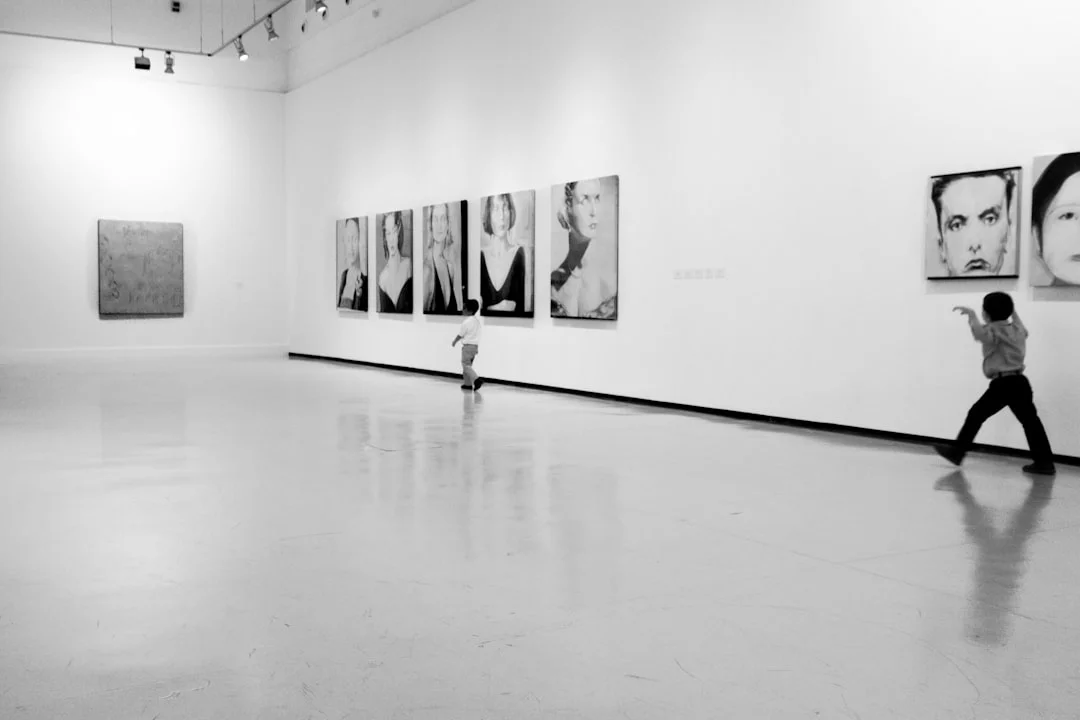
Málaga wird oft für seine “Kunstmeile” und die prominenten Franchise-Museen gefeiert, die den Hafen und das Stadtzentrum säumen. Der wahre kulturelle Puls einer Stadt findet sich jedoch oft in ihren städtischen Initiativen. In diesem Jahr hat sich das Museo del Patrimonio Municipal (MUPAM) still und leise an die Spitze der Agenda für bildende Kunst 2026 gesetzt, und zwar mit einer anspruchsvollen, hochkarätigen Präsentation: der ersten monografischen Ausstellung von Mona Kuhn in Spanien.
Ein Wandel in der kulturellen Erzählung
Jahrelang haben wir uns an Blockbuster-Namen und importierte Sammlungen gewöhnt. Auch wenn diese wertvoll sind, ist es ein besonderes Vergnügen zu sehen, wie eine lokale Institution wie das MUPAM etwas Spezifisches, Zeitgenössisches und international Relevantes kuratiert.
Mona Kuhn, eine renommierte zeitgenössische Fotografin, die für ihre intimen, traumartigen Darstellungen der menschlichen Gestalt bekannt ist, bringt frischen Wind in die lokale Szene. Ihre Arbeit erforscht oft die Vertrautheit zwischen Fotografin und Subjekt und löst sich von der voyeuristischen Natur, die oft mit der Aktfotografie assoziiert wird, um sie durch echte Verbindung und Abstraktion zu ersetzen.
Warum dies für 2026 wichtig ist
Die Ausrichtung von Kuhns erster Einzelausstellung in Spanien ist eine Absichtserklärung. Sie deutet darauf hin, dass sich das Netzwerk der Museos Málaga in der Saison 2025/26 hin zu einem kuratierteren, bedachteren Ansatz bewegt, anstatt sich ausschließlich auf touristenstarke Blockbuster zu verlassen.
Die Ausstellung bietet ein ruhiges, fast meditatives Erlebnis – ein starker Kontrast zum Trubel der nahegelegenen Calle Larios. Sie lädt die Besucher ein, innezuhalten und sich auf einer tieferen Ebene mit der visuellen Kultur auseinanderzusetzen. Die für diese Schau ausgewählten Werke unterstreichen Kuhns Meisterschaft des Lichts und ihre Fähigkeit, die metaphysische Präsenz ihrer Subjekte einzufangen.
Praktische Details
Wenn Sie Ihren Kulturkalender planen, ist dies ein Pflichttermin. Die Ausstellung ist derzeit geöffnet und bleibt bis zum 2. November 2026 zu besichtigen.
- Ort: MUPAM (Museo del Patrimonio Municipal), in der Nähe des Tunneleingangs bei der Alcazaba.
- Daten: Ab sofort bis zum 2. November 2026.
- Atmosphäre: Anspruchsvoll, ruhig und visuell beeindruckend.
Für diejenigen, die mehr von dem entdecken möchten, was die Stadt in dieser Saison zu bieten hat, ist ein Blick auf die Kulturagenda unerlässlich, da im Laufe des Jahres neue Termine und begleitende Aktivitäten angekündigt werden.
Es ist wirklich erfrischend zu sehen, wie das MUPAM in den Mittelpunkt rückt. Wenn man durch diese Galerien geht, bekommt man das Gefühl, dass Málagas kulturelle Identität reift – und sich über das Bedürfnis hinausentwickelt, einfach nur zu beeindrucken, um stattdessen wirklich zu inspirieren.
-
Visual Culture: Mona Kuhn and Málaga’s 2026 Agenda
Málaga is often celebrated for its “mile of art” and the prominent franchise museums that dot the port and city center. However, the real pulse of a city’s culture is often found in its municipal initiatives. This year, the Museo del Patrimonio Municipal (MUPAM) has quietly positioned itself at the forefront of the 2026 visual arts agenda with a sophisticated, high-caliber showcase: the first monographic exhibition of Mona Kuhn in Spain.
A Shift in the Cultural Narrative
For years, we’ve grown accustomed to blockbuster names and imported collections. While these are valuable, there is a distinct pleasure in seeing a local institution like MUPAM curate something specific, contemporary, and internationally relevant.
Mona Kuhn, a renowned contemporary photographer known for her intimate, dreamlike depictions of the human form, brings a breath of fresh air to the local scene. Her work often explores the camaraderie between the photographer and the subject, stripping away the voyeuristic nature often associated with nude photography and replacing it with genuine connection and abstraction.
Why This Matters for 2026
Hosting Kuhn’s first solo show in Spain is a statement of intent. It suggests that the Museos Málaga network is moving towards a more curated, thoughtful approach for the 2025/26 season, rather than relying solely on tourist-heavy blockbusters.
The exhibition offers a serene, almost meditative experience—a stark contrast to the bustle of Calle Larios nearby. It invites visitors to slow down and engage with visual culture on a deeper level. The works selected for this show highlight Kuhn’s mastery of light and her ability to capture the metaphysical presence of her subjects.
Practical Details
If you are planning your cultural calendar, this is a priority stop. The exhibition is currently open and will remain visitable until November 2, 2026.
- Location: MUPAM (Museo del Patrimonio Municipal), located near the tunnel entrance by the Alcazaba.
- Dates: Now through November 2, 2026.
- Vibe: Sophisticated, quiet, and visually stunning.
For those looking to explore more of what the city has to offer this season, keeping an eye on the cultural agenda is essential as new dates and parallel activities are announced throughout the year.
It is genuinely refreshing to see the MUPAM taking center stage. Walking through these galleries, you get the sense that Málaga’s cultural identity is maturing—moving beyond the need to simply impress, and starting to truly inspire.
-

Jenseits der großen Marken: Die alternative Kulturagenda in Málaga
Málaga hat sich erfolgreich als Stadt der Museen etabliert. Mit dem Centre Pompidou, dem Picasso-Museum und dem Carmen Thyssen mangelt es dem Wochenendbesucher nicht an Kunst von Weltklasse. Für diejenigen unter uns, die hier leben – oder länger als ein paar Tage zu Besuch sind – wirken die Hochglanzbroschüren jedoch manchmal etwas losgelöst vom täglichen Puls der Stadt.
Es gibt eine parallele kulturelle Schiene in Málaga, bei der es weniger darum geht, für Ausstellungen mit Eintrittskarten Schlange zu stehen, sondern vielmehr um Teilhabe, Lernen und lokale Darbietungen. Dies ist die Agenda, die von der Diputación de Málaga (Provinzrat) vorangetrieben wird. Sie ist dezentralisiert, vielfältig und überraschend zugänglich.
Hier ist ein praktischer Leitfaden, um sich in diesem alternativen Kreislauf zurechtzufinden.
Die Zentren: Wo alles passiert
Das Programm teilt sich im Allgemeinen auf zwei Hauptquartiere auf, von denen jedes eine ganz eigene Persönlichkeit besitzt.
1. La Térmica: Das Kreativlabor
Im westlichen Teil der Stadt (Gebiet Sacaba Beach) gelegen, befindet sich La Térmica in einem atemberaubenden Bürgerzentrum aus dem frühen 20. Jahrhundert. Es ist wohl der dynamischste Kulturraum der Provinz.
Im Gegensatz zu einem statischen Museum konzentriert sich La Térmica auf Kreation und Gedanken. Das Programm umfasst typischerweise:
- Workshops: Von analoger Fotografie und botanischer Illustration bis hin zu Philosophie und kreativem Schreiben.
- Red Friday: Ein monatlicher Nachtmarkt (historisch am ersten Freitag des Monats), der Flohmärkte, Live-Konzerte und Foodtrucks mischt.
- Residenzen: Oft sehen Sie Arbeiten von internationalen Künstlern, die monatelang im Zentrum leben.
Es ist ein Raum, der dafür konzipiert ist, dass Einheimische Dinge tun, anstatt sie nur anzuschauen.
2. Kulturzentrum MVA: Die Bühne
Mitten im Stadtzentrum in der Calle Ollerías ist das Centro Cultural María Victoria Atencia (MVA) die Antwort der Diputación auf den Bedarf an zugänglichen darstellenden Künsten.
Dieser Ort ist entscheidend für die lokale Theaterszene. Während das Teatro Cervantes die großen Tourneeproduktionen beherbergt, ist das MVA der Ort für Dokumentarfilme, Indie-Musik-Sessions und Theaterproduktionen, die für die kommerziellen Bühnen vielleicht zu experimentell wären. Es ist intim, gut ausgestattet und zentral gelegen.
Die „Agenda“ verstehen
Das Schöne am Programm der Diputación ist seine Zugänglichkeit. Ein erheblicher Teil der Veranstaltungen – insbesondere Konzerte und Theater im MVA – ist kostenlos. „Kostenlos“ bedeutet jedoch nicht „einfach reingehen“.
- Einladungen sind der Schlüssel: Für MVA-Veranstaltungen müssen Sie in der Regel einige Tage im Voraus eine Einladung online herunterladen (oft über Portale wie Eventbrite oder die Website der Diputación selbst). Sie sind schnell vergriffen.
- Wöchentliche Updates: Der Zeitplan ist fließend. Wie lokale Medien wie AZ Costa del Sol anmerken, wird die Agenda wöchentlich aktualisiert und bietet eine Mischung aus Workshops, Ausstellungen und Aufführungen, die schnell wechseln.
Warum es wichtig ist
Sich auf diese Seite von Málaga einzulassen, bietet eine Auszeit vom touristisch geprägten Zentrum. Es verbindet Sie mit den Bewohnern – Studenten, Rentnern, Künstlern und Familien –, die das eigentliche Gefüge der Stadt ausmachen. Ob es sich um einen Workshop über nachhaltige Mode oder ein Jazzkonzert an einem Dienstagabend handelt, diese Veranstaltungen fühlen sich eher gemeinschaftlich als kommerziell an.
Wenn Sie sich von den Warteschlangen an der Alcazaba oder den Menschenmassen in der Calle Larios ausgebrannt fühlen, ist ein Blick auf den Wochenplan der Diputación ein guter Schachzug. Es ist Kultur im menschlichen Maßstab, oft nur eine Busfahrt oder einen kurzen Spaziergang entfernt.
Wir hoffen, dass dies Sie ermutigt, diese Woche etwas abseits der ausgetretenen Pfade zu wandeln. Es hat etwas sehr Erdendes, in einem lokalen Theater zu sitzen oder gemeinsam mit den Nachbarn ein neues Handwerk zu erlernen. Es erinnert uns daran, dass die Kultur einer Stadt nicht nur dadurch definiert wird, was an ihren Wänden hängt, sondern dadurch, was ihre Menschen gemeinsam schaffen.
-
Beyond the Franchises: The Alternative Cultural Agenda in Málaga
Málaga has successfully branded itself as a city of museums. With the Centre Pompidou, the Picasso Museum, and the Carmen Thyssen, there is no shortage of world-class art for the weekend visitor. However, for those of us living here—or visiting for longer than a few days—the glossy brochures sometimes feel a bit detached from the daily pulse of the city.
There is a parallel cultural track in Málaga, one that is less about queuing for ticketed exhibitions and more about participation, learning, and local performance. This is the agenda driven by the Diputación de Málaga (Provincial Council). It is decentralized, diverse, and surprisingly accessible.
Here is a practical guide to navigating this alternative circuit.
The Hubs: Where It Happens
The programming is generally split between two main headquarters, each with a distinct personality.
1. La Térmica: The Creative Lab
Located in the western part of the city (Sacaba Beach area), La Térmica is housed in a stunning early 20th-century civic center. It is arguably the most dynamic cultural space in the province.
Unlike a static museum, La Térmica focuses on creation and thought. Their agenda typically includes:
- Workshops: Ranging from analog photography and botanical illustration to philosophy and creative writing.
- Red Friday: A monthly night market (historically held on the first Friday of the month) mixing flea markets, live concerts, and food trucks.
- Residencies: You will often see work from international artists who live in the center for months at a time.
It is a space designed for locals to do things, rather than just look at things.
2. MVA Cultural Centre: The Stage
Right in the city center on Calle Ollerías, the Centro Cultural María Victoria Atencia (MVA) is the Diputación’s answer to the need for accessible performing arts.
This venue is crucial for the local theater scene. While the Teatro Cervantes hosts the big touring productions, the MVA is where you go for documentaries, indie music sessions, and theater productions that might be too experimental for the commercial stages. It is intimate, well-equipped, and central.
Understanding the ‘Agenda’
The beauty of the Diputación’s programming is its accessibility. A significant portion of the events—especially concerts and theater at the MVA—are free of charge. However, “free” does not mean “walk-in.”
- Invitations are Key: For MVA events, you typically need to download an invitation online (often via portals like Eventbrite or the Diputación’s own site) a few days in advance. They disappear quickly.
- Weekly Updates: The schedule is fluid. As noted by local outlets like AZ Costa del Sol, the agenda is updated weekly, offering a mix of workshops, exhibitions, and performances that change rapidly.
Why It Matters
Engaging with this side of Málaga offers a break from the tourist-heavy center. It connects you with the residents—students, retirees, artists, and families—who make up the actual fabric of the city. Whether it is a workshop on sustainable fashion or a jazz concert on a Tuesday evening, these events feel communal rather than commercial.
If you are feeling burnt out by the queues at the Alcazaba or the crowds on Calle Larios, checking the Diputación’s weekly roster is a solid move. It is culture on a human scale, often just a bus ride or a short walk away.
We hope this encourages you to step slightly off the beaten path this week. There is something very grounding about sitting in a local theater or learning a new craft alongside your neighbors, reminding us that a city’s culture is defined not just by what hangs on its walls, but by what its people create together.
-
Picasso & Françoise: Eine Neubewertung eines komplexen Vermächtnisses im Jahr 2026
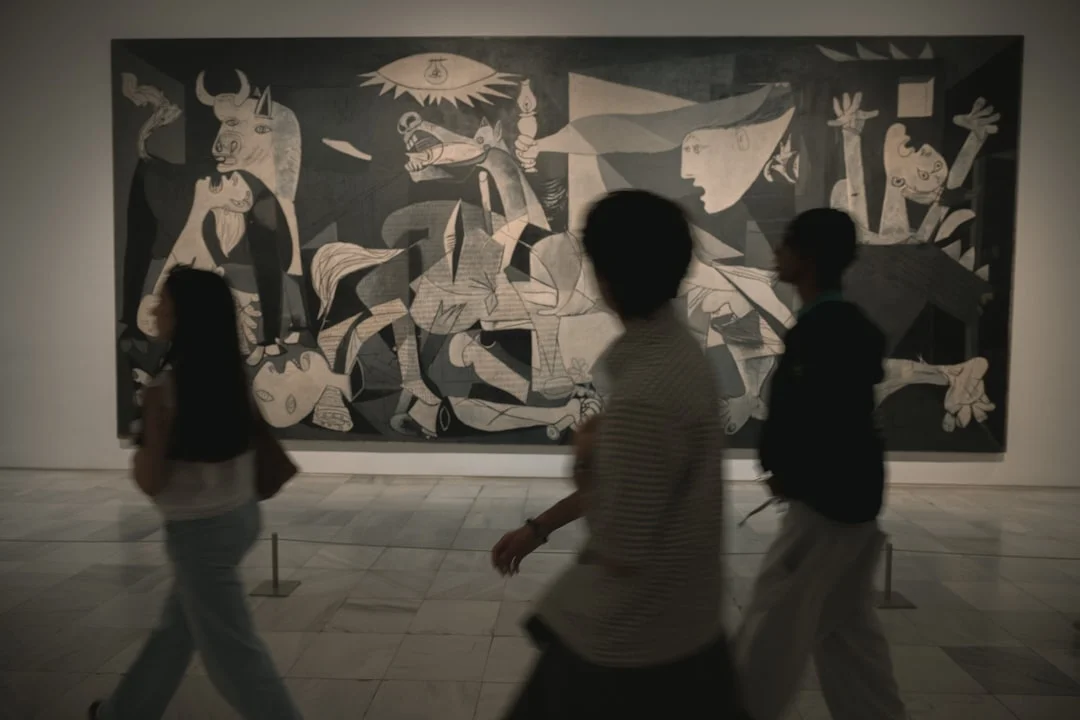
Während die festliche Beleuchtung der Calle Larios abgenommen wird und Málaga in den ruhigeren Rhythmus des Januars 2026 übergeht, bietet das kulturelle Programm der Stadt einen Moment für tiefere Reflexion. Unter den aktuellen Angeboten sticht die Ausstellung „Picasso: vida con Françoise“ hervor – nicht nur als eine weitere Zurschaustellung des Genies aus Málaga, sondern als notwendige Neubetrachtung einer der bedeutendsten Beziehungen in der Kunst des 20. Jahrhunderts.
Mehr als eine Muse
Jahrzehntelang wurde Françoise Gilot oft auf eine Fußnote oder eine Kapitelüberschrift in Picassos Biografie reduziert. Doch nach ihrem Tod im Jahr 2023 im Alter von 101 Jahren hat die Kunstwelt begonnen, ihre Rolle aktiv neu zu kontextualisieren. Sie war selbst eine anerkannte Künstlerin, Kritikerin und bekanntermaßen die einzige Frau, die Picasso je verlassen hat.
Diese Ausstellung, die derzeit in der Halle für Wechselausstellungen zu sehen ist, konzentriert sich auf die gemeinsame Zeit und die Lithografien, die in dieser Ära entstanden sind. Sie rückt von der romantisierten Sichtweise des „Künstlers und seines Modells“ ab, um einen Dialog zwischen zwei starken Persönlichkeiten zu präsentieren. Für diejenigen unter uns, die diesen Winter in Málaga leben oder die Stadt besuchen, bietet sie einen faszinierenden Einblick in die menschliche Dynamik hinter den Meisterwerken.
Warum jetzt besuchen?
Januar und Februar sind wohl die besten Monate, um die Museen von Málaga zu besuchen. Die Besuchermassen der Feiertage haben sich zerstreut, was ein intimeres Betrachtungserlebnis ermöglicht. Diese Ausstellung eignet sich besonders für einen ruhigen Besuch am Vormittag oder Nachmittag, wo Sie sich tatsächlich die Zeit nehmen können, die Anmerkungen der Kuratoren zu lesen und die Stiche zu studieren, ohne gedrängt zu werden.
Wie im Saisonprogramm 2025/2026 angemerkt, ist diese Ausstellung ein wichtiger Pfeiler des kulturellen Winterangebots der Stadt. Sie dient als Brücke zwischen der Festtagszeit und dem Kunstkalender des Frühlings.
Ein breiterer kultureller Kontext
Diese Ausstellung existiert nicht im luftleeren Raum. Málagas Start ins Jahr 2026 ist intellektuell anspruchsvoll. Neben dem Fokus auf Picasso veranstaltet die Stadt Events im Zusammenhang mit Málaga Clásica und literarische Diskussionen über Dostojewski, was diesen Monat ein reiches kulturelles Angebot schafft.
Laut Málaga de Cultura unterstreichen diese sich überschneidenden Veranstaltungen – von klassischer Literatur bis zu moderner Kunst – die Reife der Stadt als Kulturhauptstadt. Es geht nicht nur um Sonne und Espetos; es geht um die Auseinandersetzung mit komplexer Geschichte und Kunst.
Praktische Tipps für Ihren Besuch
- Zeitpunkt: Vormittage unter der Woche sind am ruhigsten.
- Kontext: Lesen Sie eine kurze Biografie von Françoise Gilot, bevor Sie gehen. Das Verständnis ihrer Unabhängigkeit verleiht der visuellen Erzählung immenses Gewicht.
- In der Nähe: Nach der Ausstellung laden die umliegenden Straßen des historischen Zentrums zu einem Kaffee und einer Nachbesprechung ein. Die Gespräche, die durch Gilots Geschichte angeregt werden, sind oft genauso interessant wie die Kunst selbst.
Wir hoffen, Sie nutzen die Gelegenheit, sich dies anzusehen. Es ist eine Erinnerung daran, dass Geschichte selten ein Soloauftritt ist und selbst Giganten wie Picasso von den beeindruckenden Menschen an ihrer Seite geprägt wurden.
-
Picasso & Françoise: Re-examining a Complex Legacy in 2026
As the festive lights of Calle Larios come down and Málaga settles into the quieter rhythm of January 2026, the city’s cultural agenda offers a moment for deeper reflection. Among the current offerings, the exhibition “Picasso: vida con Françoise” stands out—not just as another display of the Malagueño genius, but as a necessary re-examination of one of the most significant relationships in 20th-century art.
More Than a Muse
For decades, Françoise Gilot was often reduced to a footnote or a chapter title in Picasso’s biography. However, following her passing in 2023 at the age of 101, the art world has been actively recontextualizing her role. She was an accomplished artist in her own right, a critic, and famously, the only woman who ever left Picasso.
This exhibition, currently active in the Temporary Exhibition Hall, focuses on the period they shared and the lithographs that emerged from that era. It moves away from the romanticized view of the “artist and his model” to present a dialogue between two strong personalities. For those of us living in or visiting Málaga this winter, it provides a fascinating look at the human dynamics behind the masterpieces.
Why Visit Now?
January and February are arguably the best months to visit Málaga’s museums. The holiday crowds have dispersed, allowing for a more intimate viewing experience. This exhibition is particularly suited for a quiet morning or afternoon visit, where you can actually take the time to read the curators’ notes and study the engravings without being jostled.
As noted in the 2025/2026 seasonal programming, this exhibition is a key pillar of the city’s winter cultural offer. It serves as a bridge between the festive season and the spring art calendar.
A Broader Cultural Context
This exhibition doesn’t exist in a vacuum. Málaga’s start to 2026 is intellectually robust. Alongside the Picasso focus, the city is hosting events related to Málaga Clásica and literary discussions centering on Dostoyevsky, creating a rich tapestry for culture lovers this month.
According to Málaga de Cultura, these overlapping events—ranging from classical literature to modern art—highlight the city’s maturity as a cultural capital. It’s not just about sun and skewers; it’s about engaging with complex history and art.
Practical Tips for Your Visit
- Timing: Mid-week mornings are the quietest.
- Context: Read a brief biography of Françoise Gilot before you go. Understanding her independence adds immense weight to the visual narrative.
- Nearby: After the exhibition, the surrounding streets of the historic center are perfect for a coffee and a debrief. The conversations sparked by Gilot’s story are often as interesting as the art itself.
We hope you take the opportunity to see this. It’s a reminder that history is rarely a solo act, and even giants like Picasso were shaped by the formidable people beside them.
-
Spanienpremiere: Mona Kuhn wählt das MUPAM für ihre erste Monografie
Wenn wir über Kunst in Málaga sprechen, driftet das Gespräch fast automatisch zu den Giganten: dem Picasso-Museum, dem Centre Pompidou oder dem Carmen Thyssen. Man übersieht leicht die stilleren Hüter der Kultur der Stadt. In dieser Saison tritt jedoch das Museo del Patrimonio Municipal (MUPAM) aus dem Schatten, um seinen Platz auf der internationalen Bühne zu beanspruchen.
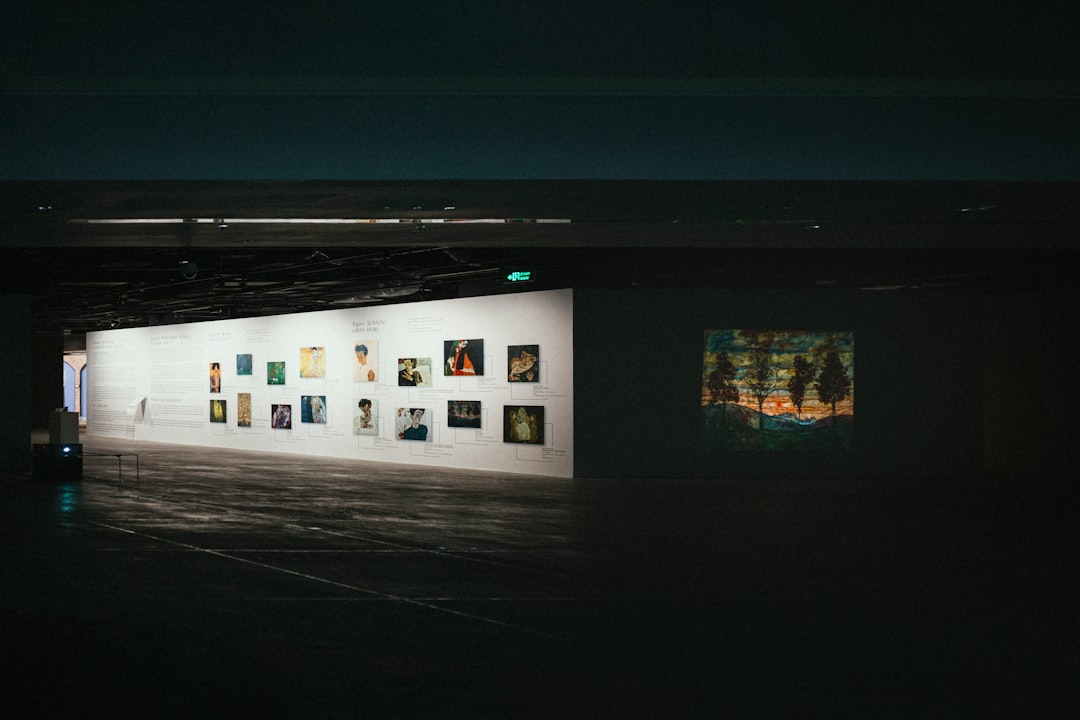
In einem bedeutenden kulturellen Coup für die Stadt hat die renommierte brasilianisch-amerikanische Künstlerin Mona Kuhn das MUPAM für ihre allererste monografische Ausstellung in Spanien ausgewählt. Dies ist nicht nur eine weitere Galerie-Rotation; es ist ein Statement, dass Málagas städtische Museen bereit sind, zeitgenössische Kunst von Weltklasse zu beherbergen.
Eine globale Künstlerin in lokalem Rahmen
Mona Kuhn wird weltweit für ihren einzigartigen Ansatz in der Fotografie gefeiert, der sich oft auf die menschliche Form, Intimität und Abstraktion konzentriert. Ihre Werke wurden bereits im Louvre, der Royal Academy of Arts in London und im J. Paul Getty Museum in Los Angeles ausgestellt.
Eine Künstlerin dieses Kalibers in das MUPAM zu bringen – ein Museum, das traditionell der Geschichte und dem Erbe der örtlichen Gemeinde gewidmet ist – markiert einen faszinierenden Wandel. Es schlägt eine Brücke zwischen Málagas lokaler Geschichte und der globalen zeitgenössischen Kunstszene.
Für Kunstliebhaber ist dies eine seltene Gelegenheit, Kuhns Arbeit aus nächster Nähe zu sehen, ohne nach New York oder Paris reisen zu müssen. Die Ausstellung bietet einen tiefen Einblick in ihren ätherischen Stil, der durch eine traumartige Qualität gekennzeichnet ist und die traditionelle Porträtmalerei herausfordert.
Warum das MUPAM?
Das MUPAM liegt direkt am Ende des Paseo del Parque, in der Nähe des Tunnels nach La Coracha und unterhalb der Alcazaba, und wird von Touristen auf dem Weg zum Strand oft übersehen.
Diese Ausstellung dient als perfekter Anlass, den Ort neu zu entdecken. Während die großen Franchises die Massen anziehen, bietet das MUPAM einen eher kontemplativen Raum. Indem es Kuhn beherbergt, verschafft sich das Museum effektiv Geltung – und beweist, dass städtische Räume dynamisch, relevant und international vernetzt sein können.
Praktische Informationen
Wenn Sie Ihre kulturelle Agenda für die kommenden Monate planen, sollten Sie diesen Besuch priorisieren. Es ist eine flüchtige Gelegenheit, Zeuge einer Spanienpremiere zu werden.
- Ort: MUPAM (Museo del Patrimonio Municipal), Paseo de Reding, 1.
- Daten: Die Ausstellung ist ab sofort geöffnet und läuft bis zum 2. November.
- Was Sie erwartet: Eine ruhige, zum Nachdenken anregende Sammlung, perfekt für einen stillen Nachmittag.
Laut der Kulturagenda von Málaga de Cultura sticht diese Ausstellung als ein Schlüsselereignis für 2025 hervor und verleiht der bereits geschäftigen Kunstszene der Stadt eine weitere Ebene der Raffinesse.
Ein Hinweis zum Besuch
Málaga entwickelt sich schnell, und es ist wunderbar zu sehen, dass unsere lokalen Institutionen Schritt halten. Ob Sie ein Fotografie-Liebhaber sind oder einfach nur jemand, der einen ruhigen Zufluchtsort vor der Hitze und den Menschenmassen sucht, diese Ausstellung ist einen Zwischenstopp wert. Sie erinnert daran, dass die aufregendste Kunst manchmal nicht in den Franchise-Museen zu finden ist, sondern in den städtischen Hallen, die der Stadt selbst gehören.
Wir hoffen, Sie genießen diesen einzigartigen Einblick in Mona Kuhns Welt direkt hier in unserer Nachbarschaft.
-
Spain Premiere: Mona Kuhn Chooses MUPAM for Her First Monograph
When we talk about art in Málaga, the conversation almost automatically drifts toward the giants: the Picasso Museum, the Centre Pompidou, or the Carmen Thyssen. It is easy to overlook the quieter guardians of the city’s culture. However, this season, the Museo del Patrimonio Municipal (MUPAM) is stepping out of the shadows to claim its spot on the international stage.
In a major cultural coup for the city, renowned Brazilian-American artist Mona Kuhn has selected MUPAM for her very first monographic exhibition in Spain. This is not just another gallery rotation; it is a statement that Málaga’s municipal museums are ready to host world-class contemporary art.
A Global Artist in a Local Setting
Mona Kuhn is celebrated worldwide for her unique approach to photography, often focused on the human form, intimacy, and abstraction. Her work has been exhibited in the Louvre, the Royal Academy of Arts in London, and the J. Paul Getty Museum in Los Angeles.
Bringing an artist of this caliber to the MUPAM—a museum traditionally dedicated to the history and heritage of the local municipality—marks a fascinating shift. It bridges the gap between Málaga’s local history and the global contemporary art scene.
For art lovers, this is a rare opportunity to see Kuhn’s work up close without traveling to New York or Paris. The exhibition offers a deep dive into her ethereal style, characterized by a dreamlike quality that challenges traditional portraiture.
Why MUPAM?
Located just at the end of the Paseo del Parque, near the tunnel to La Coracha and beneath the Alcazaba, MUPAM is often walked past by tourists heading to the beach.
This exhibition serves as a perfect excuse to rediscover the venue. While the big franchises draw the crowds, MUPAM offers a more contemplative space. By hosting Kuhn, the museum is effectively “vindicating” itself—proving that municipal spaces can be dynamic, relevant, and internationally connected.
Practical Information
If you are planning your cultural agenda for the coming months, prioritize this visit. It is a fleeting opportunity to witness a Spanish premiere.
- Location: MUPAM (Museo del Patrimonio Municipal), Paseo de Reding, 1.
- Dates: The exhibition is open now and runs until November 2nd.
- What to expect: A serene, thought-provoking collection perfect for a quiet afternoon.
According to the cultural agenda at Málaga de Cultura, this exhibition stands out as a key event for 2025, adding a layer of sophistication to the city’s already bustling art scene.
A Note on Visiting
Málaga is moving fast, and it is wonderful to see our local institutions keeping pace. Whether you are a photography aficionado or just someone looking for a quiet escape from the heat and the crowds, this exhibition is a worthy stop. It is a reminder that sometimes the most exciting art is found not in the franchise museums, but in the municipal halls that belong to the city itself.
We hope you enjoy this unique glimpse into Mona Kuhn’s world right here in our neighborhood.