Tag: by:javier_ruiz

  • Malaga Tech Hub: Local Businesses Urged to Connect

    Malaga Tech Hub: Local Businesses Urged to Connect

    Malaga’s transformation into the “Silicon Valley of Southern Europe” has been one of the continent’s most remarkable economic success stories. However, as multinational tech giants and international remote workers continue to flock to the coast, local economic experts are pointing out a growing divide.

    There is an urgent need to bridge the gap between Malaga’s fast-growing international tech ecosystem and its traditional, domestic business community. For international entrepreneurs and startups already based here, this push for integration represents an unprecedented B2B and networking opportunity.

    The Evolution of Malaga TechPark

    To understand the current dynamic, one must look back to 1992, when the Malaga TechPark (historically known as the Parque Tecnológico de Andalucía or PTA) was founded on the city’s outskirts. What started as a modest regional initiative has matured into a massive southern European hub, home to over 600 companies and tens of thousands of specialized workers.

    While the park initially operated somewhat independently from the city’s traditional economic engines—such as tourism, construction, and agriculture—it has now become the crown jewel of Malaga’s modern identity. The challenge in 2026 is no longer just attracting foreign investment, but ensuring that this high-tech wealth and knowledge spill over into the local high street and traditional Andalusian enterprises.

    Experts Call for Deeper Integration

    At a recent economic forum focusing on the region’s financial future, prominent voices urged traditional businesses not to stand on the sidelines. According to analysis shared by financial institution ABANCA, Malaga has firmly established itself as the premier technological hub of Southern Europe. However, experts warned that local, long-standing businesses must actively collaborate with this tech ecosystem to avoid being left behind in an increasingly digitized marketplace.

    For traditional sectors like logistics, retail, real estate, and hospitality, collaborating with local tech providers is no longer a luxury—it is a survival strategy. By adopting local innovations in artificial intelligence, data analytics, and automated supply chains, Malaga’s domestic businesses can scale their operations and defend their market share.

    A Golden Opportunity for International Startups

    This push for local integration creates a highly lucrative landscape for international entrepreneurs, freelancers, and startups who have relocated to the Costa del Sol.

    • B2B Service Provision: Traditional local companies are actively looking for digital transformation partners. Startups that can localize their software, consulting, or IT services to meet the needs of Spanish SMEs (pymes) have a massive, untapped market at their doorstep.
    • Strategic Networking: Events bridging the gap between Malaga TechPark and the local business associations are on the rise. These gatherings offer a unique space where international tech talent can meet established local business owners who have the capital and market presence but lack technological infrastructure.
    • Joint Ventures: Combining the deep market knowledge of a third-generation Malaga family business with the agile, tech-forward mindset of an international startup is a recipe for highly resilient regional enterprises.

    Overcoming the Cultural and Language Barrier

    For the integration to succeed, both sides must make an effort to communicate. Historically, the international tech crowd in Malaga has operated largely in English, centered around coworking spaces in the city center and the TechPark. Meanwhile, traditional commerce operates primarily in Spanish, rooted in local business chambers and historical networks.

    Startups that invest in bilingual talent, understand local business etiquette, and show a genuine commitment to Malaga’s regional economy will easily stand out.

    As we watch our city evolve, the goal is to build a unified economy where innovation does not displace tradition, but rather strengthens it. By fostering genuine connections between the brilliant minds at Malaga TechPark and the resilient business owners who have shaped this province for decades, we can ensure a prosperous, balanced future for everyone who calls Malaga home.

  • Málaga Botanical Garden Launches Summer Kids’ Theater Tours

    Málaga Botanical Garden Launches Summer Kids’ Theater Tours

    Málaga’s historic botanical garden is offering a refreshing cultural alternative for families looking to escape the midday heat. This summer, the Jardín Botánico Histórico La Concepción is launching a special cycle of dramatized children’s visits titled “La Concepción en el tiempo – Entre siglos y semillas” (La Concepción through time – Between centuries and seeds).

    These activities are specifically designed to introduce younger audiences to the rich history and botanical diversity of the estate in an interactive, theatrical format.

    A Cultural Alternative to the Beach

    While Málaga’s coastline is the main draw during the summer months, finding engaging afternoon and evening activities for children can be a challenge. The lush, shaded pathways of La Concepción offer the perfect natural canopy for an outdoor family plan, making it one of Málaga’s best hidden walking routes.

    Rather than a standard guided walk, these theatrical tours use actors, storytelling, and interactive games to bring the history of the garden to life. Children will learn about the 19th-century origins of the garden, founded by the Marquis of Casa Loring and Amalia Heredia, while exploring exotic plant species from all over the world.

    Event Details and Schedule

    According to the official event details shared by La Diversiva, the summer 2026 program kicks off in late June.

    • What: “La Concepción en el tiempo – Entre siglos y semillas” theatrical tours.
    • Target Audience: Families with children.
    • Focus: Botany, history, and interactive storytelling.
    • Location: Jardín Botánico Histórico La Concepción, Camino del Jardín Botánico, 3, Málaga.

    These tours are highly popular, so advance booking is strongly recommended to secure a spot for your family.

    Why Visit La Concepción in Summer?

    Aside from the educational value, the botanical garden is one of the coolest microclimates in Málaga during the summer. The combination of ancient trees, flowing water features, and historic greenhouses makes it a peaceful retreat. For those looking to explore more of the province’s natural wonders, there are plenty of other hiking trails to discover Málaga’s greenest side. Introducing children to nature through theater helps foster early environmental awareness while keeping them thoroughly entertained.

    We hope this summer brings you and your family plenty of shared discoveries under the cool canopy of Málaga’s most beautiful historic garden. Watching the sunset through the palms while learning about the past is a wonderful way to create lasting summer memories together.

  • Málaga Loses €1B Synthetic Diamond Plant to Zaragoza

    Málaga Loses €1B Synthetic Diamond Plant to Zaragoza

    A Costly Wake-Up Call for Málaga’s Infrastructure

    Málaga’s rapid rise as Southern Europe’s premier technology hub has hit a significant roadblock, bringing the city’s rapid modern evolution and urban contrasts into sharp focus. A multinational manufacturer of synthetic diamonds has officially abandoned its plans to build a major production facility in Málaga’s Parque Tecnológico de Andalucía (PTA), opting instead for Zaragoza.

    The decision represents a staggering €1 billion loss in potential investment for the province, along with the loss of an estimated 200 to 300 direct, high-skilled jobs. The reason behind the sudden departure? A severe bottleneck in the local electricity grid that made it impossible to power the proposed facility.

    1 Megawatt vs. 5 Megawatts: The Power Deficit

    The synthetic diamond manufacturing process is highly energy-intensive, requiring a continuous and robust power supply. The multinational project required a capacity of 5 megawatts (MW) to operate its machinery at the PTA.

    However, the local electricity distributor, Endesa, was only able to guarantee 1 MW of power at the site. Faced with a deficit that would render the plant non-viable, the developers were forced to look elsewhere. Zaragoza, which boasts a more robust electrical infrastructure capable of meeting the project’s high-energy demands, stepped in to secure the investment.

    A Systemic Problem: 25,000 Homes Blocked

    The loss of the diamond plant is not an isolated incident; rather, it is the most visible symptom of a systemic infrastructure deficit. The electrical grid limitations are currently choking development across both commercial and residential sectors in the region.

    According to industry reports and local planning assessments:
    * 25,000 housing units are currently blocked across Málaga province due to a lack of guaranteed electrical supply.
    * 13,000 of these blocked homes are located directly within Málaga capital.
    * Andalusia’s electrical network is currently operating at an estimated 99% capacity utilization, leaving virtually no margin for new large-scale developments.

    The provinces of Almería, Granada, and Málaga are bearing the brunt of this capacity crunch, raising concerns among business leaders and developers that the region’s economic momentum is outpacing its physical foundations.

    Calls for Urgent Grid Upgrades

    The situation has sparked urgent calls for action from local business associations, developers, and municipal leaders, who are pressuring the national government and grid operators to fast-track investments in Andalusia’s transport and distribution networks.

    While municipal authorities work to streamline local planning permissions, as detailed in recent updates from the Ayuntamiento de Málaga, the ultimate authority over high-voltage electrical planning rests at the national level. Without a significant revision of the national electricity transport plan to allocate more capacity to the Costa del Sol, local officials warn that Málaga risks losing more high-profile international investments to better-equipped Spanish regions.

    Looking Ahead: Balancing Growth and Sustainability

    Málaga has proven it has the talent, its highly appealing climate, and the entrepreneurial spirit to attract global attention. However, this €1 billion setback serves as an invaluable lesson. For a city to successfully transition into a world-class tech capital, physical infrastructure—roads, water, and crucially, the power grid—must grow in tandem with its ambitions.

    As we look to the future, there is hope that this high-profile loss will act as the necessary catalyst for change. By addressing these foundational bottlenecks today, Málaga can ensure that its next chapter of growth is not only ambitious but sustainable for businesses and residents alike.

  • Strom-Engpass: Málaga verliert Diamantenwerk an Zaragoza

    Strom-Engpass: Málaga verliert Diamantenwerk an Zaragoza

    Ein kostspieliger Weckruf für Málagas Infrastruktur

    Málagas rasanter Aufstieg zum führenden Technologiezentrum Südeuropas hat einen herben Rückschlag erlitten, was die schnelle moderne Entwicklung und die urbanen Kontraste der Stadt deutlich vor Augen führt. Ein multinationaler Hersteller von synthetischen Diamanten hat seine Pläne für den Bau einer großen Produktionsstätte im Parque Tecnológico de Andalucía (PTA) in Málaga offiziell aufgegeben und sich stattdessen für Zaragoza entschieden.

    Diese Entscheidung bedeutet für die Provinz einen schmerzhaften Verlust von 1 Milliarde Euro an potenziellen Investitionen sowie den Verlust von schätzungsweise 200 bis 300 direkten, hochqualifizierten Arbeitsplätzen. Der Grund für den plötzlichen Rückzug? Ein schwerwiegender Engpass im lokalen Stromnetz, der eine Stromversorgung der geplanten Anlage unmöglich machte.

    1 Megawatt vs. 5 Megawatt: Das Stromdefizit

    Die Herstellung synthetischer Diamanten ist äußerst energieintensiv und erfordert eine kontinuierliche und robuste Stromversorgung. Das multinationale Projekt benötigte eine Kapazität von 5 Megawatt (MW), um die Maschinen im PTA zu betreiben.

    Der örtliche Stromverteiler Endesa konnte am Standort jedoch nur 1 MW Leistung garantieren. Angesichts dieses Defizits, das das Werk unrentabel gemacht hätte, waren die Entwickler gezwungen, sich anderweitig umzusehen. Zaragoza, das über eine robustere elektrische Infrastruktur verfügt und den hohen Energiebedarf des Projekts decken kann, sprang ein und sicherte sich die Investition.

    Ein systemisches Problem: 25.000 blockierte Wohnungen

    Der Verlust des Diamantenwerks ist kein Einzelfall, sondern das sichtbarste Symptom eines systemischen Infrastrukturdefizits. Die Einschränkungen des Stromnetzes bremsen derzeit die Entwicklung sowohl im gewerblichen als auch im privaten Sektor der Region aus.

    Berichten aus der Industrie und lokalen Planungsbewertungen zufolge:
    * 25.000 Wohneinheiten sind derzeit in der gesamten Provinz Málaga aufgrund einer fehlenden Garantie für die Stromversorgung blockiert.
    * 13.000 dieser blockierten Wohnungen befinden sich direkt in der Stadt Málaga.
    * Das andalusische Stromnetz arbeitet derzeit mit einer geschätzten Kapazitätsauslastung von 99 %, was praktisch keinen Spielraum für neue Großprojekte lässt.

    Die Provinzen Almería, Granada und Málaga tragen die Hauptlast dieses Kapazitätsengpasses, was bei Wirtschaftsführern und Projektentwicklern die Sorge weckt, dass die wirtschaftliche Dynamik der Region ihre physischen Grundlagen überholt.

    Forderungen nach dringendem Netzausbau

    Die Situation hat zu dringenden Rufen nach Maßnahmen seitens lokaler Wirtschaftsverbände, Entwickler und kommunaler Entscheidungsträger geführt. Sie drängen die nationale Regierung und die Netzbetreiber dazu, Investitionen in die andalusischen Übertragungs- und Verteilungsnetze zu beschleunigen.

    Während die städtischen Behörden daran arbeiten, die lokalen Planungsgenehmigungen zu rationalisieren – wie in jüngsten Updates des Ayuntamiento de Málaga dargelegt –, liegt die letztendliche Zuständigkeit für die Hochspannungsnetzplanung auf nationaler Ebene. Ohne eine umfassende Überarbeitung des nationalen Stromübertragungsplans zur Zuweisung von mehr Kapazitäten für die Costa del Sol, so warnen lokale Beamte, läuft Málaga Gefahr, weitere hochkarätige internationale Investitionen an besser ausgestattete spanische Regionen zu verlieren.

    Blick in die Zukunft: Wachstum und Nachhaltigkeit im Einklang

    Málaga hat bewiesen, dass es über das Talent, sein äußerst attraktives Klima und den Unternehmergeist verfügt, um weltweite Aufmerksamkeit auf sich zu ziehen. Dieser Rückschlag in Höhe von 1 Milliarde Euro ist jedoch eine unschätzbare Lehre. Damit sich eine Stadt erfolgreich in eine Tech-Metropole von Weltrang verwandeln kann, muss die physische Infrastruktur – Straßen, Wasser und vor allem das Stromnetz – im Einklang mit ihren Ambitionen wachsen.

    Mit Blick auf die Zukunft bleibt die Hoffnung, dass dieser prominente Verlust als notwendiger Katalysator für Veränderungen wirken wird. Indem diese grundlegenden Engpässe heute angegangen werden, kann Málaga sicherstellen, dass sein nächstes Wachstumskapitel nicht nur ehrgeizig, sondern auch nachhaltig für Unternehmen und Einwohner gleichermaßen ist.

  • Straße der Kontraste: Immobilienkluft der Calle Ayamonte

    Straße der Kontraste: Immobilienkluft der Calle Ayamonte

    Málaga ist eine Stadt inmitten eines tiefgreifenden Wandels, und nirgendwo ist diese Entwicklung sichtbarer als auf einer einzigen Straße im westlichen Bezirk. Die Calle Ayamonte, im sich schnell entwickelnden Viertel La Térmica gelegen, ist zum ultimativen Symbol der Gentrifizierung Málagas geworden. Hier stehen die Vergangenheit der Stadt und ihre extrem wohlhabende Zukunft Schulter an Schulter und schaffen eine faszinierende, wenn auch krasse Immobilienkluft.

    Eine Geschichte zweier Realitäten

    Ein Spaziergang durch die Calle Ayamonte in Málaga offenbart einen markanten architektonischen und demografischen Kontrast. Auf der einen Seite der Straße finden Sie bescheidene, funktionale Wohnblöcke aus den 1960er Jahren. Diese Gebäude wurden ursprünglich errichtet, um einheimische Fischer und Arbeiterfamilien zu beherbergen, deren Lebensunterhalt vom nahegelegenen Mittelmeer abhing. Jahrzehntelang war diese Gegend durch ihre eng verbundene Gemeinschaft und ihren bescheidenen Küstenlebensstil geprägt.

    Nur wenige Schritte entfernt erzählt die Skyline eine völlig andere Geschichte. Elegante, moderne Luxuskomplexe sind aus dem Boden geschossen, die mit erstklassigen Annehmlichkeiten, Panoramablick auf das Meer und Preisschildern in Millionenhöhe aufwarten. Diese zeitgenössischen Penthäuser ziehen wohlhabende Käufer, Expatriates und Investoren an, die vom boomenden Immobilienmarkt in La Térmica Málaga angelockt werden.

    Das größte Wohlstandsgefälle der Stadt

    Dieses physische Nebeneinander spiegelt sich in erstaunlichen Wirtschaftsstatistiken wider. Laut einem aktuellen Bericht von La Opinión de Málaga aus dem Mai 2026 verzeichnet die Calle Ayamonte derzeit die unterschiedlichsten Vermögens- und Gehaltsniveaus aller Straßen der Stadt. Die Daten zeichnen ein lebendiges Bild eines Mikrovviertels, in dem durchschnittliche Arbeiterrenten direkt neben millionenschweren Anlageportfolios koexistieren.

    Die Statistiken unterstreichen einen wachsenden Trend in der gesamten Hauptstadt der Costa del Sol. Während sich die Stadt weiterhin als führendes europäisches Technologiezentrum und Luxusdestination positioniert, verändert der Zustrom vermögender Privatpersonen traditionelle Viertel und wandelt die sozioökonomische Struktur der Küstenlinie.

    Was dies für den Immobilienkauf in Málaga bedeutet

    Für diejenigen, die den Kauf einer Immobilie in Málaga in Betracht ziehen, dient die Calle Ayamonte als wichtige Fallstudie der Stadtentwicklung. Der Sektor La Térmica ist derzeit eine der begehrtesten Investitionszonen, angetrieben durch große Stadterneuerungsprojekte und seine erstklassige Lage direkt am Strand.

    Dieses schnelle Wachstum bringt jedoch erhebliche Herausforderungen und Überlegungen mit sich:

    • Verdrängung der Einheimischen: Da die Immobilienwerte in die Höhe schnellen, wird es für langjährige Bewohner und jüngere Generationen immer schwieriger, in ihren Heimatvierteln zu bleiben.
    • Veränderte Dynamik in den Vierteln: Die Ankunft von vorübergehenden Investoren und Kurzzeitvermietungen kann manchmal das traditionelle Gemeinschaftsgefühl historischer Barrios verwässern, ein Trend, der auch bei der rasanten Touristifizierung des historischen Zentrums offensichtlich ist.
    • Investitionsmöglichkeiten: Für Käufer erleben Gebiete, die an Luxusentwicklungen grenzen, oft einen sogenannten „Halo-Effekt“, bei dem Immobilienwerte und Infrastrukturverbesserungen auf breiter Front steigen.

    Ein Blick in die Zukunft

    Die Geschichte der Calle Ayamonte ist die Geschichte des modernen Málaga. Es ist eine Stadt, die hin- und hergerissen ist zwischen der Würdigung ihrer bescheidenen, hart arbeitenden Wurzeln und der Annahme einer glamourösen, internationalen Zukunft. Während immer neue Kräne die Skyline prägen und neue Luxusprojekte ihre Türen öffnen, kann man nur hoffen, dass die Stadt es schafft, ein Gleichgewicht zu finden. Fortschritt bringt unbestreitbare Vorteile und wichtiges Wirtschaftswachstum, aber der wahre Reichtum Málagas waren schon immer seine Menschen, seine Herzlichkeit und sein authentischer, lokaler Geist – Eigenschaften, die durch noch so viele Luxusimmobilien niemals ersetzt werden können.

  • Calle Ayamonte’s Real Estate Divide

    Calle Ayamonte’s Real Estate Divide

    Málaga is a city in the midst of a profound transformation, and nowhere is this evolution more visible than on a single avenue in the western district. Calle Ayamonte, situated in the rapidly developing La Térmica area, has become the ultimate symbol of Málaga gentrification. Here, the city’s past and its ultra-wealthy future stand shoulder to shoulder, creating a fascinating, albeit stark, real estate divide.

    A Tale of Two Realities

    Walking down Calle Ayamonte Málaga reveals a striking architectural and demographic contrast. On one side of the street, you will find modest, functional apartment blocks dating back to the 1960s. These buildings were originally constructed to house local fishermen and working-class families who relied on the nearby Mediterranean for their livelihoods. For decades, this area was characterized by its tight-knit community and unassuming coastal lifestyle.

    Just steps away, the skyline tells a completely different story. Sleek, modern luxury complexes have sprouted up, boasting high-end amenities, panoramic sea views, and multi-million-euro price tags. These contemporary penthouses attract affluent buyers, expatriates, and investors drawn to the booming La Térmica Málaga real estate market.

    The Widest Wealth Gap in the City

    This physical juxtaposition is mirrored by staggering economic statistics. According to a recent May 2026 report from La Opinión de Málaga, Calle Ayamonte currently registers the most disparate wealth and salary levels of any street in the city. The data paints a vivid picture of a micro-neighborhood where average working-class pensions coexist directly alongside millionaire investment portfolios.

    The statistics highlight a growing trend across the Costa del Sol capital. As the city continues to position itself as a premier European tech hub and luxury destination, the influx of high-net-worth individuals is reshaping traditional neighborhoods and altering the socio-economic fabric of the coastline.

    What This Means for Buying Property in Málaga

    For those looking at buying property in Málaga, Calle Ayamonte serves as a crucial case study in urban development. The La Térmica sector is currently one of the most sought-after investment zones, driven by major urban regeneration projects and its prime beachfront location.

    However, this rapid growth brings significant challenges and considerations:

    • Pricing out locals: As property values skyrocket, long-term residents and younger generations find it increasingly difficult to remain in their home districts.
    • Changing neighborhood dynamics: The arrival of transient investors and short-term rentals can sometimes dilute the traditional community feel of historical barrios, a trend also evident in the rapid touristification of the historic center.
    • Investment opportunities: For buyers, areas bordering luxury developments often see a “halo effect,” where property values and infrastructure improvements rise across the board.

    Looking Forward

    The story of Calle Ayamonte is the story of modern Málaga. It is a city caught between honoring its humble, hardworking roots and embracing a glamorous, international future. As new cranes continue to dot the skyline and fresh luxury developments open their doors, one can only hope that the city manages to strike a balance. Progress brings undeniable benefits and vital economic growth, but the true wealth of Málaga has always been its people, its warmth, and its authentic local spirit—qualities that no amount of luxury real estate can ever replace.

  • Atlas Solar zeigt, ob sich Solarmodule auf dem Dach lohnen

    Atlas Solar zeigt, ob sich Solarmodule auf dem Dach lohnen

    Málaga ist bekannt für seine mehr als 300 Sonnentage im Jahr, was nicht nur die Wetterplanung für den nächsten Wochenendausflug erleichtert, sondern die Stadt auch zu einem idealen Standort für Solarenergie macht. Dennoch gerät die Entscheidung für die Installation von Photovoltaikanlagen bei vielen Hausbesitzern und Expats oft ins Stocken, da Unklarheit über Kosten, lokale Vorschriften und die tatsächliche Rentabilität herrscht. Um diese Lücke zu schließen, hat die Stadtverwaltung von Málaga eine neue digitale Plattform eingeführt, die das Rätselraten beim Thema grüne Energie beenden soll.

    Vorstellung des ‘Atlas Solar’

    Der neu eingeführte ‘Atlas Solar’ ist ein kostenloses digitales Tool, das entwickelt wurde, um Einwohnern zu helfen, die genaue Machbarkeit der Installation von Solarmodulen auf ihren Dächern zu ermitteln. Die Plattform ist direkt in das Städtische Informationsbüro für Photovoltaik (OMIF) integriert und liefert maßgeschneiderte Daten für einzelne Immobilien in der ganzen Stadt.

    Laut einem aktuellen Bericht von La Opinión de Málaga zielt diese Initiative darauf ab, den Übergang der Stadt zu erneuerbaren Energien zu beschleunigen, indem sie den Bürgern klare, zugängliche und objektive Informationen direkt in ihrem Browser zur Verfügung stellt.

    Wie die Plattform funktioniert

    Anstatt sich ausschließlich auf allgemeine Schätzungen privater Installationsfirmen zu verlassen, können Hausbesitzer nun auf eine städtische Datenbank zugreifen, um sich ein realistisches Bild vom Solarpotenzial ihrer Immobilie zu machen. Das Tool bietet mehrere praktische Funktionen:

    • Individuelle Rentabilitätsberechnungen: Durch die Eingabe Ihrer Adresse analysiert die Karte die spezifische Ausrichtung Ihres Daches, die verfügbare Fläche und die historische Sonneneinstrahlung, um die potenzielle Energieerzeugung zu schätzen.
    • Kosten- und Amortisationsschätzungen: Die Plattform bietet eine Basisberechnung der anfänglichen Installationskosten im Vergleich zu den prognostizierten Einsparungen auf Ihrer monatlichen Stromrechnung, sodass Sie einen klaren Zeitrahmen für Ihre Kapitalrendite erhalten.
    • Umweltauswirkungen: Nutzer können sofort sehen, wie viele Tonnen CO2 sie durch den Umstieg auf Solarenergie einsparen und somit nicht in die Atmosphäre gelangen lassen.

    Bürokratie abbauen

    Für Expats, die sich auf dem spanischen Immobilienmarkt zurechtfinden müssen, kann der Umgang mit Versorgungsunternehmen und lokalen Vorschriften einer der frustrierendsten Aspekte des Eigenheimbesitzes sein. Die Integration von Atlas Solar in das OMIF ist besonders nützlich, da sie die anfängliche Recherchephase direkt mit der städtischen Beratung verbindet.

    Das OMIF dient als zentraler Knotenpunkt, um den Einwohnern zu helfen, lokale Baugenehmigungen, verfügbare regionale Zuschüsse (wie die Energieeffizienzzuschüsse der Junta de Andalucía) und lokale Steuernachlässe zu verstehen – wie etwa mögliche IBI-Ermäßigungen (Grundsteuer), die Málaga für Häuser mit zertifizierten Solaranlagen anbietet. Ein zuverlässiger, staatlich unterstützter Ausgangspunkt bedeutet, dass Sie mit realistischen Erwartungen und soliden Daten an private Auftragnehmer herantreten können.

    Sich bei Hausrenovierungen und lokalen Versorgungsunternehmen in einem neuen Land zurechtzufinden, kann oft überwältigend wirken, aber Tools wie dieses machen den Übergang zu sauberer Energie etwas weniger entmutigend. Hoffentlich ermutigt dieser praktische Schritt der Stadt mehr von uns, die reichhaltige andalusische Sonne zu nutzen, unsere Haushaltsrechnungen zu senken und gleichzeitig unseren eigenen kleinen Beitrag zum Schutz der Umwelt zu leisten, die wir alle so gerne unser Zuhause nennen.

  • City Hall Launches Atlas Solar: Are Solar Panels Worth It?

    City Hall Launches Atlas Solar: Are Solar Panels Worth It?

    Málaga is famous for its 300-plus days of annual sunshine, making it an ideal location for solar energy—and for planning sunny weekend excursions. Yet, for many homeowners and expats, the decision to install photovoltaic panels often stalls due to uncertainty about costs, local regulations, and the actual return on investment. To bridge this gap, Málaga’s City Hall has introduced a new digital platform designed to take the guesswork out of green energy.

    Introducing the ‘Atlas Solar’

    The newly launched ‘Atlas Solar’ is a free digital tool created to help residents determine the exact viability of installing solar panels on their roofs. Integrated directly into the Municipal Photovoltaic Information Office (OMIF), the platform provides tailored data for individual properties across the city.

    According to a recent report from La Opinión de Málaga, this initiative aims to accelerate the city’s transition to renewable energy by empowering citizens with clear, accessible, and unbiased information right from their browsers.

    How the Platform Works

    Instead of relying solely on generic estimates from private installation companies, homeowners can now access a municipal database to get a realistic picture of their property’s solar potential. The tool offers several practical features:

    • Customized Profitability Calculations: By entering your address, the map analyzes your specific roof’s orientation, available surface area, and historical sun exposure to estimate potential energy generation.
    • Cost and Payback Estimates: The platform provides a baseline calculation of the initial installation costs versus the projected savings on your monthly electricity bill, giving you a clear timeline for your return on investment.
    • Environmental Impact: Users can immediately see how many tons of CO2 they will prevent from entering the atmosphere by making the switch to solar.

    Cutting Through the Bureaucracy

    For expats navigating the Spanish property market, dealing with utility companies and local regulations can be one of the most frustrating aspects of homeownership. The integration of Atlas Solar with the OMIF is particularly useful because it connects the initial research phase directly with municipal guidance.

    The OMIF serves as a centralized hub to help residents understand local building permits, available regional subsidies (such as the Junta de Andalucía’s energy efficiency grants), and local tax rebates—like potential IBI (property tax) reductions that Málaga offers for homes with certified solar installations. Having a reliable, government-backed starting point means you can approach private contractors with realistic expectations and solid data in hand.

    Navigating home improvements and local utilities in a new country can often feel overwhelming, but tools like this make the transition to clean energy a little less daunting. Hopefully, this practical step by the city encourages more of us to harness the abundant Andalusian sun, lowering our household bills while doing our own small part to protect the environment we all love calling home.

  • Flughafen Málaga: 3,18 Mio. Passagiere durch Billigflieger

    Flughafen Málaga: 3,18 Mio. Passagiere durch Billigflieger

    Die gute Anbindung Málagas ist seit langem einer der größten Vorzüge der Stadt und hat die Hauptstadt der Costa del Sol in ein erstklassiges Reiseziel für Touristen, Remote-Worker und internationale Einwohner verwandelt. Die aktuellen Zahlen der ersten vier Monate des Jahres 2026 unterstreichen diesen anhaltenden Boom und verdeutlichen, wie gut erreichbar die Region geworden ist, auch wenn der enorme Andrang mittlerweile eine mögliche öffentliche Abstimmung über Mietpreisbremsen und Beschränkungen für Touristenapartments auf die Agenda gesetzt hat.

    Rekordzahlen bei internationalen Ankünften

    Der Beginn des Jahres 2026 hat dem Flughafen Málaga-Costa del Sol (AGP) beeindruckende Zahlen beschert. Nach aktuellen Daten, über die La Opinión de Málaga berichtet, begrüßte der Flughafen zwischen Januar und April 3,18 Millionen internationale Fluggäste. Dies entspricht einem soliden Anstieg von 6,8 % im Vergleich zum Vorjahreszeitraum.

    Was bei diesen Statistiken am meisten heraussticht, ist die Art des Reisens: Über 70 % dieser internationalen Ankünfte erfolgten mit Billigfluggesellschaften. Fluggesellschaften wie Ryanair, easyJet und Vueling bauen ihre europäischen Strecken weiter aus und festigen Málagas Status als hervorragend angebundener, budgetfreundlicher Knotenpunkt.

    Attraktivität für Remote-Work und Tourismus

    Diese Dominanz der Billigflieger ist ein entscheidender Motor für die lokale Wirtschaft. Sie befeuert die wachsende Szene der digitalen Nomaden und unterstützt den florierenden Tourismussektor an der gesamten Costa del Sol. Für internationale Tech-Experten und Remote-Worker bedeutet die Möglichkeit, einen direkten und erschwinglichen Flug in große europäische Hauptstädte wie London, Berlin oder Paris zu nehmen, dass Málaga nicht nur ein Urlaubsort ist – es ist ein strategischer und praktischer Stützpunkt zum Leben und Arbeiten, insbesondere für Expats, die sich auf dem sich wandelnden lokalen Immobilienmarkt zurechtfinden müssen.

    Tipps und Tricks für den Flughafen Málaga

    Da die Passagierzahlen stark ansteigen – und Pläne für eine massive Erweiterung des Terminals 3 im Gange sind – ist es wichtiger denn je, sich effizient am AGP zurechtzufinden. Hier sind einige wichtige Tipps für Reisende, die an die Costa del Sol fliegen oder von dort abfliegen:

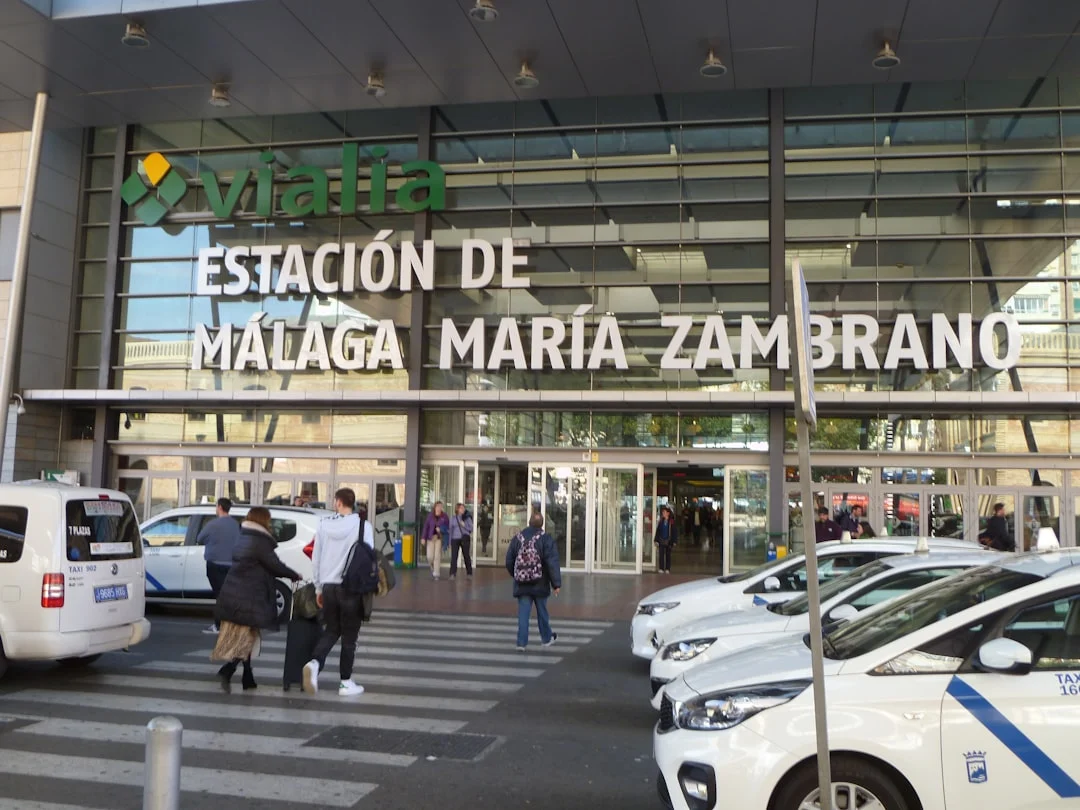
    • Nehmen Sie den C1 Cercanías-Zug: Umgehen Sie die Warteschlange am Taxistand. Der Nahverkehrszug verbindet das Terminal 3 in nur 12 Minuten direkt mit Málaga Centro (Bahnhof María Zambrano und Centro Alameda). Er ist zuverlässig, preiswert und vermeidet den Stau auf der Autobahn.
    • Nutzen Sie Flüge außerhalb der Stoßzeiten: Da Billigfluggesellschaften das Rollfeld dominieren, bieten Flüge unter der Woche oder in den frühen Morgenstunden oft die besten finanziellen Angebote und helfen Ihnen, die langen Warteschlangen an der Sicherheitskontrolle an den Wochenenden zu vermeiden.
    • Erwägen Sie Fast Track: Wenn Sie ein Vielflieger sind, kann der Kauf eines Fast-Track-Passes für die Sicherheitskontrolle wertvolle Zeit sparen, insbesondere wenn wir uns den geschäftigen Sommermonaten nähern.
    • Kommen Sie frühzeitig für Non-Schengen-Flüge: Die Passkontrollen nach dem Brexit können bei Flügen nach Großbritannien gelegentlich zu Engpässen führen. Planen Sie immer zusätzliche Zeit ein, wenn Sie außerhalb des Schengen-Raums fliegen.

    Es ist wirklich aufregend zu beobachten, wie sich Málaga weiterentwickelt, während es gleichzeitig den warmen, sonnenverwöhnten Charme bewahrt, der so viele von uns überhaupt erst hierher gezogen hat. Da der Flughafen weiterhin Rekorde bricht und die Welt vor unsere Haustür bringt, hoffen wir, dass die Stadt dieses Wachstum umsichtig bewältigt. So kann sichergestellt werden, dass sowohl Neuankömmlinge als auch Einheimische weiterhin die lebendigen Straßen, die reiche Kultur und die einladende Gemeinschaft genießen können, die diese Ecke Andalusiens zu einem echten Zuhause machen.

  • Málaga Airport: 3.18M Passengers & Low-Cost Dominance

    Málaga Airport: 3.18M Passengers & Low-Cost Dominance

    Málaga’s connectivity has long been one of its greatest assets, transforming the capital of the Costa del Sol into a premier destination for tourists, remote workers, and international residents. Recent figures from the first four months of 2026 underscore this ongoing boom, highlighting just how accessible the region has become, although this rapid influx has also sparked public debates over potential rent caps and tourist accommodation limits.

    Record-Breaking International Arrivals

    The start of 2026 has brought impressive numbers to Málaga-Costa del Sol Airport (AGP). According to recent data reported by La Opinión de Málaga, the airport welcomed 3.18 million international passengers between January and April. This represents a solid 6.8% increase compared to the same period last year.

    What stands out most in these statistics is the method of travel: over 70% of these international arrivals flew with low-cost carriers. Airlines such as Ryanair, easyJet, and Vueling continue to expand their European routes, cementing Málaga’s status as a highly connected, budget-friendly hub.

    The Remote Work and Tourism Appeal

    This low-cost dominance is a crucial driver for the local economy. It fuels the growing digital nomad scene and supports the thriving tourism sector across the Costa del Sol. For international tech professionals and remote workers, the ability to hop on a direct, affordable flight to major European capitals like London, Berlin, or Paris means Málaga isn’t just a holiday spot—it is a strategic and practical base for living and working, particularly for expats navigating the shifting local property market.

    Navigating Málaga Airport: Tips and Hacks

    With passenger numbers surging—and plans underway for a massive Terminal 3 expansion—navigating AGP efficiently is more important than ever. Here are a few essential tips for travelers flying in and out of the Costa del Sol:

    • Take the C1 Cercanías Train: Skip the taxi queue. The local train connects Terminal 3 directly to Málaga Centro (María Zambrano station and Centro Alameda) in just 12 minutes. It is reliable, inexpensive, and avoids highway traffic.
    • Leverage Off-Peak Flights: With low-cost airlines dominating the tarmac, flying mid-week or during early morning hours often yields the best financial deals and helps you avoid the heavy weekend security queues.
    • Consider Fast Track: If you are a frequent flyer, purchasing a Fast Track security pass can save valuable time, especially as we move closer to the busy summer months.
    • Arrive Early for Non-Schengen Flights: Post-Brexit passport control can occasionally cause bottlenecks for UK-bound flights. Always allow extra time if you are flying outside the Schengen zone.

    It is genuinely exciting to watch Málaga evolve while retaining the warm, sun-drenched charm that drew so many of us here in the first place. As the airport continues to break records and bring the world to our doorstep, we hope the city manages this growth thoughtfully, ensuring that both newcomers and locals can continue to enjoy the vibrant streets, rich culture, and welcoming community that make this corner of Andalusia feel like home.