Tag: by:javier_ruiz

  • Bibliotheksprojekt San Agustín wegen Mehrkosten gestoppt

    Bibliotheksprojekt San Agustín wegen Mehrkosten gestoppt

    Der ins Stocken geratene Traum von Málagas großer Bibliothek

    Jeder, der durch das historische Zentrum von Málaga spaziert, hat wahrscheinlich schon die markante Fassade des ehemaligen Klosters San Agustín bewundert. Nur einen Steinwurf vom Picasso-Museum entfernt, ist dieses architektonische Juwel Gegenstand eines ehrgeizigen Umbaus. Das Ziel? Die Schaffung einer hochmodernen öffentlichen Bibliothek, die als wichtiges kulturelles Zentrum für die Stadt dienen soll. Solche positiven Nachrichten aus der Kulturlandschaft sind derzeit eine willkommene Aufmunterung für viele Einheimische, die sportlich die verletzungsbedingte Krise und den Rückfall des Málaga CF aus den Play-off-Rängen verkraften müssen.

    Wenn Sie sich jedoch gefragt haben, warum das Gebäude von San Agustín weiterhin geschlossen und von Baugerüsten umgeben ist, lautet die Antwort, wie so oft in der Welt der Denkmalrestaurierung: finanzielle Hürden.

    Warum ist das Gebäude von San Agustín geschlossen?

    Das mit Spannung erwartete Bibliotheksprojekt San Agustín ist auf ein weiteres großes Hindernis gestoßen. Die Bauarbeiten wurden offiziell eingestellt, wodurch sich die historische Stätte in einem Zustand der Ungewissheit befindet.

    Der Hauptgrund für diesen plötzlichen Stopp sind massive Kostenüberschreitungen, die vor Ort als sobrecostes bezeichnet werden. Die Renovierung eines jahrhundertealten Klosters im Herzen einer alten Stadt ist bekanntermaßen unberechenbar. Sobald der erste Spatenstich erfolgt ist, treten oft Komplikationen auf – von unerwartetem strukturellem Verfall bis hin zur Entdeckung archäologischer Überreste. Diese Überraschungen erfordern spezialisierte Eingriffe, die unweigerlich die Kosten für Arbeitskräfte und Materialien in die Höhe treiben.

    Laut aktuellen Berichten der Diario Sur haben die finanziellen Diskrepanzen zwischen dem ursprünglichen Vertrag und den tatsächlichen Kosten, die für einen sicheren Abschluss des Projekts erforderlich sind, die Bauunternehmen gezwungen, die Arbeit niederzulegen. Bis sich das Kulturministerium und die Baufirmen auf ein aktualisiertes Budget einigen können, wird es auf der Baustelle ruhig bleiben.

    Was die neue öffentliche Bibliothek für Málaga bedeutet

    Die Verzögerung ist ein schwerer Rückschlag für die kulturelle Infrastruktur der Stadt. Die geplante öffentliche Staatsbibliothek im Zentrum von Málaga sollte weit mehr sein als nur ein Aufbewahrungsort für Bücher. Der Masterplan umfasste:

    • Moderne Lernbereiche: Ausgestattet mit Highspeed-Internet und Ruhezonen für Studenten und Remote-Arbeiter.
    • Kulturelle Ausstellungsbereiche: Räumlichkeiten, die lokaler Kunst, historischen Archiven und Gemeinschaftsveranstaltungen gewidmet sind.
    • Denkmalschutz: Eine sorgfältige Restaurierung der ursprünglichen Kreuzgänge und des Innenhofs des Klosters, die erstmals seit Jahrzehnten wieder für die Öffentlichkeit zugänglich gemacht werden sollen.

    Sowohl für Expats als auch für Einheimische versprach diese Einrichtung einen ruhigen, leicht zugänglichen Zufluchtsort im pulsierenden Herzen der Stadt.

    Eine Chronologie der Frustration

    Der Weg zum Umbau des Klosters San Agustín war lang und kurvenreich.

    „Die Restaurierung des historischen Herzens von Málaga erfordert Geduld, aber die ständigen Verzögerungen bei San Agustín stellen den öffentlichen Optimismus auf eine harte Probe.“

    Das Projekt hat im Laufe der Jahre zahlreiche Unterbrechungen und Neustarts erlebt. Jedes Mal, wenn ein Gerüst aufgebaut wird, keimt neue Hoffnung auf, dass die Stadt endlich ihre Zentralbibliothek bekommt. Doch administrative Hürden und Finanzierungsstreitigkeiten bremsen die Dynamik immer wieder aus. Während wir uns auf das Jahr 2026 zubewegen, bleibt die Frage offen, ob die aktuelle Finanzierungslücke schnell geschlossen werden kann oder ob das Projekt eine völlig neue öffentliche Ausschreibung erfordert – ein Prozess, der die Eröffnung um weitere Jahre verzögern könnte.

    Auch wenn der gegenwärtige Stillstand enttäuschend ist, bleibt die Vision für das Gebäude von San Agustín eine der aufregendsten kulturellen Perspektiven in Málaga. Es fällt schwer, beim Vorbeigehen an der stillen Baustelle keinen Anflug von Traurigkeit zu verspüren, in dem Wissen, welch lebendiger Gemeinschaftsraum im Inneren darauf wartet, geboren zu werden. Dennoch haben Städte, die so alt sind wie unsere, die Eigenschaft, solche bürokratischen Verzögerungen zu überdauern. Wir können nur hoffen, dass die Behörden und Baufirmen bald eine gemeinsame Basis finden, damit sich die Türen dieses prächtigen Gebäudes endlich öffnen können und uns allen, die Málaga ihr Zuhause nennen, einen ruhigen, inspirierenden Zufluchtsort bieten.

  • San Agustín Library Project Halted Once Again Over Costs

    San Agustín Library Project Halted Once Again Over Costs

    The Stalled Dream of Málaga’s Grand Library

    Anyone strolling through Málaga’s historic center has likely admired the striking facade of the former Convent of San Agustín. Located just a stone’s throw from the Picasso Museum, this architectural gem has been the subject of an ambitious transformation. The goal? To create a state-of-the-art public library that would serve as a major cultural hub for the city, offering a welcome piece of positive news for locals who might be disappointed by Málaga CF’s recent injury woes and drop from the play-off spots.

    However, if you have found yourself wondering why the San Agustín building remains closed and surrounded by scaffolding, the answer is a familiar one in the world of heritage restorations: financial roadblocks.

    Why is the San Agustín Building Closed?

    The highly anticipated San Agustín library project has hit yet another major obstacle. Construction works have been officially paralyzed, leaving the historic site in a state of limbo.

    The primary cause for this sudden halt is a severe case of budget overruns, known locally as sobrecostes. Renovating a centuries-old convent in the heart of an ancient city is notoriously unpredictable. Complexities often arise once ground is broken, from unexpected structural decay to the discovery of archaeological remains. These surprises require specialized interventions, which inevitably drive up the cost of labor and materials.

    According to recent coverage by Diario Sur, the financial discrepancies between the initial contract and the actual costs required to safely complete the project have forced contractors to down tools. Until the Ministry of Culture and the construction firms can agree on an updated budget, the site will remain quiet.

    What the New Public Library Means for Málaga

    The delay is a significant blow to the city’s cultural infrastructure. The proposed public state library in the Málaga center was designed to be much more than a repository for books. The master plan included:

    • Modern Study Spaces: Equipped with high-speed internet and quiet zones for students and remote workers.
    • Cultural Exhibition Areas: Spaces dedicated to local art, historical archives, and community events.
    • Heritage Preservation: A careful restoration of the convent’s original cloisters and courtyard, opening them up to the public for the first time in decades.

    For expats and locals alike, this facility promised a tranquil, accessible refuge in the bustling heart of the city.

    A Timeline of Frustration

    The journey to convert the San Agustín convent has been a long and winding road.

    “Restoring Málaga’s historic heart requires patience, but the continuous delays at San Agustín test the limits of public optimism.”

    The project has seen multiple stops and starts over the years. Each time scaffolding goes up, there is a renewed sense of hope that the city will finally get its central library. Yet, administrative hurdles and funding disputes repeatedly stall the momentum. As we navigate through 2026, the question remains whether the current financial gap can be bridged quickly, or if the project will require a completely new public tender—a process that could delay the opening for several more years.

    While the current paralysis is disappointing, the vision for the San Agustín building remains one of the most exciting cultural prospects in Málaga. It is hard not to feel a twinge of sadness walking past the silent construction site, knowing the vibrant community space that is waiting to be born inside. Still, cities as ancient as ours have a way of outlasting these bureaucratic delays. We can only hope that the authorities and contractors find common ground soon, so that the doors of this magnificent building can finally open, offering a quiet, inspiring sanctuary for all of us who call Málaga home.

  • Málaga University Gets Andalucia’s Genome Super-Sequencer

    Málaga University Gets Andalucia’s Genome Super-Sequencer

    Málaga’s reputation as the “Silicon Valley of Southern Europe” continues to expand beyond software development and enterprise tech, matching the city’s impressive growth as a cultural and museum benchmark. In a monumental leap for local biotechnology and medical research, the University of Málaga (UMA) is housing the very first human genome super-sequencer in Andalucia.

    This acquisition marks a significant milestone for the region’s scientific community, solidifying Málaga’s position at the forefront of genetic research in southern Spain.

    Unlocking the Human Genome

    A super-sequencer is a highly advanced piece of laboratory equipment capable of analyzing the human genome in its entirety with unprecedented speed and accuracy. According to recent reports from Diario Sur, this state-of-the-art machinery allows researchers at UMA to conduct deep, comprehensive genomic studies that were previously impossible to execute locally.

    By bringing this technology to Málaga, the university drastically reduces the time and cost associated with outsourcing genetic sequencing. Researchers are now able to process massive amounts of DNA data in-house, accelerating breakthroughs in personalized medicine, rare disease identification, and oncology.

    Expanding the Innovation Landscape

    For the international tech community and digital nomads drawn to the Costa del Sol, this development signals a broadening of the city’s innovation landscape. Málaga is already home to major hubs for cybersecurity, microelectronics, and software engineering. The introduction of advanced genomic infrastructure adds a robust health-tech and biotech pillar to the local economy.

    This diversification is crucial. It creates new opportunities for bioinformatics specialists, data scientists, and medical researchers to collaborate. As the super-sequencer generates vast datasets, the demand for computational power and data analysis naturally intersects with Málaga’s existing IT talent pool.

    A Catalyst for Education and Healthcare

    Beyond the immediate research benefits, the super-sequencer is a massive win for education. Students and faculty at UMA have hands-on access to top-tier technology, elevating the standard of scientific training in Andalucia. It ensures that the next generation of geneticists and bio-engineers are trained on the exact equipment driving global healthcare innovation.

    Furthermore, the proximity of this technology to local hospitals and healthcare centers opens the door for enhanced clinical trials and precision health initiatives tailored to the Andalucian population.

    It is deeply encouraging to watch our city grow not just as a destination for leisure and remote work, but as a genuine hub for life-saving scientific discovery. Knowing that the tools to decode the very building blocks of human life are now operating right here in Málaga fills us with a profound sense of hope for the future of local healthcare and the brilliant minds working to improve it.

  • 11 Art Exhibitions to Explore in Malaga This Weekend

    11 Art Exhibitions to Explore in Malaga This Weekend

    Malaga’s reputation as a premier cultural destination in Southern Europe is well-earned. For the international community and locals alike, the city’s museum and gallery scene is a massive draw that continually reinvents itself. Whether you are looking to escape the rising spring heat or take cover from an unexpected April shower, stepping into a gallery offers the perfect indoor itinerary.

    According to a recent cultural roundup by Hoy Málaga, there are currently 11 standout exhibitions active across the city right now. Ranging from major international institutions to intimate local galleries, this curated list provides a ready-made cultural plan for art lovers exploring Malaga this weekend in late April 2026.

    The Heavyweights: Major Museum Showcases

    1. Museo Picasso Málaga
    The cornerstone of the city’s art scene, the Picasso Museum offers an unparalleled look into the life of Malaga’s most famous son. Beyond the recently reorganized permanent collection, the museum’s temporary exhibition space continues to host deep dives into Picasso’s contemporaries and the broader cubist movement. For those traveling with children, pairing a museum visit with weekend family entertainment like theater and magic shows in Malaga ensures a well-rounded trip for all ages.

    2. Centre Pompidou Málaga
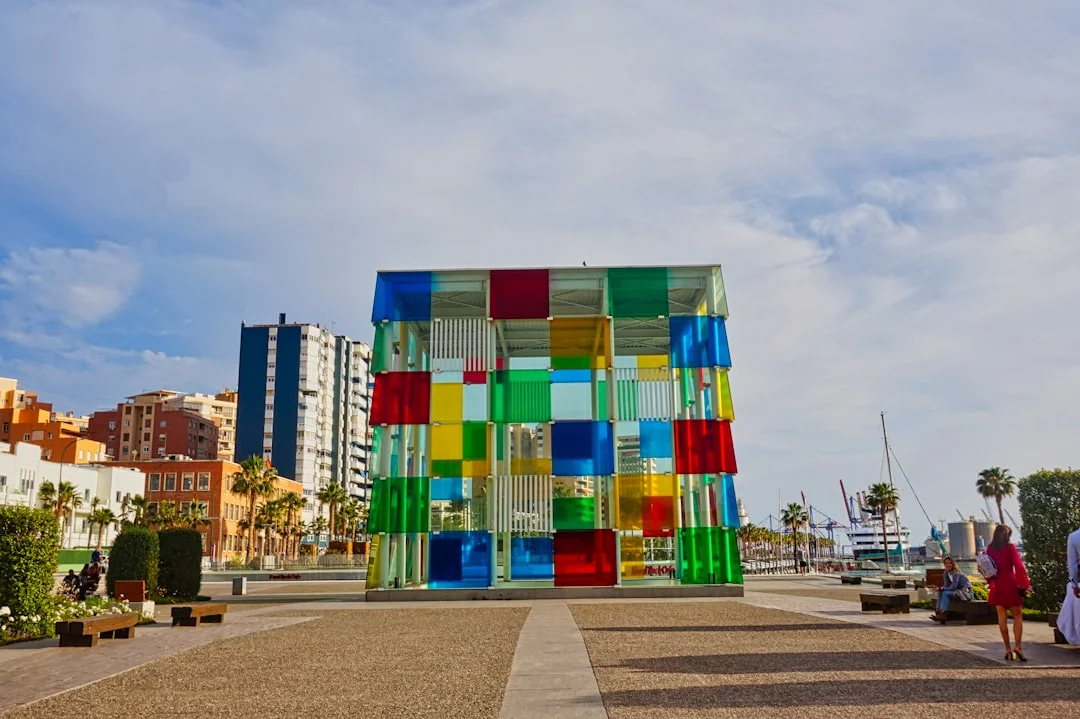
    Beneath the iconic colorful glass cube at Muelle Uno, the Pompidou’s current semi-permanent rotation offers a provocative look at modern installations, interactive pieces, and late 20th-century European art. It is an essential stop for fans of avant-garde works, providing a perfect cultural contrast to the city’s high-energy sports scene, like the recent high-scoring basketball clash between Unicaja and Valencia.

    3. Museo Carmen Thyssen
    Known for its comprehensive look at 19th-century Spanish and Andalusian art, the Thyssen is a masterclass in regional history. Their temporary exhibition wing is currently exploring romanticism and the evolution of the Spanish landscape, offering a serene visual retreat that provides a striking contrast to the city’s modern architectural ventures, like the transformative La Térmica project on the western coast.

    Contemporary and Cutting-Edge

    4. CAC Málaga (Centro de Arte Contemporáneo)
    Located in the Soho district, the CAC remains the city’s go-to destination for thought-provoking international and national contemporary art. The cavernous main hall is currently hosting large-scale installations that challenge modern societal norms.

    5. La Térmica
    This cultural hub outside the historic center is famous for its immersive photography exhibitions and pop-culture retrospectives. It is a fantastic option for those who prefer modern media, fashion photography, and interactive cultural displays.

    6. Colección del Museo Ruso
    Housed in the spectacular old tobacco factory (Tabacalera), this space continues to reinvent itself. It currently features compelling private collections and thematic displays focusing on European artistry, maintaining its status as a vital pillar of the city’s cultural infrastructure.

    Deep Dives into History and Local Talent

    7. Museo de Málaga (Palacio de la Aduana)
    Often overlooked by weekend visitors, the fine arts section on the upper floor of this stunning palace offers a breathtaking journey through Spanish painting. It pairs beautifully with the extensive archaeological treasures located on the floors below.

    8. Museo Casa Natal de Picasso
    For a more intimate look at the artist’s origins, his birth house at Plaza de la Merced features early sketches, ceramics, and family memorabilia in the very rooms where the legendary artist spent his early childhood.

    9. Museo Revello de Toro
    Dedicated to the renowned portrait artist Félix Revello de Toro, this museum offers a quiet, refined experience in the heart of the city. The focus on the female form and elegant portraiture provides a striking contrast to the abstract works found elsewhere in Malaga.

    Independent Galleries and Cultural Centers

    10. Centro Cultural Fundación Unicaja
    Situated in a beautifully restored historic building, this center frequently hosts significant historical archives and showcases contemporary local artists. It provides essential context to Andalusia’s evolving artistic narrative and is highly recommended for those looking to understand the region’s cultural roots.

    11. Galería de Arte Ignacio del Río
    Representing Malaga’s independent gallery circuit, this space champions emerging local talent. It offers a raw, unfiltered look at what the current generation of independent artists is producing, making it a must-visit for collectors and contemporary art enthusiasts.

    Taking the time to wander through these spaces reminds us of the profound impact art has on our daily lives. Whether you spend hours dissecting a contemporary installation in Soho or simply enjoy the delicate brushstrokes of a 19th-century landscape at the Thyssen, these exhibitions offer a quiet refuge and a fresh perspective. We hope this weekend brings you a moment of inspiration and a deeper connection to the creative pulse of our beautiful city.

  • From Cósima Wagner to MAUS: Cultural Immersion in Málaga

    From Cósima Wagner to MAUS: Cultural Immersion in Málaga

    Málaga’s cultural landscape continues to deepen, offering residents far more than the traditional sun-and-sea narrative. If you are looking to curate a sophisticated weekend in the city, the current lineup of exhibitions, performances, and open-air galleries provides the perfect itinerary. From the city’s historic center to the creative hub of Soho, here is how to dive into a weekend of pure cultural immersion.

    The 43rd Málaga Theatre Festival

    The performing arts scene is currently buzzing with the arrival of the 2026 Málaga Theatre Festival. The 43rd edition officially opened on April 24, 2026, kicking off its ambitious run with the highly anticipated play Intrusos.

    According to the festival’s programming details, this year’s lineup balances heavy-hitting dramas with innovative local productions, ensuring there is something for every theatrical palate. Whether you are catching an evening show at Teatro Cervantes or exploring the fringe performances scattered across the city, the festival remains a cornerstone of Málaga’s spring cultural calendar.

    Celebrating Female Creators at MIMMA

    Just a short walk from the main theaters, the Museo Interactivo de la Música Málaga (MIMMA) offers a quieter, yet equally profound, cultural experience. Their current exhibition shines a long-overdue spotlight on female creators who have shaped the musical landscape.

    The journey spans centuries, beginning with historical figures like Cósima Wagner—whose influence on 19th-century music and the Bayreuth Festival is legendary—right through to contemporary female composers and artists from Málaga. For those mapping out what to do tomorrow in Málaga, this exhibition provides essential context on the often-overlooked women who built the foundations of modern classical and contemporary music.

    Over a Decade of MAUS in Soho

    To complete the weekend, transition from the classical halls to the vibrant streets of the Barrio de las Artes. The MAUS project (Málaga Arte Urbano Soho) is celebrating over a decade of transforming a once-forgotten neighborhood into a sprawling, free-to-access outdoor gallery.

    As recently highlighted in a retrospective on the neighborhood’s evolution, MAUS has successfully redefined Soho’s identity. Taking a self-guided walking tour here means encountering massive murals by international heavyweights like Obey and D*Face, alongside pieces by vital local street artists. It is a striking reminder of how urban art can breathe new life into city streets and foster a deep sense of community pride.

    Navigating between a historic theater, an interactive music museum, and a graffiti-lined neighborhood reminds us of the beautiful contrasts this city holds. It is easy to get caught up in the daily grind, but taking a weekend to simply walk these streets and absorb the art—both institutional and underground—reconnects us to the creative heartbeat of Málaga. It is a true privilege to live in a place that continually reinvents itself while honoring the voices of its past.

  • Cosima Wagner to MAUS: Cultural Immersion in Malaga

    Cosima Wagner to MAUS: Cultural Immersion in Malaga

    Malaga’s cultural agenda continues to mature, offering residents and visitors sophisticated alternatives that go far beyond its famous coastline. As we navigate late April 2026, the city presents a compelling itinerary for those seeking an immersive cultural weekend. From the grand stages of local theaters to the open-air galleries of the Soho district, here is how to experience the artistic pulse of the city.

    The 43rd Malaga Theater Festival

    The city’s performing arts scene is currently in full swing. The 43rd Malaga Theater Festival officially opened its doors on April 24, 2026, kicking off an ambitious season with the acclaimed production Intrusos. This year’s edition reinforces Malaga’s commitment to high-quality dramatic arts, bringing both national heavyweights and innovative local companies to the forefront.

    For residents looking to plan their weekend evenings, the festival provides a robust schedule. Beyond the main stage performances, the 2026 program integrates various theatrical formats designed to engage different demographics across the city’s neighborhoods, ensuring that the dramatic arts remain accessible and community-oriented.

    Celebrating Female Creators at MIMMA

    A short walk from the main theater venues brings you to the Interactive Music Museum of Malaga (MIMMA), which is currently hosting a profound exhibition dedicated to female creators. If you are wondering what to do tomorrow in Malaga, this exhibition offers a quiet, reflective counterpoint to the bustling city streets.

    The showcase spans generations of musical history, anchoring its narrative with historical figures like Cosima Wagner—whose influence on 19th and 20th-century music and the Bayreuth Festival was monumental—and tracing that lineage all the way to contemporary female artists from Malaga. By highlighting these often-overlooked architects of musical culture, MIMMA provides essential context on how women have shaped the auditory landscapes we enjoy today.

    Soho and the Legacy of MAUS

    No cultural weekend in Malaga is complete without exploring the visual transformation of the Soho neighborhood. Over a decade ago, the MAUS project (Málaga Arte Urbano Soho) began turning decaying facades into a world-class, free-to-roam gallery. Today, Soho stands as a testament to the power of urban art, hosting works by internationally renowned street artists alongside emerging local talents.

    Taking a morning stroll through Soho allows you to appreciate how these massive murals interact with the neighborhood’s daily life. The MAUS initiative did not just decorate walls; it fundamentally revitalized the district, creating an organic ecosystem of independent cafes, galleries, and creative workspaces that thrive in 2026. A self-guided walking tour here is highly recommended to fully grasp the scale and detail of the artworks.

    Wandering between these different artistic expressions reminds us of how much this city has grown and continues to reinvent itself. Whether you are standing before a towering mural in Soho, listening to the untold stories of female composers, or taking your seat as the theater lights dim, there is a shared sense of community in these experiences. It is a privilege to walk these vibrant streets and witness firsthand the creativity that makes our hometown so extraordinary.

  • Unicaja Basketball: Wiedergutmachung im El Carpena

    Unicaja Basketball: Wiedergutmachung im El Carpena

    Unicaja Málaga steht vor einer der herausforderndsten Phasen der Saison 2026. Nach einer ungewöhnlichen Niederlagenserie von fünf Spielen setzt das Team auf seine legendäre Heimstätte, den Palacio de Deportes José María Martín Carpena, um das Ruder herumzureißen. Sowohl für Einheimische als auch für die internationale Gemeinschaft ist der Besuch eines Unicaja-Spiels ein fester Bestandteil des Lebens in Málaga, und die bevorstehende Begegnung entwickelt sich zu einem entscheidenden Moment.

    Die Festung El Carpena

    Die internationalen Einwohner von Málaga haben den Unicaja-Basketball schon lange für sich entdeckt. Die Martín Carpena Arena ist europaweit für ihre elektrisierende, familienfreundliche Atmosphäre bekannt. Das Stadion mit 10.000 Sitzplätzen gilt als gefürchteter Spielort für Gastmannschaften und bietet einen massiven Heimvorteil – ein Erlebnis, das durch die Wiederaufnahme der AVE-Schnellzugverbindungen aus Madrid und Sevilla für Basketballfans noch bequemer erreichbar ist. Genau jetzt braucht das Team diese Energie mehr denn je, um die Niederlagenserie von Unicaja zu beenden.

    Hintergründe der Formkrise

    Die aktuelle Talfahrt ist ein großes Thema in den lokalen Sportmedien. Jüngsten Berichten von Andalucía Información zufolge setzt die Mannschaft stark auf die Rückkehr in ihre Heimarena – ein Ort, der sie selten im Stich lässt –, um zu ihrer Siegerform zurückzufinden.

    Der Druck in der Liga Endesa (ACB) wächst. Wie in der jüngsten Berichterstattung von COPE Málaga hervorgehoben wurde, sind sich der Trainerstab und die Spieler der Situation voll und ganz bewusst. Um in den oberen Rängen der ACB-Tabelle wettbewerbsfähig zu bleiben, ist eine sofortige Kurskorrektur erforderlich.

    Sichern Sie sich Ihre Tickets

    Wenn Sie das Team in dieser kritischen Phase unterstützen möchten, sollte der Kauf von Unicaja-Basketball-Tickets für das El Carpena Ihr nächster Schritt sein.

    • Wo man kauft: Tickets sind direkt über die offizielle Website von Unicaja Baloncesto oder an den Kassen der Arena erhältlich.
    • Wann man kauft: Aufgrund der treuen Fangemeinde sind die Spiele häufig ausverkauft. Es ist ratsam, so früh wie möglich für das nächste Spiel von Unicaja Málaga zu buchen.
    • Anreise: Die Arena ist bequem mit der Metro Málaga (Linie 2, Haltestelle Palacio de los Deportes) oder mit lokalen Buslinien zu erreichen.

    Ausblick

    Beim kommenden Spiel geht es nicht nur darum, einen weiteren Sieg in der Tabelle zu verbuchen; es geht darum, das Selbstvertrauen wiederherzustellen. Die Synergie zwischen den Spielern und den Rängen im El Carpena ist eine gewaltige Kraft, die in der Lage ist, das Momentum in einem einzigen Viertel zu drehen.

    Sport hat die einzigartige Eigenschaft, eine Stadt zusammenzubringen und dabei Sprache und Herkunft zu überwinden. Ob Sie nun ein alteingesessener Malagueño sind oder als Neuankömmling Anschluss an die lokale Kultur suchen – sich diese Woche dem Chor der in Grün gekleideten Fans anzuschließen, bietet die Chance, Teil von etwas Besonderem zu sein. Bleibt zu hoffen, dass das Tosen des Carpena genau das ist, was das Team braucht, um seinen Rhythmus wiederzufinden.

  • Unicaja Basketball Seeks Redemption at El Carpena

    Unicaja Basketball Seeks Redemption at El Carpena

    Unicaja Málaga is facing one of its most challenging stretches of the 2026 season. Riding an unusual five-game losing streak, the team is looking to its legendary home court, the Palacio de Deportes José María Martín Carpena, to turn things around. For locals and the international community alike, attending an Unicaja game is a staple of Málaga life, and the upcoming fixture is shaping up to be a pivotal moment.

    The El Carpena Fortress

    Málaga’s international residents have long embraced Unicaja basketball. The Martín Carpena arena is famous across Europe for its electric, family-friendly atmosphere. Known as a formidable venue for visiting teams, the 10,000-seat stadium provides a massive home-court advantage. Right now, especially after Málaga CF saw their own seven-month home unbeaten run end, the team needs that energy more than ever to break their Unicaja losing streak.

    Contextualizing the Slump

    The current skid has been a major talking point across local sports media. According to recent reports from Andalucía Información, the team is heavily relying on a return to their home arena—a venue that rarely fails them—to rediscover their winning form.

    The pressure is mounting in the Liga Endesa (ACB). As highlighted in recent coverage by COPE Málaga, the coaching staff and players are acutely aware of the stakes. Staying competitive in the upper echelons of the ACB standings requires an immediate course correction.

    Securing Your Seats

    If you want to support the team during this critical juncture, securing Unicaja basketball tickets for El Carpena should be your next move.

    • Where to buy: Tickets are available directly through the official Unicaja Baloncesto website or at the arena’s box office.
    • When to buy: Given the loyal fanbase, games frequently sell out. It is advisable to book as early as possible for the Unicaja Málaga next game.
    • Getting there: The arena is easily accessible via the Málaga Metro (Line 2, Palacio de los Deportes stop) or by local bus lines.

    Looking Ahead

    The upcoming match is not just about adding a win to the standings; it is about restoring confidence. The synergy between the players and the stands at El Carpena is a powerful force, capable of shifting momentum in a single quarter.

    Sports have a unique way of bringing a city together, transcending language and background. Whether you are a lifelong Malagueño or a recent arrival looking to connect with the local culture, joining the chorus of green-clad fans this week offers a chance to be part of something special. Here is hoping the roar of the Carpena is exactly what the team needs to find their rhythm once again.

  • Rückschlag für Staatsbibliothek San Agustín in Málaga

    Rückschlag für Staatsbibliothek San Agustín in Málaga

    Eine historische Renovierung pausiert

    Das historische Zentrum von Málaga beherbergt unzählige architektonische Schätze, aber nur wenige haben eine so komplexe Renovierungsgeschichte wie das ehemalige Kolleg San Agustín. Das ehrgeizige Projekt, dieses Gebäude aus dem 16. Jahrhundert in die neue Staatsbibliothek umzuwandeln, ist auf ein weiteres Hindernis gestoßen. Für Anwohner und Geschichtsinteressierte, die sehnsüchtig auf die Eröffnung dieses kulturellen Zentrums warten, hat sich der Zeitplan soeben ein weiteres Mal verschoben.

    Jüngsten Berichten von Diario Sur zufolge wurden die Bauarbeiten offiziell eingestellt. Der Hauptgrund für diese plötzliche Unterbrechung sind erhebliche Kostenüberschreitungen des Projekts, welche die finanzielle Tragfähigkeit des aktuellen Renovierungsplans erschweren.

    Warum das San Agustín-Projekt so wichtig ist

    Das Gebäude San Agustín liegt im Herzen der Stadt und ist ein Ort von immensem historischem Wert. Ursprünglich als Augustinerkloster gegründet und später als Kolleg genutzt, waren seine Mauern aus dem 16. Jahrhundert Zeugen einer jahrhundertelangen Entwicklung Málagas, deren historische Beständigkeit auch die aktuellen juristischen Turbulenzen um die Al-Thani-Familie und den Málaga CF weit überdauern wird.

    Der Plan, es in die Staatsbibliothek umzuwandeln, sollte der Stadt einen modernen, weitläufigen literarischen und kulturellen Raum bieten und gleichzeitig ein wichtiges Stück des lokalen Erbes bewahren. Sowohl für die internationale Gemeinschaft als auch für die Einheimischen versprach es einen Zufluchtsort zum Lernen, Forschen und zur Auseinandersetzung mit der andalusischen Geschichte.

    Eine Chronik der Verzögerungen

    Leider ist dies nicht das erste Mal, dass das Projekt auf Schwierigkeiten stößt. Bereits Anfang 2024 erlebte die Renovierung einen erheblichen Stillstand. Die Restaurierung eines Bauwerks aus dem 16. Jahrhundert ist bekanntermaßen unberechenbar. Bei solchen Projekten kommt es häufig zu unerwarteten strukturellen Problemen, archäologischen Funden oder Materialverschleiß, die aktualisierte technische Lösungen erfordern – all dies treibt unweigerlich das Budget in die Höhe.

    Die aktuellen Kostenüberschreitungen haben Bauunternehmen und Behörden gezwungen, an den Verhandlungstisch zurückzukehren. Bis ein überarbeitetes Budget genehmigt und zusätzliche Finanzmittel gesichert sind, stehen die schweren Maschinen still, und der historische Innenhof bleibt für die Öffentlichkeit geschlossen.

    Ausblick

    Obwohl Verzögerungen bei öffentlichen Bauprojekten frustrierend sein können, sind sie oft ein notwendiger Bestandteil der verantwortungsvollen Restaurierung von Kulturerbestätten. Die sichere Anpassung eines 500 Jahre alten Gebäudes für die moderne öffentliche Nutzung erfordert akribische Sorgfalt und offensichtlich erhebliche finanzielle Ressourcen.

    Es ist immer entmutigend, ungenutzte Baugerüste an einem Gebäude mit so viel Potenzial zu sehen. Die Vision für die Staatsbibliothek San Agustín bleibt jedoch eine wunderbare. Wir können nur hoffen, dass die administrativen Hürden schnell überwunden werden, damit die Handwerker und Bauarbeiter an ihre Arbeit zurückkehren können und dieses großartige Stück Geschichte Málagas endlich seine Türen für die Leser von morgen öffnen kann.

  • New Setback for Málaga’s San Agustín State Library

    New Setback for Málaga’s San Agustín State Library

    A Historic Renovation on Pause

    Málaga’s historic center is home to countless architectural treasures, but few have a renovation history as complex as the former San Agustín college. The ambitious project to convert this 16th-century building into the new State Library has hit yet another roadblock. For residents and history enthusiasts eagerly awaiting the opening of this cultural hub, the timeline has just been pushed back once more.

    According to recent reports from Diario Sur, the construction works have been officially halted. The primary reason for this sudden pause stems from significant project cost overruns, complicating the financial viability of the current renovation plan.

    Why the San Agustín Project Matters

    Located in the heart of the city, the San Agustín building is a site of immense historical value. Originally established as an Augustinian convent and later serving as a college, its 16th-century walls have witnessed centuries of Málaga’s evolution, remaining a steadfast landmark even amidst modern local controversies like the ongoing legal drama and arrest warrants involving the Al-Thani family and Málaga CF.

    The plan to transform it into the State Library was designed to give the city a modern, expansive literary and cultural space while preserving a vital piece of local heritage. For the international community and locals alike, it promised a sanctuary for studying, researching, and connecting with Andalusian history.

    A Timeline of Delays

    Unfortunately, this is not the first time the project has faced difficulties. The renovation previously experienced a significant halt in early 2024, echoing other regional setbacks like the infrastructure delays impacting travel in Álora. Restoring a 16th-century structure is notoriously unpredictable. Such projects frequently encounter unexpected structural issues, archaeological discoveries, or material degradation that require updated engineering solutions—all of which inevitably drive up the budget.

    The current cost overruns have forced contractors and authorities back to the negotiating table. Until a revised budget is approved and additional funding is secured, the heavy machinery remains silent, and the historic courtyard remains closed off to the public.

    Looking Ahead

    While delays in public works can be frustrating, they are often a necessary part of responsibly restoring heritage sites. Ensuring that a 500-year-old building is safely adapted for modern public use requires meticulous care and, evidently, substantial financial resources.

    It is always disheartening to see the scaffolding sit idle on a building with so much potential. However, the vision for the San Agustín State Library remains a beautiful one. We can only hope that the administrative hurdles are cleared swiftly, allowing the artisans and builders to return to their work, so this magnificent piece of Málaga’s history can finally open its doors to the readers of tomorrow.