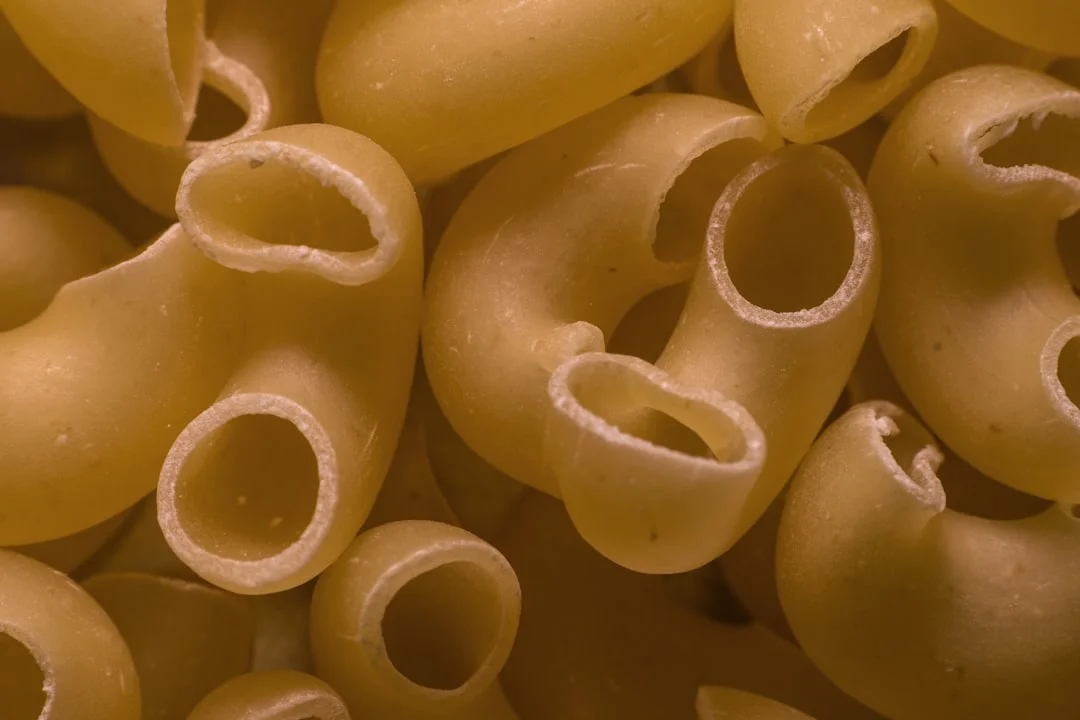
Málaga’s gastronomic map continues to redraw itself, moving well beyond the traditional (though beloved) espetos and fried fish to incorporate sophisticated Italo-Mediterranean cuisine like Portofino. The city is currently experiencing a dual phenomenon: the arrival of successful, specialized concepts from Madrid, and the consolidation of a homegrown generation of chefs who are turning the local dining scene on its head.
Blog
-
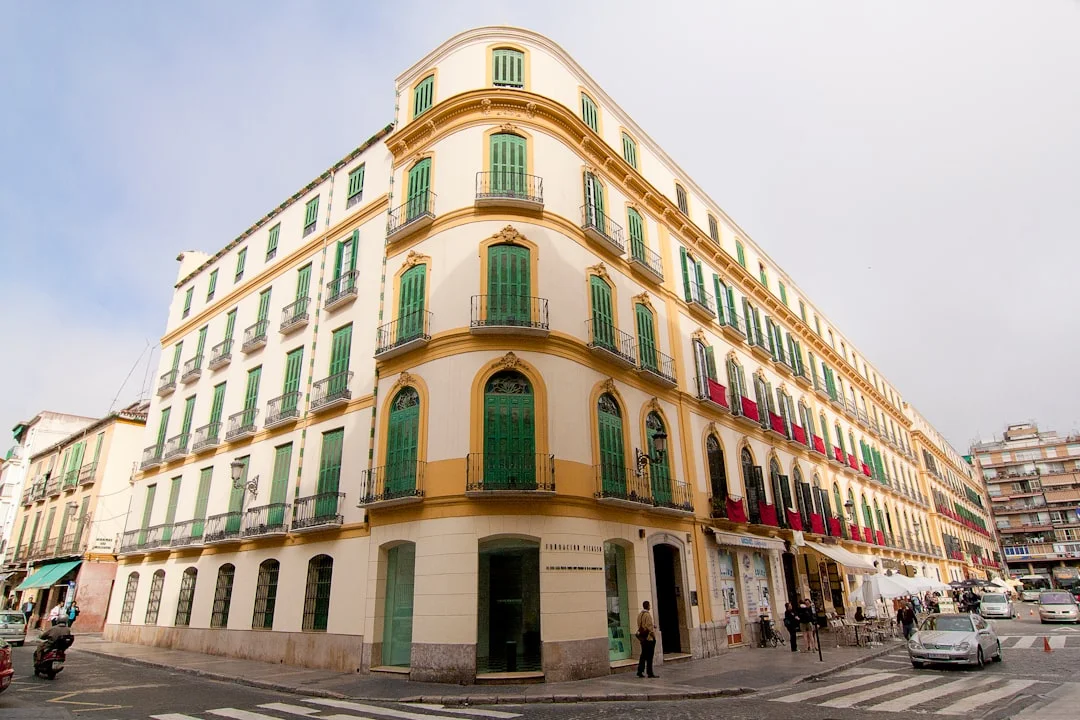
Málagas Tech-Sektor reift heran: Neues Startup-Netzwerk und nationale Anerkennung
Die technologische Landschaft in Málaga wandelt sich von einer Phase der schnellen Expansion zu einer der strukturierten Konsolidierung. Zu Beginn des Jahres 2026 liegt der Fokus nicht mehr nur auf der Anziehung ausländischer multinationaler Unternehmen, sondern auf der Pflege des heimischen Ökosystems. Zwei jüngste Entwicklungen unterstreichen diese Reife: der Start eines dedizierten Netzwerks für lokale Innovatoren und die nationale Anerkennung von Startups aus Málaga in den Top 100.
-
Málaga Tech Sector Matures: New Startup Network and National Recognition
The technological landscape in Málaga is shifting from a phase of rapid expansion to one of structured consolidation. As of early 2026, the focus has moved beyond simply attracting foreign multinationals—often enticed by sophisticated city center additions like Portofino—to nurturing the indigenous ecosystem. Two recent developments highlight this maturity: the launch of a dedicated network for local innovators and the national recognition of Málaga-based startups.
-
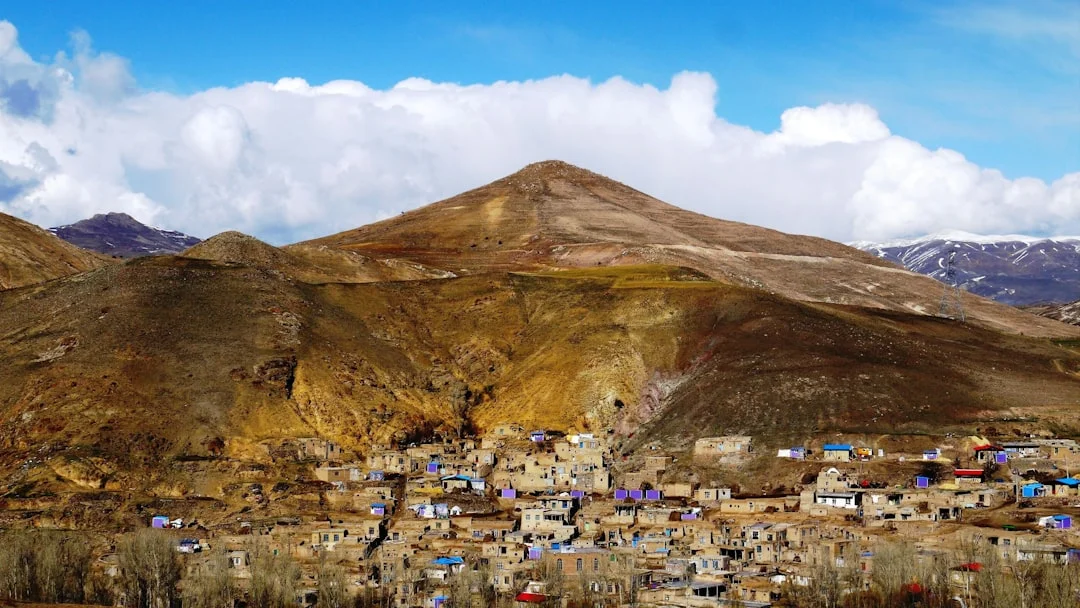
Das 450-Seelen-Dorf, das sich in einen globalen Hub für digitale Nomaden verwandelt
Im Herzen des Genal-Tals, wo sich die Straßen endlos durch dichte Kastanien- und Korkeichenwälder schlängeln, liegt ein Dorf, das nach traditioneller Logik nicht vor Tech-Talenten strotzen sollte. Benarrabá, ein typisches pueblo blanco mit einer Bevölkerung von etwa 450 Einwohnern, hat sich zu einem unwahrscheinlichen Epizentrum für die Bewegung der digitalen Nomaden im Süden Spaniens entwickelt, was den Aufschwung und die Reife des Technologiesektors in Málaga widerspiegelt.
-
The Village of 450 Residents Transforming into a Global Digital Nomad Hub
In the heart of the Genal Valley, where the roads curve endlessly through dense chestnut and cork oak forests, lies a village that shouldn’t, by traditional logic, be booming with tech talent. Benarrabá, a quintessential pueblo blanco with a population hovering around 450, has become an unlikely epicenter for the digital nomad movement in southern Spain, paralleling the broader maturation of Málaga’s tech sector.
-
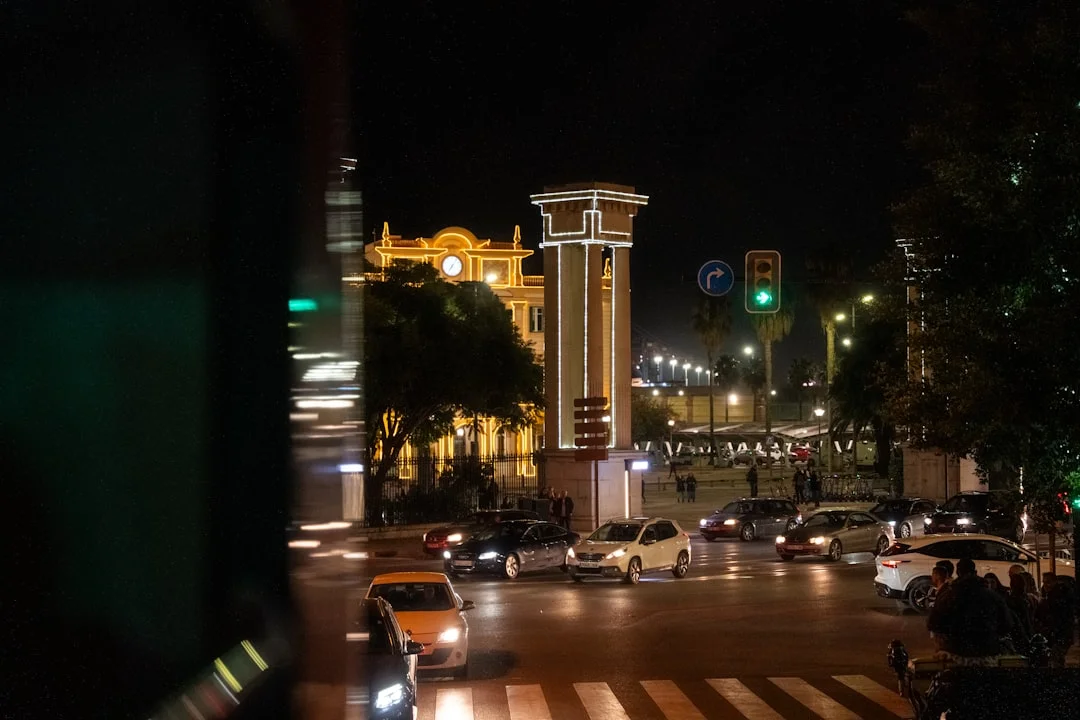
Bester Chiringuito 2025: ‘La Taberna del Puerto’ holt sich die Krone
Wenn Sie an einen Chiringuito in Málaga denken, ist das Bild fast immer dasselbe: Sand zwischen den Zehen, das Rauschen der Wellen in der Nähe und der Duft von Sardinen, die auf einem Espeto-Boot gegrillt werden. Der Gewinner der Auszeichnung Bester Chiringuito 2025 hat dieses Klischee jedoch auf den Kopf gestellt.
Mit einer Entscheidung, die kulinarische Substanz über die Aussicht stellt, wurde La Taberna del Puerto zum besten Lokal des Jahres gekürt. Die Überraschung? Es befindet sich in einer Gemeinde im Landesinneren, etwa 15 Autominuten von der Hauptstadt Málaga entfernt, und beweist, dass man das Mittelmeer nicht unbedingt direkt vor der Tür haben muss, um das Beste zu servieren, was es zu bieten hat.
Ein Sieg für die traditionelle Küche
Diese Anerkennung ist ein Zeichen für Authentizität. Während die Costa del Sol nur so vor trendigen Beach Clubs und gehobenen Fusion-Restaurants strotzt, sicherte sich La Taberna del Puerto den Sieg durch das, was die Jury als „einfache, aber respektvolle“ traditionelle Küche beschrieb.
Laut Málaga Hoy legt das Lokal großen Wert auf die Qualität der Grundprodukte. Die Küche verzichtet auf schwere Saucen oder moderne Spielereien und lässt stattdessen den frischen Fang für sich selbst sprechen. Es ist eine Erinnerung daran, dass das Herz der Gastronomie Málagas im Produkt liegt – der materia prima.
Diese Auszeichnung markiert einen Wandel gegenüber dem Vorjahr, als der Titel noch von ‘Las Palmeras’, einem traditionelleren Lokal an der Küste, gehalten wurde. Die Übergabe des Staffelstabs an einen Standort im Landesinneren deutet auf eine erweiterte Definition dessen hin, was das „Chiringuito-Erlebnis“ ausmacht – es geht weniger um die Geografie als vielmehr um den Geist der Küche.
Was Sie erwartet
Wenn Sie einen Besuch planen, erwarten Sie keinen Meerblick, aber freuen Sie sich auf ein Festmahl. Die Speisekarte ist eine Hommage an die klassischen Aromen der Küste von Málaga, die ein kleines Stück ins Landesinnere verlagert wurden.
Wie La Opinión de Málaga berichtet, hat sich das Lokal nicht nur wegen seiner Auszeichnung, sondern auch wegen seiner beständigen Qualität eine treue Stammkundschaft aufgebaut. Es ist eine fantastische Option für alle, die erstklassige Meeresfrüchte genießen möchten, ohne das Parkchaos und die Menschenmassen, die in der Hochsaison oft an den Strandpromenaden herrschen.
Warum sich ein Besuch lohnt
- Das Essen: Preisgekrönte Meeresfrüchte, bei denen das Produkt im Mittelpunkt steht.
- Die Fahrt: Nur 15 Minuten vom Stadtzentrum Málagas entfernt.
- Die Atmosphäre: Authentisch, lebhaft und auf den Genuss fokussiert statt auf „Sehen und Gesehen werden“.
Es ist erfrischend zu sehen, dass das Rampenlicht auf einen Ort fällt, der sein Handwerk versteht. Während wir alle den Sonnenuntergang mit einem Drink in der Hand lieben, lohnt sich für das beste Essen manchmal eine kurze Fahrt weg von der Küste. La Taberna del Puerto ist der Beweis dafür, dass man für gutes Essen in Málaga auch gerne den Strand verlässt.
-
Best Chiringuito 2025: ‘La Taberna del Puerto’ Takes the Crown
When you think of a chiringuito in Málaga, the image is almost always the same: sand between your toes, the sound of waves crashing nearby, and the smell of sardines roasting on an espeto boat. However, the winner of the Best Chiringuito 2025 award has turned that stereotype on its head, joining the wave of young chefs introducing new flavors to Málaga.
-
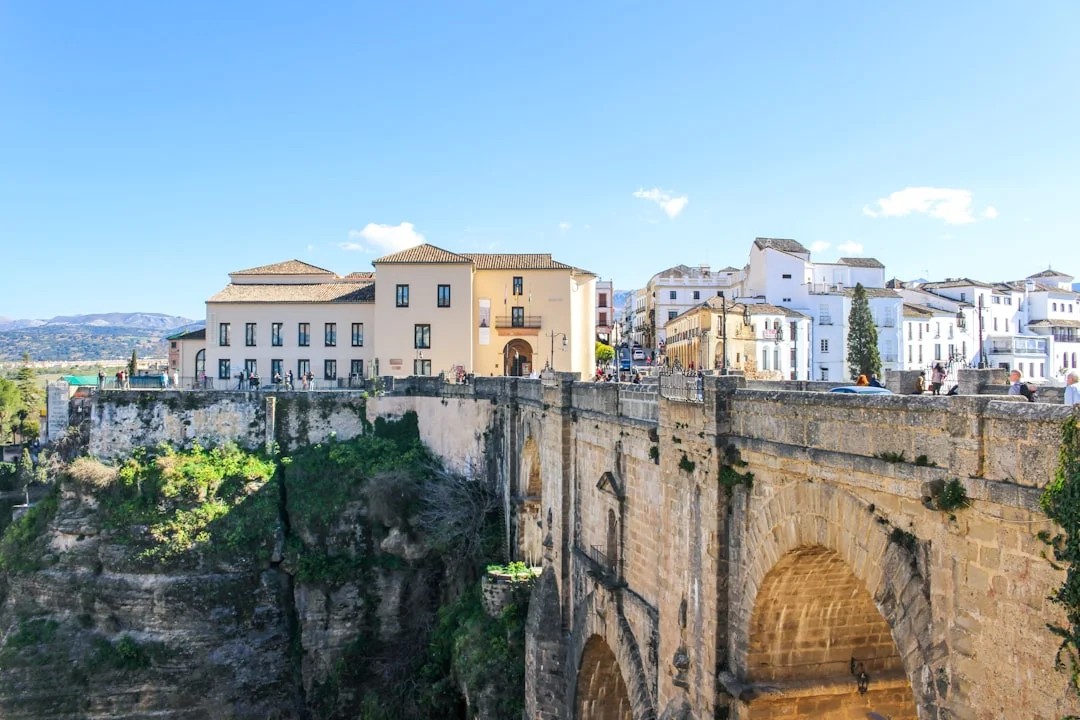
Die Brücke der Dankbarkeit: 125 Jahre nach dem Schiffbruch der Gneisenau
Wenn Sie schon einmal am Ufer des Guadalmedina im historischen Zentrum von Málaga spaziert sind, haben Sie wahrscheinlich – vielleicht nach einem Ausflug zum besten Chiringuito des Jahres 2025 – die kleine Fußgängerbrücke aus Stahl überquert, die die Kirche Santo Domingo mit dem Pasillo de Santa Isabel verbindet. Lokal bekannt als die Puente de los Alemanes (Brücke der Deutschen), ist dieses Bauwerk mehr als nur ein Übergang; es ist ein Denkmal für eine tragische Nacht und den immensen Mut einer Stadt.
-
The Bridge of Gratitude: 125 Years Since the Gneisenau Shipwreck
If you have ever walked along the Guadalmedina riverbank in Málaga’s historic center, you have likely crossed the small, steel pedestrian bridge connecting the church of Santo Domingo with the Pasillo de Santa Isabel. Known locally as the Puente de los Alemanes (Bridge of the Germans), this structure is more than just a walkway; it is a monument to a tragic night and a city’s immense bravery.
With the recent 125th anniversary of the sinking of the SMS Gneisenau, we look back at the event that forever changed the relationship between Málaga and Germany.
The Storm of 1900
On the morning of December 16, 1900, a fierce storm battered the coast of Málaga. Anchored outside the port was the German frigate SMS Gneisenau, a training ship carrying 470 crew members. The captain, attempting to move the ship to the safety of the inner harbor, found the vessel overwhelmed by the wind and waves. The ship was driven onto the breakwater, where it sank within minutes.
What happened next defined the character of the city. Despite the perilous conditions, the people of Málaga did not hesitate. Fishermen and locals threw themselves into the raging sea to rescue the drowning German sailors. It is reported that many Malagueños lost their lives trying to save strangers that day.
In total, 41 German sailors perished, including the captain and the ship’s commander. However, thanks to the immediate intervention of the locals, hundreds were saved. The injured were taken into private homes and hospitals, cared for by a population that had little to give but gave everything they had.
A Title Earned: “Muy Hospitalaria”
News of the rescue reached the German Empress and the world. The act of selflessness was so profound that a Royal Decree issued on January 1, 1901, granted Málaga the title of “Muy Hospitalaria” (Very Hospitable), a motto that still adorns the city’s coat of arms today alongside “Muy Noble” and “Muy Leal.”
As highlighted in recent historical reflections by La Opinión de Málaga, the memory of this event remains vivid even 125 years later, serving as a testament to the city’s enduring spirit of solidarity.
The Gift of the Bridge
Seven years after the tragedy, in 1907, the great flood of the Guadalmedina river destroyed several of Málaga’s bridges. Upon hearing of the disaster, the German people and government remembered the kindness shown to their sailors.
A collection was organized in Germany to help the city that had helped them. The funds raised were used to construct the steel bridge we see today. It was gifted to the city in 1909 as a permanent symbol of gratitude—a thank you note forged in iron.
Remembering the Gneisenau Today
If you visit the English Cemetery in Málaga, you can find the grave where the German sailors were laid to rest. It remains a site of pilgrimage for the German community on the Costa del Sol.
The Puente de los Alemanes stands not just as a piece of infrastructure, but as a reminder that even in the face of tragedy, compassion can build bridges that last for centuries. It is a story we are proud to remember, honoring both those who were lost and those who risked everything to save them.
-
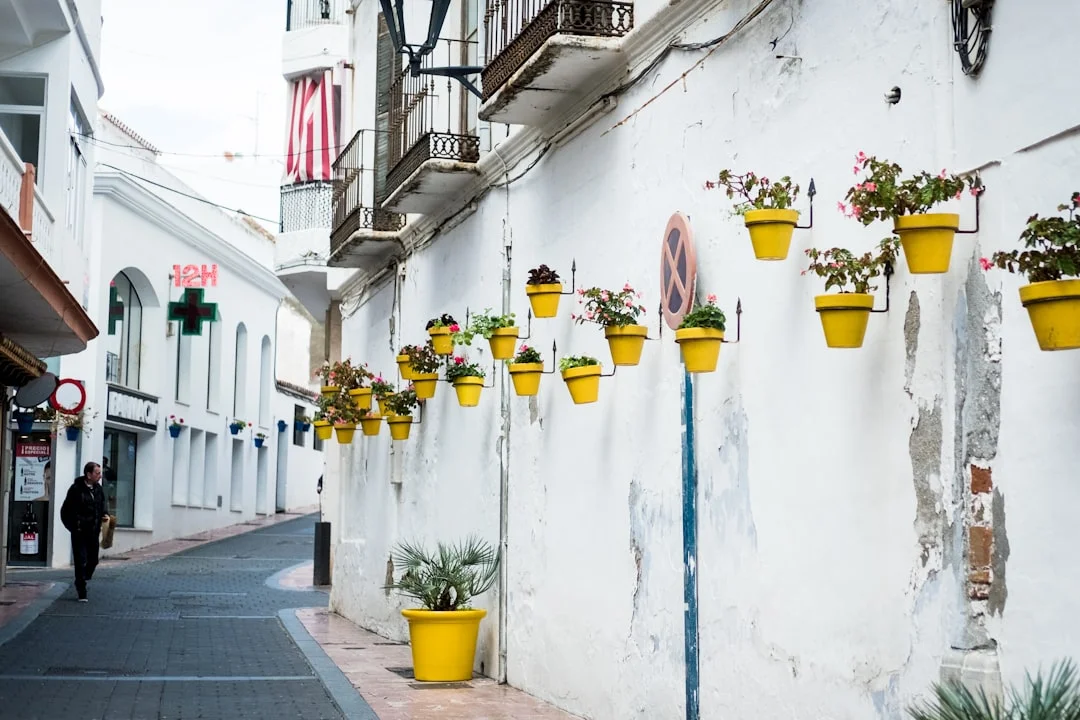
El Borge: Die verborgene ‘Rosinen-Hauptstadt’ in Málagas Axarquía
Während die Costa del Sol Millionen an ihre Strände und zu Highlights wie dem besten Chiringuito des Jahres 2025 zieht, verbirgt sich die wahre Seele von Málaga oft in den Hügeln. Nur eine kurze Autofahrt landeinwärts liegt die Region Axarquía, eine Landschaft mit steilen Hängen und kurvenreichen Straßen. Tief in diesem Terrain liegt El Borge, ein kleines weißes Dorf, das sich wie eine andere Welt anfühlt, weit weg vom Trubel der Hauptstadt.