Blog

  • Málagas Bautätigkeit steigt um 37 %, aber die Wohnungskrise bleibt bestehen

    Málagas Bautätigkeit steigt um 37 %, aber die Wohnungskrise bleibt bestehen

    Für jeden, der dieses Jahr versucht, eine Wohnung in Málaga zu mieten oder ein Haus zu kaufen, ist der Kampf ein vertrauter. Die Entwicklung der Stadt zu einem südeuropäischen Technologiezentrum und einem erstklassigen Ziel für internationale Einwohner hat unbestreitbare wirtschaftliche Vorteile gebracht, aber auch eine akute Wohnungsknappheit ausgelöst. Im ersten Quartal 2026 gibt es einen Hoffnungsschimmer am Horizont: Die Bautätigkeit nimmt zu. Branchenexperten warnen jedoch, dass wir noch weit von einem ausgewogenen Markt entfernt sind.

    Die Daten: Ein Rekord im ersten Quartal

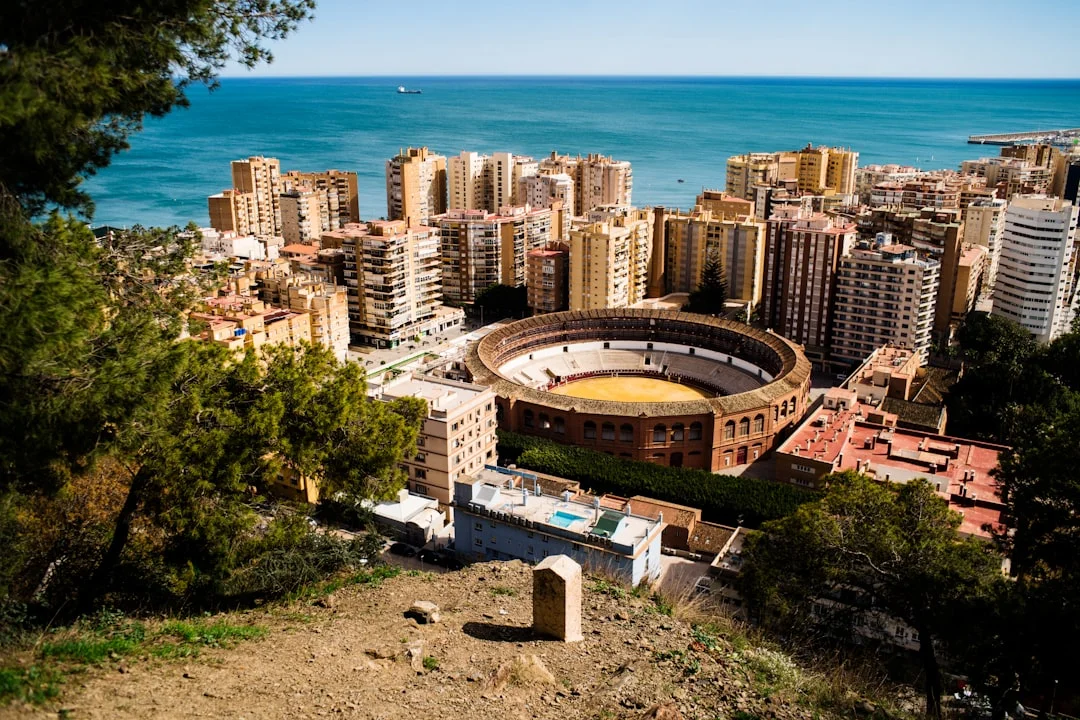
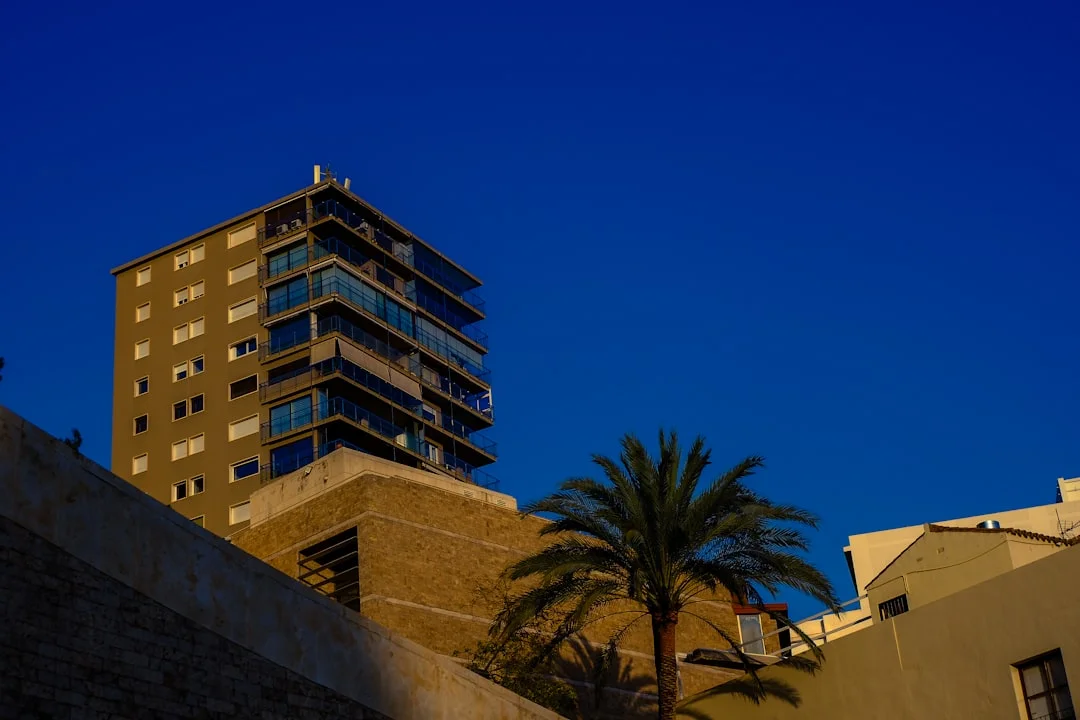
    Wenn Sie die Skyline der Costa del Sol betrachten, ist die Präsenz von Baukränen unübersehbar. Die Zahlen belegen diesen visuellen Eindruck. Laut aktuellen Berichten von Málaga Hoy verzeichnete die Provinz Málaga in den ersten drei Monaten des Jahres 2026 3.195 neue Baugenehmigungen.

    Dies entspricht einem robusten Wachstum von 37 % gegenüber dem Vorjahr und markiert das beste erste Quartal für Neubauten seit 2017. Der Anstieg der Genehmigungen deutet auf ein erneuertes Vertrauen der Bauträger hin, die bestrebt sind, von der anhaltenden Beliebtheit der Region, welche durch Málagas Titel als europäische Gastronomiehauptstadt 2026/2027 weiteren Aufschwung erfährt, zu profitieren.

    Die wichtigsten Erkenntnisse aus den Daten des ersten Quartals 2026 umfassen:
    * Insgesamt 3.195 genehmigte Wohneinheiten für den Bau im ersten Quartal.
    * 37 % Anstieg im Vergleich zum Vorjahreszeitraum.
    * Stärkster Jahresauftakt seit fast einem Jahrzehnt, der sogar die Höchststände der Erholung nach der Pandemie im Jahr 2021 übertrifft. Dennoch wird deutlich, dass trotz dieser neuen Höchststände beim Wohnungsbau in Málaga die zugrunde liegende Immobilienkrise weiterhin anhält.

    Warum der Anstieg als „unzureichend“ erachtet wird

    Während ein Sprung von 37 % bei den neuen Baugenehmigungen nach einem massiven Erfolg klingt, hat die Architektenkammer die Erwartungen schnell gedämpft. Ihre offizielle Haltung ist klar: Diese Zahlen sind zwar positiv, aber immer noch völlig „unzureichend“, um auf die aktuelle Wohnungskrise zu reagieren.

    Um zu verstehen warum, müssen wir uns das schiere Ausmaß der Nachfrage ansehen. Die Bevölkerung von Málaga ist stetig gewachsen, angetrieben durch den Zuzug von Remote-Arbeitern, ausländischen Rentnern und inländischen Migranten, die nach besseren Arbeitsmöglichkeiten in den boomenden Technologie- und Tourismussektoren der Stadt suchen.

    „Das Tempo, in dem wir bauen, wird schlichtweg von dem Tempo übertroffen, in dem Menschen nach Málaga ziehen. Wir spielen ein Aufholspiel, bei dem sich die Ziellinie immer weiter entfernt.“

    Warum sind die Mieten in Málaga so hoch?

    Die Lücke zwischen Angebot und Nachfrage ist der Haupttreiber für die explodierenden Mietpreise der Stadt. Das Problem ist jedoch vielschichtig:

    1. Kurzzeitvermietungen: Die lukrative Natur von Ferienunterkünften zieht weiterhin Immobilien aus dem Langzeitmietmarkt ab, was den verfügbaren Bestand für ständige Einwohner verringert.
    2. Landknappheit: Geografisch ist Málaga durch das Mittelmeer im Süden und die Berge im Norden begrenzt. Bauland ist knapp und teuer.
    3. Bürokratie: Trotz des jüngsten Anstiegs der Baugenehmigungen kann der Verwaltungsprozess zur Sicherung von Baugenehmigungen und Lizenzen immer noch schleppend verlaufen, was die Bereitstellung neuer Wohnungen auf dem Markt verzögert.

    Immobilienkauf in Málaga: Der Neubau-Markt

    Für ausländische Einwohner und Investoren, die einen Immobilienkauf in Málaga in Betracht ziehen, stellen Neubauten eine attraktive, wenn auch stark umkämpfte Option dar. Moderne Bauprojekte sind oft speziell auf die Wünsche von ankommenden Expats zugeschnitten und bieten Annehmlichkeiten wie Co-Working-Spaces, energieeffiziente Designs und Gemeinschaftspools.

    Die hohe Nachfrage führt jedoch dazu, dass viele dieser Off-Plan-Immobilien bereits ausverkauft sind, lange bevor das Fundament gegossen wird. Darüber hinaus konzentriert sich der Fokus neuer Entwicklungen tendenziell auf das Luxus- oder gehobene Marktsegment, was eine eklatante Lücke bei bezahlbarem Wohnraum für die lokale Arbeitnehmerschaft hinterlässt.

    Was bedeutet das für 2026 und darüber hinaus?

    Die Immobilienlandschaft in Málaga bleibt im Jahr 2026 ein Verkäufer- und Vermietermarkt. Obwohl der Anstieg der Baugenehmigungen um 37 % der erste Schritt zur Korrektur des Angebotsungleichgewichts ist, wird es Jahre dauern, bis diese 3.195 Einheiten gebaut, übergeben und bewohnt sind. In der Zwischenzeit müssen sich potenzielle Mieter und Käufer in einem hart umkämpften Umfeld zurechtfinden.

    Experten weisen darauf hin, dass die Lösung der Wohnungskrise mehr erfordert als nur private Bauprojekte. Es wird eine koordinierte Anstrengung erforderlich sein, die öffentliche Wohnungsbauinitiativen, eine optimierte Stadtplanung und möglicherweise regulatorische Anpassungen umfasst, um die Bedürfnisse des Tourismussektors mit den Rechten der lokalen Bevölkerung in Einklang zu bringen.

    Heute ein Zuhause in Málaga zu finden, erfordert Geduld, Beharrlichkeit und oft ein größeres Budget, als man noch vor wenigen Jahren benötigt hätte. Während die Kräne, die unsere Skyline prägen, ein willkommenes Zeichen des Fortschritts sind, ist der Bau einer Stadt, die sowohl ihren lebenslangen Bewohnern als auch den Neuankömmlingen gerecht wird, ein komplexes, langfristiges Projekt. Wir können nur hoffen, dass Málaga mit dem langsamen Aufholen der Bautätigkeit sein Gleichgewicht findet – und das lebendige, einladende mediterrane Zuhause bleibt, das wir alle lieben, ohne genau die Menschen zu verdrängen, die ihm seine Seele geben.

  • Malaga’s Construction Surges 37%, But Housing Crisis Persists

    Malaga’s Construction Surges 37%, But Housing Crisis Persists

    Aquí tienes el contenido enriquecido con los enlaces internos insertados de forma natural y contextualmente relevante, incluyendo la mención a Málaga como próxima Capital Europea de la Cultura Gastronómica:

    For anyone trying to rent an apartment or buy a home in Malaga this year, the struggle is a familiar one. The city’s transformation into a Southern European tech hub and a prime destination for international residents has brought undeniable economic benefits, but it has also triggered a severe housing squeeze. In the first quarter of 2026, there is a glimmer of hope on the horizon: construction is accelerating. However, industry experts caution that we are still far from a balanced market.

    The Data: A Record First Quarter

    If you look at the skyline across the Costa del Sol, the presence of construction cranes is undeniable. The numbers back up this visual evidence. According to recent reports from Málaga Hoy, the province of Malaga recorded 3,195 new housing visas in the first three months of 2026.

    This represents a robust 37% year-on-year growth and marks the best first-quarter performance for new builds since 2017. The surge in permits indicates a renewed confidence from developers who are eager to capitalize on the region’s enduring popularity.

    Key takeaways from the Q1 2026 data include:
    * 3,195 total units approved for construction in the first quarter.
    * 37% increase compared to the same period last year.
    * Strongest start to a year in nearly a decade, surpassing the post-pandemic recovery spikes seen in 2021.

    Why the Surge is Deemed ‘Insufficient’

    While a 37% jump in new housing permits sounds like a massive victory, the College of Architects has quickly tempered expectations. Their official stance is clear: these numbers, while positive, are still entirely “insufficient” to respond to the current housing crisis.

    To understand why, we have to look at the sheer volume of demand. Malaga’s population has been steadily climbing, fueled by an influx of remote workers, foreign retirees, and domestic migrants seeking better job opportunities in the city’s booming tech and tourism sectors.

    “The pace at which we are building is simply being outstripped by the pace at which people are moving to Malaga. We are playing a game of catch-up where the finish line keeps moving further away.”

    Why is Rent So High in Malaga?

    The gap between supply and demand is the primary driver of the city’s skyrocketing rental prices. However, the issue is multifaceted:

    1. Short-Term Rentals: The lucrative nature of holiday lets continues to pull properties out of the long-term rental market, reducing available stock for permanent residents.
    2. Land Scarcity: Geographically, Malaga is constrained by the Mediterranean Sea to the south and mountains to the north. Developable land is scarce and expensive.
    3. Bureaucracy: Despite the recent uptick in visas, the administrative process for securing building permits and licensing can still be sluggish, delaying the delivery of new homes to the market.

    Buying Property in Malaga: The New Build Market

    For foreign residents and investors looking at buying property in Malaga, new builds present an attractive, albeit highly competitive, option. Modern developments often cater specifically to the desires of incoming expats, offering amenities like co-working spaces, energy-efficient designs, and communal pools.

    However, the high demand means that many of these off-plan properties are sold out long before the foundation is even poured. Furthermore, the focus of new developments tends to skew towards the luxury or mid-to-high market segments, leaving a glaring void in affordable housing for the local workforce.

    What Does This Mean for 2026 and Beyond?

    The 2026 real estate landscape in Malaga remains a seller’s and landlord’s market. While the 37% increase in construction visas is the first step toward correcting the supply imbalance, it will take years for these 3,195 units to be built, handed over, and lived in. In the meantime, prospective renters and buyers must navigate a highly competitive environment.

    Experts suggest that fixing the housing crisis will require more than just private development. It will necessitate a coordinated effort involving public housing initiatives, streamlined urban planning, and potentially, regulatory adjustments to balance the needs of the tourism sector with the rights of local residents.

    Finding a home in Malaga today requires patience, persistence, and often, a larger budget than one might have needed just a few years ago. While the cranes dotting our skyline are a welcome sign of progress, building a city that accommodates both its lifelong residents and its new arrivals is a complex, long-term project. We can only hope that as construction slowly catches up, Malaga will find its equilibrium—remaining the vibrant, welcoming Mediterranean home we all love, without pricing out the very people who give it its soul.

  • 25 Years of Literary Magic: Librería Rayuela’s Book Club Milestone

    25 Years of Literary Magic: Librería Rayuela’s Book Club Milestone

    Málaga’s reputation as a cultural capital is often tied to its impressive lineup of world-class museums and galleries. However, the city’s true artistic heartbeat pulses in its quieter, independent spaces. This year, one of the city’s most beloved literary institutions is celebrating a remarkable milestone. Librería Rayuela has officially reached 25 years of hosting its monthly tertulias (literary gatherings), cementing its status as a cornerstone of the local literary scene.

    A Quarter Century of Words and Ideas

    Since January 2001, Librería Rayuela has been a sanctuary for bibliophiles. What started as a modest gathering of readers has evolved into a local institution. For exactly a quarter of a century, the bookshop has hosted these monthly meetings without interruption, offering a reliable escape for readers who navigate the city’s daily traffic and recently halted road improvement projects in Málaga to attend.

    According to a recent feature in La Opinión de Málaga, these gatherings have welcomed a diverse array of renowned writers, independent publishers, and passionate literature lovers over the past 25 years. The commitment to maintaining this space through economic shifts, digital revolutions, and global events highlights the resilience of Málaga’s grassroots culture.

    The Art of the Spanish Tertulia

    For expats and international residents looking to integrate into the local culture, understanding the concept of a tertulia is essential. It is much more than a standard book club. A tertulia is a traditional Spanish social gathering with literary or artistic overtones, where conversation flows freely, and debates are both passionate and respectful.

    Participating in book clubs in Malaga is one of the most effective ways to bridge the gap between the international community and locals. Librería Rayuela provides an intimate setting where language barriers soften, and a shared love for storytelling takes center stage.

    Supporting Independent Bookstores in Malaga

    The survival and success of Librería Rayuela highlight the importance of supporting independent businesses. While large chains and online retailers offer convenience, they cannot replicate the curated shelves, personalized recommendations, and community-building events found in independent shops.

    Attending Libreria Rayuela events is a direct way to invest in the city’s intellectual ecosystem. Whether you are a fluent Spanish speaker ready to dive into contemporary Hispanic literature or a language learner looking to practice your listening skills in a welcoming environment, independent bookshops offer a uniquely authentic experience.

    It is deeply reassuring to see that in our fast-paced, digitally driven world, a simple gathering of people sitting in a circle discussing a good book can endure for 25 years. Spaces like Rayuela remind us that literature is not just a solitary pursuit, but a shared human experience that has the power to connect us all, regardless of where we come from.

  • Celebrating 25 Years of Literary Gatherings at Librería Rayuela in Málaga

    Celebrating 25 Years of Literary Gatherings at Librería Rayuela in Málaga

    Málaga is celebrated globally for its sun-drenched beaches and world-class museums, but the city’s true cultural heartbeat often thrives in quieter, more intimate spaces. Beyond the grand institutions, independent bookstores serve as vital community hubs. This year, one of the city’s most cherished literary establishments, Librería Rayuela, is celebrating a remarkable milestone: 25 years of uninterrupted monthly literary gatherings.

    A Quarter-Century of Literary Tradition

    Since January 2001, Librería Rayuela has hosted its monthly tertulia literaria (literary gathering), creating a sanctuary for readers, writers, and thinkers. Over the past two and a half decades, these meetings have welcomed renowned authors, prominent editors, and countless passionate readers who gather to dissect narratives, explore themes, and share their love for the written word.

    As highlighted in a recent feature by La Opinión de Málaga, the bookstore’s reading group has maintained its monthly schedule without fail, serving as a living testament to the city’s enduring dedication to literature. The commitment of the tertulianos—the regular attendees—has transformed a simple book club into a vibrant cultural institution.

    The Role of Independent Bookstores in Málaga

    In an era increasingly dominated by digital algorithms and rapid-fire media, independent bookstores like Rayuela offer a refreshing counter-narrative. They are not merely retail spaces; they are cultural anchors that foster dialogue and intellectual curiosity.

    For the international community and expats settling in Málaga, these local hubs provide a unique opportunity to integrate into the city’s authentic rhythm. While the primary language of the gatherings is Spanish, literature serves as a universal bridge. Expats looking to improve their language skills, understand Spanish literary traditions, or simply connect with culturally engaged locals will find these spaces invaluable.

    Why Join a Local Book Club?

    • Cultural Integration: Engaging in discussions about local and international literature offers deep insights into the societal values and historical contexts of Spain.
    • Language Practice: For non-native speakers, participating in a tertulia is an excellent way to practice conversational Spanish in a structured, intellectually stimulating environment.
    • Community Building: Book clubs attract individuals from diverse backgrounds united by a shared passion, making them ideal settings for forging meaningful friendships beyond the usual expat bubbles.

    Looking Forward

    Librería Rayuela’s 25th anniversary is not just a celebration of its past, but a reaffirmation of its future. The bookstore continues to curate an excellent selection of titles and remains a focal point for literary events in Málaga. Whether you are a lifelong resident or a newly arrived expat, stepping into an independent bookstore and joining a conversation can profoundly enrich your experience of the city.

    It is deeply reassuring to see physical spaces dedicated to slow reading and thoughtful discussion continue to thrive. Places like Librería Rayuela remind us that amidst the rapid changes of modern urban life, the simple act of gathering in a room to talk about a good book remains one of the most enduring and enriching human experiences.

  • 25 Years of Literary Gatherings: Celebrating Librería Rayuela

    25 Years of Literary Gatherings: Celebrating Librería Rayuela

    Beyond the Museums: Málaga’s Independent Literary Scene

    When exploring Málaga, it is easy to be captivated by the major institutions like the Picasso Museum or the Centre Pompidou. However, the true cultural heartbeat of the city often resides in smaller, independent venues. For those seeking a deeper connection with the local community, the independent bookstores of Málaga offer an authentic gateway.

    Among these cultural pillars is Librería Rayuela, a beloved local bookshop that has just reached a remarkable milestone in the city’s literary history.

    A Quarter Century of Shared Reading

    Since January 2001, Librería Rayuela has hosted its monthly literary gatherings, known in Spain as tertulias, completely uninterrupted. This achievement represents a quarter of a century of passionate discussions, critical thinking, and community building.

    According to a recent feature in La Opinión de Málaga, the bookstore’s reading club has welcomed a diverse array of renowned writers, editors, and literature enthusiasts over the past 25 years. These sessions are far more than standard book clubs; they are vibrant forums where literature serves as a lens to examine society, history, and human nature.

    Integrating Through Literature

    For expatriates and international residents looking to engage with local culture, joining a book club in Málaga is a highly effective way to practice Spanish, understand regional perspectives, and build meaningful relationships. Librería Rayuela’s events provide a welcoming environment for anyone willing to dive into Spanish literature and participate in thoughtful, respectful dialogue alongside native residents.

    Why Support Independent Bookstores?

    • Cultural Curation: Independent booksellers offer hand-picked selections that highlight local authors and niche publishers often overlooked by major retailers.
    • Community Hubs: Spaces like Rayuela act as neighborhood anchors, bringing together people from various backgrounds through a shared love of reading.
    • Economic Impact: Supporting local bookshops ensures that the local economy thrives and that cultural diversity is maintained in the city’s commercial landscape.

    As digital media continues to dominate our daily lives, the endurance of physical, face-to-face gatherings is something to be deeply cherished. The 25-year legacy of Librería Rayuela is a testament to the fact that people still crave genuine connection and intellectual exchange. May their doors remain open for many more decades, continuing to offer a quiet, welcoming refuge for readers in the heart of Málaga.

  • 25 Years of Literary Gatherings at Librería Rayuela

    25 Years of Literary Gatherings at Librería Rayuela

    Málaga is internationally celebrated for its sun-drenched beaches and an impressive array of world-class museums. Yet, the true cultural heartbeat of the city often pulses in its quieter, more intimate spaces. Away from the bustling tourist corridors, independent bookstores serve as vital cultural sanctuaries. This year, one of the city’s most beloved literary institutions, Librería Rayuela, is celebrating a remarkable milestone: 25 years of uninterrupted literary gatherings, known locally as tertulias.

    A Quarter Century of Shared Stories

    Since January 2001, Librería Rayuela has hosted its monthly book club, creating a steadfast tradition that has weathered economic shifts, changing reading habits, and a global pandemic. As reported by La Opinión de Málaga, these gatherings have brought together a dedicated group of readers for a quarter of a century, cementing the bookstore’s reputation as a cornerstone of local intellectual life.

    What began as a small gathering of enthusiasts has evolved into a well-respected forum. Over the past 25 years, the tertulias have welcomed renowned writers, editors, and countless literature lovers who gather to dissect plots, debate themes, and share their passion for the written word.

    Connecting Expats and Locals Through Literature

    For expatriates and international residents looking to integrate into Málaga’s authentic cultural scene, independent book clubs offer a unique bridge. While language exchanges and networking events have their place, discussing literature provides a deeper, more meaningful way to connect with the local community.

    Librería Rayuela’s events are a testament to the universal language of storytelling. Attending these gatherings allows newcomers to practice their Spanish in an intellectually stimulating environment, learn about Spanish and Latin American authors, and understand the cultural nuances that shape local perspectives. It is a welcoming space where the love for a good book transcends borders.

    The Role of Independent Bookstores in Málaga

    The survival and success of Librería Rayuela highlight the enduring appeal of independent bookstores. In an age dominated by digital media and rapid-fire content, places like Rayuela offer a necessary pause. They are not just retail spaces; they are community hubs that foster critical thinking, creativity, and genuine human connection.

    Supporting these local businesses is crucial for maintaining the diverse cultural fabric of Málaga. They curate selections that reflect the community’s interests, host local authors, and provide a physical space for ideas to flourish.

    It is deeply comforting to know that in our fast-paced, increasingly digital world, a group of people still gathers once a month in a local bookstore just to talk about a book. The 25-year legacy of Librería Rayuela’s tertulias is a quiet yet powerful reminder that stories are meant to be shared. As we look to the future of our vibrant city, we can only hope that spaces like this continue to thrive, offering a warm seat and an open book to anyone willing to turn the page.

  • Absatz von Elektrofahrzeugen in Málaga verdoppelt sich angesichts globaler Instabilität

    Absatz von Elektrofahrzeugen in Málaga verdoppelt sich angesichts globaler Instabilität

    Die Automobillandschaft in Málaga durchläuft einen rasanten Wandel. Autohäuser in der gesamten Provinz verzeichnen im Jahresvergleich einen Anstieg beim Absatz von Elektrofahrzeugen (EV) um 100 %. Dieser sprunghafte Anstieg ist nicht nur ein Produkt des Umweltbewusstseins, sondern eine direkte Marktreaktion auf die anhaltende globale Instabilität und die schwankenden Energiekosten. Für digitale Nomaden, Expatriates und Langzeitbesucher an der Costa del Sol ist das Verständnis dieser Entwicklungen unerlässlich, wenn Sie vor der Entscheidung stehen, im Jahr 2026 ein Fahrzeug zu kaufen oder zu mieten.

    Der Auslöser: Globale Konflikte und Energievolatilität

    Daten lokaler Autohäuser zeigen, dass sich die Verkäufe von sowohl neuen als auch gebrauchten Elektroautos im Vergleich zum Vorjahr verdoppelt haben. Branchenexperten verweisen auf makroökonomische Faktoren als Haupttreiber. Laut einem aktuellen Bericht von La Opinión de Málaga haben geopolitische Konflikte traditionelle Energieversorgungsketten massiv gestört und Verbraucher dazu veranlasst, Zuflucht in der Elektromobilität zu suchen.

    Die Volatilität der Kraftstoffpreise hat das Kalkül der Verbraucher verändert. Der anfängliche Aufpreis, der für ein Elektrofahrzeug gezahlt wird, wird nun zunehmend durch die langfristigen Einsparungen beim Kraftstoff ausgeglichen. Diese wirtschaftliche Realität beschleunigt die Abkehr von Verbrennungsmotoren in einem Tempo, das schneller ist als zuvor für die Region prognostiziert.

    Auswirkungen für Expats und digitale Nomaden

    Málagas wachsende Bevölkerung von Remote-Arbeitern und Expatriates beeinflusst die lokalen Mobilitätstrends stark. Wenn Sie ein Elektroauto in Málaga kaufen möchten, werden Sie einen schnell reifenden Markt vorfinden.

    • Langzeitmiete und Leasing: Autovermietungen erweitern ihre E-Auto-Flotten, um der Nachfrage digitaler Nomaden gerecht zu werden, die flexible Langzeit-Leasingverträge einem Direktkauf vorziehen.
    • Markt für gebrauchte E-Autos: Der Sekundärmarkt wächst. Autohäuser führen immer mehr zertifizierte gebrauchte Elektrofahrzeuge und senken so die Einstiegshürde für Einwohner, die nachhaltige Verkehrsmittel ohne den Preis eines Neuwagens wünschen.
    • Gesamtbetriebskosten: Angesichts unvorhersehbarer Kraftstoffpreise rechnen Expats die Zahlen genau durch. Die vorhersehbaren Kosten für das Aufladen zu Hause oder an städtischen Stationen bieten finanzielle Stabilität inmitten der globalen wirtschaftlichen Turbulenzen.

    Infrastruktur: E-Ladestationen an der Costa del Sol

    Der plötzliche Anstieg der E-Auto-Nutzung stellt die lokale Infrastruktur auf die Probe. Das Netzwerk an E-Ladestationen an der Costa del Sol wird ausgebaut, um mit der Nachfrage Schritt zu halten. Supermärkte, Einkaufszentren und neu gebaute Wohnkomplexe in Vierteln wie Teatinos und Málaga Este integrieren zunehmend Schnellladepunkte.

    Allerdings verläuft der Ausbau der Infrastruktur weiterhin ungleichmäßig. Während städtische Zentren und wichtige Verkehrskorridore entlang der A-7 gut ausgestattet sind, erfordern ländliche Ausflugsziele nach wie vor eine sorgfältige Routenplanung. Die lokale Regierung und der Privatsektor beschleunigen derzeit die Investitionen, um diese Lücken zu schließen – einschließlich der Verstärkung des regionalen Energienetzes – in der Erkenntnis, dass eine robuste Ladeinfrastruktur entscheidend ist, um die aktuelle Verkaufsdynamik aufrechtzuerhalten.

    Automarkttrends in Málaga für 2026

    Die Analyse der Automarkttrends in Málaga für 2026 zeigt eine klare Tendenz. Autohäuser räumen dem Bestand an Elektrofahrzeugen Priorität ein, oft auf Kosten traditioneller Dieselmodelle, die einen starken Rückgang des Restwerts verzeichnen. Käufer sollten aufgrund der hohen Nachfrage mit längeren Wartezeiten für bestimmte neue E-Auto-Modelle rechnen, was den Markt für gebrauchte E-Autos zu einem hart umkämpften Bereich macht.

    Für diejenigen, die in die Region ziehen, erfordert die Anschaffung eines Fahrzeugs nun ein strategisches Vorgehen. Die Prüfung der Verfügbarkeit von Ladelösungen zu Hause vor der Unterzeichnung eines Mietvertrags für eine Immobilie wird bei neu zuziehenden Einwohnern zunehmend zur Standardpraxis.

    Sich in diesen Veränderungen zurechtzufinden, kann sich überwältigend anfühlen, besonders wenn Sie sich an das Leben in einer neuen Stadt anpassen. Dennoch ist es wirklich inspirierend zu beobachten, wie schnell sich Málaga an globale Herausforderungen anpasst. Während wir in eine neue Ära der Mobilität eintreten, bietet der Wechsel zu Elektrofahrzeugen eine sauberere, ruhigere und widerstandsfähigere Zukunft für alle, die diese wunderschöne Küste ihr Zuhause nennen.

  • Electric Vehicle Sales Double in Malaga Amid Global Instability

    Electric Vehicle Sales Double in Malaga Amid Global Instability

    The automotive landscape in Malaga is undergoing a rapid transformation. Dealerships across the province are reporting a 100% year-over-year increase in electric vehicle (EV) sales. This surge is not merely a product of heightened environmental awareness, especially in the wake of severe ecological crises like the massive illegal dumping discovered in Axarquía, but a direct market response to ongoing global instability and fluctuating energy costs. For digital nomads, expatriates, and long-term visitors navigating the Costa del Sol, understanding these shifts is essential when deciding whether to buy or rent a vehicle in 2026.

    The Catalyst: Global Conflict and Energy Volatility

    Data from local dealerships indicates that sales of both new and used electric cars have doubled compared to the previous year. Industry experts point to macroeconomic factors as the primary drivers. According to a recent report from La Opinión de Málaga, geopolitical conflicts have severely disrupted traditional energy supply chains, prompting consumers to seek refuge in electric mobility.

    Fuel price volatility has altered consumer calculus. The initial premium paid for an electric vehicle is now increasingly offset by the long-term savings on fuel. This economic reality is accelerating the transition away from internal combustion engines at a pace faster than previously forecasted for the region.

    Implications for Expats and Digital Nomads

    Malaga’s growing population of remote workers and expatriates heavily influences local mobility trends. Those looking to buy an electric car in Malaga will find a rapidly maturing market.

    • Long-Term Rentals and Leasing: Car rental agencies are expanding their EV fleets to meet the demand of digital nomads who prefer flexible, long-term leases over outright purchases.
    • Used EV Market: The secondary market is expanding. Dealerships are stocking more certified pre-owned electric vehicles, lowering the barrier to entry for residents who want sustainable transport without the new-car price tag.
    • Total Cost of Ownership: With unpredictable pump prices, expats are running the numbers. The predictable cost of charging at home or at municipal stations offers financial stability amidst global economic turbulence.

    Infrastructure: EV Charging Stations on the Costa del Sol

    The sudden spike in EV adoption is testing local infrastructure. The network of EV charging stations on the Costa del Sol is expanding to keep pace with demand. Supermarkets, shopping centers, and newly built residential complexes in neighborhoods like Teatinos and Malaga Este are increasingly integrating fast-charging points.

    However, the infrastructure rollout remains uneven. While urban centers and major transit corridors along the A-7 are well-equipped, rural day-trip destinations still require careful route planning. The local government and private sector are currently accelerating investments to bridge these gaps—including reinforcing the regional energy grid—recognizing that robust charging infrastructure is critical to sustaining the current sales momentum.

    Car Market Trends in Malaga for 2026

    Analyzing car market trends in Malaga for 2026 reveals a clear trajectory. Dealerships are prioritizing electric inventory, often at the expense of traditional diesel models, which are seeing a sharp decline in residual value. Buyers should expect longer wait times for specific new EV models due to high demand, making the used EV market a highly competitive space.

    For those relocating to the region, securing a vehicle now requires a strategic approach. Evaluating the availability of home charging solutions before signing a property lease is becoming a standard practice among incoming residents.

    Navigating these changes can feel overwhelming, especially when adjusting to life in a new city. Yet, watching Malaga adapt so swiftly to global challenges is genuinely inspiring. As we plug into a new era of mobility, the shift toward electric vehicles offers a cleaner, quieter, and more resilient future for everyone who calls this beautiful coastline home.

  • Der Frühsommer erreicht Málaga: 30 °C nächste Woche inmitten von Bedenken zur Strandsicherheit

    Der Frühsommer erreicht Málaga: 30 °C nächste Woche inmitten von Bedenken zur Strandsicherheit

    Hier ist der mit natürlich vernetzten Links angereicherte HTML-Inhalt, der dem Leser wertvollen Kontext bietet:

    Wenn Sie diese Woche entlang der Malagueta spaziert sind, haben Sie vielleicht bemerkt, dass die Sonne für Mitte April etwas stärker brennt als gewöhnlich. Der Frühling tritt offiziell in den Hintergrund und der Sommer klopft viel früher als erwartet an Málagas Tür.

    Für Expats und Besucher, die das Beste aus der Costa del Sol machen möchten, scheint das Timing perfekt. Bevor Sie jedoch Ihre Kühlbox packen und sich an den Strand begeben, gibt es eine lokale Situation bezüglich der Sicherheitsinfrastruktur an unseren Stränden, die Sie kennen sollten.

    Eine Frühsommer-Prognose für April 2026

    Nach Angaben der staatlichen meteorologischen Agentur (AEMET), wie von Málaga Hoy berichtet, erwartet uns nächste Woche eine ungewöhnliche Hitzewelle. Die Höchsttemperaturen in der Stadt sollen die Marke von 30 °C (86 °F) durchbrechen.

    Falls Sie sich fragen, ob es abends ausreichend abkühlt: Die Tiefsttemperaturen an der Küste werden voraussichtlich angenehm über 15 °C bleiben. Das bedeutet, dass Sie nicht mehr frieren müssen, wenn die Sonne hinter den Bergen verschwindet – es ist offiziell rund um die Uhr T-Shirt-Wetter.

    Sind die Strände von Málaga jetzt geöffnet?

    Die kurze Antwort lautet: Ja. Die Strände sind geöffnet, die Chiringuitos feuern ihre Espeto-Boote an und das Mittelmeer sieht bereits sehr einladend aus. Aber es gibt einen Haken.

    Während das Wetter bereit für den Sommer ist, hat die lokale Infrastruktur noch mit einigen Anlaufschwierigkeiten zu kämpfen. Im Gegensatz zu benachbarten Städten, die bereits ihre Küsten mit neuen Rettungsschwimmerstationen sichern, haben die hiesigen Rettungsschwimmer ernsthafte Bedenken hinsichtlich ihrer Arbeitsbedingungen geäußert und dabei insbesondere die strukturelle Instabilität der Strandwachtürme hervorgehoben.

    Wie in aktuellen Videoreportagen von La Opinión de Málaga dokumentiert, hat das für die Sicherheit der Schwimmer verantwortliche Personal den Zustand dieser hölzernen Wachtürme offiziell angeprangert. Viele dieser Strukturen schwanken oder sind strukturell beeinträchtigt, was es für die Rettungsschwimmer schwierig – und potenziell gefährlich – macht, ihre Arbeit von einer erhöhten Position aus effektiv auszuführen.

    Was das für Ihren Strandtag bedeutet

    Das bedeutet nicht, dass Sie Ihre Strandpläne absagen müssen, aber es erfordert ein wenig gesunden Menschenverstand. Hier erfahren Sie, wie Sie mit der aktuellen Situation umgehen sollten:

    • Schwimmen Sie innerhalb Ihrer Grenzen: Da die Rettungsschwimmer möglicherweise durch unsichere Wachtürme behindert werden, könnten ihre Reaktionszeiten oder ihre Sicht beeinträchtigt sein. Gehen Sie im Wasser keine unnötigen Risiken ein.
    • Achten Sie auf die Flaggen: Beachten Sie immer die Warnflaggen am Strand (Grün, Gelb, Rot). Sie sind Ihr zuverlässigster Indikator für die Wassersicherheit an jedem Tag.
    • Behalten Sie Ihre Gruppe im Auge: Wenn Sie mit Kindern oder unsicheren Schwimmern unterwegs sind, bestimmen Sie einen „Wasserbeobachter“ innerhalb Ihrer eigenen Gruppe, um ständigen Sichtkontakt zu halten.
    • Respektieren Sie das Personal: Die Rettungsschwimmer sind vor Ort und versuchen, die Öffentlichkeit zu schützen, während sie mit ihren eigenen Problemen der Arbeitssicherheit zu kämpfen haben. Ein wenig Geduld und Respekt bewirken viel.

    Wir alle lieben die Vorfreude auf einen frühen Sommer, und der plötzliche Temperaturanstieg ist eine willkommene Abwechslung nach den unvorhersehbaren Frühlingsschauern, die für Málagas Wasserreservoirs so wichtig waren. Das Mittelmeer im April genießen zu können, ist einer der vielen Gründe, warum wir diesen Küstenstreifen unser Zuhause nennen. Lassen Sie uns einfach sicherstellen, dass wir dies verantwortungsbewusst tun und aufeinander achtgeben, während die Stadt daran arbeitet, die Strandinfrastruktur auf den Standard zu bringen, den unsere engagierten Rettungskräfte verdienen.

  • Early Summer Hits Malaga: 30°C Next Week Amid Beach Safety Concerns

    Early Summer Hits Malaga: 30°C Next Week Amid Beach Safety Concerns

    Aquí tienes el contenido HTML enriquecido con los enlaces interconectados de forma natural y aportando contexto de valor al lector sobre temas como las multimillonarias inversiones hoteleras de lujo en la Costa del Sol:

    If you’ve been walking along the Malagueta this week, you might have noticed the sun biting a little harder than usual for mid-April. Spring is officially taking a back seat, and summer is knocking on Malaga’s door much earlier than expected.

    For expats and visitors looking to make the most of the Costa del Sol, the timing seems perfect. However, before you pack your cooler and head for the sand, there is a local situation worth understanding regarding the safety infrastructure on our beaches.

    An Early Summer Forecast for April 2026

    According to the state meteorological agency (AEMET), as reported by Málaga Hoy, we are looking at an unseasonal heatwave next week. Maximum temperatures are forecast to break the 30°C (86°F) mark in the city.

    If you’re wondering whether it will cool down enough in the evenings, the coastal minimum temperatures are expected to comfortably sit above 15°C. This means no more shivering when the sun dips behind the mountains—it is officially t-shirt weather around the clock.

    Are Malaga Beaches Open Now?

    The short answer is yes. The beaches are open, the chiringuitos are firing up their espeto boats, and the Mediterranean is starting to look very inviting. But there is a catch.

    While the weather is ready for summer, the local infrastructure is experiencing some growing pains. In contrast to neighboring towns that are already securing their coastlines with new lifeguard stations, local lifeguards here have raised serious concerns about their working conditions, specifically highlighting the structural instability of the beach surveillance towers.

    As documented in recent video reports by La Opinión de Málaga, the personnel responsible for keeping swimmers safe have officially denounced the state of these wooden watchtowers. Many of these structures are swaying or structurally compromised, making it difficult—and potentially dangerous—for lifeguards to do their jobs effectively from an elevated position.

    What This Means for Your Beach Day

    This doesn’t mean you need to cancel your beach plans, but it does require a bit of practical common sense. Here is how to handle the current situation:

    • Swim within your limits: With lifeguards potentially hindered by unsafe watchtowers, their response times or visibility could be affected. Don’t take unnecessary risks in the water.
    • Watch the flags: Always pay attention to the beach warning flags (Green, Yellow, Red). They are your most reliable indicator of water safety on any given day.
    • Keep an eye on your group: If you are visiting with children or weak swimmers, designate a “water watcher” within your own group to maintain constant visual contact.
    • Respect the staff: The lifeguards are out there trying to protect the public while navigating their own workplace safety issues. A little patience and respect go a long way.

    We all love the thrill of an early summer, and the sudden jump in temperatures is a welcome treat after the unpredictable spring showers that have been crucial for Málaga’s reservoir levels. Getting to enjoy the Mediterranean in April is one of the many reasons we call this stretch of the coast home. Let’s just make sure we do it responsibly, looking out for one another while the city works to get the beach infrastructure up to the standards our dedicated rescue workers deserve.