Blog

  • Spanish Government Halts 50 Road Improvement Projects in Málaga: What It Means for Drivers

    Spanish Government Halts 50 Road Improvement Projects in Málaga: What It Means for Drivers

    The Current State of Málaga’s Roads in 2026

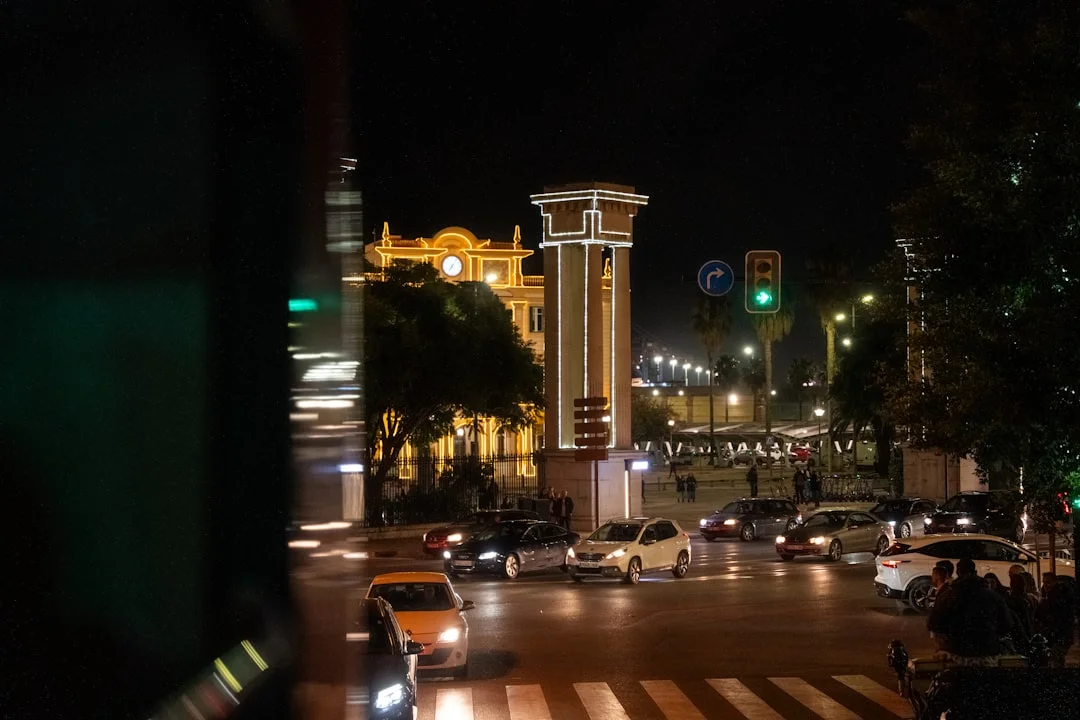
    Anyone who has driven along the Costa del Sol knows the familiar rhythm of the A-7 highway: smooth cruising suddenly interrupted by a sea of red brake lights. For expats, daily commuters, and the millions of tourists who rely on rental cars to explore the coast, traffic bottlenecks are a well-known reality. Unfortunately, recent developments suggest these gridlocks are here to stay a while longer.

    The national government has recently halted approximately 50 road improvement and expansion projects across the Málaga province. According to recent reports from Diario Sur, this freeze affects crucial infrastructure developments that were specifically designed to alleviate the mounting regional traffic.

    What the Freeze Means for the Costa del Sol

    With the suspension of these projects, the anticipated relief for the region’s busiest arteries is officially delayed. While the community finds positive momentum in other local developments, such as the recent rise of inclusive and women’s sports in Malaga, here is what drivers need to know about the current situation:

    1. The A-7 Highway Will Remain a Pinch Point

    The A-7 (Autovía del Mediterráneo) is the lifeblood of the coast, connecting Málaga city to Torremolinos, Benalmádena, Fuengirola, and Marbella. Several of the frozen projects were aimed at adding lanes or improving complex junctions along this route. Without these upgrades, drivers should expect the usual heavy congestion, particularly during the morning rush hour (7:30 AM to 9:30 AM) and evening commutes (5:00 PM to 7:00 PM).

    2. Rental Car Logistics Need Extra Buffer Time

    For visitors planning their 2026 holidays, driving in Málaga will require a bit more patience. If you are renting a car at Málaga-Costa del Sol Airport, factor in extra travel time when heading to your accommodation, especially if arriving on a Friday evening or a weekend morning.

    3. Coastal Access Roads Under Strain

    Beyond the main highways, the delayed improvements also impact secondary roads leading into popular coastal towns. Local roundabouts and access ramps that were slated for modernization will continue to operate at maximum capacity, leading to localized backups.

    Navigating Traffic on the Costa del Sol

    While the delay of Málaga road works in 2026 is frustrating, there are practical ways to adapt:

    • Embrace the Cercanías: The C1 train line connecting Málaga city to Fuengirola remains one of the most efficient ways to bypass coastal traffic entirely.
    • Use the AP-7 Toll Road: When traveling longer distances (like Málaga to Marbella), the AP-7 toll highway is almost always clear. The toll fee is often worth the time saved and the reduction in driving stress.
    • Time Your Drives: If possible, avoid being on the A-7 during peak commuter hours. Mid-day and late evening drives are significantly smoother.
    • Rely on Real-Time Navigation: Always use apps like Waze or Google Maps, which dynamically route you around sudden accidents or severe bottlenecks.

    Living and driving in such a vibrant, growing region always comes with growing pains, and infrastructure often struggles to keep pace with popularity. While the pausing of these 50 road projects is a setback for everyone who calls this beautiful coastline home, the Costa del Sol remains incredibly well-connected. With a little extra planning, some patience, and perhaps a good podcast, navigating the roads here is still just a small price to pay for enjoying the incredible lifestyle Málaga has to offer.

  • Málaga zur Europäischen Hauptstadt der Gastronomiekultur 2026/2027 gekürt: Was das für unsere Restaurantszene bedeutet

    Málaga zur Europäischen Hauptstadt der Gastronomiekultur 2026/2027 gekürt: Was das für unsere Restaurantszene bedeutet

    Es ist offiziell: Málagas Gastronomieszene ist aus dem Schatten getreten und hat die große Bühne betreten. Kürzlich zur Europäischen Hauptstadt der Gastronomiekultur 2026/2027 ernannt, ist unsere Küstenstadt nicht länger nur das Tor zur Costa del Sol – sie ist ein echtes kulinarisches Reiseziel für sich. Für diejenigen von uns, die hier leben, sind das nicht unbedingt Neuigkeiten. Wir haben diese Transformation direkt auf unseren Tellern miterlebt. Doch diese institutionelle Anerkennung markiert einen Wendepunkt für die Restaurants, Köche und alltäglichen Gäste der Stadt.

    Eine Metamorphose mit Michelin-Sternen

    Wenn Sie nur fünf Jahre zurückblicken, verließ sich Málaga stark auf seine geliebten, traditionellen Grundnahrungsmittel: espetos am Strand, klassische Tapas und herzhafte platos de los montes. Während diese weiterhin die Seele unserer lokalen Ernährung bleiben, ist die Landschaft der gehobenen Gastronomie regelrecht explodiert.

    Heute rühmt sich Málaga stolz der höchsten Anzahl an Michelin-Sterne-Restaurants aller Provinzen in Andalusien. Dieser rasante Aufstieg von der ungezwungenen Strandgastronomie zur Haute Cuisine ist ein Zeugnis für die lokalen Köche, die andalusische Aromen neu interpretieren. Laut Málaga Hoy würdigt diese prestigeträchtige europäische Auszeichnung nicht nur die Qualität des Essens, sondern auch das kulturelle Gewicht von Málagas kulinarischer Entwicklung. Es ist eine Anerkennung dafür, dass unser Essen die Geschichte des Mittelmeers erzählt und jahrhundertealte Traditionen mit modernster Innovation verbindet.

    Das zweischneidige Schwert des kulinarischen Ruhms

    Lassen Sie uns dies jedoch durch eine praktische Linse betrachten. Wie Expats, digitale Nomaden und langjährige Einheimische nur allzu gut wissen, bringt dieser gastronomische Boom auch Wachstumsschmerzen mit sich.

    Die “Foodie”-Gentrifizierung von Málagas historischem Zentrum ist real. Räumlichkeiten, in denen einst familiengeführte tabernas untergebracht waren, werden zunehmend durch Konzeptrestaurants mit Degustationsmenüs und minimalistischem Dekor ersetzt. Während die Qualität des Essens unbestreitbar in die Höhe geschossen ist, gilt dies auch für die Preise. Die Zeiten, in denen man an einem Freitagabend in ein hoch bewertetes Lokal in Soho oder im Centro Histórico spazierte und mühelos einen Tisch bekam, sind weitgehend vorbei.

    Eine Reservierung in den Spitzenrestaurants der Stadt zu bekommen, erfordert mittlerweile militärische Präzision. Sie müssen oft Wochen, manchmal sogar Monate im Voraus buchen. Für den spontanen Restaurantbesucher kann dieser Wandel frustrierend sein. Der Zustrom des kulinarischen Tourismus, der durch diesen neuen europäischen Titel 2026/2027 noch verstärkt wird, bedeutet, dass wir nun mit internationalen Restaurantkritikern und engagierten Gastro-Touristen um einen Platz an den Tischen unserer Nachbarschaft konkurrieren.

    Wie Sie sich 2026 in Málagas Gastronomieszene zurechtfinden

    Wie genießen wir also das Beste aus beiden Welten? Hier sind einige praktische Tipps, wie Sie sich in diesem Jahr in Málagas gefeierter Restaurantszene zurechtfinden können:

    • Buchen Sie rechtzeitig im Voraus: Wenn Sie eines der Michelin-Sterne-Lokale oder eine angesagte Neueröffnung ausprobieren möchten, setzen Sie sich eine Erinnerung in den Kalender. Behandeln Sie Restaurantreservierungen wie Flugbuchungen – erledigen Sie sie frühzeitig.
    • Wagen Sie sich über das Zentrum hinaus: Der gastronomische Boom greift auf Viertel wie Teatinos, Huelin und El Palo über. In diesen Gegenden finden Sie oft unglaubliches, innovatives Essen ohne die Preisaufschläge des historischen Zentrums oder die endlosen Wartelisten.
    • Nutzen Sie das Mittagsmenü: Viele gehobene Restaurants bieten zur Mittagszeit ein menú del día oder ein verkürztes Degustationsmenü an. Dies ist eine fantastische Möglichkeit, preisgekrönte Küche ohne die teuren Abendpreise zu erleben.
    • Unterstützen Sie die Klassiker: Lassen Sie sich von den glänzenden neuen Sternen nicht völlig von den traditionellen peñas und marisquerías ablenken. Das Fundament unseres Titels als Europäische Hauptstadt der Gastronomiekultur wurde auf diesen bescheidenen, generationenalten Betrieben aufgebaut.

    Letztendlich ist es etwas, worauf wir aufrichtig stolz sein können, Málaga auf europäischer Ebene anerkannt zu sehen. Es bringt Chancen mit sich, wertet unsere lokalen Zutaten auf und rückt unsere hart arbeitenden Köche in das Rampenlicht, das sie verdienen. Auch wenn wir unsere Freitagabendessen heutzutage vielleicht etwas weiter im Voraus planen müssen, machen die schiere Vielfalt und Qualität des Essens, das wir genießen dürfen, die zusätzliche Mühe lohnenswert. Erheben wir ein Glas lokalen Moscatel auf die Köche, die Kellner und die Markthändler, die diese unglaubliche Entwicklung möglich gemacht haben.

  • Málaga Crowned European Capital of Gastronomic Culture 2026/2027: What It Means for Our Food Scene

    Málaga Crowned European Capital of Gastronomic Culture 2026/2027: What It Means for Our Food Scene

    It’s official: Málaga’s food scene has stepped out of the shadows and onto the main stage. Recently designated as the European Capital of Gastronomic Culture for 2026/2027, our coastal city is no longer just a gateway to the Costa del Sol—it is a bona fide culinary destination in its own right. For those of us living here, this isn’t exactly breaking news. We’ve watched the transformation happen right on our plates. But this institutional recognition marks a turning point for the city’s restaurants, chefs, and everyday diners.

    A Michelin-Starred Metamorphosis

    If you rewind just five years, Málaga was heavily reliant on its beloved, traditional staples: espetos on the beach, classic tapas, and hearty platos de los montes. While those remain the soul of our local diet, the high-end dining landscape has exploded, reflecting a broader wave of modernization that is also driving the rise of inclusive and women’s sports across the city.

    Today, Málaga proudly boasts the highest number of Michelin-starred establishments of any province in Andalusia. This rapid ascent from casual seaside dining to haute cuisine is a testament to the local chefs who are reimagining Andalusian flavors. According to Málaga Hoy, this prestigious European designation recognizes not just the quality of the food, but the cultural weight of Málaga’s culinary evolution. It is an acknowledgment that our food tells the story of the Mediterranean, blending centuries-old traditions with cutting-edge innovation.

    The Double-Edged Sword of Culinary Fame

    However, let’s look at this through a practical lens. As expats, digital nomads, and long-term locals know all too well, this gastronomic boom comes with growing pains, making it increasingly difficult to find authentic tapas and avoid the new tourist traps.

    The “foodie” gentrification of Málaga’s historic center is real. Spaces that once housed family-run tabernas are increasingly being replaced by concept restaurants with tasting menus and minimalist decor. While the quality of food has undeniably skyrocketed, so have the prices. The days of wandering into a highly-rated spot in Soho or the Centro Histórico on a Friday night and effortlessly grabbing a table are largely gone.

    Getting a reservation at the city’s top-tier restaurants now requires military precision. You often need to book weeks, sometimes months, in advance. For the spontaneous diner, this shift can feel frustrating. The influx of culinary tourism, bolstered by this new 2026/2027 European title, means we are now competing with international food critics and dedicated gastro-tourists for a seat at our neighborhood tables.

    How to Navigate Málaga’s Food Scene in 2026

    So, how do we enjoy the best of both worlds? Here are a few practical tips for navigating Málaga’s celebrated dining scene this year:

    • Book Well in Advance: If you want to try one of the Michelin-starred venues or a trendy new opening, set a calendar reminder. Treat restaurant reservations like flight bookings—do it early.
    • Venture Beyond the Center: The gastronomic boom is spilling over into neighborhoods like Teatinos, Huelin, and El Palo. You will often find incredible, innovative food in these areas without the historic center markup or the massive waitlists.
    • Embrace the Lunch Menu: Many high-end restaurants offer a menú del día or a shortened tasting menu during lunch hours. It is a fantastic way to experience award-winning cuisine without the premium dinner price tag.
    • Support the Classics: Don’t let the shiny new stars distract you entirely from the traditional peñas and marisquerías. The foundation of our European Capital of Gastronomic Culture title was built on these humble, generations-old establishments.

    At the end of the day, seeing Málaga recognized on a European scale is something to be genuinely proud of. It brings opportunity, elevates our local ingredients, and puts our hardworking chefs in the spotlight they deserve. While we might have to plan our Friday night dinners a little further in advance these days, the sheer variety and quality of the food we get to enjoy make the extra effort worthwhile. Let’s raise a glass of local Moscatel to the chefs, the waiters, and the market vendors who made this incredible evolution possible.

  • Umweltkrise in der Axarquía: 170.000 Tonnen illegaler Bauschutt entdeckt

    Umweltkrise in der Axarquía: 170.000 Tonnen illegaler Bauschutt entdeckt

    Die Region Axarquía mit ihren weiten Tälern, sonnenverwöhnten Hügeln und traditionellen weißen Dörfern ist seit langem ein Zufluchtsort für diejenigen, die ein ruhigeres Leben suchen. Diese östliche Comarca beherbergt eine der größten Gemeinschaften ausländischer Einwohner in Málaga, der zukünftigen Europäischen Hauptstadt der Gastronomiekultur, und wird für ihre unberührte ländliche Umgebung gefeiert. Eine erhebliche Umweltkatastrophe hat jedoch einen Schatten auf diese idyllische Landschaft geworfen und dient als eindringliche Erinnerung an die Herausforderungen, denen der ländliche Naturschutz gegenübersteht.

    Das Ausmaß der Katastrophe

    In einer groß angelegten Operation zum Schutz des lokalen Ökosystems leitete die Guardia Civil eine Untersuchung gegen ein massives illegales Entsorgungsnetzwerk ein. Laut Berichten von elDiario.es entdeckten die Behörden fast 170.000 Tonnen Bau- und Abbruchabfälle, die illegal in der gesamten Region abgeladen wurden.

    Die Untersuchung richtet sich gegen 12 Personen, die mit diesem weitreichenden Umweltverbrechen in Verbindung stehen. Anstatt autorisierte Abfallentsorgungsanlagen zu nutzen – für die Bearbeitungsgebühren anfallen –, luden die Täter systematisch Bauschutt, Kunststoffe und potenziell gefährliche Baumaterialien auf ländlichen Grundstücken (fincas rústicas) ab, die abseits der Hauptstraßen versteckt liegen. Diese Vorfälle werfen ein weiteres Schlaglicht auf die administrativen und sicherheitstechnischen Herausforderungen der Region, die derzeit auch durch wachsende Bedenken hinsichtlich der Strandsicherheit und der prekären Lage der Rettungsschwimmer in Málaga in den Fokus rücken.

    Warum dies global und lokal von Bedeutung ist

    Der weltweite Trend zu einer nachhaltigen Lebensweise zieht Menschen oft an Orte wie die Axarquía. Expats und Einheimische gleichermaßen investieren hier in ländliche Immobilien, nicht nur wegen des Klimas, sondern auch wegen der tiefen Verbundenheit mit der Natur.

    Wenn 170.000 Tonnen Beton, Ziegel und chemische Rückstände im Boden abgeladen werden, sind die Auswirkungen verheerend:
    * Bodenverunreinigung: Schwermetalle und Chemikalien aus Bauschutt können ins Erdreich sickern und landwirtschaftliche Flächen gefährden, die für Avocados, Mangos und traditionelle Olivenhaine berühmt sind.
    * Risiken für die Wasserversorgung: Die Axarquía steht vor gut dokumentierten Herausforderungen bei der Wasserversorgung. Illegale Mülldeponien drohen unterirdische Grundwasserleiter zu verunreinigen, die sowohl für die Landwirtschaft als auch für die Wohnnutzung lebenswichtig sind.
    * Verlust der Artenvielfalt: Die Zerstörung natürlicher Lebensräume durch illegale Müllentsorgung verdrängt die heimische Tierwelt und stört das empfindliche ökologische Gleichgewicht der Region.

    Auswirkungen für Käufer ländlicher Immobilien

    Für die internationale Gemeinschaft, die es in die ländlichen Gebiete von Málaga zieht, unterstreicht dieser Vorfall einen entscheidenden Aspekt beim Kauf ländlicher Immobilien: die Sorgfaltspflicht. Der Traum vom Besitz einer abgelegenen finca muss mit einem klaren Verständnis für die Geschichte des Grundstücks und seiner unmittelbaren Umgebung in Einklang gebracht werden.

    Wenn Sie in Erwägung ziehen, eine Immobilie in der Axarquía zu erwerben, sollten Sie die folgenden Schritte beachten, um Ihre Investition und die Umwelt zu schützen:

    1. Führen Sie gründliche Grundstücksuntersuchungen durch: Beauftragen Sie immer einen unabhängigen Gutachter, um das Grundstück auf unbefugte Mülldeponien, vergrabene Abfälle oder unregelmäßige topografische Veränderungen zu überprüfen.
    2. Überprüfen Sie die Landnutzung: Stellen Sie sicher, dass das Grundstück in der Vergangenheit nicht als inoffizieller Abladeplatz von Vorbesitzern oder benachbarten Baustellen genutzt wurde – ein zunehmend wichtiger Schritt, da der Wohnungsbau in ganz Málaga neue Höchststände erreicht.
    3. Arbeiten Sie mit seriösen Fachleuten zusammen: Beauftragen Sie lokale Anwälte und Immobilienmakler, die die Umweltvorschriften der Junta de Andalucía verstehen und den ökologischen Status der Immobilie verifizieren können.

    Der Weg zur Wiederherstellung

    Das Eingreifen der Umweltschutzeinheit der Guardia Civil (SEPRONA) ist ein wichtiger Schritt zur Bewältigung dieser Krise. Indem die Verantwortlichen zur Rechenschaft gezogen werden, senden die lokalen Behörden die klare Botschaft, dass die Ausbeutung von Málagas Naturlandschaften schwerwiegende Konsequenzen hat.

    Die physische Beseitigung von 170.000 Tonnen Schutt stellt jedoch eine monumentale logistische und finanzielle Herausforderung dar. Sie erfordert koordinierte Anstrengungen von Regionalregierungen, Umweltbehörden und Landbesitzern, um diese betroffenen Täler wieder in ihren natürlichen Zustand zu versetzen.

    Während wir die Wiederherstellungsbemühungen beobachten, ist dies eine eindringliche Erinnerung daran, wie zerbrechlich unsere wunderschöne Umgebung sein kann. Ob wir in Málaga geboren wurden oder uns später im Leben entschieden haben, es zu unserer Heimat zu machen, wir alle teilen das Privileg, in diesem bemerkenswerten Teil der Welt zu leben. Indem wir uns informieren, den lokalen Umweltschutz unterstützen und Rechenschaftspflicht einfordern, können wir dazu beitragen, sicherzustellen, dass die Axarquía auch für kommende Generationen ein lebendiger, gesunder Zufluchtsort bleibt.

  • Environmental Crisis in Axarquía: 170,000 Tons of Illegal Rubble Uncovered

    Environmental Crisis in Axarquía: 170,000 Tons of Illegal Rubble Uncovered

    The Axarquía region, with its sweeping valleys, sun-drenched hills, and traditional white villages, has long been a sanctuary for those seeking a quieter pace of life. Home to one of the largest communities of foreign residents in Málaga—a province also drawing international attention for its recent recognition as a European gastronomic capital—this eastern comarca is celebrated for its pristine rural environment. However, a significant environmental disaster has cast a shadow over this idyllic landscape, serving as a stark reminder of the challenges facing rural preservation.

    The Scale of the Disaster

    In a major operation protecting the local ecosystem, the Guardia Civil launched an investigation into a massive illegal dumping network. According to reports from elDiario.es, authorities uncovered nearly 170,000 tons of construction and demolition waste illegally deposited across the region.

    The investigation implicated 12 individuals connected to this large-scale environmental crime. Rather than utilizing authorized waste management facilities—which require processing fees—the perpetrators systematically dumped rubble, plastics, and potentially hazardous building materials onto rustic plots of land (fincas rústicas) hidden from main roads.

    Why This Matters Globally and Locally

    The global shift toward sustainable living often drives individuals to places like the Axarquía. Expats and locals alike invest in rural properties here not just for the climate, but for the profound connection to nature.

    When 170,000 tons of concrete, brick, and chemical residues are dumped into the soil, the impact is devastating:
    * Soil Contamination: Heavy metals and chemicals from construction waste can leach into the earth, compromising agricultural land famous for avocados, mangoes, and traditional olive groves.
    * Water Supply Risks: The Axarquía faces well-documented water challenges. Illegal landfills threaten to contaminate subterranean aquifers, which are vital for both farming and residential use.
    * Biodiversity Loss: The destruction of natural habitats to make way for illegal dumping displaces local wildlife and disrupts the delicate ecological balance of the region.

    Implications for Rural Property Buyers

    For the international community drawn to Málaga’s countryside, this incident highlights a crucial aspect of buying rural property: due diligence. The dream of owning a secluded finca must be balanced with a clear understanding of the land’s history and its immediate surroundings.

    If you are considering purchasing property in the Axarquía, consider the following steps to protect your investment and the environment:

    1. Conduct Thorough Land Surveys: Always hire an independent surveyor to inspect the land for unauthorized landfills, buried waste, or irregular topographical changes.
    2. Verify Land Use: Ensure the plot has not been historically used as an informal dumping ground by previous owners or neighboring construction sites, an increasingly relevant step as housing construction hits new highs across Málaga.
    3. Work with Reputable Professionals: Engage local lawyers and real estate agents who understand the environmental regulations of the Junta de Andalucía and can verify the ecological status of the property.

    The Path to Restoration

    The intervention by the Guardia Civil’s environmental protection service (SEPRONA) is a vital step in addressing this crisis. By holding the responsible parties accountable, local authorities are sending a clear message that the exploitation of Málaga’s natural landscapes carries severe consequences.

    However, the physical cleanup of 170,000 tons of debris presents a monumental logistical and financial challenge. It requires coordinated efforts between regional governments, environmental agencies, and landowners to restore these affected valleys to their natural state.

    As we watch the recovery efforts unfold, it is a poignant reminder of how fragile our beautiful surroundings can be. Whether we were born in Málaga or chose to make it our home later in life, we all share the privilege of living in this remarkable corner of the world. By staying informed, supporting local environmental protections, and demanding accountability, we can help ensure that the Axarquía remains a vibrant, healthy haven for generations to come.

  • Wochenendpläne für Familien in Málaga: Magie, Musicals und Kindertheater

    Wochenendpläne für Familien in Málaga: Magie, Musicals und Kindertheater

    Die Wochenenden in Málaga bieten so viel mehr als nur wunderschöne Strände und sonnige Tage im Park. Für internationale Familien, die an der Costa del Sol leben, hat es Priorität, ansprechende Wochenendaktivitäten zu finden – nicht nur zur Unterhaltung, sondern auch zur Integration. Der Besuch lokaler Kulturveranstaltungen ist eine der effektivsten und angenehmsten Möglichkeiten für Kinder, das in der Schule gelernte Spanisch in einer realen, entspannten Umgebung zu üben.

    Egal, ob Sie der Mittagssonne entfliehen oder einfach Ihre Wochenendroutine abwechseln möchten, Málagas lebendige Kulturszene ist voller familienfreundlicher Optionen. Lassen Sie uns einige der besten Arten von Aufführungen erkunden, nach denen Sie Ausschau halten sollten, und wie Ihre Kinder davon profitieren können.

    Die universelle Sprache der Magie

    Zaubershows sind ein fantastischer Einstieg in die spanische Kultur für Expat-Kinder. Da Illusionen und Fingerfertigkeit stark visuell geprägt sind, können Kinder der Handlung leicht folgen und fasziniert bleiben, selbst wenn sie nicht jedes einzelne Wort verstehen, das auf der Bühne gesprochen wird.

    Lokale Veranstaltungsorte bieten an Wochenenden häufig morgens oder nachmittags Zaubervorstellungen an, die speziell auf Kinder zugeschnitten sind. Diese Shows sind sehr interaktiv und laden oft mutige Freiwillige auf die Bühne ein. Der einfache, sich wiederholende Wortschatz, den die Zauberer verwenden, um das Publikum einzubeziehen, macht es zu einer unterhaltsamen, unbewussten Sprachlektion für jüngere Zuschauer.

    Eingängige Melodien und Kindermusicals

    Musik ist weithin als eines der besten Werkzeuge zum Behalten einer Sprache anerkannt. Die Theater in Málaga veranstalten regelmäßig Kindermusicals, bei denen oft klassische Märchen, beliebte Animationsfilme oder lokale Folklore in lebendige Bühnenproduktionen adaptiert werden.

    Der Besuch eines Musicals mit Ihren Kindern bietet ein multisensorisches Erlebnis. Die eingängigen Melodien und das ausdrucksstarke Schauspiel helfen dabei, den spanischen Dialog in einen Kontext zu setzen, was es Kindern erleichtert, neue Vokabeln zu erfassen. Zudem halten die energiegeladene Choreografie und die farbenfrohen Kostüme selbst die unruhigsten Kleinkinder bei Laune.

    Klassisches Kindertheater

    Für ein tieferes Eintauchen in die Sprache ist traditionelles Kindertheater (teatro infantil) ein ausgezeichneter Wochenendplan. Veranstaltungsorte in der ganzen Stadt – vom großen Teatro Echegaray bis hin zu intimeren, alternativen Räumen wie La Cochera Cabaret – widmen ihre Wochenend-Matineen häufig einem jüngeren Publikum.

    Diese Stücke reichen von Puppenspielen für Kleinkinder bis hin zu komplexerem Geschichtenerzählen für Vorpubertierende. Sie beinhalten oft wertvolle Lektionen fürs Leben, Humor und Publikumsbeteiligung. Wenn Sie Ihre Kinder ermutigen, auf Spanisch auf die Aufforderungen der Schauspieler zu reagieren, stärkt dies ihr Selbstvertrauen und hilft ihnen, sich als aktiver Teil der lokalen Gemeinschaft zu fühlen.

    So finden Sie heraus, was auf dem Programm steht

    Den Überblick über das Kulturprogramm zu behalten, kann sich manchmal überwältigend anfühlen, besonders wenn man sich in einer neuen Stadt zurechtfinden muss. Eine großartige Gewohnheit ist es, regelmäßig lokale spanische Publikationen zu prüfen, die Wochenendausflugsziele zusammenstellen.

    Sie können beispielsweise die Wochenendpläne von Diario Sur durchstöbern, um über die neuesten familienfreundlichen Veranstaltungen in der gesamten Provinz auf dem Laufenden zu bleiben. Wenn Sie diese lokalen Einträge jeden Donnerstag oder Freitag überprüfen, haben Sie einen Vorsprung bei der Buchung von Tickets für die beliebtesten Shows.

    Kurze Tipps für Expat-Familien

    • Im Voraus buchen: Veranstaltungsorte für Kindershows sind oft intim, und Tickets für beliebte Wochenendtermine können schnell ausverkauft sein.
    • Das empfohlene Alter prüfen: Die meisten Ticket-Websites geben die Zielaltersgruppe für die Vorstellung deutlich an. Wenn Sie sich an diese Richtlinien halten, stellen Sie sicher, dass Sprache und Laufzeit der Aufmerksamkeitsspanne Ihres Kindes entsprechen.
    • Den Zeitplan annehmen: Während das spanische Nachtleben spät beginnt, findet Kindertheater in der Regel zu sehr familienfreundlichen Zeiten statt und bietet typischerweise Vorstellungen gegen 12:00 Uhr mittags oder am frühen Abend um 17:00 Uhr an.

    Eine anstrengende Woche mit einem gemeinsamen Lachen in einem lokalen Theater ausklingen zu lassen, ist eine der einfachen Freuden des Lebens hier. Es erinnert uns daran, dass das Erlernen einer neuen Sprache und die Anpassung an eine andere Kultur zwar Zeit braucht, die Reise selbst jedoch unglaublich viel Spaß machen kann. Wir hoffen, dass Ihre kommenden Wochenenden voller Wunder, ein wenig Magie und vielen glücklichen Familienerinnerungen sein werden.

  • Weekend Family Plans in Málaga: Magic, Musicals, and Children’s Theater

    Weekend Family Plans in Málaga: Magic, Musicals, and Children’s Theater

    Weekends in Málaga offer so much more than just beautiful beaches and sunny park days. For international families living on the Costa del Sol, finding engaging weekend activities is a priority—not just for entertainment, but for integration. Even if driving to these outings requires a bit more planning due to recently halted road improvement projects across Málaga, attending local cultural events remains one of the most effective and enjoyable ways for children to practice the Spanish they learn at school in a real-world, low-pressure environment.

    Whether you are looking to escape the midday sun or simply want to switch up your weekend routine, Málaga’s vibrant cultural scene is packed with family-friendly options. Let’s explore some of the best types of shows to look out for and how they can benefit your children.

    The Universal Language of Magic

    Magic shows are a fantastic entry point into Spanish culture for expat children, perfectly complementing a day of exploring Malaga’s authentic tapas scene. Because illusions and sleight of hand are highly visual, kids can easily follow the storyline and remain captivated even if they don’t understand every single word spoken on stage.

    Local venues frequently host weekend morning or afternoon magic performances tailored specifically for children. These shows are highly interactive, often inviting brave volunteers onto the stage. The simple, repetitive vocabulary used by magicians to engage the crowd makes it a fun, subconscious language lesson for younger audiences.

    Catchy Tunes and Children’s Musicals

    Music is widely recognized as one of the best tools for language retention. Málaga’s theaters regularly host children’s musicals, often adapting classic fairy tales, popular animated movies, or local folklore into vibrant stage productions.

    Taking your kids to a musical offers a multi-sensory experience. The catchy melodies and expressive acting help contextualize the Spanish dialogue, making it easier for children to grasp new vocabulary. Plus, the energetic choreography and colorful costumes keep even the most restless toddlers entertained.

    Classic Children’s Theater

    For a deeper dive into the language, traditional children’s theater (teatro infantil) is an excellent weekend plan. Venues across the city—from the grand Teatro Echegaray to more intimate, alternative spaces like La Cochera Cabaret—frequently dedicate their weekend matinees to younger audiences.

    These plays range from puppet shows for toddlers to more complex storytelling for pre-teens. They often incorporate valuable life lessons, humor, and audience participation. Encouraging your children to respond to the actors’ prompts in Spanish builds their confidence and helps them feel like an active part of the local community.

    How to Find What’s On

    Keeping track of the cultural agenda can sometimes feel overwhelming, especially when navigating a new city. A great habit is to regularly check local Spanish publications that curate weekend guides.

    For instance, you can browse Diario Sur’s weekend plans to stay updated on the latest family-friendly events happening across the province. Checking these local listings every Thursday or Friday will give you a head start on booking tickets for the most popular shows.

    Quick Tips for Expat Families

    • Book in advance: Venues for children’s shows are often intimate, and tickets for popular weekend slots can sell out quickly.
    • Check the recommended age: Most ticketing websites clearly state the target age group for the performance. Sticking to these guidelines ensures the language and runtime are appropriate for your child’s attention span.
    • Embrace the schedule: While Spanish nightlife starts late, children’s theater usually takes place at very family-friendly hours, typically offering sessions around 12:00 PM or early evening at 5:00 PM.

    Wrapping up a busy week with a shared laugh in a local theater is one of the simple joys of living here. It reminds us that while learning a new language and adapting to a different culture takes time, the journey itself can be incredibly fun. We hope your upcoming weekends are filled with wonder, a bit of magic, and plenty of happy family memories.

  • Wohnungsbau in Málaga erreicht 2026 Höchststände, doch die Krise hält an

    Wohnungsbau in Málaga erreicht 2026 Höchststände, doch die Krise hält an

    Ein Zuhause zu finden, ist zur größten Hürde für Einheimische und Expats geworden, die nach Málaga ziehen. Während die Stadt weiterhin als erstklassiges europäisches Ziel für Remote-Arbeiter, Rentner und Tech-Profis glänzt, steht ihr Immobilienmarkt unter beispiellosem Druck. Aktuelle Daten von Anfang 2026 bieten jedoch einen Hoffnungsschimmer – auch wenn Experten warnen, dass wir von einer vollständigen Lösung noch weit entfernt sind.

    Ein Rekordstart ins Jahr 2026

    Das erste Quartal 2026 hat einige der ermutigendsten Bauzahlen gebracht, die die Provinz seit Jahren gesehen hat. Die Zahl der genehmigten Bauanträge für Neubauten ist sprunghaft angestiegen, was zeigt, dass die Bauträger bestrebt sind, neue Projekte zu beginnen. Konkret hebt Málaga Hoy einen Anstieg der Baugenehmigungen um 37 % im Jahresvergleich für neue Häuser hervor, was insgesamt 3.195 Einheiten allein in den ersten drei Monaten des Jahres entspricht.

    Dies markiert den stärksten Start für den lokalen Immobilienbausektor seit den vorherigen Höchstständen von 2017 und 2021. Für diejenigen, die 2026 ein Haus in Málaga kaufen möchten, signalisiert dieser Aufschwung bei neuen Bauprojekten, dass die Bauherren aktiv versuchen, die anhaltende Nachfrage zu bedienen.

    Warum die Wohnungskrise anhält

    Trotz des beeindruckenden Sprungs von 37 % beim Neubau hat die Architektenkammer von Málaga eine ernüchternde Warnung ausgesprochen: Diese Zahlen sind noch immer völlig unzureichend, um die aktuelle Wohnungskrise abzukühlen.

    Mehrere Faktoren tragen zu diesem anhaltenden Engpass bei:

    • Angestautes Defizit: Jahrelange geringe Bautätigkeit infolge vergangener wirtschaftlicher Schwankungen bedeutet, dass der aktuelle Aufschwung lediglich einen Rückstand aufholt.
    • Bevölkerungswachstum: Der Zustrom internationaler Einwohner und inländischer Migranten, die an die Costa del Sol ziehen, übersteigt weiterhin die Fertigstellung neuer Wohneinheiten.
    • Bauzeiten: Eine heutige Baugenehmigung bedeutet nicht, dass morgen ein bezugsfertiges Haus zur Verfügung steht. Projekte nehmen Jahre in Anspruch, was bedeutet, dass die unmittelbare Entlastung der Mietpreise an der Costa del Sol minimal ausfallen wird.

    Was das für Käufer und Mieter bedeutet

    Wenn Sie sich in diesem Jahr auf dem Immobilienmarkt von Málaga bewegen, bleibt die Lage stark umkämpft. Die anhaltende Kluft zwischen Angebot und Nachfrage bedeutet, dass Immobilienpreise und Mietraten in naher Zukunft wahrscheinlich keinen starken Rückgang verzeichnen werden.

    Für angehende Käufer bedeutet der Zustrom von über 3.000 neuen Einheiten im ersten Quartal 2026, dass bald mehr Angebote für den Kauf vom Plan auf den Markt kommen werden. Käufer sollten jedoch darauf vorbereitet sein, schnell zu handeln, und mit Premiumpreisen rechnen, insbesondere in stark gefragten Vierteln und Küstengemeinden.

    Für Mieter erfordert die Situation Geduld und Flexibilität. Angesichts des strukturellen Defizits im Wohnungsbestand bleibt es eine große Herausforderung, einen langfristigen Mietvertrag zu einem angemessenen Preis zu sichern, was oft ein umfangreiches Netzwerk und schnelle Entscheidungsfindung erfordert.

    Sich derzeit auf dem Wohnungsmarkt von Málaga zurechtzufinden, erfordert eine Mischung aus realistischen Erwartungen und Durchhaltevermögen. Auch wenn es ermutigend ist zu sehen, wie die Kräne in das Stadtbild zurückkehren und die Bauzahlen steigen, ist der Weg zu einem ausgewogenen Markt ein Marathon und kein Sprint. Wir können nur hoffen, dass nachhaltige Baumaßnahmen und eine durchdachte Stadtplanung es letztendlich für alle etwas weniger entmutigend machen, ein Zuhause in unserer schönen Provinz zu finden.

  • Málaga Housing Construction Hits Highs in 2026, Yet the Crisis Persists

    Málaga Housing Construction Hits Highs in 2026, Yet the Crisis Persists

    Finding a place to call home has become the single biggest hurdle for both locals and expats moving to Málaga. While the city continues to shine as a premier European destination for remote workers, retirees, and tech professionals, its real estate market is under unprecedented pressure. However, recent data from early 2026 offers a glimmer of hope—though experts warn we are far from a complete solution.

    A Record Start to 2026

    The first quarter of 2026 has brought some of the most encouraging construction figures the province has seen in years. The number of approved new build visas has surged, indicating that developers are eager to break ground. Specifically, Málaga Hoy highlights a 37% year-over-year increase in visa approvals for new homes, totaling 3,195 units in just the first three months of the year.

    This marks the strongest start for the local real estate construction sector since the previous peaks of 2017 and 2021. For those looking to buy a house in Málaga in 2026, this uptick in new developments signals that builders are actively trying to capitalize on the sustained demand.

    Why the Housing Crisis Persists

    Despite the impressive 37% jump in new construction, the Málaga College of Architects has issued a sobering warning: these numbers are still entirely insufficient to cool down the current housing crisis.

    Several factors contribute to this ongoing bottleneck:

    • Accumulated Deficit: Years of under-building following past economic fluctuations mean the current surge is merely playing catch-up.
    • Population Growth: The influx of international residents and domestic migrants moving to the Costa del Sol continues to outpace the delivery of new housing units.
    • Construction Timelines: A visa approval today does not mean a move-in-ready home tomorrow. Projects take years to complete, meaning the immediate relief on rent prices on the Costa del Sol will be minimal.

    What This Means for Buyers and Renters

    If you are navigating the Málaga real estate market this year, the landscape remains highly competitive. The persistent gap between supply and demand means that property prices and rental rates are unlikely to see a sharp decline in the near future.

    For prospective buyers, the influx of over 3,000 new units in Q1 2026 means more off-plan options will soon hit the market. However, buyers should be prepared to act quickly and expect premium pricing, particularly in highly sought-after neighborhoods and coastal municipalities.

    For renters, the situation requires patience and flexibility. With the structural deficit in housing stock, securing a long-term lease at a reasonable rate remains a significant challenge, often requiring extensive networking and fast decision-making.

    Navigating Málaga’s housing market right now requires a mix of realistic expectations and perseverance. While it is encouraging to see cranes returning to the skyline and construction numbers climbing, the path to a balanced market is a marathon, not a sprint. We can only hope that sustained building efforts and thoughtful urban planning will eventually make finding a home in our beautiful province a little less daunting for everyone.

  • Málaga Crowned European Capital of Gastronomic Culture 2026/2027

    Málaga Crowned European Capital of Gastronomic Culture 2026/2027

    Málaga’s culinary evolution has been hiding in plain sight, but the secret is officially out. If you live here or are planning a visit, your dining itinerary just got a major upgrade. Málaga has been designated as the European Capital of Gastronomic Culture for the 2026/2027 term, cementing its status as a premier destination for food lovers across the continent, even as locals navigate a persistent housing crisis despite record highs in construction.

    A Title Well Earned

    For decades, the Costa del Sol was primarily synonymous with fried fish, hearty tapas, and beachside chiringuitos. While those traditional spots remain the beating heart of our local diet, the high-end dining scene has completely transformed. As reported by Málaga Hoy, this prestigious European designation officially recognizes the city’s meteoric rise in culinary excellence.

    The data backs up the hype. According to City Hall, in just a short five-year span leading up to this award, Málaga has become the provincial capital boasting the highest number of Michelin-starred establishments. That is a staggering achievement for a city that, until recently, wasn’t typically mentioned in the same breath as culinary heavyweights like San Sebastián or Madrid.

    What is Driving the Boom?

    Several factors have converged to put Málaga on the global fine-dining map:

    • Hyper-Local Ingredients: Chefs are finally tapping into the incredible bounty of the province at a haute-cuisine level. This includes tropical fruits from the Axarquía, rich extra virgin olive oils from the Montes de Málaga, and the daily catches from the Alboran Sea.
    • Homegrown Culinary Talent: A new generation of local chefs—many of whom trained in the world’s top kitchens—are returning home to open ambitious, boundary-pushing projects.
    • An Evolving Audience: A growing expat community and an influx of discerning international visitors have created a steady, year-round demand for innovative, high-quality dining.

    What This Means for Diners in 2026 and 2027

    As we navigate through 2026, the European Capital of Gastronomic Culture title is more than just a plaque on a municipal building; it translates to a vibrant, active food scene.

    Over the next two years, you can expect:
    * Special tasting menus across the city highlighting regional Andalusian history.
    * Unique pop-ups and collaborations between local chefs and international culinary stars.
    * An increased focus on sustainable, zero-kilometer dining experiences.

    Practical Tip: If you want to experience Málaga’s Michelin-starred restaurants or even the highly-rated independent bistros, spontaneous walk-ins are a thing of the past. The designation has brought an influx of gastro-tourists. Book your tables weeks in advance, especially during the peak spring and autumn seasons.

    Looking Ahead

    It is a genuinely exciting time to live and eat in this city. Watching Málaga grow from a humble port town into a recognized European gastronomic heavyweight has been nothing short of remarkable. Yet, despite the fancy accolades, the crisp white tablecloths, and the influx of Michelin stars, the soul of the city remains wonderfully unchanged. We still appreciate a cold Victoria beer and a skewer of sardines roasting over an open fire on the beach just as much as a twelve-course tasting menu. Here’s to enjoying the absolute best of both worlds, one plate at a time.