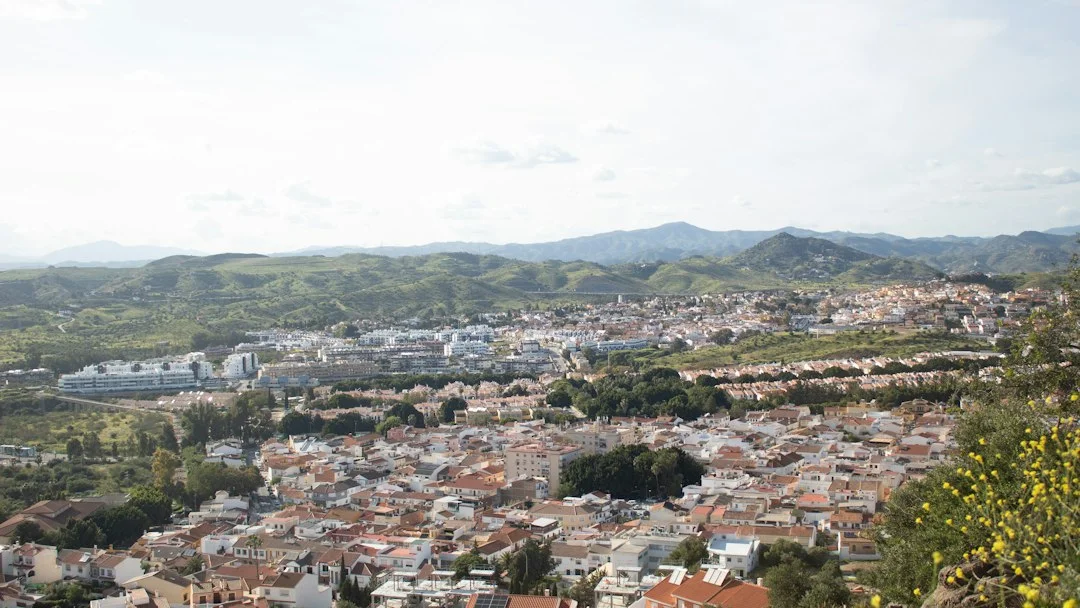
Málaga’s transformation into a major European tech hub and lifestyle capital has generated unprecedented demand for housing, fueled by record passenger growth as Málaga Airport hit 2.8 million passengers in September. However, the supply side of the real estate market is facing a severe bottleneck. Complex administrative procedures and bureaucratic friction are stalling the development of thousands of much-needed residential units across the municipality.
The Growing Gap Between Demand and Supply
Over the next decade, Málaga had outlined plans to bring nearly 30,000 new homes to the market, including 12,579 officially protected or affordable housing units designed to relieve pressure on local residents. Despite these ambitious master plans and other key urban developments—such as UMA’s planned 1,500-space parking hub near Málaga Airport—the pace of actual residential construction falls drastically short of market requirements.
According to an urban development report highlighted by idealista, real estate consultancy Savills warns that existing administrative hurdles will likely allow only about 10% of these 30,000 planned homes to be built in the short-to-medium term.
This acute shortfall directly impacts both the purchase and rental sectors. While economic momentum continues to draw digital nomads, international investors, and domestic workers to the Sun Coast, available housing inventory remains exceptionally tight.
Urban Red Tape as a Bottleneck
The primary friction point lies in urban management processes. Sector experts note several persistent challenges:
- Protracted Permitting Processes: Obtaining environmental approvals, municipal licenses, and sector-specific clearances often takes several years before ground can be broken.
- Land Re-zoning Hurdles: Converting sectorized land into buildable plots requires multi-tiered administrative green lights that struggle to match market timelines.
- Administrative Overload: Local urban planning departments face high volumes of complex files without sufficient digital streamlining or personnel capacity.
These delays not only restrict home availability but also drive up final prices. Developers incur higher carrying costs during prolonged approval phases, costs that are ultimately passed on to buyers and tenants.
Implications for Residents and Investors
For local families and young professionals, the supply shortage reinforces rising price trends in both the city center and peripheral districts. The delay in building affordable units (VPO) is particularly challenging, as low inventory pushes local buyers further into competitive free-market conditions.
For international buyers and investors, the key takeaway is that inventory in newly developed sectors will remain constrained over the next three to five years. High demand combined with limited new supply means existing housing stock is likely to maintain strong price support, though market affordability remains a growing public conversation.
Looking Ahead: Streamlining for Sustainable Growth
Addressing Málaga’s housing challenge requires modernizing planning frameworks and simplifying licensing procedures. Adopting regional streamlining laws, expanding public-private partnerships, and digitizing urban processing are critical steps if the city hopes to unlock its pipeline of 30,000 planned residences.
As Málaga continues to grow, finding a balance between thorough urban oversight and efficient administrative execution remains essential. We remain hopeful that local authorities and industry leaders can work together to streamline these processes, ensuring our city remains welcoming, dynamic, and accessible for everyone who calls it home.
Leave a Reply