Tag: Malaga Real Estate

  • New €11.2M Tourist Apartment Complex Opens in Plaza del Siglo

    New €11.2M Tourist Apartment Complex Opens in Plaza del Siglo

    Málaga’s historic core has long been a tapestry of winding alleys, sunlit plazas, and centuries-old architecture. Today, it also stands as one of Europe’s most dynamic hubs for real estate investment and modern hospitality. The latest addition to this thriving landscape is the Líbere Málaga Plaza del Siglo, a sophisticated tourist apartment complex that recently opened its doors, marking yet another milestone in the city’s accommodation boom.

    A Strategic Investment in the Heart of the City

    The journey of this remarkable property began a few years ago. In 2021, the real estate investment trust All Iron RE I Socimi acquired the prime building for €11.2 million. The vision was clear: to transform a classic structure in one of Málaga’s most vibrant squares into a premium destination for modern travelers.

    According to industry reports from Hosteltur, this opening reinforces the strong alliance between the property owners and the operators. The meticulous renovation process has breathed new life into the historic facade while completely reimagining the interior to meet the high standards of contemporary guests.

    Líbere’s Fourth Gem in Málaga

    The inauguration of the Plaza del Siglo property represents the fourth establishment managed by Líbere Hospitality Group within the city. This sustained expansion is a testament to Málaga’s unwavering appeal. No longer just a gateway to the Costa del Sol, the city has evolved into a premier cultural and technological capital.

    For digital nomads, remote workers, and discerning tourists, the appeal of these serviced apartments is undeniable. They offer:

    • Prime Location: Steps away from the iconic Málaga Cathedral and the bustling Calle Larios.
    • Modern Amenities: High-speed internet, streamlined digital check-ins, and smart home features tailored for the modern traveler.
    • Flexible Stays: Thoughtfully designed to accommodate both brief city breaks and extended workcations.

    Balancing Heritage and Modernity

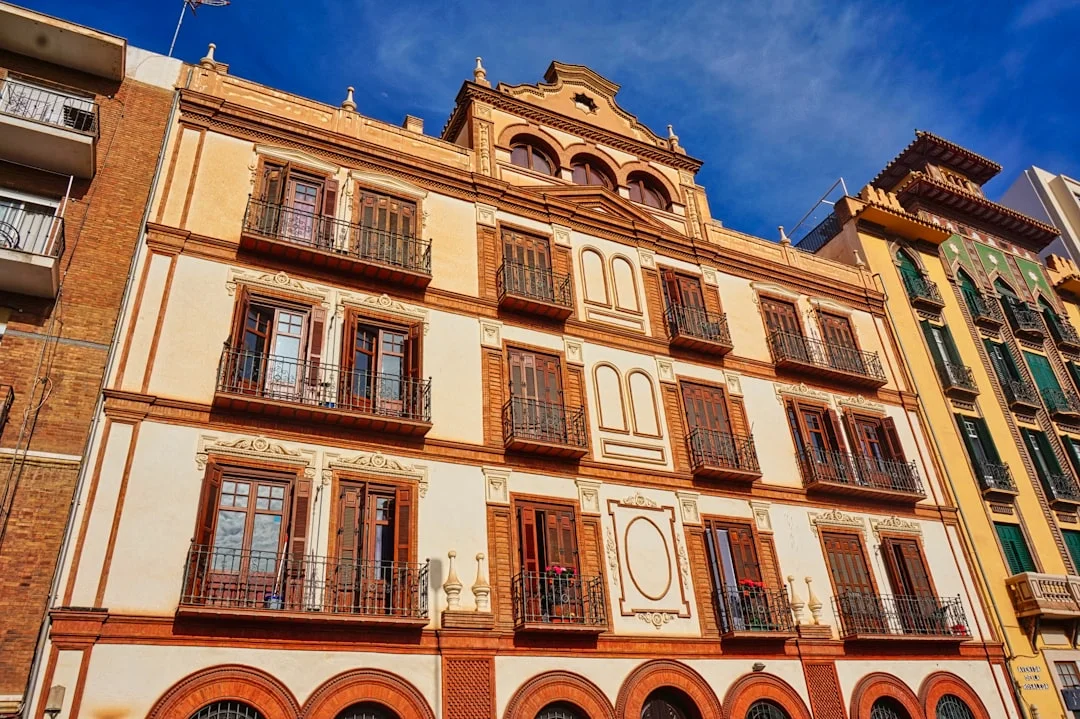
    What makes the Líbere Málaga Plaza del Siglo particularly striking is its elegant integration into the surrounding urban fabric. Plaza del Siglo is a bustling nexus where locals and visitors converge. The new complex respects the architectural heritage of the area, ensuring that the building’s exterior remains harmonious with the traditional Andalusian aesthetic. Inside, however, guests are greeted with minimalist elegance, maximizing natural light and offering sweeping views of the historic center.

    This approach to urban regeneration highlights a broader trend in Málaga’s real estate sector. Investors are increasingly recognizing the value of preserving the city’s historic charm while upgrading its infrastructure to world-class standards.

    The Ongoing Accommodation Boom

    The €11.2 million investment is a clear indicator of the robust confidence in Málaga’s tourism and real estate sectors. As the city continues to attract international tech companies and global talent, the demand for high-quality, flexible accommodation is soaring. The success of such projects paves the way for further revitalization of historic neighborhoods, bringing both economic growth and renewed vibrancy to the streets.

    It is always fascinating to watch our beloved city evolve, blending its rich, historic soul with the sleek conveniences of the modern world. As we stroll through Plaza del Siglo and see the lights glowing from these newly restored windows, there is a profound sense of pride in how Málaga continues to welcome the world. Let us hope that as the city grows, it continues to do so with the same grace and respect for its heritage, ensuring that its warm, authentic spirit remains untouched for generations to come.

  • Dem Chaos Einhalt gebieten: Andalusiens neues Modell des regenerativen Tourismus

    Dem Chaos Einhalt gebieten: Andalusiens neues Modell des regenerativen Tourismus

    Jahrelang war das Narrativ rund um den Tourismus in Málaga und der gesamten Region Andalusien von exponentiellem Wachstum geprägt. Die Verbreitung von Ferienwohnungen (Viviendas de Uso Turístico oder VUTs) veränderte Stadtviertel, belebte die Wirtschaft und löste unvermeidlich Reibungen in Bezug auf Gentrifizierung und Wohnraumzugang aus. Das Jahr 2025 markiert jedoch einen Wendepunkt. Die Ära der ungebremsten Expansion weicht einem kalkulierteren, strategischeren Ansatz, der als „regenerativer Tourismus“ bekannt ist.

    Das Ende des „Wilden Westens“

    Die „Party“ der unregulierten Ferienwohnungen sieht sich strengen neuen Hausregeln gegenüber. Die Verwaltung hat erkannt, dass der Tourismus zwar der Motor der Wirtschaft ist, aber nicht die Maschine selbst – die Städte und Gemeinden – verzehren darf.

    Um dies anzugehen, hat die Junta de Andalucía eine neue Welle der Zusammenarbeit mit den lokalen Gemeinden formalisiert. Wie von Granada Hoy berichtet, hat die Regionalregierung im Jahr 2025 sechs neue Kooperationsvereinbarungen unterzeichnet, die speziell auf die Kontrolle von Ferienvermietungen ausgelegt sind. Dies ist nicht nur bürokratisches Geschiebe; es stellt eine Übertragung von Durchsetzungsbefugnissen und einen Datenaustausch dar, woran es zuvor mangelte.

    Stärkung der Gemeinderäte

    Der Kern dieser neuen Strategie ist die Stärkung der Stadtverwaltungen (Ayuntamientos). Zuvor ließ die Zentralisierung der Lizenzgenehmigungen den lokalen Bürgermeistern oft wenig Spielraum, um gegen die Sättigung bestimmter Bezirke vorzugehen. Im Rahmen des neuen Regelwerks wird die Rolle der Rathäuser deutlich gestärkt.

    Diese Vereinbarungen erleichtern den Austausch technischer Informationen und straffen den Inspektionsprozess. Wenn eine Immobilie nicht den städtischen Zonierungsvorschriften entspricht oder wenn die Satzung eines Gebäudes gewerbliche Aktivitäten untersagt, verfügt die Junta nun über einen schnelleren Mechanismus zum Entzug der Tourismuslizenz.

    Laut Córdoba BN ist das Ziel klar: Förderung eines Tourismusmodells, das nachhaltig, qualitativ hochwertig und respektvoll gegenüber der lokalen Bevölkerung ist. Diese Zusammenarbeit ermöglicht es Inspektoren, effektiver gegen heimliche Angebote vorzugehen, die Steuern und Sicherheitsvorschriften umgehen.

    Was ist „regenerativer Tourismus“?

    Das Schlagwort für diesen gesetzgeberischen Wandel lautet „regenerativ“. Aber was bedeutet das eigentlich für einen Immobilienbesitzer in Málaga oder einen Reisenden, der nach einem Airbnb sucht?

    Im Gegensatz zur einfachen Nachhaltigkeit, die darauf abzielt, keinen Schaden anzurichten, versucht der regenerative Tourismus, einen Ort besser zu hinterlassen, als er vorgefunden wurde. Im Kontext dieser Vorschriften bedeutet dies:

    • Entsättigung: Begrenzung von Lizenzen in als „belastet“ geltenden Gebieten, damit sich das Wohnleben erholen kann.
    • Qualität vor Quantität: Abkehr vom volumenbasierten Modell hin zu einem Modell, das höhere Ausgaben und geringere soziale Auswirkungen wertschätzt.
    • Nachbarschaftliche Harmonie: Sicherstellung, dass die wirtschaftlichen Vorteile des Tourismus nicht auf Kosten des sozialen Gefüges gehen, das das Reiseziel überhaupt erst attraktiv macht.

    Die Auswirkungen auf den Markt

    Für Investoren lautet die Botschaft Vorsicht und Professionalisierung. Die Zeiten, in denen man irgendeine Wohnung kaufte und sie auf eine Buchungsplattform stellte, gehen zu Ende. Der Markt bewegt sich hin zu professionellen Betreibern, die die Einhaltung strenger Qualitäts- und Koexistenzstandards garantieren können.

    Für die Bewohner bieten diese Maßnahmen einen Hoffnungsschimmer auf ein ausgewogeneres Zusammenleben. Das Ziel ist nicht, die „goldene Gans“ des Tourismus zu töten, sondern zu verhindern, dass sie den Bauernhof erstickt. Durch strengere Kontrollen hofft die Verwaltung, den Druck auf die Preise für Langzeitmieten zu verringern, auch wenn die tatsächlichen Auswirkungen dieser spezifischen Maßnahmen auf den Wohnungsmarkt noch abzuwarten bleiben.

    Wenn wir in die Zukunft unserer Stadt blicken, geht es nicht darum, Besuchern die Türen zu verschließen, sondern sicherzustellen, dass das Haus ein Zuhause für diejenigen bleibt, die hier leben. Veränderung ist selten bequem, aber ein Gleichgewicht zu finden, in dem die lokale Kultur neben dem Tourismus gedeiht, ist der einzige Weg, den wahren Geist von Málaga am Leben zu erhalten.

  • Putting the Brakes on Chaos: Andalusia’s New Regenerative Tourism Model

    Putting the Brakes on Chaos: Andalusia’s New Regenerative Tourism Model

    For years, the narrative surrounding tourism in Málaga and the wider Andalusia region has been one of exponential growth. The proliferation of vacation rentals (Viviendas de Uso Turístico or VUTs) transformed neighborhoods, revitalized economies, and, inevitably, sparked friction regarding gentrification and housing access. However, 2025 marks a turning point. The era of unchecked expansion is giving way to a more calculated, strategic approach known as “regenerative tourism.”

    The End of the “Wild West”

    The “party” of unregulated tourist apartments is facing strict new house rules. The administration has recognized that while tourism is the engine of the economy, it cannot be allowed to consume the machinery—the cities and towns themselves.

    To address this, the Junta de Andalucía has formalized a new wave of cooperation with local municipalities. As reported by Granada Hoy, the regional government has signed six new collaboration agreements in 2025 specifically designed to control vacation rentals. This isn’t just bureaucratic shuffling; it represents a transfer of enforcement power and data sharing that was previously lacking.

    Empowering Local Councils

    The core of this new strategy is the empowerment of city councils (Ayuntamientos). Previously, the centralization of license approvals often left local mayors with little room to maneuver against the saturation of specific districts. Under the new framework, the role of the town halls is significantly reinforced.

    These agreements facilitate the exchange of technical information and streamline the inspection process. If a property does not meet municipal zoning requirements or if a building’s statutes prohibit commercial activity, the Junta now has a faster mechanism to revoke the tourism license.

    According to Córdoba BN, the objective is clear: to foster a tourism model that is sustainable, high-quality, and respectful of the local population. This collaboration allows inspectors to act more effectively against clandestine listings that evade taxes and safety regulations.

    What is “Regenerative Tourism”?

    The buzzword for this legislative shift is “regenerative.” But what does that actually mean for a property owner in Málaga or a traveler looking for an Airbnb?

    Unlike simple sustainability, which aims to do no harm, regenerative tourism seeks to leave a place better than it was found. In the context of these regulations, it implies:

    • De-saturation: Limiting licenses in areas deemed “stressed” to allow residential life to recover.
    • Quality over Quantity: Moving away from the volume-based model to one that values higher spending and lower social impact.
    • Neighborhood Harmony: Ensuring that the economic benefits of tourism do not come at the cost of the social fabric that makes the destination attractive in the first place.

    The Impact on the Market

    For investors, the message is one of caution and professionalization. The days of buying any flat and flipping it onto a booking platform are fading. The market is moving towards professional operators who can guarantee compliance with strict quality and coexistence standards.

    For residents, these measures offer a glimmer of hope for a more balanced coexistence. The goal is not to kill the “golden goose” of tourism, but to stop it from suffocating the farm. By tightening controls, the administration hopes to alleviate the pressure on long-term rental prices, although the real-world impact of these specific measures on the housing market remains to be seen.

    As we look toward the future of our city, it is not about closing the doors to visitors, but about ensuring that the house remains a home for those who live here. Change is rarely comfortable, but finding a balance where local culture thrives alongside tourism is the only way to keep the true spirit of Málaga alive.