Category: News

Latest news and updates from Málaga

  • Málaga to Build Medieval Ceramics Center Over Ruins

    Málaga to Build Medieval Ceramics Center Over Ruins

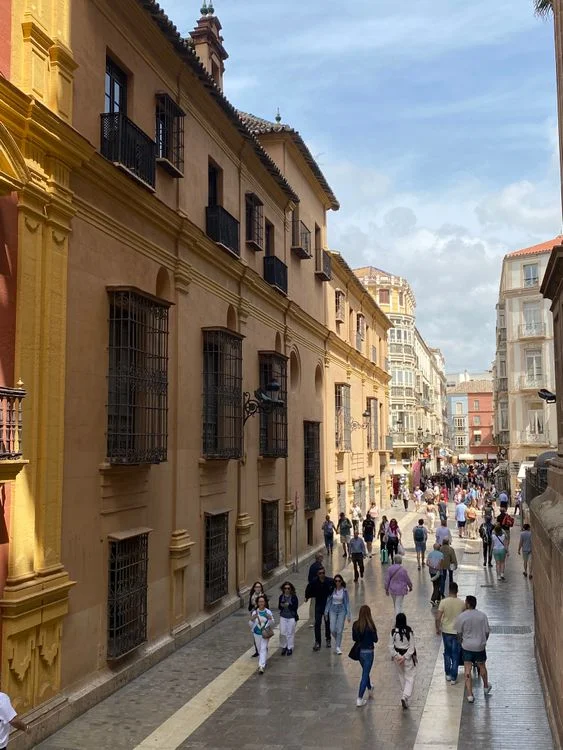
    Málaga’s historic center is a living museum, where a simple walk down a cobblestone alleyway can quickly turn into a journey through centuries of human history. Beneath the modern tapas bars and vibrant plazas lie layers of Phoenician, Roman, and Moorish civilizations. While exploring on foot is ideal, those driving through the wider metropolitan area should stay alert, as Malaga is home to one of Spain’s most active speed cameras.

    Now, a new cultural project is set to bring one of these hidden layers directly to the surface. Málaga’s Urban Planning department (Gerencia de Urbanismo) is promoting a dedicated cultural space showcasing medieval ceramics, built directly over the excavated ruins of an ancient medieval suburb (arrabal).

    Unearthing Calle Chinchilla

    The project will be located on Calle Chinchilla, a quiet street tucked away in the heart of the historic center. For years, this pocket of the city has kept its secrets buried. However, recent urban planning evaluations have paved the way for a specialized center that integrates modern architecture with in-situ archaeological preservation.

    According to reports from Boletín Bien, the local government has approved the necessary planning details (Estudio de Detalle) to move forward with this project. The initiative aims to protect, study, and display the archaeological remains discovered during prior excavations on the plot, turning what would have been a standard residential development into a public-facing cultural asset—a move that aligns with the city’s broader efforts to protect local neighborhoods and limit new tourist apartments on residential land.

    The Story of Málaga’s Medieval Arrabal

    During the period of Muslim rule (Al-Andalus), Málaga was a bustling port city protected by formidable defensive walls. As the population grew, vibrant suburbs—known as arrabales—developed just outside the main gates.

    These suburbs were hubs of daily life, commerce, and industry. The excavations at Calle Chinchilla have revealed:

    • Domestic structures: Foundations of homes, courtyards, and alleyways that show how ordinary citizens lived.
    • Industrial activity: Evidence of kilns and workshops, highlighting Málaga’s historical role as a center for ceramic production.
    • The Transition Era: Artifacts that document the delicate transition period between Moorish rule and the Christian conquest in the late 15th century.

    By building the ceramics center directly over these ruins, visitors will be able to look down into the excavations, bridging the gap between the modern city street and the medieval ground floor.

    What to Expect from the New Cultural Space

    While still in the development and design phase, the vision for the Calle Chinchilla center is highly practical and educational. Unlike traditional museums where artifacts are stripped from their context and placed behind glass cases miles away, this center will emphasize in-situ conservation.

    Visitors can expect to see beautifully preserved pottery fragments, household utensils, and architectural remnants right where they were uncovered. Explanatory panels and digital reconstructions will help illustrate how clay was sourced, shaped, fired, and used in medieval Málaga, offering an intimate look at the daily lives of the artisans who shaped the city’s identity.

    A Boost for Cultural Tourism

    For expats, slow travelers, and history enthusiasts, this project represents a welcome shift. While Málaga has successfully rebranded itself over the last two decades as a city of world-class art museums (such as the Picasso, the Pompidou, and the famous Carmen Thyssen Museum), there is a growing appetite for heritage-based tourism that highlights local history.

    The Calle Chinchilla center will offer a quieter, more reflective alternative to the crowded main museums, providing a hyper-local look at the neighborhood’s roots.

    As the project progresses through its final administrative and construction phases, it stands as a testament to Málaga’s commitment to preserving its complex, multicultural identity. It reminds us that progress does not have to come at the expense of the past; instead, the two can live side-by-side, offering future generations a window into the hands that built this city.

    There is a quiet beauty in knowing that the very clay shaped by potters hundreds of years ago will soon have a permanent home on the very soil where it was fired. We look forward to watching this space transform, bringing Málaga’s rich medieval history back into the light where it belongs.
  • Strände von Pedregalejo und El Palo wegen E. Coli geschlossen

    Strände von Pedregalejo und El Palo wegen E. Coli geschlossen

    Badeverbot in Málagas östlichen Vororten vorübergehend verhängt

    In einer überraschenden Wendung für sommerliche Strandbesucher hat die Stadtverwaltung von Málaga – die unlängst auch durch Spaniens fünftaktivsten Blitzer in den Schlagzeilen stand – das Baden an zwei der beliebtesten Küstenabschnitte der Stadt vorübergehend verboten: den Stränden von Pedregalejo und El Palo.

    Die Vorsichtsmaßnahme wurde auf Empfehlung des Gesundheitsamtes der andalusischen Regionalregierung (Junta de Andalucía) umgesetzt. Routinemäßige Qualitätskontrollen des Wassers wiesen erhöhte Konzentrationen von Escherichia coli-Bakterien (E. Coli) auf, was die Behörden veranlasste, unverzüglich zu handeln, um die öffentliche Gesundheit zu schützen.

    Berichten von El Diario zufolge bleibt das Verbot so lange in Kraft, bis nachfolgende Wasseranalysen bestätigen, dass die Bakterienwerte wieder im sicheren, gesetzlich zulässigen Bereich liegen.

    Warum wurden die Strände geschlossen?

    Die städtischen Behörden von Málaga führen zusammen mit den regionalen Gesundheitsinspektoren während der gesamten Sommersaison regelmäßige Kontrollen der Küstengewässer durch, um sicherzustellen, dass sie den strengen europäischen Badegewässerrichtlinien entsprechen.

    Bei einer kürzlichen Routineinspektion Ende Juli 2026 zeigten Wasserproben, die an den Küstenlinien von Pedregalejo und El Palo entnommen wurden, E.-Coli-Konzentrationen, die die maximalen Sicherheitsgrenzwerte überschritten.

    Was ist E. Coli und warum ist es gefährlich?

    Escherichia coli ist ein Bakterium, das häufig im Darm von Menschen und warmblütigen Tieren vorkommt. Obwohl viele Stämme harmlos sind, ist sein Vorhandensein in Badegewässern ein primärer Indikator für fäkale Verunreinigungen. Das Baden in kontaminiertem Wasser kann zu verschiedenen gesundheitlichen Problemen führen, darunter:
    * Gastroenteritis: Verursacht Magenkrämpfe, Übelkeit, Erbrechen und Durchfall.
    * Infektionen: Hautausschläge, Ohrenentzündungen und Augenreizungen.
    * Risikogruppen: Kinder, ältere Menschen und Personen mit geschwächtem Immunsystem haben ein höheres Risiko, schwerere Symptome zu entwickeln.

    Vorsorglich wurden an diesen Stränden rote Flaggen gehisst, und die örtliche Polizei sowie die Strandwächter informieren die Besucher über das vorübergehende Verbot.

    Was bedeutet das für Besucher und Einheimische?

    Wenn Sie in den kommenden Tagen einen Strandtag in Málaga planen, sollten Sie Folgendes wissen:

    • Sonnenbaden ist weiterhin erlaubt: Die Einschränkung gilt ausschließlich für das Baden und Betreten des Wassers. Sie können sich weiterhin in den Sand setzen, die Sonne genießen und die Strandpromenade besuchen. Wenn Sie sich abkühlen und mit Wasser versorgen möchten, ohne ins Wasser zu gehen, finden Sie ganz einfach einen der neuen öffentlichen Trinkbrunnen, die kürzlich in den verschiedenen Stadtteilen installiert wurden.
    • Chiringuitos bleiben geöffnet: Die berühmten Strandrestaurants (chiringuitos) in Pedregalejo und El Palo sind voll in Betrieb. Sie können nach wie vor die traditionellen, über Holzfeuer zubereiteten espetos de sardinas (Sardinenspieße) und lokale Meeresfrüchte genießen.
    • Achten Sie auf die Flaggen: Überprüfen Sie immer die Farbe der Flaggen am Strand. Eine rote Flagge zeigt an, dass das Baden strengstens verboten ist.

    Alternative Strände in Málaga

    Während die Umwelt- und Gesundheitsteams an der Behebung des Problems im östlichen Stadtteil arbeiten, bleiben mehrere andere Strände in und um Málaga geöffnet und sicher zum Baden:

    1. La Malagueta: Dieser weitläufige Strand liegt näher am Stadtzentrum, ist von der Sperrung nicht betroffen und zu Fuß oder mit öffentlichen Verkehrsmitteln leicht zu erreichen.
    2. La Misericordia und Huelin: Diese familienfreundlichen Strände im Westen der Stadt bieten hervorragende Einrichtungen und breite Sandstrände.
    3. Rincón de la Victoria: Nur eine kurze Busfahrt weiter östlich gelegen, besticht diese Nachbargemeinde durch lange, saubere Sandstrände.

    Wie geht es weiter?

    Das Umweltamt der Stadtverwaltung von Málaga untersucht derzeit die potenzielle Ursache der Kontamination, die manchmal durch vorübergehende Abwasserlecks, starken Abfluss oder Einleitungen von Schiffen ausgelöst werden kann.

    Täglich werden neue Wasserproben analysiert. Sobald zwei aufeinanderfolgende Tests zeigen, dass die E.-Coli-Werte wieder im sicheren Bereich liegen, wird das andalusische Gesundheitsamt die Beschränkung aufheben, und an den Stränden von Pedregalejo und El Palo werden wieder grüne oder gelbe Flaggen wehen.

    Obwohl vorübergehende Schließungen wie diese frustrierend sein können – besonders während einer rekordverdächtigen Sommersaison für den Tourismus –, sind sie ein Beweis für die strengen Sicherheitsprotokolle, die dem Schutz von Einheimischen und Reisenden dienen. Wir hoffen, dass diese lebendigen Küstenviertel schon bald wieder Badegäste im Mittelmeer willkommen heißen können. Bis dahin: Bleiben Sie gesund, respektieren Sie die roten Flaggen und genießen Sie das unglaubliche kulinarische Angebot an Málagas Strandpromenaden.

  • Pedregalejo and El Palo Beaches Closed Due to E. Coli

    Pedregalejo and El Palo Beaches Closed Due to E. Coli

    Swimming Temporarily Banned in Málaga’s Eastern Suburbs

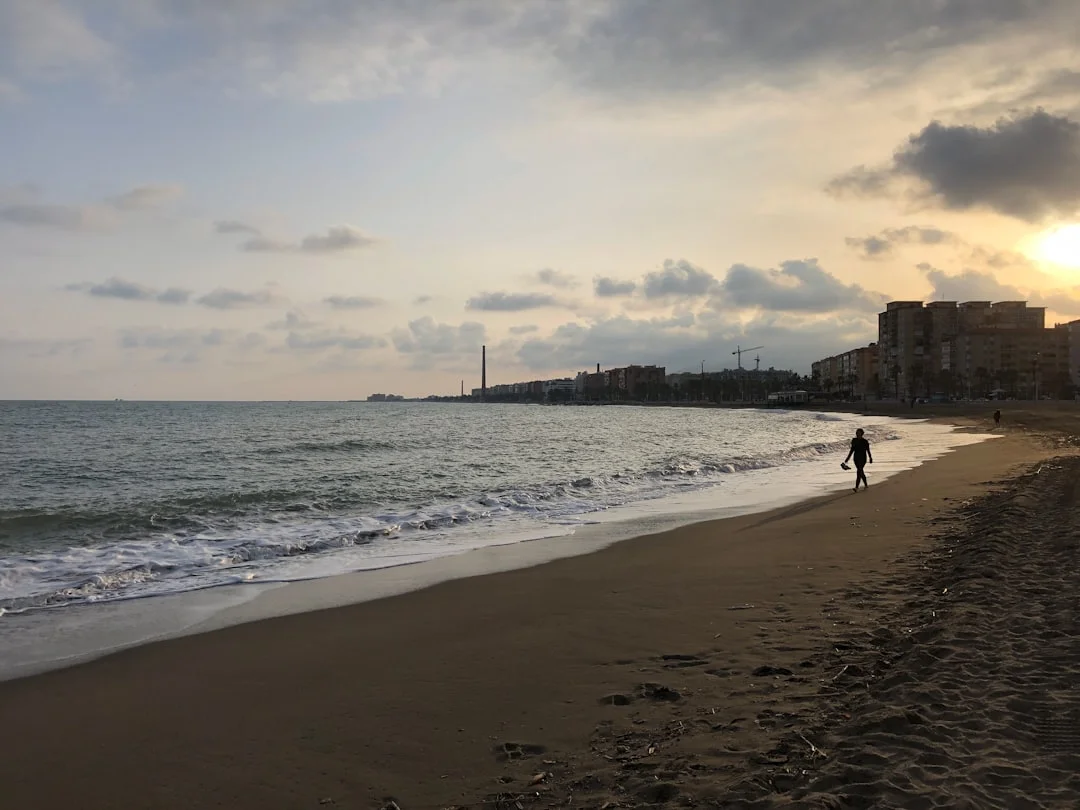
    In a sudden turn of events for summer beachgoers, the Málaga City Council has temporarily banned swimming at two of the city’s most beloved coastal spots: Pedregalejo and El Palo beaches.

    The precautionary measure was implemented following recommendations from the Health Department of the Andalusian Regional Government (Junta de Andalucía). Routine water quality control tests flagged elevated levels of Escherichia coli (E. coli) bacteria, prompting authorities to act immediately to safeguard public health.

    According to reports from El Diario, the ban will remain in place until subsequent water quality analysis confirms that bacterial levels have returned to safe, legally permitted limits.

    Why Were the Beaches Closed?

    Málaga’s municipal authorities, alongside regional health inspectors, perform regular monitoring of coastal waters throughout the summer season to ensure they meet strict European bathing water standards.

    During a recent routine inspection in late July 2026, water samples collected from the shorelines of Pedregalejo and El Palo revealed concentrations of E. coli that exceeded the maximum safety thresholds.

    What is E. coli and Why is it Dangerous?

    Escherichia coli is a bacterium commonly found in the intestines of humans and warm-blooded animals. While many strains are harmless, its presence in recreational waters is a primary indicator of fecal contamination. Swimming in contaminated water can lead to several health issues, including:
    * Gastroenteritis: Causing stomach cramps, nausea, vomiting, and diarrhea.
    * Infections: Skin rashes, ear infections, and eye irritation.
    * Vulnerable Groups: Children, the elderly, and individuals with compromised immune systems are at a higher risk of developing more severe symptoms.

    Out of an abundance of caution, red flags have been raised on these beaches, and local police and beach wardens are informing visitors of the temporary ban.

    What Does This Mean for Visitors and Locals?

    If you are planning a beach day in Málaga over the coming days, here is what you need to know:

    • Sunbathing is still permitted: The restriction strictly applies to swimming and entering the water. You can still sit on the sand, enjoy the sun, and visit the local promenade. If you need to stay cool and hydrated without taking a dip, you can easily find one of the new public drinking fountains recently installed across the city’s districts.
    • Chiringuitos remain open: The famous beachside restaurants (chiringuitos) in Pedregalejo and El Palo are fully operational. You can still enjoy traditional wood-fired espetos de sardinas (sardine skewers) and local seafood.
    • Look for the flags: Always check the color of the flags on the beach. A red flag indicates that swimming is strictly prohibited.

    Alternative Beaches in Málaga

    While the environmental and health teams work to resolve the issue in the eastern district, several other beaches in and around Málaga remain open and safe for swimming:

    1. La Malagueta: Located closer to the city center, this expansive beach remains unaffected and is easily accessible by foot or public transport.
    2. La Misericordia and Huelin: Situated on the western side of the city, these family-friendly beaches offer excellent facilities and wide sandy shores.
    3. Rincón de la Victoria: Just a short bus ride further east, this neighboring municipality boasts long stretches of clean sandy beaches.

    What Happens Next?

    The Málaga City Council’s environmental department is currently investigating the potential source of the contamination, which can sometimes be triggered by temporary sewage leaks, heavy runoff, or maritime discharges.

    New water samples are being analyzed daily. As soon as two consecutive tests show that E. coli levels have dropped back to safe parameters, the Andalusian Health Department will lift the restriction, and the green or yellow flags will return to Pedregalejo and El Palo.

    While temporary closures like this can be frustrating—especially during a record-breaking summer tourism season—they are a testament to the rigorous safety protocols designed to keep both locals and travelers safe. We hope to see these vibrant coastal neighborhoods welcoming swimmers back into the Mediterranean very soon. Until then, stay safe, respect the red flags, and enjoy the incredible culinary offerings of Málaga’s seaside promenades.

  • Málagas westliche Strandpromenade wird mit Sacaba verbunden

    Málagas westliche Strandpromenade wird mit Sacaba verbunden

    Seit über zwei Jahrzehnten stießen Läufer, Radfahrer und Spaziergänger an Málagas Westküste auf eine frustrierende Sackgasse. Der Paseo Marítimo de Poniente (die Antonio Banderas-Promenade) endete lange Zeit abrupt kurz vor dem Strand von Sacaba, was Outdoor-Begeisterte – darunter auch Besucher, die die Geheimnisse von Málagas Hotels erkunden wollen – dazu zwang, einen Umweg ins Landesinnere zu nehmen oder über unwegsames Gelände auszuweichen.

    Dieses Nadelöhr gehört nun endlich der Vergangenheit an. Die Bauarbeiten für den letzten verbleibenden Abschnitt der westlichen Promenade haben offiziell begonnen – ein Projekt, das die Westküste der Stadt nahtlos bis nach Sacaba verbinden wird.

    Schließung einer 20-jährigen städtebaulichen Lücke

    Dieses lang ersehnte Infrastrukturprojekt wird von dem baskischen Bauträger Naiz Homes realisiert. Es ist ein zentraler Bestandteil des gigantischen Stadtentwicklungsprojekts „La Térmica“, das diesen ehemaligen Industriesektor der Stadt völlig umgestaltet, während Málagas Immobiliensektor weiterhin Rekordinvestitionen anzieht.

    Wie aus den von La Opinión de Málaga veröffentlichten Details hervorgeht, bedeutet diese Arbeit die Lösung einer städtebaulichen Blockade, die seit Anfang der 2000er Jahre ungelöst war. Durch die Schließung dieser letzten Lücke schafft die Stadt einen durchgehenden, hochwertigen Küstenkorridor, der die Mobilitäts- und Freizeitmöglichkeiten im Westen von Málaga erheblich verbessern wird.

    Was das Projekt beinhaltet

    Anstelle eines einfachen gepflasterten Weges ist die endgültige Verbindung so gestaltet, dass sie sich an die moderne Ästhetik der bestehenden Antonio Banderas-Promenade anpasst. Zu den Hauptmerkmalen des Projekts gehören:

    • Fuß- und Radwege: Eigene Fahrspuren, um sichere und getrennte Bereiche für Fußgänger und Radfahrer zu gewährleisten.
    • Grünflächen und Landschaftsgestaltung: Integration einheimischer Pflanzen und Bäume, um Schatten zu spenden und eine optische Kontinuität mit dem Rest der Strandpromenade zu schaffen.
    • Moderne Stadtmöbel: Neue Sitzbereiche, energieeffiziente Beleuchtung und Abfallbehälter, um den Raum einladend und funktional zu gestalten.
    • Verbesserter Strandzugang: Direkte, strukturierte Zugangswege zum Sandstrand von Sacaba, die die lokale Küstenumwelt schützen und gleichzeitig eine hervorragende Erreichbarkeit gewährleisten.

    Teil der Transformation von „La Térmica“

    Die Fertigstellung der Promenade ist eng mit der umfassenderen Neugestaltung des Viertels La Térmica verbunden. Dieses Gebiet, das einst von der Schwerindustrie und dem ikonischen Schornstein des thermischen Kraftwerks geprägt war, wird in ein modernes Wohn- und Geschäftszentrum umgewandelt.

    Die Integration der Promenade in diesen Plan stellt sicher, dass das neue Viertel hervorragend zu Fuß erkundet werden kann und an den Rest der Küste von Málaga angebunden ist. Zudem bietet sie eine direkte Verbindung zum Naturgebiet der Mündung des Flusses Guadalhorce, was eine malerische Route für Langstreckenläufer und Naturliebhaber darstellt.

    Ein Impuls für ein aktives Leben in Málaga

    Für die Bewohner von Vierteln wie Carretera de Cádiz, Pacifico und Quirón ist diese Verbindung eine enorme Bereicherung. Sie eröffnet kilometerlange, ununterbrochene Küstenabschnitte für das tägliche Training, morgendliche Spaziergänge und Radtouren am Wochenende, ohne dass man sich durch den Verkehr oder unbefestigte Baustellenbereiche bewegen muss.

    Während Málaga weiter wächst und sich modernisiert, unterstreichen Projekte wie dieses das Engagement der Stadt, die Strandpromenade für ihre Bewohner zurückzugewinnen. Die Schließung dieser letzten Lücke ist ein stiller, aber äußerst wirkungsvoller Erfolg für die städtische Mobilität und das Leben im Freien.

    Wir hoffen, dass dieser neue Abschnitt der Promenade Ihnen und allen in Málaga viele sonnige Morgen mit frischer Meeresluft und entspannten Spaziergängen beschert. Wir sehen uns draußen auf dem Weg!

  • Málaga’s West Coast Promenade Connects to Sacaba

    Málaga’s West Coast Promenade Connects to Sacaba

    For over two decades, runners, cyclists, and walkers navigating Málaga’s western coastline have hit a frustrating dead end. The Paseo Marítimo de Poniente (Antonio Banderas promenade) has long stopped abruptly just before reaching Sacaba beach, forcing outdoor enthusiasts to detour inland or navigate unfinished terrain—just one of many local curiosities, much like the fascinating secrets hidden within Málaga’s hotels.

    That bottleneck is finally becoming history. Construction has officially started on the last remaining stretch of the western promenade, a project that will seamlessly connect the city’s western coast all the way to Sacaba.

    Bridging a 20-Year Urban Gap

    This long-awaited infrastructure project is being executed by the Basque developer Naiz Homes. It forms a key component of the massive ‘La Térmica’ urban redevelopment plan, which is completely transforming this former industrial sector of the city as Málaga’s property sector continues to attract record investment.

    According to details published by La Opinión de Málaga, the work represents the resolution of an urban planning block that has remained unresolved since the early 2000s. By bridging this final gap, the city is creating a continuous, high-quality coastal corridor that will significantly improve mobility and leisure options on the west side of Málaga.

    What the Project Entails

    Rather than just a simple paved path, the final connection is designed to match the modern aesthetic of the existing Antonio Banderas promenade. Key features of the development include:

    • Pedestrian and Cycle Paths: Dedicated lanes to ensure safe, separate spaces for both walkers and cyclists.
    • Green Spaces and Landscaping: Integration of native plants and trees to provide shade and visual continuity with the rest of the seafront.
    • Modern Urban Furniture: New seating areas, energy-efficient lighting, and waste bins to make the space welcoming and functional.
    • Improved Beach Access: Direct, structured access points to the sands of Sacaba beach, protecting the local coastal environment while making it highly accessible.

    Part of the ‘La Térmica’ Transformation

    The completion of the promenade is closely tied to the broader redevelopment of the La Térmica district. This area, once dominated by heavy industry and the iconic thermal power plant chimney, is being converted into a modern residential and commercial hub.

    Integrating the promenade into this plan ensures that the new neighborhood is highly walkable and connected to the rest of Málaga’s coastline. It also provides a direct connection to the Guadalhorce river estuary natural area, offering a scenic route for long-distance runners and nature lovers.

    A Boost for Active Living in Málaga

    For locals living in neighborhoods like Carretera de Cádiz, Pacifico, and Quirón, this connection is a major upgrade. It opens up uninterrupted kilometers of coastline for daily exercise, morning strolls, and weekend bike rides without the need to navigate traffic or unpaved construction zones.

    As Málaga continues to grow and modernize, projects like this highlight the city’s commitment to reclaiming its waterfront for its residents. The completion of this final link is a quiet but deeply impactful victory for urban mobility and outdoor life in the city.

    We hope this new stretch of the promenade brings many bright mornings of fresh sea air and easy walks to everyone in Málaga. See you out there on the path!

  • Málaga verbietet neue Ferienwohnungen auf Wohngrundstücken

    Málaga verbietet neue Ferienwohnungen auf Wohngrundstücken

    Málaga hat den bisher entscheidendsten Schritt zur Regulierung seines boomenden Tourismussektors unternommen. Am 24. Juli 2026 hat die Stadtverwaltung offiziell ein strenges Moratorium veröffentlicht, das die Entstehung neuer Ferienwohnungen (Viviendas de Uso Turístico oder VUTs) und Hotels auf für Wohnzwecke ausgewiesenen Grundstücken stoppt.

    Diese wegweisende Entscheidung, über die Cadena SER berichtete, markiert einen entscheidenden Wendepunkt für den Wohnungsmarkt der Stadt, die Anwohner und internationale Immobilieninvestoren gleichermaßen. Sie folgt dicht auf die erste Genehmigung der Stadt für ein dreijähriges Verbot von neuen Hotels und Ferienwohnungen in Wohngebieten.

    Schutz für das Herz der Stadt

    Seit einigen Jahren erlebt Málaga einen beispiellosen Popularitätsschub und hat sich von einem ruhigen Küstenort zu einem bedeutenden europäischen Kultur- und Technologiezentrum entwickelt. Dieser rasante Aufstieg brachte jedoch auch erhebliche Herausforderungen mit sich. Die rasant zunehmende Zahl von Ferienunterkünften hat den lokalen Wohnungsbestand verknappt, die Mietpreise in die Höhe getrieben und das soziale Gefüge historischer Viertel verändert.

    Um diesen Herausforderungen zu begegnen, friert das neu veröffentlichte Moratorium die Lizenzierung neuer touristischer Unterkünfte auf Wohnbauland vorübergehend ein. Das Hauptziel ist klar: bestehende Wohngebäude für die langfristige Vermietung zu sichern, damit Einheimische, Berufstätige und Familien weiterhin im Stadtzentrum und den umliegenden Vierteln leben können.

    Das Ausmaß des Ferienwohnungs-Booms

    Die Dringlichkeit dieser Maßnahme wird durch das dramatische Wachstum des Ferienwohnungsmarktes in den letzten Jahren unterstrichen. Statistiken zeigen, dass die Zahl der touristischen Ferienunterkünfte in Málaga allein in den letzten drei Jahren um schätzungsweise 39 % gestiegen ist.

    Diese rasche Expansion hat die lokale Infrastruktur und den privaten Mietmarkt immens unter Druck gesetzt. Mit der Einführung dieses Moratoriums möchte der Stadtrat dieses unkontrollierte Wachstum stoppen, um Stadtplanern die Möglichkeit zu geben, einen nachhaltigeren, langfristigen Rahmen zu entwerfen, der die wirtschaftliche Dynamik mit der Lebensqualität der Bewohner in Einklang bringt.

    Was dies für Immobilieninvestoren bedeutet

    Für internationale Käufer, Expats und Immobilienentwickler verändert diese regulatorische Aktualisierung die Investitionslandschaft in Málaga grundlegend. Dies geschieht zu einem Zeitpunkt, an dem die Stadt in der ersten Hälfte des Jahres 2026 eine Rekordsumme von 418 Millionen Euro an Immobilieninvestitionen angezogen hat:

    • Umwandlung von Wohn- in Ferienraum gestoppt: Die Umwandlung bestehender Wohnungen, Stadthäuser oder Wohngebäude in kurzfristige Ferienunterkünfte ist nach den neuen Regeln nicht mehr zulässig.
    • Fokus auf gewerbliche Zonen: Investoren, die touristische Unterkünfte oder Boutique-Hotels entwickeln möchten, müssen sich nun ausschließlich auf Grundstücke konzentrieren, die explizit für die tertiäre oder gewerbliche Nutzung ausgewiesen sind, statt auf normales Wohnbauland.
    • Bestehende Lizenzen bleiben gültig: Das Moratorium widerruft bestehende, vollständig genehmigte Tourismuslizenzen nicht rückwirkend, obwohl mit einer strengeren Durchsetzung von Gemeinschaftsregeln und Qualitätsstandards zu rechnen ist.

    Ein Weg zu nachhaltigem Wachstum

    Während einige Akteure im Tourismus- und Immobiliensektor das Moratorium mit Skepsis betrachten, haben viele lokale Bürgerinitiativen und Stadtplaner den Schritt als notwendige Intervention begrüßt. Das Ziel ist nicht, den Tourismus zu bremsen – der nach wie vor eine wichtige Säule der Wirtschaft von Málaga darstellt –, sondern sicherzustellen, dass der Erfolg der Stadt nicht auf Kosten ihrer Seele geht.

    Da sich Málaga ständig weiterentwickelt, bleibt es die größte Herausforderung, das empfindliche Gleichgewicht zwischen der Weltoffenheit und dem Schutz der eigenen Bevölkerung zu finden. Dieses Moratorium ist ein mutiger, notwendiger Schritt in Richtung einer Zukunft, in der sowohl Besucher als auch Einheimische in dieser wunderschönen Stadt am Mittelmeer Seite an Seite leben und florieren können.

    Wir hoffen, dass diese Maßnahme als Atempause dient, die es Málaga ermöglicht, die Herzlichkeit, die Gemeinschaft und den authentischen Charme zu bewahren, in den sich so viele von uns überhaupt erst verliebt haben.

  • Malaga Bans New Tourist Apartments on Residential Land

    Malaga Bans New Tourist Apartments on Residential Land

    Malaga has taken its most decisive step yet in regulating its booming tourism sector. On July 24, 2026, the local government officially published a strict moratorium that halts the creation of new tourist apartments (Viviendas de Uso Turístico or VUTs) and hotels on plots designated for residential use.

    This landmark decision, as reported by Cadena SER, marks a critical turning point for the city’s housing market, local residents, and international real estate investors alike, closely following the city’s initial approval of a three-year ban on new hotels and tourist flats in residential areas.

    Protecting the Heart of the City

    For several years, Malaga has experienced an unprecedented surge in popularity, transforming from a quiet coastal gateway into a major European cultural and technological hub. However, this rapid ascent has brought significant challenges. The proliferation of holiday rentals has squeezed the local housing stock, driving up rental prices and altering the social fabric of historic neighborhoods.

    To address these challenges, the newly published moratorium places a temporary freeze on licensing new tourist accommodations on residential land. The primary objective is clear: to safeguard existing residential buildings for long-term housing, ensuring that locals, workers, and families can continue to live in the city center and its surrounding districts.

    The Scale of the Holiday Rental Boom

    The urgency of this measure is underscored by the dramatic growth of the holiday rental market in recent years. Statistics indicate that the number of tourist holiday lets in Malaga has grown by an estimated 39% over the past three years alone.

    This rapid expansion has put immense pressure on local infrastructure and the private rental market. By implementing this moratorium, the city council aims to pause this runaway growth, allowing urban planners to draft a more sustainable, long-term framework that balances economic vitality with resident livability.

    What This Means for Property Investors

    For international buyers, expats, and real estate developers, this regulatory update fundamentally changes the investment landscape in Malaga, coming at a time when the city has attracted a record-breaking €418 million in real estate investment during the first half of 2026:

    • Residential-to-Tourist Conversions Paused: Converting existing apartments, townhouses, or residential buildings into short-term holiday lets is no longer permitted under the new rules.
    • Commercial Zoning Focus: Investors looking to develop tourist accommodations or boutique hotels must now focus strictly on plots explicitly zoned for tertiary or commercial use, rather than standard residential land.
    • Existing Licenses Remain Valid: The moratorium does not retroactively revoke existing, fully authorized tourist licenses, though enforcement of community rules and quality standards is expected to tighten.

    A Path Toward Sustainable Growth

    While some in the tourism and real estate sectors view the moratorium with caution, many local community groups and urban planners have welcomed the move as a necessary intervention. The goal is not to discourage tourism—which remains a vital pillar of Malaga’s economy—but to ensure that the city’s success does not come at the expense of its soul.

    As Malaga continues to evolve, finding the delicate equilibrium between welcoming the world and protecting its own people remains the ultimate challenge. This moratorium represents a brave, necessary step toward a future where both visitors and locals can thrive side by side in this beautiful Mediterranean city.

    We hope this measure serves as a thoughtful pause, allowing Malaga to preserve the warmth, community, and authentic charm that made so many of us fall in love with it in the first place.

  • Txus Vidorreta Rebuilds Unicaja Malaga for 2026 Season

    Txus Vidorreta Rebuilds Unicaja Malaga for 2026 Season

    A New Chapter at Martín Carpena

    Málaga is a city known for its sun, culture, and deep-rooted passion for basketball. As the city undergoes major social and urban shifts—recently making headlines by banning new tourist apartments on residential land—its sports landscape is also preparing for transition. For years, the Martín Carpena arena has been a fortress, fueled by the intense, fast-paced style of former head coach Ibon Navarro. However, as the 2026 season approaches, Unicaja Málaga is embarking on a total squad reconstruction.

    Stepping into the spotlight to lead this ambitious new era is veteran tactician Txus Vidorreta. Following Unicaja’s decisive talks to sign the experienced coach, Vidorreta is taking a remarkably different approach to building the squad—one that local analysts are calling a “slow-cooked” rebuild.

    The Txus Vidorreta Philosophy: Patience Over Haste

    Following the departure of Ibon Navarro, Unicaja’s management opted for a complete structural reset. Rather than rushing to fill roster spots in the early summer frenzy, Vidorreta and the sports management team are prioritizing strategy, chemistry, and long-term stability, though they have already secured key pieces like elite forward Ignas Brazdeikis.

    According to recent reports by El Español, this deliberate pace is a conscious choice. Vidorreta’s system relies heavily on high basketball IQ, precise spacing, and defensive discipline. To find the perfect pieces for this puzzle, the club is willing to wait out the market, ensuring that every new signing aligns with the team’s identity.

    This strategic rebuilding process has been widely discussed across Andalusian sports media. As reported by Canal Sur, the club is focusing on quality over quantity, aiming to construct a roster capable of competing at the highest levels of both the Liga Endesa and European tournaments.

    The Dream Target: Willy Hernangómez

    At the heart of this rebuilding plan is a clear desire for a marquee interior player, especially with center Olek Balcerowski nearing a Barcelona transfer. The ultimate target for Unicaja’s front office is none other than Willy Hernangómez.

    The Spanish national team center would be a massive statement of intent for the 2026 campaign. In addition to recalling Yannick Nzosa to boost their interior defense, landing Hernangómez would provide Unicaja with:

    • Dominant Paint Presence: Elite rebounding and post scoring to anchor Vidorreta’s half-court offense.
    • Liga Endesa Experience: A proven star who understands the rigors of Spanish basketball.
    • Star Power: A focal point to energize the local fanbase and attract other top-tier talent.

    While negotiating such a high-profile transfer requires time and financial precision, securing his signature would instantly elevate Unicaja into the title-contender conversation. For broader updates on Spanish basketball movements, fans are keeping a close eye on Marca.

    What This Means for Málaga Basketball Fans

    If you are new to Málaga or just discovering the local sports scene, there is no better time to get involved. With Txus Vidorreta leading Unicaja into the 2026/27 season, basketball is more than just a game here; it is a community ritual.

    While a total rebuild can bring uncertainty, it also brings immense excitement. Watching a master tactician like Txus Vidorreta piece together a brand-new squad from scratch is a fascinating journey. Fans heading to the Martín Carpena this season can expect a team that plays with intelligence, grit, and a deep respect for the green-and-purple colors.

    As the hot summer days of July 2026 roll on, the offices at Unicaja remain busy, quietly working behind the scenes. It may be a slow process, but if done right, the feast at the end of the season will be well worth the wait. Let’s see how this new project takes shape on the hardwood.

  • Gericht in Málaga urteilt in Fällen von Aifos-Käufern von Off-Plan-Immobilien

    Gericht in Málaga urteilt in Fällen von Aifos-Käufern von Off-Plan-Immobilien

    Eine wegweisende Entscheidung für Immobilienkäufer in Spanien

    Das Provinzgericht von Málaga hat ein entscheidendes Urteil gefällt, das den rechtlichen Schutz für Käufer von Off-Plan-Immobilien (Immobilien im Bau) in Spanien stärkt. Diese historische Entscheidung bekräftigt die Pflicht der Bürgschaftsbanken, Käufern ihre Zahlungen zurückzuerstatten, wenn Bauträger Immobilien nicht fertigstellen.

    Das Urteil ergeht genau 17 Jahre nach der Insolvenz von AIFOS, einem der berüchtigtsten Bauträger-Zusammenbrüche in der spanischen Immobiliengeschichte. Dieser juristische Meilenstein bringt den betroffenen Eigentümern, die fast zwei Jahrzehnte lang um ihre Anzahlungen gekämpft haben, den lang ersehnten Abschluss und schafft einen starken Präzedenzfall.

    Wie Economist & Jurist berichtet, festigt diese Entscheidung den Schutzrahmen für Off-Plan-Käufe und stellt sicher, dass sich Finanzinstitute ihren Verpflichtungen nicht so leicht entziehen können.

    Das Erbe des Aifos-Zusammenbruchs

    Mitte der 2000er Jahre war Aifos einer der größten Bauträger an der Costa del Sol. Die weltweite Finanzkrise und internes Missmanagement führten jedoch zu einem spektakulären Zusammenbruch, der Tausende von Käufern – viele davon ausländische Investoren und Expats – ohne ihr Zuhause und ohne ihre Ersparnisse zurückließ.

    Jahrelang mussten die Opfer komplexe Rechtsstreitigkeiten führen. Nach spanischem Recht, insbesondere dem historischen Gesetz Ley 57/1968, waren Banken, die Anzahlungen für Off-Plan-Immobilien entgegennahmen, verpflichtet, diese Gelder auf einem gesicherten Konto zu garantieren. Wenn der Bauträger die Immobilie nicht baute, musste die Bank das Geld zurückzahlen.

    In der Praxis wehrten sich die Finanzinstitute jedoch jahrelang gegen diese Ansprüche und nutzten rechtliche Schlupflöcher, um Auszahlungen zu vermeiden. Dieses neue Urteil des Gerichts von Málaga schließt diese Lücken nun endgültig.

    Die wichtigsten Elemente des Urteils des Gerichts von Málaga

    Die Entscheidung des Provinzgerichts von Málaga stellt mehrere wesentliche Rechtsgrundsätze fest, die den Verbraucher begünstigen:

    • Strikte Bankenhaftung: Finanzinstitute, die Anzahlungen von Käufern entgegengenommen haben, werden haftbar gemacht, selbst wenn sie keine individuellen Garantiezertifikate ausgestellt haben, sofern sie wussten oder hätten wissen müssen, dass die Mittel für Off-Plan-Käufe bestimmt waren.
    • Unwirksamkeit von Bankenschlupflöchern: Banken können sich der Haftung nicht mit dem Argument entziehen, der Bauträger habe kein spezielles „Garantiekonto“ eröffnet, wenn die Gelder auf das allgemeine Konto des Bauträgers bei dieser Bank eingezahlt wurden.
    • Schutz vor Verjährungsfristen: Das Urteil ebnet den Weg für lang verzögerte Ansprüche und erkennt an, dass die Rechte der Verbraucher auf Rückforderung ihrer Anzahlungen im Rahmen dieser Garantien konsequent geschützt werden müssen.

    Diese richterliche Haltung stellt sicher, dass die Pflicht zur Überwachung der Einhaltung der Vorschriften durch den Bauträger bei der Bank liegt, die über die entsprechende finanzielle Infrastruktur verfügt, und nicht beim einzelnen Käufer.

    Was dies heute für den Kauf von Off-Plan-Immobilien in Spanien bedeutet

    Wenn Sie planen, eine Immobilie im Bau (Off-Plan) in Málaga zu erwerben – wo der Immobilienmarkt kürzlich ein Rekordniveau an Investitionen erreicht hat – oder irgendwo anders in Spanien, bietet dieses Urteil ein hohes Maß an Sicherheit. Es ist eine Erinnerung daran, dass sich das spanische Rechtssystem weiterentwickelt hat, um Verbraucherrechte vor Fahrlässigkeit von Unternehmen zu schützen.

    Dieser verbraucherorientierte Ansatz steht im Einklang mit anderen jüngsten regulatorischen Veränderungen in der Region, wie der Entscheidung des Obersten Gerichtshofs, das Verbot neuer Touristenwohnungen in Málaga aufrechtzuerhalten, was ein breiteres Bestreben zur Stabilisierung und Regulierung des lokalen Wohnungsmarktes widerspiegelt.

    Dennoch sollten Käufer weiterhin wesentliche Vorsichtsmaßnahmen treffen:

    1. Individuelle Garantien einfordern: Verlangen Sie immer eine personalisierte Bankbürgschaft (aval bancario) oder eine Versicherungspolice, die Ihre spezifische Anzahlung absichert.
    2. Kontodaten überprüfen: Stellen Sie sicher, dass Ihre Zahlungen direkt auf das für das Bauprojekt eingerichtete Treuhandkonto erfolgen.
    3. Mit unabhängigen Anwälten zusammenarbeiten: Verlassen Sie sich niemals ausschließlich auf das interne Rechtsteam des Bauträgers. Beauftragen Sie eine unabhängige Vertretung mit der Prüfung aller Verträge und Garantien.

    Auch wenn die Mühlen der Justiz langsam mahlen, beweist dieses Urteil, dass sie am Ende doch zu einem Ergebnis führen. Für die Familien, die seit dem Fall von Aifos 17 Jahre lang gewartet haben, ist diese Entscheidung mehr als nur ein juristischer Sieg; sie ist eine Bestätigung ihrer Ausdauer. Wir hoffen, dass dieser wegweisende Schritt allen, die ihre Zukunft hier an der wunderschönen Costa del Sol aufbauen möchten, dauerhaftes Vertrauen schenkt.

  • Malaga Court Rules on Aifos Off-Plan Homebuyer Cases

    Malaga Court Rules on Aifos Off-Plan Homebuyer Cases

    A Landmark Decision for Property Buyers in Spain

    The Provincial Court of Malaga has issued a crucial ruling that consolidates legal protection for off-plan homebuyers in Spain. This landmark decision reinforces the responsibility of guarantor banks to refund buyers when developers fail to deliver properties.

    The ruling arrives precisely 17 years after the insolvency of AIFOS, one of the most infamous developer collapses in Spanish real estate history. This judicial milestone provides long-awaited closure and a powerful legal precedent for property owners who have spent nearly two decades fighting for their deposits.

    As reported by Economist & Jurist, this decision solidifies the protective framework surrounding off-plan purchases, ensuring financial institutions cannot easily evade their obligations.

    The Legacy of the Aifos Collapse

    In the mid-2000s, Aifos was one of the largest real estate developers on the Costa del Sol. However, the global financial crisis and internal mismanagement led to its spectacular collapse, leaving thousands of buyers—many of them foreign investors and expats—without their homes and without their life savings.

    For years, victims faced complex legal battles. Under Spanish law, specifically the historic Ley 57/1968, banks that received off-plan deposits were required to guarantee those funds in a secure account. If the developer failed to build the property, the bank was supposed to return the money.

    In practice, however, financial institutions fought these claims for years, exploiting legal loopholes to avoid paying out. This new ruling from the Malaga Court effectively closes those gaps.

    Key Elements of the Malaga Court Ruling

    The Provincial Court of Malaga’s decision establishes several vital legal principles that favor the consumer:

    • Strict Bank Liability: Financial institutions that accepted buyers’ deposits are held liable even if they did not issue individual guarantee certificates, provided they knew or should have known the funds were intended for off-plan purchases.
    • Invalidity of Bank Loopholes: Banks cannot escape liability by claiming the developer did not open a specific “guarantee account” if the funds were deposited into the developer’s general account at that bank.
    • Protection Against Time Limits: The ruling helps secure the path for long-delayed claims, recognizing that the rights of consumers to reclaim their deposits under these guarantees must be robustly protected.

    This judicial stance ensures that the burden of monitoring the developer’s compliance falls on the bank, which has the financial infrastructure to do so, rather than on the individual homebuyer.

    What This Means for Buying Off-Plan in Spain Today

    If you are planning to buy a home off-plan in Malaga—where the real estate market has recently reached record-breaking investment levels—or anywhere else in Spain, this ruling offers peace of mind. It serves as a reminder that the Spanish legal system has evolved to prioritize consumer rights over corporate negligence.

    This consumer-first approach aligns with other recent regulatory shifts in the region, such as the High Court’s decision to uphold bans on new tourist apartments in Malaga, reflecting a broader effort to stabilize and regulate the local housing market.

    However, buyers should still take essential precautions:

    1. Request Individual Guarantees: Always ask for a personalized bank guarantee (aval bancario) or insurance policy covering your specific deposit.
    2. Verify Account Details: Ensure your payments are made directly to the designated escrow account set up for the development.
    3. Work with Independent Lawyers: Never rely solely on the developer’s in-house legal team. Secure independent representation to review all contracts and guarantees.

    While the wheels of justice grind slowly, this ruling proves they do eventually deliver. For the families who have waited 17 years since the fall of Aifos, this decision is more than just a legal victory; it is a validation of their perseverance. We hope this landmark step brings lasting confidence to everyone looking to build their future here on the beautiful Costa del Sol.