Category: News

Latest news and updates from Málaga

  • Bibliotheksprojekt San Agustín wegen Mehrkosten gestoppt

    Bibliotheksprojekt San Agustín wegen Mehrkosten gestoppt

    Der ins Stocken geratene Traum von Málagas großer Bibliothek

    Jeder, der durch das historische Zentrum von Málaga spaziert, hat wahrscheinlich schon die markante Fassade des ehemaligen Klosters San Agustín bewundert. Nur einen Steinwurf vom Picasso-Museum entfernt, ist dieses architektonische Juwel Gegenstand eines ehrgeizigen Umbaus. Das Ziel? Die Schaffung einer hochmodernen öffentlichen Bibliothek, die als wichtiges kulturelles Zentrum für die Stadt dienen soll. Solche positiven Nachrichten aus der Kulturlandschaft sind derzeit eine willkommene Aufmunterung für viele Einheimische, die sportlich die verletzungsbedingte Krise und den Rückfall des Málaga CF aus den Play-off-Rängen verkraften müssen.

    Wenn Sie sich jedoch gefragt haben, warum das Gebäude von San Agustín weiterhin geschlossen und von Baugerüsten umgeben ist, lautet die Antwort, wie so oft in der Welt der Denkmalrestaurierung: finanzielle Hürden.

    Warum ist das Gebäude von San Agustín geschlossen?

    Das mit Spannung erwartete Bibliotheksprojekt San Agustín ist auf ein weiteres großes Hindernis gestoßen. Die Bauarbeiten wurden offiziell eingestellt, wodurch sich die historische Stätte in einem Zustand der Ungewissheit befindet.

    Der Hauptgrund für diesen plötzlichen Stopp sind massive Kostenüberschreitungen, die vor Ort als sobrecostes bezeichnet werden. Die Renovierung eines jahrhundertealten Klosters im Herzen einer alten Stadt ist bekanntermaßen unberechenbar. Sobald der erste Spatenstich erfolgt ist, treten oft Komplikationen auf – von unerwartetem strukturellem Verfall bis hin zur Entdeckung archäologischer Überreste. Diese Überraschungen erfordern spezialisierte Eingriffe, die unweigerlich die Kosten für Arbeitskräfte und Materialien in die Höhe treiben.

    Laut aktuellen Berichten der Diario Sur haben die finanziellen Diskrepanzen zwischen dem ursprünglichen Vertrag und den tatsächlichen Kosten, die für einen sicheren Abschluss des Projekts erforderlich sind, die Bauunternehmen gezwungen, die Arbeit niederzulegen. Bis sich das Kulturministerium und die Baufirmen auf ein aktualisiertes Budget einigen können, wird es auf der Baustelle ruhig bleiben.

    Was die neue öffentliche Bibliothek für Málaga bedeutet

    Die Verzögerung ist ein schwerer Rückschlag für die kulturelle Infrastruktur der Stadt. Die geplante öffentliche Staatsbibliothek im Zentrum von Málaga sollte weit mehr sein als nur ein Aufbewahrungsort für Bücher. Der Masterplan umfasste:

    • Moderne Lernbereiche: Ausgestattet mit Highspeed-Internet und Ruhezonen für Studenten und Remote-Arbeiter.
    • Kulturelle Ausstellungsbereiche: Räumlichkeiten, die lokaler Kunst, historischen Archiven und Gemeinschaftsveranstaltungen gewidmet sind.
    • Denkmalschutz: Eine sorgfältige Restaurierung der ursprünglichen Kreuzgänge und des Innenhofs des Klosters, die erstmals seit Jahrzehnten wieder für die Öffentlichkeit zugänglich gemacht werden sollen.

    Sowohl für Expats als auch für Einheimische versprach diese Einrichtung einen ruhigen, leicht zugänglichen Zufluchtsort im pulsierenden Herzen der Stadt.

    Eine Chronologie der Frustration

    Der Weg zum Umbau des Klosters San Agustín war lang und kurvenreich.

    „Die Restaurierung des historischen Herzens von Málaga erfordert Geduld, aber die ständigen Verzögerungen bei San Agustín stellen den öffentlichen Optimismus auf eine harte Probe.“

    Das Projekt hat im Laufe der Jahre zahlreiche Unterbrechungen und Neustarts erlebt. Jedes Mal, wenn ein Gerüst aufgebaut wird, keimt neue Hoffnung auf, dass die Stadt endlich ihre Zentralbibliothek bekommt. Doch administrative Hürden und Finanzierungsstreitigkeiten bremsen die Dynamik immer wieder aus. Während wir uns auf das Jahr 2026 zubewegen, bleibt die Frage offen, ob die aktuelle Finanzierungslücke schnell geschlossen werden kann oder ob das Projekt eine völlig neue öffentliche Ausschreibung erfordert – ein Prozess, der die Eröffnung um weitere Jahre verzögern könnte.

    Auch wenn der gegenwärtige Stillstand enttäuschend ist, bleibt die Vision für das Gebäude von San Agustín eine der aufregendsten kulturellen Perspektiven in Málaga. Es fällt schwer, beim Vorbeigehen an der stillen Baustelle keinen Anflug von Traurigkeit zu verspüren, in dem Wissen, welch lebendiger Gemeinschaftsraum im Inneren darauf wartet, geboren zu werden. Dennoch haben Städte, die so alt sind wie unsere, die Eigenschaft, solche bürokratischen Verzögerungen zu überdauern. Wir können nur hoffen, dass die Behörden und Baufirmen bald eine gemeinsame Basis finden, damit sich die Türen dieses prächtigen Gebäudes endlich öffnen können und uns allen, die Málaga ihr Zuhause nennen, einen ruhigen, inspirierenden Zufluchtsort bieten.

  • San Agustín Library Project Halted Once Again Over Costs

    San Agustín Library Project Halted Once Again Over Costs

    The Stalled Dream of Málaga’s Grand Library

    Anyone strolling through Málaga’s historic center has likely admired the striking facade of the former Convent of San Agustín. Located just a stone’s throw from the Picasso Museum, this architectural gem has been the subject of an ambitious transformation. The goal? To create a state-of-the-art public library that would serve as a major cultural hub for the city, offering a welcome piece of positive news for locals who might be disappointed by Málaga CF’s recent injury woes and drop from the play-off spots.

    However, if you have found yourself wondering why the San Agustín building remains closed and surrounded by scaffolding, the answer is a familiar one in the world of heritage restorations: financial roadblocks.

    Why is the San Agustín Building Closed?

    The highly anticipated San Agustín library project has hit yet another major obstacle. Construction works have been officially paralyzed, leaving the historic site in a state of limbo.

    The primary cause for this sudden halt is a severe case of budget overruns, known locally as sobrecostes. Renovating a centuries-old convent in the heart of an ancient city is notoriously unpredictable. Complexities often arise once ground is broken, from unexpected structural decay to the discovery of archaeological remains. These surprises require specialized interventions, which inevitably drive up the cost of labor and materials.

    According to recent coverage by Diario Sur, the financial discrepancies between the initial contract and the actual costs required to safely complete the project have forced contractors to down tools. Until the Ministry of Culture and the construction firms can agree on an updated budget, the site will remain quiet.

    What the New Public Library Means for Málaga

    The delay is a significant blow to the city’s cultural infrastructure. The proposed public state library in the Málaga center was designed to be much more than a repository for books. The master plan included:

    • Modern Study Spaces: Equipped with high-speed internet and quiet zones for students and remote workers.
    • Cultural Exhibition Areas: Spaces dedicated to local art, historical archives, and community events.
    • Heritage Preservation: A careful restoration of the convent’s original cloisters and courtyard, opening them up to the public for the first time in decades.

    For expats and locals alike, this facility promised a tranquil, accessible refuge in the bustling heart of the city.

    A Timeline of Frustration

    The journey to convert the San Agustín convent has been a long and winding road.

    “Restoring Málaga’s historic heart requires patience, but the continuous delays at San Agustín test the limits of public optimism.”

    The project has seen multiple stops and starts over the years. Each time scaffolding goes up, there is a renewed sense of hope that the city will finally get its central library. Yet, administrative hurdles and funding disputes repeatedly stall the momentum. As we navigate through 2026, the question remains whether the current financial gap can be bridged quickly, or if the project will require a completely new public tender—a process that could delay the opening for several more years.

    While the current paralysis is disappointing, the vision for the San Agustín building remains one of the most exciting cultural prospects in Málaga. It is hard not to feel a twinge of sadness walking past the silent construction site, knowing the vibrant community space that is waiting to be born inside. Still, cities as ancient as ours have a way of outlasting these bureaucratic delays. We can only hope that the authorities and contractors find common ground soon, so that the doors of this magnificent building can finally open, offering a quiet, inspiring sanctuary for all of us who call Málaga home.

  • Málagas Wasserversorgung: Stauseen und Dürre-Update 2026

    Málagas Wasserversorgung: Stauseen und Dürre-Update 2026

    Das Gesamtbild: Klima und die Costa del Sol

    Wasserknappheit ist längst kein abstraktes Konzept mehr; sie ist für viele Regionen weltweit zur täglichen Realität geworden. Hier in Südspanien bleibt das Dürre-Update der Costa del Sol ein ständiges Gesprächsthema bei internationalen Einwohnern, Hausbesitzern und lokalen Unternehmen gleichermaßen. Auf dem Weg in die wärmeren Monate des Jahres 2026 ist es für jeden, der diese wunderschöne Küste sein Zuhause nennt, von entscheidender Bedeutung, den aktuellen Zustand unserer Wasserinfrastruktur zu verstehen.

    Aktueller Status der Stauseen

    Die Provinz Málaga ist auf ein Netzwerk von Stauseen angewiesen, um Regenwasser aufzufangen, zu speichern und zu verteilen. Die Beobachtung dieser Füllstände gibt uns ein klares Bild davon, wie der kommende Sommer aussehen könnte. Laut einem Bericht der Diario Sur von Ende April haben die Wasserbehörden die Kapazität der wichtigsten Becken in der gesamten Provinz genau überwacht, um für die Trockenzeit zu planen.

    La Viñuela und Guadalhorce

    In der Region Axarquía war La Viñuela in der Vergangenheit der Brennpunkt der regionalen Wasserprobleme. Während saisonale Verschiebungen unterschiedliche Wettermuster mit sich bringen, bestimmt die Kapazität des Stausees weiterhin den landwirtschaftlichen und privaten Wasserverbrauch im östlichen Teil der Provinz. Ebenso steht das Guadalhorce-System, das die Hauptstadt und die umliegenden landwirtschaftlichen Täler versorgt, unter strenger Verwaltung, um sicherzustellen, dass die Stadt Málaga während der stark frequentierten Touristensaison eine stabile Versorgung aufrechterhält.

    Die entscheidende Rolle von La Concepción

    Für die Bewohner der westlichen Costa del Sol – von Torremolinos bis hinunter nach Estepona und Manilva – ist der Stausee La Concepción (gespeist durch den Río Verde) das schlagende Herz des Wassernetzwerks. Die Wasserstände des Embalse de la Concepción sind ein grundlegender Maßstab für das Wassermanagement der Küste. Da die Westküste im Sommer einen massiven Bevölkerungszuwachs verzeichnet, muss dieser relativ kleine, aber hocheffiziente Stausee mit absoluter Präzision verwaltet werden. Entsalzungsanlagen und Initiativen für recyceltes Wasser treten zunehmend auf den Plan, um La Concepción zu ergänzen, aber der Stausee bleibt die wichtigste Lebensader für die kommunalen Wassernetze.

    Was Sie erwartet: Wasserbeschränkungen in Málaga 2026

    Angesichts der aktuellen Füllstände der Stauseen skizzieren die örtlichen Gemeinden bereits ihre Dürre-Managementpläne. Es wird erwartet, dass der Rahmen für die Wasserbeschränkungen in Málaga 2026 auf den Erhaltungsmaßnahmen aufbaut, die wir in den letzten Jahren gesehen haben. Einwohner und Immobilienbesitzer sollten auf Folgendes vorbereitet sein:

    • Einschränkungen für Gärten und Außenbereiche: Beschränkungen bei der Verwendung von Trinkwasser zum Bewässern privater Rasenflächen, zum Autowaschen oder zum Abspritzen von Innenhöfen und Terrassen.
    • Swimmingpools: Strengere Vorschriften für das Befüllen und Nachfüllen privater Swimmingpools, mit einem starken Fokus auf die Verwendung von Nicht-Trinkwasser oder recyceltem Wasser, sofern dies durch kommunale Verordnungen zulässig ist.
    • Nächtliche Druckreduzierungen: In einigen Gemeinden kann der Wasserdruck in den frühen Morgenstunden vorübergehend gesenkt werden, um Systemlecks zu minimieren und die Gesamtversorgung zu schonen.
    • Strandeinrichtungen: Öffentliche Strandduschen und Fußwaschbecken bleiben möglicherweise abgestellt, um unnötige Wasserverschwendung während der Hauptsaison am Strand zu vermeiden.

    Anpassung an eine sich verändernde Umwelt

    An der Costa del Sol zu leben bedeutet, ein unglaubliches Klima zu genießen, erfordert aber auch, dass wir uns an ihre natürlichen Grenzen anpassen. Der Übergang zu einer nachhaltigen Wassernutzung ist nicht nur eine lokale Vorgabe; er ist Teil einer globalen Bewegung zum Schutz unserer wertvollsten Ressource. Einfache Änderungen – wie die Umrüstung auf wassereffiziente Haushaltsgeräte, das Anlegen dürreresistenter mediterraner Gärten und ein bewusster Umgang mit unserem täglichen Verbrauch – können kollektiv einen tiefgreifenden Unterschied bewirken.

    Wenn wir auf den Sommer blicken, spüren wir ein gemeinsames Gefühl der gemeinschaftlichen Verantwortung. Auch wenn wir den Regen immer begrüßen, wenn er kommt, müssen wir weiterhin lernen, mit dem Wasser auszukommen, das uns zur Verfügung steht. Indem wir informiert bleiben und achtsam handeln, können wir dazu beitragen, dass diese lebendige Region auch für kommende Generationen einladend, wunderschön und nachhaltig bleibt.

  • Malaga’s Water Supply: Reservoir Levels & 2026 Drought

    Malaga’s Water Supply: Reservoir Levels & 2026 Drought

    The Bigger Picture: Climate and the Costa del Sol

    Water scarcity is no longer an abstract concept; it is a daily reality for many regions around the world. Here in southern Spain, the Costa del Sol drought update remains a frequent topic of conversation among international residents, homeowners, and local businesses alike—many of which are already navigating the pressures of a changing city center and the closure of historic shops like Confitería Aparicio. As we head toward the warmer months of 2026, understanding the current state of our water infrastructure is vital for everyone who calls this beautiful coastline home.

    Latest Reservoir Status

    Malaga province relies on a network of reservoirs to capture, store, and distribute rainfall. Tracking these levels gives us a clear picture of what the upcoming summer might look like. According to a late-April report by Diario Sur, water authorities have been closely monitoring the capacity of critical basins across the province to plan for the dry season.

    La Viñuela and Guadalhorce

    In the Axarquía region, La Viñuela has historically been the focal point of the region’s water struggles. While seasonal shifts bring varied weather patterns, the reservoir’s capacity continues to dictate agricultural and residential water use in the eastern part of the province. Similarly, the Guadalhorce system, which serves the capital and surrounding agricultural valleys, is under strict management to ensure the city of Malaga maintains a stable supply through the high-demand tourist season, reinforcing the growing awareness that drought is cyclical and we must learn to live with less water.

    The Critical Role of La Concepción

    For residents on the western Costa del Sol—spanning from Torremolinos down to Estepona and Manilva—the La Concepción reservoir (fed by the Río Verde) is the beating heart of the water network. The Embalse de la Concepcion water levels are a fundamental metric for coastal water management. Because the western coast experiences a massive population surge during the summer, this relatively small but highly efficient reservoir must be managed with absolute precision. Desalination plants and recycled water initiatives are increasingly stepping in to supplement La Concepción, but the reservoir remains the primary lifeline for municipal water grids.

    What to Expect: Malaga Water Restrictions 2026

    With the current reservoir levels setting the stage, local municipalities are already outlining their drought management plans. The Malaga water restrictions 2026 framework is expected to build upon the conservation measures we have seen in recent years. Residents and property owners should be prepared for:

    • Garden and Outdoor Limitations: Restrictions on using potable water for watering private lawns, washing cars, or hosing down patios and terraces.
    • Swimming Pools: Stricter regulations regarding the filling and refilling of private swimming pools, with a strong push toward using non-potable or recycled water where permitted by municipal bylaws.
    • Nighttime Pressure Reductions: In some municipalities, water pressure may be temporarily lowered during the early hours of the morning to minimize system leakage and conserve overall supply.
    • Beach Facilities: Public beach showers and foot washes may remain disconnected to prevent unnecessary water waste during the peak beachgoing months.

    Adapting to a Changing Environment

    Living on the Costa del Sol means enjoying an incredible climate, but it also requires us to adapt to its natural limitations. The shift toward sustainable water use isn’t just a local mandate; it is part of a global movement to protect our most precious resource. Simple changes—like upgrading to water-efficient appliances, planting drought-resistant Mediterranean gardens, and being mindful of our daily consumption—can make a profound collective difference.

    As we look toward the summer, there is a shared sense of community responsibility. While we always welcome the rain when it comes, we must continue to learn how to thrive with the water we have. By staying informed and acting mindfully, we can help ensure that this vibrant region remains welcoming, beautiful, and sustainable for generations to come.

  • Madrid-Málaga AVE fährt ab 30. April wieder

    Madrid-Málaga AVE fährt ab 30. April wieder

    Das Warten hat endlich ein Ende

    Für digitale Nomaden, Remote-Arbeiter und regelmäßige Geschäftsreisende ist die Verbindung zwischen der spanischen Hauptstadt und der Costa del Sol eine lebenswichtige Verkehrsader. Nach einer frustrierenden dreimonatigen Unterbrechung wird die direkte AVE-Hochgeschwindigkeitsstrecke, die Madrid und Málaga verbindet, am Donnerstag, den 30. April 2026, offiziell wiedereröffnet.

    Ursprünglich war die Wiederaufnahme für den 27. April geplant. Diese leichte Verzögerung ist jedoch ein geringer Preis für die Wiederherstellung eines Dienstes, der sowohl die tägliche Logistik als auch die lokale Wirtschaft maßgeblich beeinflusst. Die Wiedereröffnung kommt genau rechtzeitig zum mit Spannung erwarteten langen Wochenende um den 1. Mai und verspricht der Stadt einen dringend benötigten Aufschwung.

    Drei Monate Unterbrechungen: Die Reparaturarbeiten in Álora

    Die Einstellung der Direktverbindung war aufgrund umfangreicher Gleisschäden in der Region Álora notwendig geworden. In den vergangenen 90 Tagen mussten Reisende logistische Hürden wie Bustransfers und längere Reisezeiten in Kauf nehmen, um die Strecke zwischen Madrid und dem Bahnhof Maria Zambrano zurückzulegen. Obwohl alternative Reisemöglichkeiten angeboten wurden, hat das Fehlen einer nahtlosen Hochgeschwindigkeitsverbindung den üblichen schnellen Reiseverkehr zwischen den beiden Knotenpunkten zweifellos gebremst.

    Die wirtschaftlichen Auswirkungen auf Málagas Gastgewerbe

    Das Fehlen der direkten AVE-Verbindung war für die lokale Wirtschaft, insbesondere rund um den belebten Bahnhof Maria Zambrano, deutlich spürbar. Berichten von La Opinión de Málaga zufolge verursachte die Unterbrechung einen spürbaren Rückgang der Laufkundschaft in den Geschäften.

    Der lokale Gastgewerbeverband Mahos verzeichnete während der dreimonatigen Schließung einen besorgniserregenden Rückgang von 15 % bis 20 % bei Kongress- und Geschäftsbesuchern. Für eine Stadt, die sich in kurzer Zeit als erstklassiges Ziel für internationale Konferenzen und Tech-Veranstaltungen positioniert hat, war dieser Engpass eine erhebliche Hürde. Hotels, Cafés und Restaurants, die auf ein geschäftliches Publikum ausgerichtet sind, mussten ein überraschend ruhiges erstes Quartal überstehen.

    Rechtzeitige Rückkehr zum langen Wochenende

    Die Wiederaufnahme des Betriebs am 30. April hätte zeitlich nicht besser fallen können. Während sich Spanien auf das lange Wochenende zum Tag der Arbeit vorbereitet, wird erwartet, dass die Züge voll ausgelastet sein werden. Lokale Medien wie Diario Sur betonen regelmäßig die Bedeutung dieser Feiertagswochenenden für den Tourismussektor der Costa del Sol. Dass die Hochgeschwindigkeitsstrecke nun wieder voll funktionsfähig ist, ist ein enormer Gewinn für die lokalen Unternehmen, die darauf bedacht sind, die Verluste vom Jahresanfang wieder wettzumachen.

    Schnelle Fakten zum Reisestatus:

    • Datum der Wiedereröffnung: Donnerstag, 30. April 2026.
    • Strecke: Direkter AVE-Hochgeschwindigkeitszug von Madrid (Atocha) nach Málaga (Maria Zambrano).
    • Tipp: Buchen Sie Ihre Tickets rechtzeitig im Voraus, da die aufgestaute Nachfrage und das lange Wochenende voraussichtlich zu ausverkauften Zügen führen werden.

    Eine lebenswichtige Verkehrsader ist wiederhergestellt

    Der AVE zwischen Madrid und Málaga ist mehr als nur eine Zugstrecke; er ist ein entscheidendes Stück Infrastruktur, das das Wachstum Málagas als Technologie- und Geschäftszentrum antreibt. Die nahtlose, zweieinhalbstündige Fahrt ermöglicht es Fachkräften, enge Verbindungen zur Hauptstadt aufrechtzuerhalten und gleichzeitig die unvergleichliche Lebensqualität in Andalusien zu genießen.

    Während die Züge nun wieder in Maria Zambrano einfahren, geht ein kollektives Aufatmen durch die Stadt. Es ist immer ein gutes Gefühl, unsere Stadt wieder vollständig angebunden zu sehen. Ob Sie für ein wichtiges Geschäftstreffen anreisen, nach Hause zurückkehren oder einfach nur zu Besuch kommen, um das lange Wochenende am Mittelmeer zu genießen – die Reise ist soeben um einiges einfacher geworden. Wir wünschen Ihnen eine sichere Reise und heißen Sie herzlich willkommen zurück in Málaga.

  • Madrid-Malaga AVE Reopens April 30 for Long Weekend

    Madrid-Malaga AVE Reopens April 30 for Long Weekend

    The Wait is Finally Over

    For digital nomads, remote workers, and frequent business travelers, the connection between Spain’s capital and the Costa del Sol is a vital artery. After a frustrating three-month hiatus, the direct high-speed AVE line connecting Madrid and Malaga is officially reopening on Thursday, April 30, 2026.

    Originally slated to resume on April 27, the slight delay is a small price to pay for the restoration of a service that significantly impacts both daily logistics and the local economy. The reopening arrives precisely in time for the highly anticipated May Day long weekend, promising a much-needed boost to the city.

    Three Months of Disruptions: The Álora Repairs

    The suspension of the direct line was necessitated by extensive track damage in the Álora region. For the past 90 days, travelers have had to navigate logistical hurdles, including bus transfers and extended travel times, to make the journey between Madrid and Maria Zambrano station. While alternative travel plans were provided, the lack of a seamless high-speed connection undoubtedly cooled the usual flow of rapid transit between the two hubs.

    The Economic Toll on Málaga’s Hospitality Sector

    The absence of the direct AVE service was felt deeply by the local economy, particularly around the bustling Maria Zambrano station. According to reports from La Opinión de Málaga, the disruption caused a tangible dip in commercial foot traffic.

    The local hospitality association, Mahos, noted a concerning 15% to 20% drop in congress and business visitors during the three-month closure. For a city that has rapidly positioned itself as a premier destination for international conferences and tech events, this bottleneck was a significant hurdle. Hotels, cafes, and restaurants catering to the corporate crowd had to weather a surprisingly quiet first quarter.

    Timely Return for the Long Weekend

    The resumption of services on April 30th couldn’t be better timed. As Spain gears up for the May Day long weekend, trains are expected to run at full capacity. Local outlets like Diario Sur frequently highlight the importance of these holiday weekends for the Costa del Sol’s tourism sector, and having the high-speed rail fully operational is a massive win for local businesses eager to recoup early-year losses.

    Travel Status Quick Facts:

    • Date of Reopening: Thursday, April 30, 2026.
    • Route: Direct high-speed AVE Madrid (Atocha) to Malaga (Maria Zambrano).
    • Advice: Book tickets well in advance, as pent-up demand and the long weekend will likely lead to sold-out trains.

    A Vital Artery Restored

    The Madrid-Malaga AVE is more than just a train route; it is a critical piece of infrastructure that fuels Malaga’s growth as a tech and business hub. The seamless two-and-a-half-hour journey allows professionals to maintain close ties with the capital while enjoying the unparalleled quality of life in Andalusia.

    As the trains begin to roll into Maria Zambrano once again, there is a collective sigh of relief across the city. It is always a good feeling to see our city fully connected again. Whether you are arriving for a crucial business meeting, returning home, or simply visiting to enjoy the long weekend by the Mediterranean, the journey just got a whole lot easier. Safe travels, and welcome back to Malaga.

  • Weekend Traffic Cuts & Roadworks Across Malaga

    Weekend Traffic Cuts & Roadworks Across Malaga

    If you were navigating Malaga this past weekend, you likely noticed that moving around the city required a bit more patience than usual. On Saturday, April 25, and Sunday, April 26, 2026, a combination of cultural and sporting events—including various theater shows and musicals for kids—alongside significant infrastructure updates, created a perfect storm for local traffic.

    As reported by La Opinión de Málaga, the city center and several key arteries saw temporary closures. Whether you were trying to run errands or heading out for a leisurely weekend stroll, understanding these shifts helps us better prepare for the city’s bustling spring calendar.

    Processions and Sporting Events

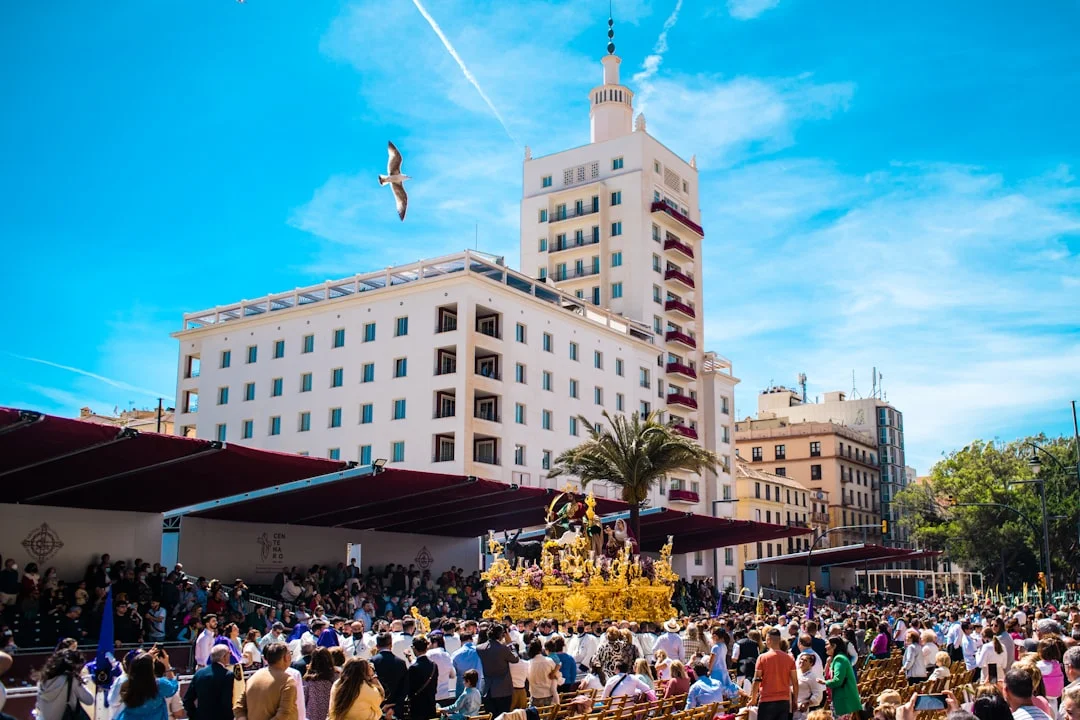
    Malaga is a city that loves to live in its streets. This past weekend was no exception, with a religious procession taking over parts of the historic center. The slow-moving, beautifully orchestrated event meant that several central roads were cordoned off to ensure the safety of both participants and spectators.

    Adding to the mix were two major sporting events that took place across the city. These races required rolling road closures, temporarily halting traffic along their routes. While these events bring fantastic energy and community spirit to our neighborhoods, they certainly require drivers to have a Plan B when navigating the urban core.

    The Ongoing MA-21 Roadworks

    While the weekend events have wrapped up, another significant mobility factor remains highly relevant for commuters this week: the ongoing paving works on the MA-21 highway. This crucial artery, which connects Malaga to Torremolinos and serves as a major route for airport traffic, has been undergoing essential asphalt renovations.

    Unlike the temporary weekend closures, the MA-21 roadworks are a longer-term project that continues to impact daily mobility. If your daily commute or upcoming travel plans involve this stretch, it is highly advisable to factor in extra travel time.

    Tips for Navigating the MA-21 Works:

    • Use Alternative Routes: Whenever possible, consider using the MA-20 or the A-7 to bypass the heaviest construction zones.
    • Check Real-Time Traffic: Apps like Google Maps or Waze are invaluable right now for spotting sudden delays or lane closures before you get stuck.
    • Allow Extra Time: Especially if you are catching a flight at Malaga-Costa del Sol Airport, give yourself a generous buffer to avoid last-minute stress.

    Living in a vibrant, growing city means that occasional traffic hurdles are just part of the rhythm of daily life. The recent weekend closures and the ongoing highway roadworks are ultimately signs of a city that is actively maintaining its infrastructure and celebrating its local culture. We hope you managed to navigate the recent detours without too much hassle. As we head into a new week, let’s pack a little extra patience for our commutes. Safe travels out there, and here’s to smooth roads and green lights ahead!

  • Malaga Traffic Cuts and MA-21 Roadworks

    Malaga Traffic Cuts and MA-21 Roadworks

    If you found yourself navigating unexpected detours and heavy congestion over the weekend of Saturday, April 25, and Sunday, April 26, 2026, you certainly were not alone. Malaga experienced what can only be described as a perfect storm of mobility challenges. Between religious traditions taking to the streets, large-scale athletic competitions, vital infrastructure upgrades, and the added unease of a recent string of light tremors in the province, getting around the city required a healthy dose of patience.

    While the weekend’s specific event closures have concluded, the underlying infrastructure projects continue. Here is a breakdown of what impacted the roads and what drivers should keep in mind for the days ahead.

    The Weekend’s Perfect Storm

    Malaga is a city that loves to be outside, and this past weekend was a prime example. The sudden traffic bottlenecks were not random; they were carefully coordinated closures to accommodate community events.

    According to details shared by La Opinión de Málaga, the city’s mobility network had to absorb the impact of three major simultaneous events:
    * A Major Religious Procession: As is deeply woven into the cultural fabric of Andalusia, a significant procession wound its way through the central streets, requiring rolling roadblocks and temporary detours.
    * Two Major Sporting Events: The city hosted two large athletic events that required securing safe, car-free routes for participants, effectively cutting off several key arteries connecting different neighborhoods.

    These events temporarily transformed the usual traffic flow, pushing vehicles onto secondary routes that quickly reached capacity.

    Ongoing Delays: The MA-21 Roadworks

    While the finish lines have been crossed and the procession floats returned to their parishes, drivers aren’t entirely out of the woods. The most significant ongoing factor for Malaga’s traffic is the extensive asphalt and paving works taking place on the MA-21 highway.

    The MA-21 is one of the most critical arteries in the province, serving as the primary coastal link connecting Malaga city center with the airport, major industrial estates, and the neighboring municipality of Torremolinos.

    What to Expect

    • Lane Reductions: Sections of the highway are operating with reduced lanes as crews work to strip the old surface and lay down fresh asphalt.
    • Slower Speeds: Speed limits have been strictly reduced in the work zones to protect both the construction crews and drivers.
    • Peak Hour Congestion: If you are commuting during the morning rush or late afternoon, expect noticeable delays.

    Tips for Smoother Travel

    If your daily commute or travel plans rely on the MA-21, a little foresight will go a long way while the paving project is active:
    1. Use the Cercanías: The C1 local train line runs parallel to the MA-21, connecting the city center to the airport and the Costa del Sol. It remains the most reliable, traffic-free alternative.
    2. Opt for the MA-20: When possible, bypass the coastal route entirely by taking the MA-20 ring road. While it can also see heavy traffic, it avoids the direct bottleneck of the paving works.
    3. Allow Extra Time: Simply padding your journey with an extra 15 to 20 minutes can significantly reduce the stress of unexpected brake lights.

    Living in a vibrant, growing city means occasionally sharing the streets with community celebrations and enduring the temporary headaches of essential maintenance. While roadworks are never fun in the moment, they are a necessary step in keeping Malaga’s infrastructure safe and smooth for everyone. Drive safely, plan ahead, and remember that a little patience goes a long way on our shared roads.

  • Protest in Malaga: Krise zwischen Spanien und Israel

    Protest in Malaga: Krise zwischen Spanien und Israel

    Eine lokale Demonstration mit globalen Auswirkungen

    Kürzlich wurden die Straßen von Malaga zum Mittelpunkt eines internationalen diplomatischen Streits. Was als lokale Demonstration begann, ist schnell auf die Weltbühne eskaliert und verdeutlicht, wie tief globale Konflikte in unserer Stadt nachhallen können. Für internationale Einwohner und Einheimische gleichermaßen ist es wichtig, den Ablauf der Ereignisse zu verstehen, um die aktuellen diplomatischen Spannungen zwischen Spanien und Israel nachvollziehen zu können.

    Der Vorfall in Malaga

    Während eines kürzlichen Protests im Herzen von Malaga versammelten sich Demonstranten, um ihren Widerstand gegen den anhaltenden Konflikt im Nahen Osten zum Ausdruck zu bringen. Die Situation verschärfte sich, als eine Gruppe von Teilnehmern eine Puppe des israelischen Premierministers Benjamin Netanjahu in Brand setzte.

    Die Bilder der brennenden Puppe verbreiteten sich schnell in den sozialen Medien und internationalen Nachrichtennetzwerken. Laut der lokalen Berichterstattung von Diario Sur war die Demonstration Teil einer breiteren Protestwelle, die in verschiedenen spanischen Städten stattfand, aber die spezifischen Aktionen in Malaga zogen sofortige und scharfe internationale Beobachtung auf sich.

    Die diplomatischen Folgen

    Das Verbrennen der Puppe blieb bei den internationalen Behörden nicht unbemerkt. Die israelische Regierung verurteilte die Tat und betrachtete sie als schwere Provokation, die die Grenze des friedlichen Protests überschreitet. In einer schnellen diplomatischen Reaktion bestellte das israelische Außenministerium den spanischen Geschäftsträger ein, um formell gegen den Vorfall zu protestieren.

    Dieser Schritt markiert eine erhebliche Eskalation in den ohnehin angespannten Beziehungen zwischen den beiden Nationen. Spanien hat historisch gesehen eine komplexe diplomatische Haltung in Bezug auf Konflikte im Nahen Osten eingenommen und balanciert oft seine Verpflichtungen gegenüber der Europäischen Union mit innenpolitischem Druck aus. Die Einbestellung eines hochrangigen Diplomaten unterstreicht die Ernsthaftigkeit, mit der Israel das Ereignis in Malaga behandelt, und verwandelt einen lokalisierten Ausdruck politischen Dissenses in einen formellen Konflikt auf Staatsebene.

    Was dies für die internationale Gemeinschaft in Malaga bedeutet

    Für die vielfältige internationale Gemeinschaft, die in Malaga lebt, dient dieser Vorfall als eindringliche Erinnerung an die Verbindung der Stadt zum Weltgeschehen. Malaga ist nicht nur ein sonniger Rückzugsort; es ist ein lebendiges, weltoffenes Zentrum, in dem globale politische Strömungen aktiv gespürt und debattiert werden.

    • Erhöhte Sichtbarkeit: Malaga steht derzeit im internationalen Rampenlicht, was zu einer verstärkten Medienpräsenz und einem intensiveren politischen Diskurs innerhalb der Stadt führen kann.
    • Dialog in der Gemeinschaft: Das Ereignis hat intensive Gespräche unter Einwohnern mit unterschiedlichen kulturellen Hintergründen ausgelöst und unterstreicht die Notwendigkeit eines respektvollen Dialogs.
    • Sicherheit und bürgerlicher Ausdruck: Die Behörden könnten die Sicherheitsmaßnahmen für öffentliche Versammlungen kontinuierlich evaluieren, um ähnliche Eskalationen zu verhindern und die öffentliche Sicherheit zu gewährleisten, während gleichzeitig das demokratische Recht auf freie Meinungsäußerung geschützt wird.

    Umgang mit globalen Spannungen auf lokaler Ebene

    In einer global vernetzten Stadt zu leben bedeutet, dass internationale Konflikte oft auf unseren lokalen Straßen eine Stimme finden. Während das Verbrennen der Puppe unbestreitbare diplomatische Spannungen verursacht hat, eröffnet es auch einen Raum für Reflexion darüber, wie Gemeinschaften Trauer, Wut und politische Opposition ausdrücken.

    Während wir uns durch diese komplexen Zeiten bewegen, bleibt es unerlässlich, ein Umfeld zu fördern, in dem vielfältige Perspektiven geteilt werden können, ohne in Feindseligkeit abzugleiten. Malaga war schon immer ein Knotenpunkt der Kulturen und Ideen, ein Ort, an dem Menschen aus aller Welt zusammenkommen, um sich gemeinsam ein Leben aufzubauen. Hoffentlich kann sich unsere Gemeinschaft, wenn sich der diplomatische Staub legt, weiterhin auf die gemeinsamen Werte wie gegenseitigen Respekt, Empathie und den kollektiven Wunsch nach Frieden verlassen, die diese Stadt zu einem so wunderbaren Zuhause machen.

  • Malaga Protest Sparks Spain-Israel Diplomatic Incident

    Malaga Protest Sparks Spain-Israel Diplomatic Incident

    A Local Demonstration with Global Repercussions

    Recently, the streets of Malaga became the focal point of an international diplomatic row. What began as a local demonstration has rapidly escalated onto the world stage, highlighting how deeply global conflicts can resonate within our city. For international residents and locals alike, understanding the sequence of events is vital to grasping the current diplomatic tension between Spain and Israel.

    The Incident in Malaga

    During a recent protest in the heart of Malaga, demonstrators gathered to voice their opposition to the ongoing conflict in the Middle East. The situation intensified when a group of participants set fire to an effigy of Israeli Prime Minister Benjamin Netanyahu.

    The imagery of the burning effigy quickly circulated across social media and international news networks. According to local coverage by Diario Sur, the demonstration was part of a broader wave of protests occurring across Spanish cities, but the specific actions taken in Malaga drew immediate and severe international scrutiny.

    The Diplomatic Fallout

    The burning of the effigy did not go unnoticed by international authorities. The Israeli government condemned the act, viewing it as a severe provocation that crosses the line of peaceful protest. In a swift diplomatic response, Israel’s foreign ministry summoned the Spanish charge d’affaires to formally protest the incident.

    This move marks a significant escalation in the already strained relations between the two nations. Spain has historically maintained a complex diplomatic stance regarding Middle Eastern conflicts, often balancing its European Union commitments with domestic political pressures. The summoning of a high-ranking diplomatic official underscores the severity with which Israel is treating the event in Malaga, transforming a localized expression of political dissent into a formal state-level conflict.

    What This Means for Malaga’s International Community

    For the diverse international community living in Malaga, this incident serves as a stark reminder of the city’s connection to global affairs. Malaga is not just a sunny retreat; it is a vibrant, cosmopolitan hub where global political currents are actively felt and debated.

    • Increased Visibility: Malaga is currently in the international spotlight, which may lead to heightened media presence and political discourse within the city.
    • Community Dialogue: The event has sparked intense conversations among residents from various cultural backgrounds, emphasizing the need for respectful dialogue.
    • Security and Civic Expression: Authorities may continuously evaluate security measures for public gatherings to prevent similar escalations, ensuring public safety while protecting the democratic right to free speech.

    Navigating Global Tensions Locally

    Living in a globally connected city means that international conflicts often find a voice on our local streets. While the burning of the effigy has caused undeniable diplomatic friction, it also opens a space for reflection on how communities express grief, anger, and political opposition.

    As we navigate these complex times, it remains essential to foster an environment where diverse perspectives can be shared without descending into hostility. Malaga has always been a crossroads of cultures and ideas, a place where people from all over the world come to build a life together. Hopefully, as the diplomatic dust settles, our community can continue to rely on the shared values of mutual respect, empathy, and a collective desire for peace that make this city such a wonderful place to call home.