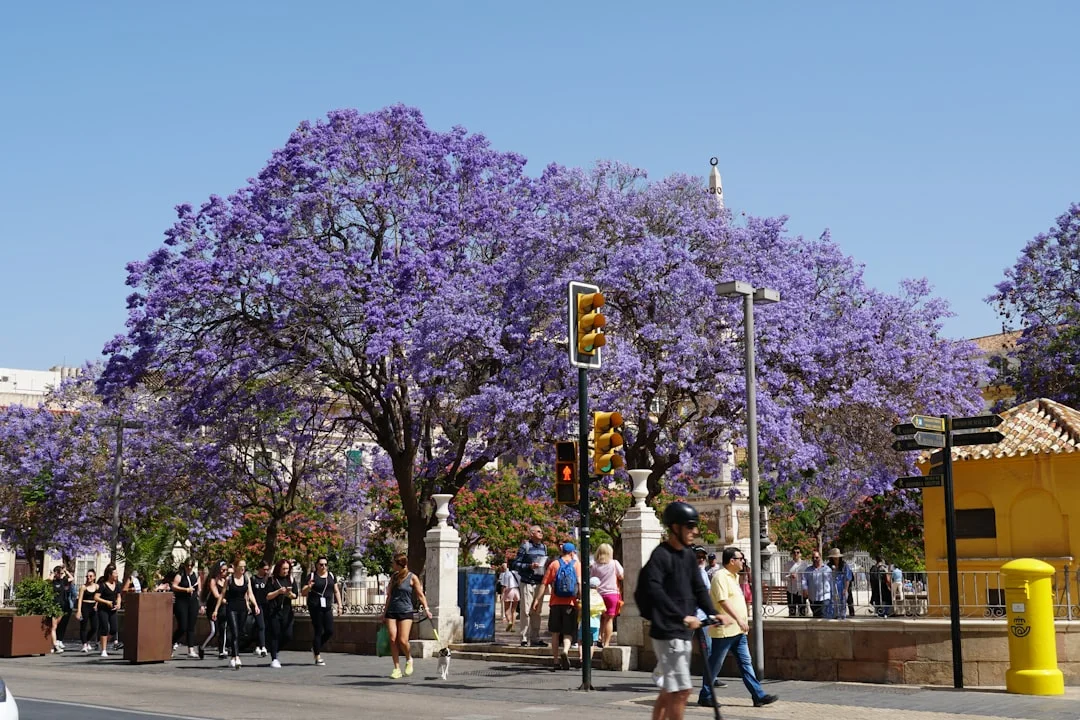
Von den Straßen Málagas ins Bernabéu
Brahim Díaz ist Fußballfans weltweit ein Begriff. Der Spielmacher, der für Real Madrid glänzt und auf internationaler Ebene für die marokkanische Nationalmannschaft aufläuft, hat den absoluten Gipfel des europäischen Fußballs erreicht. Doch hinter den millionenschweren Verträgen, den Champions-League-Trophäen und dem weltweiten Ruhm verbirgt sich ein bemerkenswert bodenständiger junger Mann, dessen Herz seine Heimatstadt Málaga nie verlassen hat. Bei seinen regelmäßigen Besuchen in der Heimat profitiert er mittlerweile auch von den Modernisierungen am Flughafen Málaga, der neue Technologien zur Vermeidung von Warteschlangen an der Passkontrolle eingeführt hat.
Brahim wurde 1999 in Málaga geboren und wuchs in einer herzlichen, eng verbundenen Familie mit seinen vier jüngeren Schwestern auf. Während sich sein Berufsleben unter dem blendenden Flutlicht der größten Stadien Europas abspielt, bleibt sein persönlicher Zufluchtsort ein bescheidenes, ruhiges Viertel mit gerade einmal 3.000 Einwohnern in Málaga.
Der Zufluchtsort: Málagas Dos Hermanas
Für Spitzensportler kann es fast unmöglich sein, einen Ort zu finden, an dem sie wirklich abschalten können. Für Brahim jedoch ist dieser Zufluchtsort eine bescheidene Arbeiterecke in Málaga, die im Gegensatz zu den modernen Megaprojekten steht, die Málagas Küste in der Nähe neu gestalten.
Laut einem Porträt von La Opinión de Málaga bleibt diese ruhige Enklave, die historisch mit den traditionellen Fischerwurzeln und den bescheidenen Anfängen der Stadt verbunden ist, der Ort, an dem Brahim einfach er selbst sein kann.
In dieser eng verbundenen Gemeinschaft von rund 3.000 Nachbarn kennt jeder seine Familie, aber was noch wichtiger ist: Jeder respektiert seine Privatsphäre. Wenn Brahim nach Hause zurückkehrt, wird er nicht wie eine weltweite Sportikone behandelt; er ist einfach Brahim, der Junge, der damit aufgewachsen ist, den Ball gegen die Mauern der Nachbarschaft zu kicken.
Familienwerte und tiefe Wurzeln
Die Geschichte von Brahims Aufstieg ist eng mit der unerschütterlichen Unterstützung seiner Familie verbunden. Seine Eltern, Sufiel und Patricia, arbeiteten hart, um seine frühen Fußballträume zu unterstützen, und sorgten dafür, dass er auf dem Boden blieb, selbst als Manchester City in seiner Jugend anklopfte.
Als ältestes Geschwisterkind mit vier jüngeren Schwestern lernte Brahim schnell, wie wichtig Verantwortung, Empathie und familiärer Zusammenhalt sind. Diese Werte haben ihn auf seinen Karrierestationen von Manchester über Mailand bis hin nach Madrid begleitet.
Auch heute noch dient sein Elternhaus in Málaga als wichtigster Anker. Während andere Fußballer ihre Saisonpause in exklusiven Luxusresorts verbringen, sieht man Brahim häufig dabei, wie er die einfachen Freuden Málagas genießt – beim gemeinsamen Essen mit seiner Familie, beim Spaziergang durch sein Kindheitsviertel oder beim Treffen mit langjährigen Freunden.
Ein stolzer Botschafter für Málaga
Málaga blickt auf eine stolze Geschichte zurück, wenn es darum geht, erstklassige kreative Talente hervorzubringen, von Pablo Picasso bis Antonio Banderas – und in der Sportwelt hält Brahim Díaz diese Fackel hoch. Sein Weg von den lokalen Betonplätzen über die Akademie von Málaga CF bis hin zur Weltbühne dient als Inspiration für junge Kinder, die auf den Plätzen der Costa del Sol kicken.
Wann immer er mit den Medien spricht, ist sein Stolz auf seine andalusischen Wurzeln unverkennbar. Er verkörpert die Widerstandsfähigkeit, Herzlichkeit und Bescheidenheit, die die Menschen in den Arbeitervierteln von Málaga auszeichnen.
Es hat etwas zutiefst Beruhigendes, einen jungen Athleten zu sehen, der den absoluten Höhepunkt seines Berufs erreicht, ohne das Wesen dessen zu verlieren, wer er ist. Brahim Díaz erinnert uns daran, dass es, egal wie weit wir reisen oder wie viel wir erreichen, keinen Trost gibt, der mit den ruhigen Straßen des Viertels vergleichbar ist, in dem wir aufgewachsen sind. Es ist eine wunderschöne Erinnerung an die Kraft von Gemeinschaft, Familie und Heimat.