Category: Neighborhoods

Explore Málagas diverse neighborhoods

  • Marbellas grüne Seite: Urbane Gärten feiern ein Jahrzehnt der Gemeinschaft

    Marbellas grüne Seite: Urbane Gärten feiern ein Jahrzehnt der Gemeinschaft

    Wenn Sie den Namen Marbella hören, denken Sie wahrscheinlich zuerst an Luxusyachten, exklusive Strandclubs und ein pulsierendes Nachtleben. Doch gleich hinter der glamourösen Fassade der berühmten Golden Mile vollzieht sich eine stille, grüne Revolution, die stetig Wurzeln schlägt. Für alle, die sich an der Costa del Sol niederlassen möchten – ob als Remote-Worker, Expat oder umweltbewusste Familie – bietet Marbella ein überraschend bodenständiges und nachhaltiges Gemeinschaftsleben.

    Das Herzstück dieses ökologischen Wandels sind die urbanen Gärten der Stadt, die derzeit einen bedeutenden Meilenstein feiern: über ein Jahrzehnt kontinuierlichen Betriebs und des Aufbaus einer Gemeinschaft.

    Ein Jahrzehnt des grünen Wachstums

    Was als bescheidene Initiative begann, hat sich zu einem florierenden Zentrum der Gemeinschaft entwickelt. Heute haben diese Grünflächen ihre Rolle als wichtige soziale und nachhaltige Treffpunkte gefestigt. Laut einem aktuellen Bericht von Europa Press zählen Marbellas urbane Gärten mittlerweile fast hundert aktive Nutzer.

    Dieser Meilenstein ist mehr als nur eine Zahl. Er steht für zehn Jahre geteiltes Wissen, getauschtes Saatgut und schmutzige Hände. Die Parzellen haben ungenutztes städtisches Land in lebendige Orte der Artenvielfalt verwandelt, in denen die Anwohner ihr eigenes Bio-Gemüse, Kräuter und Obst anbauen.

    Gemeinschaften verbinden

    Einer der schönsten Aspekte der urbanen Gärten ist ihre Fähigkeit, Menschen zusammenzubringen. Die Demografie Marbellas ist unglaublich vielfältig, und die Gärten spiegeln diesen Schmelztiegel wider.

    • Einheimische: Ältere Generationen geben traditionelle andalusische Anbautechniken und Ratschläge zur saisonalen Bepflanzung weiter.
    • Digitale Nomaden: Für Remote-Worker sind die Gärten das perfekte Gegenmittel zur Bildschirmmüdigkeit und bieten nach stundenlangem Programmieren oder Videoanrufen eine körperliche, erdende Aktivität.
    • Umweltbewusste Familien: Eltern nutzen den Raum, um ihren Kindern die Natur, Nahrungsmittelkreisläufe und die Bedeutung des Umweltschutzes näherzubringen.

    Durch die gemeinsame Arbeit knüpfen diese unterschiedlichen Gruppen Verbindungen, die in einem normalen Café oder Coworking-Space vielleicht nie entstehen würden. Es ist ein Ort, an dem die Sprachbarriere oft durch die universelle Sprache der Landwirtschaft überwunden wird.

    Der Wandel hin zu einem nachhaltigen Leben

    Marbellas Engagement für diese Flächen unterstreicht einen breiteren Trend an der Costa del Sol hin zu einer nachhaltigen Lebensweise und bietet einen erfrischenden Kontrast zu den rasanten städtischen Veränderungen und der Touristifizierung, die in anderen historischen Zentren der Provinz zu beobachten sind. Die urbanen Gärten sind streng biologisch, was bedeutet, dass keine synthetischen Pestizide oder Düngemittel verwendet werden. Stattdessen setzen die Nutzer auf Kompostierung, Fruchtwechsel und natürliche Schädlingsbekämpfung.

    Diese lokale Nahrungsmittelproduktion reduziert den CO2-Fußabdruck, der mit dem Transport von Lebensmitteln verbunden ist, erheblich. Darüber hinaus fungieren die Gärten als kleine „grüne Lungen“ innerhalb der städtischen Umgebung, unterstützen lokale Bestäuber wie Bienen und Schmetterlinge und helfen dabei, das lokale Mikroklima zu regulieren.

    Sich engagieren

    Wenn Sie planen, nach Marbella zu ziehen, oder bereits dort leben und sich gerne die Hände schmutzig machen möchten, ist ein Engagement in den urbanen Gärten eine fantastische Möglichkeit, sich in die lokale Gemeinschaft zu integrieren. Obwohl es aufgrund der hohen Nachfrage oft eine Warteliste für einzelne Parzellen gibt, veranstaltet die Gemeinschaft regelmäßig Tage der offenen Tür, Workshops und gemeinsame Pflanzaktionen.

    Sich mit lokalen Umweltgruppen in Verbindung zu setzen oder einfach die Gärten zu besuchen, um sich mit den aktuellen Nutzern zu unterhalten, ist ein großartiger erster Schritt. Auch ohne eigene Parzelle sind das geteilte Wissen und die geknüpften Freundschaften von unschätzbarem Wert für jeden, der in Südspanien ein nachhaltigeres Leben führen möchte.

    Es ist zutiefst ermutigend zu sehen, wie ein kleines Stück Erde ein so starkes Zugehörigkeitsgefühl kultivieren kann. Während diese Gärten in ihr nächstes Jahrzehnt eintreten, erinnern sie uns daran, dass es unter der geschäftigen, modernen Oberfläche unserer Städte immer Raum gibt, um etwas Echtes, Nachhaltiges und Gemeinsames wachsen zu lassen. Zu beobachten, wie diese grüne Gemeinschaft gedeiht, gibt uns die stille Hoffnung, dass es bei der Zukunft des städtischen Lebens genauso sehr um die Pflege des Bodens gehen kann wie um das Streben nach der Skyline.

  • Marbella’s Green Side: Urban Gardens Celebrate a Decade of Community

    Marbella’s Green Side: Urban Gardens Celebrate a Decade of Community

    When you hear the name Marbella, the mind usually wanders to luxury yachts, exclusive beach clubs, and vibrant nightlife. However, just beyond the glamorous facade of its famous Golden Mile lies a quiet, green revolution that has been steadily taking root. For those looking to settle on the Costa del Sol—whether as a remote worker, an expat, or an eco-conscious family—Marbella offers a surprisingly grounded and sustainable community life.

    At the heart of this eco-friendly shift are the city’s urban gardens, which are currently celebrating a significant milestone: over a decade of continuous operation and community building.

    A Decade of Green Growth

    What started as a modest initiative has blossomed into a thriving community hub. Today, these green spaces have consolidated their role as essential social and sustainable venues. According to a recent report by Europa Press, Marbella’s urban gardens now boast nearly a hundred active users.

    This milestone is more than just a number. It represents ten years of shared knowledge, swapped seeds, and muddy hands. The plots have transformed unused urban land into vibrant patches of biodiversity where residents cultivate their own organic vegetables, herbs, and fruits.

    Bridging Communities

    One of the most beautiful aspects of the urban gardens is their power to bring people together. The demographic of Marbella is incredibly diverse, and the gardens reflect this melting pot.

    • Local Residents: Older generations share traditional Andalusian farming techniques and seasonal planting advice.
    • Digital Nomads: Remote workers find the gardens to be the perfect antidote to screen fatigue, offering a physical, grounding activity after hours of coding or video calls.
    • Eco-conscious Families: Parents use the space to teach their children about nature, food cycles, and the importance of environmental stewardship.

    Working side by side, these different groups forge connections that might never happen in a standard café or coworking space. It is a place where the language barrier is often overcome by the universal language of agriculture.

    The Shift Toward Sustainable Living

    Marbella’s commitment to these spaces highlights a broader trend across the Costa del Sol toward sustainable living, offering a refreshing contrast to the rapid urban shifts and touristification experienced in other historic centers across the province. The urban gardens are strictly organic, meaning no synthetic pesticides or fertilizers are used. Instead, users rely on composting, crop rotation, and natural pest control.

    This localized food production significantly reduces the carbon footprint associated with transporting groceries. Furthermore, the gardens act as small “green lungs” within the urban environment, supporting local pollinators like bees and butterflies, and helping to regulate local microclimates.

    Getting Involved

    If you are planning to move to Marbella or are already a resident looking to get your hands dirty, getting involved in the urban gardens is a fantastic way to integrate into the local community. While there is often a waiting list for individual plots due to high demand, the community frequently hosts open days, workshops, and communal planting sessions.

    Connecting with local environmental groups or simply visiting the gardens to chat with the current users is a great first step. Even without your own plot, the knowledge shared and the friendships formed are invaluable resources for anyone looking to live a more sustainable life in southern Spain.

    It is deeply encouraging to see how a small patch of earth can cultivate such a strong sense of belonging. As these gardens step into their next decade, they remind us that beneath the bustling, modern surface of our cities, there is always room to grow something real, sustainable, and shared. Watching this green community flourish gives a quiet hope that the future of urban living can be just as much about nurturing the soil as it is about reaching for the skyline.

  • Audrey Hepburns Geheimnis an der Goldenen Meile: Ein Haus zur Rettung einer Ehe

    Audrey Hepburns Geheimnis an der Goldenen Meile: Ein Haus zur Rettung einer Ehe

    Die Costa del Sol ist seit langem ein Spielplatz für die Reichen und Berühmten, doch auch abseits moderner Entwicklungen wie Málagas Aufstieg in den spanischen Innovationsrankings verbergen sich hinter dem sonnenverwöhnten Glamour oft zutiefst menschliche Geschichten. Während der goldenen Ära der 1960er Jahre war die Küste von Marbella ein Magnet für den europäischen Adel und die Hollywood-Prominenz. Nun wirft eine neu erschienene, autorisierte Biografie Licht auf eines der bestgehüteten Geheimnisse dieser Zeit, das eine der beliebtesten Ikonen des Kinos betrifft.

    Ein verzweifelter Kauf

    Nach historischen Erkenntnissen, die von Diario Sur geteilt wurden, suchte die legendäre Schauspielerin Audrey Hepburn während einer turbulenten Phase ihres Privatlebens Zuflucht in Südspanien. Die Biografie enthüllt, dass die Suche nach Audrey Hepburns Haus in Marbella nicht bloß eine Investition in Luxusimmobilien war, sondern ein verzweifelter, letzter Versuch, ihre scheiternde Ehe mit dem Schauspieler und Regisseur Mel Ferrer zu retten.

    Eingebettet in diesen prestigeträchtigen Küstenabschnitt, sollte das Anwesen von Audrey Hepburn an der Goldenen Meile von Málaga ein privater Rückzugsort sein. Weit entfernt von den aufdringlichen Linsen der Hollywood-Paparazzi hoffte das Paar, dass der ruhige mediterrane Lebensstil helfen würde, ihre zerbrochene Beziehung zu kitten.

    Bisher unveröffentlichte Familienarchive

    Was diese Enthüllung für Liebhaber der Lokalgeschichte besonders fesselnd macht, ist die Einbindung bisher unveröffentlichter Fotografien aus Hepburns privatem Familienalbum. Das Buch bietet einen intimen Einblick in ihr Leben abseits der Kinoleinwand:

    • Ungezwungene Momente: Seltene Bilder zeigen den Star, wie sie die andalusische Sonne genießt, und bieten einen starken Kontrast zu dem makellosen, in Givenchy gekleideten Image, das die Welt kannte.
    • Ein privater Rückzugsort: Die Residenz von Mel Ferrer und Audrey Hepburn an der Costa del Sol wird als ruhiger Hafen gezeigt und unterstreicht das Bild einer verletzlichen Frau, die inmitten der blühenden Bougainvilleen von Marbella um ihre Familie kämpft.

    Letztendlich endete die Ehe 1968 in einer Scheidung, und das Haus konnte nicht das erhoffte Wunder bewirken. Dennoch fügt dieses ergreifende Kapitel der schillernden Geschichte der Goldenen Meile eine Ebene von stiller Melancholie und tiefer Menschlichkeit hinzu.

    Es erinnert uns daran, dass wir unter der schimmernden Oberfläche des Ruhms alle nur Menschen sind, die nach einem sicheren Ort suchen, um unsere Herzen zu verankern – in der Hoffnung, dass die Wärme der mediterranen Sonne ausreichen könnte, um sie zu heilen.

  • Audrey Hepburn’s Golden Mile Secret: A House to Save a Marriage

    Audrey Hepburn’s Golden Mile Secret: A House to Save a Marriage

    The Costa del Sol has long been a playground for the rich and famous—a reputation that persists today even as Málaga steadily climbs the national innovation ranks—but behind the sun-drenched glamour often lie deeply human stories. During the golden era of the 1960s, Marbella’s coastline was a magnet for European aristocrats and Hollywood royalty. Now, a newly released authorized biography sheds light on one of the era’s best-kept secrets involving one of cinema’s most beloved icons.

    A Desperate Purchase

    According to historical insights shared by Diario Sur, legendary actress Audrey Hepburn sought refuge in southern Spain during a tumultuous period in her personal life. The biography reveals that the search for an Audrey Hepburn Marbella house was not merely an investment in luxury real estate, but a desperate, final attempt to salvage her failing marriage to actor and director Mel Ferrer.

    Nestled along the prestigious stretch of coastline, the Audrey Hepburn Golden Mile Malaga property was intended to be a private sanctuary. Far removed from the intrusive lenses of Hollywood paparazzi, the couple hoped the tranquil Mediterranean lifestyle would help mend their fractured relationship.

    Unseen Family Archives

    What makes this revelation particularly captivating for local history enthusiasts is the inclusion of previously unseen photographs from Hepburn’s private family album. The book provides an intimate look into her life away from the silver screen:

    • Candid moments: Rare images capture the star enjoying the Andalusian sunshine, offering a stark contrast to the polished, Givenchy-clad image the world knew.
    • A private retreat: The Mel Ferrer Audrey Hepburn Costa del Sol residence is shown as a quiet haven, highlighting a vulnerable woman fighting for her family amidst the blooming bougainvillea of Marbella.

    Ultimately, the marriage ended in divorce in 1968, and the house could not provide the miracle they sought. Yet, this poignant chapter adds a layer of quiet melancholy and profound humanity to the glittering history of the Golden Mile.

    It reminds us that beneath the shimmering surface of celebrity, we are all just people looking for a safe place to anchor our hearts, hoping the warmth of the Mediterranean sun might be enough to heal them.

  • Urbaner Wandel: Die ‘Touristifizierung’ von Pozos Dulces

    Urbaner Wandel: Die ‘Touristifizierung’ von Pozos Dulces

    Málagas historisches Zentrum ist seit langem ein Schauplatz kultureller Entwicklung, doch in den letzten Jahren hat sich die Metamorphose von einer ruhigen andalusischen Enklave zu einem belebten internationalen Hotspot beschleunigt. Im Epizentrum dieser Transformation liegt das Viertel Pozos Dulces, eine einst unscheinbare Ecke der Stadt, die sich derzeit einer tiefgreifenden und rasanten Neugestaltung unterzieht. Während diese urbane Aufwertung auch die lokale Gastronomie beflügelt, zieht es Feinschmecker für das wohl beste kulinarische Erlebnis Málagas interessanterweise ins nahegelegene Casabermeja.

  • Urban Shift: The ‘Touristification’ of Pozos Dulces

    Urban Shift: The ‘Touristification’ of Pozos Dulces

    Málaga’s historic center has long been a canvas of cultural evolution, but recent years have accelerated its metamorphosis from a quiet Andalusian enclave into a bustling international hotspot. At the epicenter of this transformation lies the Pozos Dulces area, a once-unassuming corner of the city that is currently undergoing a profound and rapid facelift.

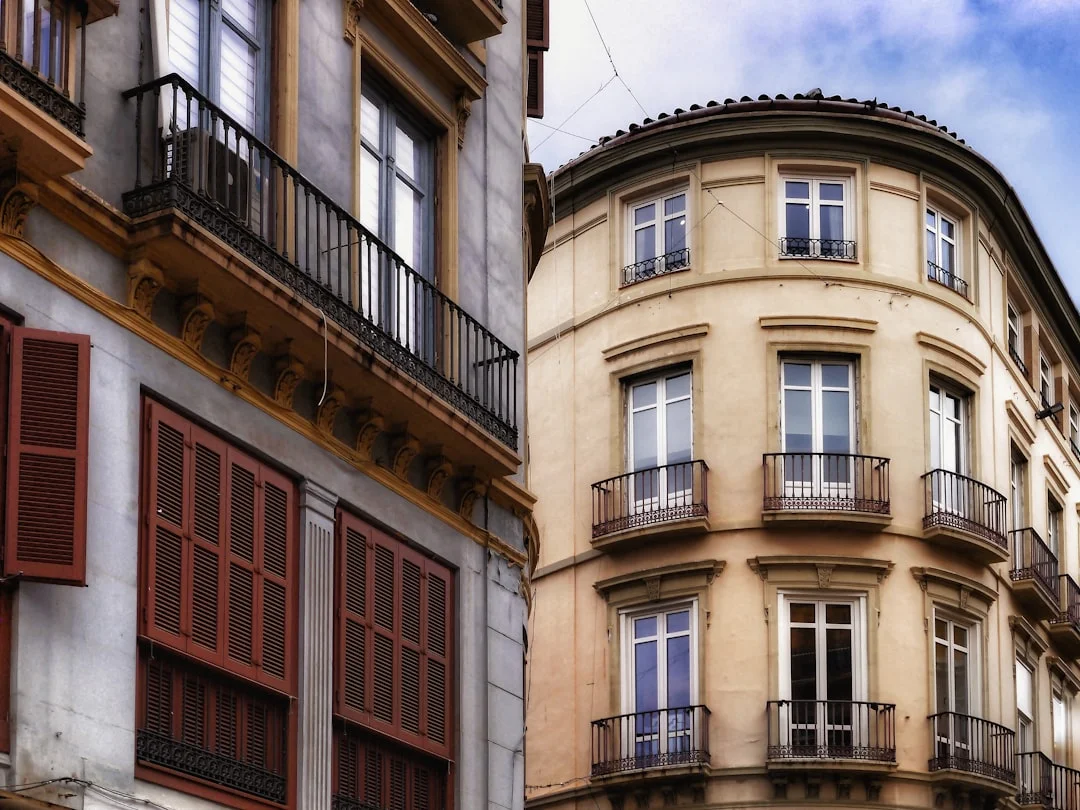
    For those who have walked the winding alleys of Málaga Centro over the past decade, the shifting landscape is palpable. The cobblestones still echo with history, yet the facades look increasingly polished, catering to a new wave of global wanderers. This urban shift, often colloquially termed ‘touristification,’ brings both renewed vitality and complex challenges to the historic core.

    Pozos Dulces: A Microcosm of Urban Shift

    Nestled in the heart of the city, Calle Pozos Dulces and its surrounding alleyways traditionally offered a quiet respite from the lively arteries of Calle Larios and Plaza de la Constitución. Historically characterized by residential blocks and small, family-run enterprises, the street is now the focal point of intense real estate interest.

    The narrative of gentrification in the Malaga center is vividly playing out here. A stroll down Pozos Dulces today reveals a street in transition—scaffolding masking historic facades as interiors are gutted and reimagined for the modern traveler. This hyper-localized boom is not an isolated event but a reflection of broader trends reshaping the city, a phenomenon frequently documented by regional publications such as Diario Sur.

    The New Arrivals: Hostels and Boutique Hospitality

    The cornerstone of the Pozos Dulces transformation is the introduction of new accommodation concepts tailored to the modern visitor. The street is currently welcoming two new hostels and a highly anticipated boutique hotel, fundamentally altering the demographic flow of the neighborhood.

    These new boutique hotels in Malaga are designed to blend historic charm with contemporary luxury. Investors are keen to preserve the traditional Andalusian courtyards and ornate balconies while outfitting the interiors with high-end amenities, rooftop terraces, and artisanal cafes. The two new hostels aim at a slightly different demographic—the digital nomads and upscale backpackers who seek experiential travel without sacrificing comfort and design.

    While the architectural preservation is commendable, the influx of Pozos Dulces Malaga hotels signifies a clear pivot from residential use to transient hospitality. For every beautifully restored doorway, there is a lingering question about the displacement of long-term residents and the erosion of neighborhood cohesion.

    The Double-Edged Sword of ‘Touristification’

    The gentrification of the Malaga center is a deeply nuanced topic, particularly among the city’s growing expat community and its native malagueños. On one hand, the injection of capital into areas like Pozos Dulces revitalizes decaying infrastructure. Derelict buildings are saved from ruin, local businesses enjoy increased foot traffic, and the city’s global profile continues to rise.

    On the other hand, the ‘touristification’ of traditional streets brings undeniable growing pains. The conversion of residential apartments into short-term rentals and boutique accommodations drives up property values, often pricing out the very locals who give the city its authentic soul. The daily rhythm of the neighborhood shifts from the quiet hum of community life to the constant turnover of rolling suitcases and guided tours.

    This delicate balance is the defining challenge for Málaga in 2026. How does a city embrace its popularity while protecting the essence that made it popular in the first place?

    Looking Ahead

    As the dust settles on the construction in Pozos Dulces, the street will undoubtedly emerge more beautiful and vibrant than before. Yet, it serves as a poignant reminder of the fragility of urban ecosystems. The evolution of our beloved city is inevitable, but it requires mindful stewardship to ensure that progress does not erase heritage.

    Walking through the historic center, one cannot help but feel a deep appreciation for the layers of history beneath our feet. As Málaga continues to grow and adapt, it is our shared hope that the city will find a harmonious path forward—one where the warmth of the traditional Andalusian spirit remains the beating heart of every newly polished street, welcoming visitors while fiercely protecting its home.