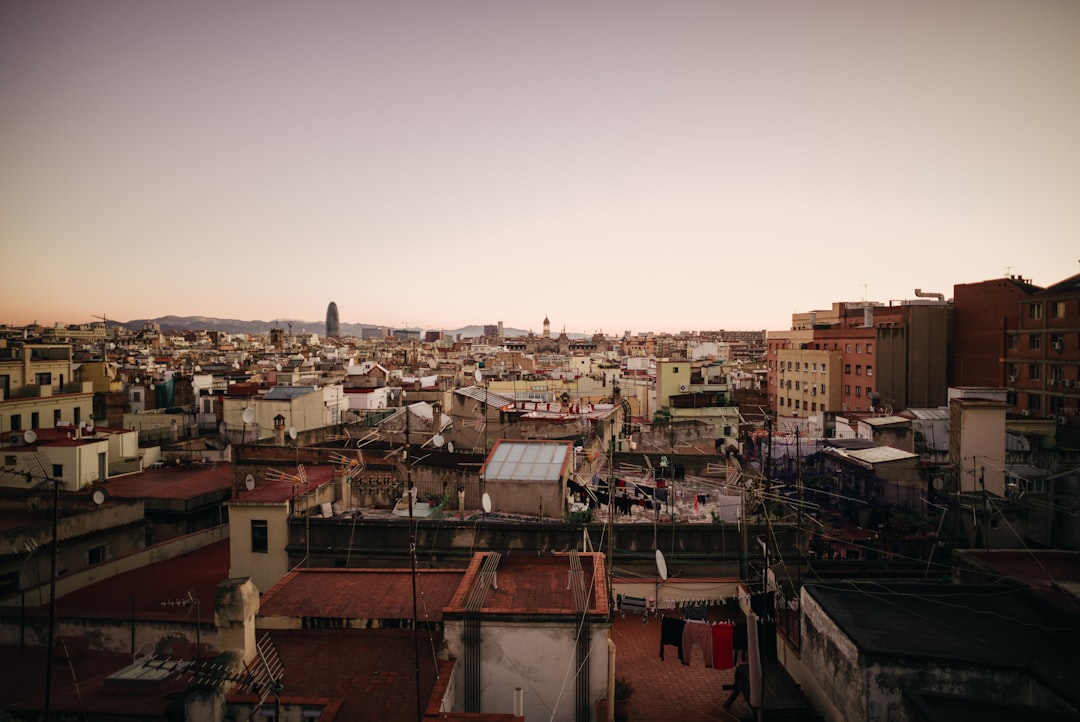
Málaga is a city of layers. To the casual observer, it is a canvas of bright sunshine, bustling promenades, and the azure embrace of the Mediterranean. Yet, for those willing to look closer, there exists a second map of the city—one drawn not on paper, but in the stone passageways, hidden courtyards, and soaring terraces of its most historic hotels.
Accommodation here is rarely just a place to sleep; often, it is a gateway to the city’s past and a vantage point for its future. We have curated a selection of hidden routes and local secrets found within the hospitality sector, inviting you to experience Málaga from the inside out.
The Subterranean City: Vincci Selección Posada del Patio
In the heart of the city, just a stone’s throw from the Guadalmedina riverbed, stands a modern structure that guards an ancient secret. The Vincci Selección Posada del Patio offers more than five-star luxury; it offers a literal route into history.
During the construction of the hotel, workers unearthed exceptionally preserved remains of the city’s ancient walls. Rather than burying them, the hotel integrated them into its foundation. Guests can walk over glass floors revealing the stones below or take a private tour of the archaeological site beneath the hotel. Here, you can trace the outline of the Roman city and the subsequent Arab wall, a silent testament to the civilizations that have called this port home. It is a humbling experience to sip your morning coffee knowing that beneath your feet lies two thousand years of history.
The Noble Past: Palacio Solecio
Walking down the narrow, vibrant Calle Granada, it is easy to miss the entrance to Palacio Solecio. This 18th-century palace, once the home of the Genoese nobleman Félix Solesio, was a ruin for decades before being meticulously restored to its former glory.
The secret here lies in the architecture. Step through the heavy wooden doors and you are transported away from the tapas-bar noise into a serene Andalusian courtyard. The restoration work is a masterclass in respecting heritage; the original stone arches and columns have been preserved, and the grand staircase whispers tales of the aristocracy that once glided up its steps. It serves as a perfect starting point for a “Bourbon Málaga” route, exploring the architectural shifts that occurred in the city during the late 1700s.
The Watchtower: Parador de Gibralfaro
While not hidden in the traditional sense, the Parador de Gibralfaro holds a perspective that many visitors miss by staying strictly in the historic center. Perched atop Mount Gibralfaro, adjacent to the castle, this hotel offers a retreat from the urban heat.
The local secret here is the “blue hour.” While the crowds gather at the walls of the Alcazaba below, the terrace of the Parador offers a more dignified, quiet contemplation of the sunset. From this vantage point, you can see the geometry of the bullring, the expansive port, and the curvature of the coast stretching toward Torremolinos. It is a place of solitude and stone, where the breeze carries the scent of pine and sea salt, far removed from the clamor of the streets below.
The English Legacy: Castillo de Santa Catalina
Venturing east towards the El Limonar district—Málaga’s most exclusive residential area—one discovers the Castillo de Santa Catalina. This is not merely a hotel; it is a Neo-Mudéjar fortress built in 1932, sitting on the site of a 17th-century fortress.
This hotel represents the “hidden route” of Málaga’s bourgeoisie era. The surrounding neighborhood is dotted with villas built by wealthy industrialists and British merchants who settled here in the 19th and early 20th centuries. A stay or a visit here connects you to the romantic, garden-city vision of Málaga. The hotel’s terrace provides arguably the most elegant view of the Bay of Málaga, framed by historic archways. It is a favorite spot for locals to celebrate momentous occasions, yet remains relatively undiscovered by the average tourist.
The Literary Corner: AC Hotel Málaga Palacio
To the untrained eye, the AC Hotel Málaga Palacio is a towering brutalist structure from the 1960s. However, it is an institution woven into the fabric of the city’s social life. Its rooftop is legendary, not just for the pool, but for the angle it provides of the Cathedral.
From the rooftop terrace, one feels close enough to touch the “Manquita” (the one-armed lady), as the Cathedral is affectionately known due to its unfinished south tower. The secret route here is visual: looking down, you gain a bird’s-eye view of the Bishop’s Palace and the intricate layout of the streets that medieval maps struggled to capture. It is the best place to understand the density and intimacy of the city center.
Tips for the Curious Traveler
- Ask the Concierge: In Málaga, the concierge often holds the keys to more than just your room. Ask them for the “llaves de la ciudad” (keys to the city)—metaphorically speaking. They often know which private patios are open for viewing or where to find the best live flamenco that isn’t a tourist trap.
- Off-Season Magic: To truly appreciate the silence of the courtyards and the whispers of the hallways, visit during the shoulder seasons (November or February). The light is softer, and the hotels reclaim their stately, quiet atmosphere.
- The Breakfast Rule: Even if you aren’t a guest, many of these historic hotels offer breakfast or brunch to the public. It is an affordable luxury that grants you access to these architectural marvels without the cost of an overnight stay.
We hope this guide serves as a lantern, illuminating the darker, quieter, and more beautiful corners of our city. Málaga is a place that rewards the curious, and often, the greatest discoveries are found simply by pushing open a heavy door and stepping inside.
Leave a Reply