For decades, Málaga’s culinary reputation was inextricably linked to the chiringuito: plastic chairs, sand between your toes, and skewers of sardines (espetos) roasted over an open fire. While the espeto remains a sacred institution, the city has undergone a quiet but radical transformation.
Málaga is no longer just a gateway to the Costa del Sol; it is a destination for serious eaters. This shift isn’t about importing foreign concepts or chasing Michelin stars with tweezers (though we have those too). As noted by local observers, the real revolution lies in a return to roots. A new generation of chefs is dusting off grandmother’s recipe books and treating humble, local ingredients with the reverence usually reserved for caviar.
Here are the five dishes that explain why Málaga has become a heavyweight in the Spanish dining scene.
1. Gazpachuelo: The Litmus Test
If you want to judge a chef in Málaga, order the gazpachuelo. Originally a fisherman’s soup made from cheap ingredients to warm up on boats during winter, it is a soup of deceptive simplicity: fish stock emulsified with garlic mayonnaise (alioli) and usually containing potatoes and white fish.
It sounds strange to the uninitiated—a warm mayonnaise soup—but the texture is velvety and the flavor is pure comfort. In the current gastronomic boom, chefs are elevating this humble staple. You will now find versions made with red shrimp carpaccio, varying textures of potato, or infused with saffron. It represents the city’s ability to turn scarcity into luxury.
2. Porra Antequerana: Depth Over Simplicity
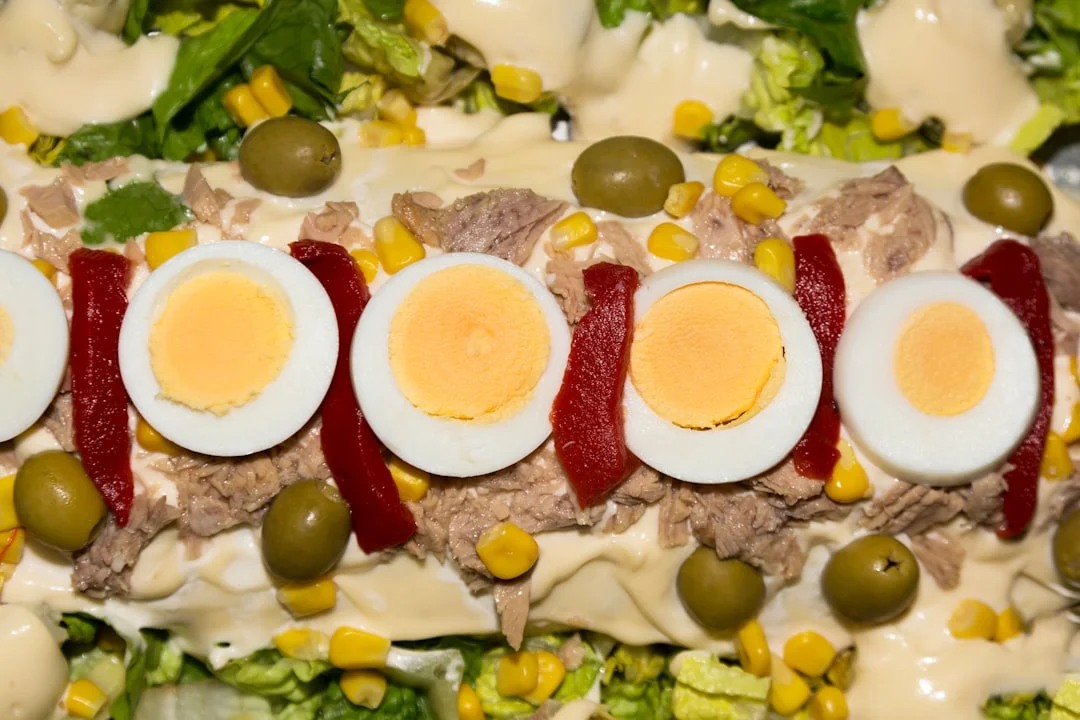
Often mistaken by visitors for Gazpacho or Salmorejo, the Porra Antequerana is denser, richer, and strictly local to the Antequera region north of the city. Made with bread, tomatoes, oil, garlic, and green peppers, it is traditionally served with tuna and hard-boiled egg.
The resurgence of the Porra in high-end menus highlights a shift in focus from the coast to the interior. It proves that Málaga’s gastronomy is not just about the sea; it’s about the sun-drenched vegetables of the Guadalhorce valley. It is a dish that demands high-quality olive oil, pushing local producers to refine their ‘liquid gold.’
3. Ensalada Malagueña: The Moorish Legacy
Few dishes capture the history of this province better than the Ensalada Malagueña. It is a winter salad consisting of potatoes, cod, olives, and—crucially—oranges.
The combination of salty preserved fish and sweet, acidic citrus is a direct nod to the region’s Moorish past. In modern gastro-bars, this dish is being deconstructed and reassembled, focusing on the specific variety of Aloreña olives (the only floating olive with a DO status) and premium salt cod. It is a lesson in balance and a reminder that sweet and savory have mixed here for centuries.
4. Chivo Lechal (Suckling Goat): The Mountain King
While tourists look at the sea, locals know the mountains hold the secret. The Chivo Lechal Malagueño is the first goat meat in Spain to receive a quality brand mark.
Roasted with garlic and thyme, the meat is incredibly tender and lacks the strong gamey flavor associated with older goat meat. Its prominence on tasting menus across the city signals a move towards sustainability and supporting the rural economy of the Axarquía and Montes de Málaga. It is the antithesis of fast food—slow-cooked, locally sourced, and deeply traditional.
5. Ajoblanco: The Pre-Columbian Soup
Before tomatoes arrived from the Americas to create gazpacho, there was Ajoblanco. Made of crushed almonds, garlic, bread, oil, and vinegar, usually served with grapes or melon.
This cold soup is perhaps the most elegant dish in the Malagueño repertoire. According to Málaga Hoy, dishes like this explain how Málaga has converted itself into a gastronomic capital; it respects the ancient while feeling entirely modern. Today’s chefs play with the texture, sometimes turning it into a sauce for fish or lightening it into a foam, but the almond base remains the soul of the dish.
The New Guard
The explosion of these dishes isn’t happening in a vacuum. As reported by El Confidencial, a wave of young chefs—many in their thirties—is driving this renaissance. They are taking over family businesses or opening small, personal projects where the focus is on identity rather than trend-chasing.
Málaga has finally realized that its greatest culinary asset isn’t what it can import, but what it has always had. Whether you are sitting in a white-tablecloth establishment in Soho or a noisy tavern in El Perchel, these five dishes offer a taste of a city that is finally comfortable in its own skin.
We hope you enjoy discovering these flavors as much as we enjoy writing about them. Buen provecho.
Leave a Reply