
Tag: Vitur Summit

  • Vitur Summit 2026: Future of Malaga Tourist Apartments

    Vitur Summit 2026: Future of Malaga Tourist Apartments

    A Crucial Moment for Malaga’s Housing and Tourism

    Malaga has firmly established itself as a European hotspot, not just for digital nomads and expats, but for major real estate investors. With the ongoing local debate surrounding short-term rentals, housing availability, and sustainable tourism, the recent Vitur Summit 2026 arrived at a pivotal time. Held on May 13th and 14th, the event brought together key European investors, hotel chains, and tech companies to discuss the evolving landscape of tourist accommodations.

    According to coverage by Diario Sur, the summit gathered leading operators and hospitality tech firms right here in Malaga, underscoring the city’s strategic importance in the broader European tourism sector.

    Key Takeaways from Vitur Summit 2026

    The discussions over the two-day event centered on several core pillars that directly impact property owners and investors on the Costa del Sol:

    1. The Shift Toward Sustainable Tourism Planning

    One of the loudest conversations in Malaga right now is how to balance a booming tourism industry with the needs of local residents. The summit highlighted new frameworks for sustainable tourism planning. This means moving away from unchecked expansion and towards models that integrate better with neighborhood ecosystems.

    2. Evolving Real Estate Investment Models

    For expats who own property or invest in real estate locally, the landscape is shifting. The summit showcased how institutional investors are looking beyond traditional short-term rentals (viviendas con fines turísticos) and exploring flexible living, co-living spaces, and serviced apartments. These hybrid models often align better with emerging regulatory frameworks.

    3. Tech-Driven Hospitality

    Technology continues to reshape how properties are managed. From AI-driven dynamic pricing to smart home integrations that monitor noise and energy consumption, tech companies at the summit demonstrated how operators can remain profitable while minimizing friction with local communities.

    What This Means for Property Owners and Expats

    If you are involved in the tourist accommodation sector in Malaga, the takeaways from Vitur Summit 2026 are clear: professionalization and compliance are no longer optional.

    • Regulatory Awareness: With short-term rental laws in Spain undergoing constant scrutiny and localized adjustments, staying ahead of municipal regulations is vital.
    • Quality Over Quantity: There is a distinct shift towards offering premium, well-managed accommodations rather than maximizing turnover. Investors are prioritizing properties that can offer high-quality experiences and comply with stricter licensing requirements.
    • Community Integration: Successful operators are increasingly those who actively work to reduce the impact of their rentals on residential buildings, using technology and strict guest vetting processes.

    Looking Ahead

    The conversations sparked at the Vitur Summit 2026 will undoubtedly influence local policies and investment strategies in the coming months. For anyone with a stake in Malaga’s real estate market, staying informed on these industry shifts is the best way to navigate the changes ahead.

    Navigating the balance between a thriving international destination and a livable hometown is a complex journey for Malaga. As the city continues to grow and adapt, it is encouraging to see industry leaders actively engaging in conversations about sustainability and community impact. Hopefully, these collaborative efforts will help shape a future where both locals and visitors can continue to enjoy the vibrant spirit of this beautiful coastal city.
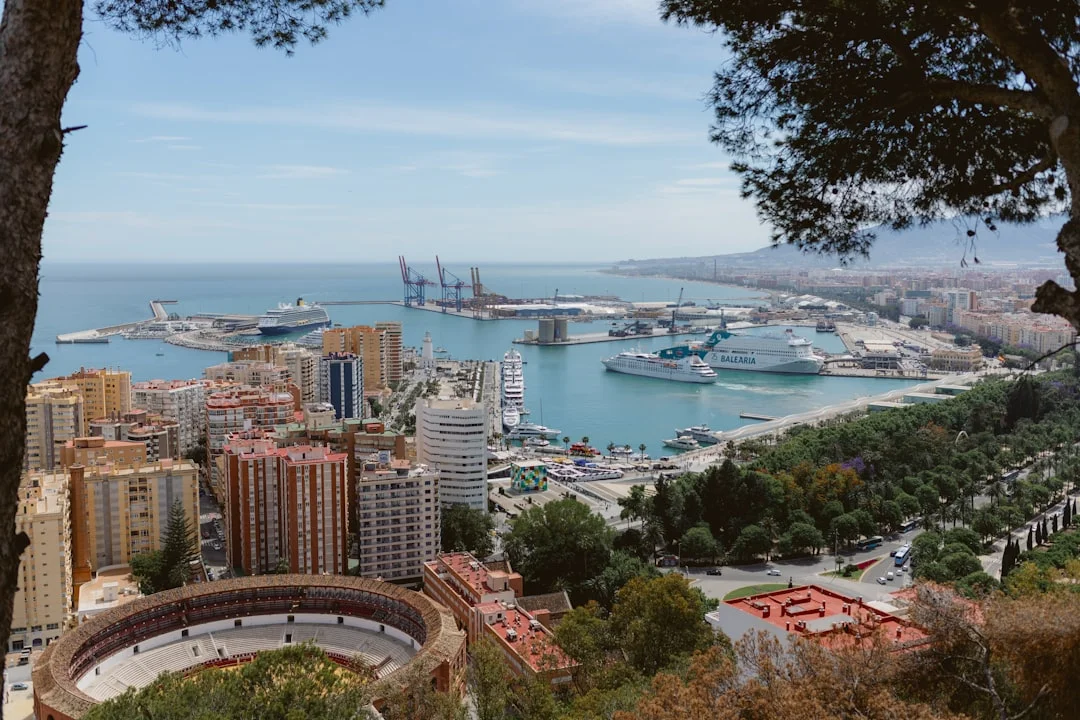
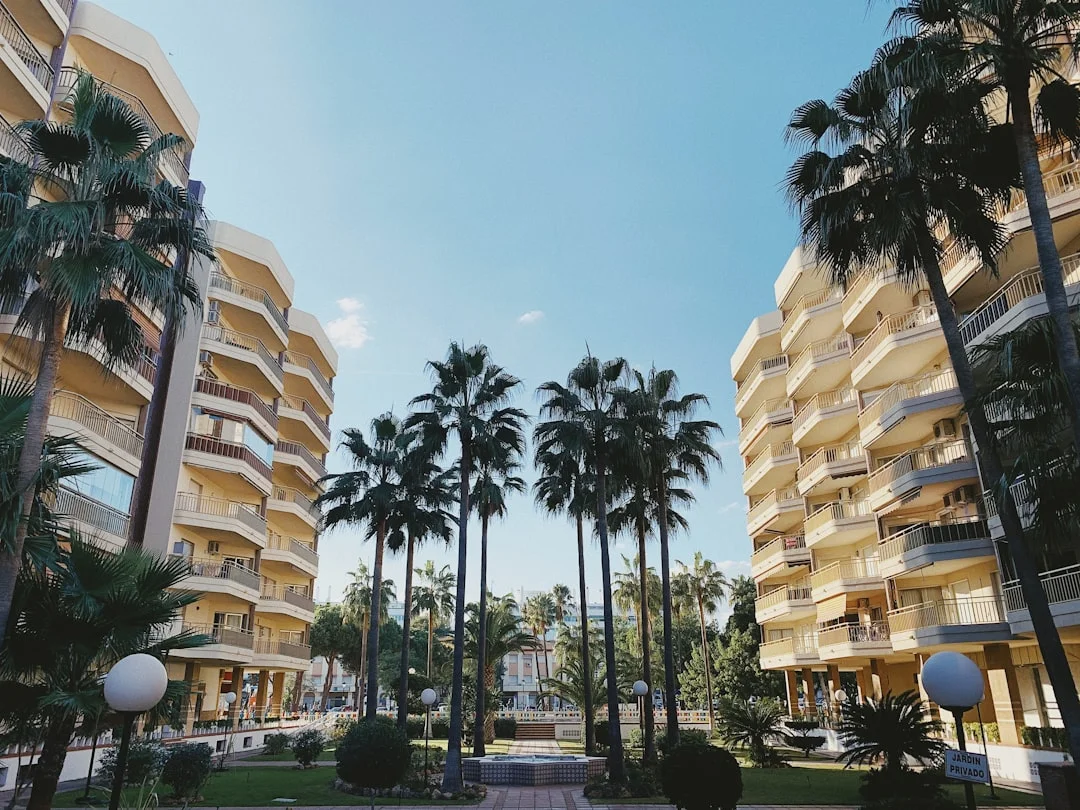
  • Vitur Summit 2026: Future of Tourist Apartments in Malaga

    Vitur Summit 2026: Future of Tourist Apartments in Malaga

    Malaga continues to cement its position not just as a cultural and technological hub—boosted by initiatives like the recent €168 million public investment in a new microchip facility—but as a focal point for the European real estate and hospitality sectors. On May 13th and 14th, 2026, the city hosted the highly anticipated Vitur Summit, bringing together key European investors, major operators, hotel chains, and tech companies to discuss the evolving landscape of tourist accommodation.

    With the ongoing local and national debate surrounding short-term rentals and housing availability, the timing of this year’s summit could not have been more relevant. For expats who own property, invest in real estate, or work within the hospitality sector on the Costa del Sol, the discussions held over these two days provided crucial insights into where the market is heading.

    A Gathering of Industry Leaders

    The Vitur Summit has grown into a premier event for the European short-term rental industry. According to coverage by Diario Sur, the 2026 edition successfully gathered top-tier decision-makers to address the most pressing challenges and opportunities in the market.

    The focus wasn’t just on growth, but on how to grow responsibly. As Malaga navigates the delicate balance between welcoming millions of visitors and maintaining a livable environment for its residents, the summit’s agenda heavily featured sustainable tourism planning.

    Key Themes and Takeaways

    If you are involved in the local property market, several key themes emerged from the 2026 summit that are worth paying attention to:

    1. Professionalization of the Sector

    Gone are the days when managing a tourist apartment simply meant handing over the keys. The summit highlighted a significant shift towards professionalization. Property management companies are increasingly adopting hotel-standard protocols, utilizing advanced software for dynamic pricing, automated guest communication, and energy management.

    2. New Accommodation Models

    The lines between traditional hotels, tourist apartments, and co-living spaces are blurring. Investors are showing strong interest in flexible, hybrid models that cater to digital nomads and mid-term renters, rather than solely focusing on weekend holidaymakers. This shift is partly a response to changing travel habits and partly a strategic move to adapt to potential new local regulations.

    3. Sustainable Tourism Planning

    Sustainability was a cornerstone of the 2026 discussions. This goes beyond eco-friendly toiletries; it involves the social sustainability of neighborhoods. Industry leaders discussed ways to better integrate tourist accommodations into local communities without displacing long-term residents. Solutions proposed included better data sharing with local councils and investment in properties outside the heavily saturated historic center.

    What This Means for Expats and Investors

    If you own a short-term rental property in Malaga or are considering investing, the landscape is maturing. The local government has been actively exploring ways to regulate the concentration of tourist apartments. The insights from the Vitur Summit suggest that future success in this sector will rely on quality over quantity.

    Investors are advised to:
    * Stay Informed on Regulations: Keep a close eye on local municipal zoning laws and regional Andalusian decrees regarding short-term rentals.
    * Focus on Value-Add: Properties that offer high-quality amenities, clear sustainability practices, and seamless tech integration are commanding better occupancy rates.
    * Consider Mid-Term Rentals: Diversifying your rental strategy to include remote workers looking for 1-to-6-month stays can provide a stable income while easing the pressure on the highly seasonal short-term market.

    Looking Ahead

    The dialogue between the tourism industry and the local community is an ongoing journey. Events like the Vitur Summit are essential because they bring the decision-makers to the table to face these complex issues head-on.

    As Malaga continues to evolve, it is encouraging to see the industry actively looking for ways to balance economic growth with the well-being of the city. Finding that sweet spot where tourism thrives without compromising the soul of our neighborhoods is a challenge, but with open conversation and responsible planning, it is a goal we can hopefully achieve together.

  • Málaga: Europäische Hauptstadt für flexible Unterkünfte

    Málaga: Europäische Hauptstadt für flexible Unterkünfte

    Málaga wird seit langem für seine sonnenverwöhnte Küste und sein lebendiges kulturelles Erbe gefeiert, doch neben der emotionalen Hingabe für den lokalen Sport – wie der aktuelle Aufruf des FC Málaga zum Zusammenhalt nach Rückschlägen im Aufstiegskampf beweist – vollzieht sich in den Straßen der Stadt derzeit eine ruhigere, strukturellere Revolution. Die Stadt entwickelt sich rasant zu einem erstklassigen Ziel für internationale Fachkräfte, und mit diesem Wandel geht ein dringender Bedarf an modernen Wohnlösungen einher. Willkommen in der Ära der „flexiblen Unterkünfte“ – ein Konzept, das in den Mittelpunkt rückt, während Málaga den mit Spannung erwarteten Vitur Summit 2026 ausrichtet.

    Der Vitur Summit 2026: Ein entscheidender Moment

    Während sich Branchenführer, Investoren und Stadtplaner in der Stadt versammeln, dient der Vitur Summit 2026 als zentraler Treffpunkt für die Zukunft des Wohnens und der Gastgewerbebranche. Jüngsten Berichten rund um den Vitur Summit 2026 zufolge wird Málaga faktisch zur europäischen Hauptstadt für flexible Unterkünfte gekürt. Dieser Gipfel unterstreicht einen bedeutenden Übergang von traditionellen Hotelaufenthalten und langfristigen Mietverträgen hin zu einem anpassungsfähigeren, hybriden Modell, das auf moderne Mobilität zugeschnitten ist.

    Flexible Unterkünfte im Detail

    Was genau versteht man unter einer flexiblen Unterkunft? Im Wesentlichen schließt sie die Lücke zwischen einer kurzen Ferienvermietung und einem dauerhaften Wohnsitz. Sie umfasst Serviced Apartments, Co-Living-Konzepte und mittelfristige Mietobjekte, die für diejenigen konzipiert sind, die ein Zuhause für einige Monate statt für mehrere Jahre benötigen.

    Dieses Modell ist besonders für die wachsende Gemeinschaft von Expats und Remote-Arbeitern von entscheidender Bedeutung. Bei der Suche nach Unterkünften für digitale Nomaden in Málaga suchen Fachkräfte zunehmend nach schlüsselfertigen Lösungen: komplett eingerichtete Räumlichkeiten mit Highspeed-Internet, Gemeinschaftseinrichtungen und flexiblen Mietbedingungen, die zu ihrem mobilen Lebensstil passen.

    Die Daten, die diesen Wandel belegen, sind bemerkenswert. Derzeit fließen 63 % der Immobilieninvestitionen für kurzfristige und flexible Aufenthalte direkt in städtische Ziele. Investoren erkennen, dass Städte wie Málaga längst nicht mehr nur saisonale Urlaubsorte sind, sondern sich zu ganzjährigen Knotenpunkten für internationale Talente entwickelt haben.

    Andalusiens wachsende Bedeutung

    Die Auswirkungen dieses Investitionstrends sind in der gesamten Region spürbar. Der Markt für Kurzzeitvermietungen in Andalusien reift schnell und entwickelt sich weg von reinen Freizeitimmobilien hin zu anspruchsvollen, professionell verwalteten Wohnräumen.

    Tatsächlich macht Andalusien mittlerweile 15 % aller Projekte für flexible Unterkünfte in städtischen Zentren landesweit aus. Dieser bedeutende Marktanteil unterstreicht die Attraktivität der Region, die durch eine Kombination aus außergewöhnlicher Lebensqualität, günstigem Klima und einem aufstrebenden technologischen Ökosystem angetrieben wird. Málaga fungiert als Epizentrum dieses andalusischen Booms und ist wegweisend dafür, wie Südeuropa die moderne Arbeitswelt beherbergt.

    Balance zwischen Wachstum und Gemeinschaft

    Während die zunehmende Verbreitung flexibler Wohnräume unbestreitbare wirtschaftliche Vorteile bietet und den Wohnungsbestand der Stadt modernisiert, erfordert sie auch eine differenzierte Diskussion über die Integration in die Gemeinschaft. Die Herausforderung besteht darin, sicherzustellen, dass der Zustrom digitaler Nomaden und der damit einhergehende Wandel auf dem Immobilienmarkt die einheimische Bevölkerung nicht entfremden.

    Tatsächlich bieten flexible Unterkünfte eine mögliche Lösung für diese Spannungen. Indem temporäre Bewohner in speziell dafür gebauten oder verwalteten mittelfristigen Gebäuden konzentriert werden, können Städte den Druck auf den traditionellen, langfristigen Wohnungsmarkt verringern, auf den die Einheimischen angewiesen sind. Es entsteht eine eigene Infrastruktur für Menschen mit vorübergehendem Aufenthalt, die es ihnen ermöglicht, zur lokalen Wirtschaft beizutragen, ohne direkt um Standardmietverträge zu konkurrieren.

    Mit Blick auf die Zukunft werden die Diskussionen, die auf dem Vitur Summit 2026 stattfinden, zweifellos die städtische Landschaft von Málaga für die kommenden Jahre prägen. Das Ziel ist ein symbiotisches Umfeld, in dem Innovation im Wohnungsbau auf den authentischen Charme der Stadt trifft.

    Es ist eine faszinierende Zeit, in Málaga zu leben und die Stadt zu beobachten. Während sich die Stadt elegant an ihre neue Rolle auf der globalen Bühne anpasst, kann man nur hoffen, dass diese Entwicklung weiterhin von einem Geist der Inklusivität und Ausgewogenheit geleitet wird. Ob Sie für ein dreimonatiges Projekt anreisen oder diese sonnendurchfluteten Straßen schon seit Jahrzehnten Ihr Zuhause nennen – das wahre Herz von Málaga bleibt seine unvergleichliche Fähigkeit, jeden willkommen zu heißen.

  • Málaga: Flexible Accommodation Capital at Vitur Summit 2026

    Málaga: Flexible Accommodation Capital at Vitur Summit 2026

    Málaga has long been celebrated for its sun-drenched coastline and vibrant cultural tapestry—a deep-rooted sense of community that is palpable even when the city’s football club calls for unity amid recent promotion struggles—but a quieter, more structural revolution is currently unfolding within its streets. The city is rapidly evolving into a premier destination for global professionals, and with this shift comes a pressing need for modern living solutions. Enter the era of ‘flexible accommodation’—a concept that is taking center stage as Málaga hosts the highly anticipated Vitur Summit 2026.

    The Vitur Summit 2026: A Defining Moment

    As industry leaders, investors, and urban planners gather in the city, the Vitur Summit 2026 serves as a focal point for the future of housing and hospitality. According to recent reports surrounding the Vitur Summit 2026, Málaga is effectively being crowned the European capital of flexible accommodation. This summit highlights a significant transition from traditional hotel stays and long-term residential leases to a more adaptable, hybrid model tailored for modern mobility.

    Decoding Flexible Accommodation

    What exactly is flexible accommodation? In essence, it bridges the gap between a brief holiday rental and a permanent residence. It encompasses serviced apartments, co-living spaces, and mid-term rentals designed for those who need a home for a few months rather than a few years.

    This model is particularly critical for the growing community of expatriates and remote workers. When searching for digital nomad accommodation in Málaga, professionals are increasingly looking for turnkey solutions: fully furnished spaces with high-speed internet, community amenities, and flexible lease terms that align with their transient lifestyles.

    The data supporting this shift is striking. Currently, 63% of real estate investment dedicated to short-term and flexible stays is being channeled directly into urban destinations. Investors are recognizing that cities like Málaga are no longer just seasonal holiday spots; they are year-round hubs for international talent.

    Andalusia’s Expanding Footprint

    The ripple effects of this investment trend are being felt across the region. The short term rental market in Andalusia is maturing rapidly, moving away from purely leisure-focused properties toward sophisticated, professionally managed living spaces.

    In fact, Andalusia now accounts for 15% of all flexible accommodation projects in urban centers across the nation. This significant market share underscores the region’s appeal, driven by a combination of exceptional quality of life, favorable climate, and a burgeoning technological ecosystem. Málaga, acting as the epicenter of this Andalusian boom, is paving the way for how Southern Europe accommodates the modern workforce.

    Balancing Growth and Community

    While the proliferation of flexible living spaces offers undeniable economic benefits and modernizes the city’s housing stock, it also invites a nuanced conversation about community integration. The challenge lies in ensuring that the influx of digital nomads and the subsequent transformation of real estate do not alienate local residents.

    Flexible accommodation actually offers a potential solution to this friction. By concentrating transient populations in purpose-built or specifically managed mid-term buildings, cities can alleviate some of the pressure on the traditional, long-term housing market that locals rely upon. It creates a dedicated infrastructure for temporary residents, allowing them to contribute to the local economy without directly competing for standard residential leases.

    As we look toward the future, the discussions taking place at the Vitur Summit 2026 will undoubtedly shape the urban landscape of Málaga for years to come. The goal is a symbiotic environment where innovation in housing meets the authentic charm of the city.

    It is a fascinating time to live in and observe Málaga. As the city gracefully adapts to its new role on the global stage, one can only hope that this evolution continues to be guided by a spirit of inclusivity and balance. Whether you are arriving for a three-month project or have called these sunlit streets home for decades, the true heart of Málaga remains its unparalleled ability to welcome everyone.