Tag: Tourism

  • 200-Mio-Euro-Hafenhotel und neue Apartments genehmigt

    200-Mio-Euro-Hafenhotel und neue Apartments genehmigt

    Málagas Wandel von einem kulturellen Durchreiseort zu einer der führenden europäischen Destinationen setzt sich in rasantem Tempo fort. Im Jahr 2026 laufen der Immobilien- und Tourismussektor der Stadt weiterhin auf Hochtouren, angetrieben von einer Kombination aus internationalen Investitionen, dem Zustrom digitaler Nomaden und starker kommunaler Unterstützung. Zwei wichtige Entwicklungen dieser Woche unterstreichen diesen anhaltenden Boom: ein monumentales Luxushotelprojekt im Hafen von Málaga und die Genehmigung von fünf neuen touristischen Apartmentgebäuden im gesamten Stadtgebiet.

    Das 200-Millionen-Euro-Hafenhotel: Eine neue Skyline für Málaga

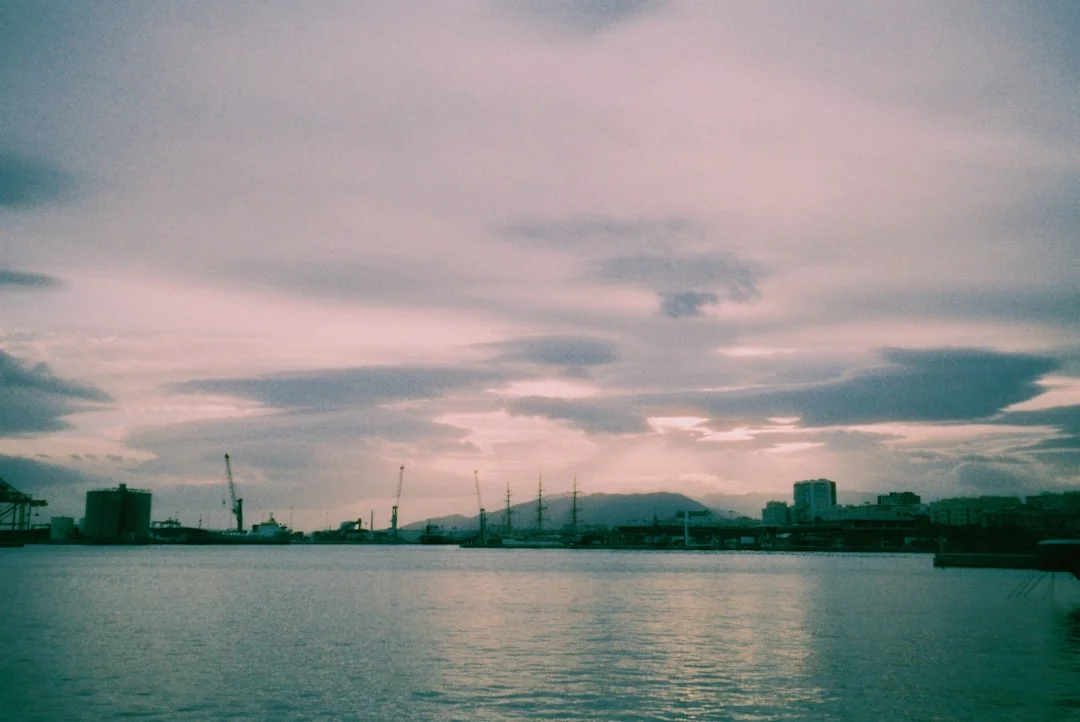
    Die bemerkenswerteste Neuigkeit für Málagas Architektur- und Tourismuslandschaft ist die Bestätigung einer massiven Investition von 200 Millionen Euro durch die Hotelgruppe Hesperia und den katarischen Investmentfonds Al Alfia. Dieses Joint Venture wird den Bau eines neuen Luxushotels finanzieren, das sich direkt im Hafen von Málaga befinden wird.

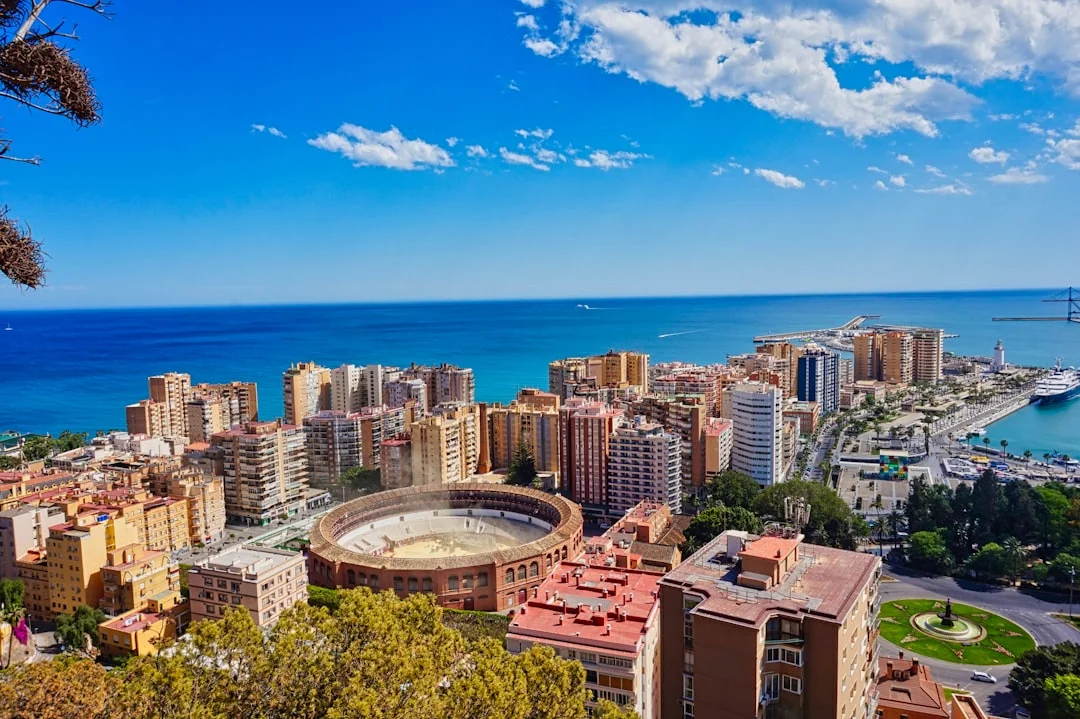
    Dieses neue Hotelprojekt im Hafen von Málaga wird die Uferpromenade der Stadt neu definieren.

    • Wirtschaftliche Auswirkungen: Es wird erwartet, dass die Finanzspritze von 200 Millionen Euro Hunderte von Arbeitsplätzen im Baugewerbe sowie langfristige Positionen im Gastgewerbe schaffen wird.
    • Fokus auf Luxus: Das Projekt signalisiert Málagas anhaltende Ausrichtung auf den High-End- und Luxustourismus und richtet sich an eine Zielgruppe, die erstklassige Unterkünfte am Wasser verlangt.

    Laut einem Update von Mitte Mai aus der Diario Sur ist diese Entwicklung ein Eckpfeiler der umfassenderen Strategie der Stadt, ihr internationales Profil zu schärfen und den wirtschaftlichen Nutzen des Hafengebiets zu maximieren.

    Grünes Licht für fünf neue touristische Apartmentgebäude

    Parallel zur Ankündigung des Luxushotels hat die Stadt offiziell grünes Licht für fünf neue touristische Apartmentgebäude gegeben. Dieser Schritt unterstreicht die anhaltende Nachfrage nach kurz- bis mittelfristigen Unterkünften, insbesondere von Expats, Remote-Workern und Urlaubern.

    Diese Expansion erfolgt jedoch zu einer Zeit, in der die Vorschriften für touristische Apartments in Málaga unter strenger Beobachtung stehen. Die Lokalregierung bemüht sich darum, die lukrativen wirtschaftlichen Vorteile touristischer Vermietungen mit dem dringenden Bedarf an bezahlbarem Wohnraum für Einheimische in Einklang zu bringen. Diese fünf neuen Gebäude haben die neuesten Bebauungs- und Lizenzierungsrahmenbedingungen erfolgreich durchlaufen und schaffen damit einen Präzedenzfall für Immobilieninvestitionen in Málaga im Jahr 2026.

    Wie in der fortlaufenden regionalen Finanzberichterstattung von Economía Digital angemerkt, passen sich Immobilienentwickler zunehmend an strengere kommunale Richtlinien an. Durch den Bau spezieller Apartmentblöcke anstelle der Umwandlung einzelner Wohnungen können sich Entwickler diese begehrten Lizenzen sichern und gleichzeitig theoretisch die Belastung für Standardwohngebäude verringern.

    Was dies für Investoren und Expats bedeutet

    Für digitale Nomaden, Expats und Investoren senden diese Entwicklungen ein klares Signal: Málaga baut seine Infrastruktur massiv aus.

    • Investoren: Die Genehmigung von blockartigen touristischen Apartments deutet auf eine Verschiebung hin zu stärker regulierten, zentralisierten Modellen für die Kurzzeitmiete hin. Kapital fließt eher in zweckgebundene Gastgewerbeobjekte als in fragmentierte Wohnimmobilienkäufe.
    • Expats und Nomaden: Während mehr Touristenbetten hinzukommen, könnte die Konzentration dieser Lizenzen auf dedizierte Gebäude dazu beitragen, den Druck auf den traditionellen Wohnungsmietmarkt, der in den letzten Jahren einem harten Wettbewerb ausgesetzt war, etwas zu lindern.

    Derzeit in Málaga zu leben bedeutet, Zeuge einer historischen Entwicklung zu sein. Während die Kräne am Himmel und die sich ändernden Vorschriften Wachstumsschmerzen mit sich bringen, sorgen sie auch für unbestreitbare Energie und Chancen. Während die Stadt ihren authentischen lokalen Charme mit weltklassigen Ambitionen in Einklang bringt, können wir nur hoffen, dass diese neuen Investitionen letztendlich die Gemeinschaft bereichern und ein lebendiges, nachhaltiges Zuhause schaffen – sowohl für diejenigen, die schon seit Generationen hier sind, als auch für diejenigen, die gerade erst angekommen sind.

  • €200M Port Hotel & 5 New Tourist Apartments Approved

    €200M Port Hotel & 5 New Tourist Apartments Approved

    Málaga’s transformation from a cultural transit point to a premier European destination continues at breakneck speed, impulsada por avances tecnológicos como la reciente inyección gubernamental de 168 millones de euros para un nuevo centro de microchips. As we move through 2026, the city’s real estate and tourism sectors remain red-hot, driven by a combination of international investment, digital nomad influx, and robust municipal backing. Two major developments this week underscore this ongoing boom: a monumental luxury hotel project in the Port of Málaga and the approval of five new tourist apartment buildings across the city.

    The €200M Port Hotel: Reshaping Málaga’s Skyline

    The most striking news for Málaga’s architectural and tourism landscape is the confirmation of a massive €200 million investment by hotel group Hesperia and Qatari investment fund Al Alfia. This joint venture will fund the construction of a new luxury hotel situated right in the Port of Málaga.

    This new hotel port of malaga project is set to redefine the city’s waterfront.

    • Economic Impact: The €200M injection is expected to create hundreds of construction jobs and long-term hospitality positions.
    • Luxury Focus: The project signals Málaga’s continued pivot towards high-end, luxury tourism, catering to a demographic that demands premium waterfront accommodations.

    According to a mid-May update from Diario Sur, this development is a cornerstone of the city’s broader strategy to elevate its international profile and maximize the economic utility of the port area.

    Five New Tourist Apartment Buildings Greenlit

    Parallel to the luxury hotel announcement, the city has officially given the green light to five new tourist apartment buildings. This move highlights the persistent demand for short-to-medium-term accommodations, particularly from expats, remote workers, and vacationers.

    However, this expansion comes at a time when tourist apartments regulations malaga are under intense scrutiny. The local government has been working to balance the lucrative economic benefits of tourist rentals with the pressing need for affordable residential housing for locals. These five new buildings have successfully navigated the latest zoning and licensing frameworks, setting a precedent for malaga real estate investments 2026.

    As noted in ongoing regional financial coverage by Economía Digital, real estate developers are increasingly adapting to stricter municipal guidelines. By building dedicated apartment blocks rather than converting individual residential flats, developers can secure these coveted licenses while theoretically easing the strain on standard residential buildings.

    What This Means for Investors and Expats

    For digital nomads, expats, and investors, these developments offer a clear signal: Málaga is doubling down on its infrastructure.

    • Investors: The approval of block-style tourist apartments suggests a shift toward more regulated, centralized short-term rental models. Capital is flowing into purpose-built hospitality rather than fragmented residential purchases.
    • Expats and Nomads: While more tourist beds are being added, the concentration of these licenses into dedicated buildings may help alleviate some pressure on the traditional residential rental market, which has seen fierce competition in recent years.

    Living in Málaga right now means witnessing a historic evolution. While the cranes in the sky and the shifting regulations bring growing pains, they also bring undeniable energy and opportunity. As the city balances its authentic local charm with world-class ambitions, we can only hope that these new investments will ultimately enrich the community, creating a vibrant, sustainable home for both those who have been here for generations and those who have just arrived.

  • Vitur Summit 2026: Future of Tourist Apartments in Malaga

    Vitur Summit 2026: Future of Tourist Apartments in Malaga

    The Vitur Summit 2026 recently concluded its highly anticipated gathering in Malaga on May 13th and 14th, bringing the future of tourist accommodation into sharp focus. For expats, property owners, and real estate investors on the Costa del Sol, the discussions held over these two days are incredibly relevant, especially amidst the ongoing local debates regarding short-term rentals and housing availability.

    A Meeting of Industry Minds

    As the landscape of travel and remote work continues to evolve, Malaga has found itself at the epicenter of the European short-term rental market. The 2026 edition of the Vitur Summit served as a crucial meeting point for major operators, investors, hotel chains, and technology companies operating within the hospitality sector.

    According to a recent report from Diario Sur, the summit was designed to tackle the most pressing issues and opportunities in the industry. The presence of key European stakeholders highlights Malaga’s strategic importance not just as a tourist destination, but as a hub for hospitality innovation and real estate investment.

    Key Themes and Takeaways

    The conversations at this year’s summit went far beyond basic property management. Industry leaders tackled complex challenges that directly impact anyone involved in the local property market:

    • Navigating New Regulations: With Malaga and the wider Andalusia region tightening rules around tourist apartments, compliance and legal adaptation were major talking points. Understanding these shifts is vital for expats who rent out their properties.
    • Sustainable Tourism Planning: There is a growing consensus that the current growth model needs to be balanced. Discussions centered on how to implement sustainable practices that reduce the strain on local infrastructure and neighborhoods.
    • Alternative Accommodation Models: From coliving spaces designed for digital nomads to hybrid hotel-apartment models, the summit showcased how the definition of “tourist accommodation” is rapidly expanding.

    What This Means for Local Property Owners

    If you own property in Malaga or are considering an investment, the outcomes of the Vitur Summit 2026 signal a shift towards professionalization. The days of casually listing a spare room without regulatory oversight are largely behind us. The market is maturing, requiring property owners to be more mindful of local laws, community relations, and the quality of the services they provide.

    Investors are now looking at long-term sustainability rather than just quick yields. This means creating spaces that respect the fabric of Malaga’s traditional neighborhoods while still offering the high standards expected by international visitors.

    Finding the right balance between a booming tourism sector and the everyday needs of local residents is one of the greatest challenges Malaga faces today. While events like the Vitur Summit bring much-needed dialogue and professional standards to the table, the real test lies in how these ideas are applied in our streets and neighborhoods. It is my hope that as the industry evolves, it does so with a deep respect for the city’s soul, ensuring that Malaga remains a wonderful place to live, not just a beautiful place to visit.

  • 22 % Wachstum im Februar dank internationaler Besucher

    22 % Wachstum im Februar dank internationaler Besucher

    Málaga wird seit langem als erstklassiges Sommerreiseziel gefeiert, doch eine strategische Neuausrichtung, um ganzjährig Besucher anzuziehen, liefert nun bemerkenswerte Ergebnisse. Wenn Sie sich jemals gefragt haben: „Ist in Málaga im Februar viel los?“, dann geben die neuesten Zahlen ein klares Ja. Hauptsächlich angetrieben durch einen Zustrom internationaler Reisender, erlebt die Stadt einen beispiellosen Boom in der Nebensaison, der ihre Wirtschaftslandschaft neu gestaltet.

    Die Statistiken vom Februar 2026 im Detail

    Die traditionell ruhigeren Wintermonate sind für die Hauptstadt der Costa del Sol längst keine Zeit des Winterschlafs mehr. Nach aktuellen Daten, die von La Opinión de Málaga veröffentlicht wurden, verzeichnete Málaga allein im Februar 2026 über 129.000 Hotelgäste und mehr als 250.000 Übernachtungen.

    Der auffälligste Datenpunkt der Tourismusstatistiken für Málaga 2026 ist das stark gestiegene ausländische Interesse. Der internationale Markt wuchs bei der Anzahl der Reisenden im Vergleich zu früheren Zeiträumen um erstaunliche 22,3 %. Darüber hinaus verzeichneten die internationalen Hotelübernachtungen einen robusten Anstieg von 17,5 %. Diese Daten unterstreichen einen klaren Trend: Málagas weltweite Anziehungskraft ist nicht mehr strikt an seine Strände und Sommerfestivals gebunden.

    Was treibt den winterlichen Zustrom an?

    Mehrere Faktoren tragen zu diesem beeindruckenden Wachstum in der Nebensaison bei:

    • Mildes Winterklima: Während weite Teile Europas mit eisigen Temperaturen zu kämpfen haben, bietet Málaga über 300 Sonnentage im Jahr, was es zu einem idealen Zufluchtsort im Winter macht.
    • Kulturelle Expansion: Die Stadt hat sich als kulturelles Schwergewicht positioniert und besticht durch Weltklasse-Museen, historische Stätten und eine lebendige kulinarische Szene, die das ganze Jahr über auf Hochtouren läuft.
    • Der Aufstieg der Remote-Arbeit: Der stetige Zustrom von digitalen Nomaden und Remote-Mitarbeitern führt dazu, dass Besucher länger bleiben. Der Februar ist eine erstklassige Zeit für diese Fachkräfte, um vorübergehend hierher zu ziehen, die intensive Sommerhitze zu meiden und gleichzeitig die Infrastruktur der Stadt zu genießen.

    Wirtschaftliche Auswirkungen und die Expat-Community

    Dieser Wandel hin zu einem 12-monatigen Tourismuszyklus hat tiefgreifende Auswirkungen auf das Wirtschaftswachstum in Málaga. Für lokale Unternehmen – von Spezialitäten-Cafés in Soho bis hin zu traditionellen Tapas-Bars im historischen Zentrum – sorgt der stetige Strom an Winterbesuchern für eine entscheidende finanzielle Stabilität. Dies ermöglicht es den Betrieben, ihr Personal ganzjährig zu beschäftigen, anstatt sich auf Saisonverträge verlassen zu müssen.

    Für die wachsende Expat-Community in Málaga sind diese Statistiken ein wichtiger Indikator für die Entwicklung der Stadt. Die konstante Nachfrage wirkt sich auf den lokalen Wohnungsmarkt aus und treibt Immobilienwerte sowie Mietpreise selbst in den traditionell ruhigeren Monaten in die Höhe. Während diese wirtschaftliche Vitalität bessere Annehmlichkeiten, erweiterte internationale Flugrouten und mehr Netzwerkmöglichkeiten mit sich bringt, unterstreicht sie auch die Bedeutung einer nachhaltigen Stadtplanung, um das Wachstum mit der Lebensqualität der Langzeitbewohner in Einklang zu bringen.

    Ein Blick in die Zukunft

    Die Zahlen vom Februar 2026 bestätigen, dass Málagas Entwicklung zu einem weltoffenen, ganzjährigen Zentrum abgeschlossen ist. Die Stadt hat ihren Wirtschaftsmotor erfolgreich von den Sommermonaten entkoppelt und eine widerstandsfähigere und dynamischere lokale Wirtschaft geschaffen. Da immer mehr internationale Besucher den Charme eines andalusischen Winters entdecken, ist die Stadt bestens positioniert, um in den kommenden Jahren neue Maßstäbe zu setzen.

    Es ist wirklich bemerkenswert zu beobachten, wie Málaga wächst und sich an seinen neu gewonnenen globalen Status anpasst. Auf den Straßen herrscht eine spürbare Energie, eine Mischung aus tief verwurzelten lokalen Traditionen und frischen internationalen Perspektiven. Während die Stadt weiterhin die Welt in allen vier Jahreszeiten willkommen heißt, kann man nur hoffen, dass sie sich ihre warme, authentische Seele bewahrt, die sie überhaupt erst so unglaublich attraktiv gemacht hat.

  • International Visitors Drive 22% Growth in February

    International Visitors Drive 22% Growth in February

    Málaga has long been celebrated as a premier summer destination, but a strategic shift to attract year-round visitors is yielding remarkable results. If you have been wondering, “is Málaga busy in February?”, the latest figures provide a resounding yes. Driven largely by an influx of international travelers, the city is experiencing an unprecedented off-season boom that is reshaping its economic landscape.

    Breaking Down the February 2026 Statistics

    The traditionally quieter winter months are no longer a period of hibernation for the Costa del Sol’s capital. According to recent data published by La Opinión de Málaga, Málaga surpassed 129,000 hotel travelers and recorded more than 250,000 overnight stays in February 2026 alone.

    The most striking data point from the Málaga tourism statistics 2026 is the surge in foreign interest. The international market grew by a staggering 22.3% in the number of travelers compared to previous periods. Furthermore, international hotel nights saw a robust increase of 17.5%. This data highlights a clear trend: Málaga’s global appeal is no longer tied strictly to its beaches and summer festivals.

    What is Driving the Winter Influx?

    Several factors contribute to this impressive off-season growth:

    • Mild Winter Climate: While much of Europe faces freezing temperatures, Málaga offers over 300 days of sunshine a year, making it an ideal winter escape.
    • Cultural Expansion: The city has positioned itself as a cultural heavyweight, boasting world-class museums, historic sites, and a vibrant culinary scene that operates at full capacity year-round.
    • The Rise of Remote Work: The steady influx of digital nomads and remote workers means visitors are staying longer. February is a prime time for these professionals to relocate temporarily, avoiding the intense summer heat while enjoying the city’s infrastructure.

    Economic Impact and the Expat Community

    This shift towards a 12-month tourism cycle has profound implications for Málaga economy growth. For local businesses—ranging from specialty coffee shops in Soho to traditional tapas bars in the historic center—the steady stream of winter visitors provides vital financial stability. It allows businesses to maintain staff year-round rather than relying on seasonal contracts.

    For the growing community of expats in Málaga, these statistics are a key indicator of the city’s trajectory. The consistent demand impacts the local housing market, driving property values and rental rates even during traditionally slower months. While this economic vitality brings better amenities, expanded international flight routes, and more networking opportunities, it also underscores the importance of sustainable urban planning to balance growth with the quality of life for long-term residents.

    A Forward-Looking Perspective

    The February 2026 figures confirm that Málaga’s evolution into a cosmopolitan, year-round hub is complete. The city has successfully decoupled its economic engine from the summer months, creating a more resilient and dynamic local economy. As international visitors continue to discover the charm of an Andalusian winter, the city is well-positioned to set new benchmarks in the coming years.

    Watching Málaga grow and adapt to its newfound global status is truly remarkable. There is a palpable energy in the streets, a blend of deep-rooted local traditions and fresh international perspectives. As the city continues to welcome the world during all four seasons, one can only hope that it retains the warm, authentic soul that made it so deeply attractive in the first place.