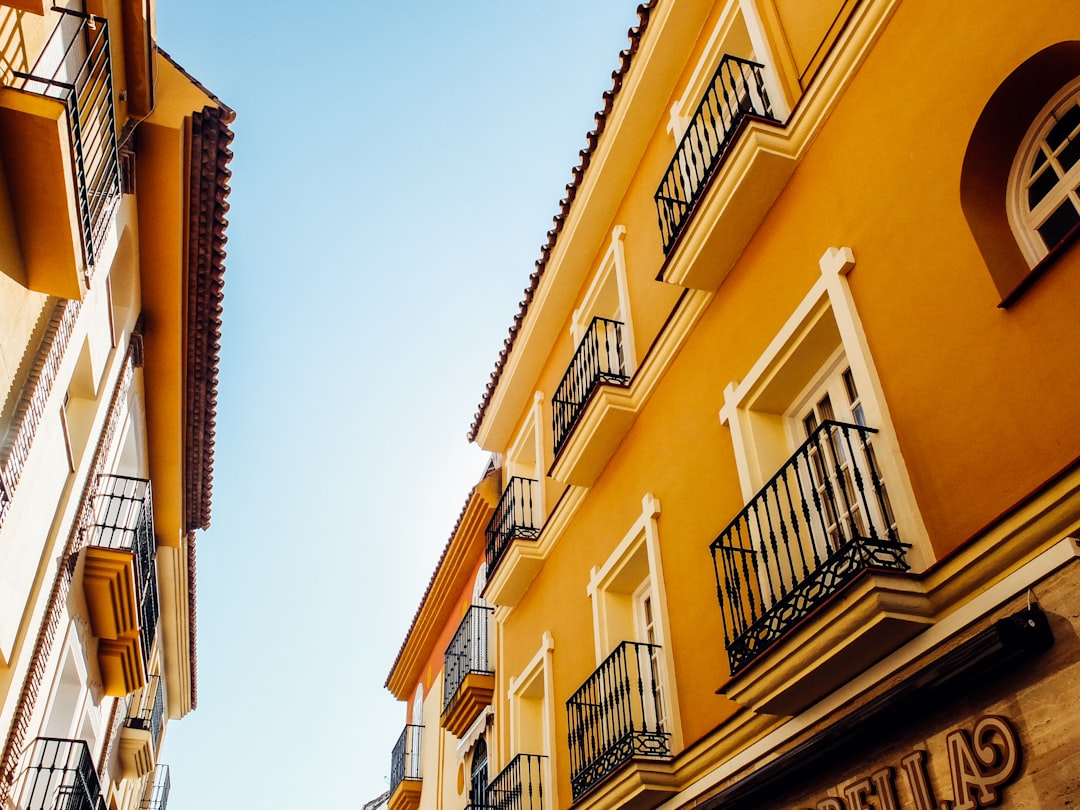
Es ist leicht, Málaga zu betrachten und nur das funkelnde Mittelmeer, die historische Alcazaba und die belebten Terrassen der Calle Larios zu sehen. Seit Jahrzehnten ist diese Stadt das Aushängeschild für ein erfolgreiches Urlaubsziel. Jedoch vollzieht sich unter der Oberfläche ein bedeutender Wandel. Málaga ist nicht mehr nur ein Ort, den man besucht; es entwickelt sich zu dem Ort, an dem über die Zukunft des Reisens entschieden wird.
In einem Schritt, der seinen Status als strategischer Vorreiter festigt, ist Málaga in die globale Elite des Tourismusmanagements aufgestiegen. Die Stadt positioniert sich als „globales Labor“, in dem Strategien getestet und umgesetzt werden, die definieren werden, wie die Welt in den kommenden Jahrzehnten reist.
Beitritt zur Elite: Das UNWTO-Netzwerk
Der bedeutendste Schritt in dieser Transformation ist Málagas kürzliche Aufnahme in das International Network of Sustainable Tourism Observatories (INSTO) der Welttourismusorganisation (UNWTO). Dies ist nicht bloß eine Auszeichnung; es ist eine funktionale Integration in ein hochrangiges Monitoring-System.
Wie von Hosteltur berichtet, ist Málaga das fünfte Reiseziel in Spanien, das diesem prestigeträchtigen Netzwerk beitritt. Was bedeutet das für die Stadt? Es verwandelt Málaga in ein datengesteuertes Zentrum, in dem die wirtschaftlichen, ökologischen und sozialen Auswirkungen des Tourismus mit wissenschaftlicher Präzision gemessen werden. Mit dem Beitritt zu diesem Netzwerk verpflichtet sich die Stadt zu einer kontinuierlichen Überwachung, um sicherzustellen, dass das Tourismuswachstum der lokalen Bevölkerung ebenso zugutekommt wie den Besuchern.
Eine Brücke zwischen den Kontinenten: Das VI. Iberoamerikanische Forum
Um diesen neuen Status zu bekräftigen, ist Málaga derzeit Gastgeber des VI. Iberoamerikanischen Forums für nachhaltigen Tourismus. Diese Veranstaltung ist nicht nur eine weitere Konferenz; sie ist ein strategischer Treffpunkt, der zwei Kontinente verbindet.
Laut Entorno Turístico bringt das Forum über 30 internationale Referenten aus mehr als 15 Ländern zusammen. Ziel ist es, einen Dialog zwischen Europa und Lateinamerika zu schaffen, wobei Málaga als physische und intellektuelle Brücke dient. Die Diskussionen konzentrieren sich auf kritische Themen wie:
- Anpassung an den Klimawandel: Wie Küstenstädte widerstandsfähig bleiben können.
- Soziale Nachhaltigkeit: Sicherstellen, dass der Tourismus lokale Gemeinschaften unterstützt, anstatt sie zu verdrängen.
- Technologie: Nutzung von Big Data zur Steuerung von Besucherströmen.
Dezentralisierung und qualitativ hochwertige Beschäftigung
Das Gespräch in Málaga bewegt sich weg von „Wie viele Touristen können wir bekommen?“ hin zu „Wie beeinflusst der Tourismus unser Leben?“. Ein Hauptfokus dieser neuen strategischen Ausrichtung ist die Dezentralisierung. Ziel ist es, die Vorteile (und die Besucherströme) des Tourismus über das historische Zentrum hinaus in die Stadtviertel und die umliegende Provinz zu verteilen.
Darüber hinaus liegt ein erneuter Schwerpunkt auf der Qualität der Beschäftigung innerhalb des Sektors. Es reicht nicht mehr aus, Arbeitsplätze zu schaffen; die Branche drängt auf Professionalisierung und bessere Arbeitsbedingungen, um sicherzustellen, dass der Sektor für Arbeitnehmer nachhaltig ist, nicht nur für Investoren. Wie in einem Meinungsartikel von Diario Sur angemerkt, hängt die Zukunft des Tourismus an der Costa del Sol von diesem Gleichgewicht zwischen Wirtschaftsmotor und sozialem Wohlergehen ab.
Ein Labor für die Zukunft
Málagas Wandel zu einem „Global Hub“ bedeutet, dass die Stadt Verantwortung für ihren eigenen Erfolg übernimmt. Sie entwirft aktiv ein Modell, das andere Städte auf der ganzen Welt in Zukunft wahrscheinlich kopieren werden. Durch die Kombination von hochrangiger institutioneller Unterstützung durch die UNWTO mit praktischem, kontinentalübergreifendem Dialog auf dem Iberoamerikanischen Forum beweist Málaga, dass es den Verstand hat, der seiner Schönheit entspricht.
Für diejenigen von uns, die hier leben, ist dieser Wandel hoffnungsvoll. Er deutet auf eine Zukunft hin, in der die Stadt die Besucherwellen nicht nur überlebt, sondern durch sie aufblüht, ihre Seele bewahrt und gleichzeitig die Welt willkommen heißt. Es ist ein empfindliches Gleichgewicht, aber wenn eine Stadt die Energie hat, dies zu meistern, dann ist es sicherlich Málaga.