Tag: Summer Tips

  • Dem Sommer in Málaga trotzen: Überlebensguide für den August

    Dem Sommer in Málaga trotzen: Überlebensguide für den August

    Der August in Málaga ist ein Fest für die Sinne – lebendiges Straßenleben, belebte Strandbars und lange, sonnenverwöhnte Tage. Die Hochsaison im Sommer bringt jedoch auch extreme Hitze mit sich, geprägt von den typischen Wetterphänomenen Málagas wie Taró-Seenebel und Terral. Bei durchschnittlichen Tageshöchstwerten zwischen 31 °C und 35 °C, hoher Luftfeuchtigkeit und Abendtemperaturen, die selten unter 22 °C fallen, erfordert das Überstehen der nachmittäglichen Spitzenhitze eine kluge Strategie.

    Egal, ob Sie für eine Woche zu Besuch sind oder in der Stadt leben: Hier ist ein praktischer Leitfaden, wie Sie im heißesten Monat des Jahres kühl, entspannt und voller Energie bleiben – inklusive Tipps, wo Sie die leckersten Sardinen-Espetos in Málaga probieren können.

    1. Passen Sie sich dem andalusischen Rhythmus an

    Der häufigste Fehler von Besuchern besteht darin, ihren mitteleuropäischen Tagesablauf beizubehalten. Zwischen 14:00 und 18:00 Uhr erreicht die Sonne ihre höchste Intensität, und die Straßen bieten nur sehr wenig Schatten.

    • Früher Morgen (08:00 – 12:00 Uhr): Konzentrieren Sie sich auf Sightseeing im Freien, wie einen Spaziergang zur Alcazaba oder die Erkundung des historischen Zentrums, bevor sich das Pflaster aufheizt.
    • Spitzenhitze (14:00 – 18:00 Uhr): Ziehen Sie sich nach drinnen zurück. Dies ist die ideale Zeit für ein ausgiebiges Mittagessen, eine ruhige Pause oder Erkundungen in klimatisierten Räumen.
    • Später Abend (ab 20:30 Uhr): Nach Sonnenuntergang erwacht Málaga zu neuem Leben. Wenn eine frische Meeresbrise aufkommt, gehen die Einheimischen zum Tapas-Essen und für Abendspaziergänge auf die Calle Larios oder an den Hafen.

    Tipp: Achten Sie auf den Terral, einen trockenen Binnenwind, der die Temperaturen gelegentlich rasch in die Höhe treibt. An Terral-Tagen sind die Strände an der Küste oder stark klimatisierte Räume Ihre beste Zuflucht.

    2. Suchen Sie Zuflucht in Málagas Kulturstätten

    Wenn die Nachmittagssonne unerträglich wird, ziehen Sie sich in eine der klimatisierten Einrichtungen der Stadt zurück. Málaga bietet eine beeindruckende Auswahl an Galerien und Museen, die gleichzeitig als perfekte Orte zum Abkühlen dienen und in denen Sie problemlos klimatisierte Kunstausstellungen gegen die Hitze finden können.

    Laut Daten zu den Wettermustern im August gibt es im August praktisch keinen Regen, was eine Abkühlung in Innenräumen umso wichtiger macht. Glücklicherweise können Sie das umfangreiche Museumsnetzwerk der Stadt mit über 30 Orten erkunden, darunter auch einige kostenlose Museen in Málaga, die sich ideal für preisbewusste Reisende eignen:

    • Museo Picasso Málaga & Casa Natal: Tauchen Sie in das Erbe des Künstlers ein und genießen Sie dabei die kühlen, klimatisierten historischen Räume.
    • Centre Pompidou Málaga: Dieser unterirdische Bereich am Muelle Uno unter dem bunten Glaskubus ist geräumig, kühl und voll von zeitgenössischer Kunst.
    • Museo Carmen Thyssen: Inmitten des historischen Zentrums gelegen, bieten die Innenhöfe und spanischen Meisterwerke des 19. Jahrhunderts einen ruhigen Rückzugsort vor der Sonne.

    3. Essen Sie leicht in schattigen Markthallen

    Das Essen spielt eine große Rolle dabei, wie wohl man sich an heißen Sommertagen fühlt. Schweres Essen macht träge, während frische andalusische Sommerklassiker Sie mit Flüssigkeit versorgen und leichtfüßig halten.

    Besuchen Sie den Mercado de las Atarazanas am besten vor dem frühen Nachmittag. Unter der historischen Eisenkonstruktion bieten Händler gekühltes Obst, frisch gepresste Säfte und kalte Oliven an. Die lokalen Tapas-Bars servieren unverzichtbare Sommergerichte:

    • Gazpacho & Ajoblanco: Kalte Suppen aus frischen Tomaten oder Mandeln, Knoblauch und Olivenöl – die ideale natürliche Erfrischung.
    • Espetos de Sardinas: Frische Sardinen, die auf Spießen über offenem Feuer am Strand gegrillt werden – am besten am späten Nachmittag in einem überdachten Chiringuito genießen.

    Für weitere saisonale Inspirationen und lokale Empfehlungen werfen Sie einen Blick auf diese Sommerpläne für Málaga.

    4. Klug geplante Strandzeiten

    Ein Strandbesuch liegt auf der Hand, aber um 15:00 Uhr zu gehen, führt oft zu Sonnenbrand und Überhitzung. Planen Sie Ihre Ausflüge an die Küste daher durchdacht:

    • Schwimmen am Morgen: Besuchen Sie La Malagueta oder Caleta gegen 09:30 Uhr, wenn das Wasser ruhig und der Sand noch kühl ist.
    • Pedregalejo & El Palo: Machen Sie einen kurzen Ausflug nach Osten entlang der Küstenpromenade. Die alten Fischerviertel bieten schattige Terrassen direkt am Wasser.

    Den Sommer in Málaga zu verbringen, lehrt einen, die Sonne zu respektieren, anstatt gegen sie anzukämpfen. Für weitere praktische Ratschläge zur Orientierung in der Stadt während der Hochsaison ergänzen Sie Ihren Plan mit unserem wichtigen Sommer-Leitfaden für Málaga. Passen Sie Ihren Zeitplan an, schalten Sie in den Nachmittagsstunden einen Gang zurück und genießen Sie die magischen späten Sommernächte. Trinken Sie ausreichend Wasser, gehen Sie auf der schattigen Straßenseite und genießen Sie alles, was diese Mittelmeerstadt zu bieten hat.
  • Beating the Heat in Málaga: August Survival Guide

    Beating the Heat in Málaga: August Survival Guide

    August in Málaga is a sensory feast—vibrant street life, buzzing beach bars, and long, sun-drenched days. However, peak summer also brings severe heat, often driven by unique Málaga weather patterns like Taró sea fog and hot Terral winds. With average daily highs ranging between 31°C and 35°C, high humidity, and evening temperatures that rarely drop below 22°C, surviving peak afternoon heat requires a smart strategy.

    Whether you are visiting for a week or living in the city, here is a practical guide to staying cool, comfortable, and energized during the hottest month of the year—from finding shade by the coast to enjoying fresh sardine espetos in Málaga.

    1. Adopt the Andalusian Rhythm

    The most common mistake visitors make is trying to maintain a northern European schedule. Between 14:00 and 18:00, the sun hits its peak intensity and streets offer very little shade.

    • Early Morning (08:00 – 12:00): Focus on outdoor sightseeing, like strolling up to the Alcazaba grounds or exploring the historic centre before the pavement bakes.
    • Peak Heat (14:00 – 18:00): Retreat indoors. This is the ideal time for a long lunch, a quiet rest, or air-conditioned exploration.
    • Late Evening (20:30 onwards): Málaga comes alive after sunset. As breezes roll off the sea, locals head out for tapas and night strolls along Calle Larios or the harbour.

    Tip: Keep an eye out for the terral, a dry, inland wind that occasionally drives temperatures up rapidly. On terral days, coastal beaches or heavily air-conditioned spaces are your best refuge.

    2. Take Refuge in Málaga’s Cultural Spaces

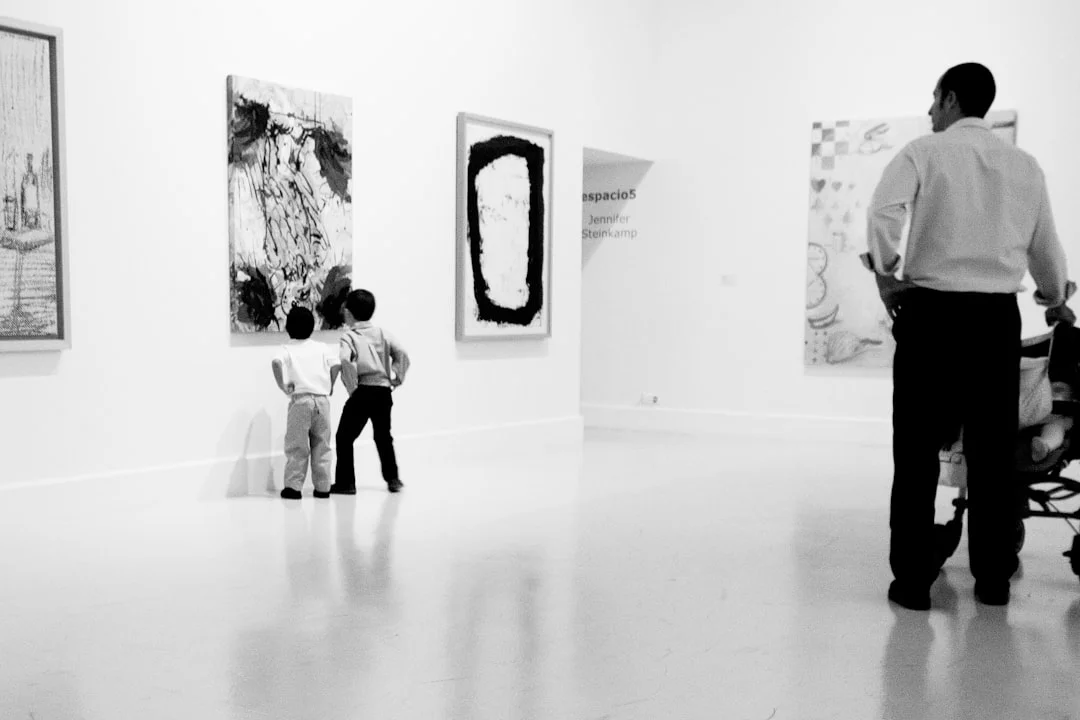
    When the afternoon sun becomes unbearable, step inside one of the city’s climate-controlled institutions. Málaga boasts an impressive collection of galleries and museums that double as perfect cool-down spots, where you can easily find air-conditioned art exhibitions to beat the heat.

    According to data on August weather patterns, rain is practically non-existent in August, making indoor cooling essential. Fortunately, you can explore the city’s extensive museum network, which features over 30 venues, including several free museums in Málaga ideal for budget-conscious travelers:

    • Museo Picasso Málaga & Casa Natal: Immerse yourself in the artist’s legacy while enjoying cool, climate-controlled historic rooms.
    • Centre Pompidou Málaga: Located at Muelle Uno, this underground space beneath the colorful glass cube is spacious, cool, and filled with contemporary art.
    • Museo Carmen Thyssen: Nestled in the historic quarters, its inner courtyards and 19th-century Spanish masterpieces offer a quiet retreat from the sun.

    3. Eat Light in Shaded Markets

    Food plays a major role in staying comfortable during hot summer days. Heavy meals slow you down, while fresh Andalusian summer staples keep you hydrated and light on your feet.

    Head to the Mercado de las Atarazanas before mid-afternoon. Under its historic iron structure, you will find vendors selling chilled fruit, freshly pressed juices, and cold olives. Local tapas bars serve summer essentials:

    • Gazpacho & Ajoblanco: Cold soups made from fresh tomatoes or almonds, garlic, and olive oil—nature’s ideal hydration.
    • Espetos de Sardinas: Fresh sardines skewered and grilled over open fires on the beach, best enjoyed late in the afternoon at a covered chiringuito.

    For more seasonal inspiration and local spots, check out recommendations on summer plans in Málaga.

    4. Smart Coastal Timing

    Hitting the beach is an obvious choice, but visiting at 15:00 often leads to sunburn and overheating. Plan your coast trips thoughtfully:

    • Morning Swims: Visit La Malagueta or Caleta around 09:30, when the water is calm and the sand is still cool.
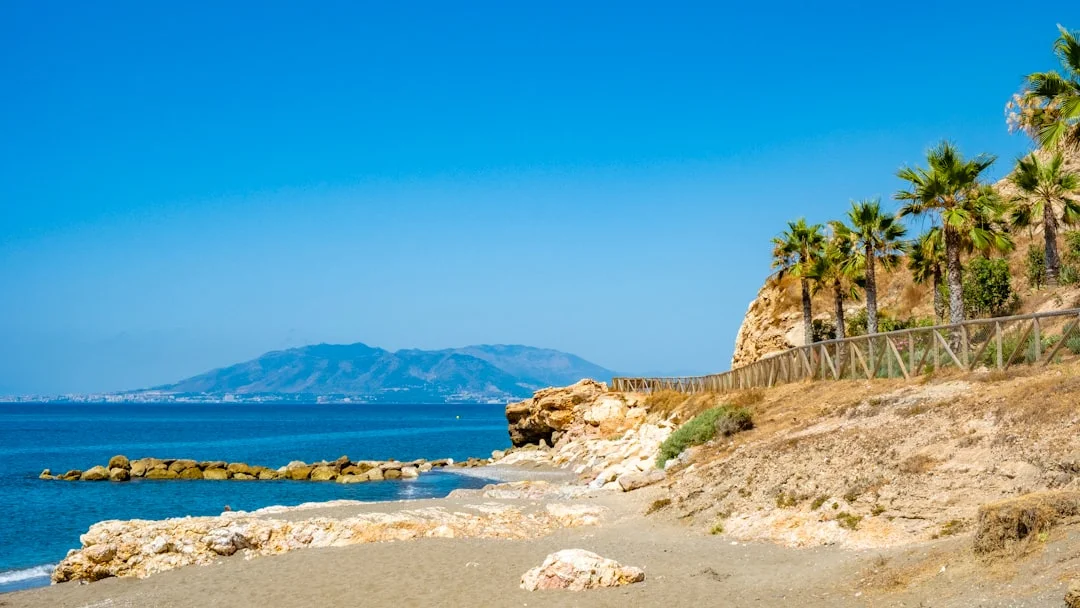
    • Pedregalejo & El Palo: Take a quick ride east along the coastal promenade. The old fishing neighborhoods offer shaded beachfront terraces right by the water.

    Living through Málaga’s summer heat teaches you to respect the sun rather than fight it. For extra practical advice on navigating the city during high season, complement your plan with our essential Málaga summer guide. Adjust your schedule, slow down during the afternoon hours, and embrace the magical late summer nights. Stay hydrated, walk on the shady side of the street, and enjoy everything this Mediterranean city has to offer.

  • Beat the Heat: Best Indoor Art Exhibits in Málaga

    Beat the Heat: Best Indoor Art Exhibits in Málaga

    August in Málaga brings gorgeous coastal views, but it also brings the infamous terral—a hot, dry wind that can easily push local temperatures past 40°C, even causing the Málaga wine harvest to start early due to the heat. During the peak hours of the afternoon, wandering the sun-drenched streets of the historic center or lying on the beach is simply too intense.

    Fortunately, Málaga has quietly transformed into one of Spain’s premier cultural capitals. With world-class air conditioning and an incredible variety of artistic styles, the city’s museums offer the perfect refuge. According to the latest guide on Málaga art exhibitions, there are active museum and art exhibitions running simultaneously across the city, providing plenty of options to stay cool while expanding your cultural horizons.

    Whether you are a local resident looking to escape the afternoon heatwave or a traveler seeking a comfortable afternoon plan, here is your guide to the best indoor cultural spaces to explore in Málaga this weekend.

    Why Museum-Hopping is the Ultimate Summer Strategy

    When local weather agencies issue orange alerts for high temperatures, safety and comfort should be your top priorities. Spending the hours between 12:00 PM and 6:00 PM indoors is highly recommended.

    As highlighted in the curation of Málaga’s weekend plans, visiting air-conditioned galleries is one of the smartest ways to enjoy the city during extreme summer peaks. You get to avoid the harsh midday sun, enjoy whisper-quiet climate control, and experience world-renowned masterpieces without the crowds of the early morning or late evening.

    Top Indoor Cultural Sanctuaries in Málaga

    If you want to design your own Málaga art route to escape the afternoon heat, these outstanding venues should be at the top of your list.

    1. Museo Picasso Málaga (MPM)

    No cultural tour of Málaga is complete without paying homage to its most famous son, Pablo Picasso. Housed within the beautifully restored 16th-century Buenavista Palace, the museum offers a refreshing, cool environment to contemplate over late-nineteenth-century classicism, cubism, and the deeply personal works of Picasso’s later years.

    • Why it’s great for summer: The thick stone walls of the palace combined with modern climate control make it exceptionally cool, and the central courtyard is a peaceful spot to rest in the shade.

    2. Centre Pompidou Málaga

    Located right at the port (Muelle Uno), the iconic glass cube of the Centre Pompidou is hard to miss. Step beneath the colorful glass structure into the subterranean galleries, where you will find an outstanding selection of 20th and 21st-century art. The underground design of the main exhibition space naturally keeps the heat at bay, making it one of the coolest spots in the entire harbor area.

    • Why it’s great for summer: Its location makes it easy to transition from a shaded lunch at the port directly into the cool depths of the gallery.

    3. Museo Carmen Thyssen Málaga

    For a journey through 19th-century Spanish and Andalusian painting, head to the Palacio de Villalón. The Carmen Thyssen Museum features brilliant landscapes, traditional festivals, and romantic portraits that capture the essence of Spain’s artistic heritage. The temporary exhibitions here are consistently excellent and offer a quiet, contemplative atmosphere.

    4. Colección del Museo Ruso (Russian Museum Collection)

    Located slightly outside the immediate city center in the historic Tabacalera building (an old tobacco factory), this expansive space hosts remarkable collections ranging from classic icons to revolutionary avant-garde pieces. Because it is slightly off the main tourist track, it is often less crowded, allowing you to enjoy the spacious, air-conditioned galleries in complete tranquility.

    Practical Tips for Your Cool Cultural Weekend

    • Book in Advance: To avoid standing in the sun in ticket lines, purchase your museum passes online before you leave your accommodation.
    • Watch the Free Hours: Many of Málaga’s museums offer free entry during the last two hours of operation on Sunday afternoons. While this is budget-friendly, keep in mind that these hours can get busy.
    • Stay Hydrated: Always carry a bottle of water with you. While you cannot drink inside the exhibition rooms, most museums have designated lobby areas or cafes where you can rehydrate.

    We hope this summer weekend brings you moments of inspiration and quiet reflection in the cool shade of Málaga’s finest galleries. Take care of yourself in the heat, pace your walks, and let the city’s incredible art keep you inspired until the cooler evening breeze rolls in.

  • Terral-Wind in Málaga: Wie Sie die Sommerhitze überstehen

    Terral-Wind in Málaga: Wie Sie die Sommerhitze überstehen

    Wenn Sie vor Kurzem nach Málaga gezogen sind oder Ihren ersten Sommer an der Costa del Sol verbringen, haben Sie vielleicht schon Einheimische über ein mysteriöses, dramatisches Wetterereignis namens Terral sprechen hören. Dieses einzigartige meteorologische Phänomen kann einen angenehmen Sommertag in ein Gefühl verwandeln, als stünde man direkt vor einem offenen Backofen.

    Nach einer staubigen Phase der Calima (Saharastaub) ging Málaga am Donnerstag, dem 25. Juni, und Freitag, dem 26. Juni 2026, in ein ausgeprägtes Terral-Ereignis über. Da die Temperaturen an der Küste auf bis zu 35 °C anstiegen – die perfekte Gelegenheit, um in den angesagtesten Restaurants der Costa del Sol für den Sommer 2026 Zuflucht zu suchen – und die Morgentemperaturen in der Hauptstadt bereits vor dem eigentlichen Eintreffen des Windes bei über 24 °C lagen, ist es für jeden, der hier lebt oder reist, unerlässlich, diesen Wind zu verstehen.

    Hier erfahren Sie alles, was Sie über Málagas berühmtesten Wind wissen müssen, wie er die Küste verändert und wie Sie ihn gut überstehen können. Neben diesem Wetterphänomen bewegen derzeit auch andere Nachrichten die Stadt, wie der bevorstehende Abriss des Ibis Hotels in Málaga nach einem anhaltenden Brand.

    Was genau ist der Terral-Wind?

    Der Terral ist ein Landwind (hauptsächlich ein warmer Poniente oder Westwind), der im Landesinneren entsteht. Auf ihrem Weg zum Mittelmeer muss diese Luftmasse die Berge rund um das Guadalhorce-Tal und die Stadt Málaga überqueren und absinken.

    Beim Absinken der Luft kommt es zu einer adiabatischen Kompression – das heißt, sie komprimiert und erwärmt sich rasant, während sie fast ihre gesamte Feuchtigkeit verliert. Wenn sie die Küste erreicht, ist sie eine unglaublich trockene, heiße Brise, die wie ein riesiger Föhn wirkt.

    Laut der lokalen Wetteranalyse auf Tormentas y Rayos verändert diese spezifische Konstellation das Mikroklima an der Küste innerhalb weniger Minuten drastisch und ersetzt die feuchte Seebrise durch einen sengenden Luftzug aus dem Landesinneren.

    Die zwei Seiten des Terral: „Cara y Cruz“

    Wie Diario Sur ausführlich berichtet, ist der Terral dafür bekannt, zwei sehr unterschiedliche Gesichter zu haben – ein Segen und ein Fluch.

    Der Segen (La Cara)

    • Keine Luftfeuchtigkeit: Málagas typische Sommerhitze ist sehr feucht, sodass man sich klebrig und verschwitzt fühlt. Der Terral trocknet die Luft komplett aus. Ihre Wäsche trocknet in wenigen Minuten und die Luft fühlt sich frisch statt drückend an.
    • Eiskaltes Meerwasser: Dies ist der überraschendste Effekt für Neulinge. Man würde erwarten, dass eine Hitzewelle das Meer erwärmt, aber der Terral bewirkt genau das Gegenteil. Der starke ablandige Wind bläst das warme Oberflächenwasser aufs Meer hinaus, wodurch das eisige Tiefenwasser an die Küste aufsteigt (ein Vorgang, der als Upwelling oder Auftrieb bezeichnet wird). Das Baden an einem Terral-Tag ist unglaublich erfrischend – vorausgesetzt, Sie trauen sich in das plötzlich abgekühlte Wasser!

    Der Fluch (La Cruz)

    • Intensive Hitze: Im Stadtzentrum und im Guadalhorce-Tal steigen die Temperaturen schnell auf 35 °C oder sogar 40 °C.
    • Schlaflose Nächte: Da der Wind verhindert, dass das Meer das Land nachts abkühlt, können die Temperaturen auch nach Einbruch der Dunkelheit außergewöhnlich hoch bleiben.

    Praktische Tipps, um einen Terral-Tag zu überstehen

    Den ersten Terral zu erleben, kann einschüchternd sein, aber die Einheimischen haben die Kunst, damit umzugehen, über Generationen hinweg perfektioniert. Neben aktuellen Informationen zum allgemeinen Wetter- und Hitzetrend in Málaga gibt es einige goldene Regeln, die Sie beachten sollten:

    1. Schließen Sie Ihr Zuhause frühzeitig ab
      Lassen Sie die Fenster nicht in der Hoffnung auf eine Brise offen. Die Luft draußen ist heißer als drinnen. Halten Sie Fenster, Jalousien und Rollläden von den frühen Morgenstunden bis zum Nachlassen des Windes am Abend komplett geschlossen. So bleibt die kühlere Nachtluft im Haus eingeschlossen.

    2. Trinken Sie ständig Wasser
      Da die Luft unglaublich trocken ist, verdunstet der Schweiß sofort. Sie merken vielleicht gar nicht, wie viel Feuchtigkeit Sie verlieren. Trinken Sie viel Wasser und vermeiden Sie schwere, salzige Mahlzeiten.

    3. Verhalten Sie sich am Strand klug
      Wenn Sie an den Strand flüchten, um der Hitze zu entkommen, stellen Sie sich auf einen Kälteschock ein. Das Wasser wird eiskalt sein, und der Wind kann Sand und Sonnenschirme aufwirbeln. Behalten Sie Ihre Habseligkeiten gut im Auge und befestigen Sie Ihren Sonnenschirm gut.

    4. Schützen Sie Ihre Haustiere und Pflanzen
      Der trockene Wind entzieht den Pflanzen schnell Feuchtigkeit; sie müssen abends eventuell zusätzlich gegossen werden. Halten Sie Haustiere im Haus an kühlen, schattigen Plätzen und lassen Sie sie niemals, auch nicht für eine Minute, in geparkten Autos zurück.

    Blick in die Zukunft

    Glücklicherweise sind die Terral-Episoden in Málaga meist von kurzer Dauer. Sie halten selten länger als zwei oder drei Tage an, bevor der kühlere, feuchte Levante (Ostwind) zurückkehrt und das Gleichgewicht wiederherstellt. Auch wenn der plötzliche Stoß trockener Hitze erschreckend sein kann, ist er einfach Teil des abwechslungsreichen, dramatischen Klimas, das das Leben an der Costa del Sol so einzigartig macht. Bewahren Sie einen kühlen Kopf, halten Sie eine kalte Flasche Wasser bereit und genießen Sie das herrlich erfrischende, eisige Bad im Meer, solange es anhält!

  • Terral Wind in Málaga: How to Survive the Summer Heat

    Terral Wind in Málaga: How to Survive the Summer Heat

    If you have recently moved to Málaga or are spending your first summer on the Costa del Sol, you might have heard locals talking about a mysterious, dramatic weather event called the Terral. This unique meteorological phenomenon can turn a pleasant summer day into what feels like standing directly in front of an open oven.

    Following a dusty spell of calima (Sahara dust), Málaga recently transitioned into a sharp terral event on Thursday, June 25, and Friday, June 26, 2026. With coastal temperatures spiking up to 35°C and morning temperatures in the capital starting above 24°C before the wind even fully arrived, understanding this wind is essential for anyone living or traveling here, especially when seeking a cool indoor escape at some of the Costa del Sol’s hottest restaurants this summer.

    Here is everything you need to know about Málaga’s most famous wind, how it changes the coastline, and how you can comfortably survive it.

    What Exactly is the Terral Wind?

    The terral is a land wind (primarily a warm poniente, or westerly wind) that originates inland. As this air mass travels toward the Mediterranean, it is forced to descend through the mountains surrounding the Guadalhorce Valley and Málaga city.

    As the air drops in altitude, it undergoes adiabatic compression—meaning it compresses and heats up rapidly while losing almost all of its moisture. By the time it reaches the coast, it is an incredibly dry, hot breeze that acts like a giant hair dryer.

    According to the local weather analysis on Tormentas y Rayos, this specific setup drastically alters the coastal microclimate within a matter of minutes, replacing the humid sea breeze with a scorching inland draft.

    The Two Sides of the Terral: ‘Cara y Cruz’

    As detailed by Diario Sur, the terral is famous for having two very distinct faces—a blessing and a curse.

    The Blessing (La Cara)

    • Zero Humidity: Málaga’s typical summer heat is highly humid, making you feel sticky and sweaty. The terral completely dries out the air. Your laundry will dry in minutes, and the air feels crisp rather than heavy.
    • Ice-Cold Sea Water: This is the most surprising effect for newcomers. You would expect a heatwave to warm up the sea, but the terral does the exact opposite. The strong offshore wind blows the warm surface water out to sea, forcing the icy, deep-sea water to rise to the shore (a process known as upwelling). Swimming during a terral day is incredibly refreshing—if you can brave the sudden drop in water temperature!

    The Curse (La Cruz)

    • Intense Heat: Temperatures quickly jump to 35°C or even 40°C in the city center and the Guadalhorce valley.
    • Sleepless Nights: Because the wind prevents the sea from cooling the land at night, temperatures can remain exceptionally high after dark.

    Practical Tips to Survive a Terral Day

    Living through your first terral can be intimidating, but locals have perfected the art of managing it over generations. Alongside staying updated on the general Málaga weather and heat trends, here are the golden rules to keep in mind:

    1. Seal Your Home Early
      Do not leave your windows open hoping for a breeze. The air outside is hotter than the air inside. Keep your windows, blinds, and shutters completely closed from early morning until the wind subsides in the evening. This traps the cooler nighttime air inside.

    2. Hydrate Constantly
      Because the air is incredibly dry, your sweat evaporates instantly. You might not realize how much moisture you are losing. Drink plenty of water and avoid heavy, salty meals.

    3. Be Smart About the Beach
      If you head to the beach to escape the heat, be prepared for a thermal shock. The water will be freezing cold, and the wind can blow sand and umbrellas around. Keep a close eye on your belongings and secure your beach umbrella tightly.

    4. Protect Your Pets and Plants
      The dry wind dehydrates plants rapidly; they may need extra watering in the evening. Keep pets indoors in cool, shaded areas, and never leave them in parked cars, even for a minute.

    Looking Ahead

    Fortunately, terral episodes in Málaga are usually brief, rarely lasting more than two or three days at a time before the cooler, humid levante (east wind) returns to restore balance. While the sudden blast of dry heat can be startling, it is simply part of the rich, dramatic climate that makes life on the Costa del Sol so unique. Stay cool, keep a cold bottle of water nearby, and enjoy the uniquely refreshing, icy dip in the sea while it lasts!