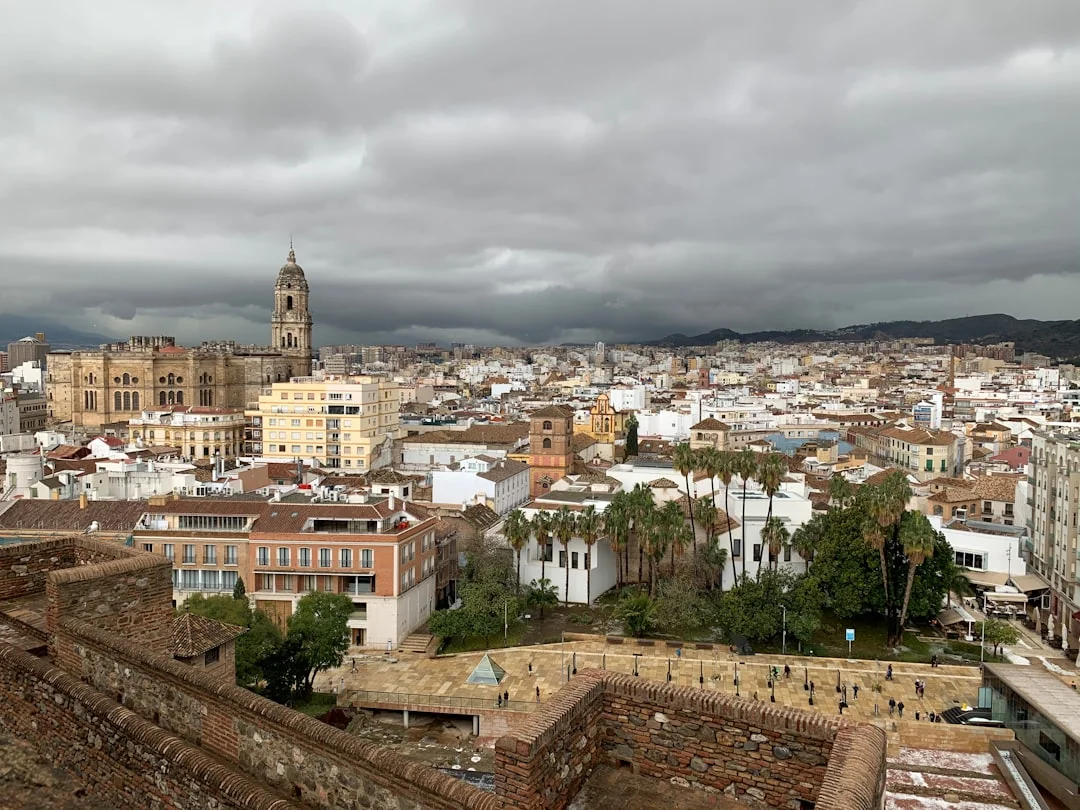
For years, the narrative surrounding Málaga has shifted from “sun and sand” to “silicon and servers.” By early 2026, that narrative has solidified into hard data. The ecosystem is no longer just about attracting big corporate hubs like Google or Vodafone; it is about the organic growth of local innovation, seeing Málaga startups at the PTA shine in the national Top 100.
Tag: Startups
-

Málaga Startup Network: Neuer Hub für 27 Unternehmen
Während Málagas Kunstagenda für den Winter 2026 Besucher anzieht, hat auch die technologische Landschaft der Costa del Sol diesen Monat einen bedeutenden Schritt in Richtung Reife gemacht. Um die wachsende Innovationskraft der Region zu organisieren und nach außen zu tragen, hat BIC Euronova offiziell das Málaga Startup Network ins Leben gerufen.
-
Málaga Startup Network Launches New Hub for 27 Companies
The technological landscape of the Costa del Sol has taken a significant step toward maturity this month. In a move to organize and project the region’s growing innovation capacity, BIC Euronova has officially launched the Málaga Startup Network.
This new initiative acts as an umbrella brand, designed to connect, visualize, and strengthen the ecosystem of entrepreneurs and technology companies operating out of Málaga. For digital nomads, foreign investors, and local founders, this marks a pivotal moment in how the city structures its booming tech sector.
Unifying the Ecosystem
Málaga has long been a magnet for talent, but the rapid growth of recent years has created a need for better cohesion. The Málaga Startup Network aims to solve the fragmentation that often accompanies fast expansion.
Promoted by the European Business and Innovation Centre of Málaga (BIC Euronova), based in the Málaga TechPark, the network’s primary objective is to provide a clear entry point for those looking to engage with local innovation. According to El Referente, the initiative seeks to distinguish and support companies that demonstrate high growth potential and scalable business models.
The ‘Selected 27’
Central to the launch is the recognition of 27 specific startups that have been identified as the spearhead of this new network. These companies have been awarded a distinction that serves essentially as a seal of quality for investors and partners.
While the ecosystem is vast, these 27 companies represent the diversity of Málaga’s innovation, covering sectors such as:
- HealthTech and BioTech
- GreenTech and Sustainability
- Artificial Intelligence and Big Data
- Tourism Tech
This curation is particularly useful for international venture capital firms and angel investors who are eyeing Southern Spain but require a vetted list of opportunities to begin their due diligence.
Why This Matters for 2026
As we move through 2026, the competition among European tech hubs is intensifying. Málaga’s transition from a “sun and beach” destination to a legitimate “Silicon Valley of Europe” contender relies on structure.
According to the Parque Tecnológico de Andalucía (PTA), this network is not just about a list of names; it is about creating a structured environment where these companies can access mentoring, financing, and international visibility.
For the remote worker or tech professional living in Málaga, the network provides a clearer map of where the most exciting work is happening. It simplifies the job hunt for high-skilled talent and offers a structured community for networking events.
Looking Ahead
The creation of the Málaga Startup Network suggests that the city is moving past its “hype” phase and entering a phase of consolidation. With institutions like BIC Euronova steering the ship, the focus is now clearly on quality, scalability, and international connection.
It is inspiring to see the local community organize itself with such clarity. For those of us watching Málaga grow, initiatives like this provide the necessary foundation to ensure that the city’s tech boom is sustainable, inclusive, and deeply rooted in genuine innovation.
-
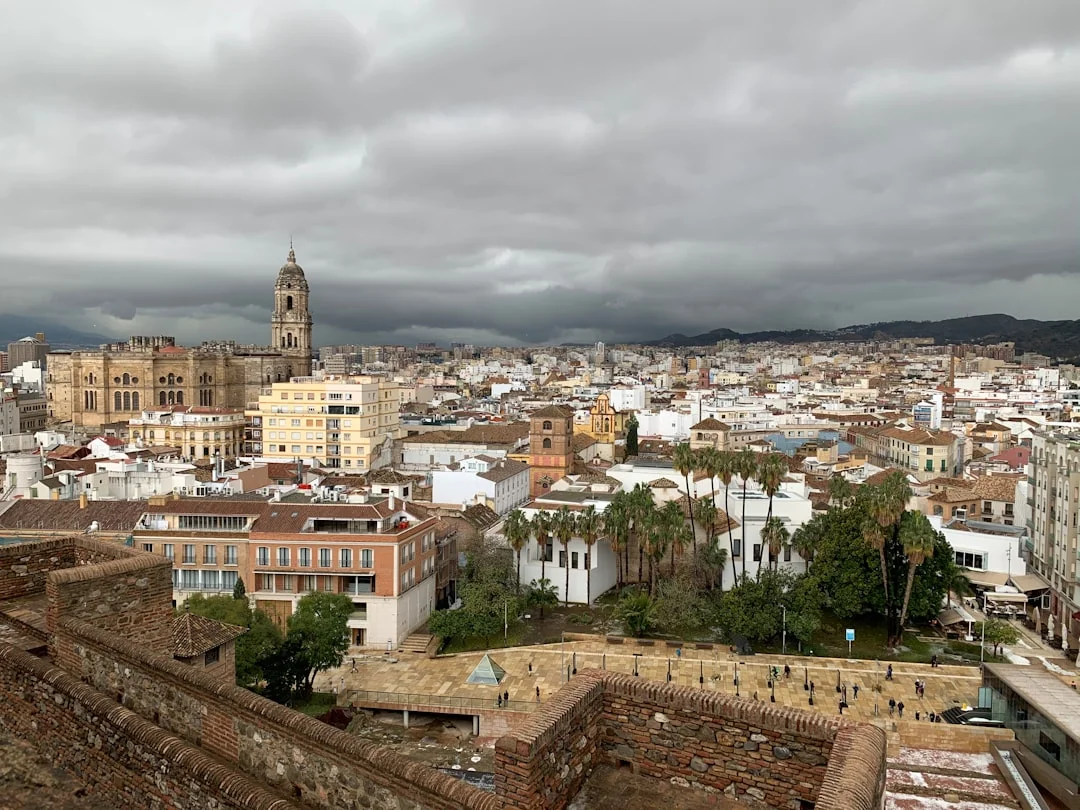
Málaga Tech 2026: Neue Infrastruktur und Top 100 Startups
Für Investoren und digitale Nomaden, die Südeuropa beobachten, lautete die Frage bezüglich Málaga oft: „Ist es nur ein Hype?“ Anfang 2026 deuten die Daten und die physische Infrastruktur, insbesondere die Eröffnung von Node I und die Allianz mit Kyoto, darauf hin, dass das Ökosystem die Werbephase hinter sich gelassen hat und in eine Phase struktureller Reife eingetreten ist.
-
Málaga Tech 2026: New Infrastructure and Top 100 Startups
For investors and digital nomads observing Southern Europe, the question regarding Málaga has often been: “Is it just hype?” In early 2026, the data and physical infrastructure, such as the Málaga TechPark Node I launch and Kyoto alliance, suggest the ecosystem has moved past the promotional phase into a period of structural maturity.
-

Málaga TechPark kooperiert mit Kyoto Research Park
Diese Vereinbarung markiert einen entscheidenden Moment für das andalusische Technologie-Ökosystem, gestützt auf Málagas neue Infrastruktur und Startups, und verlagert den Fokus von der Anziehung einzelner digitaler Nomaden hin zur Etablierung hochrangiger Unternehmenskorridore zwischen Südspanien und Ostasien.
-
Málaga TechPark Partners with Kyoto Research Park
This agreement marks a pivotal moment for the Andalusian technology ecosystem, bolstering Málaga Tech 2026 initiatives, shifting the focus from attracting individual digital nomads to establishing high-level corporate corridors between Southern Spain and East Asia.
-

Málaga Tech: Vom Nomaden-Hub zum Industriezentrum
Im letzten Jahrzehnt hat sich Málaga erfolgreich als das Kalifornien Europas vermarktet – ein sonnenverwöhnter Zufluchtsort für digitale Nomaden und Remote-Softwareentwickler. Doch während wir uns auf das Jahr 2026 zubewegen, deutet das Narrativ innerhalb des Málaga TechPark (PTA) auf einen bedeutenden strukturellen Wandel hin. Das Ökosystem reift von einem Dienstleistungszentrum für „Soft Tech“ zu einem Zentrum für industrielle Innovation und „Hard Tech“ heran, bestätigt durch internationale Allianzen und nationale Rankings.
Die Kyoto-Verbindung: Eine Brücke zu Deep Tech
Einer der aussagekräftigsten Indikatoren für diesen Wandel ist die strategische Zusammenarbeit zwischen dem Málaga TechPark und dem Kyoto Research Park (KRP) in Japan. Dies ist nicht bloß eine symbolische Städtepartnerschaft; es stellt eine bewusste Ausrichtung auf eines der weltweit fortschrittlichsten industriellen Forschungszentren dar.
Laut Málaga Hoy erleichtert dieses Abkommen den Austausch von Deep-Tech-Fähigkeiten und geht über einfache Softwareentwicklung hinaus hin zu komplexen industriellen Anwendungen. Die Partnerschaft zielt darauf ab, Korridore für lokale Unternehmen zu öffnen, um Zugang zu asiatischen Märkten zu erhalten, während gleichzeitig japanische industrielle Präzision nach Südspanien geholt wird. Dieser Schritt signalisiert, dass Málaga um hochwertiges industrielles geistiges Eigentum konkurriert, nicht nur um Remote-Arbeitsplätze.
Nationale Bestätigung: Qualität vor Quantität
Die Reife eines Tech-Ökosystems wird oft an der Überlebensrate und Skalierbarkeit seiner Startups gemessen. Jüngste Daten bestätigen, dass der Output Málagas einen nationalen Exzellenzstandard erreicht.
Daten, die von El Debate veröffentlicht wurden, heben hervor, dass im PTA inkubierte Startups Positionen im prestigeträchtigen Ranking der Top 100 Startups in Spanien gesichert haben. Die Aufnahme von Unternehmen wie OWO, Kame und Gamepolis in diese Rankings demonstriert eine Diversifizierung der lokalen Wirtschaft – von haptischer Technologie bis hin zu Gaming-Infrastruktur. Diese Präsenz in der Spitzenklasse bestätigt die Fähigkeit des Parks, Unternehmen hervorzubringen, die nicht nur lebensfähig, sondern auf nationaler Ebene wettbewerbsfähig sind.
Institutionalisierung des Erfolgs: Das Málaga Startup Network
Um sicherzustellen, dass diese Erfolgsgeschichten keine Ausreißer bleiben, hat die Verwaltung ihre Unterstützungsstrukturen formalisiert. Die Schaffung des Málaga Startup Network stellt die Industrialisierung des Inkubationsprozesses selbst dar.
Wie vom Málaga TechPark detailliert beschrieben, fungiert diese Initiative als vereinheitlichende Ebene für das Ökosystem. Indem das Netzwerk über 27 lokale Unternehmen mit spezifischen Qualitätssiegeln auszeichnet, bietet es Investoren und Partnern eine geprüfte Liste von Unternehmungen mit hohem Potenzial. Dies reduziert Reibungsverluste für ausländisches Kapital, das in den Markt von Málaga eintreten möchte, und stellt sicher, dass Ressourcen in skalierbare Projekte auf industriellem Niveau gelenkt werden, anstatt in vergängliche digitale Unternehmungen.
Wichtige Säulen des aktuellen Ökosystems
- Internationalisierung: Direkte Brücken zu Innovationszentren wie Kyoto.
- Validierung: Konsistente Präsenz in nationalen Top-100-Rankings.
- Struktur: Formelle Netzwerke ersetzen informelle Treffen.
Málaga beweist, dass es mehr als nur eine hohe Lebensqualität bieten kann. Durch die Sicherung industrieller Partnerschaften und die Hervorbringung national gerankter Hard-Tech-Unternehmen etabliert sich die Stadt als ernstzunehmender Knotenpunkt im globalen Innovationsnetz. Es ist ein Übergang vom Anziehen von Talenten hin zur Produktion von Industrie.
-
Málaga Tech: From Nomad Hub to Industrial Powerhouse
For the past decade, Málaga has successfully marketed itself as the California of Europe—a sun-drenched haven for digital nomads and remote software developers. However, as we move through 2026, the narrative within the Málaga TechPark (PTA) suggests a significant structural pivot. The ecosystem is maturing from a “soft tech” service hub into a center for industrial innovation and “hard tech,” validated by international alliances and national rankings.
The Kyoto Connection: A Bridge to Deep Tech
One of the most telling indicators of this shift is the strategic collaboration between Málaga TechPark and the Kyoto Research Park (KRP) in Japan. This is not merely a symbolic sister-city arrangement; it represents a deliberate alignment with one of the world’s most advanced industrial research centers.
According to Málaga Hoy, this agreement facilitates the exchange of deep-tech capabilities, moving beyond simple software development into complex industrial applications. The partnership aims to open corridors for local companies to access Asian markets while attracting Japanese industrial precision to Southern Spain. This move signals that Málaga is competing for high-value industrial intellectual property, not just remote workstations.
National Validation: Quality Over Quantity
The maturity of a tech ecosystem is often measured by the survival rate and scalability of its startups. Recent data confirms that Málaga’s output is reaching a national standard of excellence.
Data reported by El Debate highlights that startups incubated within the PTA have secured positions in the prestigious ranking of the Top 100 Startups in Spain. The inclusion of companies like OWO, Kame, and Gamepolis in these rankings demonstrates a diversification of the local economy—ranging from haptic technology to gaming infrastructure. This presence in the top tier validates the park’s ability to generate companies that are not only viable but competitive at a national level.
Institutionalizing Success: The Málaga Startup Network
To ensure these success stories are not outliers, the administration has formalized its support structures. The creation of the Málaga Startup Network represents the industrialization of the incubation process itself.
As detailed by the Málaga TechPark, this initiative acts as a unifying layer for the ecosystem. By distinguishing over 27 local companies with specific quality seals, the network provides investors and partners with a vetted list of high-potential ventures. This reduces friction for foreign capital looking to enter the Málaga market and ensures that resources are directed toward scalable, industrial-grade projects rather than transient digital ventures.
Key Pillars of the Current Ecosystem
- Internationalization: Direct bridges to innovation hubs like Kyoto.
- Validation: Consistent presence in national Top 100 rankings.
- Structure: Formal networks replacing informal meetups.
Málaga is proving that it can offer more than just a high quality of life. By securing industrial partnerships and producing nationally ranked hard-tech companies, the city is establishing itself as a serious node in the global innovation grid. It is a transition from attracting talent to producing industry.
-

Málaga Startup Network: Brücke nach Kyoto
Seit Jahren wird Málaga als boomendes Ziel für digitale Nomaden und internationale Tech-Giganten charakterisiert. Das Narrativ für 2026 deutet jedoch auf einen bedeutenden Wendepunkt hin: Das Ökosystem bewegt sich von einer Phase der schnellen Ansammlung zu einer der strukturierten Reife. Dieser Wandel zeigt sich im Januar durch zwei wichtige Entwicklungen: die formelle Organisation lokaler Talente durch das Málaga Startup Network und eine hochrangige strategische Allianz mit Japan.
Interner Zusammenhalt: Das Málaga Startup Network
Die drängendste Herausforderung für jeden wachsenden Tech-Hub ist die Fragmentierung. Um dies anzugehen, hat BIC Euronova offiziell das Málaga Startup Network gestartet. Diese Initiative ist nicht bloß ein Verzeichnis; sie fungiert als Qualitätssiegel und als Mechanismus zur Organisation der lokalen Innovationslandschaft.
Das Netzwerk zielt darauf ab, Unternehmungen zu identifizieren, zu klassifizieren und zu unterstützen, die echte Skalierbarkeit zeigen. In seinem ersten Schritt hat das Netzwerk offiziell 27 lokale Startups für ihr innovatives Potenzial ausgezeichnet. Diese Auszeichnung dient Investoren und Institutionen als Signal, dass diese Unternehmen einen Prüfungsprozess hinsichtlich ihrer Geschäftsmodelle und technologischen Kapazität bestanden haben.
Laut El Referente ist diese Initiative darauf ausgelegt, “das Ökosystem zu stärken und voranzutreiben” und sich von isolierten Erfolgsgeschichten hin zu einer kohärenten Cluster-Strategie zu bewegen. Durch die Kuratierung einer Liste von Unternehmen mit hohem Potenzial schafft Málaga effektiv einen qualifizierten Deal Flow für Risikokapital und reduziert das Rauschen, das oft in schnell expandierenden Märkten zu finden ist.
Als weitere Bestätigung der Qualität der lokalen Produktion sind kürzlich drei im Málaga TechPark ansässige Startups in die nationale “Top 100”-Liste in Spanien vorgedrungen, was unterstreicht, dass die Region wettbewerbsfähige Technologie auf nationaler Ebene hervorbringt.
Externe Ambitionen: Die Verbindung nach Kyoto
Während die heimische Front organisiert wird, führt der Málaga TechPark (PTA) eine aggressive Internationalisierungsstrategie durch, die über Europa und Amerika hinausblickt. In einem wegweisenden Abkommen hat der PTA einen Kooperationsvertrag mit dem Kyoto Research Park (KRP) in Japan unterzeichnet.
Dieses Abkommen stellt einen anspruchsvollen Schritt in der Wirtschaftsdiplomatie dar. Japans Innovationsökosystem ist aufgrund kultureller und geschäftlicher Komplexitäten für ausländische Einheiten bekanntermaßen schwer zu durchdringen. Wie von Málaga Hoy berichtet, erleichtert diese Partnerschaft einen “Soft-Landing”-Mechanismus für Unternehmen aus Málaga, die in den japanischen Markt eintreten wollen, und umgekehrt.
Die Zusammenarbeit konzentriert sich auf den Austausch von Best Practices im Parkmanagement und die Förderung gemeinsamer Projekte zwischen Unternehmen, die in beiden Hubs ansässig sind. Kyoto, bekannt für seine Mischung aus Tradition und High-Tech-Fertigung (insbesondere in Elektronik und Materialien), bietet ein komplementäres Profil zu Málagas Stärken in Software und Cybersicherheit.
Vom Hub zum Ökosystem
Der gleichzeitige Start des Málaga Startup Network und der japanischen Allianz signalisiert, dass Málaga in einen neuen Zyklus eintritt. Der Fokus liegt nicht mehr allein darauf, das nächste Google- oder Vodafone-Büro anzuziehen – auch wenn das wichtig bleibt –, sondern darauf sicherzustellen, dass das einheimische Gefüge von Startups robust genug ist, um zu überleben und global zu skalieren.
Durch die Formalisierung lokaler Netzwerke und die Öffnung von Korridoren zu fortgeschrittenen asiatischen Märkten legt die Stadt den Grundstein für nachhaltige, langfristige technologische Relevanz.
Es ist ermutigend zu sehen, dass die Stadt diese komplexen, strukturellen Schritte unternimmt. Während Schlagzeilen oft große Markenankünfte bevorzugen, ist die stille Arbeit der Organisation lokaler Talente und des Brückenbaus zu Orten wie Kyoto das, was letztendlich die Zukunft einer Stadt sichert. Wir freuen uns darauf zu sehen, welches dieser 27 ausgezeichneten Startups als erstes diese Brücke überqueren wird.