Tag: Real Estate

  • Málaga May Vote on Rent Caps and Tourist Apartment Limits

    Málaga May Vote on Rent Caps and Tourist Apartment Limits

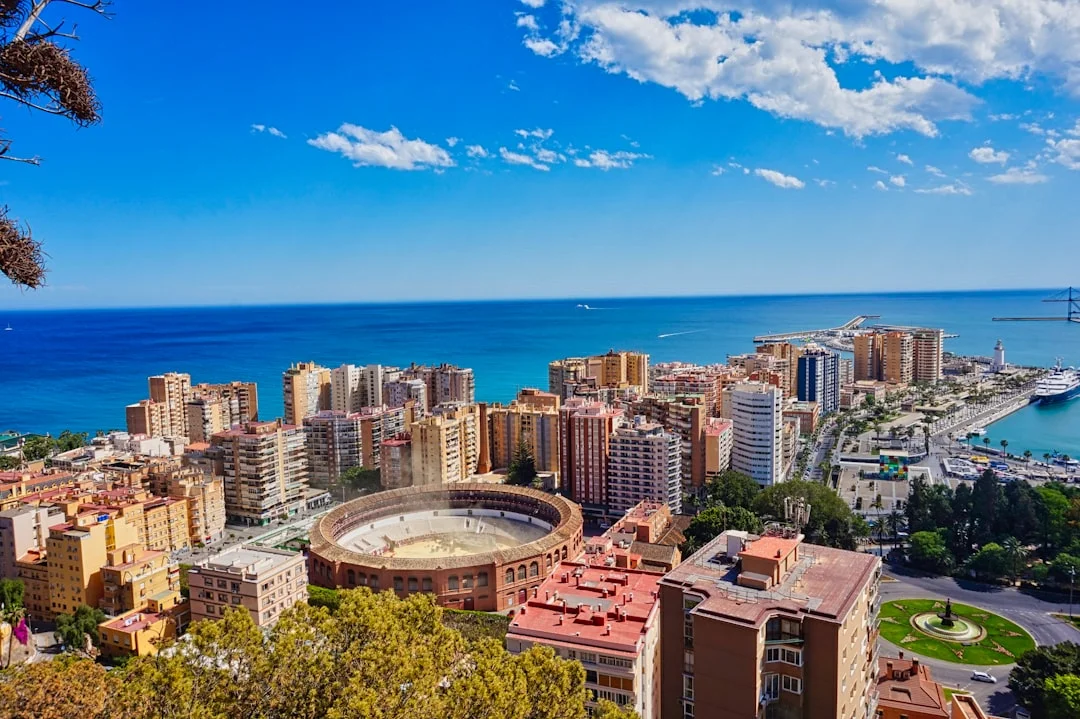
    Housing has undeniably become the defining issue of the decade for both locals and expats residing on the Costa del Sol. As we navigate through 2026, the intersection of a booming international population and a limited housing supply has placed immense pressure on the local real estate market. In response, a significant political push is underway to give residents a direct say in how the city manages its future growth.

    A Push for Citizen Consultation

    The political group ‘Con Málaga’ has recently tabled a proposal that could fundamentally alter the city’s approach to its housing crisis. The core of their initiative is a public citizen consultation—effectively a local referendum—allowing the residents of Málaga to vote on critical housing policies.

    As reported by Málaga Hoy, the proposal urges the City Council to organize this public vote within a maximum of six months. If approved, citizens could head to the polls before the end of the year to decide on measures that directly impact the cost of living in Malaga.

    Three Pillars of the Proposed Vote

    The consultation aims to address three primary areas of concern that have dominated city council debates and neighborhood association meetings alike:

    1. Implementing Rent Control

    The debate over Malaga rent control rules is heating up. The proposed vote would ask citizens if they support the application of rent caps in the city. Proponents argue this is a necessary step to prevent long-time residents from being priced out of their neighborhoods, while critics often point to the potential chilling effect on the overall long-term rental supply.

    2. Declaring ‘Stressed Housing Zones’

    Under Spanish housing laws, declaring a municipality or specific neighborhoods as “stressed residential market areas” (zonas tensionadas) unlocks specific regulatory tools, including the aforementioned rent caps. The public vote would gauge the community’s desire to formally request this designation from the regional Andalusian government.

    3. Extending the Tourist Apartment Ban

    Short-term rentals have transformed Málaga’s urban landscape. To curb the displacement of residential housing, the city has been heavily scrutinizing holiday lets. The proposed consultation seeks a public mandate to enforce and extend the tourist apartment ban Malaga 2026, effectively halting the issuance of new licenses in saturated areas and potentially tightening regulations on existing ones.

    Impact on the Rental Market

    For anyone searching for long term rentals Malaga has proven to be a highly competitive environment. A potential cap on rents and a strict limit on tourist apartments could theoretically shift properties from the short-term holiday market back into the residential pool.

    For the expat and digital nomad community, these developments are complex. On one hand, a stabilized rental market makes settling in Málaga more predictable and affordable. On the other hand, strict market regulations can sometimes lead property owners to withdraw their homes from the rental market entirely, preferring to leave them empty or sell rather than adhere to strict pricing rules.

    Analytically speaking, the upcoming months will be crucial. Whether the City Council accepts the proposal to hold the consultation remains to be seen, but the sheer momentum behind the initiative highlights a clear demand for structural change. The city is actively trying to balance its booming tourism sector with the foundational needs of its permanent residents.

    Ultimately, finding a home should not feel like an insurmountable challenge in a city as welcoming as ours. As Málaga continues to evolve, there is a shared, sincere hope that these ongoing debates will forge a balanced path forward—one that preserves the vibrant, international appeal of the city while ensuring its beautiful neighborhoods remain accessible, affordable, and full of life for everyone who calls them home.
  • Málaga: Immobilienverkäufe sinken in Q1 2026 um 10 %

    Málaga: Immobilienverkäufe sinken in Q1 2026 um 10 %

    In den letzten Jahren fühlte sich der Immobilienmarkt der Costa del Sol wie ein Hochgeschwindigkeitszug ohne Bremsen an. Angetrieben von internationaler Nachfrage, einem Zustrom digitaler Nomaden und einer boomenden lokalen Tech-Szene bedeutete der Kauf eines Hauses in Málaga – oder auch nur der Blick auf herausragende Luxusimmobilien in Marbella – oft, sich auf einen erbitterten Bieterkrieg einzulassen. Aktuelle Daten deuten jedoch darauf hin, dass der Markt endlich eine dringend benötigte Verschnaufpause einlegt.

    Wenn Sie als Expat oder Remote-Arbeiter in Erwägung ziehen, in der Provinz Wurzeln zu schlagen und in das lokale Leben einzutauchen – das aktuell auch von den hitzigen Diskussionen um das Toilettenpapier-Verbot beim Málaga CF geprägt wird –, verändert sich die Lage gerade. Hier ist ein genauerer Blick auf die neuesten Markttrends für 2026 und was sie für potenzielle Käufer bedeuten.

    Die Zahlen: Ein Rückgang der Transaktionen um 10 %

    Die wichtigste Schlagzeile für den lokalen Immobiliensektor in diesem Jahr ist eine spürbare Verlangsamung des Transaktionsvolumens. Laut einem aktuellen Bericht der Diario Sur sanken die Immobilienverkäufe in der Provinz Málaga im ersten Quartal 2026 um 10 % im Vergleich zum Vorjahreszeitraum.

    Diese Abkühlung wird größtenteils auf eine Kombination von Faktoren zurückgeführt:
    * Höhere Zinssätze: Die Politik der Europäischen Zentralbank hält die Hypothekenkosten weiterhin relativ hoch, was einige einheimische Käufer vom Markt drängt.
    * Preisermüdung: Nach Jahren des zweistelligen prozentualen Wachstums haben die schieren Einstiegskosten das Tempo der Akquisitionen naturgemäß verlangsamt.
    * Geringerer Bestand: Ein anhaltender Mangel an Neubauten führt dazu, dass schlichtweg weniger Häuser zum Kauf zur Verfügung stehen.

    Nach wie vor ein nationaler Immobilienriese

    Trotz des Rückgangs des Verkaufsvolumens um 10 % wäre es ein Fehler zu glauben, dass der Immobilienmarkt in Málaga zusammenbricht. Tatsächlich bleibt er auf nationaler Ebene ein absolutes Kraftzentrum.

    Málaga behauptet weiterhin seine Position als die fünftstärkste Provinz Spaniens mit der höchsten Anzahl an Immobilientransaktionen, nur übertroffen von den massiven Bevölkerungszentren Madrid, Barcelona, Alicante und Valencia. Um die Marktstärke Málagas in die richtige Perspektive zu rücken: Die Provinz allein verkauft mehr Häuser als ganze spanische Autonome Gemeinschaften, wie etwa Castilla-La Mancha oder Castilla y León.

    Die internationale Anziehungskraft der Costa del Sol – mit über 300 Sonnentagen, hervorragender Infrastruktur, ihrem Status als bedeutendes europäisches Golf-Reiseziel und einer florierenden internationalen Gemeinschaft – sorgt dafür, dass die Nachfrage strukturell robust bleibt, selbst wenn sich das allgemeine Verkaufstempo normalisiert.

    Sinken die Immobilienpreise in Málaga?

    Ein Rückgang des Verkaufsvolumens ist nicht automatisch gleichbedeutend mit einem Rückgang der Immobilienpreise. Für diejenigen, die den precio vivienda Málaga 2026 (Immobilienpreise Málaga 2026) verfolgen, ist die Realität differenzierter.

    Während der Hype nachgelassen hat, stagnieren die Preise derzeit eher auf einem Plateau, anstatt abzustürzen. Verkäufer können nicht mehr einfach ihren Preis nennen und erwarten, innerhalb von 24 Stunden mehrere Angebote zu erhalten, aber der strukturelle Wohnungsmangel verhindert einen signifikanten Preiseinbruch. Was Käufer jedoch tatsächlich beobachten, ist die Rückkehr zu einem ausgewogeneren Markt. Immobilien bleiben etwas länger auf dem Markt, was Käufern das wertvolle Geschenk der Zeit gibt, um eine ordnungsgemäße Due Diligence durchzuführen, die Finanzierung zu arrangieren und tatsächlich zu verhandeln.

    Was das für Expats und digitale Nomaden bedeutet

    Wenn Sie eine Immobilie an der Costa del Sol kaufen möchten, ist diese Marktverschiebung größtenteils eine positive Nachricht. Die Trends deuten auf einen Übergang von einem Verkäufermarkt zu einem neutraleren Spielfeld hin.

    So können Sie sich in der aktuellen Situation orientieren:
    1. Nehmen Sie sich Zeit: Der Druck, ungesehen zu kaufen oder auf Inspektionen zu verzichten, lässt nach. Nutzen Sie diese Zeit, um verschiedene Viertel gründlich zu erkunden, vom geschäftigen Zentrum der Stadt Málaga bis hin zu ruhigeren Küstenenklaven wie Rincón de la Victoria oder Estepona.
    2. Verhandeln Sie: Da Immobilien länger brauchen, um verkauft zu werden, werden Verkäufer realistischer. Scheuen Sie sich nicht, Angebote unter dem Angebotspreis abzugeben, insbesondere bei Häusern, die seit mehr als ein paar Monaten auf dem Markt sind.
    3. Fokus auf Wert: Suchen Sie nach Immobilien, die langfristigen Lebenswert bieten, anstatt nach schnellen Spekulationsgeschäften. Die Nähe zu öffentlichen Verkehrsmitteln, einer schnellen Internetinfrastruktur und Gemeinschaftseinrichtungen sollte für Remote-Arbeiter oberste Priorität haben.

    Für diejenigen von uns, die diesen wunderschönen Küstenabschnitt des Mittelmeers ihr Zuhause nennen, ist ein sich stabilisierender Markt eine willkommene Veränderung. Es gibt zukünftigen Nachbarn die Möglichkeit, durchdachte Entscheidungen ohne den Druck eines hektischen Bieterkriegs zu treffen. Dies stellt sicher, dass die Costa del Sol nachhaltig wächst und gleichzeitig den herzlichen, einladenden Geist bewahrt, der uns alle überhaupt erst hierher gezogen hat.

  • Málaga Real Estate Cools: Property Sales Drop 10% in Q1 2026

    Málaga Real Estate Cools: Property Sales Drop 10% in Q1 2026

    For the past few years, the Costa del Sol property market has felt like a high-speed train with no brakes. Driven by international demand, an influx of digital nomads, and a booming local tech scene, buying a house in Málaga—or even eyeing landmark luxury assets in Marbella—often meant entering a fierce bidding war. However, recent data suggests the market is finally taking a much-needed breath.

    If you are an expat or remote worker considering putting down roots in the province, the landscape is shifting. Here is a closer look at the latest market trends for 2026 and what they mean for prospective buyers.

    The Numbers: A 10% Dip in Transactions

    The most significant headline for the local housing sector this year is a noticeable deceleration in transaction volume. According to a recent report by Diario Sur, home sales in the province of Málaga dropped by 10% during the first quarter of 2026 compared to the same period in previous years.

    This cooling off is largely attributed to a combination of factors:
    * Higher interest rates: European Central Bank policies continue to keep mortgage costs relatively high, pricing out some domestic buyers.
    * Price fatigue: After years of double-digit percentage growth, the sheer cost of entry has naturally slowed down the pace of acquisitions.
    * Lower inventory: A persistent lack of new builds means there are simply fewer homes available to purchase.

    Still a National Real Estate Giant

    Despite the 10% drop in sales volume, it would be a mistake to think the Málaga property market is crashing. In fact, it remains an absolute powerhouse on the national stage.

    Málaga continues to hold its position as the fifth province in Spain with the highest number of real estate transactions, trailing only behind the massive population centers of Madrid, Barcelona, Alicante, and Valencia. To put Málaga’s market strength into perspective, the province alone sells more homes than entire Spanish autonomous communities, such as Castilla-La Mancha or Castilla y León.

    The international appeal of the Costa del Sol—boasting over 300 days of sunshine, excellent infrastructure, its status as a major European golf destination, and a thriving international community—ensures that demand remains structurally robust even as the overall pace of sales normalizes.

    Are House Prices Dropping in Málaga?

    A drop in sales volume does not automatically equate to a drop in property prices. For those tracking the precio vivienda Málaga 2026 (Málaga housing prices 2026), the reality is nuanced.

    While the frenzy has subsided, prices are currently plateauing rather than plummeting. Sellers are no longer able to name their price and expect multiple offers within 24 hours, but the structural shortage of housing prevents any significant price collapse. What buyers are seeing is a return to a more balanced market. Properties are sitting on the market slightly longer, giving buyers the precious gift of time to conduct proper due diligence, arrange financing, and actually negotiate.

    What This Means for Expats and Digital Nomads

    If you are looking to buy property on the Costa del Sol, this market shift is largely positive news. The trends indicate a transition from a seller’s market to a more neutral playing field.

    Here is how you can navigate the current landscape:
    1. Take your time: The pressure to buy sight-unseen or waive inspections is fading. Use this time to thoroughly explore different neighborhoods, from the bustling center of Málaga city to quieter coastal enclaves like Rincón de la Victoria or Estepona.
    2. Negotiate: With properties taking longer to sell, sellers are becoming more realistic. Do not be afraid to make offers below the asking price, especially for homes that have been listed for more than a few months.
    3. Focus on value: Look for properties that offer long-term lifestyle value rather than quick speculative flips. Proximity to public transport, high-speed internet infrastructure, and community amenities should be top priorities for remote workers.

    For those of us who call this beautiful stretch of the Mediterranean home, a stabilizing market is a welcome shift. It gives future neighbors the chance to make thoughtful decisions without the pressure of a frantic bidding war, ensuring the Costa del Sol grows sustainably while retaining the warm, welcoming spirit that drew us all here in the first place.

  • Erweiterung des Distrito Zeta: 74 neue Smart Homes

    Erweiterung des Distrito Zeta: 74 neue Smart Homes

    Die Immobilienlandschaft von Málaga durchläuft einen tiefgreifenden Wandel, angetrieben durch die Festigung der Stadt als führendes Technologiezentrum Südeuropas. Im Epizentrum dieses Wandels steht das Distrito Zeta, ein mit Spannung erwartetes Smart-Viertel, das von Grund auf für den modernen Bewohner konzipiert wurde. Durch den Zustrom von digitalen Nomaden, Technologieexperten und Expat-Familien, die eine hohe Lebensqualität suchen, war die Nachfrage nach innovativem Wohnraum noch nie so hoch.

    Die neueste Erweiterung: 74 neue Wohneinheiten im Bau

    Um dieser steigenden Nachfrage gerecht zu werden, hat der führende Bauträger Aedas Homes offiziell den ersten Spatenstich für eine neue Bauphase gesetzt. Laut aktuellen Berichten von La Opinión de Málaga hat der Bau von 74 neuen Smart Homes innerhalb des Viertels begonnen.

    Das Projekt, das von dem renommierten Bauunternehmen Sacyr durchgeführt wird, verzeichnet bereits eine bemerkenswerte Marktresonanz. Schon in dieser frühen Phase sind fast 50 % der Einheiten verkauft. Diese schnelle Absorptionsrate unterstreicht die enorme Dynamik des Immobilienmarktes in Málaga im Jahr 2026, insbesondere bei Immobilien, die moderne Annehmlichkeiten und nachhaltiges Design bieten.

    Die wachsende Präsenz von Aedas Homes

    Dieses neue Projekt mit 74 Wohneinheiten ist nur ein Teil eines viel größeren Puzzles. Aedas Homes setzt massiv auf die Zukunft des Distrito Zeta. Derzeit hat der Bauträger allein in diesem innovativen Viertel über 250 Wohnungen im Bau.

    Diese offensive Expansionsstrategie verdeutlicht einen klaren analytischen Trend: Käufer suchen nicht mehr nur nach einem Ort zum Leben; sie investieren in einen Lebensstil. Die Außenbezirke von Málaga werden neu durchdacht – nicht mehr als bloße Pendler-Vororte, sondern als vollständig integrierte, technologieorientierte Gemeinschaften, die auf Remote-Arbeiter und internationale Talente zugeschnitten sind.

    Warum Distrito Zeta?

    Für diejenigen, die eine Immobilie im Distrito Zeta kaufen möchten, geht die Attraktivität weit über die vier Wände der Wohnungen hinaus. Das Viertel basiert auf den Grundpfeilern Nachhaltigkeit, Konnektivität und Gemeinschaft.

    • Smarte Infrastruktur: Von intelligenter Abfallwirtschaft bis hin zu energieeffizienter öffentlicher Beleuchtung nutzt das Viertel Technologie, um seinen ökologischen Fußabdruck zu minimieren.
    • Grünflächen: Weitläufige Parks, städtische Gärten und Gemeinschaftsbereiche sollen die Interaktion zwischen den Bewohnern fördern und sprechen besonders Expat-Familien an, die Wert auf ein starkes Gemeinschaftsgefühl legen.
    • Strategische Lage: Am westlichen Stadtrand von Málaga gelegen, bietet es ein ruhiges Wohnumfeld bei gleichzeitig schnellem Zugang zum historischen Stadtzentrum, dem internationalen Flughafen und dem Malaga TechPark (PTA).

    Orientierung auf dem Immobilienmarkt 2026

    Im Verlauf des Jahres 2026 ziehen neue Immobilienprojekte in Málaga weiterhin internationale Aufmerksamkeit auf sich. Die Immobilienpreise im Distrito Zeta spiegeln den Premium-Charakter einer Smart-City-Umgebung wider, aber das rasante Verkaufstempo zeigt, dass Käufer hier einen starken langfristigen Wert sehen. Für Tech-Arbeiter, die an die Costa del Sol ziehen, hat die Sicherung eines Eigenheims in einem Viertel, das ihren digital ausgerichteten und umweltbewussten Werten entspricht, höchste Priorität.

    Ein neues Viertel aus dem Nichts entstehen zu sehen, ist immer eine faszinierende Erfahrung. Es erinnert uns daran, dass Städte lebendige, atmende Gebilde sind, die sich an die Bedürfnisse ihrer Bewohner anpassen. Während das Distrito Zeta Gestalt annimmt und seine ersten Bewohner willkommen heißt, bietet es einen hoffnungsvollen Blick in eine Zukunft, in der Technologie und Gemeinschaft harmonisch koexistieren und ein einladendes Zuhause für Einheimische und Neuankömmlinge gleichermaßen bieten, die von der unbestreitbaren Magie Málagas angezogen werden.

  • Distrito Zeta Expansion: 74 New Smart Homes Hit the Market

    Distrito Zeta Expansion: 74 New Smart Homes Hit the Market

    Malaga’s real estate landscape is undergoing a profound transformation, driven by the city’s consolidation as Southern Europe’s premier tech hub. At the epicenter of this shift is Distrito Zeta, a highly anticipated smart neighborhood designed from the ground up for the modern resident. With an influx of digital nomads, tech professionals, and expat families seeking high-quality living, the demand for innovative housing has never been higher.

    The Latest Expansion: 74 New Units Underway

    Meeting this surging demand, leading developer Aedas Homes has officially broken ground on a new phase of development. According to recent reports from La Opinión de Málaga, construction has commenced on 74 new smart homes within the district.

    The project, which is being executed by the renowned construction firm Sacyr, is already seeing remarkable market traction. Even in these early stages, nearly 50% of the units have been sold. This rapid absorption rate underscores the red-hot nature of Malaga’s real estate market in 2026, particularly for properties that offer modern amenities and sustainable design.

    Aedas Homes’ Growing Footprint

    This new 74-unit promotion is just one piece of a much larger puzzle. Aedas Homes is making a massive bet on the future of Distrito Zeta. Currently, the developer has over 250 homes under construction in this innovative district alone.

    This aggressive expansion strategy highlights a clear analytical trend: buyers are no longer just looking for a place to live; they are investing in a lifestyle. The outskirts of Malaga are being reimagined not as mere commuter suburbs, but as fully integrated, tech-forward communities that cater to remote workers and international talent.

    Why Distrito Zeta?

    For those looking to buy property in Distrito Zeta, the appeal extends far beyond the four walls of the apartments. The neighborhood is built on the core pillars of sustainability, connectivity, and community.

    • Smart Infrastructure: From intelligent waste management to energy-efficient public lighting, the district leverages technology to minimize its environmental footprint.
    • Green Spaces: Extensive parks, urban gardens, and communal areas are designed to foster interaction among residents, appealing heavily to expat families who value a strong sense of community.
    • Strategic Location: Situated on the western outskirts of Malaga, it offers a peaceful residential environment while maintaining quick access to the historic city center, the international airport, and the Malaga TechPark (PTA).

    Navigating the 2026 Real Estate Market

    As we move through 2026, new real estate developments in Malaga continue to draw international attention. Distrito Zeta house prices reflect the premium nature of a smart-city environment, but the rapid sales pace indicates that buyers perceive strong long-term value. For tech workers relocating to the Costa del Sol, securing a home in a district that aligns with their digital-first, eco-conscious values is a top priority.

    Watching a new neighborhood rise from the dust is always a fascinating experience. It is a reminder that cities are living, breathing entities that adapt to the needs of their people. As Distrito Zeta takes shape and welcomes its first waves of residents, it offers a hopeful glimpse into a future where technology and community coexist harmoniously, providing a welcoming home for both locals and newcomers drawn to the undeniable magic of Malaga.

  • 200-Mio-Euro-Hafenhotel und neue Apartments genehmigt

    200-Mio-Euro-Hafenhotel und neue Apartments genehmigt

    Málagas Wandel von einem kulturellen Durchreiseort zu einer der führenden europäischen Destinationen setzt sich in rasantem Tempo fort. Im Jahr 2026 laufen der Immobilien- und Tourismussektor der Stadt weiterhin auf Hochtouren, angetrieben von einer Kombination aus internationalen Investitionen, dem Zustrom digitaler Nomaden und starker kommunaler Unterstützung. Zwei wichtige Entwicklungen dieser Woche unterstreichen diesen anhaltenden Boom: ein monumentales Luxushotelprojekt im Hafen von Málaga und die Genehmigung von fünf neuen touristischen Apartmentgebäuden im gesamten Stadtgebiet.

    Das 200-Millionen-Euro-Hafenhotel: Eine neue Skyline für Málaga

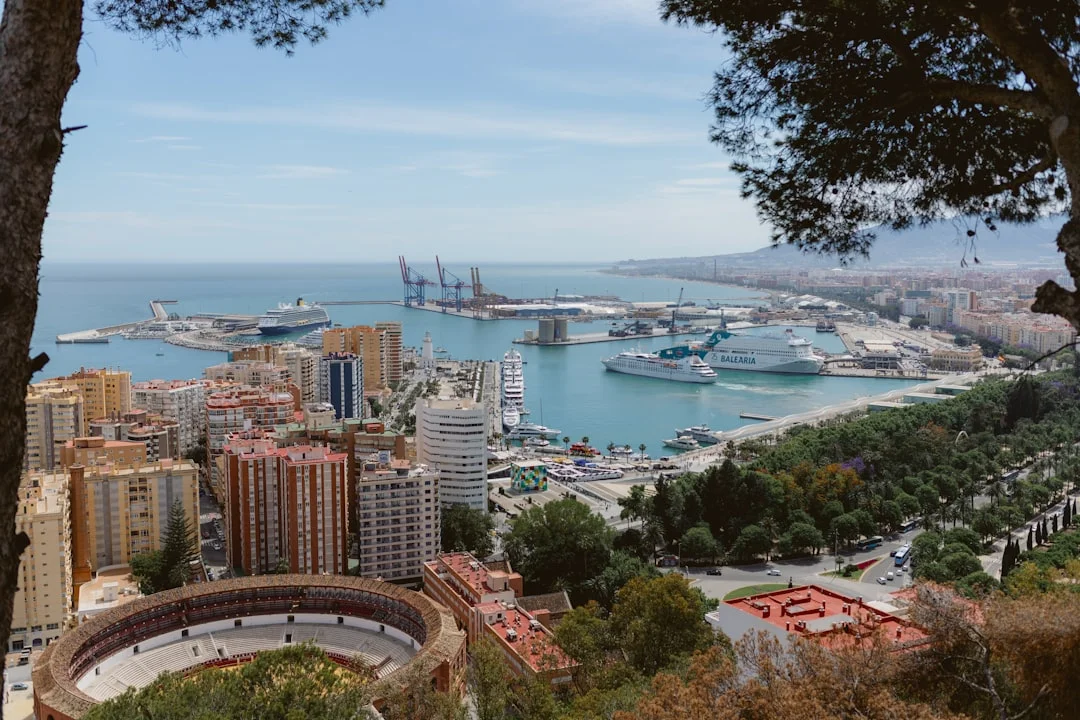
    Die bemerkenswerteste Neuigkeit für Málagas Architektur- und Tourismuslandschaft ist die Bestätigung einer massiven Investition von 200 Millionen Euro durch die Hotelgruppe Hesperia und den katarischen Investmentfonds Al Alfia. Dieses Joint Venture wird den Bau eines neuen Luxushotels finanzieren, das sich direkt im Hafen von Málaga befinden wird.

    Dieses neue Hotelprojekt im Hafen von Málaga wird die Uferpromenade der Stadt neu definieren.

    • Wirtschaftliche Auswirkungen: Es wird erwartet, dass die Finanzspritze von 200 Millionen Euro Hunderte von Arbeitsplätzen im Baugewerbe sowie langfristige Positionen im Gastgewerbe schaffen wird.
    • Fokus auf Luxus: Das Projekt signalisiert Málagas anhaltende Ausrichtung auf den High-End- und Luxustourismus und richtet sich an eine Zielgruppe, die erstklassige Unterkünfte am Wasser verlangt.

    Laut einem Update von Mitte Mai aus der Diario Sur ist diese Entwicklung ein Eckpfeiler der umfassenderen Strategie der Stadt, ihr internationales Profil zu schärfen und den wirtschaftlichen Nutzen des Hafengebiets zu maximieren.

    Grünes Licht für fünf neue touristische Apartmentgebäude

    Parallel zur Ankündigung des Luxushotels hat die Stadt offiziell grünes Licht für fünf neue touristische Apartmentgebäude gegeben. Dieser Schritt unterstreicht die anhaltende Nachfrage nach kurz- bis mittelfristigen Unterkünften, insbesondere von Expats, Remote-Workern und Urlaubern.

    Diese Expansion erfolgt jedoch zu einer Zeit, in der die Vorschriften für touristische Apartments in Málaga unter strenger Beobachtung stehen. Die Lokalregierung bemüht sich darum, die lukrativen wirtschaftlichen Vorteile touristischer Vermietungen mit dem dringenden Bedarf an bezahlbarem Wohnraum für Einheimische in Einklang zu bringen. Diese fünf neuen Gebäude haben die neuesten Bebauungs- und Lizenzierungsrahmenbedingungen erfolgreich durchlaufen und schaffen damit einen Präzedenzfall für Immobilieninvestitionen in Málaga im Jahr 2026.

    Wie in der fortlaufenden regionalen Finanzberichterstattung von Economía Digital angemerkt, passen sich Immobilienentwickler zunehmend an strengere kommunale Richtlinien an. Durch den Bau spezieller Apartmentblöcke anstelle der Umwandlung einzelner Wohnungen können sich Entwickler diese begehrten Lizenzen sichern und gleichzeitig theoretisch die Belastung für Standardwohngebäude verringern.

    Was dies für Investoren und Expats bedeutet

    Für digitale Nomaden, Expats und Investoren senden diese Entwicklungen ein klares Signal: Málaga baut seine Infrastruktur massiv aus.

    • Investoren: Die Genehmigung von blockartigen touristischen Apartments deutet auf eine Verschiebung hin zu stärker regulierten, zentralisierten Modellen für die Kurzzeitmiete hin. Kapital fließt eher in zweckgebundene Gastgewerbeobjekte als in fragmentierte Wohnimmobilienkäufe.
    • Expats und Nomaden: Während mehr Touristenbetten hinzukommen, könnte die Konzentration dieser Lizenzen auf dedizierte Gebäude dazu beitragen, den Druck auf den traditionellen Wohnungsmietmarkt, der in den letzten Jahren einem harten Wettbewerb ausgesetzt war, etwas zu lindern.

    Derzeit in Málaga zu leben bedeutet, Zeuge einer historischen Entwicklung zu sein. Während die Kräne am Himmel und die sich ändernden Vorschriften Wachstumsschmerzen mit sich bringen, sorgen sie auch für unbestreitbare Energie und Chancen. Während die Stadt ihren authentischen lokalen Charme mit weltklassigen Ambitionen in Einklang bringt, können wir nur hoffen, dass diese neuen Investitionen letztendlich die Gemeinschaft bereichern und ein lebendiges, nachhaltiges Zuhause schaffen – sowohl für diejenigen, die schon seit Generationen hier sind, als auch für diejenigen, die gerade erst angekommen sind.

  • €200M Port Hotel & 5 New Tourist Apartments Approved

    €200M Port Hotel & 5 New Tourist Apartments Approved

    Málaga’s transformation from a cultural transit point to a premier European destination continues at breakneck speed, impulsada por avances tecnológicos como la reciente inyección gubernamental de 168 millones de euros para un nuevo centro de microchips. As we move through 2026, the city’s real estate and tourism sectors remain red-hot, driven by a combination of international investment, digital nomad influx, and robust municipal backing. Two major developments this week underscore this ongoing boom: a monumental luxury hotel project in the Port of Málaga and the approval of five new tourist apartment buildings across the city.

    The €200M Port Hotel: Reshaping Málaga’s Skyline

    The most striking news for Málaga’s architectural and tourism landscape is the confirmation of a massive €200 million investment by hotel group Hesperia and Qatari investment fund Al Alfia. This joint venture will fund the construction of a new luxury hotel situated right in the Port of Málaga.

    This new hotel port of malaga project is set to redefine the city’s waterfront.

    • Economic Impact: The €200M injection is expected to create hundreds of construction jobs and long-term hospitality positions.
    • Luxury Focus: The project signals Málaga’s continued pivot towards high-end, luxury tourism, catering to a demographic that demands premium waterfront accommodations.

    According to a mid-May update from Diario Sur, this development is a cornerstone of the city’s broader strategy to elevate its international profile and maximize the economic utility of the port area.

    Five New Tourist Apartment Buildings Greenlit

    Parallel to the luxury hotel announcement, the city has officially given the green light to five new tourist apartment buildings. This move highlights the persistent demand for short-to-medium-term accommodations, particularly from expats, remote workers, and vacationers.

    However, this expansion comes at a time when tourist apartments regulations malaga are under intense scrutiny. The local government has been working to balance the lucrative economic benefits of tourist rentals with the pressing need for affordable residential housing for locals. These five new buildings have successfully navigated the latest zoning and licensing frameworks, setting a precedent for malaga real estate investments 2026.

    As noted in ongoing regional financial coverage by Economía Digital, real estate developers are increasingly adapting to stricter municipal guidelines. By building dedicated apartment blocks rather than converting individual residential flats, developers can secure these coveted licenses while theoretically easing the strain on standard residential buildings.

    What This Means for Investors and Expats

    For digital nomads, expats, and investors, these developments offer a clear signal: Málaga is doubling down on its infrastructure.

    • Investors: The approval of block-style tourist apartments suggests a shift toward more regulated, centralized short-term rental models. Capital is flowing into purpose-built hospitality rather than fragmented residential purchases.
    • Expats and Nomads: While more tourist beds are being added, the concentration of these licenses into dedicated buildings may help alleviate some pressure on the traditional residential rental market, which has seen fierce competition in recent years.

    Living in Málaga right now means witnessing a historic evolution. While the cranes in the sky and the shifting regulations bring growing pains, they also bring undeniable energy and opportunity. As the city balances its authentic local charm with world-class ambitions, we can only hope that these new investments will ultimately enrich the community, creating a vibrant, sustainable home for both those who have been here for generations and those who have just arrived.

  • Vitur Summit 2026: Future of Malaga Tourist Apartments

    Vitur Summit 2026: Future of Malaga Tourist Apartments

    A Crucial Moment for Malaga’s Housing and Tourism

    Malaga has firmly established itself as a European hotspot, not just for digital nomads and expats, but for major real estate investors. With the ongoing local debate surrounding short-term rentals, housing availability, and sustainable tourism, the recent Vitur Summit 2026 arrived at a pivotal time. Held on May 13th and 14th, the event brought together key European investors, hotel chains, and tech companies to discuss the evolving landscape of tourist accommodations.

    According to coverage by Diario Sur, the summit gathered leading operators and hospitality tech firms right here in Malaga, underscoring the city’s strategic importance in the broader European tourism sector.

    Key Takeaways from Vitur Summit 2026

    The discussions over the two-day event centered on several core pillars that directly impact property owners and investors on the Costa del Sol:

    1. The Shift Toward Sustainable Tourism Planning

    One of the loudest conversations in Malaga right now is how to balance a booming tourism industry with the needs of local residents. The summit highlighted new frameworks for sustainable tourism planning. This means moving away from unchecked expansion and towards models that integrate better with neighborhood ecosystems.

    2. Evolving Real Estate Investment Models

    For expats who own property or invest in real estate locally, the landscape is shifting. The summit showcased how institutional investors are looking beyond traditional short-term rentals (viviendas con fines turísticos) and exploring flexible living, co-living spaces, and serviced apartments. These hybrid models often align better with emerging regulatory frameworks.

    3. Tech-Driven Hospitality

    Technology continues to reshape how properties are managed. From AI-driven dynamic pricing to smart home integrations that monitor noise and energy consumption, tech companies at the summit demonstrated how operators can remain profitable while minimizing friction with local communities.

    What This Means for Property Owners and Expats

    If you are involved in the tourist accommodation sector in Malaga, the takeaways from Vitur Summit 2026 are clear: professionalization and compliance are no longer optional.

    • Regulatory Awareness: With short-term rental laws in Spain undergoing constant scrutiny and localized adjustments, staying ahead of municipal regulations is vital.
    • Quality Over Quantity: There is a distinct shift towards offering premium, well-managed accommodations rather than maximizing turnover. Investors are prioritizing properties that can offer high-quality experiences and comply with stricter licensing requirements.
    • Community Integration: Successful operators are increasingly those who actively work to reduce the impact of their rentals on residential buildings, using technology and strict guest vetting processes.

    Looking Ahead

    The conversations sparked at the Vitur Summit 2026 will undoubtedly influence local policies and investment strategies in the coming months. For anyone with a stake in Malaga’s real estate market, staying informed on these industry shifts is the best way to navigate the changes ahead.

    Navigating the balance between a thriving international destination and a livable hometown is a complex journey for Malaga. As the city continues to grow and adapt, it is encouraging to see industry leaders actively engaging in conversations about sustainability and community impact. Hopefully, these collaborative efforts will help shape a future where both locals and visitors can continue to enjoy the vibrant spirit of this beautiful coastal city.

  • Vitur Summit 2026: Future of Tourist Apartments in Malaga

    Vitur Summit 2026: Future of Tourist Apartments in Malaga

    The Vitur Summit 2026 recently concluded its highly anticipated gathering in Malaga on May 13th and 14th, bringing the future of tourist accommodation into sharp focus. For expats, property owners, and real estate investors on the Costa del Sol, the discussions held over these two days are incredibly relevant, especially amidst the ongoing local debates regarding short-term rentals and housing availability.

    A Meeting of Industry Minds

    As the landscape of travel and remote work continues to evolve, Malaga has found itself at the epicenter of the European short-term rental market. The 2026 edition of the Vitur Summit served as a crucial meeting point for major operators, investors, hotel chains, and technology companies operating within the hospitality sector.

    According to a recent report from Diario Sur, the summit was designed to tackle the most pressing issues and opportunities in the industry. The presence of key European stakeholders highlights Malaga’s strategic importance not just as a tourist destination, but as a hub for hospitality innovation and real estate investment.

    Key Themes and Takeaways

    The conversations at this year’s summit went far beyond basic property management. Industry leaders tackled complex challenges that directly impact anyone involved in the local property market:

    • Navigating New Regulations: With Malaga and the wider Andalusia region tightening rules around tourist apartments, compliance and legal adaptation were major talking points. Understanding these shifts is vital for expats who rent out their properties.
    • Sustainable Tourism Planning: There is a growing consensus that the current growth model needs to be balanced. Discussions centered on how to implement sustainable practices that reduce the strain on local infrastructure and neighborhoods.
    • Alternative Accommodation Models: From coliving spaces designed for digital nomads to hybrid hotel-apartment models, the summit showcased how the definition of “tourist accommodation” is rapidly expanding.

    What This Means for Local Property Owners

    If you own property in Malaga or are considering an investment, the outcomes of the Vitur Summit 2026 signal a shift towards professionalization. The days of casually listing a spare room without regulatory oversight are largely behind us. The market is maturing, requiring property owners to be more mindful of local laws, community relations, and the quality of the services they provide.

    Investors are now looking at long-term sustainability rather than just quick yields. This means creating spaces that respect the fabric of Malaga’s traditional neighborhoods while still offering the high standards expected by international visitors.

    Finding the right balance between a booming tourism sector and the everyday needs of local residents is one of the greatest challenges Malaga faces today. While events like the Vitur Summit bring much-needed dialogue and professional standards to the table, the real test lies in how these ideas are applied in our streets and neighborhoods. It is my hope that as the industry evolves, it does so with a deep respect for the city’s soul, ensuring that Malaga remains a wonderful place to live, not just a beautiful place to visit.

  • Vitur Summit 2026: Future of Tourist Apartments in Malaga

    Vitur Summit 2026: Future of Tourist Apartments in Malaga

    Malaga continues to cement its position not just as a cultural and technological hub—boosted by initiatives like the recent €168 million public investment in a new microchip facility—but as a focal point for the European real estate and hospitality sectors. On May 13th and 14th, 2026, the city hosted the highly anticipated Vitur Summit, bringing together key European investors, major operators, hotel chains, and tech companies to discuss the evolving landscape of tourist accommodation.

    With the ongoing local and national debate surrounding short-term rentals and housing availability, the timing of this year’s summit could not have been more relevant. For expats who own property, invest in real estate, or work within the hospitality sector on the Costa del Sol, the discussions held over these two days provided crucial insights into where the market is heading.

    A Gathering of Industry Leaders

    The Vitur Summit has grown into a premier event for the European short-term rental industry. According to coverage by Diario Sur, the 2026 edition successfully gathered top-tier decision-makers to address the most pressing challenges and opportunities in the market.

    The focus wasn’t just on growth, but on how to grow responsibly. As Malaga navigates the delicate balance between welcoming millions of visitors and maintaining a livable environment for its residents, the summit’s agenda heavily featured sustainable tourism planning.

    Key Themes and Takeaways

    If you are involved in the local property market, several key themes emerged from the 2026 summit that are worth paying attention to:

    1. Professionalization of the Sector

    Gone are the days when managing a tourist apartment simply meant handing over the keys. The summit highlighted a significant shift towards professionalization. Property management companies are increasingly adopting hotel-standard protocols, utilizing advanced software for dynamic pricing, automated guest communication, and energy management.

    2. New Accommodation Models

    The lines between traditional hotels, tourist apartments, and co-living spaces are blurring. Investors are showing strong interest in flexible, hybrid models that cater to digital nomads and mid-term renters, rather than solely focusing on weekend holidaymakers. This shift is partly a response to changing travel habits and partly a strategic move to adapt to potential new local regulations.

    3. Sustainable Tourism Planning

    Sustainability was a cornerstone of the 2026 discussions. This goes beyond eco-friendly toiletries; it involves the social sustainability of neighborhoods. Industry leaders discussed ways to better integrate tourist accommodations into local communities without displacing long-term residents. Solutions proposed included better data sharing with local councils and investment in properties outside the heavily saturated historic center.

    What This Means for Expats and Investors

    If you own a short-term rental property in Malaga or are considering investing, the landscape is maturing. The local government has been actively exploring ways to regulate the concentration of tourist apartments. The insights from the Vitur Summit suggest that future success in this sector will rely on quality over quantity.

    Investors are advised to:
    * Stay Informed on Regulations: Keep a close eye on local municipal zoning laws and regional Andalusian decrees regarding short-term rentals.
    * Focus on Value-Add: Properties that offer high-quality amenities, clear sustainability practices, and seamless tech integration are commanding better occupancy rates.
    * Consider Mid-Term Rentals: Diversifying your rental strategy to include remote workers looking for 1-to-6-month stays can provide a stable income while easing the pressure on the highly seasonal short-term market.

    Looking Ahead

    The dialogue between the tourism industry and the local community is an ongoing journey. Events like the Vitur Summit are essential because they bring the decision-makers to the table to face these complex issues head-on.

    As Malaga continues to evolve, it is encouraging to see the industry actively looking for ways to balance economic growth with the well-being of the city. Finding that sweet spot where tourism thrives without compromising the soul of our neighborhoods is a challenge, but with open conversation and responsible planning, it is a goal we can hopefully achieve together.