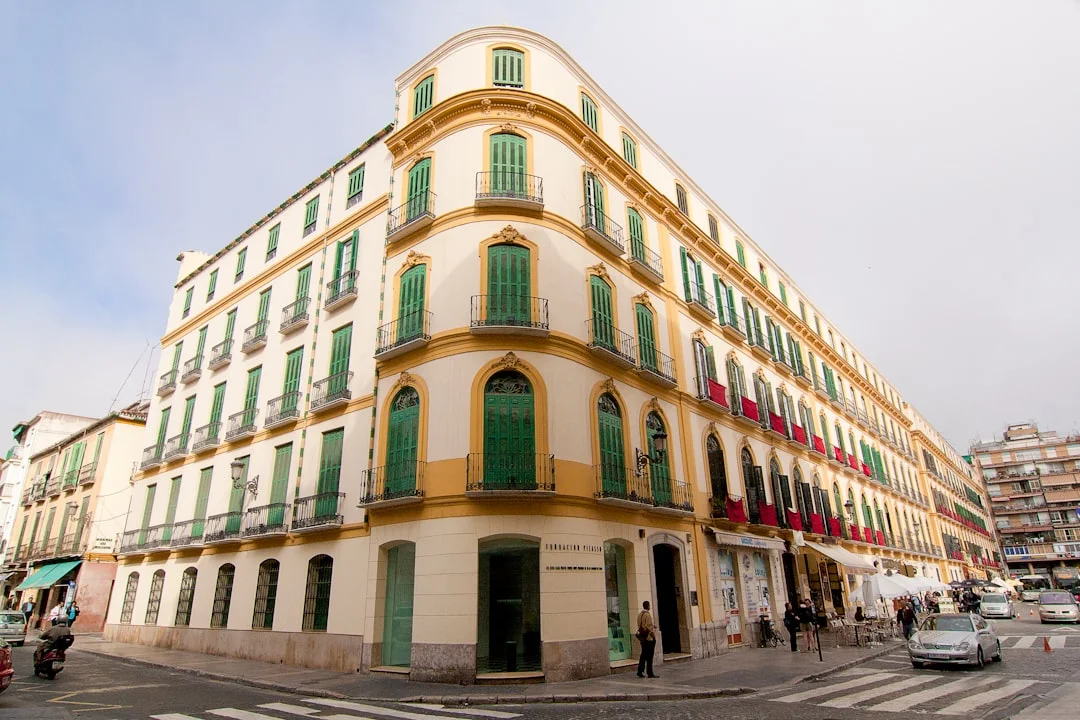
Tag: Plaza de la Merced

  • Picassos Málaga jenseits des Hauptmuseums entdecken

    Picassos Málaga jenseits des Hauptmuseums entdecken

    Auf den Spuren des jungen Pablo

    Während die meisten kulturbegeisterten Besucher direkt zum Palacio de Buenavista eilen, um die Sammlung des Hauptmuseums Museo Picasso zu bewundern, wissen echte Kunstliebhaber, dass die wahre Verbindung des Künstlers zur Stadt in ihren Straßen verwurzelt ist. Pablo Ruiz Picasso verbrachte seine frühe Kindheit in Málaga, bevor er 1891 fortzog, und diese prägenden Jahre hinterließen tiefe Spuren in seinem Leben und seiner Bildsprache.

    Wenn Sie Picassos Málaga abseits der berühmten Kunstgalerien erleben möchten, bietet ein eigenständiger Spaziergang zu den Orten seiner Kindheit einen viel intimeren Einblick in das Umfeld, das einen der größten kreativen Köpfe der Geschichte prägte – und sollte das Wetter einmal nicht mitspielen, finden Sie in unserem Indoor-Guide für Regentage in Málaga passende Alternativen überdacht.

    Plaza de la Merced: Wo alles begann

    Beginnen Sie Ihre Route an der Plaza de la Merced, einem der kultigsten Plätze Málagas. Pablo Picasso wurde hier am 25. Oktober 1881 im Gebäude mit der Hausnummer 15 (Ende des 19. Jahrhunderts noch Nummer 36) geboren.

    Das Gebäude selbst wurde 1861 vom Baumeister Diego Clavero errichtet. Heute steht es als zentrales Denkmal im Gedenken an den Künstler. Im Jahr 1983 wurde das Wohnhaus zum historisch-künstlerischen Denkmal von nationalem Interesse erklärt, und 1988 gründete der Stadtrat von Málaga die Stiftung des Geburtshauses von Picasso (Fundación Museo Casa Natal), um sein Erbe zu bewahren.

    Besuch im Museo Casa Natal

    Das im Gebäude Nummer 15 untergebrachte Picasso-Geburtshaus-Museum (Museo Casa Natal) bietet einen erschwinglichen und charmanten Einblick in die Kindheit des Künstlers. Bei einem Eintrittspreis von nur 3 Euro bietet es einen fantastischen Gegenwert.

    Im Inneren finden Sie erhaltene Artefakte der Familie, persönliche Erinnerungsstücke, Skizzen, originale Keramiken und Wechselausstellungen, die seine frühen Einflüsse beleuchten. Mehr über den historischen Status können Sie im Kulturerbe-Register der Diputación de Málaga nachlesen.

    • Adresse: Plaza de la Merced, 15
    • Eintrittspreis: 3 € (regulärer Eintritt)
    • Was Sie erwartet: Persönliche Gegenstände, frühe Skizzen, Fotografien und intime Einblicke.

    Wichtige historische Orte in ganz Málaga

    Neben dem Geburtshaus selbst spielten mehrere wichtige Orte im Zentrum von Málaga eine Rolle in Picassos Kindheit:

    1. Kirche Santiago (Iglesia de Santiago)

    • Standort: Calle Granada, 78

    Nur einen kurzen Spaziergang von der Plaza de la Merced entfernt liegt diese Kirche im Mudejar-Gotik-Stil, in der der junge Pablo am 10. November 1881 getauft wurde. Sie ist die älteste Kirche im historischen Zentrum von Málaga und zeichnet sich durch ihren markanten Backsteinturm aus.

    2. Schule San Agustín und Kunstakademie San Telmo

    • Standort: Calle San Agustín

    Picasso besuchte die Schule in der Nähe des alten Klosters San Agustín und studierte später an der Kunstakademie San Telmo, wo sein Vater, José Ruiz y Blasco, als Zeichenlehrer arbeitete. Wenn Sie die Calle San Agustín entlanggehen, bekommen Sie ein gutes Gefühl für die historischen Steingassen, durch die Pablo jeden Tag ging.

    3. Stierkampfarena La Malagueta

    • Standort: Paseo de Reding

    Picassos lebenslange Faszination für den Stierkampf begann in der Stierkampfarena La Malagueta, wohin ihn sein Vater oft mitnahm, um sich das nachmittägliche Spektakel anzusehen. Das dramatische Zusammenspiel von Licht, Schatten und Bewegung blieb während seiner gesamten Karriere ein wiederkehrendes Motiv.

    Lohnt sich ein Besuch im Museo Casa Natal?

    Besucher fragen sich oft, ob ein Besuch der Casa Natal notwendig ist, wenn sie ohnehin das Hauptmuseum Museo Picasso Málaga besuchen möchten. Wie auch in den Erfahrungsberichten auf TripAdvisor hervorgehoben wird, ergänzen sich die beiden Erlebnisse, statt sich zu wiederholen.

    Während das Hauptmuseum bedeutende Meisterwerke aus seinem gesamten Leben zeigt, verbindet Sie das Geburtshaus mit der menschlichen Seite – dem Jungen, der Tauben über die Plaza de la Merced jagte. In Kombination mit den Informationen von Málaga Turismo führt ein ein- bis zweistündiger Rundgang zu einem deutlich tieferen Verständnis des Künstlers.

    Ein Spaziergang durch Málaga mit dem Blick auf Picassos frühe Jahre offenbart, wie tief er in der mediterranen Wärme und dem lebendigen Straßenleben Südspaniens verwurzelt war. Während unsere Stadt wächst und sich verändert, erinnert uns das Festhalten an diesen greifbaren Verbindungen zu unserer Kulturgeschichte an die stille Inspiration, die in alltäglichen Ecken verborgen liegt. Ob Sie auf einen Kaffee an der Plaza de la Merced anhalten oder die Calle Granada entlangschlendern – wir hoffen, dass Sie sich einen Moment Zeit nehmen, um innezuhalten und die Geschichte unter Ihren Füßen zu genießen.
  • Exploring Picasso’s Málaga Beyond the Main Museum

    Exploring Picasso’s Málaga Beyond the Main Museum

    Walking in the Steps of Young Pablo

    While most culture-loving visitors head straight to the Palacio de Buenavista to admire the collection at the main Picasso museum, true art enthusiasts know that the artist’s real connection to the city lies scattered across its streets. Pablo Ruiz Picasso spent his early childhood years in Málaga before moving away in 1891, and those formative years left an indelible mark on his life and visual language.

    If you want to experience Picasso’s Málaga beyond the famous art galleries, a self-guided stroll through his boyhood haunts offers a much more intimate look at the environment that shaped one of history’s greatest creative minds—and if your visit coincides with the city’s biggest summer festival, you can pair your historic walk with our guide on where to eat at the Feria de Málaga.

    Plaza de la Merced: Where It All Began

    Start your route at Plaza de la Merced, one of Málaga’s most iconic open spaces. Pablo Picasso was born on October 25, 1881, at building number 15 (originally number 36 in the late 19th century), which now serves as a museum and a great stop if you’re looking for indoor activities in Málaga when it rains.

    The building itself was constructed in 1861 by master builder Diego Clavero. Today, it stands as a central monument to the artist’s memory. In 1983, the residence was declared a Historic-Artistic Monument of National Interest, and in 1988, the Málaga City Council established the Picasso Birthplace Museum Foundation to preserve his heritage. While historic conservation requires specialized efforts, those relocating to the area today will find standard modern tasks like setting up utilities in Málaga, such as water and electricity, far more straightforward.

    Visiting Museo Casa Natal

    Located inside building number 15, the Picasso Birthplace Museum (Museo Casa Natal) offers an affordable and charming peek into the artist’s childhood. At just 3 euros for admission, it provides incredible value.

    Inside, you will find preserved family artifacts, personal memorabilia, sketches, original ceramics, and temporary exhibitions exploring his early influences. You can read more about its historical designation on the Diputación de Málaga heritage registry.

    • Address: Plaza de la Merced, 15
    • Ticket Price: €3 (General entry)
    • What to expect: Personal artifacts, early sketches, photographs, and intimate exhibits.

    Key Historical Locations Across Málaga City

    Beyond the birthplace house itself, several key spots across central Málaga played a role in Picasso’s childhood:

    1. Santiago Church (Iglesia de Santiago)

    • Location: Calle Granada, 78

    Located a short walk from Plaza de la Merced, this Mudejar-Gothic style church is where young Pablo was baptized on November 10, 1881. It is the oldest church in Málaga’s historic center and features a striking brick tower.

    2. San Agustín School and San Telmo Academy

    • Location: Calle San Agustín

    Picasso attended school near the old San Agustín convent and later studied at the San Telmo School of Fine Arts, where his father, José Ruiz y Blasco, worked as a drawing teacher. Walking down Calle San Agustín gives you a strong sense of the historic stone alleys Pablo walked every day.

    3. La Malagueta Bullring

    • Location: Paseo de Reding

    Picasso’s lifelong fascination with bullfighting began at La Malagueta bullring, where his father often brought him to watch afternoon spectacles. The dramatic interplay of light, shadow, and movement remained a recurring motif throughout his career.

    Is the Museo Casa Natal Worth Visiting?

    Visitors often ask whether visiting Casa Natal is necessary if they already plan to visit the main Museo Picasso Málaga. As highlighted in visitor insights on TripAdvisor, the experience is complementary rather than redundant.

    While the main museum showcases major masterpieces spanning his entire life, the birthplace museum connects you with the human element—the boy who chased pigeons across Plaza de la Merced. Combined with insights from Málaga Turismo, setting aside an hour or two for this route yields a far richer understanding of the artist.

    Walking through Málaga with an eye toward Picasso’s early years reveals how deeply rooted he was in the Mediterranean warmth and vibrant street life of southern Spain. As our city grows and changes, holding onto these tangible ties to our cultural history reminds us of the quiet inspiration hidden in everyday corners. Whether you stop for a coffee at Plaza de la Merced or wander down Calle Granada, we hope you take a moment to pause and enjoy the history beneath your feet.

  • Málaga Approves Astoria Site Cultural Hub Concession

    Málaga Approves Astoria Site Cultural Hub Concession

    The long-standing debate over one of the most controversial empty plots in Málaga’s historic center has finally reached a major milestone. In July 2026, Málaga’s local government—which continues to drive urban innovation as the city leads Andalusia in the modular housing hub sector—officially approved the concession of the central Astoria-Victoria plot in Plaza de la Merced to the Fundación Bancaria Unicaja.

    This decision, reported by Andalucía Información, marks the beginning of a definitive transformation for an area that has remained a municipal eyesore and a subject of intense local debate for years. For residents, expats, and visitors, this means the heart of Málaga is set to receive a world-class cultural space.

    A Prime Location Set for Transformation

    Located at the northeastern corner of Plaza de la Merced—just steps away from the birthplace of Pablo Picasso—the Astoria-Victoria plot has been vacant since the demolition of the old cinemas. Over the years, various proposals have come and gone, ranging from archaeological preservation sites to commercial developments, reflecting the constant evolution of a city that is currently also making headlines in the sporting world as Unicaja prepares for a historic BCL campaign.

    The approval of this concession to the Unicaja Foundation ensures that the site will be dedicated entirely to public, cultural, and artistic use. As one of the most prominent financial and cultural institutions in Andalusia, the Unicaja Foundation brings the resources and expertise required to execute a project of this scale.

    What to Expect from the New Cultural Hub

    While the detailed architectural blueprints and specific programming schedules are still being finalized, the core vision for the site is clear. The new development is designed to integrate seamlessly into the vibrant life of Plaza de la Merced:

    • Artistic and Exhibition Spaces: The building will host rotating art exhibitions, showcasing both local Andalusian talent and international collections.
    • Multipurpose Cultural Halls: Spaces designed for lectures, literary events, and educational workshops aimed at both locals and the growing international community.
    • Urban Integration: The design will respect the historic aesthetics of Plaza de la Merced, ensuring that the new building complements the surrounding architecture rather than overpowering it.
    • Archaeological Respect: Any development on the site will continue to safeguard and respect the historical remains found beneath the surface, bridging Málaga’s rich Phoenician and Roman past with its modern future.

    A Major Boost for Málaga’s Cultural Identity

    Málaga has spent the last two decades transforming itself from a traditional beach gateway into a renowned southern European cultural capital. This ongoing renaissance is also reflected in its booming tourism and hospitality sectors, with the province recently leading hotel investments in Andalusia. The addition of a major hub backed by the Unicaja Foundation right in Plaza de la Merced will further solidify this reputation.

    For the neighborhood, the project promises to revitalize the northern edge of the square, replacing temporary fences and construction hoardings with a lively architectural landmark. It bridges the gap between the bustling Calle Granada, the Picasso Museum, and the creative vibe of the nearby Lagunillas district.

    We look forward to watching this corner of Plaza de la Merced finally reclaim its place in the daily life of the city. It is reassuring to see a space with so much history being dedicated to art, community, and learning, ensuring that Málaga’s heart continues to beat with creativity for generations to come.

  • Das neue Tapas- und Urban-Art-Phänomen an der Plaza de la Merced

    Das neue Tapas- und Urban-Art-Phänomen an der Plaza de la Merced

    Die Plaza de la Merced ist seit langem das schlagende Herz des gesellschaftlichen und kulturellen Lebens in Málaga. Als Geburtsort von Picasso zieht dieser historische Platz von Natur aus eine Mischung aus Einheimischen, Expats und Reisenden an. Während sich die Stadt stetig weiterentwickelt und sich Málaga als führender Hub für modulares Wohnen in Andalusien etabliert, mischt nun ein frisches kulinarisches Konzept die Gastronomieszene des Platzes auf, indem es traditionelle andalusische Tapas-Kultur nahtlos mit kühner Urban Art verbindet.

    Dieser neu eröffnete Ort zielt darauf ab, sowohl den Appetit als auch die kulturelle Neugier seiner Gäste zu stillen und schafft ein kosmopolitisches Zentrum, an dem Essen auf visuelle Ausdruckskraft trifft.

    Wo Street Art auf den Esstisch trifft

    Was dieses neue Lokal auszeichnet, ist seine visuelle und sensorische Identität. Anstelle einer traditionellen, rustikalen Tavernen-Dekoration bietet der Raum markante urbane Kunstinstallationen und Wandbilder. Die Inneneinrichtung fungiert als offene Leinwand und zeigt zeitgenössische Street Art, die Málagas sich entwickelnde, moderne Identität widerspiegelt.

    Dieser künstlerische Hintergrund ist nicht nur Kulisse, sondern sorgt für eine dynamische, energiegeladene Stimmung. Die Gäste können ihre Mahlzeiten inmitten ausdrucksstarker visueller Erzählungen genießen, was das kulinarische Erlebnis wie den Besuch einer ungezwungenen Galerie für zeitgenössische Kunst wirken lässt.

    Eine der vielfältigsten Tapas-Karten der Stadt

    Während die Kunst ins Auge fällt, sorgt die Küche dafür, dass Sie gerne sitzen bleiben. Das Lokal hat sich schnell den Ruf erworben, eine der abwechslungsreichsten und kreativsten Tapas-Karten im historischen Zentrum von Málaga anzubieten, was zu der spannenden Art und Weise beiträgt, wie das Stadtzentrum von Málaga seine kulinarische Expansion fortsetzt.

    Laut einem Bericht von Cadena SER verbindet dieses gastronomische Phänomen erfolgreich hochwertige lokale Zutaten mit internationalen Kochtechniken. Die Speisekarte reicht von klassischen andalusischen Favoriten mit modernem Touch bis hin zu innovativen Fusion-Häppchen, die sich perfekt zum Teilen eignen.

    Ob Sie einen schnellen Snack suchen, während Sie das Zentrum erkunden, oder einen gemütlichen Abend verbringen möchten, an dem Sie sich verschiedene Teller mit Freunden teilen – die Speisekarte spricht Traditionalisten und abenteuerlustige Feinschmecker gleichermaßen an.

    Ein kosmopolitisches Zentrum im Herzen von Málaga

    Die Plaza de la Merced ist die perfekte Bühne für ein solches Konzept. Der Platz ist hervorragend zu Fuß erreichbar, sonnenverwöhnt und pulsiert ständig vor Energie – was ihn zu einer fantastischen Ergänzung der Orte macht, die in unserem Málaga-Tardeo-Guide für die besten Sommerterrassen vorgestellt werden. Durch seine Positionierung an der Schnittstelle von Gastronomie und Straßenkultur ist dieser neue Ort sofort zu einem Favoriten für all jene geworden, die mehr als nur eine Standardmahlzeit suchen.

    Er eignet sich hervorragend als Zwischenstopp nach dem Besuch des nahe gelegenen Geburtshauses von Picasso oder dem Aufstieg zur Alcazaba.

    Während Málaga als globales Kulturreiseziel weiter wächst, zeigen Orte wie dieser, wie die Stadt ihre kulinarischen Wurzeln ehren und gleichzeitig moderne, internationale Trends aufgreifen kann. Es ist eine schöne Erinnerung daran, dass Essen und Kunst immer zwei der besten Wege sein werden, um Menschen zusammenzubringen. Wir hoffen, Sie schon bald ein Glas unter der warmen Sonne von Málaga erheben zu sehen.

  • Plaza de la Merced’s New Tapas and Urban Art Phenomenon

    Plaza de la Merced’s New Tapas and Urban Art Phenomenon

    Plaza de la Merced has long been the beating heart of Málaga’s social and cultural life. As the birthplace of Picasso, this historic square naturally draws a mix of locals, expats, and travelers. Now, a fresh culinary concept is shaking up the square’s dining scene by seamlessly blending traditional Andalusian tapas culture with bold urban art.

    This newly launched space aims to satisfy both the appetite and the cultural curiosity of its guests, creating a cosmopolitan hub where food meets visual expression.

    Where Street Art Meets the Dinner Table

    What sets this new venue apart is its visual and sensory identity. Instead of traditional rustic tavern decor, the space features striking urban art installations and murals. The interior design acts as an open canvas, showcasing contemporary street art that reflects Málaga’s evolving, modern identity.

    This artistic backdrop isn’t just for show; it sets a dynamic, energetic mood. Diners can enjoy their meals surrounded by expressive visual narratives, making the dining experience feel like a visit to an informal contemporary art gallery.

    One of the City’s Most Diverse Tapas Menus

    While the art catches your eye, the kitchen is what keeps you in your seat. The venue has quickly gained a reputation for offering one of the most varied and creative tapas menus in Málaga’s historic center, contributing to the exciting way Malaga’s city center continues its culinary expansion.

    According to a feature by Cadena SER, this gastronomic phenomenon successfully marries high-quality local ingredients with international culinary techniques. The menu ranges from classic Andalusian favorites with a modern twist to innovative fusion bites designed for sharing.

    Whether you are looking for a quick bite while exploring the center or a leisurely evening of sharing plates with friends, the menu caters to traditionalists and adventurous foodies alike.

    A Cosmopolitan Hub in the Heart of Málaga

    Plaza de la Merced is the perfect stage for this kind of concept. The square is highly walkable, sun-drenched, and constantly buzzing with energy—making it a fantastic addition to the spots featured in our Malaga Tardeo Guide for the best summer terraces. By positioning itself at the intersection of gastronomy and street culture, this new spot has become an immediate favorite for those who want more than just a standard meal.

    It serves as an ideal pitstop after visiting the nearby Picasso Birthplace Museum or climbing up to the Alcazaba.

    As Málaga continues to grow as a global cultural destination, spaces like this show how the city can honor its culinary roots while embracing modern, international trends. It’s a welcoming reminder that food and art will always be two of the best ways to bring people together. We hope to see you raising a glass under the warm Málaga sun very soon.