
Tag: mobility

  • Electric Vehicle Sales Double in Malaga

    Electric Vehicle Sales Double in Malaga

    The automotive landscape in Malaga is undergoing a rapid transformation. Dealerships across the province are reporting a 100% year-over-year increase in electric vehicle (EV) sales. This surge is not merely a product of heightened environmental awareness, especially in the wake of severe ecological crises like the massive illegal dumping discovered in Axarquía, but a direct market response to ongoing global instability and fluctuating energy costs. For digital nomads, expatriates, and long-term visitors navigating the Costa del Sol, understanding these shifts is essential when deciding whether to buy or rent a vehicle in 2026.

    The Catalyst: Global Conflict and Energy Volatility

    Data from local dealerships indicates that sales of both new and used electric cars have doubled compared to the previous year. Industry experts point to macroeconomic factors as the primary drivers. According to a recent report from La Opinión de Málaga, geopolitical conflicts have severely disrupted traditional energy supply chains, prompting consumers to seek refuge in electric mobility.

    Fuel price volatility has altered consumer calculus. The initial premium paid for an electric vehicle is now increasingly offset by the long-term savings on fuel. This economic reality is accelerating the transition away from internal combustion engines at a pace faster than previously forecasted for the region.

    Implications for Expats and Digital Nomads

    Malaga’s growing population of remote workers and expatriates heavily influences local mobility trends. Those looking to buy an electric car in Malaga will find a rapidly maturing market.

    • Long-Term Rentals and Leasing: Car rental agencies are expanding their EV fleets to meet the demand of digital nomads who prefer flexible, long-term leases over outright purchases.
    • Used EV Market: The secondary market is expanding. Dealerships are stocking more certified pre-owned electric vehicles, lowering the barrier to entry for residents who want sustainable transport without the new-car price tag.
    • Total Cost of Ownership: With unpredictable pump prices, expats are running the numbers. The predictable cost of charging at home or at municipal stations offers financial stability amidst global economic turbulence.

    Infrastructure: EV Charging Stations on the Costa del Sol

    The sudden spike in EV adoption is testing local infrastructure. The network of EV charging stations on the Costa del Sol is expanding to keep pace with demand. Supermarkets, shopping centers, and newly built residential complexes in neighborhoods like Teatinos and Malaga Este are increasingly integrating fast-charging points.

    However, the infrastructure rollout remains uneven. While urban centers and major transit corridors along the A-7 are well-equipped, rural day-trip destinations still require careful route planning. The local government and private sector are currently accelerating investments to bridge these gaps—including reinforcing the regional energy grid—recognizing that robust charging infrastructure is critical to sustaining the current sales momentum.

    Car Market Trends in Malaga for 2026

    Analyzing car market trends in Malaga for 2026 reveals a clear trajectory. Dealerships are prioritizing electric inventory, often at the expense of traditional diesel models, which are seeing a sharp decline in residual value. Buyers should expect longer wait times for specific new EV models due to high demand, making the used EV market a highly competitive space.

    For those relocating to the region, securing a vehicle now requires a strategic approach. Evaluating the availability of home charging solutions before signing a property lease is becoming a standard practice among incoming residents.

    Navigating these changes can feel overwhelming, especially when adjusting to life in a new city. Yet, watching Malaga adapt so swiftly to global challenges is genuinely inspiring. As we plug into a new era of mobility, the shift toward electric vehicles offers a cleaner, quieter, and more resilient future for everyone who calls this beautiful coastline home.
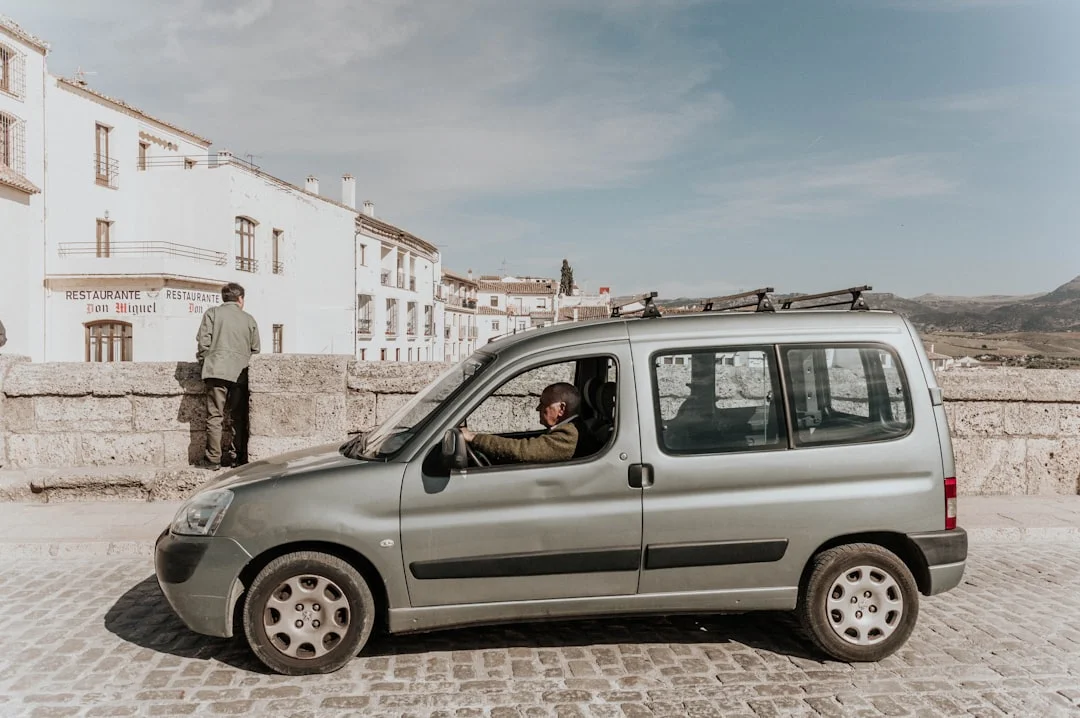
  • Málaga wird Top-Ziel für Fahrgemeinschaften in Spanien

    Málaga wird Top-Ziel für Fahrgemeinschaften in Spanien

    Die An- und Abreise nach Málaga entwickelt sich rasant. Diese Woche, da die Stadt zur Hauptreisezeit im Frühling einen massiven Zustrom an Besuchern erlebt, spüren die traditionellen Verkehrsnetze die Belastung. Da die Tickets für die Hochgeschwindigkeitszüge (AVE) entweder ausverkauft sind oder Höchstpreise erreichen, weichen Reisende auf alternative Mobilitätslösungen aus – eine Entwicklung, die Málagas neuen Status als europäisches Zentrum für autonome Mobilität zusätzlich unterstreicht.

    Aktuelle Daten zeigen, dass Málaga in dieser Woche offiziell eines der Hauptziele für Fahrgemeinschaften in Spanien ist. Für digitale Nomaden, die Wochenendausflüge planen, Remote-Arbeiter, die Besuch erwarten, oder Einheimische, die für die Feiertage nach Hause fahren, erweisen sich Fahrgemeinschaften als die praktischste logistische Alternative der Saison.

    Der Boom der geteilten Mobilität

    In Hauptreisezeiten, wie beispielsweise den Feiertagen der Semana Santa 2026, schießt die Nachfrage nach Transportmöglichkeiten an die Costa del Sol in die Höhe. Historisch gesehen waren der AVE (Hochgeschwindigkeitszug) und Inlandsflüge die Standardwahl für inländische Reisende aus Madrid, Sevilla oder Valencia. Dynamische Preismodelle und begrenzte Kapazitäten lassen Kurzentschlossene jedoch oft stranden.

    Laut regionaler Berichterstattung von Diario Sur hat der Nachfrageschub Mitfahrplattformen ins Rampenlicht gerückt. Málaga zählt nun zu den spanischen Top-Städten für die Ankunft von Fahrgemeinschaften, was einen strukturellen Wandel in der Art und Weise unterstreicht, wie Menschen durch das Land reisen. Plattformen, die diese gemeinsamen Fahrten vermitteln, verzeichnen ein beispielloses Buchungsvolumen und schließen damit effektiv die Lücke, die der traditionelle öffentliche Nahverkehr hinterlässt.

    Warum Fahrgemeinschaften gerade jetzt sinnvoll sind

    Für den modernen Reisenden, digitalen Nomaden oder preisbewussten Besucher bieten Fahrgemeinschaften in Wochen mit hoher Nachfrage mehrere entscheidende Vorteile gegenüber herkömmlichen Reisemethoden:

    • Kosteneffizienz: Während ein Last-Minute-Zugticket leicht über hundert Euro kosten kann, kostet eine Mitfahrgelegenheit von Madrid nach Málaga in der Regel nur einen Bruchteil des Preises und pendelt sich oft zwischen 25 und 40 Euro ein.
    • Flexibilität: Züge verkehren nach festen, oft unflexiblen Fahrplänen. Fahrgemeinschaften bieten eine größere Auswahl an Abfahrtszeiten, einschließlich Optionen am späten Abend oder frühen Morgen, die sich besser mit den Arbeitszeiten von Remote-Mitarbeitern vereinbaren lassen.
    • Direkte Routen: Viele Fahrer bieten Ausstiege in bestimmten Vierteln wie Teatinos, El Palo oder direkt am Bahnhof Maria Zambrano an, was den Fahrgästen die Mühe erspart, sich nach der Ankunft im örtlichen Nahverkehr zurechtzufinden.
    • Umweltauswirkungen: Die Maximierung der Auslastung von Fahrzeugen, die ohnehin an die Küste fahren, reduziert den CO2-Fußabdruck pro Fahrgast erheblich.

    Logistik meistern: Tipps für Reisende

    Wenn Sie planen, Mitfahrplattformen zu nutzen, um nach Málaga zu reisen – oder wenn Sie Freunde und Familie zu Besuch erwarten –, ist ein wenig strategische Planung sehr hilfreich.

    Buchen Sie frühzeitig, aber achten Sie auf Last-Minute-Angebote

    Obwohl es allgemein als ratsam gilt, frühzeitig zu buchen, bringt die Natur von Fahrgemeinschaften es mit sich, dass neue Fahrten oft erst 24 bis 48 Stunden vor Abfahrt eingestellt werden. Fahrer legen ihre eigenen Wochenendpläne oft erst in letzter Minute fest, was zu plötzlichen Verfügbarkeiten führt.

    Überprüfen Sie die Abhol- und Absetzpunkte

    Die Geografie Málagas kann für Neuankömmlinge tückisch sein. Stellen Sie sicher, dass Sie mit Ihrem Fahrer klar über den genauen Ausstiegsort kommunizieren. Obwohl das Stadtzentrum beliebt ist, können Verkehrsbeschränkungen und Fußgängerzonen das Absetzen im Zentrum kompliziert machen. Die Wahl gut erreichbarer Knotenpunkte wie der U-Bahn-Station Ciudad de la Justicia oder der Gegend um das Stadion La Rosaleda kann die Ankunft sowohl für den Fahrer als auch für den Fahrgast reibungsloser gestalten.

    Reisen Sie mit leichtem Gepäck

    Kofferraumplatz ist in einem geteilten Fahrzeug ein wertvolles Gut. Wenn Sie mit großen Koffern reisen, klären Sie dies vorher mit dem Fahrer ab. Bei den meisten Standardfahrten ist ein Gepäckstück in Handgepäckgröße pro Fahrgast erlaubt.

    Ein breiterer Wandel in der Reisekultur

    Der aktuelle Boom bei Mitfahrgelegenheiten nach Málaga ist mehr als nur eine vorübergehende Reaktion auf ausverkaufte Züge; er ist bezeichnend für einen breiteren kulturellen Wandel. Kollaborativer Konsum verankert sich tief in der Art und Weise, wie wir reisen. Er durchbricht die Isolation der traditionellen Fortbewegung und verwandelt eine vierstündige Autobahnfahrt in eine Gelegenheit, Geschichten auszutauschen, lokale Empfehlungen zu teilen und gelegentlich neue Kontakte zu knüpfen.

    Es hat etwas still und heimlich Schönes, wenn Fremde ihre Reisen koordinieren, sich die Kraftstoffkosten teilen und gemeinsam über die spanischen Autobahnen navigieren. Da Málaga als globaler Knotenpunkt weiter wächst, ist es beruhigend zu sehen, dass die Wege dorthin gemeinschaftsorientierter, einfallsreicher und zutiefst menschlicher werden. Wir wünschen allen, die sich diese Woche auf den Weg an die Küste machen, eine gute und sichere Reise.

  • Malaga Emerges as Top Spanish Carpooling Destination

    Malaga Emerges as Top Spanish Carpooling Destination

    Getting to and from Malaga is evolving rapidly. This week, as the city experiences a massive influx of visitors for the peak spring travel season, traditional transportation networks are feeling the strain. With high-speed AVE train tickets either sold out or reaching premium prices, travelers are pivoting to alternative mobility solutions, a shift that perfectly aligns with the city’s recent emergence as Europe’s premier autonomous mobility hub.

    Recent data indicates that Malaga is officially one of the main destinations for shared car travel in Spain this week. For digital nomads planning weekend getaways, remote workers expecting visitors, or locals heading home for the holidays, carpooling is proving to be the most practical logistical pivot of the season, especially for those needing to adapt to Málaga’s impending DANA and April weather shifts.

    The Surge in Shared Mobility

    During peak travel periods, such as the 2026 Semana Santa holidays, the demand for transport to the Costa del Sol skyrockets. Historically, the AVE (high-speed train) and domestic flights have been the default choices for domestic travelers coming from Madrid, Seville, or Valencia. However, dynamic pricing models and limited capacity often leave last-minute planners stranded.

    According to regional coverage by Diario Sur, the spike in demand has pushed carpooling platforms into the spotlight. Malaga now ranks among the top Spanish cities for ride-sharing arrivals, highlighting a structural shift in how people navigate the country. Platforms facilitating these shared journeys are seeing unprecedented booking volumes, effectively filling the gap left by traditional public transport.

    Why Carpooling Makes Sense Right Now

    For the modern traveler, digital nomad, or budget-conscious visitor, carpooling offers several distinct advantages over conventional travel methods during high-demand weeks:

    • Cost Efficiency: While a last-minute train ticket can easily exceed a hundred euros, a shared ride from Madrid to Malaga typically costs a fraction of the price, often stabilizing between 25 and 40 euros.
    • Flexibility: Trains operate on fixed, often inflexible schedules. Carpooling offers a wider array of departure times, including late-night or early-morning options that align better with remote work schedules.
    • Direct Routes: Many drivers offer drop-offs in specific neighborhoods like Teatinos, El Palo, or directly at the Maria Zambrano station, saving passengers the hassle of navigating local transit upon arrival.
    • Environmental Impact: Maximizing the occupancy of vehicles already heading to the coast significantly reduces the per-passenger carbon footprint.

    Navigating the Logistics: Tips for Travelers

    If you are planning to utilize carpooling platforms to reach Malaga—or if you have friends and family coming to visit—a bit of strategic planning goes a long way.

    Book Early, but Keep an Eye Out for Last-Minute Drops

    While the conventional wisdom is to book early, the nature of carpooling means that new rides are frequently posted just 24 to 48 hours before departure. Drivers often finalize their own weekend plans at the last minute, creating sudden availability.

    Verify Pick-Up and Drop-Off Points

    Malaga’s geography can be tricky for newcomers. Ensure you communicate clearly with your driver about the exact drop-off location. While the city center is popular, traffic restrictions and pedestrian zones can make central drop-offs complicated. Opting for accessible hubs like the Ciudad de la Justicia metro station or the Rosaleda stadium area can make the arrival smoother for both driver and passenger.

    Pack Light

    Trunk space is a premium commodity in a shared vehicle. If you are traveling with large suitcases, confirm with the driver beforehand. Most standard rides allow for one cabin-sized bag per passenger.

    A Broader Shift in Travel Culture

    The current boom in ride-sharing to Malaga is more than just a temporary reaction to sold-out trains; it is indicative of a broader cultural shift. Collaborative consumption is becoming deeply ingrained in how we travel. It breaks down the isolation of the traditional commute, turning a four-hour highway drive into an opportunity to exchange stories, share local recommendations, and occasionally, make a new connection.

    There is something quietly beautiful about strangers coordinating their journeys, sharing the cost of fuel, and navigating the Spanish highways together. As Malaga continues to grow as a global hub, it is reassuring to see that the ways we reach it are becoming more community-driven, resourceful, and deeply human. Safe travels to everyone making their way down to the coast this week.