Tag: Matiz

  • Málagas Foodie-Radar 2026: Das Konzept ‘Matiz’ & neue Tische im Blick

    Málagas Foodie-Radar 2026: Das Konzept ‘Matiz’ & neue Tische im Blick

    Es ist Ende Februar 2026, und wenn es eine Sache gibt, die in Málaga nicht nachgelassen hat, dann ist es der Appetit auf neue kulinarische Erlebnisse. Der gastronomische Boom der Stadt hat sich von einem Trend zu einem Dauerzustand entwickelt. Wir beobachten eine Abkehr von steifen, individuellen Degustationsmenüs hin zu einem wärmeren, andalusischeren Konzept: High-End-Sharing.

    Für diejenigen, die sich fragen: „Wo sollen wir dieses Wochenende reservieren?“, zeigt das Radar derzeit direkt auf das Kathedralenviertel, wo etablierte Namen und aufgefrischte Konzepte das Tempo für das Jahr vorgeben.

    Im Rampenlicht: Matiz und die Kunst des Teilens

    Im Herzen der Stadt gelegen, hat Matiz in dieser Saison unsere Aufmerksamkeit mit einem Angebot geweckt, das wie maßgeschneidert wirkt für die Art, wie Malagueños tatsächlich gerne essen. Während der Ort selbst eine raffinierte Atmosphäre bietet, ist die neue kulinarische Ausrichtung entschieden gesellig.

    Laut The Gourmet Journal hat das Restaurant ein Angebot lanciert, das speziell auf das Teilen und Probieren ausgelegt ist. Es geht nicht nur darum, Teller in die Mitte des Tisches zu stellen; es geht darum, eine Reise durch lokale Texturen und Aromen zu kuratieren, die das Gespräch anregt.

    Die Speisekarte konzentriert sich auf saisonale Zutaten – im Jahr 2026 unverhandelbar – und wird mit einer technischen Präzision ausgeführt, die traditionelle Konzepte aufwertet, ohne ihre Seele zu verlieren. Es ist die Art von Ort, an dem ein Geschäftsessen nahtlos in einen entspannten Abend übergehen kann. Der Fokus liegt auf der materia prima (Rohware), wobei die Qualität der lokalen Produkte für sich selbst spricht, während jene charakteristische „Nuance“ (Matiz) hinzugefügt wird, die dem Restaurant seinen Namen gibt.

    Das Kathedralenviertel: Das Epizentrum

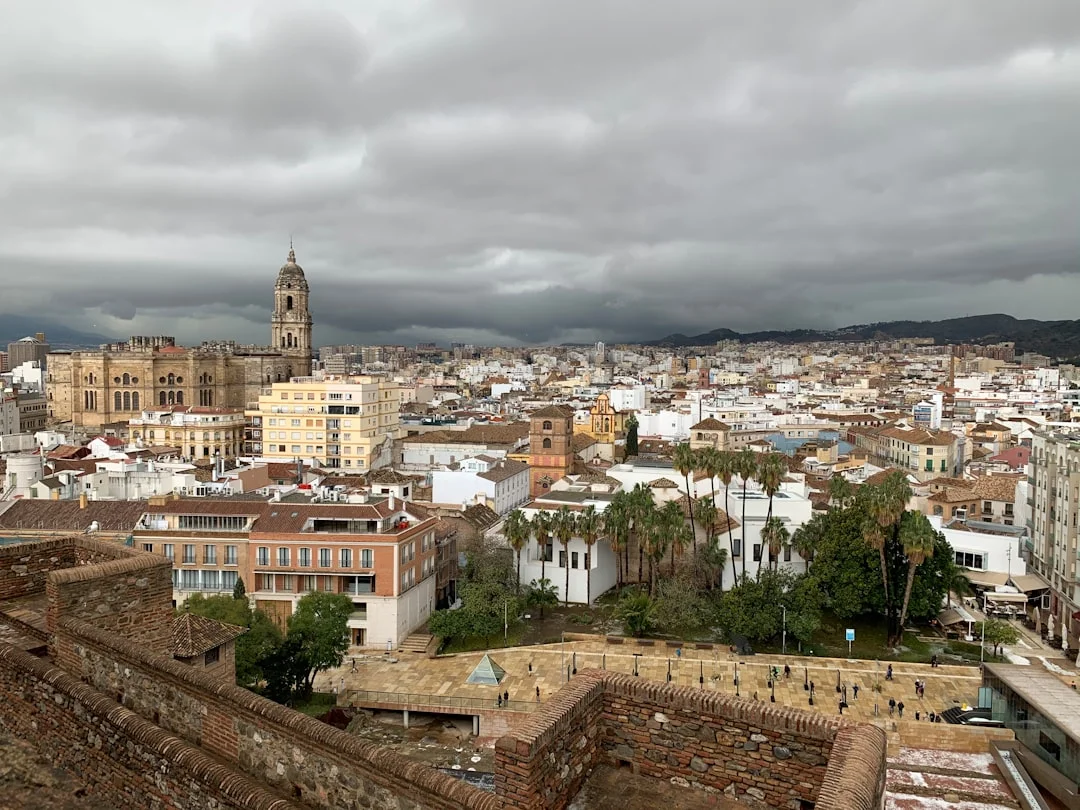
    Die Gegend um die „Manquita“ (unsere geliebte einarmige Kathedrale) ist weiterhin das Schwergewicht der Málaguer Gastronomieszene. Es geht nicht nur um die Neuzugänge; es geht um den Standard, der von den Nachbarn gehalten wird.

    Man kann nicht über dieses Viertel sprechen, ohne Köche wie Willie Orellana zu erwähnen. Sein Einfluss in der Gegend bleibt bedeutend und beweist, dass Beständigkeit genauso wichtig ist wie Neuheit. Die Nähe hochkarätiger Küchen schafft einen gesunden Wettbewerb, der uns, den Gästen, zugutekommt. Wenn Sie durch diese Straßen gehen, bewegen Sie sich durch eine Dichte an Talenten, die mit jeder großen europäischen Hauptstadt mithalten kann.

    Der Ausblick auf 2026

    Während wir weiter in das Jahr 2026 voranschreiten, ist der Trend in Málaga klar: die Legerisierung des Luxus. Wir sehen weniger weiße Tischdecken und mehr offene Küchen, lebhafte Bars mit Fünf-Sterne-Essen und einen unermüdlichen Fokus auf Weine aus den Sierras de Málaga.

    Quellen wie Condé Nast Traveler dokumentieren seit langem den Aufstieg Málagas, und die aktuelle Liste der „Akteure“ in der Stadt deutet darauf hin, dass wir einen Reifepunkt erreichen. Der Boom weitet sich nicht mehr nur nach außen aus; er verfeinert sich nach innen. Die Neueröffnungen in diesem Jahr sind kleiner, spezialisierter und persönlicher.

    Schnelle Tipps für das Wochenende

    • Im Voraus buchen: Bei dem aktuellen Andrang ist es ein Glücksspiel, das Sie wahrscheinlich verlieren werden, wenn Sie an einem Freitagabend ohne Reservierung in Orte wie das Matiz gehen.
    • Gehen Sie zum Mittagessen: Das natürliche Licht in der Umgebung der Kathedrale macht das Mittagessen zur besten Zeit, um neben Ihrem Essen auch die Architektur zu genießen.
    • Bestellen Sie zum Teilen: Wehren Sie sich nicht gegen das Konzept. 2026 ist das Jahr des geteilten Tellers.

    Wir haben das Glück, in einer Stadt zu leben, in der die Frage nicht lautet: „Gibt es irgendwo gutes Essen?“, sondern vielmehr: „Wie entscheiden wir uns?“ Ob Sie nun das neue Menü im Matiz probieren oder einen Klassiker wie das Uvedoble besuchen, der Standard war noch nie so hoch.

    Wir sehen uns bei Tisch.
  • Málaga’s 2026 Foodie Radar: The ‘Matiz’ Concept & New Tables to Watch

    Málaga’s 2026 Foodie Radar: The ‘Matiz’ Concept & New Tables to Watch

    It is late February 2026, and if there is one thing that hasn’t slowed down in Málaga, it is the appetite for new dining experiences. The city’s gastronomic boom has evolved from a trend into a permanent state of being. We are seeing a shift away from stiff, individual tasting menus toward a warmer, more Andalusian concept: high-end sharing.

    For those asking “where should we book this weekend?”, the radar is currently pointing squarely at the Cathedral district, where established names and refreshed concepts are setting the pace for the year.

    Spotlight: Matiz and the Art of Sharing

    Located in the heart of the city, Matiz has captured our attention this season with a proposal that feels tailor-made for the way Malagueños actually like to eat. While the venue itself offers a sophisticated atmosphere, the new culinary direction is decidedly social.

    According to The Gourmet Journal, the restaurant has launched a proposal specifically designed for sharing and tasting. This isn’t just about putting plates in the middle of the table; it is about curating a journey through local textures and flavors that encourages conversation.

    The menu focuses on seasonal ingredients—a non-negotiable in 2026—executed with a technical precision that elevates traditional concepts without losing their soul. It is the kind of place where you can go for a business lunch that naturally transitions into a relaxed evening. The focus is on the materia prima (raw material), allowing the quality of the local produce to speak for itself while adding that signature ‘nuance’ (matiz) that gives the restaurant its name.

    The Cathedral District: The Epicenter

    The area surrounding the “Manquita” (our beloved one-armed Cathedral) continues to be the heavyweight champion of Málaga’s dining scene. It is not just about the new arrivals; it is about the standard maintained by the neighbors.

    You cannot talk about this neighborhood without mentioning chefs like Willie Orellana. His influence in the area remains significant, proving that consistency is just as important as novelty. The proximity of high-caliber kitchens creates a healthy competition that benefits us, the diners. When you walk down these streets, you are walking through a density of talent that rivals any major European capital.

    The 2026 Outlook

    As we move further into 2026, the trend in Málaga is clear: casualisation of luxury. We are seeing fewer white tablecloths and more open kitchens, noisy bars with five-star food, and a relentless focus on wines from the Sierras de Málaga.

    Sources like Condé Nast Traveler have long documented Málaga’s rise, and the current list of ‘players’ in the city suggests we are reaching a maturity point. The boom isn’t just expanding outward anymore; it is refining inward. The new openings this year are smaller, more specialized, and more personal.

    Quick Tips for the Weekend

    • Book Ahead: With the current buzz, walking into places like Matiz on a Friday night without a reservation is a gamble you will likely lose.
    • Go for Lunch: The natural light in the Cathedral area makes lunch the prime time to enjoy the architecture alongside your meal.
    • Order to Share: Don’t fight the concept. 2026 is the year of the shared plate.

    We are lucky to live in a city where the question isn’t “is there anywhere good to eat?” but rather “how do we choose?” whether you are trying the new menu at Matiz or revisiting a classic like Uvedoble, the standard has never been higher.

    See you at the table.

  • Kulinarik vor dem Theaterbesuch in Málaga: Neu interpretierte Klassiker im historischen Zentrum

    Kulinarik vor dem Theaterbesuch in Málaga: Neu interpretierte Klassiker im historischen Zentrum

    Für Einheimische und regelmäßige Besucher von Málaga ist das Abendessen vor dem Theater oft ein logistisches Kopfzerbrechen. Das Teatro Cervantes und das Teatro Echegaray befinden sich im Herzen des historischen Zentrums, einer Gegend, die oft von touristisch ausgerichteten Lokalen oder Tapas-Bars gesättigt ist, in denen das Ergattern eines Tisches – ganz anders als bei den Geheimtipps unseres aktuellen Gastro-Radars – Ellbogeneinsatz und Geduld erfordert – Luxusgüter, die man nicht hat, wenn sich der Vorhang um 20:00 Uhr hebt.

  • Pre-Theater Dining in Málaga: Renewed Classics in the Historic Center

    Pre-Theater Dining in Málaga: Renewed Classics in the Historic Center

    For locals and frequent visitors to Málaga, the “pre-theater” dinner is often a logistical headache. The Teatro Cervantes and Teatro Echegaray are located in the heart of the historic center, an area often saturated with tourist-focused establishments or tapas bars where securing a table requires elbow grease and patience—luxuries you don’t have when the curtain rises at 8:00 PM, leaving little time to enjoy dining in the center with a sharing concept and signature cuisine.

  • Málaga für Gaumen und Auge: Matiz, Willie Orellana und die Design-Revolution

    Málaga für Gaumen und Auge: Matiz, Willie Orellana und die Design-Revolution

    Lange Zeit war das Essen in Málaga eine binäre Entscheidung: Entweder ging man in einen Chiringuito, um auf einem Plastikstuhl den besten Fisch seines Lebens zu essen, oder man besuchte ein Restaurant mit weißen Tischdecken, das etwas steif wirkte. Diese Zeiten sind längst vorbei, abgelöst von modernen Sharing-Konzepten und Signature Cuisine im Zentrum.

  • Málaga on the Plate and the Eye: Matiz, Willie Orellana, and the Design Revolution

    Málaga on the Plate and the Eye: Matiz, Willie Orellana, and the Design Revolution

    For a long time, eating in Málaga was a binary choice: you either went to a chiringuito for the best fish of your life in a plastic chair, or you went to a white-tablecloth establishment that felt a bit stiff. Those days are long gone. The city is actively transforming its landscape—both reconnecting with the Montes de Málaga via the Plan Verde and redefining its gastronomy.

  • Gastro-Design: Wenn die Inneneinrichtung in Málaga genauso wichtig ist wie die Speisekarte

    Gastro-Design: Wenn die Inneneinrichtung in Málaga genauso wichtig ist wie die Speisekarte

    Seit Jahrzehnten war das Essen in Málaga eine unkomplizierte Angelegenheit. Man ging dorthin, wo der Fisch am frischesten oder die ensaladilla rusa am kältesten war. Die Einrichtung? Oft Nebensache – Leuchtstoffröhren, gekachelte Wände und Papiertischdecken. Und ehrlich gesagt haben diese traditionellen Orte einen unbestreitbaren Charme, von dem wir hoffen, dass er nie verschwindet.

    Wenn Sie jedoch kürzlich durch das Stadtzentrum spaziert sind, insbesondere in der Gegend um die Kathedrale, haben Sie vielleicht einen Wandel bemerkt. Die Gastronomieszene in Málaga wird erwachsen, und das ziemlich schnell. Wir treten in die Ära des „Gastro-Designs“ ein, in der Architektur, Beleuchtung und Möbel mit der gleichen Ehrfurcht behandelt werden wie die Zutaten in der Küche.

    Es reicht nicht mehr aus, nur gutes Essen zu servieren. Um in einer boomenden Stadt aufzufallen, setzen Neueröffnungen auf ein ganzheitliches Erlebnis. Hier ein Blick darauf, wie Design unsere lokalen Restaurants verändert.

    Der Aufstieg des ‚Gesamterlebnisses‘

    Das Auge isst mit. Dieses alte Sprichwort bezog sich früher auf das Anrichten der Speisen, aber heute beginnt es in dem Moment, in dem man durch die Tür tritt. Beim Konzept des Gastro-Designs geht es nicht nur darum, ein Vermögen für schicke Stühle auszugeben; es geht um die Erzählung. Es verbindet das kulinarische Konzept mit dem physischen Raum.

    In Málaga wird dieser Trend von einer anspruchsvollen lokalen Kundschaft und einem weltgewandten internationalen Publikum vorangetrieben. Wir sehen Räume, die zwar „instagrammable“ sind, aber auch funktional und gemütlich. Die Akustik ist besser, die Beleuchtung wärmer und die Raumaufteilung regt zu Gesprächen an.

    Matiz: Ein Paradebeispiel für Stimmigkeit

    Eines der deutlichsten Beispiele dieser neuen Welle ist das Matiz. Wenn Sie es noch nicht besucht haben: Es fängt genau ein, wohin sich Málaga entwickelt.

    Das Restaurant konzentriert sich auf ein Konzept des Teilens und Probierens – eine sehr andalusische Art zu essen, jedoch auf gehobenem Niveau. Das Innendesign spiegelt dies wider. Es ist nicht steif oder übermäßig formell; es schafft verschiedene „Momente“ im selben Raum. Egal, ob Sie an der Bar oder im Innenhof sitzen, die Umgebung fühlt sich passend zur Speisekarte kuratiert an.

    Die im Dekor verwendeten Texturen spiegeln die Texturen auf dem Teller wider. Es wirkt modern, aber im Mittelmeerraum verwurzelt. Das ist entscheidend, denn eine Diskrepanz zwischen Essen und Design ist der schnellste Weg, einen Gast zu verwirren. Im Matiz deutet die Harmonie zwischen Küche und Speisesaal darauf hin, dass die Besitzer verstehen, dass Komfort der ultimative Luxus ist.

    Die Zone um die Kathedrale: Das neue Design-Zentrum

    Gehen Sie ein paar Straßen weiter, und Sie sehen den Einfluss von Gastronomen wie Willie Orellana. Die Gegend um die Kathedrale wandelt sich von einer touristischen Durchgangszone zu einem Ziel für ernsthafte Gastronomie.

    Orellanas Projekte setzen neue Maßstäbe. Wir bewegen uns weg von der Ästhetik der „generischen Touristenfalle“ hin zu Orten mit Persönlichkeit und Seele. Diese neuen Räume zeichnen sich oft durch Folgendes aus:

    • Adaptive Umnutzung: Die Nutzung der historischen Substanz von Málagas alten Gebäuden – freigelegte Ziegel, originale Balken – und deren Verschmelzung mit modernem Stahl und Glas.
    • Beleuchtung als Architektur: Vorbei sind die Zeiten greller Deckenleuchten. Wir sehen intime, tiefer gelegene Beleuchtung, die selbst in einem vollen Raum Privatsphäre schafft.
    • Offene Küchen: Die Küche ist jetzt eine Bühne. Design beinhaltet Transparenz, die es den Gästen ermöglicht, das Geschehen zu beobachten, was Vertrauen schafft und dem Raum Energie verleiht.

    Warum Design für den Gast wichtig ist

    Warum sollten Sie sich als Gast für die Tapete oder die Wahl des Holzes interessieren?

    1. Komfort: Gutes Design berücksichtigt Ergonomie. Sie können bei einer zweiten Flasche Wein verweilen, weil die Stühle tatsächlich bequem sind und Halt geben.
    2. Akustik: Dies ist der unsichtbare Teil des Designs. Die neue Welle von Restaurants investiert in schallabsorbierende Materialien, damit Sie nicht schreien müssen, um von Ihrem Gegenüber gehört zu werden.
    3. Ablauf: Die Aufteilung eines Restaurants bestimmt den Servicefluss. Ein gut gestalteter Grundriss führt in der Regel zu einem besseren, aufmerksameren Service.

    Blick auf das Jahr 2026

    Wenn wir nach vorne blicken, wurde die Messlatte höher gelegt. Für jedes neue Restaurant, das in den kommenden Jahren im Zentrum von Málaga eröffnen möchte, ist „gutes Essen“ lediglich die Grundvoraussetzung. Um zu überleben und zu gedeihen, müssen sie eine Geschichte durch ihren Raum erzählen.

    Wir werden wahrscheinlich mehr Kooperationen zwischen Spitzenköchen und renommierten Innenarchitekten sehen. Der Wettbewerb ist hart, aber der Gewinner ist letztendlich die Stadt selbst. Wir streifen die Haut eines reinen saisonalen Strandziels ab und ziehen den Anzug einer europäischen Kultur- und Gastronomiehauptstadt an.

    Es ist eine aufregende Zeit, in Málaga zu leben und zu essen. Während wir unsere lauten, chaotischen Chiringuitos immer lieben werden, hat es etwas zutiefst Befriedigendes, in einem schönen Raum mit perfekter Beleuchtung zu sitzen und ein Essen zu genießen, das so gut schmeckt, wie sich der Raum anfühlt.

    Hoffen wir, dass sich diese Liebe zum Detail weiter ausbreitet und unsere Stadt nicht nur zu einem Ort macht, den man besucht, sondern zu einem Ort, den man wirklich genießt.

  • Gastro-Design: When Interiors Matter as Much as the Menu in Malaga

    Gastro-Design: When Interiors Matter as Much as the Menu in Malaga

    For decades, eating out in Malaga was a straightforward affair. You went where the fish was freshest or the ensaladilla rusa was the coldest. The decor? Often an afterthought—fluorescent lights, tiled walls, and paper tablecloths. And honestly, there is an undeniable charm to those traditional spots that we hope never disappears.

    However, if you have taken a walk through the city center recently, specifically around the Cathedral area, you might have noticed a shift. The gastronomic scene in Malaga is maturing, and quite rapidly. We are entering the era of “Gastro-Design,” where the architecture, lighting, and furniture are treated with the same reverence as the ingredients in the kitchen.

    It is no longer enough to just serve good food. To stand out in a booming city, new openings are betting on a holistic experience. Here is a look at how design is reshaping our local restaurants.

    The Rise of the ‘Total Experience’

    We eat with our eyes first. This old adage used to refer to the plating of the food, but today, it starts the moment you step through the door. The concept of gastro-design isn’t just about spending a fortune on fancy chairs; it is about narrative. It connects the culinary concept with the physical space.

    In Malaga, this trend is driven by a demanding local clientele and a sophisticated international audience. We are seeing spaces that are Instagrammable, yes, but also functional and comfortable. The acoustics are better, the lighting is warmer, and the flow of the room encourages conversation.

    Matiz: A Case Study in Cohesion

    One of the clearest examples of this new wave is Matiz. If you haven’t visited yet, it captures exactly where Malaga is heading.

    The restaurant focuses on a concept of sharing and tasting—a very Andalusian way of eating, but elevated. The interior design reflects this. It isn’t stiff or overly formal; it creates distinct “moments” within the same space. Whether you are sitting at the bar or in the courtyard area, the environment feels curated to match the menu.

    The textures used in the decor mirror the textures on the plate. It feels modern but rooted in the Mediterranean. This is crucial because a disconnect between food and design is the quickest way to confuse a diner. At Matiz, the harmony between the kitchen and the dining room suggests that the owners understand that comfort is the ultimate luxury.

    The Cathedral Zone: The New Design Hub

    Walk a few streets over, and you see the influence of restaurateurs like Willie Orellana. The area surrounding the Cathedral is transforming from a tourist-heavy transit zone into a destination for serious dining.

    Orellana’s projects are pushing the envelope. We are moving away from the “generic tourist trap” aesthetic toward venues that have personality and soul. These new spaces often feature:

    • Adaptive Reuse: Utilizing the historic bones of Malaga’s old buildings—exposed brick, original beams—and blending them with modern steel and glass.
    • Lighting as Architecture: Gone are the harsh overhead lights. We are seeing intimate, low-level lighting that creates privacy even in a crowded room.
    • Open Kitchens: The kitchen is now a stage. Design involves transparency, allowing diners to see the action, which builds trust and adds energy to the room.

    Why Design Matters for the Diner

    Why should you, the diner, care about the wallpaper or the choice of wood?

    1. Comfort: Good design considers ergonomics. You can linger over a second bottle of wine because the chairs are actually supportive.
    2. Acoustics: This is the invisible part of design. The new wave of restaurants is investing in sound-absorbing materials so you don’t have to shout to be heard by the person across the table.
    3. Pacing: The layout of a restaurant dictates the service flow. A well-designed floor plan usually results in better, more attentive service.

    Looking Toward 2026

    As we look ahead, the bar has been raised. For any new restaurant planning to open in the center of Malaga in the coming years, “good food” is merely the baseline entry requirement. To survive and thrive, they will need to tell a story through their space.

    We are likely to see more collaborations between top chefs and renowned interior architects. The competition is fierce, but the winner is ultimately the city itself. We are shedding the skin of a purely seasonal beach destination and putting on the suit of a European cultural and gastronomic capital.

    It is an exciting time to live and eat in Malaga. While we will always love our noisy, chaotic chiringuitos, there is something deeply satisfying about sitting in a beautiful room, with perfect lighting, enjoying a meal that tastes as good as the space feels.

    Let’s hope this attention to detail continues to spread, making our city not just a place to visit, but a place to truly savor.