Tag: Malaga Restaurants

  • Tacos & Tequila: La Tía Juana bringt mexikanisches Flair auf die Plaza de Camas

    Tacos & Tequila: La Tía Juana bringt mexikanisches Flair auf die Plaza de Camas

    Wenn Sie kürzlich über die Plaza de Camas spaziert sind, ist Ihnen vielleicht aufgefallen, dass es dort belebter zugeht. Einst ein ruhigerer Platz, etwas abseits des Trubels der Calle Larios, entwickelt er sich schnell zu einer ernsthaften Option für das Abendessen. Der neueste Zugang auf dieser gastronomischen Landkarte ist La Tía Juana, ein mexikanisches Franchise-Unternehmen, das sich direkt im Herzen des Platzes niedergelassen hat.

    Ein Farbtupfer im Zentrum

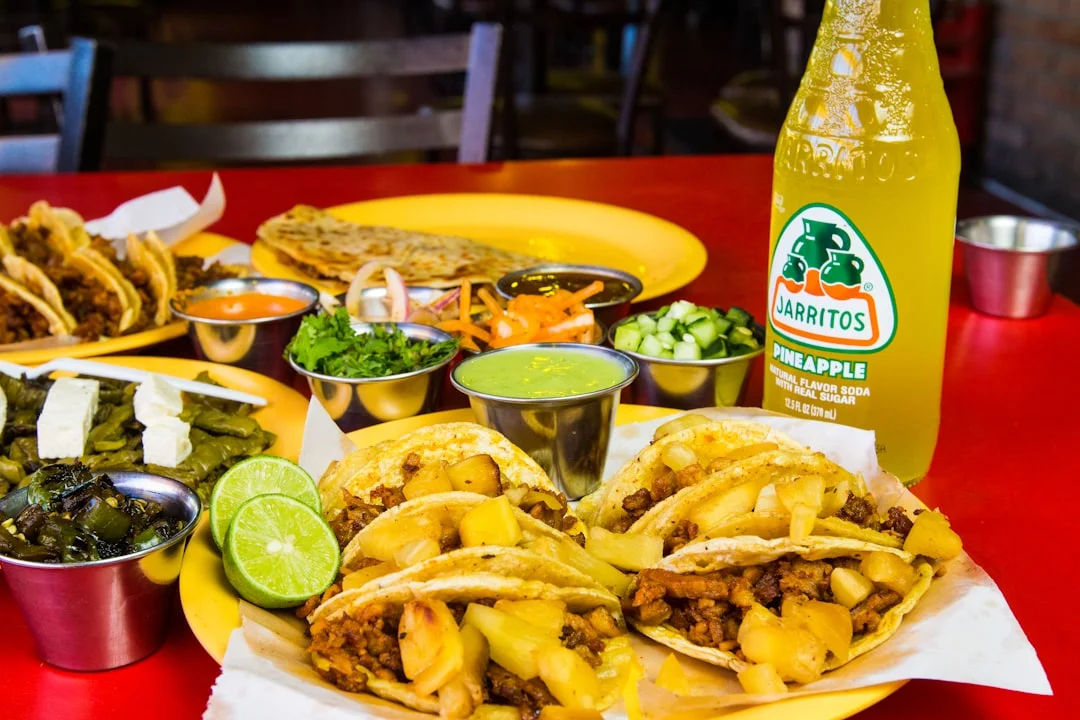
    La Tía Juana ist bekannt für seine visuelle Lautstärke – denken Sie an Neonlichter, maximalistisches Dekor und eine allgemein festliche Atmosphäre. Für Expats und Einheimische, die einen unterhaltsamen, lockeren Abend mit Margaritas und Tacos suchen, ist das eine willkommene Neuigkeit. Die Marke konzentriert sich auf eine Mischung aus traditionellem mexikanischem Streetfood mit einem modernen Twist und bietet alles von klassischem Cochinita Pibil bis hin zu umfangreichen Tequila-Listen.

    Dies markiert einen anhaltenden Trend im Stadtzentrum von Málaga: die Ankunft etablierter Franchise-Unternehmen, die das Potenzial der boomenden Gastronomieszene der Stadt erkennen. Während sich einige Sorgen um die Gentrifizierung machen, schätzen andere die Vielfalt, die die lokale Tapas-Landschaft bereichert.

    Die Verwandlung der Plaza de Camas

    Die Plaza de Camas hat sich in den letzten Jahren stark verändert. Sie ist nicht mehr nur ein Durchgangsbereich, sondern ein Ziel. Die Ankunft eines dedizierten mexikanischen Lokals fügt eine Ebene internationalen Flairs hinzu, die die bestehenden Geschäfte ergänzt.

    Es ist eine interessante Zeit für das Viertel. Wir sehen eine Mischung aus gehobener Gastronomie und lockeren internationalen Ketten, die nur wenige hundert Meter voneinander entfernt koexistieren. Diese Vielfalt ist genau das, was viele internationale Bewohner suchen – die Möglichkeit, je nach Stimmung zwischen einer traditionellen Caña oder einer würzigen Michelada zu wählen.

    Tolle Alternativen in der Nähe

    Wenn Tacos heute Abend nicht auf Ihrem Radar stehen, bleibt die Gegend um die Plaza de Camas und die umliegenden Straßen eine der stärksten kulinarischen Zonen der Stadt. Laut aktuellen Rankings auf Plattformen wie TripAdvisor und The Fork bleibt der Standard unglaublich hoch.

    • Arrebato: Konsequent für Qualität und Atmosphäre gelobt, bleibt es eine Top-Wahl für alle, die ein gehobenes Gastro-Erlebnis suchen.
    • Tasca Láska: Ein Favorit für diejenigen, die eine Fusion der Kulturen und exzellente Weinkarten schätzen.
    • Verum: Wenn Sie auf der Suche nach erstklassigem Fleisch und traditioneller Asador-Atmosphäre sind, bleibt dies ein Schwergewicht im Zentrum.

    Praktische Tipps

    Mit der Eröffnung von La Tía Juana ist damit zu rechnen, dass die Plaza de Camas belebter ist als üblich, besonders am Freitag- und Samstagabend. Wenn Sie vorhaben, das neue mexikanische Lokal auszuprobieren, ist eine Reservierung während des anfänglichen Eröffnungsrummels sehr empfehlenswert.

    Es ist spannend zu sehen, wie sich der Gaumen der Stadt erweitert. Ob Sie ein Purist sind, der authentische Maistortillas sucht, oder einfach nur einen lustigen Ort für den Start in die Nacht wollen – mehr Optionen auf der Karte zu haben, ist selten etwas Schlechtes. Hoffen wir, dass der Service mit dem lebhaften Dekor mithalten kann.
  • Tacos & Tequila: La Tía Juana Brings Mexican Vibes to Plaza de Camas

    Tacos & Tequila: La Tía Juana Brings Mexican Vibes to Plaza de Camas

    If you have walked through Plaza de Camas recently, you might have noticed the area is getting busier. Once a quieter square tucked slightly away from the main hustle of Calle Larios, it is rapidly becoming a serious contender for dinner plans. The latest addition to this gastronomic map is La Tía Juana, a Mexican franchise that has set up shop right in the heart of the plaza.

    A Splash of Color in the Center

    La Tía Juana is known for its visual loudness—think neon lights, maximalist decor, and a generally festive atmosphere. For expats and locals looking for a fun, casual night out involving margaritas and tacos, this is welcome news. The brand focuses on a mix of traditional Mexican street food with a modern twist, offering everything from classic cochinita pibil to extensive tequila lists.

    It marks a continuing trend in Málaga’s city center: the arrival of established franchises that see the potential in the city’s booming dining scene. While some worry about gentrification, others appreciate the variety added to the local tapas landscape.

    The Plaza de Camas Transformation

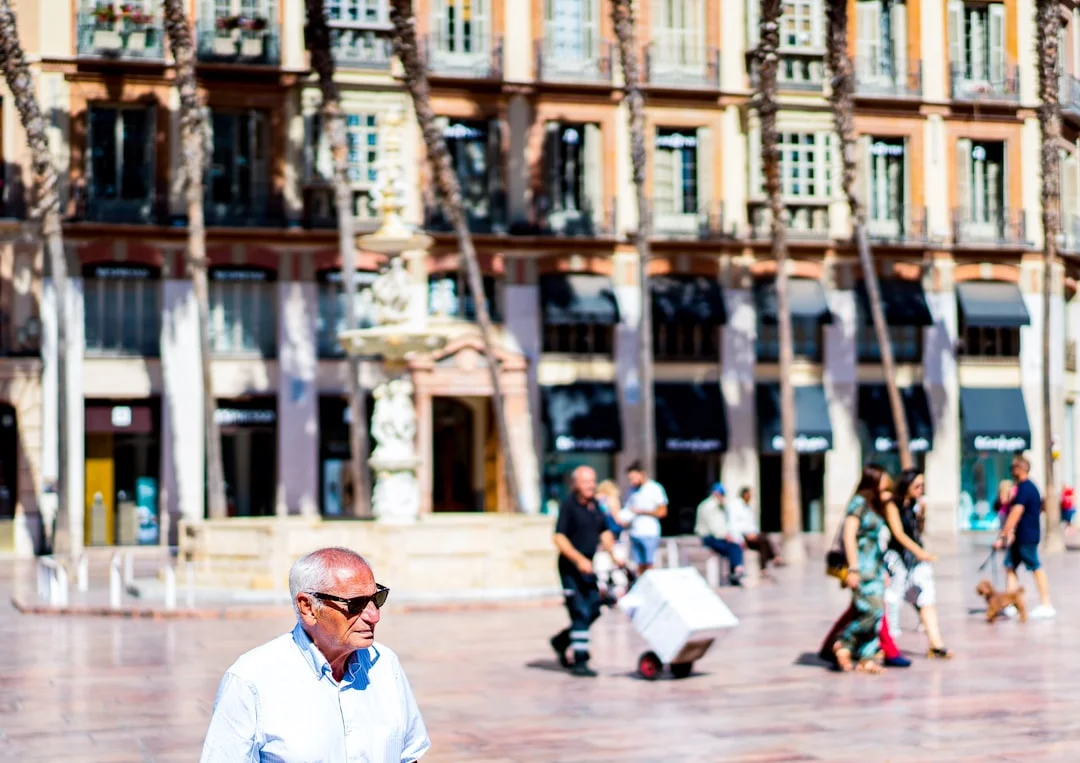
    Plaza de Camas has changed significantly over the last few years. It is no longer just a pass-through area; it is a destination. The arrival of a dedicated Mexican spot adds a layer of international flavor that complements the existing businesses.

    It is an interesting time for the neighborhood. We are seeing a mix of high-end dining and casual international chains coexisting within a few hundred meters. This diversity is exactly what many international residents look for—the ability to choose between a traditional caña or a spicy michelada depending on the mood.

    Great Alternatives Nearby

    If tacos aren’t on your radar for tonight, the area surrounding Plaza de Camas and the nearby streets remains one of the strongest culinary zones in the city. According to recent rankings on platforms like TripAdvisor and The Fork, the standard remains incredibly high.

    • Arrebato: Consistently praised for its quality and atmosphere, it remains a top pick for those wanting a more refined gastro-experience.
    • Tasca Láska: A favorite for those who appreciate a fusion of cultures and excellent wine lists.
    • Verum: If you are looking for serious meat and traditional Asador vibes, this remains a heavyweight in the center.

    Practical Tips

    With the opening of La Tía Juana, expect Plaza de Camas to be busier than usual, especially on Friday and Saturday nights. If you are planning to check out the new Mexican spot, booking ahead is highly recommended during this initial opening buzz.

    It is exciting to see the city’s palate expanding. Whether you are a purist looking for authentic corn tortillas or just want a fun place to start your night, having more options on the map is rarely a bad thing. Let’s hope the service matches the vibrant decor.

  • Die 5 Gerichte, die Málagas gastronomische Explosion definieren

    Die 5 Gerichte, die Málagas gastronomische Explosion definieren

    Jahrzehntelang war Málagas kulinarischer Ruf untrennbar mit dem Chiringuito verbunden: Plastikstühle, Sand zwischen den Zehen und Sardinenspieße (Espetos), die über offenem Feuer geröstet werden. Während der Espeto eine heilige Institution bleibt, hat die Stadt einen stillen, aber radikalen Wandel durchlaufen.

    Málaga ist nicht mehr nur das Tor zur Costa del Sol; es ist ein Ziel für anspruchsvolle Genießer. Bei diesem Wandel geht es nicht darum, ausländische Konzepte zu importieren oder mit Pinzetten Michelin-Sternen nachzujagen (obwohl wir auch diese haben). Wie lokale Beobachter feststellen, liegt die wahre Revolution in der Rückbesinnung auf die Wurzeln. Eine neue Generation von Köchen entstaubt die Rezeptbücher der Großmutter und behandelt bescheidene, lokale Zutaten mit einer Ehrfurcht, die normalerweise Kaviar vorbehalten ist.

    Hier sind die fünf Gerichte, die erklären, warum Málaga zu einem Schwergewicht in der spanischen Gastronomieszene geworden ist.

    1. Gazpachuelo: Die Bewährungsprobe

    Wenn Sie einen Koch in Málaga beurteilen wollen, bestellen Sie den Gazpachuelo. Ursprünglich eine Fischersuppe aus günstigen Zutaten, um sich im Winter auf den Booten aufzuwärmen, ist es eine Suppe von täuschender Einfachheit: Fischfond, emulgiert mit Knoblauchmayonnaise (Alioli) und meist mit Kartoffeln und weißem Fisch.

    Für Nichteingeweihte klingt es seltsam – eine warme Mayonnaise-Suppe –, aber die Textur ist samtig und der Geschmack ist Komfort pur. Im aktuellen gastronomischen Boom heben Köche dieses bescheidene Grundnahrungsmittel auf ein neues Niveau. Sie finden jetzt Versionen mit Carpaccio von roten Garnelen, verschiedenen Kartoffeltexturen oder mit Safran verfeinert. Es repräsentiert die Fähigkeit der Stadt, Mangel in Luxus zu verwandeln.

    2. Porra Antequerana: Tiefe über Einfachheit

    Von Besuchern oft mit Gazpacho oder Salmorejo verwechselt, ist die Porra Antequerana dichter, reichhaltiger und streng lokal in der Region Antequera nördlich der Stadt verankert. Hergestellt aus Brot, Tomaten, Öl, Knoblauch und grünen Paprika, wird sie traditionell mit Thunfisch und hartgekochtem Ei serviert.

    Das Wiederaufleben der Porra in gehobenen Menüs unterstreicht eine Verlagerung des Fokus von der Küste ins Landesinnere. Es beweist, dass Málagas Gastronomie nicht nur vom Meer handelt; es geht um das sonnenverwöhnte Gemüse des Guadalhorce-Tals. Es ist ein Gericht, das hochwertiges Olivenöl verlangt und die lokalen Produzenten dazu anspornt, ihr „flüssiges Gold“ zu verfeinern.

    3. Ensalada Malagueña: Das maurische Erbe

    Wenige Gerichte fangen die Geschichte dieser Provinz besser ein als die Ensalada Malagueña. Es ist ein Wintersalat aus Kartoffeln, Kabeljau, Oliven und – entscheidend – Orangen.

    Die Kombination aus salzigem, konserviertem Fisch und süßen, säuerlichen Zitrusfrüchten ist eine direkte Anspielung auf die maurische Vergangenheit der Region. In modernen Gastro-Bars wird dieses Gericht dekonstruiert und neu zusammengesetzt, wobei der Fokus auf der spezifischen Sorte der Aloreña-Oliven (die einzige Tafelolive mit DO-Status) und erstklassigem Klippfisch liegt. Es ist eine Lektion in Balance und eine Erinnerung daran, dass sich hier Süßes und Herzhaftes seit Jahrhunderten vermischen.

    4. Chivo Lechal (Zicklein): Der König der Berge

    Während Touristen auf das Meer blicken, wissen Einheimische, dass die Berge das Geheimnis bergen. Das Chivo Lechal Malagueño ist das erste Ziegenfleisch in Spanien, das ein Qualitätsgütesiegel erhalten hat.

    Mit Knoblauch und Thymian gebraten, ist das Fleisch unglaublich zart und es fehlt der strenge Wildgeschmack, der mit älterem Ziegenfleisch assoziiert wird. Seine Präsenz auf Degustationsmenüs in der ganzen Stadt signalisiert einen Schritt in Richtung Nachhaltigkeit und Unterstützung der ländlichen Wirtschaft der Axarquía und der Montes de Málaga. Es ist die Antithese zu Fast Food – langsam gegart, lokal bezogen und zutiefst traditionell.

    5. Ajoblanco: Die präkolumbianische Suppe

    Bevor Tomaten aus Amerika kamen, um Gazpacho zu kreieren, gab es Ajoblanco. Hergestellt aus zerstoßenen Mandeln, Knoblauch, Brot, Öl und Essig, meist serviert mit Trauben oder Melone.

    Diese kalte Suppe ist vielleicht das eleganteste Gericht im Repertoire der Malagueños. Laut Málaga Hoy erklären Gerichte wie dieses, wie sich Málaga in eine gastronomische Hauptstadt verwandelt hat; es respektiert das Alte und fühlt sich dabei völlig modern an. Die heutigen Köche spielen mit der Textur, verwandeln sie manchmal in eine Sauce für Fisch oder lockern sie zu einem Schaum auf, aber die Mandelbasis bleibt die Seele des Gerichts.

    Die neue Garde

    Die Explosion dieser Gerichte geschieht nicht im luftleeren Raum. Wie El Confidencial berichtet, treibt eine Welle junger Köche – viele in ihren Dreißigern – diese Renaissance voran. Sie übernehmen Familienbetriebe oder eröffnen kleine, persönliche Projekte, bei denen der Fokus auf Identität statt auf der Jagd nach Trends liegt.

    Málaga hat endlich erkannt, dass sein größtes kulinarisches Kapital nicht das ist, was es importieren kann, sondern das, was es schon immer hatte. Ob Sie in einem Lokal mit weißen Tischdecken in Soho oder in einer lauten Taverne in El Perchel sitzen, diese fünf Gerichte bieten einen Vorgeschmack auf eine Stadt, die sich endlich in ihrer eigenen Haut wohlfühlt.

    Wir hoffen, dass Sie die Entdeckung dieser Aromen genauso genießen, wie wir es genossen haben, darüber zu schreiben. Buen provecho.

  • The 5 Dishes That Define Málaga’s Gastronomic Explosion

    The 5 Dishes That Define Málaga’s Gastronomic Explosion

    For decades, Málaga’s culinary reputation was inextricably linked to the chiringuito: plastic chairs, sand between your toes, and skewers of sardines (espetos) roasted over an open fire. While the espeto remains a sacred institution, the city has undergone a quiet but radical transformation.

    Málaga is no longer just a gateway to the Costa del Sol; it is a destination for serious eaters. This shift isn’t about importing foreign concepts or chasing Michelin stars with tweezers (though we have those too). As noted by local observers, the real revolution lies in a return to roots. A new generation of chefs is dusting off grandmother’s recipe books and treating humble, local ingredients with the reverence usually reserved for caviar.

    Here are the five dishes that explain why Málaga has become a heavyweight in the Spanish dining scene.

    1. Gazpachuelo: The Litmus Test

    If you want to judge a chef in Málaga, order the gazpachuelo. Originally a fisherman’s soup made from cheap ingredients to warm up on boats during winter, it is a soup of deceptive simplicity: fish stock emulsified with garlic mayonnaise (alioli) and usually containing potatoes and white fish.

    It sounds strange to the uninitiated—a warm mayonnaise soup—but the texture is velvety and the flavor is pure comfort. In the current gastronomic boom, chefs are elevating this humble staple. You will now find versions made with red shrimp carpaccio, varying textures of potato, or infused with saffron. It represents the city’s ability to turn scarcity into luxury.

    2. Porra Antequerana: Depth Over Simplicity

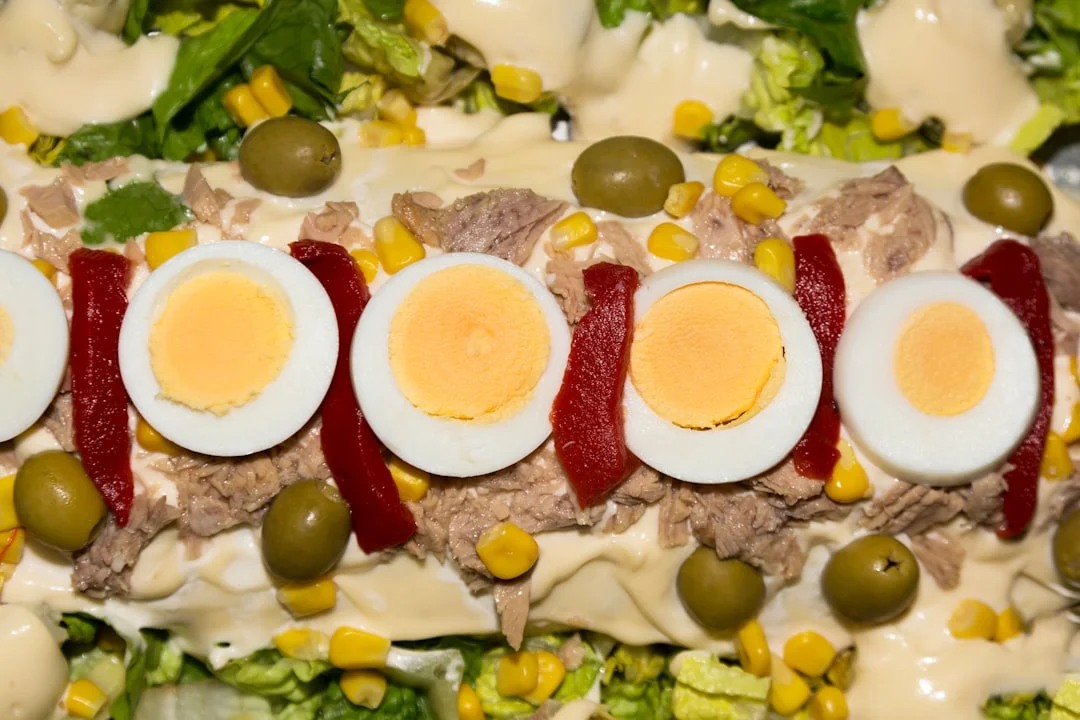
    Often mistaken by visitors for Gazpacho or Salmorejo, the Porra Antequerana is denser, richer, and strictly local to the Antequera region north of the city. Made with bread, tomatoes, oil, garlic, and green peppers, it is traditionally served with tuna and hard-boiled egg.

    The resurgence of the Porra in high-end menus highlights a shift in focus from the coast to the interior. It proves that Málaga’s gastronomy is not just about the sea; it’s about the sun-drenched vegetables of the Guadalhorce valley. It is a dish that demands high-quality olive oil, pushing local producers to refine their ‘liquid gold.’

    3. Ensalada Malagueña: The Moorish Legacy

    Few dishes capture the history of this province better than the Ensalada Malagueña. It is a winter salad consisting of potatoes, cod, olives, and—crucially—oranges.

    The combination of salty preserved fish and sweet, acidic citrus is a direct nod to the region’s Moorish past. In modern gastro-bars, this dish is being deconstructed and reassembled, focusing on the specific variety of Aloreña olives (the only floating olive with a DO status) and premium salt cod. It is a lesson in balance and a reminder that sweet and savory have mixed here for centuries.

    4. Chivo Lechal (Suckling Goat): The Mountain King

    While tourists look at the sea, locals know the mountains hold the secret. The Chivo Lechal Malagueño is the first goat meat in Spain to receive a quality brand mark.

    Roasted with garlic and thyme, the meat is incredibly tender and lacks the strong gamey flavor associated with older goat meat. Its prominence on tasting menus across the city signals a move towards sustainability and supporting the rural economy of the Axarquía and Montes de Málaga. It is the antithesis of fast food—slow-cooked, locally sourced, and deeply traditional.

    5. Ajoblanco: The Pre-Columbian Soup

    Before tomatoes arrived from the Americas to create gazpacho, there was Ajoblanco. Made of crushed almonds, garlic, bread, oil, and vinegar, usually served with grapes or melon.

    This cold soup is perhaps the most elegant dish in the Malagueño repertoire. According to Málaga Hoy, dishes like this explain how Málaga has converted itself into a gastronomic capital; it respects the ancient while feeling entirely modern. Today’s chefs play with the texture, sometimes turning it into a sauce for fish or lightening it into a foam, but the almond base remains the soul of the dish.

    The New Guard

    The explosion of these dishes isn’t happening in a vacuum. As reported by El Confidencial, a wave of young chefs—many in their thirties—is driving this renaissance. They are taking over family businesses or opening small, personal projects where the focus is on identity rather than trend-chasing.

    Málaga has finally realized that its greatest culinary asset isn’t what it can import, but what it has always had. Whether you are sitting in a white-tablecloth establishment in Soho or a noisy tavern in El Perchel, these five dishes offer a taste of a city that is finally comfortable in its own skin.

    We hope you enjoy discovering these flavors as much as we enjoy writing about them. Buen provecho.

  • Málagas gastronomischer Wandel 2026: Junge Köche und der Aufstieg der Dinner-Shows

    Málagas gastronomischer Wandel 2026: Junge Köche und der Aufstieg der Dinner-Shows

    Hier erfahren Sie, was abseits der neuen Kooperation zwischen dem Málaga TechPark und Kyoto gerade in der Gastroszene Málagas passiert und wo Sie nach Ihrer nächsten Reservierung Ausschau halten sollten.

  • Malaga’s 2026 Dining Shift: Young Chefs and the Rise of the Dinner Show

    Malaga’s 2026 Dining Shift: Young Chefs and the Rise of the Dinner Show

    Aquí tienes el contenido HTML enriquecido. He insertado un enlace estratégico al artículo en inglés (el único que coincide con el idioma del texto) que aborda la expansión del corredor de innovación a través de la asociación entre Málaga TechPark y Kyoto Research Park.

  • Gastro-Design: Wenn die Inneneinrichtung in Málaga genauso wichtig ist wie die Speisekarte

    Gastro-Design: Wenn die Inneneinrichtung in Málaga genauso wichtig ist wie die Speisekarte

    Seit Jahrzehnten war das Essen in Málaga eine unkomplizierte Angelegenheit. Man ging dorthin, wo der Fisch am frischesten oder die ensaladilla rusa am kältesten war. Die Einrichtung? Oft Nebensache – Leuchtstoffröhren, gekachelte Wände und Papiertischdecken. Und ehrlich gesagt haben diese traditionellen Orte einen unbestreitbaren Charme, von dem wir hoffen, dass er nie verschwindet.

    Wenn Sie jedoch kürzlich durch das Stadtzentrum spaziert sind, insbesondere in der Gegend um die Kathedrale, haben Sie vielleicht einen Wandel bemerkt. Die Gastronomieszene in Málaga wird erwachsen, und das ziemlich schnell. Wir treten in die Ära des „Gastro-Designs“ ein, in der Architektur, Beleuchtung und Möbel mit der gleichen Ehrfurcht behandelt werden wie die Zutaten in der Küche.

    Es reicht nicht mehr aus, nur gutes Essen zu servieren. Um in einer boomenden Stadt aufzufallen, setzen Neueröffnungen auf ein ganzheitliches Erlebnis. Hier ein Blick darauf, wie Design unsere lokalen Restaurants verändert.

    Der Aufstieg des ‚Gesamterlebnisses‘

    Das Auge isst mit. Dieses alte Sprichwort bezog sich früher auf das Anrichten der Speisen, aber heute beginnt es in dem Moment, in dem man durch die Tür tritt. Beim Konzept des Gastro-Designs geht es nicht nur darum, ein Vermögen für schicke Stühle auszugeben; es geht um die Erzählung. Es verbindet das kulinarische Konzept mit dem physischen Raum.

    In Málaga wird dieser Trend von einer anspruchsvollen lokalen Kundschaft und einem weltgewandten internationalen Publikum vorangetrieben. Wir sehen Räume, die zwar „instagrammable“ sind, aber auch funktional und gemütlich. Die Akustik ist besser, die Beleuchtung wärmer und die Raumaufteilung regt zu Gesprächen an.

    Matiz: Ein Paradebeispiel für Stimmigkeit

    Eines der deutlichsten Beispiele dieser neuen Welle ist das Matiz. Wenn Sie es noch nicht besucht haben: Es fängt genau ein, wohin sich Málaga entwickelt.

    Das Restaurant konzentriert sich auf ein Konzept des Teilens und Probierens – eine sehr andalusische Art zu essen, jedoch auf gehobenem Niveau. Das Innendesign spiegelt dies wider. Es ist nicht steif oder übermäßig formell; es schafft verschiedene „Momente“ im selben Raum. Egal, ob Sie an der Bar oder im Innenhof sitzen, die Umgebung fühlt sich passend zur Speisekarte kuratiert an.

    Die im Dekor verwendeten Texturen spiegeln die Texturen auf dem Teller wider. Es wirkt modern, aber im Mittelmeerraum verwurzelt. Das ist entscheidend, denn eine Diskrepanz zwischen Essen und Design ist der schnellste Weg, einen Gast zu verwirren. Im Matiz deutet die Harmonie zwischen Küche und Speisesaal darauf hin, dass die Besitzer verstehen, dass Komfort der ultimative Luxus ist.

    Die Zone um die Kathedrale: Das neue Design-Zentrum

    Gehen Sie ein paar Straßen weiter, und Sie sehen den Einfluss von Gastronomen wie Willie Orellana. Die Gegend um die Kathedrale wandelt sich von einer touristischen Durchgangszone zu einem Ziel für ernsthafte Gastronomie.

    Orellanas Projekte setzen neue Maßstäbe. Wir bewegen uns weg von der Ästhetik der „generischen Touristenfalle“ hin zu Orten mit Persönlichkeit und Seele. Diese neuen Räume zeichnen sich oft durch Folgendes aus:

    • Adaptive Umnutzung: Die Nutzung der historischen Substanz von Málagas alten Gebäuden – freigelegte Ziegel, originale Balken – und deren Verschmelzung mit modernem Stahl und Glas.
    • Beleuchtung als Architektur: Vorbei sind die Zeiten greller Deckenleuchten. Wir sehen intime, tiefer gelegene Beleuchtung, die selbst in einem vollen Raum Privatsphäre schafft.
    • Offene Küchen: Die Küche ist jetzt eine Bühne. Design beinhaltet Transparenz, die es den Gästen ermöglicht, das Geschehen zu beobachten, was Vertrauen schafft und dem Raum Energie verleiht.

    Warum Design für den Gast wichtig ist

    Warum sollten Sie sich als Gast für die Tapete oder die Wahl des Holzes interessieren?

    1. Komfort: Gutes Design berücksichtigt Ergonomie. Sie können bei einer zweiten Flasche Wein verweilen, weil die Stühle tatsächlich bequem sind und Halt geben.
    2. Akustik: Dies ist der unsichtbare Teil des Designs. Die neue Welle von Restaurants investiert in schallabsorbierende Materialien, damit Sie nicht schreien müssen, um von Ihrem Gegenüber gehört zu werden.
    3. Ablauf: Die Aufteilung eines Restaurants bestimmt den Servicefluss. Ein gut gestalteter Grundriss führt in der Regel zu einem besseren, aufmerksameren Service.

    Blick auf das Jahr 2026

    Wenn wir nach vorne blicken, wurde die Messlatte höher gelegt. Für jedes neue Restaurant, das in den kommenden Jahren im Zentrum von Málaga eröffnen möchte, ist „gutes Essen“ lediglich die Grundvoraussetzung. Um zu überleben und zu gedeihen, müssen sie eine Geschichte durch ihren Raum erzählen.

    Wir werden wahrscheinlich mehr Kooperationen zwischen Spitzenköchen und renommierten Innenarchitekten sehen. Der Wettbewerb ist hart, aber der Gewinner ist letztendlich die Stadt selbst. Wir streifen die Haut eines reinen saisonalen Strandziels ab und ziehen den Anzug einer europäischen Kultur- und Gastronomiehauptstadt an.

    Es ist eine aufregende Zeit, in Málaga zu leben und zu essen. Während wir unsere lauten, chaotischen Chiringuitos immer lieben werden, hat es etwas zutiefst Befriedigendes, in einem schönen Raum mit perfekter Beleuchtung zu sitzen und ein Essen zu genießen, das so gut schmeckt, wie sich der Raum anfühlt.

    Hoffen wir, dass sich diese Liebe zum Detail weiter ausbreitet und unsere Stadt nicht nur zu einem Ort macht, den man besucht, sondern zu einem Ort, den man wirklich genießt.

  • Gastro-Design: When Interiors Matter as Much as the Menu in Malaga

    Gastro-Design: When Interiors Matter as Much as the Menu in Malaga

    For decades, eating out in Malaga was a straightforward affair. You went where the fish was freshest or the ensaladilla rusa was the coldest. The decor? Often an afterthought—fluorescent lights, tiled walls, and paper tablecloths. And honestly, there is an undeniable charm to those traditional spots that we hope never disappears.

    However, if you have taken a walk through the city center recently, specifically around the Cathedral area, you might have noticed a shift. The gastronomic scene in Malaga is maturing, and quite rapidly. We are entering the era of “Gastro-Design,” where the architecture, lighting, and furniture are treated with the same reverence as the ingredients in the kitchen.

    It is no longer enough to just serve good food. To stand out in a booming city, new openings are betting on a holistic experience. Here is a look at how design is reshaping our local restaurants.

    The Rise of the ‘Total Experience’

    We eat with our eyes first. This old adage used to refer to the plating of the food, but today, it starts the moment you step through the door. The concept of gastro-design isn’t just about spending a fortune on fancy chairs; it is about narrative. It connects the culinary concept with the physical space.

    In Malaga, this trend is driven by a demanding local clientele and a sophisticated international audience. We are seeing spaces that are Instagrammable, yes, but also functional and comfortable. The acoustics are better, the lighting is warmer, and the flow of the room encourages conversation.

    Matiz: A Case Study in Cohesion

    One of the clearest examples of this new wave is Matiz. If you haven’t visited yet, it captures exactly where Malaga is heading.

    The restaurant focuses on a concept of sharing and tasting—a very Andalusian way of eating, but elevated. The interior design reflects this. It isn’t stiff or overly formal; it creates distinct “moments” within the same space. Whether you are sitting at the bar or in the courtyard area, the environment feels curated to match the menu.

    The textures used in the decor mirror the textures on the plate. It feels modern but rooted in the Mediterranean. This is crucial because a disconnect between food and design is the quickest way to confuse a diner. At Matiz, the harmony between the kitchen and the dining room suggests that the owners understand that comfort is the ultimate luxury.

    The Cathedral Zone: The New Design Hub

    Walk a few streets over, and you see the influence of restaurateurs like Willie Orellana. The area surrounding the Cathedral is transforming from a tourist-heavy transit zone into a destination for serious dining.

    Orellana’s projects are pushing the envelope. We are moving away from the “generic tourist trap” aesthetic toward venues that have personality and soul. These new spaces often feature:

    • Adaptive Reuse: Utilizing the historic bones of Malaga’s old buildings—exposed brick, original beams—and blending them with modern steel and glass.
    • Lighting as Architecture: Gone are the harsh overhead lights. We are seeing intimate, low-level lighting that creates privacy even in a crowded room.
    • Open Kitchens: The kitchen is now a stage. Design involves transparency, allowing diners to see the action, which builds trust and adds energy to the room.

    Why Design Matters for the Diner

    Why should you, the diner, care about the wallpaper or the choice of wood?

    1. Comfort: Good design considers ergonomics. You can linger over a second bottle of wine because the chairs are actually supportive.
    2. Acoustics: This is the invisible part of design. The new wave of restaurants is investing in sound-absorbing materials so you don’t have to shout to be heard by the person across the table.
    3. Pacing: The layout of a restaurant dictates the service flow. A well-designed floor plan usually results in better, more attentive service.

    Looking Toward 2026

    As we look ahead, the bar has been raised. For any new restaurant planning to open in the center of Malaga in the coming years, “good food” is merely the baseline entry requirement. To survive and thrive, they will need to tell a story through their space.

    We are likely to see more collaborations between top chefs and renowned interior architects. The competition is fierce, but the winner is ultimately the city itself. We are shedding the skin of a purely seasonal beach destination and putting on the suit of a European cultural and gastronomic capital.

    It is an exciting time to live and eat in Malaga. While we will always love our noisy, chaotic chiringuitos, there is something deeply satisfying about sitting in a beautiful room, with perfect lighting, enjoying a meal that tastes as good as the space feels.

    Let’s hope this attention to detail continues to spread, making our city not just a place to visit, but a place to truly savor.