Tag: Malaga Metro

  • U-Bahn-Bau in Málaga bringt antike Ruinen ans Tageslicht

    U-Bahn-Bau in Málaga bringt antike Ruinen ans Tageslicht

    Das ständige Aufeinandertreffen von Vergangenheit und Gegenwart

    Málaga ist eine Stadt, die auf ihrer eigenen Geschichte lebt. Seit über 3.000 Jahren haben Phönizier, Römer, Mauren und Christen auf diesem schmalen Landstrich zwischen den Bergen und dem Mittelmeer gebaut, umgebaut und ihre Spuren hinterlassen. Heute, da die Stadt ihre ehrgeizige moderne Infrastruktur vorantreibt, kommen diese antiken Schichten wieder ans Licht.

    Der laufende Ausbau der Metro in Málaga – insbesondere die Linie in Richtung des Civil Hospital – hat kürzlich bedeutende archäologische Überreste freigelegt. Wie El Mundo im Juni 2026 berichtete, sind diese Ausgrabungen eine lebendige Erinnerung daran, dass der Fortschritt in Málaga immer einen vorsichtigen Tanz mit der Vergangenheit erfordert.

    Was verbirgt sich unter den Straßen von Málaga?

    Wann immer Bagger im Zentrum von Málaga mehr als ein paar Meter in die Tiefe graben, stoßen sie fast unweigerlich auf Geschichte. Der Bau der Metro ist die größte archäologische Ausgrabung der Stadt seit Jahrzehnten und fungiert als vertikale Zeitleiste der Stadtentwicklung.

    1. Römische Industriestätten und Grabstätten

    Lange bevor Málaga ein modernes Tourismuszentrum war, war es Malaca, ein geschäftiger römischer Hafen, der für die Herstellung von garum (einer hochgeschätzten fermentierten Fischsauce) berühmt war. Frühere Metro-Arbeiten in der Nähe der Alameda Principal und des Flussbetts des Guadalmedina brachten römische Salzbecken, Wohnstrukturen und sogar ausgedehnte Grabstätten ans Licht, wie etwa die bedeutende römische Nekropole, die unter den Metro-Arbeiten in der Calle Hilera entdeckt wurde.

    2. Die islamischen Vororte (Arrabales)

    Während der andalusischen Epoche dehnte sich Málaga weit über seine Verteidigungsmauern aus. Die Metrolinie, die durch die Calle Hilera und nach Norden führt, hat systematisch Überreste dieser mittelalterlichen Vororte (arrabales) freigelegt. Die Ausgrabungen haben Folgendes enthüllt:
    * Komplexe Straßenführungen und Wohnhäuser.
    * Fortschrittliche Wassermanagementsysteme, einschließlich Brunnen und Keramikrohren.
    * Gerbereien und Töpferwerkstätten, die die mittelalterliche Wirtschaftskraft der Stadt unterstreichen.

    3. Die moderne Herausforderung der Linie zum Civil Hospital

    Die jüngste Phase des Metro-Ausbaus in Richtung der nördlichen Stadtteile hat die Archäologen erneut an die vorderste Front gebracht. Die Herausforderung besteht darin, den dringenden Bedarf an nachhaltigen öffentlichen Verkehrsmitteln für Málagas wachsende Bevölkerung mit der Pflicht zur Dokumentation, Erhaltung und Achtung des kulturellen Erbes der Stadt in Einklang zu bringen.

    Wie Málaga Fortschritt und Erhaltung in Einklang bringt

    Für Einheimische und Expats, die im Zentrum leben, ist der Anblick von archäologischen Zelten und langsam arbeitenden Pinseln ein vertrautes Bild. Obwohl diese Entdeckungen manchmal zu Verzögerungen im Bauzeitplan führen können, bieten sie auch eine einzigartige Gelegenheit, die städtische Entwicklung der Stadt zu kartieren.

    Das Protokoll für diese Funde ist streng geregelt:
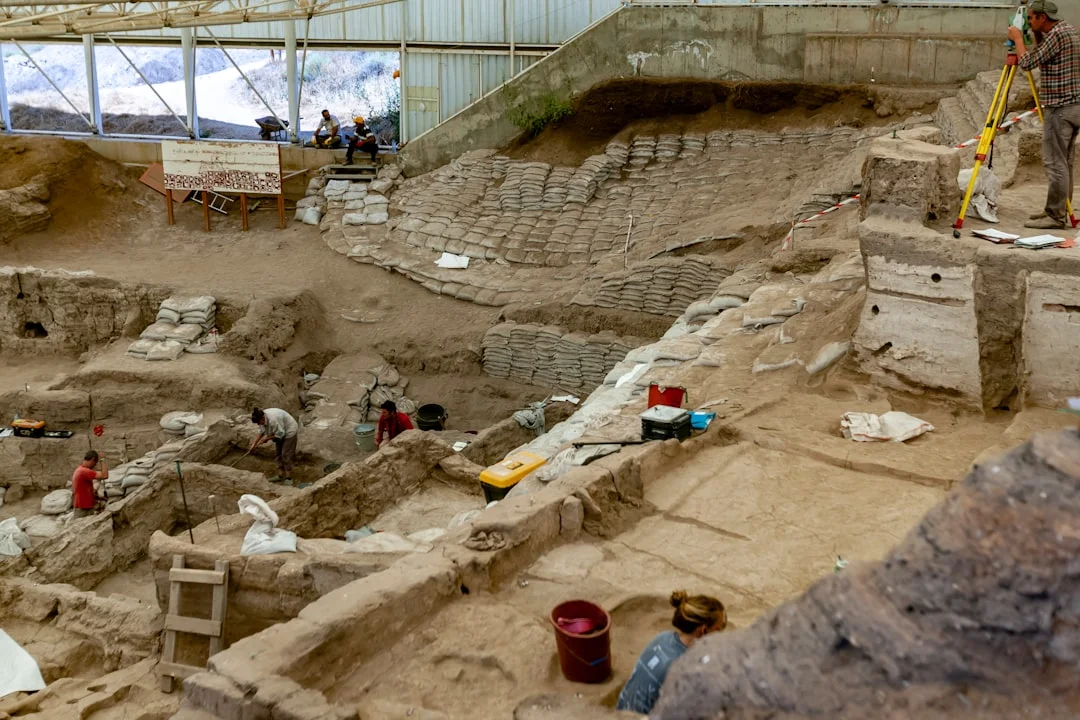
    1. Systematische Ausgrabung: Jeder Zentimeter Boden in sensiblen Zonen wird von professionellen Archäologen sorgfältig gesiebt und dokumentiert.
    2. Katalogisierung und Analyse: Artefakte wie Tonscherben, Münzen und Werkzeuge werden zur Konservierung und Untersuchung an das Museum of Málaga geschickt.
    3. In-situ-Integration vs. Verlagerung: Während einige kleinere Strukturen dokumentiert und abgedeckt oder entfernt werden, werden bedeutende architektonische Funde manchmal direkt in die moderne Infrastruktur integriert. Ein hervorragendes Beispiel hierfür ist die Ausstellung antiker Mauern und Strukturen in den Metrostationen Guadalmedina und El Perchel, die den täglichen Arbeitsweg in einen Museumsbesuch verwandelt.

    Wo Sie Málagas unterirdische Geschichte erleben können

    Wenn Sie ein Geschichtsliebhaber sind, der in Málaga lebt oder die Stadt besucht, müssen Sie nicht auf die Fertigstellung der Metro warten, um die antiken Wurzeln der Stadt zu erkunden:

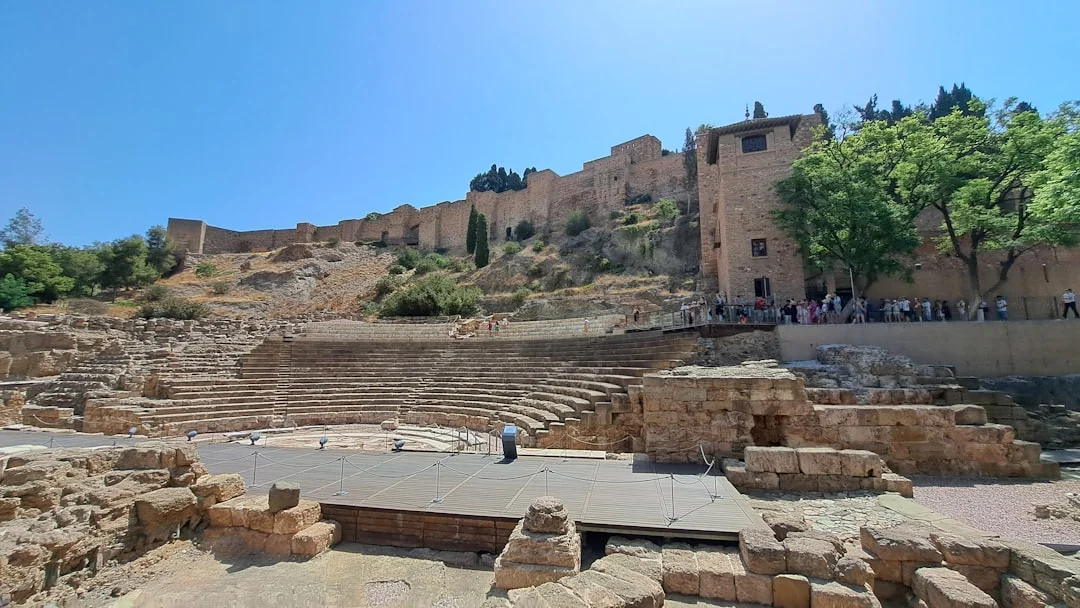
    • Das Römische Theater (Teatro Romano): Am Fuße der Alcazaba gelegen, ist dies das sichtbarste Symbol von Málagas antiker Vergangenheit, das 1951 zufällig bei Gartenarbeiten entdeckt wurde.
    • Das Museum of Málaga (Palacio de la Aduana): Dieses spektakuläre Museum beherbergt eine umfangreiche Sammlung archäologischer Funde aus verschiedenen städtischen Ausgrabungen in der ganzen Stadt, darunter phönizische Grabschätze und römische Mosaike.
    • Metrostation Guadalmedina: Halten Sie bei der Durchfahrt durch diesen zentralen Knotenpunkt die Augen offen, wo bauliche Elemente der historischen Stadtbefestigung und des Stadtplans erhalten und hinter Glasscheiben ausgestellt wurden.

    Während Málaga als südeuropäisches Zentrum für Technologie, Tourismus und modernes Leben weiter wächst, erinnern uns diese archäologischen Entdeckungen an die tiefen Fundamente, auf denen unsere Gemeinschaft aufgebaut ist. Es ist eine demütigende Erfahrung, sich bewusst zu machen, dass die Wege, die wir heute in Hochgeschwindigkeitszügen und U-Bahnen zurücklegen, genau dieselben Pfade sind, die schon vor Jahrtausenden von Händlern, Handwerkern und Familien begangen wurden.

  • Málaga Metro Construction Unearths Ancient Ruins

    Málaga Metro Construction Unearths Ancient Ruins

    The Constant Collision of Past and Present

    Málaga is a city that lives on top of its own history. For over 3,000 years, Phoenicians, Romans, Moors, and Christians have built, rebuilt, and left their footprints on this narrow strip of land between the mountains and the Mediterranean. Today, as the city pushes forward with its ambitious modern infrastructure, these ancient layers are coming to light once again.

    The ongoing expansion of the Málaga metro—specifically the line heading towards the Civil Hospital—has recently uncovered significant archaeological remains. As reported by El Mundo in June 2026, these excavations serve as a vivid reminder that progress in Málaga always requires a careful dance with the past.

    What Lies Beneath Málaga’s Streets?

    Whenever excavators dig more than a few meters down in the center of Málaga, they almost inevitably strike history. The metro construction has been the city’s largest-scale archaeological excavation in decades, acting as a vertical timeline of the city’s evolution.

    1. Roman Industrial Sites and Burial Grounds

    Long before Málaga was a modern tourist hub, it was Malaca, a bustling Roman port famous for producing garum (a highly prized fermented fish sauce). Previous metro works near the Alameda Principal and the Guadalmedina river bed revealed Roman salting basins, domestic structures, and even extensive burial sites, such as the major Roman necropolis discovered under the Calle Hilera metro works.

    2. The Islamic Suburbs (Arrabales)

    During the Andalusi period, Málaga expanded far beyond its defensive walls. The metro line running through Calle Hilera and towards the north has systematically uncovered remnants of these medieval suburbs (arrabales). Excavations have revealed:
    * Intricate street layouts and residential homes.
    * Advanced water management systems, including wells and ceramic pipes.
    * Tanneries and pottery workshops that highlight the city’s medieval industrial might.

    3. The Modern Challenge of the Civil Hospital Line

    The latest phase of the metro expansion towards the northern neighborhoods has once again brought archaeologists to the frontline. The challenge is balancing the urgent need for sustainable public transport for Málaga’s growing population with the duty to document, preserve, and respect the city’s cultural heritage.

    How Málaga Balances Progress and Preservation

    For locals and expats living in the center, the sight of archaeological tents and slow-moving excavation brushes is a familiar one. While these discoveries can sometimes cause delays in construction timelines, they also offer a unique opportunity to map the city’s urban evolution.

    The protocol for these finds is highly regulated:
    1. Systematic Excavation: Every centimeter of soil in sensitive zones is carefully sifted and documented by professional archaeologists.
    2. Cataloging and Analysis: Artifacts such as pottery shards, coins, and tools are sent to the Museum of Málaga for conservation and study.
    3. In Situ Integration vs. Relocation: While some minor structures are documented and covered or removed, major architectural finds are sometimes integrated directly into the modern infrastructure. A prime example of this is the exhibition of ancient walls and structures inside the Guadalmedina and El Perchel metro stations, turning daily commutes into a walk through a museum.

    Where to Experience Málaga’s Underground History

    If you are a history enthusiast living in or visiting Málaga, you do not have to wait for the metro to finish to explore the city’s ancient roots:

    • The Roman Theatre (Teatro Romano): Located at the foot of the Alcazaba, this is the most visible symbol of Málaga’s ancient past, discovered accidentally during garden works in 1951.
    • The Museum of Málaga (Palacio de la Aduana): This spectacular museum houses an extensive collection of the archaeological finds recovered from various urban excavations across the city, including Phoenician tomb treasures and Roman mosaics.
    • Guadalmedina Metro Station: Keep an eye out when passing through this central hub, where structural elements of the historical city defenses and urban layout have been preserved and displayed behind glass panels.

    As Málaga continues to grow as a southern European hub for technology, tourism, and modern living, these archaeological discoveries remind us of the deep foundations upon which our community is built. It is a humbling experience to realize that the journeys we make today on high-speed trains and underground metros follow the very same pathways walked by merchants, artisans, and families thousands of years ago.

  • U-Bahn-Bau: Römische Nekropole unter Calle Hilera entdeckt

    U-Bahn-Bau: Römische Nekropole unter Calle Hilera entdeckt

    Málaga ist eine Stadt, die ihre Geschichte offen zur Schau trägt – und, wie sich herausstellt, auch direkt unter unserem täglichen Arbeitsweg verbirgt. Wenn Sie sich gefragt haben, warum der laufende Ausbau der Metro Málaga etwas länger zu dauern scheint als erwartet, ist die Antwort nicht nur die übliche Bürokratie. Es ist im wahrsten Sinne des Wortes antike Geschichte.

    Während der Ausgrabungen für die Erweiterung des U-Bahn-Netzes legten Arbeiter eine riesige römische Nekropole direkt unter der Calle Hilera frei. Mit bisher über 600 entdeckten Gräbern bietet dieser archäologische Fund einen faszinierenden Einblick in das Leben derer, die vor zwei Jahrtausenden durch diese Straßen gingen.

    Eine Stadt, die auf Jahrhunderten erbaut wurde

    Jeder, der schon eine Weile in Málaga lebt, kennt die ungeschriebene Regel des lokalen Bauwesens: Wenn man ein Loch gräbt, findet man wahrscheinlich ein Stück Vergangenheit. Das Stadtzentrum ruht auf Schichten phönizischer, römischer und maurischer Siedlungen.

    Die Entdeckung in der Calle Hilera ist einer der bedeutendsten städtischen archäologischen Funde der jüngeren Vergangenheit. Laut fortlaufenden Berichten von La Opinión de Málaga haben die Ausgrabungsteams Hunderte von antiken Gräbern akribisch dokumentiert und den modernen Fortschritt behutsam pausiert, um die antiken Bewohner zu respektieren.

    Was wir über den Fund wissen

    Das schiere Ausmaß der Nekropole ist überwältigend. Hier ist ein kurzer Überblick darüber, was die Archäologen unter dem Asphalt freigelegt haben:

    • Über 600 Gräber: Von einfachen Gruben bis hin zu komplexeren Ruhestätten.
    • Zentrale Lage: Die Stätte erstreckt sich unter der Calle Hilera, einer belebten Verkehrsader, die moderne Malagueños jeden Tag nutzen.
    • Artefakte und Erkenntnisse: Neben menschlichen Überresten finden die Ausgräber Keramik, Münzen und persönliche Gegenstände, die entscheidende Daten über Gesundheit, Ernährung und sozialen Status des römischen Malaca liefern.

    „Es ist eine eindrucksvolle Erinnerung daran, dass unsere moderne Infrastruktur lediglich die neueste Schicht in einer Stadt ist, die seit Jahrtausenden floriert.“

    Fortschritt und Erhalt im Gleichgewicht

    Für Pendler und lokale Unternehmen können Bauverzögerungen Kopfschmerzen bereiten. Der U-Bahn-Ausbau ist ein massives, mit Spannung erwartetes Projekt, das das Stadtzentrum mit dem Hospital Civil und darüber hinaus verbinden soll. Wenn schweres Gerät plötzlich Archäologen mit Kellen und Pinseln weichen muss, verlängern sich die Zeitpläne unweigerlich.

    Dies ist jedoch der Preis dafür, in einer der ältesten durchgehend bewohnten Städte Europas zu leben. Das Gesetz schreibt vor, dass alle historischen Überreste, die bei öffentlichen Bauarbeiten gefunden werden, ordnungsgemäß ausgegraben, katalogisiert und, falls sie bedeutend genug sind, erhalten werden müssen. Wie in weiteren lokalen Berichten von La Opinión de Málaga angemerkt, arbeiten Stadtplaner und Denkmalschutzexperten eng zusammen, um sicherzustellen, dass der moderne Fortschritt unsere gemeinsame Geschichte nicht auslöscht.

    Wie geht es weiter?

    Sobald die archäologischen Teams ihre Dokumentation abgeschlossen haben und die Artefakte sicher in lokale Museen oder Lagereinrichtungen überführt wurden, werden die U-Bahn-Arbeiten fortgesetzt. In einigen Fällen in ganz Spanien werden bedeutende Ruinen in die moderne Infrastruktur integriert – stellen Sie sich vor, Sie warten neben einer verglasten römischen Mauer auf Ihren Zug –, obwohl noch abzuwarten bleibt, wie die Funde in der Calle Hilera dauerhaft gewürdigt werden.

    Für Geschichtsinteressierte ist es eine aufregende Zeit. Es schließt die Lücke zwischen dem Römischen Theater am Fuße der Alcazaba und der größeren, geschäftigen römischen Hafenstadt, die einst diese Küste dominierte.

    Es erfüllt einen immer wieder mit einer gewissen Demut zu erkennen, dass der Boden, auf dem wir gehen, über den wir fahren und unter dem wir bald mit Zügen reisen werden, seit Jahrtausenden die Heimat von Menschen ist, die ihrem Alltag nachgingen. Während die Verkehrsumleitungen und der Baulärm unsere Geduld auf die Probe stellen können, erinnern uns Entdeckungen wie die Nekropole in der Calle Hilera daran, warum Málaga so zutiefst besonders ist. Wir bauen hier nicht nur eine Zukunft auf; wir legen auch kontinuierlich die Fundamente unserer Vergangenheit frei.

  • Roman Necropolis Discovered Under Calle Hilera Metro Works

    Roman Necropolis Discovered Under Calle Hilera Metro Works

    Málaga is a city that wears its history on its sleeve—and, as it turns out, buries it right under our daily commute. If you’ve been wondering why the ongoing Málaga Metro expansion seems to take a little longer than expected, perhaps delaying a quick ride to check out the latest street food burger expansions in Teatinos, the answer isn’t just standard bureaucratic tape. It is, quite literally, ancient history.

    During the excavations for the metro network extension, workers unearthed a massive Roman necropolis right beneath Calle Hilera. With over 600 burials discovered so far, this archaeological find offers a fascinating glimpse into the lives of those who walked these streets two millennia ago.

    A City Built on Centuries

    Anyone who has lived in Málaga for a while knows the unwritten rule of local construction: if you dig a hole, you will probably find a piece of the past. The city center sits atop layers of Phoenician, Roman, and Moorish settlements.

    The Calle Hilera discovery is one of the most significant urban archaeological finds in recent memory. According to ongoing updates from La Opinión de Málaga, the excavation teams have meticulously documented hundreds of ancient graves, carefully pausing modern progress to respect ancient residents.

    What We Know About the Find

    The sheer scale of the necropolis is staggering. Here is a quick look at what the archaeologists have uncovered beneath the asphalt:

    • Over 600 burials: Ranging from simple graves to more complex resting places.
    • Prime location: The site stretches beneath Calle Hilera, a busy artery that modern Malagueños use every day.
    • Artifacts and insights: Alongside human remains, excavators find pottery, coins, and personal items that provide crucial data about the health, diet, and social status of Roman Malaca.

    “It’s a stark reminder that our modern infrastructure is simply the latest layer in a city that has been thriving for thousands of years.”

    Balancing Progress and Preservation

    For daily commuters and local businesses, infrastructure delays can be a headache. The metro expansion is a massive, highly anticipated project meant to connect the city center with the Civil Hospital and beyond. When heavy machinery suddenly has to make way for archaeologists with trowels and brushes, timelines inevitably stretch.

    However, this is the price of living in one of Europe’s oldest continuously inhabited cities. The law requires that any historical remains found during public works be properly excavated, cataloged, and, if significant enough, preserved. As noted in further local coverage by La Opinión de Málaga, city planners and heritage experts work closely to ensure that modern progress doesn’t erase our shared history.

    What Happens Next?

    Once the archaeological teams complete their documentation and safely relocate the artifacts to local museums or storage facilities, the metro works will resume. In some cases across Spain, significant ruins are integrated into modern infrastructure—imagine waiting for your train next to a glass-encased Roman wall—though it remains to be seen how the Calle Hilera findings will be permanently memorialized.

    For history buffs, it’s an exciting time. It connects the dots between the Roman Theatre at the foot of the Alcazaba and the broader, bustling Roman port city that once dominated this coastline.

    It is always a bit humbling to realize that the ground we walk on, drive over, and soon ride trains under, has been home to people going about their daily lives for thousands of years. While the traffic diversions and construction noise can test our patience, discoveries like the Calle Hilera necropolis remind us why Málaga is so deeply special. We aren’t just building a future here; we are continually uncovering the foundations of our past.

  • Málaga Metro PTA Extension: Tech Park Traffic Solution?

    Málaga Metro PTA Extension: Tech Park Traffic Solution?

    For thousands of tech professionals and expatriates working in Málaga—many of whom are drawn to the city’s rich weekend agenda of local festivals and art exhibitions—the daily commute to the Málaga TechPark (PTA) is a chronic pain point. While the park itself is a thriving hub of innovation, the infrastructure connecting it to the city center has historically struggled to keep pace with its rapid growth. Now, an old infrastructure dream is back on the table: extending the Málaga Metro directly to the PTA and the neighboring district of Campanillas.

    The Commuter’s Bottleneck: Analyzing the PTA Traffic

    Currently, the Málaga TechPark hosts hundreds of companies and tens of thousands of daily workers. The geographical layout of the park, situated on the western outskirts of the city, creates a massive daily influx of private vehicles, adding to the province’s broader traffic challenges that have prompted infrastructure projects like the recent road safety improvements on the eastern coast.

    Data consistently points to severe congestion during peak morning and late afternoon hours. The reliance on private cars is not merely a preference but a necessity for many, given the limitations of the current public transit routes. Although bus lines and dedicated shuttles exist, they often get caught in the very same traffic jams they are meant to bypass. For international tech workers relocating to Málaga, figuring out how to commute to Málaga TechPark is often the first logistical hurdle they face.

    A Renewed Political Commitment in 2026

    The conversation around extending the metro network has recently gained fresh momentum. In early May 2026, the local PSOE candidate for Málaga formalized a written commitment to bring the metro line to both the PTA and the Campanillas neighborhood.

    As reported by La Opinión de Málaga, this pledge is part of a broader infrastructure and social package for the district. Beyond the rail extension, the political commitment includes the construction of a much-needed new health center for Campanillas and the structural channeling of the local river to prevent historical flooding issues.

    This written promise directly targets one of the most persistent complaints of the international and local working community. A direct metro line would fundamentally alter the logistics of the city, shifting thousands of daily journeys from asphalt to rail.

    Evaluating the Impact: Metro vs. Asphalt

    From an analytical standpoint, integrating the PTA into the Málaga Metro network offers several quantifiable benefits:

    • Predictable Commute Times: Unlike buses that share congested roads, a light rail system operates on dedicated tracks, ensuring reliable arrival times.
    • Emissions Reduction: Shifting a significant percentage of the workforce to electric public transit aligns with broader European sustainability targets.
    • Real Estate Shifts: Improved connectivity typically spurs localized economic growth. Upgrading the “transporte Campanillas Málaga” equation from a negative to a positive could revitalize the housing market in the immediate vicinity, offering tech workers viable living options closer to work but still connected to the city center.

    However, infrastructure projects of this magnitude require substantial capital, multi-governmental cooperation, and years of execution. While the written commitment is a crucial first step in the administrative process, the timeline from a 2026 political pledge to an operational train line will require persistent public pressure and budgetary allocation.

    Current Alternatives: How to Commute to Málaga TechPark Today

    Until the tracks are laid and the trains are running, workers must navigate the existing transport ecosystem. If you are currently planning your commute, here are the most viable options:

    • Public Bus (Line 25): The primary EMT bus route connecting the city center to the PTA. It is cost-effective but subject to peak-hour traffic.
    • Corporate Shuttles: Many larger tech firms in the park operate private bus services for their employees.
    • Carpooling: A highly recommended strategy. Sharing rides reduces the number of vehicles at the park’s entrance roundabouts.
    • Cycling and E-Scooters: For those living in closer districts like Teatinos or Campanillas, dedicated mobility lanes are slowly improving, though navigating larger intersections requires caution.

    The promise of a metro line to the PTA represents more than just a transit upgrade; it is a vital step toward maturing Málaga’s infrastructure to match its status as a premier European tech hub. While political pledges must be met with analytical scrutiny and patience, the renewed focus on this project offers a tangible beacon of progress. It is our collective hope that these blueprints soon translate into real-world tracks, granting thousands of workers the gift of time, safety, and a much smoother start to their day.