Tag: Málaga Housing

  • Málaga verteidigt Stopp von Hotelgenehmigungen angesichts der Wohnraumkrise

    Málaga verteidigt Stopp von Hotelgenehmigungen angesichts der Wohnraumkrise

    Eine strategische Wende in Málagas Stadtpolitik

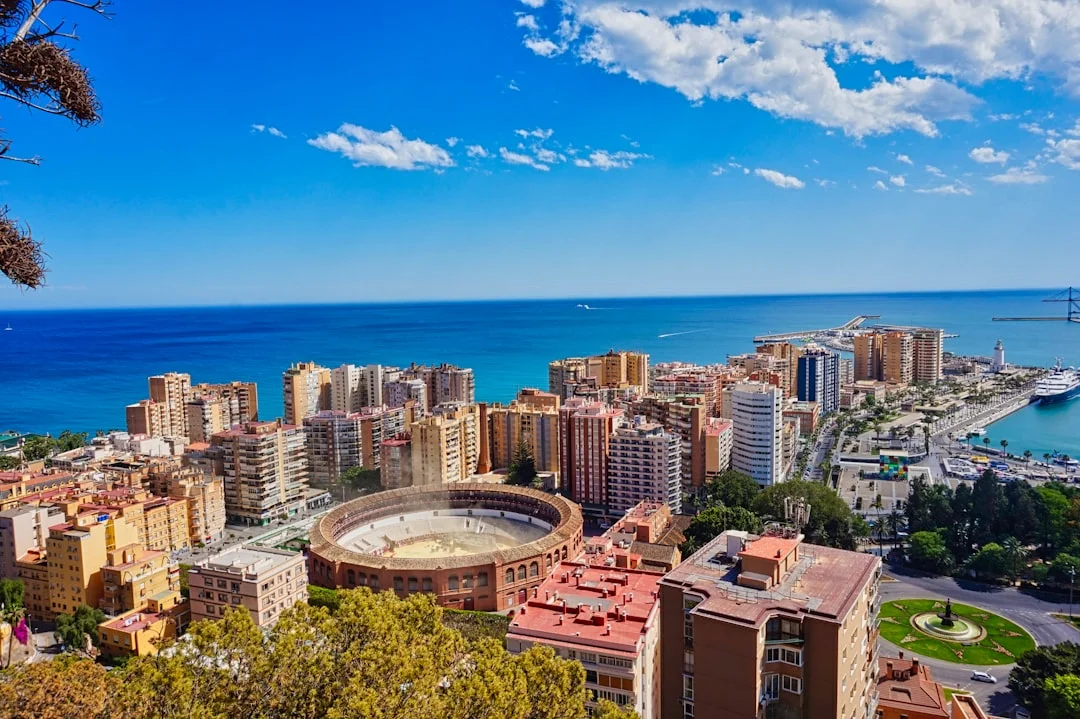
    Der Stadtrat von Málaga hat eine entscheidende Haltung zum lokalen städtischen Wachstum eingenommen und ein Moratorium für neue Hotelbaugenehmigungen verteidigt. Unter Berufung auf den ausgerufenen örtlichen Wohnungsnotstand argumentieren die Stadtbehörden, dass eine uneingeschränkte touristische Entwicklung einen unfairen Wettbewerb um Flächen und Immobilien darstellt, die eigentlich Wohnzwecken dienen sollten.

    Wie Diario SUR berichtet, betont die Stadtverwaltung, dass der Erhalt von verfügbarem Wohnraum essenziell ist, um das soziale Gefüge der Stadt zu bewahren. Das Einfrieren neuer Hotelgenehmigungen markiert einen bedeutenden politischen Kurswechsel, der darauf abzielt, den spekulativen Druck auf städtische Grundstücke einzudämmen und das Angebot an Mietwohnungen für dauerhafte Bewohner und Familien zu stabilisieren.

    Druck auf den Wohnungsmarkt in einer schnell wachsenden Stadt

    In den letzten Jahren hat Málaga eine präzedenzlose wirtschaftliche Dynamik erlebt. Der Zustrom internationaler Technologieunternehmen, Remote-Workern und Kulturtouristen hat das globale Profil der Stadt geschärft. Dieser Erfolg hat jedoch auch die Wohnungsnot verschärft und die Miet- sowie Immobilienpreise in den zentralen Stadtteilen und Küstenregionen erheblich in die Höhe getrieben.

    Durch die Einschränkung neuer gewerblicher Hotelprojekte verfolgt die Stadtverwaltung zwei Hauptziele:

    • Fehlentwicklungen auf dem Grundstücksmarkt verhindern: Verhindern, dass renditestarke gewerbliche Entwickler knappe städtische Grundstücksflächen aufkaufen, die andernfalls für langfristigen Wohnraum genutzt werden könnten.
    • Lokale Kaufkraft schützen: Entlastung bei den Wohnkosten für Arbeitskräfte, einheimische Familien und langfristig ansässige Expats, die für Málagas wachsende Wirtschaft von zentraler Bedeutung sind.

    Auswirkungen auf Investoren und den Immobilienmarkt

    Für potenzielle Immobilienkäufer und institutionelle Investoren signalisiert das Hotelmoratorium ein reifendes Marktumfeld mit strengerer behördlicher Aufsicht. Während neue Großprojekte im Hotelsektor vor unmittelbaren Hürden stehen, könnten bestehende Beherbergungsimmobilien aufgrund des geringeren Nachschubs an Wert gewinnen.

    Unterdessen werden Wohnimmobilienentwickler ermutigt, sich auf Mehrfamilienhäuser und langfristig vermietbare Objekte zu konzentrieren. Investoren, die ein Engagement in Málaga anstreben, müssen sich an die klaren städtischen Prioritäten anpassen, die die Lebensqualität in der Stadt ebenso berücksichtigen wie das Wirtschaftswachstum.

    Blick in die Zukunft: Wachstum und Gemeinschaft im Gleichgewicht

    Während sich Málaga zu einer führenden südeuropäischen Metropole weiterentwickelt, bleibt die Harmonie zwischen erstklassigem Tourismus und lokaler Lebensqualität eine feine Herausforderung. Das aktuelle Moratorium spiegelt eine bewusste Denkpause wider, um sicherzustellen, dass die städtische Expansion sowohl internationalen Besuchern als auch den Bürgern dient, die diese Stadt ihr Zuhause nennen.

    Die Bewältigung dieser politischen Veränderungen erfordert Geduld und gemeinsames Engagement von Stadtbehörden, Investoren und Bewohnern gleichermaßen. Es ist unsere gemeinsame Hoffnung, dass diese wohlüberlegten Schritte zu einem stabilen, gastfreundlichen Málaga beitragen, in dem nachhaltige wirtschaftliche Chancen Hand in Hand mit bezahlbaren, lebendigen Nachbarschaften für alle gehen.
  • Málaga Defends Hotel Permit Freeze Amid Housing Crisis

    Málaga Defends Hotel Permit Freeze Amid Housing Crisis

    A Strategic Shift in Málaga’s Urban Policy

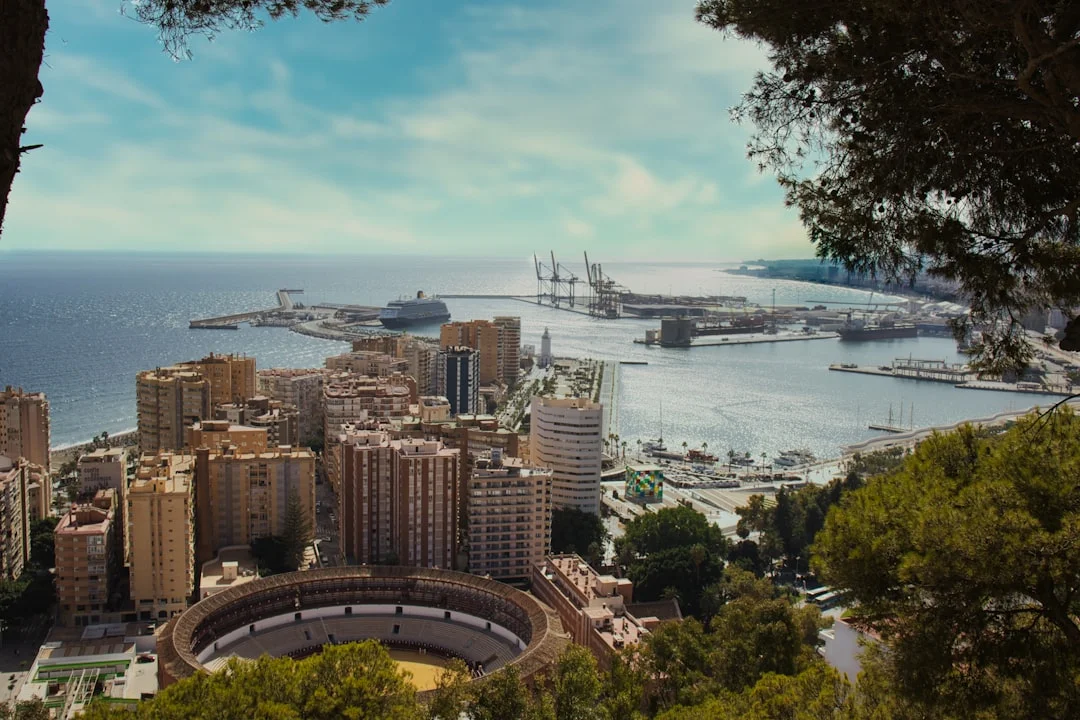
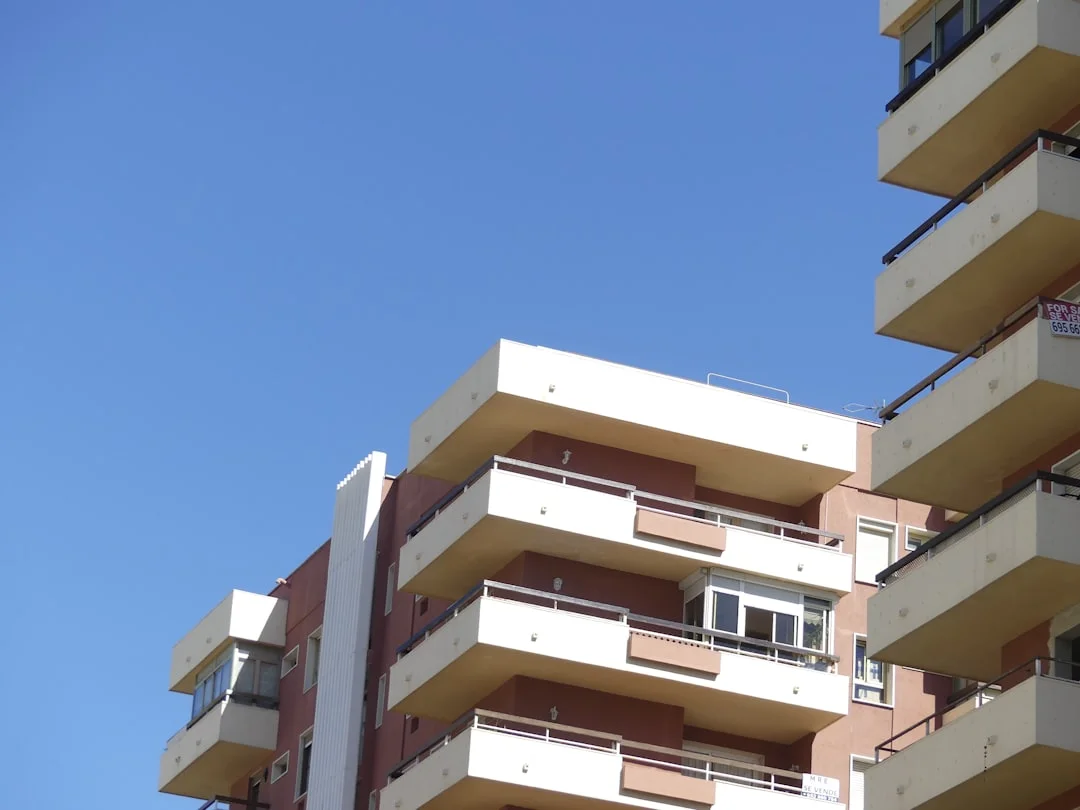
    Málaga City Council has taken a decisive stance on local urban growth by defending a moratorium on new hotel construction permits. Citing a declared local housing emergency, city authorities argue that unrestricted tourism development presents unfair competition for land and properties that should serve residential housing needs, directly influencing the real cost of living in Málaga for expats and local residents alike.

    As reported by Diario SUR, the municipal administration emphasizes that preserving residential availability is essential for maintaining the city’s social fabric. The freeze on new hotel permits marks a major policy shift intended to curb speculative pressure on urban land and stabilize rental supply for permanent residents and families.

    Residential Pressure in a Rapidly Growing City

    Over the last several years, Málaga has experienced unprecedented economic momentum. The influx of international technology firms, remote workers, and cultural visitors has elevated the city’s global profile, spurring developments such as Renta 4’s new boutique hotel in central Málaga. However, this success has also exacerbated housing shortages, driving rental rates and property prices up significantly across central and coastal districts.

    By restricting new commercial hotel developments, the local government aims to achieve two primary objectives:

    • Prevent land distortion: Restricting high-yield commercial developers from purchasing scarce urban land parcels that could otherwise host long-term housing.
    • Protect local purchasing power: Easing housing costs for workers, local families, and long-term expat residents vital to Málaga’s growing economy.

    Impact on Investors and Real Estate Markets

    For prospective real estate buyers and institutional investors, the hotel moratorium signals a maturing market environment with tighter regulatory oversight. While new large-scale hotel projects face immediate hurdles, existing hospitality assets may see increased valuation due to reduced incoming supply.

    Meanwhile, residential real estate developers are encouraged to focus on multi-family residential units and long-term lease properties. Investors seeking exposure in Málaga will need to adapt to clear municipal priorities that favor urban livability alongside economic growth.

    Looking Ahead: Balancing Growth and Community

    As Málaga continues its evolution into a premier Southern European capital, finding harmony between world-class tourism and local quality of life remains a delicate challenge. The current moratorium reflects a deliberate pause to ensure that urban expansion serves both international visitors and the everyday citizens who call the city home.

    Navigating these policy changes requires patience and shared commitment from local authorities, investors, and residents alike. It is our shared hope that these measured steps will foster a stable, welcoming Málaga where sustainable economic opportunity goes hand in hand with accessible, vibrant neighborhoods for everyone.

  • Málaga Housing Hits Record High Amid Major Urban Overhauls

    Málaga Housing Hits Record High Amid Major Urban Overhauls

    The Málaga Paradox: Rising Costs and Urban Evolution

    Málaga is experiencing a defining moment in its modern history. The city’s rapid transformation into a southern European technology and cultural hub has brought undeniable economic vitality. However, this success has triggered a severe housing affordability crisis, leading to unexpected trends like the rise of motorhomes as alternative housing. By mid-2026, the cost of living and buying property in the capital of the Costa del Sol has reached unprecedented levels, sparking intense debate about the city’s future social fabric.

    To counter the pressures of rapid growth and traffic congestion, the Málaga City Hall (Ayuntamiento) has launched a series of high-budget urban and mobility interventions. The goal is to modernize the city’s aging infrastructure, but these upgrades may further influence property dynamics in the surrounding areas.

    Property Prices Hit an All-Time High in June 2026

    The latest real estate data paints a stark picture for those looking to buy property in the province. According to a recent analysis by España es Voz, the average price of pre-owned housing in the province of Málaga reached a historic milestone in June 2026, climbing to €3,784 per square meter.

    This milestone solidifies Málaga’s position as one of Spain’s most expensive real estate markets, moving further away from national averages. The search term precio metro cuadrado Malaga 2026 has become a focal point for prospective buyers, investors, and locals alike.

    For those looking at comprar casa Malaga zonas caras, traditional premium districts like El Limonar, La Malagueta, and the historic center continue to command premium prices that are increasingly out of reach for average local earners. The demand is driven not just by local buyers, but by a steady influx of international buyers, digital nomads, and remote workers drawn to the city’s climate and lifestyle. This growth has also prompted local authorities to step up security, recently deploying additional police officers to manage summer safety.

    Tackling Traffic: The €27 Million Valle-Inclán Tunneling Project

    As the population grows, so does the strain on the city’s road networks. In response, the Ayuntamiento has announced a major infrastructure initiative: a €27 million project dedicated to the partial tunneling (soterramiento) of Avenida Valle-Inclán.

    These crucial obras Valle Inclan Malaga are designed to eliminate chronic traffic bottlenecks in one of the city’s main arterial routes. Key details of the project include:

    • Investment: €27 million allocated from municipal budgets.
    • Timeline: Construction works are projected to extend through to 2030.
    • Objective: To improve traffic flow, reduce noise pollution, and reconnect neighborhoods previously divided by heavy surface traffic.

    While the long-term benefits of this project are clear, residents in the northern and western districts face several years of construction-related disruptions as the city works toward its 2030 mobility goals.

    €30 Million for Neighborhood Regeneration: Focus on Lagunillas and Centro

    Simultaneously, the city is turning its attention to neighborhood rehabilitation. A €30 million fund has been earmarked to renovate several key neighborhoods in the Distrito Centro, including Lagunillas, Las Flores, and Cruz del Humilladero.

    The renovacion Lagunillas Malaga is particularly notable. Once a neglected enclave adjacent to the historic center, Lagunillas has slowly transformed into a vibrant, arts-focused neighborhood. The planned municipal investments aim to upgrade basic infrastructure, pave streets, and improve public lighting without stripping the area of its bohemian character.

    As part of this wider initiative, specific street-level projects are already getting underway. As reported in the local press regarding municipal updates on La Opinión de Málaga, the City Hall has allocated €450,000 specifically for the comprehensive renovation of Calle Cobertizo del Conde (for more details on this specific street project, see the official report on La Opinión de Málaga). This project will focus on creating more pedestrian-friendly spaces, upgrading underground utilities, and improving accessibility in a highly dense urban pocket.

    The Analytical View: What This Means for Málaga’s Future

    The juxtaposition of record-breaking housing prices and massive public spending on infrastructure highlights the delicate balance Málaga must strike.

    On one hand, upgrading public spaces, burying congested highways, and paving historic streets are necessary steps to keep the city liveable and modern. On the other hand, these public investments frequently lead to “urban appreciation.” When a neighborhood like Lagunillas or Cruz del Humilladero receives millions of euros in public upgrades, property values in those areas typically rise, potentially accelerating gentrification and pushing long-term residents further to the periphery.

    For investors, the combination of high demand and ongoing municipal improvements makes Málaga an attractive, low-risk bet. For locals, however, the challenge of finding affordable housing remains the most pressing issue of the decade.

    As Málaga navigates this period of unprecedented growth, we hope the city’s decision-makers remain mindful of the human element behind the statistics. A city is ultimately defined not just by its sleek new tunnels or rising property valuations, but by the families, workers, and communities that call its streets home. Finding a way to preserve that local soul while building a modern metropolis is the great challenge of our generation.

  • Savills: Nur mehr Angebot kann die Wohnungskrise in Málaga lösen

    Savills: Nur mehr Angebot kann die Wohnungskrise in Málaga lösen

    Málagas kometenhafter Aufstieg zu einem globalen Zentrum für Technologie, Fernarbeit und Tourismus hat der Costa del Sol eine unbestreitbare wirtschaftliche Dynamik verliehen. Dieser rasche Erfolg hat jedoch auch eine schwerwiegende Begleiterscheinung mit sich gebracht: eine historische Wohnungsknappheit. Für Einheimische, digitale Nomaden und zuziehende Expats gleichermaßen ist die Suche nach einer bezahlbaren Unterkunft in der Stadt zur größten Herausforderung des Lebens hier geworden.

    Während sich die politischen Debatten oft um Mietpreisbremsen und Tourismusbeschränkungen drehen, argumentieren Branchenexperten, dass diese Maßnahmen am eigentlichen Problem vorbeigehen. Laut José Félix Pérez-Peña, Direktor von Savills Andalucía, ist die Wohnungskrise in Málaga ein reines Angebotsproblem, das nicht durch Preisobergrenzen gelöst werden kann.

    Das Missverhältnis zwischen Angebot und Nachfrage

    In einem kürzlichen Interview mit Diario Sur betonte Pérez-Peña, dass der Wohnungsmarkt der Provinz unter einem fundamentalen Ungleichgewicht leidet. Die Nachfrage sowohl von einheimischen Familien als auch von wohlhabenden internationalen Käufern übersteigt das verfügbare Wohnungsangebot weiterhin bei Weitem.

    „Das Wohnungsproblem in Málaga kann nur durch mehr Angebot gelöst werden“, erklärte Pérez-Peña. Er warnte, dass der Versuch, die Mietpreise künstlich zu regulieren oder zu deckeln, keinen neuen Wohnraum schafft. Stattdessen führt dies oft dazu, dass bestehende Mietobjekte vom Markt genommen werden, was den Mangel weiter verschärft.

    Mehrere Faktoren tragen zu dieser Angebotsknappheit bei:

    • Schleppende Stadtplanung: Die bürokratischen Prozesse zur Erschließung neuer Grundstücke und zur Genehmigung von Bauanträgen sind nach wie vor langsam, was neue Wohnprojekte um Jahre verzögert.
    • Steigende Baukosten: Erhöhte Material- und Arbeitskosten erschweren es Entwicklern, bezahlbaren und mittleren Wohnraum rentabel zu bauen.
    • Demografischer Zuzug: Málaga zieht weiterhin jährlich Tausende neuer Einwohner an, angetrieben durch seinen florierenden Technologiesektor, das milde Klima und die hohe Lebensqualität.

    Warum Mietpreisbremsen zu kurz greifen

    Für viele Bewohner, die mit rasant steigenden Mieten konfrontiert sind, klingt die Idee staatlich verordneter Preisobergrenzen verlockend. Immobilienanalysten weisen jedoch darauf hin, dass Mietpreisbremsen historisch gesehen zu unbeabsichtigten Folgen führen. Wenn Vermieter das Gefühl haben, dass ihre Rendite eingeschränkt oder unvorhersehbar ist, entscheiden sie sich häufig dafür, ihre Immobilien zu verkaufen, sie in den Markt für Kurzzeit-Ferienvermietung zu überführen oder sie einfach leer stehen zu lassen.

    Diese Schrumpfung des langfristigen Mietmarktes verschärft den Wettbewerb um Wohnraum für Durchschnittsmieter zusätzlich. Laut Savills liegt die Lösung nicht in der Einschränkung des Marktes, sondern in seiner Belebung, um mehr Wohnungen in allen Preissegmenten zu bauen, einschließlich gefördertem und sozialem Wohnungsbau.

    Lösungen für Málagas Zukunft erschließen

    Um die Kluft zwischen Angebot und Nachfrage zu überbrücken, schlagen Experten einen mehrgleisigen Ansatz vor:

    1. Bürokratieabbau: Die lokalen Verwaltungen müssen die Genehmigungen für die Stadtplanung beschleunigen, damit Entwickler neue Projekte schneller auf den Markt bringen können.
    2. Öffentlich-private Partnerschaften: Kooperationen können dazu beitragen, bezahlbaren Mietwohnraum auf öffentlichem Grund zu errichten, damit einkommensschwächere Familien nicht aus der Stadt verdrängt werden.
    3. Anreize für langfristige Vermietung: Anstatt Vermieter zu bestrafen, könnten steuerliche Anreize für diejenigen, die an langfristige Mieter vermieten, dazu beitragen, leerstehende Immobilien wieder auf den aktiven Markt zu bringen.

    Da sich Málaga weiter zu einer Metropole von Weltrang entwickelt, ist die Lösung der Wohnungsfrage von entscheidender Bedeutung, um das Wachstum nachhaltig zu sichern. Ohne konzertierte Bemühungen zum Bau von mehr Wohnraum läuft die Stadt Gefahr, genau die Talente und die lokale Gemeinschaft zu verdrängen, die sie so lebendig machen.

    Es ist nie einfach, ein Gleichgewicht zwischen schnellem internationalem Wachstum und lokaler Lebensqualität zu finden. Mit Blick auf die Zukunft hoffen wir, dass eine kooperative und zukunftsorientierte Politik den Weg für ein Málaga ebnet, in dem jeder – ob neu angekommen oder hier geboren und aufgewachsen – ein Zuhause finden kann.

  • Savills: Only More Supply Can Solve Málaga Housing Crisis

    Savills: Only More Supply Can Solve Málaga Housing Crisis

    Málaga’s meteoric rise as a global hub for technology, remote work, and tourism has brought undeniable economic vitality to the Costa del Sol. However, this rapid success has also triggered a severe collateral effect: a historic housing squeeze. For locals, digital nomads, and incoming expats alike, finding affordable accommodation in the city has become the single greatest challenge of living here.

    While political debates often center on rent controls and tourism restrictions, industry experts argue these measures miss the root cause. According to José Félix Pérez-Peña, director of Savills Andalucía, Málaga’s housing crisis is strictly a supply issue that cannot be solved by capping prices.

    The Supply-Demand Mismatch

    In a recent interview with Diario Sur, Pérez-Peña emphasized that the province’s residential market is suffering from a fundamental imbalance. The demand from both local families and affluent international buyers continues to heavily outpace the available residential stock.

    “The housing problem in Málaga can only be solved with more supply,” Pérez-Peña stated. He warned that attempting to artificially regulate or cap rental prices does not create new homes; instead, it often drives existing rental properties off the market, worsening the shortage.

    Several factors contribute to this inventory drought:

    • Sluggish Urban Planning: The bureaucratic process for unlocking new land and approving building permits remains slow, delaying new residential projects for years.
    • Rising Construction Costs: Increased material and labor costs have made it difficult for developers to build affordable and mid-range housing profitably.
    • Demographic Influx: Málaga continues to attract thousands of new residents annually, driven by its thriving tech sector, mild climate, and high quality of life.

    Why Price Controls Fall Short

    For many residents facing skyrocketing rents, the idea of government-mandated price caps sounds appealing. However, real estate analysts point out that rent controls historically lead to unintended consequences. When landlords feel their return on investment is restricted or unpredictable, they frequently choose to sell their properties, transition them to the short-term vacation market, or simply leave them vacant.

    This contraction of the long-term rental market makes finding a home even more competitive for average renters. According to Savills, the solution lies not in restricting the market, but in stimulating it to build more homes across all price points, including subsidized and social housing.

    Unlocking Solutions for Málaga’s Future

    To bridge the gap between supply and demand, experts suggest a multi-pronged approach:

    1. Streamlining Bureaucracy: Local administrations must fast-track urban planning approvals to allow developers to bring new projects to market more quickly.
    2. Public-Private Partnerships: Collaborative initiatives can help build affordable rental housing on public land, ensuring lower-income families are not priced out of the city.
    3. Incentivizing Long-Term Rentals: Rather than penalizing landlords, offering tax incentives for those who rent to long-term residents could help bring vacant properties back onto the active market.

    As Málaga continues to transition into a world-class metropolitan area, solving the housing puzzle is crucial to sustaining its growth. Without a concerted effort to build more homes, the city risks pricing out the very talent and local community that make it so vibrant.

    Finding a balance between rapid international growth and local livability is never easy. As we look ahead, we hope that collaborative, forward-thinking policies will pave the way for a Málaga where everyone—whether newly arrived or born and raised here—can find a place to call home.