Tag: Málaga History

  • Malaga and UMA Partner to Protect Ancient Heritage Sites

    Malaga and UMA Partner to Protect Ancient Heritage Sites

    Málaga is a city defined by its layers of history. From its Phoenician foundation as Malaka to its Roman and Moorish eras, the urban landscape sits atop thousands of years of human civilization. In a major step toward preserving this legacy—much like recent plans to build a medieval ceramics center over ancient ruins in the city center—the Málaga Town Hall—via the Gerencia de Urbanismo—and the University of Málaga (UMA) have signed a formal collaboration agreement to protect and study the city’s most critical archaeological sites.

    As reported by Europa Press in July 2026, this partnership establishes a structured framework for scientific research, archaeological excavations, and the structural preservation of key historical landmarks.

    The Key Sites in Focus

    While the city is increasingly recognized for modern technological milestones, such as the AI robotics research being developed at the University of Málaga, this agreement specifically targets three of Málaga’s most valuable historical assets, each representing a distinct era of the city’s evolution.

    Cerro del Villar: The Phoenician Cradle

    Located near the mouth of the Guadalhorce River, Cerro del Villar is one of the most important Phoenician archaeological sites in the western Mediterranean. Settled in the 8th century BC, this ancient urban center provides invaluable insights into early Mediterranean trade, domestic life, and urban planning. The new collaboration aims to boost ongoing excavations and ensure the preservation of its highly vulnerable clay and mudbrick structures.

    Cerro de la Tortuga: An Ancient Sanctuary

    Overlooking the city, Cerro de la Tortuga holds deep spiritual and historical significance. It served as an Iberian-Roman sanctuary and settlement. Research here helps historians understand the transition period when indigenous Iberian cultures integrated with Roman customs and religious practices.

    The Alcazaba: Structural Preservation

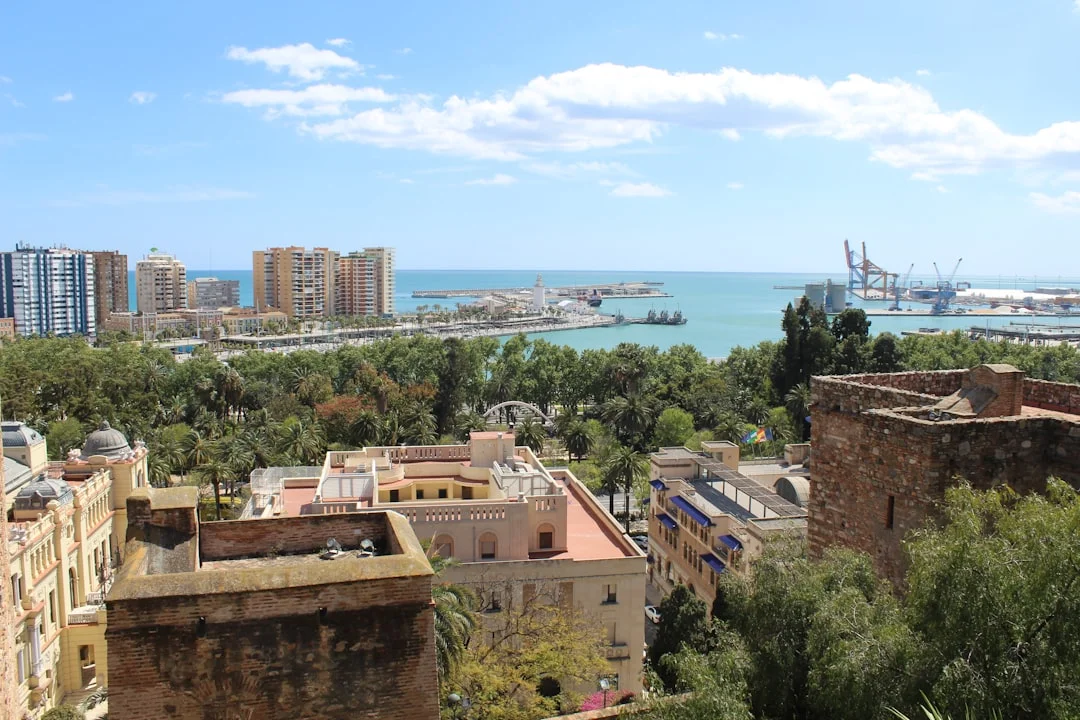
    As Málaga’s most iconic landmark, the Alcazaba fortress requires constant care. Built during the Moorish period over earlier Roman fortifications, this palace-fortress faces ongoing conservation challenges. The partnership will bring UMA’s academic expertise to assist municipal teams with structural monitoring and advanced archaeological analysis, as detailed by La Opinión de Málaga.

    What the Partnership Entails

    Rather than relying on sporadic projects, this agreement establishes a continuous pipeline of academic and municipal cooperation. Key aspects of the alliance include:

    • Joint Research and Excavations: UMA students and faculty will work alongside municipal archaeologists, turning these heritage sites into active learning laboratories.
    • Advanced Conservation Technology: The university will apply modern geological, chemical, and digital imaging techniques to analyze and protect fragile ruins.
    • Public Dissemination: Both institutions are committed to sharing their findings with the public through exhibitions, publications, and educational programs, ensuring that Málaga’s history remains accessible to everyone.

    Why This Matters for Málaga

    For residents and expats, this collaboration is a reminder that Málaga is far more than just a modern coastal destination. By actively investing in the preservation of sites like Cerro del Villar, the city is securing its cultural identity. These efforts not only enrich our understanding of the past but also pave the way for sustainable, heritage-focused tourism that respects and honors the ancient communities that first built this vibrant port city.

    As we look to the future, seeing our local institutions come together to safeguard these fragile links to our past brings a sense of pride and hope. It reminds us that while Málaga continues to grow and modernize, its foundation remains deeply rooted in a rich, shared human history that deserves to be protected for generations to come.
  • Málaga to Build Medieval Ceramics Center Over Ruins

    Málaga to Build Medieval Ceramics Center Over Ruins

    Málaga’s historic center is a living museum, where a simple walk down a cobblestone alleyway can quickly turn into a journey through centuries of human history. Beneath the modern tapas bars and vibrant plazas lie layers of Phoenician, Roman, and Moorish civilizations. While exploring on foot is ideal, those driving through the wider metropolitan area should stay alert, as Malaga is home to one of Spain’s most active speed cameras.

    Now, a new cultural project is set to bring one of these hidden layers directly to the surface. Málaga’s Urban Planning department (Gerencia de Urbanismo) is promoting a dedicated cultural space showcasing medieval ceramics, built directly over the excavated ruins of an ancient medieval suburb (arrabal).

    Unearthing Calle Chinchilla

    The project will be located on Calle Chinchilla, a quiet street tucked away in the heart of the historic center. For years, this pocket of the city has kept its secrets buried. However, recent urban planning evaluations have paved the way for a specialized center that integrates modern architecture with in-situ archaeological preservation.

    According to reports from Boletín Bien, the local government has approved the necessary planning details (Estudio de Detalle) to move forward with this project. The initiative aims to protect, study, and display the archaeological remains discovered during prior excavations on the plot, turning what would have been a standard residential development into a public-facing cultural asset—a move that aligns with the city’s broader efforts to protect local neighborhoods and limit new tourist apartments on residential land.

    The Story of Málaga’s Medieval Arrabal

    During the period of Muslim rule (Al-Andalus), Málaga was a bustling port city protected by formidable defensive walls. As the population grew, vibrant suburbs—known as arrabales—developed just outside the main gates.

    These suburbs were hubs of daily life, commerce, and industry. The excavations at Calle Chinchilla have revealed:

    • Domestic structures: Foundations of homes, courtyards, and alleyways that show how ordinary citizens lived.
    • Industrial activity: Evidence of kilns and workshops, highlighting Málaga’s historical role as a center for ceramic production.
    • The Transition Era: Artifacts that document the delicate transition period between Moorish rule and the Christian conquest in the late 15th century.

    By building the ceramics center directly over these ruins, visitors will be able to look down into the excavations, bridging the gap between the modern city street and the medieval ground floor.

    What to Expect from the New Cultural Space

    While still in the development and design phase, the vision for the Calle Chinchilla center is highly practical and educational. Unlike traditional museums where artifacts are stripped from their context and placed behind glass cases miles away, this center will emphasize in-situ conservation.

    Visitors can expect to see beautifully preserved pottery fragments, household utensils, and architectural remnants right where they were uncovered. Explanatory panels and digital reconstructions will help illustrate how clay was sourced, shaped, fired, and used in medieval Málaga, offering an intimate look at the daily lives of the artisans who shaped the city’s identity.

    A Boost for Cultural Tourism

    For expats, slow travelers, and history enthusiasts, this project represents a welcome shift. While Málaga has successfully rebranded itself over the last two decades as a city of world-class art museums (such as the Picasso, the Pompidou, and the famous Carmen Thyssen Museum), there is a growing appetite for heritage-based tourism that highlights local history.

    The Calle Chinchilla center will offer a quieter, more reflective alternative to the crowded main museums, providing a hyper-local look at the neighborhood’s roots.

    As the project progresses through its final administrative and construction phases, it stands as a testament to Málaga’s commitment to preserving its complex, multicultural identity. It reminds us that progress does not have to come at the expense of the past; instead, the two can live side-by-side, offering future generations a window into the hands that built this city.

    There is a quiet beauty in knowing that the very clay shaped by potters hundreds of years ago will soon have a permanent home on the very soil where it was fired. We look forward to watching this space transform, bringing Málaga’s rich medieval history back into the light where it belongs.

  • Geheimnisse der Hotels in Málaga: 5 Dinge, die Sie noch nicht wussten

    Geheimnisse der Hotels in Málaga: 5 Dinge, die Sie noch nicht wussten

    Málaga hat sich von einem bloßen Transitknotenpunkt zu einem der anspruchsvollsten Kulturreiseziele Europas entwickelt. Während die Stadt einen dramatischen Wandel hin zum Premium-Tourismus vollzieht, bergen auch ihre Hotels ganz eigene Geheimnisse. Sie sind nicht nur Orte der Erholung, sondern lebendige Museen, architektonische Meisterwerke und pulsierende gesellschaftliche Treffpunkte.

    Hier sind fünf Dinge, die Sie wahrscheinlich noch nicht über die Hotels in Málaga wussten.

    1. Sie können auf antiken phönizischen und römischen Mauern schlafen

    In vielen historischen Städten werden Ruinen hinter Glas in Museen aufbewahrt. In Málaga befinden sich sie vielleicht direkt unter Ihren Füßen, während Sie Ihr Frühstück genießen. Das Fünf-Sterne-Hotel Vincci Selección Posada del Patio im historischen Zentrum wurde über bedeutenden archäologischen Überresten errichtet. Während des Baus legten Arbeiter gut erhaltene Abschnitte der antiken phönizischen und römischen Stadtmauern von Málaga frei.

    Anstatt sie zu verdecken, hat das Hotel diese Ruinen in sein Design integriert. Gäste können das Untergeschoss besuchen, um entlang der historischen Verteidigungsmauern zu spazieren und antike Artefakte zu besichtigen. Es ist eine seltene, intime Begegnung mit der vielschichtigen Geschichte von Málaga, die direkt unter einer Luxusunterkunft bewahrt wird.

    2. Das Gran Hotel Miramar war einst ein Lazarett im Bürgerkrieg

    Das majestätische Gran Hotel Miramar ist das unbestrittene Kronjuwel der Architektur an Málagas Strandpromenade. Entworfen von Fernando Guerrero Strachan und 1926 von König Alfonso XIII. eingeweiht, verkörpert es den Glamour der Belle Époque. Seine Geschichte ist jedoch von dramatischen Veränderungen geprägt.

    Während des Spanischen Bürgerkriegs (1936–1939) wurde dieser Luxuspalast beschlagnahmt und in ein Feldlazarett zur Behandlung von Verwundeten umgewandelt. Später diente er mehrere Jahrzehnte lang als Gerichtsgebäude der Stadt, bevor er für 65 Millionen Euro sorgfältig restauriert wurde, um seinen ursprünglichen Status als prachtvolles Luxushotel wiederzuerlangen. Wenn man heute durch die vergoldeten Korridore geht, spürt man das Gewicht eines Jahrhunderts spanischer Geschichte.

    3. Dachterrassen sind das ganze Jahr über kulturelle Treffpunkte

    In vielen europäischen Reisezielen schließen die Hotel-Dachterrassen, wenn der Sommer endet. In Málaga blüht die terraza-Kultur dank mehr als 300 Sonnentagen im Jahr das ganze Jahr über auf. Diese Orte sind nicht nur für Touristen gedacht, sondern dienen auch den Einheimischen als wichtige soziale Treffpunkte.

    Von der schicken Terrasse des Palacio Solecio bis hin zum Panoramablick im AC Hotel Málaga Palacio finden auf diesen Dachterrassen den ganzen Winter und Frühling über Live-Jazz-Sessions, Akustikkonzerte und Kunstausstellungen statt. Beheizte Sitzgelegenheiten, kreative Mixologie und ein atemberaubender Blick auf die beleuchtete Kathedrale machen sie zu jeder Jahreszeit zum schlagenden Herzen der abendlichen Gesellschaftsszene von Málaga.

    4. Historische Paläste als neue Boutique-Oasen

    Málagas Boom bei Luxus-Boutique-Hotels ist geprägt von der Umnutzung historischer Wohnarchitektur. Ein Paradebeispiel ist der Palacio Solecio im jüdischen Viertel. Dieses atemberaubende Hotel ist in einem Palast aus dem 18. Jahrhundert untergebracht, der ursprünglich für den genuesischen Adligen Felix Solecio erbaut wurde.

    Bei der Restaurierung wurden der ursprüngliche andalusische Innenhof, die monumentale Steintreppe und die filigranen Fresken erhalten, während moderner Komfort nahtlos integriert wurde. Diese Hotels bieten den Gästen einen seltenen Einblick in das Privatleben des historischen Adels von Málaga und verbinden den Erhalt des kulturellen Erbes mit modernem, dezentem Luxus.

    5. Sie dienen gleichzeitig als private Kunstgalerien

    Passend zu Málagas Ruf als „Stadt der Museen“ haben mehrere lokale Hotels beeindruckende private Kunstsammlungen zusammengestellt. Anstatt auf unpersönliche Dekoration zu setzen, arbeiten Häuser wie das Only YOU Hotel Málaga und das Icon Malabar mit lokalen andalusischen Künstlern zusammen, um zeitgenössische Gemälde, Skulpturen und Fotografien auszustellen.

    Diese wechselnden Ausstellungen ermöglichen es den Gästen, Málagas lebendige kreative Energie zu erleben, ohne die Lobby verlassen zu müssen. Sie schlagen eine Brücke zwischen Gastfreundschaft und der florierenden zeitgenössischen Kunstszene der Stadt und machen jeden Aufenthalt zu einer kulturellen Bereicherung.

    Während sich Málaga stetig weiterentwickelt, bleiben seine Hotels tief mit der Seele der Stadt verbunden. Sie bewahren die Geschichten der Vergangenheit und gestalten gleichzeitig die Luxuserlebnisse der Zukunft. Wir hoffen, dass Ihr nächster Besuch in unserer wunderschönen Küstenstadt Ihnen diese verborgenen Erzählungen näher bringt und Ihnen ein tieferes Verständnis für die Orte vermittelt, an denen wir auf Reisen verweilen.

  • Málaga Hotel Secrets: 5 Things You Didn’t Know

    Málaga Hotel Secrets: 5 Things You Didn’t Know

    Málaga has transformed from a transit hub into one of Europe’s most sophisticated cultural destinations. As the city undergoes a dramatic shift toward premium tourism, its hotels hold secrets of their own. They are not merely places to rest; they are living museums, architectural masterpieces, and vibrant social hubs.

    Whether you’re looking for a cool stay to beat the August heat in Málaga or just planning your next getaway, here are five things you likely didn’t know about the hotels in Málaga.

    1. You Can Sleep Atop Ancient Phoenician and Roman Walls

    In many historic cities, ruins are kept behind glass in museums. In Málaga, they might be right beneath your feet while you enjoy breakfast. The five-star Vincci Selección Posada del Patio, located in the historic center, was built over important archaeological remains. During its construction, workers uncovered well-preserved sections of Málaga’s ancient Phoenician and Roman city walls.

    Instead of covering them up, the hotel integrated these ruins into its design. Guests can visit the basement to walk along the historic defense walls and view ancient artifacts. It is a rare, intimate encounter with Málaga’s multi-layered history, preserved directly beneath a luxury establishment.

    2. The Gran Hotel Miramar Was Once a Civil War Hospital

    The majestic Gran Hotel Miramar is the undisputed crown jewel of Málaga’s seafront architecture. Designed by Fernando Guerrero Strachan and inaugurated in 1926 by King Alfonso XIII, it epitomizes Belle Époque glamour. However, its history is marked by dramatic transformations.

    During the Spanish Civil War (1936–1939), this palace of luxury was requisitioned and converted into a field hospital to treat the wounded. Later, it served as the city’s courthouse for several decades before undergoing a meticulous €65 million restoration to reclaim its original status as a grand luxury hotel. Walking through its gilded corridors today, one feels the weight of a century of Spanish history.

    3. Rooftop Terraces Are Year-Round Cultural Hubs

    In many European destinations, hotel rooftops close when summer ends. In Málaga, thanks to more than 300 days of sunshine a year, the terraza culture thrives year-round. These spaces are not just for tourists; they serve as vital social hubs for locals.

    From the chic terrace of Palacio Solecio to the panoramic views at AC Hotel Málaga Palacio, these rooftops host live jazz sessions, acoustic concerts, and art exhibitions throughout the winter and spring. Heated seating, creative mixology, and stunning views of the illuminated Cathedral make them the beating heart of Málaga’s evening social scene in every season.

    4. Historic Palaces Reborn as Boutique Sanctuaries

    Málaga’s luxury boutique hotel boom is defined by the adaptive reuse of historic residential architecture. A prime example is Palacio Solecio, located in the Jewish Quarter. This stunning hotel is housed in an 18th-century palace originally built for the Genoese nobleman Felix Solecio.

    The restoration retained the original Andalusian courtyard, the dramatic stone staircase, and delicate frescoes while seamlessly integrating contemporary comforts. These hotels offer guests a rare glimpse into the domestic lives of Málaga’s historic aristocracy, blending heritage preservation with modern, understated luxury.

    5. They Double as Private Art Galleries

    Reflecting Málaga’s reputation as the “City of Museums,” several local hotels have curated impressive private art collections. Rather than relying on generic decor, properties like the Only YOU Hotel Málaga and Icon Malabar collaborate with local Andalusian artists to exhibit contemporary paintings, sculptures, and photography.

    These rotating exhibitions allow guests to experience Málaga’s vibrant creative energy without leaving the lobby. It bridges the gap between hospitality and the city’s thriving contemporary art scene, making each stay culturally enriching.

    As Málaga continues to evolve, its hotels remain deeply connected to the city’s soul. They preserve the stories of the past while crafting the luxury experiences of the future. We hope your next visit to our beautiful coastal city brings you closer to these hidden narratives, offering a deeper appreciation for the spaces we inhabit while traveling.

  • Jubriques heiliges Kreuz: Getarnt als Kleiderständer

    Jubriques heiliges Kreuz: Getarnt als Kleiderständer

    Eingebettet im Herzen des Valle del Genal in der rauen Serranía de Ronda ist das weiße Dorf Jubrique für seine steilen, maurischen Gassen, Kastanienwälder und die ruhige Bergatmosphäre bekannt. Während Besucher hier Zuflucht vor den sommerlichen Temperaturen suchen und die Provinz an anderen Orten neue öffentliche Trinkbrunnen gegen die Hitze installiert, verbirgt sich hinter der friedlichen Fassade von Jubrique eine faszinierende Geschichte von lokalem Widerstand und Einfallsreichtum. Eines der fesselndsten Geheimnisse des Dorfes dreht sich um ein heiliges Gemeinde-Kreuz, das die Zerstörung überlebte, indem es sich direkt vor aller Augen versteckte – getarnt als ganz gewöhnlicher Kleiderständer aus Holz.

    Für Reisende, die einen Wochenendausflug abseits der ausgetretenen Pfade von Málaga aus suchen, bietet Jubrique nicht nur eine atemberaubende Naturlandschaft, sondern auch einen tiefen Einblick in den widerstandsfähigen Geist der andalusischen Bergdörfer.

    Die geniale Tarnung von Jubriques heiligem Kreuz

    In historischen Zeiten religiöser und sozialer Konflikte in Spanien, insbesondere während der turbulenten 1930er Jahre, waren religiöse Kunstwerke und Reliquien im ganzen Land von weit verbreiteter Zerstörung bedroht. In vielen Orten gingen wertvolle Gemeindeschätze für immer verloren. Die Einwohner von Jubrique waren jedoch entschlossen, ihr Erbe zu schützen.

    Während die Provinz heute für ihre großen öffentlichen Glaubensbekundungen gefeiert wird, wie etwa Málagas historische Oster-Traditionen, mussten die Berggemeinden in Zeiten des Konflikts ihre Frömmigkeit im Geheimen schützen. Anstatt ihr heiliges Prozessionskreuz zu vergraben oder aus dem Dorf zu schmuggeln – riskante Aktionen, die leicht hätten auffliegen können –, dachten sich die Einheimischen eine geniale, einfache Lösung aus. Sie brachten einfache Holzhaken an den Armen des Kreuzes an und verwandelten das heilige Objekt so in einen gewöhnlichen, alltäglichen Kleiderständer (perchero).

    Laut historischen Berichten, die von Málaga Hoy ausführlich beschrieben werden, stand das getarnte Kreuz jahrelang in einem örtlichen Haus. Besucher und Behörden gingen regelmäßig daran vorbei, völlig ahnungslos, dass der Kleiderständer, an dem schwere Wolljacken und Hüte hingen, in Wirklichkeit eine verehrte Gemeinde-Reliquie war. Dieser einfache Akt des kollektiven Schweigens und der cleveren Anpassung rettete das Kreuz vor der Zerstörung.

    Entdeckungstour in Jubrique: Ein Dorf wie aus der Zeit gefallen

    Heute ist Jubrique nach wie vor eines der authentischsten Dörfer in der Serranía de Ronda. Neben seinen historischen Anekdoten ist der Ort ein Paradies für Wanderer, Geschichtsinteressierte und Liebhaber des Slow Travel.

    Die Kirche San Francisco de Asís

    Um den Kontext des religiösen Erbes des Dorfes zu verstehen, ist ein Besuch der Iglesia de San Francisco de Asís unerlässlich. Diese im 16. Jahrhundert auf den Grundmauern einer alten Moschee errichtete Kirche ist das architektonische Herzstück des Ortes und besticht durch ihren markanten, achteckigen Glockenturm aus Backstein.

    Das maurische Stadtbild

    Der Straßenverlauf von Jubrique ist ein Erbe seiner Al-Andalus-Vergangenheit. Ein Spaziergang durch das Dorf führt durch ein Labyrinth aus engen, gewundenen und unglaublich steilen Gassen, die von weiß getünchten Häusern mit leuchtend blauen Blumentöpfen gesäumt sind. Zu den wichtigsten Sehenswürdigkeiten gehören das traditionelle öffentliche Waschhaus (lavadero público) und die örtlichen Aussichtspunkte, die einen Panoramablick auf das umliegende Tal bieten.

    Gastronomie und die Kastanienkultur

    Das Genal-Tal ist berühmt für seine Kastanienwälder. Wenn Sie das Tal in den Herbstmonaten besuchen, werden Sie erleben, wie sich die Landschaft während des sogenannten Kupferfrühlings (primavera de cobre) in leuchtende Gelb- und Kupfertöne verwandelt. Die örtlichen Tavernen servieren traditionelle Gerichte mit Kastanien, Wild und lokal produzierten Bergweinen.

    So kommen Sie von Málaga nach Jubrique

    Jubrique liegt etwa 120 Kilometer von der Stadt Málaga entfernt.

    • Mit dem Auto: Die Fahrt dauert etwa 2 Stunden. Die landschaftlich reizvollste Route führt über Estepona, hinauf über den Gebirgspass Peñas Blancas, bevor es hinab ins Genal-Tal geht. Die Straßen sind kurvenreich und eng, bieten aber einige der spektakulärsten Bergaussichten der Provinz.
    • Reisetipp: Verbinden Sie Ihren Besuch mit Zwischenstopps im benachbarten Genalguacil – dem berühmten „Museumsdorf“, das für seine Kunstinstallationen unter freiem Himmel bekannt ist – oder in der historischen Stadt Ronda.

    Diese ruhigen Bergdörfer erinnern uns daran, dass Geschichte nicht nur in Lehrbüchern geschrieben oder in großen Metropolmuseen bewahrt wird. Manchmal werden die tiefgründigsten Geschichten über das Überleben und den Zusammenhalt einer Gemeinschaft in den stillen Ecken eines weißen Dorfes lebendig gehalten, direkt vor aller Augen an einem einfachen Holzhaken verborgen – ganz ähnlich wie die prähistorischen Markierungen, die in Málagas Picasso-Gärten verborgen sind.

  • Jubrique’s Sacred Cross Hidden as a Coat Rack

    Jubrique’s Sacred Cross Hidden as a Coat Rack

    Nestled in the heart of the Valle del Genal within the rugged Serranía de Ronda, the whitewashed village of Jubrique is known for its steep Moorish streets, chestnut forests, and tranquil mountain atmosphere. While the wider province adapts to rising temperatures with modern measures, such as when Málaga installs new public fountains to fight the heat, this quiet mountain enclave offers a timeless refuge. However, beneath its peaceful exterior lies a fascinating history of local resistance and ingenuity. One of the village’s most captivating secrets involves a sacred parish cross that survived destruction by hiding in plain sight—disguised as a common wooden coat rack.

    For travelers seeking an off-the-beaten-path weekend trip from Málaga, Jubrique offers not just stunning natural scenery, but a deep dive into the resilient spirit of Andalusia’s mountain communities.

    The Ingenious Disguise of Jubrique’s Sacred Cross

    During historical periods of religious and social conflict in Spain, particularly during the turbulent 1930s, religious art and relics across the country faced widespread destruction. In many towns, valuable parish treasures were lost forever. However, the residents of Jubrique were determined to protect their heritage.

    While the province is celebrated today for its grand public displays of faith, such as Malaga’s historic Easter traditions, mountain communities during times of conflict had to protect their devotion in secret. Instead of burying their sacred processional cross or smuggling it out of the village—risky moves that could have easily been detected—local residents devised a brilliant, low-tech solution. They added simple wooden pegs to the arms of the cross, transforming the sacred object into an ordinary, everyday coat rack (perchero).

    According to historical accounts detailed by Málaga Hoy, the disguised cross sat in a local home for years. Visitors and authorities walked past it regularly, completely unaware that the coat rack holding up heavy wool jackets and hats was actually a revered parish relic. This simple act of collective silence and clever adaptation saved the cross from being destroyed.

    Exploring Jubrique: A Village Frozen in Time

    Today, Jubrique remains one of the most authentic villages in the Serranía de Ronda. Beyond its historical anecdotes, the town is a paradise for hikers, history enthusiasts, and slow-travel advocates.

    The Church of San Francisco de Asís

    To understand the context of the village’s religious heritage, a visit to the Iglesia de San Francisco de Asís is essential. Built on the site of an old mosque, this 16th-century church stands as the architectural centerpiece of the town, featuring a distinctive octagonal brick bell tower.

    The Moorish Urban Layout

    Jubrique’s street plan is a legacy of its Al-Andalus past. Walking through the village involves navigating a labyrinth of narrow, winding, and incredibly steep streets lined with whitewashed houses adorned with bright blue flowerpots. Key spots to look out for include the traditional public washing laundry (lavadero público) and the local viewpoints offering panoramic vistas of the surrounding valley.

    Gastronomy and the Chestnut Culture

    The Genal Valley is famous for its chestnut forests. If you visit during the autumn months, you will see the landscape turn vibrant shades of yellow and copper during the primavera de cobre (copper spring). Local taverns serve traditional dishes featuring chestnuts, wild game, and locally produced mountain wines.

    How to Get to Jubrique from Málaga

    Jubrique is located approximately 120 kilometers from Málaga city.

    • By Car: The drive takes about 2 hours. The most scenic route goes via Estepona, climbing up the mountain pass of Peñas Blancas before descending into the Genal Valley. The roads are winding and narrow, but they offer some of the most spectacular mountain views in the province.
    • Travel Tip: Combine your visit with stops in neighboring Genalguacil—the famous “museum-village” known for its open-air art installations—or the historic town of Ronda.

    These quiet mountain villages remind us that history isn’t just written in textbooks or preserved in grand metropolitan museums. Sometimes, the most profound stories of survival and community solidarity are kept alive in the quiet corners of a white village, hidden in plain sight on a simple wooden peg—much like the prehistoric markings hidden in Malaga’s Picasso Gardens.

  • Málaga Invests €2.6M in San Miguel Cemetery Restoration

    Málaga Invests €2.6M in San Miguel Cemetery Restoration

    Málaga is taking a major step toward preserving its rich 19th-century heritage. This cultural preservation comes at a time when the city is more accessible than ever to international visitors, with direct flights from Malaga Airport now reaching a record 163 cities. As part of these efforts, the Málaga City Council has officially awarded the contract for the restoration and recovery of the historic Cementerio de San Miguel (San Miguel Cemetery) with a budget of €2.65 million.

    As reported by Europa Press in July 2026, this ambitious project aims to safeguard one of the city’s most significant cultural landmarks while improving its integration into the surrounding urban landscape.

    The ‘Conecta_Málaga’ Initiative

    This restoration is a key component of ‘Conecta_Málaga’, a broader municipal strategic plan designed to revitalize urban spaces of high historical and heritage value. By investing in San Miguel, the city aims to balance modern urban growth with the careful conservation of its past.

    The planned works will focus on several critical areas:
    * Structural Conservation: Repairing and stabilizing historic pantheons, walls, and architectural elements showing signs of deterioration.
    * Improved Accessibility: Creating barrier-free pathways to ensure the site is easily accessible to all residents and visitors.
    * Landscaping and Lighting: Enhancing the green spaces and installing subtle, respectful lighting to highlight the cemetery’s unique neoclassical features.

    A Neoclassical Jewel Off the Beaten Path

    For travelers and history enthusiasts looking to explore Málaga beyond its famous beaches and busy downtown museums, or those seeking unique plans in Málaga, the San Miguel Cemetery is an extraordinary open-air museum.

    Opened in the early 19th century, it serves as the final resting place for many of the prominent figures who shaped Málaga’s golden industrial age, including members of the Larios, Heredia, and Loring families.

    Key Highlights of San Miguel:

    • Neoclassical Pantheons: The cemetery features stunning mausoleums designed by some of the most renowned architects of the 19th century, showcasing exquisite marble work, classical columns, and ironwork.
    • Cultural Symbolism: Every corner tells a story of Málaga’s bourgeois past, reflecting the artistic and social trends of the Romantic era.
    • Tranquil Atmosphere: Located in the El Ejido/Segalerva neighborhood, it offers a peaceful, reflective environment far removed from the typical tourist crowds.

    Enhancing Málaga’s Cultural Tourism

    This €2.65 million investment is expected to elevate San Miguel’s profile as a key cultural destination. In recent years, cemetery tourism (or “taphophilia”) has grown in popularity across Europe, with travelers seeking out historic burial grounds for their architectural, artistic, and historical significance.

    By restoring the physical integrity of the site and improving visitor infrastructure, Málaga is ensuring that future generations can appreciate this unique monument. Whether you are interested in local history, neoclassical sculpture, or simply finding a quiet space to reflect, the revitalized San Miguel Cemetery will undoubtedly become an even more compelling stop on any cultural itinerary through the city.

    Preserving sites like San Miguel reminds us that a city’s identity is shaped as much by its history as by its future. We look forward to seeing this beautiful space restored to its full architectural glory, keeping the stories of those who built modern Málaga alive for years to come.

  • Málaga’s Cameranos: The Riojan Merchants Who Built Trade

    Málaga’s Cameranos: The Riojan Merchants Who Built Trade

    Málaga is widely celebrated today as a thriving international hub, but its economic dynamism is nothing new. Long before the tech startups and modern boutiques arrived, the city’s commercial backbone was shaped by waves of ambitious migrants. Among the most influential yet least known of these groups were the Cameranos—enterprising merchants from the rugged Cameros Valley in La Rioja.

    These northern migrants played a fundamental role in transforming Málaga into a commercial powerhouse during the 19th and 20th centuries, laying the foundation for the thriving cultural legacy that today offers incredible Málaga art exhibitions and museum escapes.

    Who Were the Cameranos?

    The Valle de Cameros is a mountainous region in La Rioja, historically known for its harsh winters and sheep farming. Faced with limited agricultural opportunities at home, many young men from the valley chose to migrate.

    Unlike other migration waves driven by sheer desperation, the Cameranos relied on a highly organized network of family and regional solidarity. Established merchants in southern Spain would sponsor young relatives or neighbors from the valley, bringing them in as apprentices. These young men started from the bottom, learning the trade, saving money, and eventually taking over or founding their own businesses.

    Building Málaga’s Commercial Heart

    Upon arriving in Málaga, the Cameranos quickly made their mark on the local retail and wholesale sectors. They specialized in textiles, dry goods, groceries, and traditional haberdasheries (mercerías).

    Their business model was built on trust, long hours, and deep community ties. Over the decades, these Riojan families established some of the most iconic shops in Málaga’s historic center, particularly around Calle Larios and Calle Nueva. Their influence extended beyond simple shopkeeping; they became prominent figures in Málaga’s high society, contributing to the city’s urban development and civic institutions.

    Rediscovering the Legacy on ‘Memoria Sur’

    For those interested in diving deeper into this fascinating chapter of local history, the story has recently been brought back into the spotlight. The local history podcast Memoria Sur, hosted by journalists Ana Pérez-Bryan and Esther Luque, dedicated its latest episode to exploring this Riojan footprint.

    In Episode 263 of Memoria Sur, published in June 2026, the hosts unpack how these northern families integrated into Málaga’s social fabric and left a lasting heritage that still whispers through the architecture and family names of the city today.

    Why This History Matters Today

    Understanding the story of the Cameranos offers a fresh perspective for expats and new residents in Málaga. It serves as a reminder that Málaga’s identity has always been forged by outsiders who arrived with dreams, worked hard, and woven their own cultures into the Andalusian landscape.

    Next time you walk down the marble-paved streets of the historic center, take a moment to look at the old shopfronts. Many of them exist because of the determination of those young mountain-dwellers from La Rioja who decided to make Málaga their home.

    Learning about the people who built the streets we walk today helps us feel truly connected to our shared home. Málaga’s history is a beautiful mosaic of cultures, and the hardworking spirit of the Cameranos remains a vital piece of that puzzle. Let us keep sharing these stories to appreciate the rich, welcoming tapestry of the city we love.

  • Gran Hotel Miramar feiert 100-jähriges Jubiläum

    Gran Hotel Miramar feiert 100-jähriges Jubiläum

    In der sich ständig wandelnden Skyline von Málaga genießen nur wenige Bauwerke so viel Ehrfurcht und Nostalgie wie das Gran Hotel Miramar. Wie eine weiße Hochzeitstorte vor dem tiefen Blau des Mittelmeers stehend, feiert dieses architektonische Juwel im Jahr 2026 einen monumentalen Meilenstein: sein hundertjähriges Bestehen.

    Für Einheimische und Besucher gleichermaßen ist das Miramar mehr als nur ein Ort zum Schlafen; es ist ein lebendiger Zeitstrahl der Stadtgeschichte. Von den opulenten Tagen der Bourgeoisie der 1920er Jahre über die dunklen Kriegszeiten bis hin zu seiner jahrzehntelangen Nutzung als Gerichtsgebäude hat das Gebäude tausend Leben gelebt. Heute, 100 Jahre nach seiner ersten Einweihung, steht es stolzer denn je als die definitive 5-Sterne-Grand-Luxury-Ikone der Costa del Sol da.

    Die Geburt einer Ikone (1926)

    Die Geschichte beginnt in den ausgelassenen 1920er Jahren. Entworfen vom renommierten Architekten Fernando Guerrero Strachan – dem genialen Kopf hinter vielen der schönsten eklektischen Gebäude Málagas – wurde das Hotel ursprünglich 1926 von König Alfonso XIII. eingeweiht. Damals trug es den Namen Hotel Príncipe de Asturias.

    Es wurde gebaut, um der kosmopolitischen Elite zu dienen und Málaga als Winterurlaubsziel zu positionieren, das mit der Côte d’Azur konkurrieren konnte. Mit seiner Mischung aus arabischen, Renaissance- und modernistischen Einflüssen wurde es schnell zum gesellschaftlichen Epizentrum der Stadt. Die üppigen Gärten und der Meerblick boten ein Niveau an Luxus, das eine Ära des Optimismus definierte.

    Ein Palast mit vielen Leben

    Der Glanz wurde jedoch durch die Turbulenzen des 20. Jahrhunderts unterbrochen. Mit dem Ausbruch des Spanischen Bürgerkriegs in den 1930er Jahren wurden die Ballsäle des Hotels in ein Feldlazarett zur Behandlung von Verwundeten umgewandelt. Es war eine krasse Abkehr vom Champagner und den Orchestern des vorangegangenen Jahrzehnts, doch das Gebäude hielt stand.

    Nach dem Krieg wurde das Gebäude als Hotel Miramar wiedereröffnet und war bis in die späten 1960er Jahre in Betrieb. Sein wohl bürokratischstes Kapitel begann jedoch in den 1980er Jahren, als es aufhörte, ein Hotel zu sein. Jahrzehntelang diente es als Palacio de Justicia (Justizpalast). Viele Malagueños erinnern sich daran, wie sie nicht zur Erholung, sondern wegen rechtlicher Angelegenheiten durch diese großen Hallen gingen und zusahen, wie die Farbe abblätterte und der Glanz unter fluoreszierendem Bürolicht verblasste.

    Die große Rückkehr

    Das Schicksal des Gebäudes war jedoch immer mit der Gastfreundschaft verbunden. Nach einer umfangreichen und sorgfältigen Restaurierung durch Hoteles Santos öffnete der Palast Ende 2016 wieder seine Türen und kehrte zu seinem ursprünglichen Zweck zurück. Die Restaurierung war eine Arbeit aus Liebe, bei der die ursprünglichen polychromen Stuckarbeiten, der historische Ballsaal und das atemberaubende zentrale Atrium wiederhergestellt wurden.

    Heute, wie von Málaga Hoy berichtet, feiert das Gran Hotel Miramar sein 100-jähriges Bestehen bei bester Gesundheit. Es ist nicht nur ein Hotel, sondern ein Symbol für Málagas eigene Renaissance – eine Stadt, die ihre Vergangenheit respektiert und gleichzeitig fest in eine luxuriöse Zukunft blickt.

    Die Legende heute erleben

    Ein Besuch im Miramar im Jahr 2026 ist eine Reise durch die Zeit. Gäste können Cocktails im Garten Botánico schlürfen, umgeben von jahrhundertealten Bäumen, die die gesamte Geschichte des Gebäudes miterlebt haben, oder im Restaurant Príncipe de Asturias speisen, das gehobene Gastronomie mit Blick auf die Bucht bietet.

    Das hundertjährige Jubiläum ist nicht nur eine Feier von Ziegeln und Mörtel, sondern auch des Überlebens des Hotels. Es bleibt das einzige 5-Sterne-Grand-Luxury-Hotel in der Hauptstadt und bietet einen Zufluchtsort der Ruhe nur wenige Schritte vom belebten Strand La Malagueta entfernt.

    Ob Sie für ein Wochenende voller Genuss einchecken oder einfach nur auf einen Kaffee in der Lobby vorbeischauen, das Gran Hotel Miramar verlangt einen Moment der Wertschätzung. Es ist ein Überlebenskünstler, ein Meisterwerk und auch 100 Jahre später noch die „Grand Dame“ von Málaga.

    Wir hoffen, dieser Rückblick auf die Geschichte des Miramar inspiriert Sie dazu, die architektonischen Wunder unserer Stadt zu erkunden. Es hat etwas zutiefst Tröstliches, diese historischen Riesen nach einem Jahrhundert des Wandels gedeihen zu sehen, was uns daran erinnert, dass wahrer Stil tatsächlich zeitlos ist.

  • Gran Hotel Miramar Celebrates 100 Years

    Gran Hotel Miramar Celebrates 100 Years

    In the ever-evolving skyline of Málaga, where tradition meets modern initiatives like Bernardo Quintero’s AI guide, few structures command the same reverence and nostalgia as the Gran Hotel Miramar. Standing like a white wedding cake against the deep blue of the Mediterranean, this architectural jewel is celebrating a monumental milestone in 2026: its centenary.