Tag: Malaga history

  • Cueva del Humo: Málaga’s 500,000-Year-Old Coastal Cave

    Cueva del Humo: Málaga’s 500,000-Year-Old Coastal Cave

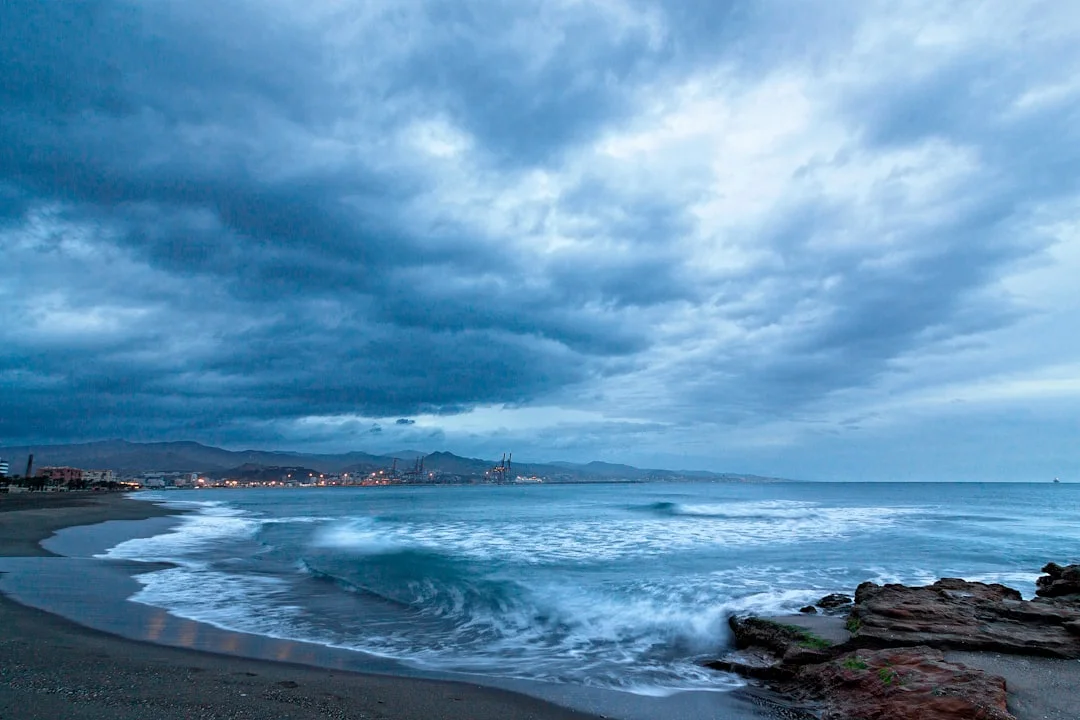
    Just a stone’s throw from the Mediterranean waves, hidden within the cliffs that mark the border between Málaga and Rincón de la Victoria, lies one of southern Europe’s most remarkable archaeological secrets. La Cueva del Humo (the Cave of Smoke) is not just a geological formation; it is a silent witness to 500,000 years of human evolution, located less than 100 meters from the beach.

    While millions of visitors flock to the Costa del Sol for its sun and sand, few realize they are walking alongside a prehistoric sanctuary that sheltered pre-Neanderthals, Neanderthals, Cro-Magnons, and early Neolithic farmers.

    Half a Million Years of Human History

    What makes La Cueva del Humo globally significant is the sheer continuity of its occupation. According to recent archaeological highlights published by La Opinión de Málaga, the site has provided shelter to various human species intermittently for half a million years.

    Excavations here have uncovered a rich stratigraphy:
    * Pre-Neanderthals & Neanderthals: Early inhabitants who relied on the cave for shelter while hunting game in the surrounding hills and gathering resources from the ancient coastline.
    * Cro-Magnons (Early Modern Humans): Our direct ancestors, who left behind stone tools and evidence of fire use.
    * Neolithic Communities: The transition to agriculture and pottery, marking the dawn of modern societal structures.

    Finding a single coastal site that spans from the deep Paleolithic to the Neolithic is incredibly rare, making this stretch of the Málaga coastline a vital puzzle piece in understanding how early humans migrated and adapted to changing climates.

    Where is La Cueva del Humo?

    The cave is nestled in the rugged limestone cliffs along the old Almería highway (carretera de Almería), specifically within the archaeological park of La Araña.

    This unique location meant that prehistoric inhabitants enjoyed the best of both worlds: immediate access to marine resources (shellfish, fish, and coastal plants) and a elevated, easily defensible vantage point overlooking the sea to spot both prey and potential threats.

    Why This Site is Globally Unique

    Most famous prehistoric caves, like Altamira or Lascaux, are located deep inland. While Málaga is already well-known for archaeological landmarks like the Nerja Cave, La Cueva del Humo’s specific coastal positioning offers scientists a rare look at how prehistoric humans interacted with the sea.

    As ice ages came and went, the shoreline shifted. During colder periods, the sea level dropped, exposing a wide coastal plain. During warmer periods, the waves lapped just below the cave entrance. The archaeological layers inside the cave act as a physical diary of these dramatic environmental shifts over 500,000 years.

    How to Visit and Explore

    Because of its immense scientific value and ongoing research, you cannot simply wander into La Cueva del Humo on your own. However, the site is highly accessible through organized channels:

    1. Complejo Humo (La Araña Archaeological Park): The site is managed by a dedicated team of archaeologists who run the local visitor center (Centro de Interpretación).
    2. Guided Tours: You can book guided walks that take you through the active excavation areas, where experts explain the geological formations and show you exactly where Neanderthal hearths and ancient tools were discovered.
    3. The Coastal Path: Even if you only view the cliffs from the outside, walking the nearby coastal path (Senda Litoral) offers a striking perspective on how close these ancient homes were to the modern beaches we enjoy today.

    Standing at the entrance of La Cueva del Humo, listening to the same sea breeze that our ancestors heard 500,000 years ago, is a humbling experience. It reminds us that Málaga’s history is measured not just in centuries of Phoenician, Roman, and Moorish heritage, but in hundreds of thousands of years of human resilience. Next time you dip your toes in the sea at La Araña, take a moment to look up at the cliffs and appreciate the deep, enduring roots we share with this beautiful coast.

  • Félix Revello de Toro: Malaga Honors Painter’s Centenary

    Félix Revello de Toro: Malaga Honors Painter’s Centenary

    For culturally-minded residents and expats in Malaga, the city has just marked a monumental milestone for one of its most cherished living artistic icons. On June 10, 2026, the renowned portraitist and painter Félix Revello de Toro celebrated his 100th birthday.

    To honor a century of his life and immense contribution to the Spanish art world, Malaga has unveiled a brand-new public monument and hosted special commemorative events at his dedicated museum. Here is what you need to know about the celebrations and how you can experience his timeless art today.

    A New Monument in the Gardens of Hospital Noble

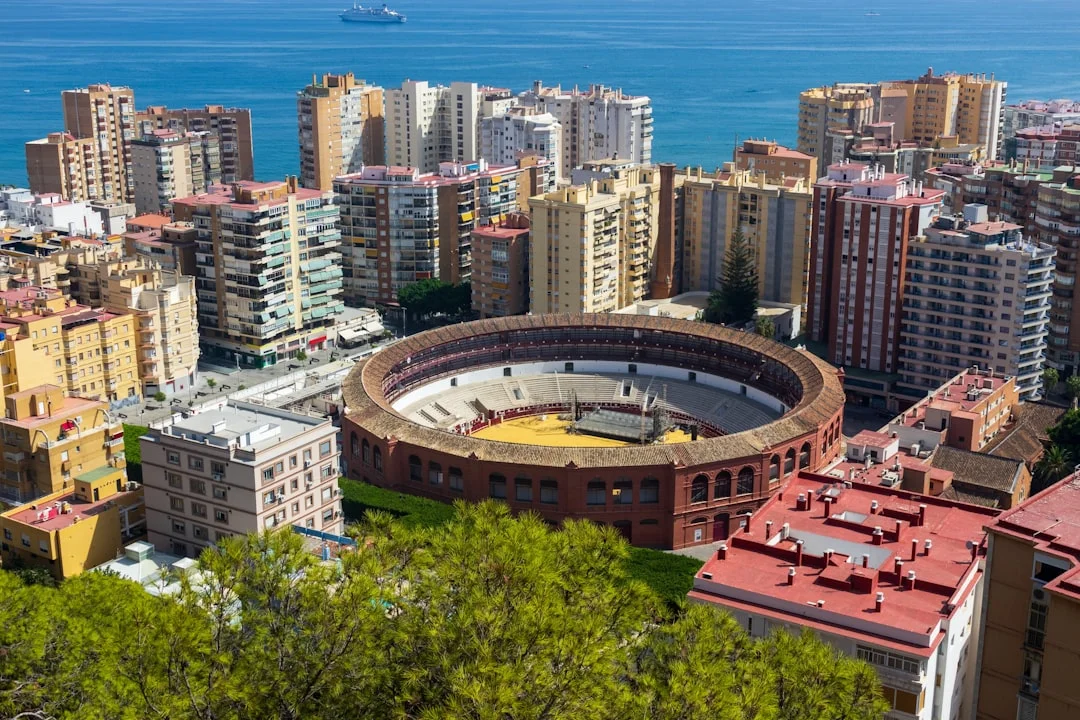
    As part of the centenary tributes, Malaga has officially inaugurated a new monument dedicated to Félix Revello de Toro. The sculpture has been placed in the beautiful, central setting of the gardens of Hospital Noble, located near the Plaza de Toros de la Malagueta and the Paseo de Reding.

    According to local coverage by La Noción, this new public landmark stands as a permanent thank-you from the city to an artist who has spent his life capturing the light, beauty, and soul of Malaga and its people. The location offers a peaceful spot for art lovers to pause and reflect on the painter’s deep connection to his hometown.

    How Malaga Celebrated the Centennial

    The peak of the celebrations took place on his actual birthday, Wednesday, June 10, 2026. The Revello de Toro Museum—located in the historic heart of Malaga—opened its doors to the public for a completely free open-house day.

    Visitors who joined the celebration were treated to special guided tours detailing the artist’s evolution, from his early prodigy years to his masterworks. As a keepsake of this historic 100th-anniversary milestone, attendees on June 10 were gifted a commemorative folder containing three high-quality reproductions of Revello de Toro’s most iconic paintings.

    Discovering the Revello de Toro Museum

    If you missed the birthday event, there is still every reason to visit. The Revello de Toro Museum is one of Malaga’s hidden cultural gems, housed in a beautifully restored 17th-century building that was once the home and workshop of the legendary religious sculptor Pedro de Mena.

    The museum showcases a spectacular permanent collection of over 100 works, including oil paintings, sketches, and drawings. Revello de Toro is particularly famous for his portraits—especially his ability to capture female figures with extraordinary sensitivity, elegance, and depth.

    Practical Information for Your Visit

    • Address: Calle Afligidos, 5, 29015 Málaga (just a short walk from the Malaga Cathedral).
    • Opening Hours:
      • Tuesday to Saturday: 10:00 AM to 8:00 PM
      • Sundays and Holidays: 10:00 AM to 2:00 PM
      • Closed on Mondays
    • Regular Admission: General entry is €2.50 (which includes an audio guide), making it one of the most affordable and rewarding cultural visits in the historic center.

    Taking a stroll through the quiet courtyard of the museum and viewing the warm, expressive portraits is a wonderful way to connect with Malaga’s living history. If you are keen to see more, you can easily combine this visit with other outstanding art exhibitions in Málaga. Combined with a walk to the new monument at the Hospital Noble gardens, it makes for a perfect cultural afternoon in the city.

    Seeing Malaga honor its artists while they are still here to witness it is a beautiful reminder of the city’s deep-rooted respect for creative expression. We hope this centennial milestone inspires you to step off the beaten path, explore the quiet streets of the center, and discover the incredible warmth of Revello de Toro’s work for yourself.

  • U-Bahn-Bau in Málaga bringt antike Ruinen ans Tageslicht

    U-Bahn-Bau in Málaga bringt antike Ruinen ans Tageslicht

    Das ständige Aufeinandertreffen von Vergangenheit und Gegenwart

    Málaga ist eine Stadt, die auf ihrer eigenen Geschichte lebt. Seit über 3.000 Jahren haben Phönizier, Römer, Mauren und Christen auf diesem schmalen Landstrich zwischen den Bergen und dem Mittelmeer gebaut, umgebaut und ihre Spuren hinterlassen. Heute, da die Stadt ihre ehrgeizige moderne Infrastruktur vorantreibt, kommen diese antiken Schichten wieder ans Licht.

    Der laufende Ausbau der Metro in Málaga – insbesondere die Linie in Richtung des Civil Hospital – hat kürzlich bedeutende archäologische Überreste freigelegt. Wie El Mundo im Juni 2026 berichtete, sind diese Ausgrabungen eine lebendige Erinnerung daran, dass der Fortschritt in Málaga immer einen vorsichtigen Tanz mit der Vergangenheit erfordert.

    Was verbirgt sich unter den Straßen von Málaga?

    Wann immer Bagger im Zentrum von Málaga mehr als ein paar Meter in die Tiefe graben, stoßen sie fast unweigerlich auf Geschichte. Der Bau der Metro ist die größte archäologische Ausgrabung der Stadt seit Jahrzehnten und fungiert als vertikale Zeitleiste der Stadtentwicklung.

    1. Römische Industriestätten und Grabstätten

    Lange bevor Málaga ein modernes Tourismuszentrum war, war es Malaca, ein geschäftiger römischer Hafen, der für die Herstellung von garum (einer hochgeschätzten fermentierten Fischsauce) berühmt war. Frühere Metro-Arbeiten in der Nähe der Alameda Principal und des Flussbetts des Guadalmedina brachten römische Salzbecken, Wohnstrukturen und sogar ausgedehnte Grabstätten ans Licht, wie etwa die bedeutende römische Nekropole, die unter den Metro-Arbeiten in der Calle Hilera entdeckt wurde.

    2. Die islamischen Vororte (Arrabales)

    Während der andalusischen Epoche dehnte sich Málaga weit über seine Verteidigungsmauern aus. Die Metrolinie, die durch die Calle Hilera und nach Norden führt, hat systematisch Überreste dieser mittelalterlichen Vororte (arrabales) freigelegt. Die Ausgrabungen haben Folgendes enthüllt:
    * Komplexe Straßenführungen und Wohnhäuser.
    * Fortschrittliche Wassermanagementsysteme, einschließlich Brunnen und Keramikrohren.
    * Gerbereien und Töpferwerkstätten, die die mittelalterliche Wirtschaftskraft der Stadt unterstreichen.

    3. Die moderne Herausforderung der Linie zum Civil Hospital

    Die jüngste Phase des Metro-Ausbaus in Richtung der nördlichen Stadtteile hat die Archäologen erneut an die vorderste Front gebracht. Die Herausforderung besteht darin, den dringenden Bedarf an nachhaltigen öffentlichen Verkehrsmitteln für Málagas wachsende Bevölkerung mit der Pflicht zur Dokumentation, Erhaltung und Achtung des kulturellen Erbes der Stadt in Einklang zu bringen.

    Wie Málaga Fortschritt und Erhaltung in Einklang bringt

    Für Einheimische und Expats, die im Zentrum leben, ist der Anblick von archäologischen Zelten und langsam arbeitenden Pinseln ein vertrautes Bild. Obwohl diese Entdeckungen manchmal zu Verzögerungen im Bauzeitplan führen können, bieten sie auch eine einzigartige Gelegenheit, die städtische Entwicklung der Stadt zu kartieren.

    Das Protokoll für diese Funde ist streng geregelt:
    1. Systematische Ausgrabung: Jeder Zentimeter Boden in sensiblen Zonen wird von professionellen Archäologen sorgfältig gesiebt und dokumentiert.
    2. Katalogisierung und Analyse: Artefakte wie Tonscherben, Münzen und Werkzeuge werden zur Konservierung und Untersuchung an das Museum of Málaga geschickt.
    3. In-situ-Integration vs. Verlagerung: Während einige kleinere Strukturen dokumentiert und abgedeckt oder entfernt werden, werden bedeutende architektonische Funde manchmal direkt in die moderne Infrastruktur integriert. Ein hervorragendes Beispiel hierfür ist die Ausstellung antiker Mauern und Strukturen in den Metrostationen Guadalmedina und El Perchel, die den täglichen Arbeitsweg in einen Museumsbesuch verwandelt.

    Wo Sie Málagas unterirdische Geschichte erleben können

    Wenn Sie ein Geschichtsliebhaber sind, der in Málaga lebt oder die Stadt besucht, müssen Sie nicht auf die Fertigstellung der Metro warten, um die antiken Wurzeln der Stadt zu erkunden:

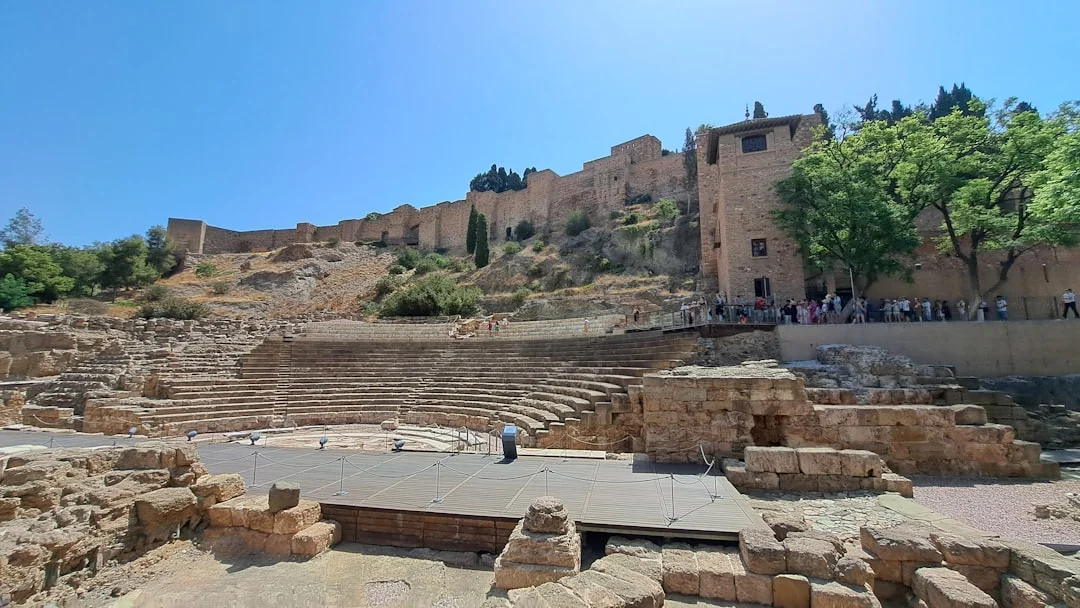
    • Das Römische Theater (Teatro Romano): Am Fuße der Alcazaba gelegen, ist dies das sichtbarste Symbol von Málagas antiker Vergangenheit, das 1951 zufällig bei Gartenarbeiten entdeckt wurde.
    • Das Museum of Málaga (Palacio de la Aduana): Dieses spektakuläre Museum beherbergt eine umfangreiche Sammlung archäologischer Funde aus verschiedenen städtischen Ausgrabungen in der ganzen Stadt, darunter phönizische Grabschätze und römische Mosaike.
    • Metrostation Guadalmedina: Halten Sie bei der Durchfahrt durch diesen zentralen Knotenpunkt die Augen offen, wo bauliche Elemente der historischen Stadtbefestigung und des Stadtplans erhalten und hinter Glasscheiben ausgestellt wurden.

    Während Málaga als südeuropäisches Zentrum für Technologie, Tourismus und modernes Leben weiter wächst, erinnern uns diese archäologischen Entdeckungen an die tiefen Fundamente, auf denen unsere Gemeinschaft aufgebaut ist. Es ist eine demütigende Erfahrung, sich bewusst zu machen, dass die Wege, die wir heute in Hochgeschwindigkeitszügen und U-Bahnen zurücklegen, genau dieselben Pfade sind, die schon vor Jahrtausenden von Händlern, Handwerkern und Familien begangen wurden.

  • Málaga Metro Construction Unearths Ancient Ruins

    Málaga Metro Construction Unearths Ancient Ruins

    The Constant Collision of Past and Present

    Málaga is a city that lives on top of its own history. For over 3,000 years, Phoenicians, Romans, Moors, and Christians have built, rebuilt, and left their footprints on this narrow strip of land between the mountains and the Mediterranean. Today, as the city pushes forward with its ambitious modern infrastructure, these ancient layers are coming to light once again.

    The ongoing expansion of the Málaga metro—specifically the line heading towards the Civil Hospital—has recently uncovered significant archaeological remains. As reported by El Mundo in June 2026, these excavations serve as a vivid reminder that progress in Málaga always requires a careful dance with the past.

    What Lies Beneath Málaga’s Streets?

    Whenever excavators dig more than a few meters down in the center of Málaga, they almost inevitably strike history. The metro construction has been the city’s largest-scale archaeological excavation in decades, acting as a vertical timeline of the city’s evolution.

    1. Roman Industrial Sites and Burial Grounds

    Long before Málaga was a modern tourist hub, it was Malaca, a bustling Roman port famous for producing garum (a highly prized fermented fish sauce). Previous metro works near the Alameda Principal and the Guadalmedina river bed revealed Roman salting basins, domestic structures, and even extensive burial sites, such as the major Roman necropolis discovered under the Calle Hilera metro works.

    2. The Islamic Suburbs (Arrabales)

    During the Andalusi period, Málaga expanded far beyond its defensive walls. The metro line running through Calle Hilera and towards the north has systematically uncovered remnants of these medieval suburbs (arrabales). Excavations have revealed:
    * Intricate street layouts and residential homes.
    * Advanced water management systems, including wells and ceramic pipes.
    * Tanneries and pottery workshops that highlight the city’s medieval industrial might.

    3. The Modern Challenge of the Civil Hospital Line

    The latest phase of the metro expansion towards the northern neighborhoods has once again brought archaeologists to the frontline. The challenge is balancing the urgent need for sustainable public transport for Málaga’s growing population with the duty to document, preserve, and respect the city’s cultural heritage.

    How Málaga Balances Progress and Preservation

    For locals and expats living in the center, the sight of archaeological tents and slow-moving excavation brushes is a familiar one. While these discoveries can sometimes cause delays in construction timelines, they also offer a unique opportunity to map the city’s urban evolution.

    The protocol for these finds is highly regulated:
    1. Systematic Excavation: Every centimeter of soil in sensitive zones is carefully sifted and documented by professional archaeologists.
    2. Cataloging and Analysis: Artifacts such as pottery shards, coins, and tools are sent to the Museum of Málaga for conservation and study.
    3. In Situ Integration vs. Relocation: While some minor structures are documented and covered or removed, major architectural finds are sometimes integrated directly into the modern infrastructure. A prime example of this is the exhibition of ancient walls and structures inside the Guadalmedina and El Perchel metro stations, turning daily commutes into a walk through a museum.

    Where to Experience Málaga’s Underground History

    If you are a history enthusiast living in or visiting Málaga, you do not have to wait for the metro to finish to explore the city’s ancient roots:

    • The Roman Theatre (Teatro Romano): Located at the foot of the Alcazaba, this is the most visible symbol of Málaga’s ancient past, discovered accidentally during garden works in 1951.
    • The Museum of Málaga (Palacio de la Aduana): This spectacular museum houses an extensive collection of the archaeological finds recovered from various urban excavations across the city, including Phoenician tomb treasures and Roman mosaics.
    • Guadalmedina Metro Station: Keep an eye out when passing through this central hub, where structural elements of the historical city defenses and urban layout have been preserved and displayed behind glass panels.

    As Málaga continues to grow as a southern European hub for technology, tourism, and modern living, these archaeological discoveries remind us of the deep foundations upon which our community is built. It is a humbling experience to realize that the journeys we make today on high-speed trains and underground metros follow the very same pathways walked by merchants, artisans, and families thousands of years ago.

  • Crowdfunded ‘La Desbandá’ Monument Coming to Teatinos

    Crowdfunded ‘La Desbandá’ Monument Coming to Teatinos

    To truly understand a city, one must look beyond its sunny promenades and bustling new tapas epicenters to acknowledge its deeper, sometimes painful, historical roots. For residents and expats looking to connect with Málaga’s past, learning about the Spanish Civil War’s local impact is essential. Soon, a new physical space for reflection will be added to the cityscape: a citizen-funded monument honoring the victims of ‘La Desbandá’ is set to be erected at the University of Málaga’s Teatinos campus.

    Understanding ‘La Desbandá’

    ‘La Desbandá’ (The Flight) remains one of the darkest and most tragic chapters in Málaga’s modern history. In early February 1937, as Nationalist forces approached the city during the Spanish Civil War, tens of thousands of civilians—men, women, and children—fled eastward along the coastal road toward Almería, which was still under Republican control.

    During this desperate exodus, the fleeing civilians were subjected to relentless bombardment from the sea by nationalist cruisers and from the air by German and Italian warplanes. While exact numbers remain debated by historians, it is estimated that thousands of innocent people lost their lives along the N-340 highway. For decades, the event was largely shrouded in silence, but recent years have seen a strong push from local associations and historians to recover this memory and honor those who perished.

    A Citizen-Driven Monument

    The initiative to build a permanent memorial has been driven by the local community through a grassroots crowdfunding campaign on the platform Goteo.org. The project recently reached a significant milestone. According to La Opinión de Málaga, the campaign successfully surpassed its minimum funding goal in late April 2026, ensuring that the construction of the monument can finally move forward.

    This financial backing from everyday citizens highlights a collective desire to preserve historical memory. The funds will cover the creation of a sculptural piece designed not only as a tribute but as an educational landmark for the city.

    The Teatinos Campus Location

    Finding an appropriate home for the monument was a crucial part of the project. The University of Málaga (UMA) stepped forward to support the initiative by ceding a designated plot of land at its Teatinos Campus.

    Placing the memorial within a university environment is a highly symbolic choice. Teatinos is the academic heart of the city, bustling with thousands of young students daily. By integrating this piece of historical memory into the campus landscape, the university ensures that the tragic lessons of ‘La Desbandá’ are passed down to future generations, fostering a culture of peace, reflection, and historical awareness.

    Why Historical Memory Matters

    For international residents and visitors, engaging with initiatives like the ‘La Desbandá’ monument offers a profound way to connect with the local community. It bridges the gap between being a mere observer of the city’s modern charm and becoming an informed resident who respects its complex past.

    As the monument takes shape in Teatinos, it stands as a testament to the resilience of the people of Málaga. It is our hope that spaces like these continue to foster empathy and understanding, reminding us all of the enduring importance of peace and the shared humanity that binds our community together.