Tag: Malaga Culture

  • Joana Vasconcelos Exhibition Opens at Picasso Museum

    Joana Vasconcelos Exhibition Opens at Picasso Museum

    A Monumental Summer Highlight at Museo Picasso Málaga

    Málaga’s cultural landscape has taken a bold, colorful leap forward for the 2026 summer season. The Museo Picasso Málaga is currently hosting one of its most ambitious contemporary exhibitions to date: “Joana Vasconcelos. Transfiguración”.

    Known globally for her monumental, vibrant, and thought-provoking installations, the celebrated Portuguese artist Joana Vasconcelos brings her unique vision to the heart of the Costa del Sol. This exhibition stands as a major highlight of the city’s current cultural agenda, as noted in the weekend listings by DonPorque.

    The Art of Transforming the Everyday

    At the core of Vasconcelos’s practice is the recontextualization of domestic and everyday items. By scaling these objects to monumental proportions, she challenges viewers to reconsider the ordinary.

    Visitors to the exhibition can expect:
    * Monumental Sculptures: Large-scale works that interact dynamically with the historic architecture of the Palacio de Buenavista.
    * Textile and Ceramic Fusion: Intricate crochet patterns, traditional Portuguese ceramics, and industrial materials woven together.
    * Cultural Dialogue: A playful yet profound critique of consumerism, gender roles, and national identity.

    The dialogue between Picasso’s legacy and Vasconcelos’s contemporary, feminist-forward perspective adds a fascinating layer of depth to the museum’s galleries this summer.

    Visiting the Exhibition in 2026

    If you are planning to experience “Transfiguración” firsthand, here is what you need to know:

    • Location: Museo Picasso Málaga (Palacio de Buenavista, Calle San Agustín, 8).
    • Atmosphere: Immersive and highly visual—ideal for families, art enthusiasts, and casual visitors alike.
    • Tickets: It is highly recommended to book your tickets online in advance, as summer crowds in Málaga are expected to be significant.

    Whether you are a lifelong admirer of contemporary sculpture or simply looking for an inspiring way to spend an afternoon in the historic center, this exhibition offers a sensory journey unlike any other in Andalusia this year.

    Málaga continues to prove that it is far more than just a gateway to the beaches of Southern Europe. Seeing historic spaces transform through the eyes of living, visionary artists reminds us of the power of creativity to connect us all. We hope this spectacular exhibition leaves you feeling inspired and brings a fresh perspective to your travels through our beautiful city.

  • Kultur in Málaga: 5 Geheimnisse, die Sie wahrscheinlich noch nicht kannten

    Kultur in Málaga: 5 Geheimnisse, die Sie wahrscheinlich noch nicht kannten

    Málaga wird weithin als glanzvolle Metropole der Costa del Sol gefeiert, berühmt für seine goldenen Strände, die lebendige Tapas-Szene und erstklassige Museen. Jedes Jahr reisen Millionen von Besuchern an, um über die marmorgepflasterte Calle Larios zu schlendern, günstige kulinarische Geheimtipps entlang der Autobahn A-7 zu entdecken oder den historischen Gibralfaro zu erklimmen.

    Doch wer hinter die polierte Fassade blickt, entdeckt eine Stadt, die von Jahrhunderten phönizischen, maurischen und christlichen Erbes sowie von kuriosen modernen Traditionen geprägt ist. Hier sind fünf faszinierende Dinge, die Sie wahrscheinlich noch nicht über die Kultur von Málaga wussten.

    1. Die ikonische „Biznaga“ ist keine echte Blume

    Wenn Sie im Sommer etwas Zeit in Málaga verbracht haben, sind Ihnen wahrscheinlich die Straßenverkäufer (biznageros) aufgefallen, die in traditionellen weißen Hemden und schwarzen Hosen wunderschöne, intensiv duftende weiße Blumen verkaufen. Diese Blume, die biznaga, ist das inoffizielle Wahrzeichen der Stadt.

    Die Biznaga wächst jedoch nicht in freier Wildbahn. Sie ist ein akribisches, handgefertigtes Stück lokaler Volkskunst.

    Um eine Biznaga herzustellen, sammeln Kunsthandwerker im späten Frühjahr wilde Distelstängel (nerdo). Sie trocknen die Stängel und schneiden sie zurecht, bis sie einem kleinen Regenschirm ähneln. In den heißen Sommernächten stecken sie dann vorsichtig einzelne, noch geschlossene Jasminknospen auf jeden winzigen Stachel des trockenen Stängels. Sobald die Sonne untergeht, öffnen sich die Jasminknospen alle auf einmal und bilden eine perfekte, blühende Kugel mit einem unvergesslichen Aroma.

    2. Hier befindet sich der älteste protestantische Friedhof Spaniens

    An den Hängen des Gibralfaro-Hügels liegt versteckt der Englische Friedhof (Cementerio Inglés). Er wurde 1831 gegründet und ist der älteste nicht-katholische christliche Friedhof auf dem spanischen Festland.

    Vor seiner Entstehung war Protestanten, die in Málaga starben, ein düsteres Schicksal beschieden: Da sie nicht auf geweihtem katholischem Boden bestattet werden durften, mussten ihre Leichen nachts aufrecht im Sand des Strandes vergraben werden – ausgeliefert den Gezeiten und Aasfressern.

    William Mark, der damalige britische Konsul, setzte sich erfolgreich für einen eigenen Friedhof ein. Heute ist er nicht nur eine Ruhestätte, sondern ein betörend schöner, üppiger botanischer Garten voller historischer Gräber, exotischer Pflanzen und einer einzigartigen Sammlung neugotischer Backsteinarchitektur.

    3. Das gemeinschaftliche Herz der „Corralones“

    Während Touristen in die prächtigen Apartments des historischen Zentrums strömen, lebt Málagas Arbeitergeschichte in den historischen Vierteln El Perchel und La Trinidad weiter. Hier finden Sie traditionelle gemeinschaftliche Wohnblöcke, die als corralones bekannt sind.

    Diese Gebäude aus dem 19. Jahrhundert bestehen aus kleinen, privaten Wohnungen, die um einen großen, offenen Innenhof angeordnet sind. Historisch gesehen waren diese Höfe das Zentrum des täglichen Lebens – hier wuschen die Nachbarn ihre Wäsche, kochten, passten gegenseitig auf die Kinder auf und tauschten Geschichten aus.

    Um diesen Gemeinschaftsgeist lebendig zu halten, veranstaltet die Stadt traditionell die Semana de los Corralones (meist im Frühjahr oder Frühsommer), bei der die Bewohner ihre wunderschön geschmückten, pflanzenreichen Innenhöfe für die Öffentlichkeit öffnen. Dies bietet einen seltenen Einblick in eine eng verbundene, authentische Lebensweise, die aus modernen europäischen Städten weitgehend verschwunden ist.

    4. Picassos erste Muse waren die Tauben der Plaza de la Merced

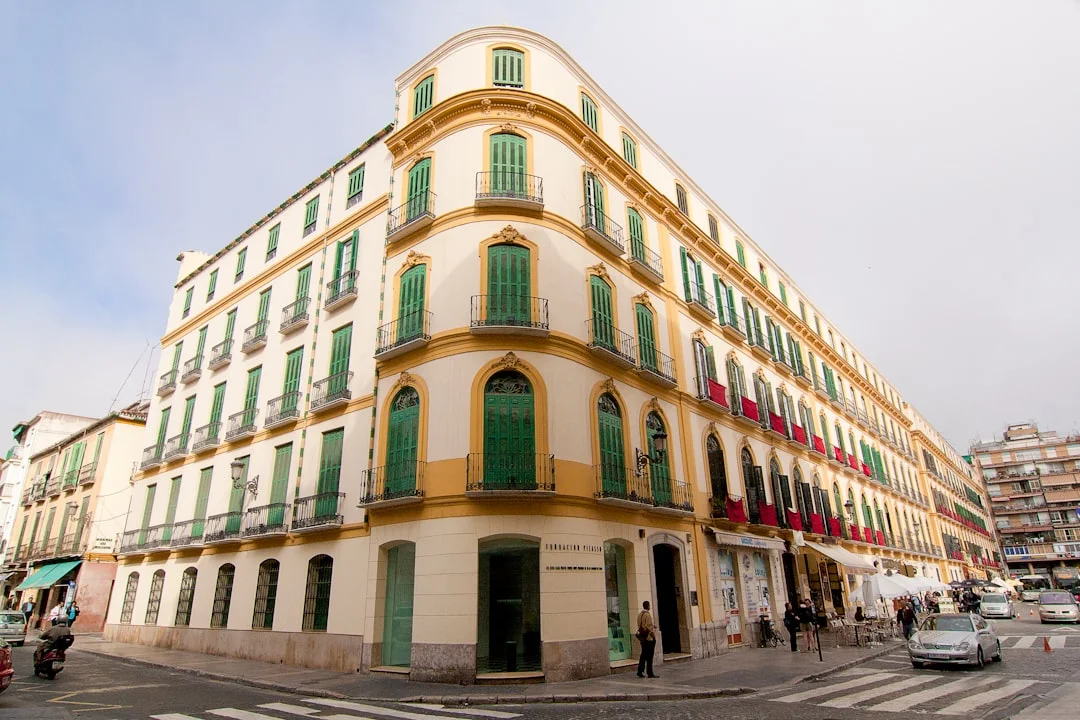
    Jeder weiß, dass Pablo Picasso 1881 in Málaga geboren wurde. Sein Geburtshaus an der Plaza de la Merced ist heute ein beliebtes Museum. Was viele jedoch nicht wissen, ist, wie sehr die alltäglichen Eindücke seiner frühen Kindheit in Málaga sein gesamtes künstlerisches Erbe beeinflusst haben.

    Picassos Vater, José Ruiz y Blasco, war Kunstlehrer und hatte sich auf das Malen von Vögeln spezialisiert, insbesondere auf die Tauben, die sich auf der Plaza de la Merced versammelten. Der junge Pablo verbrachte Stunden damit, diese Vögel von seinem Fenster aus zu beobachten und unter der Anleitung seines Vaters zeichnen zu lernen.

    Jahrzehnte später, als Picasso gebeten wurde, ein Plakat für den Weltfriedenskongress 1949 in Paris zu entwerfen, zeichnete er eine einfache, elegante Taube. Dieses Bild wurde zum universellen Friedenssymbol – und seine Wurzeln reichen direkt zurück zu jenem staubigen Platz in Málaga, auf dem ein kleiner Junge den Vögeln beim Spielen zusah.

    5. Das einzige dauerhafte „Pop-up“ des Centre Pompidou

    Málaga hat sich den Beinamen „Stadt der Museen“ aus gutem Grund verdient und besticht mit über 30 Kulturräumen. Doch eines seiner markantesten architektonischen Wahrzeichen, der bunte Glaswürfel im Hafen, weist eine ganz besondere Besonderheit auf.

    Dies ist das Centre Pompidou Málaga. Als es 2015 eröffnet wurde, war es das allererste Mal, dass die berühmte französische Institution für moderne Kunst, das Centre Georges Pompidou, einer Zweigstelle außerhalb Frankreichs zustimmte.

    Obwohl die Partnerschaft ursprünglich als temporäres fünfjähriges Experiment geplant war, erwies sie sich sowohl für Paris als auch für Málaga als so erfolgreich, dass sie weit in die Zukunft verlängert wurde. Sie ist ein Beweis für Málagas raschen und erfolgreichen Wandel von einem einfachen Strandziel zu einem bedeutenden europäischen Kulturzentrum, das sich um die lebhafte Uferpromenade von Muelle Uno gruppiert.

    Es liegt ein stiller Zauber darin, die verschiedenen Facetten einer Stadt zu entdecken, durch die die meisten Menschen einfach nur hindurchhasten. Wenn Sie das nächste Mal durch die Straßen von Málaga schlendern, nehmen Sie sich einen Moment Zeit, um zu den Balkonen hinaufzublicken, den Duft von Jasmin in der Abendbrise wahrzunehmen oder einen ruhigen Innenhof zu betreten. Es wartet immer eine Geschichte darauf, entdeckt zu werden, und wir hoffen, dass dies Sie inspiriert, Ihre eigene zu finden.

  • Málaga Culture: 5 Secrets You Probably Didn’t Know

    Málaga Culture: 5 Secrets You Probably Didn’t Know

    Málaga is widely celebrated as a glittering capital of the Costa del Sol, famous for its golden beaches, lively tapas scene, and world-class museums. Millions of travelers arrive every year to walk the marble-paved Calle Larios or climb the historic Gibralfaro.

    But if you look beneath the polished surface, you will find a city shaped by centuries of Phoenician, Moorish, and Christian heritage, alongside quirky modern traditions. Here are five fascinating things you probably didn’t know about the culture of Málaga.

    1. The Iconic “Biznaga” is Not a Real Flower

    If you have spent any time in Málaga during the summer, you have likely seen street vendors (biznageros) dressed in traditional white shirts and black trousers, selling beautiful, intensely fragrant white flowers. This flower, the biznaga, is the unofficial symbol of the city.

    However, the biznaga does not grow in the wild. It is a meticulous, handcrafted piece of local folk art.

    To make a biznaga, artisans gather wild thistle stems (nerdo) in late spring. They dry the stems and trim them until they resemble a small umbrella. Then, during the hot summer nights, they carefully insert individual, unopened jasmine buds onto each tiny spike of the dry stem. When the sun goes down, the jasmine buds open all at once, creating a perfect, blooming sphere with an unforgettable aroma.

    2. It Houses Spain’s Oldest Protestant Cemetery

    Tucked away on the slopes of the Gibralfaro hill lies the English Cemetery (Cementerio Inglés). Established in 1831, it is the oldest non-Catholic Christian cemetery in mainland Spain.

    Before its creation, Protestants who died in Málaga faced a grim fate: because they could not be buried in consecrated Catholic ground, their bodies had to be buried upright in the sand of the beach at night, at the mercy of the tide and scavengers.

    William Mark, the British Consul at the time, successfully campaigned to secure a dedicated burial ground. Today, it is not just a cemetery but a hauntingly beautiful, lush botanical garden filled with historic tombs, exotic plants, and a unique collection of red-brick, neo-Gothic architecture.

    3. The Communal Heart of the “Corralones”

    While tourists flock to the grand apartments of the historic center, Málaga’s working-class history lives on in the historic neighborhoods of El Perchel and La Trinidad. Here, you can find traditional communal housing blocks known as corralones.

    Dating back to the 19th century, these buildings feature small, private apartments arranged around a large, open-air central courtyard. Historically, these courtyards were the center of daily life—where neighbors washed clothes, cooked, looked after each other’s children, and shared stories.

    To keep this community spirit alive, the city historically hosts the Semana de los Corralones (typically in spring or early summer), where residents open their beautifully decorated, plant-filled courtyards to the public. It is a rare glimpse into a tight-knit, authentic way of living that has largely disappeared from modern European cities.

    4. Picasso’s First Muse Was the Plaza de la Merced Pigeons

    Everyone knows that Pablo Picasso was born in Málaga in 1881. His birthplace on Plaza de la Merced is now a popular museum. What many do not realize is how much the everyday sights of his early childhood in Málaga influenced his entire artistic legacy.

    Picasso’s father, José Ruiz y Blasco, was an art teacher who specialized in painting birds, particularly the pigeons that flocked to Plaza de la Merced. Young Pablo spent hours watching these birds from his window and learning to draw them under his father’s guidance.

    Decades later, when Picasso was asked to design a poster for the 1949 World Peace Congress in Paris, he drew a simple, elegant dove. That image became the universal symbol of peace—and its roots trace directly back to the dusty plaza in Málaga where a young boy watched the birds play.

    5. The Pompidou Centre’s Only Permanent “Pop-Up”

    Málaga has earned the nickname “The City of Museums” for good reason, boasting over 30 cultural spaces. But one of its most striking architectural landmarks, the multicolored glass cube in the port, holds a unique distinction.

    This is the Centre Pompidou Málaga. When it opened in 2015, it was the very first time the famous French modern art institution, Centre Georges Pompidou, agreed to establish a branch outside of France.

    While initially planned as a temporary five-year experiment, the partnership proved so successful for both Paris and Málaga that it has been extended well into the future. It stands as a testament to Málaga’s rapid, successful transformation from a simple beach gateway into a major European cultural powerhouse, centered around the lively waterfront of Muelle Uno.

    There is a quiet magic to discovering the layers of a city that most people simply rush through. Next time you walk the streets of Málaga, take a moment to look up at the balconies, catch the scent of jasmine on the evening breeze, or step into a quiet courtyard. There is always a story waiting to be uncovered, and we hope this inspires you to find yours.

  • Neue Galerie für zeitgenössische Kunst in Málaga eröffnet

    Neue Galerie für zeitgenössische Kunst in Málaga eröffnet

    Málagas Ruf als erstklassiges Reiseziel für Kultur ist fest etabliert und wird von bedeutenden Institutionen wie dem Picasso-Museum und dem Centre Pompidou getragen. Der wahre Herzschlag der Kunstszene in Málaga ist jedoch zunehmend in ihren Basisinitiativen zu finden. Da die Stadt weiterhin eine internationale Gemeinschaft von Einwohnern und Remote-Workern anzieht, wächst das Bedürfnis nach authentischen, gemeinschaftsorientierten kulturellen Erlebnissen.

    Dieser Nachfrage kommt ein neuer Raum für zeitgenössische Kunst nach, der unseren alltäglichen Umgang mit Kreativität neu definiert.

    Ein „kollektiver, offener und ehrlicher“ Ansatz

    Abseits des traditionellen, manchmal einschüchternden „White Cube“-Galeriemodells verfolgt dieser neue Ort eine erfrischende Philosophie. Es wird als „kollektives, offenes und ehrliches“ Konzept beschrieben, das darauf abzielt, die Barrieren zwischen Künstlern und Publikum abzubauen. Laut aktuellen Berichten von Málaga Hoy strebt die Initiative danach, das Kunstverständnis zu demokratisieren und es zu einem zugänglichen Teil des lokalen Lebensstils zu machen.

    Für internationale Einwohner und Expats, die tiefer in die kulturellen Veranstaltungen in Málaga eintauchen möchten, bietet diese Galerie einen einladenden Einstieg. Sie stellt eine Plattform dar, die nicht nur der Betrachtung von Kunst dient, sondern auch einem bedeutungsvollen Dialog mit den Schöpfern und anderen Kunstinteressierten.

    Eine Stadt im Wandel

    Die Galerie wurde von einem Künstler mit tiefen lokalen Wurzeln konzipiert, der die aktuelle Entwicklung Málagas erkennt. Weit davon entfernt, die rasche Internationalisierung der Stadt als Identitätsverlust zu betrachten, sieht der Gründer Málaga als eine „Stadt im Wandel“ – ein dynamisches Umfeld voller neuer Möglichkeiten für den kreativen Austausch.

    Diese Perspektive ist entscheidend. Wenn sich Neuankömmlinge in Málaga niederlassen, kann die Integration in das lokale Gefüge manchmal eine Herausforderung sein. Räume wie dieser dienen als kulturelle Brücken, die die globale Gemeinschaft mit lokalen Talenten verbinden. Es zeigt, dass neue Kunstgalerien in Málaga nicht nur kommerzielle Unternehmen sind, sondern wichtige Knotenpunkte der Gemeinschaft.

    Integration zeitgenössischer Kunst in den Alltag

    Eines der herausragenden Merkmale dieses neuen Raums ist sein Design und Layout. Die Umgebung ist bewusst so gestaltet, dass zeitgenössische Kunst natürlich mit dem Alltag koexistieren kann. Anstatt wie eine formelle Ausstellung zu wirken, lädt der Raum die Besucher dazu ein, zu verweilen, sich zu unterhalten und die Kunstwerke in einer entspannten, wohnlichen Atmosphäre zu erleben.

    Dieser Ansatz passt perfekt zu dem Lebensstil, der so viele an die Costa del Sol zieht. Er legt nahe, dass der Genuss zeitgenössischer Kunst in Málaga keinen formellen Ausflug oder ein teures Ticket erfordert; es kann so ungezwungen und alltäglich sein, wie sich mit Freunden auf einen Morgenkaffee zu treffen.

    Während sich Málaga weiterentwickelt, sind es diese intimen Basisprojekte, die seine kreative Seele erhalten werden. Das Entstehen solcher offenen, kollektiven Räume erinnert uns daran, dass internationale Anerkennung zwar wunderbar ist, die wahre Magie einer Stadt jedoch in ihren Menschen und ihrer gemeinsamen, alltäglichen Kreativität liegt. Zu beobachten, wie sich dieses neue Kapitel der lokalen Kunst entfaltet, gibt uns die Hoffnung, dass Málaga immer ein Ort bleiben wird, an dem die Inspiration gleich um die Ecke wartet.

  • New Collective Contemporary Art Gallery Opens in Málaga

    New Collective Contemporary Art Gallery Opens in Málaga

    Málaga’s reputation as a premier cultural destination is well established, anchored by powerhouse institutions like the Picasso Museum and the Centre Pompidou. However, the true heartbeat of the Malaga art scene is increasingly found in its grassroots initiatives. As the city continues to attract an international community of residents and remote workers, there is a growing appetite for authentic, community-driven cultural experiences.

    Meeting this demand is a new contemporary art space that redefines how we interact with creativity on a daily basis.

    A ‘Collective, Open, and Honest’ Approach

    Moving away from the traditional, sometimes intimidating “white cube” gallery model, this new venue operates on a refreshing philosophy. It is described as a “collective, open, and honest” concept, aiming to break down the barriers between artists and the public. According to recent coverage by Málaga Hoy, the initiative seeks to democratize art appreciation, making it an accessible part of the local lifestyle.

    For international residents and expats looking to dive deeper into cultural events in Malaga, this gallery offers a welcoming entry point. It provides a platform not just for viewing art, but for engaging in meaningful dialogue with the creators and fellow art enthusiasts, which can easily continue over a meal at a traditional 40-year-old ‘pescaíto’ institution.

    A City in Transformation

    The gallery was conceptualized by an artist with deep local roots who recognizes Málaga’s current trajectory. Far from seeing the city’s rapid internationalization as a loss of identity, the founder views Málaga as a “city in transformation”—a dynamic environment brimming with new opportunities for creative exchange.

    This perspective is crucial. As new arrivals settle in Málaga, integrating into the local fabric can sometimes be challenging. Spaces like this serve as cultural bridges, connecting the global community with local talent. It proves that new art galleries in Malaga are not just commercial ventures, but vital community hubs.

    Integrating Contemporary Art into Daily Life

    One of the standout features of this new space is its design and layout. The environment is intentionally crafted to allow contemporary art to coexist naturally with everyday life. Rather than feeling like a formal exhibition, the space invites visitors to linger, converse, and experience the artwork in a relaxed, lived-in setting.

    This approach aligns perfectly with the lifestyle that draws so many to the Costa del Sol. It suggests that enjoying contemporary art in Malaga doesn’t require a formal outing or an expensive ticket; it can be as casual and routine as meeting friends for a morning coffee.

    As Málaga continues to evolve, it is these intimate, grassroots projects that will sustain its creative soul. The emergence of such open, collective spaces reminds us that while international acclaim is wonderful, the true magic of a city lies in its people and their shared, everyday creativity. Watching this new chapter of local artistry unfold gives us hope that Málaga will always remain a place where inspiration is just around the corner.