Tag: Málaga Center

  • Málagas Foodie-Radar 2026: Das Konzept ‘Matiz’ & neue Tische im Blick

    Málagas Foodie-Radar 2026: Das Konzept ‘Matiz’ & neue Tische im Blick

    Es ist Ende Februar 2026, und wenn es eine Sache gibt, die in Málaga nicht nachgelassen hat, dann ist es der Appetit auf neue kulinarische Erlebnisse. Der gastronomische Boom der Stadt hat sich von einem Trend zu einem Dauerzustand entwickelt. Wir beobachten eine Abkehr von steifen, individuellen Degustationsmenüs hin zu einem wärmeren, andalusischeren Konzept: High-End-Sharing.

    Für diejenigen, die sich fragen: „Wo sollen wir dieses Wochenende reservieren?“, zeigt das Radar derzeit direkt auf das Kathedralenviertel, wo etablierte Namen und aufgefrischte Konzepte das Tempo für das Jahr vorgeben.

    Im Rampenlicht: Matiz und die Kunst des Teilens

    Im Herzen der Stadt gelegen, hat Matiz in dieser Saison unsere Aufmerksamkeit mit einem Angebot geweckt, das wie maßgeschneidert wirkt für die Art, wie Malagueños tatsächlich gerne essen. Während der Ort selbst eine raffinierte Atmosphäre bietet, ist die neue kulinarische Ausrichtung entschieden gesellig.

    Laut The Gourmet Journal hat das Restaurant ein Angebot lanciert, das speziell auf das Teilen und Probieren ausgelegt ist. Es geht nicht nur darum, Teller in die Mitte des Tisches zu stellen; es geht darum, eine Reise durch lokale Texturen und Aromen zu kuratieren, die das Gespräch anregt.

    Die Speisekarte konzentriert sich auf saisonale Zutaten – im Jahr 2026 unverhandelbar – und wird mit einer technischen Präzision ausgeführt, die traditionelle Konzepte aufwertet, ohne ihre Seele zu verlieren. Es ist die Art von Ort, an dem ein Geschäftsessen nahtlos in einen entspannten Abend übergehen kann. Der Fokus liegt auf der materia prima (Rohware), wobei die Qualität der lokalen Produkte für sich selbst spricht, während jene charakteristische „Nuance“ (Matiz) hinzugefügt wird, die dem Restaurant seinen Namen gibt.

    Das Kathedralenviertel: Das Epizentrum

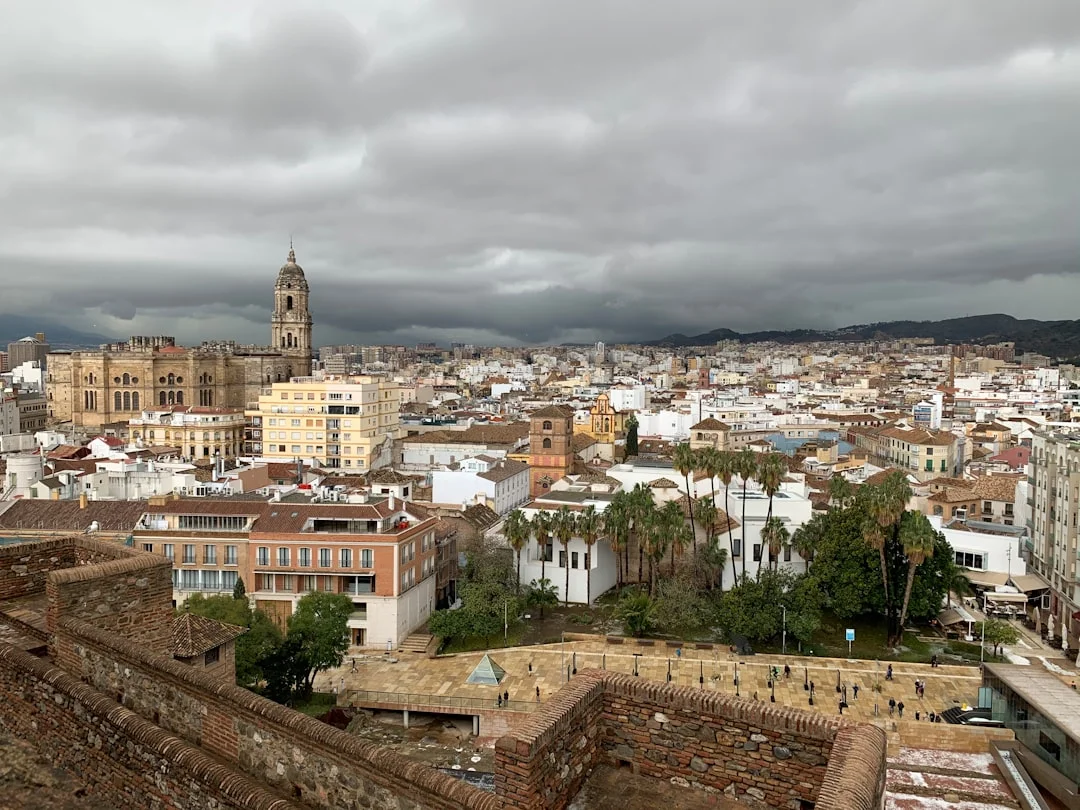
    Die Gegend um die „Manquita“ (unsere geliebte einarmige Kathedrale) ist weiterhin das Schwergewicht der Málaguer Gastronomieszene. Es geht nicht nur um die Neuzugänge; es geht um den Standard, der von den Nachbarn gehalten wird.

    Man kann nicht über dieses Viertel sprechen, ohne Köche wie Willie Orellana zu erwähnen. Sein Einfluss in der Gegend bleibt bedeutend und beweist, dass Beständigkeit genauso wichtig ist wie Neuheit. Die Nähe hochkarätiger Küchen schafft einen gesunden Wettbewerb, der uns, den Gästen, zugutekommt. Wenn Sie durch diese Straßen gehen, bewegen Sie sich durch eine Dichte an Talenten, die mit jeder großen europäischen Hauptstadt mithalten kann.

    Der Ausblick auf 2026

    Während wir weiter in das Jahr 2026 voranschreiten, ist der Trend in Málaga klar: die Legerisierung des Luxus. Wir sehen weniger weiße Tischdecken und mehr offene Küchen, lebhafte Bars mit Fünf-Sterne-Essen und einen unermüdlichen Fokus auf Weine aus den Sierras de Málaga.

    Quellen wie Condé Nast Traveler dokumentieren seit langem den Aufstieg Málagas, und die aktuelle Liste der „Akteure“ in der Stadt deutet darauf hin, dass wir einen Reifepunkt erreichen. Der Boom weitet sich nicht mehr nur nach außen aus; er verfeinert sich nach innen. Die Neueröffnungen in diesem Jahr sind kleiner, spezialisierter und persönlicher.

    Schnelle Tipps für das Wochenende

    • Im Voraus buchen: Bei dem aktuellen Andrang ist es ein Glücksspiel, das Sie wahrscheinlich verlieren werden, wenn Sie an einem Freitagabend ohne Reservierung in Orte wie das Matiz gehen.
    • Gehen Sie zum Mittagessen: Das natürliche Licht in der Umgebung der Kathedrale macht das Mittagessen zur besten Zeit, um neben Ihrem Essen auch die Architektur zu genießen.
    • Bestellen Sie zum Teilen: Wehren Sie sich nicht gegen das Konzept. 2026 ist das Jahr des geteilten Tellers.

    Wir haben das Glück, in einer Stadt zu leben, in der die Frage nicht lautet: „Gibt es irgendwo gutes Essen?“, sondern vielmehr: „Wie entscheiden wir uns?“ Ob Sie nun das neue Menü im Matiz probieren oder einen Klassiker wie das Uvedoble besuchen, der Standard war noch nie so hoch.

    Wir sehen uns bei Tisch.
  • Málaga’s 2026 Foodie Radar: The ‘Matiz’ Concept & New Tables to Watch

    Málaga’s 2026 Foodie Radar: The ‘Matiz’ Concept & New Tables to Watch

    It is late February 2026, and if there is one thing that hasn’t slowed down in Málaga, it is the appetite for new dining experiences. The city’s gastronomic boom has evolved from a trend into a permanent state of being. We are seeing a shift away from stiff, individual tasting menus toward a warmer, more Andalusian concept: high-end sharing.

    For those asking “where should we book this weekend?”, the radar is currently pointing squarely at the Cathedral district, where established names and refreshed concepts are setting the pace for the year.

    Spotlight: Matiz and the Art of Sharing

    Located in the heart of the city, Matiz has captured our attention this season with a proposal that feels tailor-made for the way Malagueños actually like to eat. While the venue itself offers a sophisticated atmosphere, the new culinary direction is decidedly social.

    According to The Gourmet Journal, the restaurant has launched a proposal specifically designed for sharing and tasting. This isn’t just about putting plates in the middle of the table; it is about curating a journey through local textures and flavors that encourages conversation.

    The menu focuses on seasonal ingredients—a non-negotiable in 2026—executed with a technical precision that elevates traditional concepts without losing their soul. It is the kind of place where you can go for a business lunch that naturally transitions into a relaxed evening. The focus is on the materia prima (raw material), allowing the quality of the local produce to speak for itself while adding that signature ‘nuance’ (matiz) that gives the restaurant its name.

    The Cathedral District: The Epicenter

    The area surrounding the “Manquita” (our beloved one-armed Cathedral) continues to be the heavyweight champion of Málaga’s dining scene. It is not just about the new arrivals; it is about the standard maintained by the neighbors.

    You cannot talk about this neighborhood without mentioning chefs like Willie Orellana. His influence in the area remains significant, proving that consistency is just as important as novelty. The proximity of high-caliber kitchens creates a healthy competition that benefits us, the diners. When you walk down these streets, you are walking through a density of talent that rivals any major European capital.

    The 2026 Outlook

    As we move further into 2026, the trend in Málaga is clear: casualisation of luxury. We are seeing fewer white tablecloths and more open kitchens, noisy bars with five-star food, and a relentless focus on wines from the Sierras de Málaga.

    Sources like Condé Nast Traveler have long documented Málaga’s rise, and the current list of ‘players’ in the city suggests we are reaching a maturity point. The boom isn’t just expanding outward anymore; it is refining inward. The new openings this year are smaller, more specialized, and more personal.

    Quick Tips for the Weekend

    • Book Ahead: With the current buzz, walking into places like Matiz on a Friday night without a reservation is a gamble you will likely lose.
    • Go for Lunch: The natural light in the Cathedral area makes lunch the prime time to enjoy the architecture alongside your meal.
    • Order to Share: Don’t fight the concept. 2026 is the year of the shared plate.

    We are lucky to live in a city where the question isn’t “is there anywhere good to eat?” but rather “how do we choose?” whether you are trying the new menu at Matiz or revisiting a classic like Uvedoble, the standard has never been higher.

    See you at the table.

  • Neuzugang: ‘Portofino’ bringt raffinierte italo-mediterrane Küche ins Zentrum

    Neuzugang: ‘Portofino’ bringt raffinierte italo-mediterrane Küche ins Zentrum

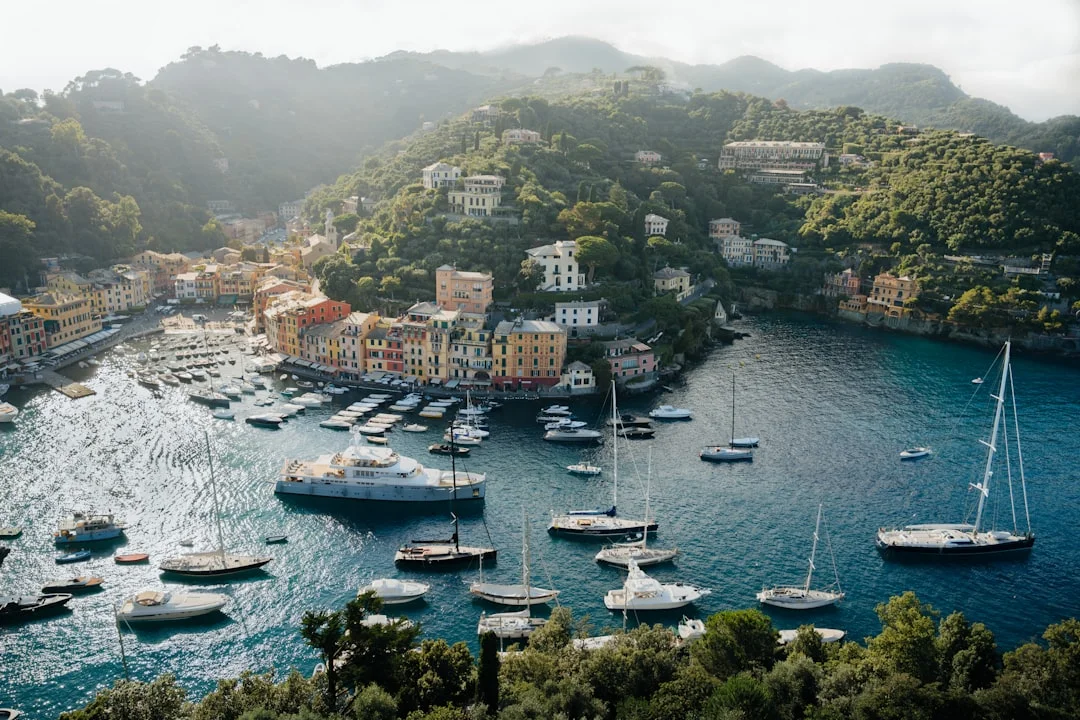
    Málagas gastronomische Entwicklung nimmt auch im Jahr 2026 weiter an Fahrt auf. Während das historische Zentrum lange Zeit von Fast-Food-Pizzaketten und auf Touristen ausgerichteten Trattorien gesättigt war, strebt eine neue Welle von Gastronomen nach etwas Substanziellerem – ein Qualitätsanspruch, der an die jüngsten Erfolge der lokalen Tech-Startups erinnert. Der neueste Zugang zu dieser Bewegung ist das Portofino, ein Lokal, das offiziell am 10. Januar seine Türen öffnete und ein raffiniertes italo-mediterranes Konzept in das Herz der Stadt bringt.

  • New Arrival: ‘Portofino’ Brings Sophisticated Italo-Mediterranean Cuisine to the Center

    New Arrival: ‘Portofino’ Brings Sophisticated Italo-Mediterranean Cuisine to the Center

    Málaga’s gastronomic evolution continues to gain momentum in 2026, matching the dynamism of local startups securing spots in the national top 100. While the historic center has long been saturated with fast-food pizza chains and tourist-focused trattorias, a new wave of restaurateurs is aiming for something more substantial. The latest arrival to join this movement is Portofino, a venue that officially opened its doors on January 10, bringing a refined Italo-Mediterranean concept to the heart of the city.

  • Dining by Design: Wie Ästhetik Málagas Gastronomieszene verändert

    Dining by Design: Wie Ästhetik Málagas Gastronomieszene verändert

    Jahrzehntelang bedeutete gutes Essen in Málaga eines von zwei Dingen: eine laute, mit Servietten übersäte Bar mit außergewöhnlichen Meeresfrüchten oder eine traditionelle Venta in den Bergen. Das Dekor war zweitrangig, oft gar nicht vorhanden. Wenn die Boquerones frisch waren, spielte die Beleuchtung keine Rolle.

    Doch wenn Sie im Jahr 2026 durch das historische Zentrum spazieren, werden Sie einen deutlichen Wandel bemerken. Wir leben in der Ära der „konzeptionellen Eröffnung“, in der der Innenarchitekt oft genauso prominent angekündigt wird wie der Küchenchef. Die Stadt ist weit darüber hinausgewachsen, Menschen nur zu verpflegen; sie kuratiert jetzt Erlebnisse.

    Der Aufstieg der „Gastro-Ästhetik“

    Es geht nicht nur darum, Dinge für soziale Medien hübsch aussehen zu lassen – obwohl das sicherlich Teil der Gleichung ist. Die neue Welle von Gastronomen versteht, dass das Ambiente den wahrgenommenen Wert der Mahlzeit bestimmt.

    Laut Experten auf diesem Gebiet wie Lago Interioriza ist die Psychologie des Raumes fundamental. Die Akustik, die Haptik der Möbel und die Farbpalette bereiten den Gaumen des Gastes vor, noch bevor der erste Gang serviert wird. In Málaga hat dies zu einem Boom von Räumen geführt, die die historische Architektur der Stadt mit scharfem, modernem Minimalismus verbinden.

    Dieser Wandel hat natürlich die Preise beeinflusst. Da die Investitionen pro Quadratmeter steigen, erhöht sich auch der Durchschnittsbon. Der lokale Markt hat jedoch enthusiastisch reagiert und signalisiert, dass die Malagueños bereit sind, für das Gesamtpaket zu zahlen: Service, Ambiente und Verpflegung.

    Der Maßstab: Matiz und die Kunst des Teilens

    Eines der deutlichsten Beispiele für diese Philosophie ist das Restaurante Matiz. Im Hotel Molina Lario gelegen, repräsentiert es die Reife der Málaguer Gastronomieszene. Es ist nicht nur ein Hotelrestaurant; es ist eine Destination.

    Das Konzept dreht sich hier um das „Teilen“ – eine Anspielung auf die traditionelle Tapas-Kultur –, jedoch gehoben auf einen Fine-Dining-Standard. Wie vom The Gourmet Journal angemerkt, schafft die Integration des Patios mit dem inneren Speisesaal einen fließenden Raum, der sich sowohl offen als auch intim anfühlt. Der Erfolg des Matiz liegt in seiner Fähigkeit, ein raffiniertes Menü (denken Sie an saisonale Zutaten und sorgfältiges Anrichten) mit einer Umgebung in Einklang zu bringen, die sich kosmopolitisch und doch unverwechselbar andalusisch anfühlt.

    Es dient als Vorlage für die aktuelle Ära: Essen, das lokale Wurzeln respektiert, serviert in einem Raum, der genauso gut in Mailand oder London sein könnte.

    Nationale Anerkennung

    Málagas Verwandlung ist dem Rest des Landes nicht verborgen geblieben. Die Stadt klettert in den gastronomischen Führern konsequent nach oben. Publikationen wie Condé Nast Traveler haben hervorgehoben, wie die Hauptstadt ihren Ruf als bloßes Tor zur Costa del Sol abgelegt hat, um selbst zu einem kulinarischen Schwergewicht zu werden.

    Diese Anerkennung schafft einen positiven Kreislauf. Mit wachsendem nationalem Prestige werden mehr Köche und Investoren von der Stadt angezogen, was die Standards für Design und Kreativität noch weiter nach oben treibt.

    Balance zwischen Innovation und Tradition

    Inmitten dieser Design-Revolution ist es entscheidend, sich an die Pioniere zu erinnern, die die Brücke zwischen den alten Tavernen und den neuen Konzepten geschlagen haben. Persönlichkeiten wie Willie Orellana (bekannt durch das Uvedoble) bleiben wichtige Referenzen. Sie bewiesen schon vor Jahren, dass man hochwertige, weiterentwickelte Tapas in einem modernen Ambiente servieren kann, ohne die Seele der Küche Málagas zu verlieren.

    Die Herausforderung für die neuesten Neueröffnungen im Jahr 2026 besteht darin, sicherzustellen, dass das „Konzept“ nicht die Küche in den Schatten stellt. Ein atemberaubender Speisesaal mag einen Kunden einmal durch die Tür bringen, aber nur exzellentes Essen lässt ihn wiederkommen.

    Was das für Sie bedeutet

    Wenn Sie heute einen Abend in Málaga planen, erwarten Sie ein kultivierteres Erlebnis, als Sie es vielleicht vor zehn Jahren vorgefunden hätten.

    • Reservieren Sie im Voraus: Diese Konzept-Restaurants haben oft begrenzte Sitzplätze, um eine bestimmte Atmosphäre zu wahren.
    • Kleiden Sie sich passend: Der „Beach Casual“-Vibe schwindet in diesen Etablissements; der Dresscode wird auf natürliche Weise schicker.
    • Schauen Sie sich um: Nehmen Sie sich einen Moment Zeit, um die Details zu würdigen – die restaurierten Steinmauern, die maßgefertigte Beleuchtung und die offenen Küchen. Sie sind jetzt genauso Teil des Menüs wie die Weinkarte.

    Málaga wird erwachsen, und seine Restaurants kleiden sich dem Anlass entsprechend. Es ist eine aufregende Zeit, um in dieser Stadt hungrig zu sein und zu beobachten, wie sie die perfekte Balance zwischen ihrer köstlichen Vergangenheit und ihrer stilvollen Zukunft findet.

  • Dining by Design: How Aesthetics Are Reshaping Málaga’s Food Scene

    Dining by Design: How Aesthetics Are Reshaping Málaga’s Food Scene

    For decades, eating well in Málaga meant one of two things: a noisy, napkin-littered bar with exceptional seafood, or a traditional venta in the mountains. The decor was secondary, often nonexistent. If the boquerones were fresh, the lighting didn’t matter.

    But walk through the historic center in 2026, and you will notice a distinct shift. We are living in the era of the “conceptual opening,” where the interior designer is often billed as prominently as the executive chef. The city has moved beyond simply feeding people; it is now curating experiences.

    The Rise of the “Gastro-Aesthetic”

    It is not just about making things look pretty for social media—though that is certainly part of the equation. The new wave of restaurateurs understands that ambiance dictates the perceived value of the meal.

    According to experts in the field like Lago Interioriza, the psychology of space is fundamental. The acoustics, the tactile nature of the furniture, and the color palette all prime the diner’s palate before the first course arrives. In Málaga, this has translated into a boom of spaces that blend the city’s historic architecture with sharp, modern minimalism.

    This shift has naturally influenced prices. As the investment in square footage rises, so does the average ticket. However, the local market has responded enthusiastically, signaling that Malagueños are ready to pay for the complete package: service, setting, and sustenance.

    The Benchmark: Matiz and the Art of Sharing

    One of the clearest examples of this philosophy is Restaurante Matiz. Located within the Molina Lario hotel, it represents the maturity of Málaga’s dining scene. It isn’t just a hotel restaurant; it is a destination.

    The concept here revolves around “sharing”—a nod to the traditional tapas culture—but elevated to a fine dining standard. As noted by The Gourmet Journal, the integration of the patio with the interior dining room creates a fluid space that feels both open and intimate. The success of Matiz lies in its ability to balance a sophisticated menu (think seasonal ingredients and careful plating) with an environment that feels cosmopolitan yet distinctly Andalusian.

    It serves as a template for the current era: food that respects local roots, served in a space that could easily belong in Milan or London.

    National Recognition

    Málaga’s transformation hasn’t gone unnoticed by the rest of the country. The city is consistently climbing the ranks in gastronomic guides. Publications like Condé Nast Traveler have highlighted how the capital has shed its reputation as merely a gateway to the Costa del Sol to become a culinary heavyweight in its own right.

    This recognition creates a virtuous cycle. As national prestige grows, more chefs and investors are drawn to the city, pushing the standards of design and creativity even higher.

    Balancing Innovation with Tradition

    Amidst this design revolution, it is crucial to remember the pioneers who bridged the gap between the old taverns and the new concepts. Figures like Willie Orellana (of Uvedoble fame) remain vital references. They proved years ago that you could serve high-quality, evolved tapas in a modern setting without losing the soul of Málaga cuisine.

    The challenge for the newest openings in 2026 is to ensure that the “concept” doesn’t overshadow the kitchen. A stunning dining room might get a customer through the door once, but only excellent food brings them back.

    What This Means for You

    If you are planning a night out in Málaga today, expect a more polished experience than you might have found ten years ago.

    • Book Ahead: These concept restaurants often have limited seating to maintain a specific atmosphere.
    • Dress the Part: The “beach casual” vibe is fading in these establishments; the dress code is becoming naturally smarter.
    • Look Around: Take a moment to appreciate the details—the restored stone walls, the custom lighting, and the open kitchens. They are now as much a part of the menu as the wine list.

    Málaga is growing up, and its restaurants are dressing for the occasion. It is an exciting time to be hungry in this city, watching it find the perfect balance between its delicious past and its stylish future.

  • Gastro-Design: Die neue Ära der Gastronomie im Zentrum von Málaga

    Gastro-Design: Die neue Ära der Gastronomie im Zentrum von Málaga

    Lange Zeit war das Essen in Málaga eine unkomplizierte Angelegenheit. Man ging wegen der espetos an den Strand oder wegen der ensaladilla rusa in eine laute, gekachelte Taverne. Die Küche war ehrlich, die Atmosphäre chaotisch, aber charmant. Wenn Sie jedoch kürzlich durch das Stadtzentrum spaziert sind, haben Sie wahrscheinlich einen Wandel bemerkt. Der gastronomische Boom, der sich in den letzten Jahren entwickelt hat, ist in eine neue Phase eingetreten: die Ära des Gastro-Designs.

    Es reicht nicht mehr aus, nur exzellentes Essen zu servieren. In der wettbewerbsintensiven Landschaft des Jahres 2025 muss das Ambiente genauso sorgfältig kuratiert sein wie die Weinkarte. Wir erleben eine Welle von Neueröffnungen, bei denen das Innendesign nicht nur Dekoration, sondern ein wesentlicher Bestandteil des Menüs ist.

    Die Psychologie des Raumes

    Warum ist die Beleuchtung über Ihrem Tisch genauso wichtig wie das Salz in Ihrem Gericht? Laut Designexperten wie denen von Lago Interioriza ist die Verbindung von Gastronomie und Innendesign entscheidend für ein vollständiges sensorisches Erlebnis. Die Textur der Serviette, die Raumakustik und die Farbpalette stimmen Ihr Gehirn darauf ein, wie Sie den Geschmack wahrnehmen.

    In Málaga bewegt sich dieser Trend weg vom industriellen „Unfinished“-Look der 2010er Jahre hin zu etwas Wärmerem, Raffinierterem und unverkennbar Mediterranem. Es geht darum, Räume zu schaffen, die zum Verweilen, Entspannen und vor allem zum Teilen einladen.

    Matiz: Ein neuer Standard für das Teilen

    Einer der bemerkenswertesten Neuzugänge im Zentrum ist das Restaurante Matiz. Direkt im Herzen der Stadt gelegen, verkörpert das Matiz diese neue Philosophie perfekt. Es ist nicht nur ein Ort zum Essen, sondern ein Raum, der für soziale Interaktion konzipiert wurde.

    Das kulinarische Konzept konzentriert sich stark auf das Teilen von Speisen – eine Tradition, die tief in der andalusischen Kultur verwurzelt ist, hier aber modern interpretiert wird. Wie The Gourmet Journal berichtet, bietet das Restaurant ein multisensorisches Erlebnis, bei dem saisonale Produkte im Mittelpunkt stehen, das Ambiente jedoch eine entscheidende Nebenrolle spielt. Das Interieur verbindet Eleganz mit Komfort und nutzt Beleuchtung sowie Raumaufteilung, um Gespräche zu fördern statt zu isolieren.

    Wenn Sie im Matiz Platz nehmen, sprechen die Architektur des Tellers und die Architektur des Raumes dieselbe Sprache. Es ist ein Paradebeispiel dafür, wie das Gastgewerbe der Stadt reift.

    Willie Orellana: Das „Must“ an der Kathedrale

    Während Neueröffnungen Schlagzeilen machen, zeigt sich die Festigung dieses Trends am besten bei etablierten Köchen, die wissen, worauf es ankommt. Willie Orellanas Lokal, die Uvedoble Taberna, nur einen Steinwurf von der Kathedrale entfernt, bleibt ein Maßstab.

    Orellana hat bereits vor Jahren erfolgreich die Brücke zwischen der traditionellen Taverne und der modernen Gastro-Bar geschlagen, doch das Konzept ist heute noch genauso relevant. Es wird häufig als „Must-Visit“ bezeichnet, und Publikationen wie Condé Nast Traveler zählen es zu den besten Adressen in Stadt und Provinz. Der Raum ist kompakt und elegant, was eine Intimität schafft, die das kulinarische Erlebnis exklusiv und doch lebendig wirken lässt.

    Hier dient das Design der Funktion der „Tapa“: schnell, hochwertig und gesellig. Es beweist, dass gutes Design nicht immer riesige Speisesäle bedeutet, sondern die optimale Nutzung der einzigartigen, oft verwinkelten Räumlichkeiten im historischen Zentrum von Málaga.

    Der gesellige Tisch

    Was Matiz, Uvedoble und andere Neuzugänge verbindet, ist das Konzept des „geselligen Tisches“. Der Gast in Málaga nach 2024 sucht keinen steifen Monolog an weißen Tischdecken. Er möchte Teller über den Tisch reichen.

    Gastronomen reagieren darauf, indem sie Trennwände entfernen und Möbel wählen, die den Blickkontakt fördern. Auf den Speisekarten steht „para compartir“ (zum Teilen) als Standardrubrik, nicht als Randnotiz. Dies erfordert Innenräume, die das Lachen und das Klappern von Besteck vertragen, ohne dass es ohrenbetäubend wird – eine schwierige Balance, die die besten lokalen Designer nun endlich meistern.

    Ein Blick in die Zukunft

    Wenn wir sehen, wie diese wunderschönen neuen Räumlichkeiten rund um die Calle Larios und die Kathedrale entstehen, lässt man sich leicht vom Glamour der Samtstühle und Designerlampen mitreißen. Doch letztendlich zählt vor allem, dass diese Orte Treffpunkte für Freunde und Familien bleiben. Wir hoffen, dass inmitten dieser ästhetischen Revolution das Lachen so laut und herzlich bleibt, wie es in Málaga schon immer war, und damit beweist: Auch wenn sich die Wände ändern mögen, die Seele der Stadt bleibt dieselbe.

  • Gastro-Design: The New Era of Dining in Málaga’s Center

    Gastro-Design: The New Era of Dining in Málaga’s Center

    For a long time, eating in Málaga was a straightforward affair. You went for the espetos on the sand or the ensaladilla rusa in a noisy, tiled tavern. The food was honest, and the atmosphere was chaotic but charming. However, if you have walked through the city center recently, you have likely noticed a shift. The gastronomic boom that has been building over the last few years has entered a new phase: the era of Gastro-Design.

    It is no longer enough to serve excellent food. In the competitive landscape of 2025, the environment must be as curated as the wine list. We are seeing a wave of openings where interior design is not just decoration, but a fundamental ingredient of the menu.

    The Psychology of Space

    Why does the lighting over your table matter as much as the salt in your dish? According to design experts like those at Lago Interioriza, the union of gastronomy and interior design is essential for creating a complete sensory experience. The texture of the napkin, the acoustics of the room, and the color palette all prime your brain for how you perceive flavor.

    In Málaga, this trend is moving away from the industrial, unfinished look of the 2010s toward something warmer, more sophisticated, and distinctly Mediterranean. It is about creating spaces that invite you to stay, relax, and most importantly, share.

    Matiz: A New Standard for Sharing

    One of the most notable recent additions to the center is Restaurante Matiz. Located right in the heart of the city, Matiz encapsulates this new philosophy perfectly. It isn’t just a place to eat; it is a space designed for social interaction.

    The culinary concept focuses heavily on sharing—a tradition deeply rooted in Andalusian culture but elevated here with a modern twist. As reported by The Gourmet Journal, the restaurant offers a multisensory experience where the seasonal produce takes center stage, but the setting plays a crucial supporting role. The interior combines elegance with comfort, using lighting and layout to encourage conversation rather than isolation.

    When you sit down at Matiz, the architecture of the plate and the architecture of the room speak the same language. It is a prime example of how the city’s hospitality sector is maturing.

    Willie Orellana: The Cathedral’s “Must”

    While new openings grab headlines, the consolidation of this trend is best seen in established chefs who understand the assignment. Willie Orellana’s spot, Uvedoble Taberna, located just a stone’s throw from the Cathedral, remains a benchmark.

    Orellana successfully bridged the gap between the traditional tavern and the modern gastro-bar years ago, but it remains incredibly relevant today. It is frequently cited as a “must-visit,” with publications like Condé Nast Traveler highlighting it among the best stops in the city and province. The space is compact and sleek, forcing a level of intimacy that makes the dining experience feel exclusive yet bustling.

    Here, the design serves the function of the “tapa”: quick, high-quality, and social. It proves that good design doesn’t always mean massive dining halls; it means making the best use of the unique, often irregular spaces found in Málaga’s historic center.

    The Social Table

    What ties Matiz, Uvedoble, and other newcomers together is the concept of the “social table.” The post-2024 diner in Málaga isn’t looking for a stiff, white-tablecloth soliloquy. They want to pass plates across the table.

    Restaurateurs are responding by knocking down partitions and choosing furniture that facilitates eye contact. The menus are being written with “para compartir” (to share) as the default heading, not an afterthought. This requires interiors that can handle the noise of laughter and the clatter of cutlery without becoming deafening—a difficult balance that the best local designers are finally mastering.

    Looking Ahead

    As we watch these beautiful new spaces pop up around Calle Larios and the Cathedral, it is easy to get swept up in the glamour of velvet chairs and designer lamps. But at the end of the day, what matters most is that these places remain gathering spots for friends and families. We hope that amidst the aesthetic revolution, the laughter remains as loud and genuine as it always has been in Málaga, proving that while the walls may change, the soul of the city remains the same.