Tag: Malaga Cathedral

  • Neue Stiftung will den Bau der Kathedrale von Málaga vollenden

    Neue Stiftung will den Bau der Kathedrale von Málaga vollenden

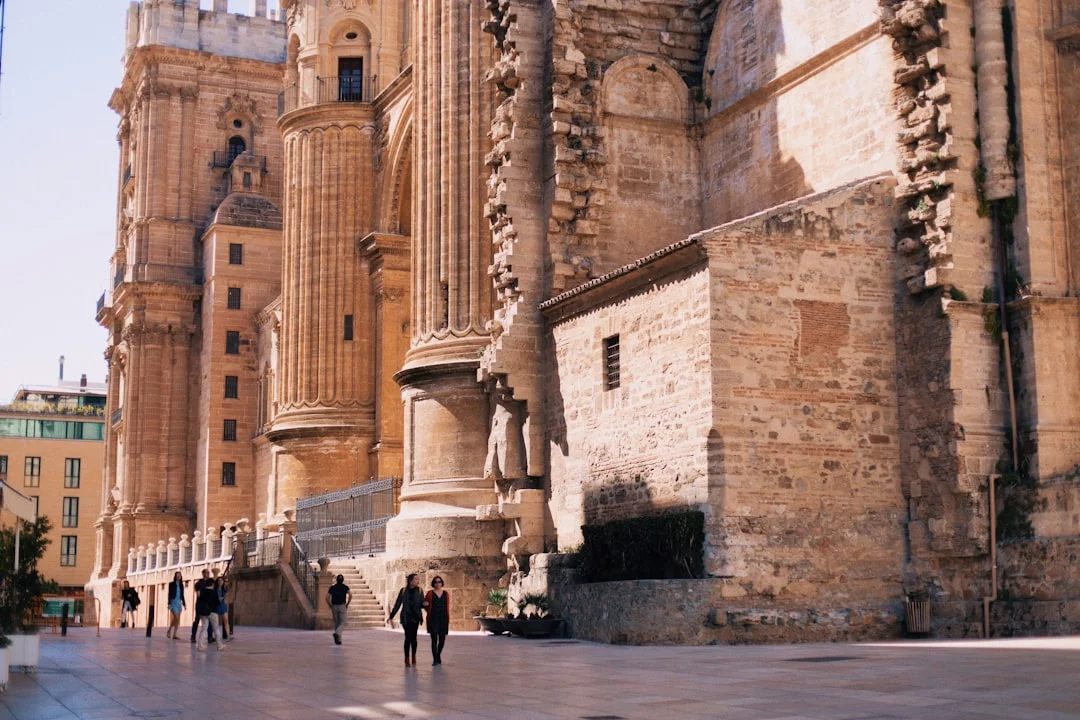
    Seit fast sechs Jahrhunderten wird die Skyline von Málaga von einer wunderschönen, wenn auch ungleichen Silhouette geprägt. Die Santa Iglesia Catedral Basílica de la Encarnación ist im Volksmund als ‘La Manquita’ (die Einarmige) bekannt, da ihr Südturm nie fertiggestellt wurde.

    Dieser historische Status quo könnte jedoch vor einer historischen Wende stehen. Wie Diario Sur im Juli 2026 berichtete, organisiert sich eine Gruppe lokaler Kollektive und führender Persönlichkeiten des öffentlichen Lebens, um eine brandneue Stiftung zu gründen. Ihre Hauptmission? Die Zivilgesellschaft zu mobilisieren, die notwendigen privaten Mittel zu beschaffen und schließlich den Bau von Málagas berühmtestem Wahrzeichen zu vollenden.

    Hier ist ein Blick darauf, warum die Kathedrale unvollendet blieb, was diese neue Bewegung vorschlägt und welche leidenschaftliche Debatte sie sowohl unter Einheimischen als auch unter Expats ausgelöst hat.

    Warum blieb die Kathedrale von Málaga unvollendet?

    Der Bau der Kathedrale begann 1528 auf dem Gelände einer ehemaligen Moschee. In den folgenden zweieinhalb Jahrhunderten entwickelte sich das Gebäude zu einer prächtigen Mischung aus Gotik, Renaissance und Barock.

    Gegen Ende des 18. Jahrhunderts schritten die Arbeiten am zweiten (südlichen) Turm voran. Doch im Jahr 1782 kamen die Bauarbeiten abrupt zum Stillstand.

    Es gibt zwei Haupterklärungen dafür, warum das Geld ausging:
    * Die populäre Legende: Die lokale Überlieferung besagt, dass das für die Fertigstellung des Turms vorgesehene Budget in die USA geschickt wurde, um den amerikanischen Unabhängigkeitskrieg gegen die Briten zu finanzieren.
    * Die historische Realität: Die meisten Historiker verweisen auf eine lokalere Ursache. Die Mittel wurden umgeleitet, um dringende öffentliche Arbeiten in der Region zu finanzieren, insbesondere den Bau des Camino de Antequera, einer lebenswichtigen Verkehrsverbindung zwischen Málaga und dem Landesinneren Andalusiens.

    Was auch immer der genaue Grund war, die Arbeiten wurden eingestellt, sodass der Südturm als Stumpf zurückblieb und die Hauptfassade unvollständig war. Im Laufe der Jahrhunderte wurde aus einer einst vorübergehenden Verzögerung das prägende Merkmal der Kathedrale.

    Die Initiative von 2026: Ein Vorstoß aus der Bürgerschaft

    Seit Generationen ist die Fertigstellung der Kathedrale ein wiederkehrendes Thema in den politischen und kulturellen Kreisen von Málaga. Was den aktuellen Vorstoß unterscheidet, ist sein Ansatz, der direkt aus der Bürgerschaft kommt.

    Jüngsten Berichten zufolge will die künftige Stiftung den politischen Stillstand überwinden, indem sie die Öffentlichkeit und die Wirtschaft direkt einbezieht. Durch die Gründung einer strukturierten Stiftung hoffen die Organisatoren:
    1. Privates Kapital beschaffen: Spenden von lokalen Unternehmen, internationalen Gönnern und Bürgern gewinnen, die die ursprüngliche architektonische Vision verwirklicht sehen möchten.
    2. Den öffentlichen Dialog fördern: Debatten, Ausstellungen und Bildungsforen veranstalten, um die architektonischen Pläne und die Vorteile einer Fertigstellung des Bauwerks zu erläutern.
    3. Mit den Behörden zusammenarbeiten: Mit dem Bistum von Málaga, der Regionalregierung (Junta de Andalucía) und dem Stadtrat zusammenarbeiten, um sicherzustellen, dass künftige Bauarbeiten die historische Integrität des Denkmals respektieren.

    Die große Debatte: Bauen oder nicht bauen?

    Der Vorschlag hat auf Anhieb eine leidenschaftliche Debatte in der ganzen Stadt entfacht. Für viele ist „La Manquita“ nicht nur ein Gebäude, sondern Identität.

    Die Argumente für eine Fertigstellung

    Befürworter des Projekts argumentieren, dass die Fertigstellung der Kathedrale eine Frage der historischen Gerechtigkeit und des architektonischen Stolzes ist. Sie weisen auf Folgendes hin:
    * Die ursprüngliche Vision: Die Kathedrale war mit zwei Türmen geplant. Ihre Fertigstellung würde den von den Renaissance-Architekten entworfenen Gesamtplan verwirklichen.
    * Struktureller Schutz: Eine einheitliche Fertigstellung des Dachs und der Türme könnte einen besseren langfristigen Schutz vor Feuchtigkeit und Wasserschäden bieten, unter denen die Kathedrale seit Jahrzehnten leidet.
    * Ein globales Zeichen: Die Fertigstellung einer bedeutenden historischen Kathedrale im 21. Jahrhundert würde Málaga ins weltweite architektonische Rampenlicht rücken, ähnlich wie die laufenden Arbeiten an der Sagrada Família in Barcelona.

    Die Argumente für den Erhalt des Ist-Zustands

    Auf der anderen Seite der Debatte glauben viele Einwohner und Denkmalschützer, dass die Kathedrale genau so bleiben sollte, wie sie ist:
    * Die Identität von „La Manquita“: Der unvollendete Turm macht die Kathedrale einzigartig. Ohne ihren fehlenden Arm wäre sie einfach nur eine weitere große Kathedrale und würde den besonderen Charme verlieren, den Einheimische und Touristen lieben.
    * Ein Denkmal der Geschichte: Der unvollendete Zustand ist ein physisches Zeugnis der wirtschaftlichen Realitäten und historischen Veränderungen Málagas im 18. Jahrhundert.
    * Prioritäten: Gegner argumentieren, dass Spendenbemühungen und öffentliche Aufmerksamkeit besser in den Erhalt der bereits verfallenden historischen Stätten Málagas fließen sollten, anstatt neue Strukturen zu errichten.

    Die Kathedrale von Málaga heute besuchen

    Wenn Sie in Málaga leben oder die Stadt besuchen, ist die Kathedrale ein absolutes Muss. Selbst in ihrem „einarmigen“ Zustand ist sie ein atemberaubendes Denkmal.

    • Das Innere: Im Inneren erwarten Sie emporragende Decken, ein beeindruckendes Chorgestühl aus dem 17. Jahrhundert, das von Pedro de Mena geschnitzt wurde, und wunderschöne Buntglasfenster.
    • Die Dachführung (Las Cubiertas): Für eine wirklich einzigartige Perspektive können Sie eine geführte Tour über die gemauerten Gewölbedächer der Kathedrale buchen. Der Aufstieg über die 200 Stufen des Nordturms belohnt Sie mit einigen der schönsten 360-Grad-Aussichten auf den Hafen, die Alcazaba und das historische Zentrum.

    Ob die neue Stiftung ihr ehrgeiziges Ziel erreicht oder „La Manquita“ ihre berühmte Silhouette für immer behält – die Debatte selbst zeigt, wie sehr den Menschen in Málaga der Schutz des historischen Erbes der Stadt am Herzen liegt. Städte sind lebendige Organismen, die ständig das Gewicht ihrer Vergangenheit mit den Ambitionen ihrer Zukunft in Einklang bringen müssen. Während wir dieses neue Kapitel miterleben, werden wir daran erinnert, dass die Geschichte in Málaga niemals wirklich abgeschlossen ist.
  • New Foundation Aims to Complete Malaga Cathedral

    New Foundation Aims to Complete Malaga Cathedral

    For nearly six centuries, the skyline of Málaga has been defined by a beautiful, albeit lopsided, silhouette. The Santa Iglesia Catedral Basílica de la Encarnación is famously known as ‘La Manquita’ (The One-Armed Lady) because its south tower was never built.

    However, this historic status quo might be on the verge of a historic shift. As reported by Diario Sur in July 2026, a group of local collectives and civic leaders is organizing to establish a brand-new foundation. Their primary mission? To mobilize civil society, raise the necessary private funds, and finally complete the construction of Málaga’s most famous landmark.

    Here is a look at why the cathedral remains unfinished, what this new movement proposes, and the passionate debate it has sparked among locals and expats alike.

    Why Was Malaga Cathedral Left Unfinished?

    Construction on the cathedral began in 1528 on the site of a former mosque. Over the next two and a half centuries, the building evolved into a magnificent blend of Gothic, Renaissance, and Baroque architectural styles.

    By the late 18th century, work was progressing on the second (south) tower. However, in 1782, construction ground to a halt.

    There are two main explanations for why the money ran out:
    * The Popular Legend: Local lore insists that the budget allocated for the completion of the tower was sent to the United States to help fund the American Revolutionary War against the British.
    * The Historical Reality: Most historians point to a more local cause. The funds were diverted to pay for urgent public works closer to home, specifically the construction of the Camino de Antequera, a vital transport route connecting Málaga to the interior of Andalusia.

    Whatever the exact reason, the work stopped, leaving the south tower as a stump and the main facade incomplete. Over the centuries, what was once a temporary delay became the cathedral’s defining characteristic.

    The 2026 Initiative: A Citizen-Led Push

    For generations, completing the cathedral has been a recurring talking point in Málaga’s political and cultural circles. What makes the current push different is its grassroots, citizen-led approach.

    According to recent reports, the upcoming foundation aims to bypass political gridlock by directly involving the public and the business community. By creating a structured foundation, the organizers hope to:
    1. Raise Private Capital: Attract donations from local businesses, international patrons, and citizens who want to see the original architectural vision realized.
    2. Promote Public Dialogue: Host debates, exhibitions, and educational forums to explain the architectural plans and the benefits of completing the structure.
    3. Collaborate with Authorities: Work alongside the Bishopric of Málaga, the regional government (Junta de Andalucía), and the City Council to ensure any future construction respects the historical integrity of the monument.

    The Great Debate: To Build or Not to Build?

    The proposal has instantly reignited a passionate debate across the city. For many, “La Manquita” is not just a building; it is an identity.

    The Case for Completing It

    Proponents of the project argue that finishing the cathedral is a matter of historical justice and architectural pride. They point out that:
    * The Original Vision: The cathedral was designed to have two towers. Completing it would fulfill the master plan laid out by the Renaissance architects.
    * Structural Protection: Finishing the roof and towers in a cohesive manner could provide better long-term protection against humidity and water damage, which have plagued the cathedral for decades.
    * A Global Statement: Completing a major historic cathedral in the 21st century would put Málaga in the global architectural spotlight, much like the ongoing works at Barcelona’s Sagrada Família.

    The Case for Leaving It Alone

    On the other side of the debate, many residents and heritage purists believe the cathedral should remain exactly as it is:
    * The Identity of “La Manquita”: The unfinished tower is what makes the cathedral unique. Without its missing arm, it would simply be another grand cathedral, losing the quirky charm that locals and tourists love.
    * A Monument to History: The unfinished state is a physical record of Málaga’s 18th-century economic realities and historical shifts.
    * Priorities: Opponents argue that fundraising efforts and public attention would be better spent on preserving Málaga’s existing, deteriorating heritage sites rather than building new structures.

    Visiting Malaga Cathedral Today

    If you are living in or visiting Málaga, the cathedral remains an absolute must-visit. Even in its “one-armed” state, it is a breathtaking monument.

    • The Interior: Inside, you will find soaring ceilings, stunning 17th-century choir stalls carved by Pedro de Mena, and beautiful stained-glass windows.
    • The Roof Tour (Las Cubiertas): For a truly unique perspective, you can book a guided tour of the cathedral’s vaulted brick roofs. Climbing the 200 steps of the northern tower rewards you with some of the finest 360-degree views of the port, the Alcazaba, and the historic center.

    Whether the new foundation succeeds in its ambitious goal or “La Manquita” keeps her famous silhouette forever, the conversation itself shows how deeply the people of Málaga care about protecting the city’s historic heritage. Cities are living things, constantly balancing the weight of their past with the ambitions of their future. As we watch this new chapter unfold, it reminds us that history in Málaga is never truly finished.

  • Why Malaga Cathedral ‘La Manquita’ is Under Scaffolding

    Why Malaga Cathedral ‘La Manquita’ is Under Scaffolding

    If you have taken a stroll through Malaga’s historic center recently, you have likely found yourself in the picturesque Plaza del Obispo, looking up at our beloved cathedral. You might have also noticed a rather large addition to the view: a massive network of metal.

    If you are wondering about the Malaga cathedral scaffolding and what it means for your visit, do not worry. You aren’t just looking at a standard construction site; you are witnessing a historic milestone for the city’s most iconic monument.

    The Story of ‘La Manquita’

    To understand the current works, you need to know a bit about the building itself. Officially named the Santa Iglesia Catedral Basílica de la Encarnación, locals affectionately call it La Manquita (The One-Armed Lady).

    Construction began in the 16th century on the site of a former mosque and continued for over two hundred years. However, funding ran dry in the late 18th century, leaving the south tower famously unbuilt. But the missing tower wasn’t the only thing left incomplete. The main facade’s pediment (the triangular upper part of the front of the building) was never finished, and the roof was left with structural vulnerabilities that have caused severe water damage over the centuries.

    What is Happening Now?

    For decades, locals and historians have debated how to protect and complete the cathedral. Now, action is finally being taken. The current project tackles two massive goals:

    1. Completing the Main Facade

    The scaffolding you see from Plaza del Obispo is there for a reason. Works have officially begun to construct the pediment that will crown the main facade. This architectural element was part of the original design but was left untouched for centuries. Once finished, the cathedral will present a unified, complete face to the square, exactly as its master builders intended hundreds of years ago.

    2. The Historic Roof Rehabilitation

    Perhaps even more critical than the facade is the ongoing la manquita construccion tejado (roof construction). The cathedral has suffered from chronic leaks that threatened the priceless artwork and structural integrity of the interior.

    The good news? The project is moving along beautifully. According to a recent May 2026 report from La Opinión de Málaga, the roof rehabilitation has already passed the halfway mark. The installation of the new protective structure and tiles is advancing right on schedule, ensuring the interior will finally be safe from the heavy winter rains.

    What This Means for Your Visit

    If you are tracking the obras catedral Malaga (Malaga cathedral works) to plan your trip, here is the practical breakdown:

    • The Cathedral remains open: You can still go inside and marvel at the stunning choir stalls, the soaring vaulted ceilings, and the intricate chapels.
    • Tours are ongoing: Guided tours, including the highly recommended rooftop tours (which offer a fascinating close-up view of the construction and the city skyline), are still operating, though routes may be slightly adjusted for safety.
    • Photography: Yes, the scaffolding alters the classic photo from the plaza. However, it also provides a unique, once-in-a-lifetime snapshot of the cathedral in transition.

    Seeing a beloved monument covered in scaffolding might initially feel like a slight bummer when you are hunting for that perfect vacation photo. Yet, there is something deeply special about watching a city actively care for its history. You aren’t just seeing a building under repair; you are seeing Malaga breathe new life into its greatest treasure, ensuring that La Manquita stands proud and protected for centuries to come.

  • Malaga Cathedral Begins Works to Complete Main Facade

    Malaga Cathedral Begins Works to Complete Main Facade

    If you have strolled through Malaga’s historic center recently, you couldn’t have missed the imposing silhouette of the Malaga Cathedral. Known affectionately as “La Manquita” (The One-Armed Lady) due to its famously unfinished south tower, the building is currently surrounded by a network of scaffolding. While construction barriers might seem like an eyesore to a passing tourist or a newly arrived expat, they actually signal a monumental chapter in the city’s history.

    A Historic Milestone for “La Manquita”

    After centuries of standing incomplete, works have officially begun to finish the cathedral’s main facade. Specifically, the project focuses on constructing the pediment (frontón) that will crown the stunning view from Plaza del Obispo. For locals, seeing cranes and workers tackling this specific section is a thrilling development. The cathedral’s original architectural plans, drafted hundreds of years ago, are finally being respected and realized.

    Roof Restoration Progress

    This aesthetic completion goes hand-in-hand with a massive structural necessity: the roof. For years, the cathedral suffered from severe water leaks during heavy rains, threatening its priceless interior art, vaulted ceilings, and structural integrity.

    According to recent updates from La Opinión de Málaga, the massive roof rehabilitation project has now successfully passed the halfway point. The installation of the new protective structure and tiles is advancing steadily and remains perfectly on schedule. This dual-action approach—securing the roof while finishing the facade—ensures the building is both protected from the elements and visually complete from the front.

    What This Means for Visitors

    If you are planning a visit, do not let the Malaga Cathedral scaffolding deter you.

    • Open for Exploration: The interior remains fully accessible. You can still marvel at the intricate choir stalls, the towering columns, and the beautiful chapels.
    • A Unique Perspective: Witnessing the “la manquita construccion tejado” (the roof construction of La Manquita) gives your visit a unique context. You are not just looking at a static piece of history; you are seeing a living monument actively evolving.
    • Plaza del Obispo: The square in front of the cathedral remains one of the best spots to grab a coffee, sit back, and watch the meticulous restoration work unfold.

    It is a rare privilege to watch a city care for its heritage in real-time. As the scaffolding eventually comes down in the coming years, we will be left with a cathedral that is safer, closer to its original vision, and ready to stand proud for centuries to come. Until then, we get to be active witnesses to its ongoing story.

  • Social Dining im Matiz: Gut essen nahe der Kathedrale

    Social Dining im Matiz: Gut essen nahe der Kathedrale

    Jahrelang war der unmittelbare Radius um die Kathedrale von Málaga – liebevoll La Manquita genannt – ein gastronomisches Minenfeld. Es war das Land der Plastik-Paella-Fotos und der aggressiven Kundenwerbung. Die letzten Jahre haben jedoch einen kultivierten Wandel im Stadtzentrum gefestigt. Das Viertel hat sich, begleitet von Málagas unaufhaltsamem Luxus-Boom, zu einem Zentrum für das entwickelt, was zunehmend als „Social Dining“ bekannt ist, wobei das Restaurante Matiz als Paradebeispiel für diesen Wandel steht.

  • Matiz: Social Dining Near the Cathedral

    Matiz: Social Dining Near the Cathedral

    For years, the immediate radius around the Málaga Cathedral—affectionately known as La Manquita—was a gastronomic minefield. It was the land of plastic paella photos and aggressive menu-touting. However, the last few years have cemented a sophisticated shift in the city’s center, driven by Málaga’s unstoppable luxury boom. The area has evolved into a hub for what is increasingly known as “social dining,” with Restaurante Matiz standing as a prime example of this transformation.