Málagas Entwicklung vom saisonalen Eingangstor zu einem ganzjährigen kulturellen und wirtschaftlichen Kraftzentrum, dessen Business-Ökosystem sich durch Deep Tech und Big Law festigt, zieht weiterhin bedeutende Investitionen an. Als jüngstes Zeichen dieser anhaltenden Dynamik hat Be Mate, die von Kike Sarasola gegründete Plattform für Apartment-Management, eine umfassende Erweiterung ihres Portfolios in der Hauptstadt angekündigt.
Tag: Málaga Business
-

Tourism Boom: Be Mate Adds 3 New Buildings in Málaga
Málaga’s trajectory from a seasonal gateway to a year-round cultural and corporate powerhouse continues to attract significant investment as deep tech and big law solidify the business ecosystem. In the latest sign of this enduring momentum, Be Mate, the apartment management platform founded by Kike Sarasola, has announced a major expansion of its portfolio within the capital.
-
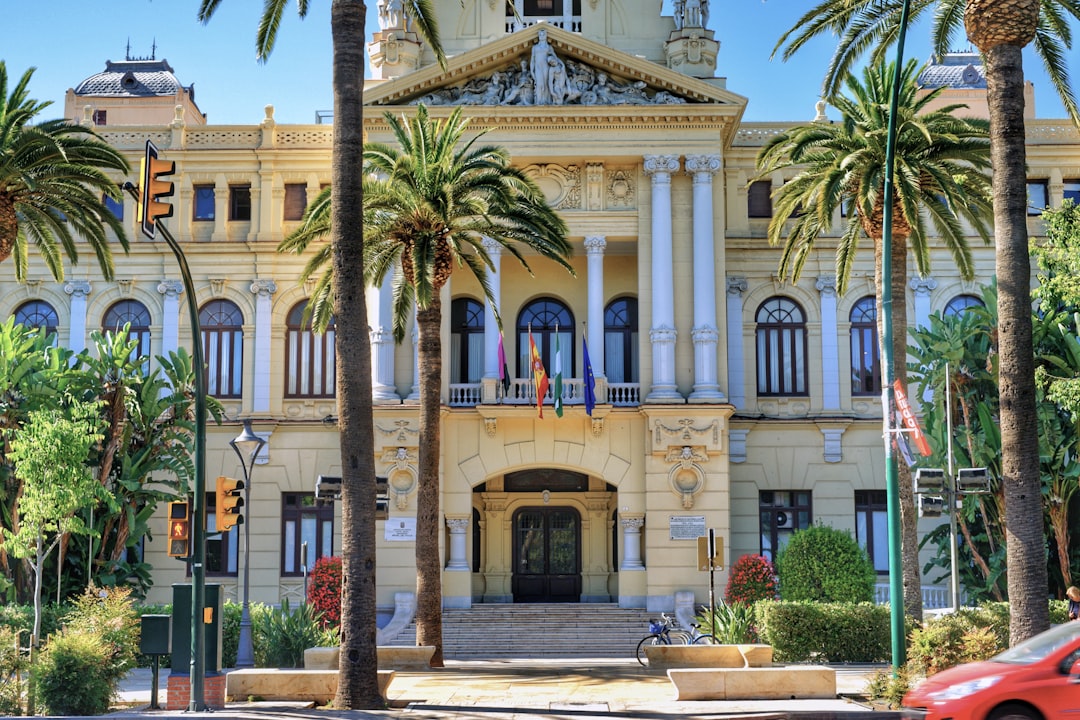
Nachhaltiger Tourismus: Der Privatsektor übernimmt im Oktober mit der ‚Ágora‘ die Führung
Jahrzehntelang war der Maßstab für Erfolg an der Costa del Sol einfach: Zahlen. Mehr Ankünfte, mehr Übernachtungen, mehr Flüge. Doch während sich die Straßen von Málaga bis zur Kapazitätsgrenze füllen und die Debatte über Massentourismus die Öffentlichkeit erreicht, verschiebt der professionelle Sektor leise, aber bestimmt die Zielsetzung. Das Gespräch dreht sich nicht mehr nur um Volumen; es geht um Wert, Koexistenz und Langlebigkeit – ein Wandel, der auch durch kulinarische Neuheiten wie La Tía Juana an der Plaza de Camas sichtbar wird.
-

Málaga: Das neue globale Labor für nachhaltigen Tourismus
Es ist leicht, Málaga zu betrachten und nur das funkelnde Mittelmeer, die historische Alcazaba und die belebten Terrassen der Calle Larios zu sehen. Seit Jahrzehnten ist diese Stadt das Aushängeschild für ein erfolgreiches Urlaubsziel. Jedoch vollzieht sich unter der Oberfläche ein bedeutender Wandel. Málaga ist nicht mehr nur ein Ort, den man besucht; es entwickelt sich zu dem Ort, an dem über die Zukunft des Reisens entschieden wird.
In einem Schritt, der seinen Status als strategischer Vorreiter festigt, ist Málaga in die globale Elite des Tourismusmanagements aufgestiegen. Die Stadt positioniert sich als „globales Labor“, in dem Strategien getestet und umgesetzt werden, die definieren werden, wie die Welt in den kommenden Jahrzehnten reist.
Beitritt zur Elite: Das UNWTO-Netzwerk
Der bedeutendste Schritt in dieser Transformation ist Málagas kürzliche Aufnahme in das International Network of Sustainable Tourism Observatories (INSTO) der Welttourismusorganisation (UNWTO). Dies ist nicht bloß eine Auszeichnung; es ist eine funktionale Integration in ein hochrangiges Monitoring-System.
Wie von Hosteltur berichtet, ist Málaga das fünfte Reiseziel in Spanien, das diesem prestigeträchtigen Netzwerk beitritt. Was bedeutet das für die Stadt? Es verwandelt Málaga in ein datengesteuertes Zentrum, in dem die wirtschaftlichen, ökologischen und sozialen Auswirkungen des Tourismus mit wissenschaftlicher Präzision gemessen werden. Mit dem Beitritt zu diesem Netzwerk verpflichtet sich die Stadt zu einer kontinuierlichen Überwachung, um sicherzustellen, dass das Tourismuswachstum der lokalen Bevölkerung ebenso zugutekommt wie den Besuchern.
Eine Brücke zwischen den Kontinenten: Das VI. Iberoamerikanische Forum
Um diesen neuen Status zu bekräftigen, ist Málaga derzeit Gastgeber des VI. Iberoamerikanischen Forums für nachhaltigen Tourismus. Diese Veranstaltung ist nicht nur eine weitere Konferenz; sie ist ein strategischer Treffpunkt, der zwei Kontinente verbindet.
Laut Entorno Turístico bringt das Forum über 30 internationale Referenten aus mehr als 15 Ländern zusammen. Ziel ist es, einen Dialog zwischen Europa und Lateinamerika zu schaffen, wobei Málaga als physische und intellektuelle Brücke dient. Die Diskussionen konzentrieren sich auf kritische Themen wie:
- Anpassung an den Klimawandel: Wie Küstenstädte widerstandsfähig bleiben können.
- Soziale Nachhaltigkeit: Sicherstellen, dass der Tourismus lokale Gemeinschaften unterstützt, anstatt sie zu verdrängen.
- Technologie: Nutzung von Big Data zur Steuerung von Besucherströmen.
Dezentralisierung und qualitativ hochwertige Beschäftigung
Das Gespräch in Málaga bewegt sich weg von „Wie viele Touristen können wir bekommen?“ hin zu „Wie beeinflusst der Tourismus unser Leben?“. Ein Hauptfokus dieser neuen strategischen Ausrichtung ist die Dezentralisierung. Ziel ist es, die Vorteile (und die Besucherströme) des Tourismus über das historische Zentrum hinaus in die Stadtviertel und die umliegende Provinz zu verteilen.
Darüber hinaus liegt ein erneuter Schwerpunkt auf der Qualität der Beschäftigung innerhalb des Sektors. Es reicht nicht mehr aus, Arbeitsplätze zu schaffen; die Branche drängt auf Professionalisierung und bessere Arbeitsbedingungen, um sicherzustellen, dass der Sektor für Arbeitnehmer nachhaltig ist, nicht nur für Investoren. Wie in einem Meinungsartikel von Diario Sur angemerkt, hängt die Zukunft des Tourismus an der Costa del Sol von diesem Gleichgewicht zwischen Wirtschaftsmotor und sozialem Wohlergehen ab.
Ein Labor für die Zukunft
Málagas Wandel zu einem „Global Hub“ bedeutet, dass die Stadt Verantwortung für ihren eigenen Erfolg übernimmt. Sie entwirft aktiv ein Modell, das andere Städte auf der ganzen Welt in Zukunft wahrscheinlich kopieren werden. Durch die Kombination von hochrangiger institutioneller Unterstützung durch die UNWTO mit praktischem, kontinentalübergreifendem Dialog auf dem Iberoamerikanischen Forum beweist Málaga, dass es den Verstand hat, der seiner Schönheit entspricht.
Für diejenigen von uns, die hier leben, ist dieser Wandel hoffnungsvoll. Er deutet auf eine Zukunft hin, in der die Stadt die Besucherwellen nicht nur überlebt, sondern durch sie aufblüht, ihre Seele bewahrt und gleichzeitig die Welt willkommen heißt. Es ist ein empfindliches Gleichgewicht, aber wenn eine Stadt die Energie hat, dies zu meistern, dann ist es sicherlich Málaga.
-
Málaga: The New Global Laboratory for Sustainable Tourism
It is easy to look at Málaga and see only the sparkling Mediterranean, the historic Alcazaba, and the bustling terraces of Calle Larios. For decades, this city has been the poster child for a successful holiday destination. However, a significant shift is occurring beneath the surface. Málaga is no longer just a place people come to visit; it is becoming the place where the very future of travel is decided.
In a move that cements its status as a strategic leader, Málaga has entered the global elite of tourism management. The city is positioning itself as a “global laboratory,” testing and implementing the strategies that will define how the world travels in the coming decades.
Joining the Elite: The UNWTO Network
The most significant step in this transformation is Málaga’s recent acceptance into the International Network of Sustainable Tourism Observatories (INSTO) of the World Tourism Organization (UNWTO). This is not merely a badge of honor; it is a functional integration into a high-level monitoring system.
As reported by Hosteltur, Málaga has become the fifth destination in Spain to join this prestigious network. What does this mean for the city? It transforms Málaga into a data-driven hub where the economic, environmental, and social impacts of tourism are measured with scientific precision. By joining this network, the city commits to continuous monitoring to ensure that tourism growth benefits the local population as much as the visitors.
A Bridge Between Continents: The VI Ibero-American Forum
Reinforcing this new status, Málaga is currently the host of the VI Ibero-American Forum on Sustainable Tourism. This event is not just another conference; it is a strategic meeting point connecting two continents.
According to Entorno Turístico, the forum brings together over 30 international speakers from more than 15 countries. The goal is to create a dialogue between Europe and Latin America, using Málaga as the physical and intellectual bridge. The discussions focus on critical issues such as:
- Climate Change Adaptation: How coastal cities can remain resilient.
- Social Sustainability: Ensuring tourism supports local communities rather than displacing them.
- Technology: Using big data to manage visitor flows.
Decentralization and Quality Employment
The conversation in Málaga is moving away from “how many tourists can we get?” to “how does tourism affect our life?” A key focus of this new strategic direction is decentralization. The aim is to spread the benefits (and the foot traffic) of tourism beyond the historic center and into the neighborhoods and surrounding province.
Furthermore, there is a renewed emphasis on the quality of employment within the sector. It is no longer enough to create jobs; the industry is pushing for professionalization and better working conditions to ensure the sector is sustainable for workers, not just investors. As noted in an opinion piece by Diario Sur, the future of tourism in the Costa del Sol depends on this balance between economic engine and social wellbeing.
A Laboratory for the Future
Málaga’s transition into a “Global Hub” means the city is taking responsibility for its own success. It is actively designing a model that other cities around the world will likely copy in the future. By combining high-level institutional backing from the UNWTO with practical, cross-continental dialogue at the Ibero-American Forum, Málaga is proving it has the brains to match its beauty.
For those of us who live here, this shift is hopeful. It suggests a future where the city doesn’t just survive the waves of visitors, but thrives because of them, maintaining its soul while welcoming the world. It is a delicate balance, but if any city has the energy to figure it out, it is certainly Málaga.
-
Sustainable Tourism: The Private Sector Takes the Lead with October’s ‘Ágora’
For decades, the metric for success in the Costa del Sol was simple: numbers. More arrivals, more hotel nights, more flights. However, as the streets of Málaga fill to capacity and the debate over mass tourism enters the public sphere, the professional sector is quietly but firmly shifting the goalposts. The conversation is no longer just about volume; it is about value, coexistence, and longevity.
This October, Málaga will host the second edition of the Ágora de Turismo Sostenible (Sustainable Tourism Agora), a pivotal event where the private sector aims to take the reins of a transformation that is as much about business strategy as it is about environmental responsibility.
From Political Debate to Professional Strategy
While headlines often focus on the political friction regarding housing and saturation, the tourism industry itself is organizing to find practical solutions. The consensus among professionals is that the “more is better” model has reached a ceiling. The new objective is to transform the Costa del Sol into a testing ground—a living laboratory—for a tourism model that respects both the visitor and the resident.
The upcoming Ágora is not just another conference; it is a declaration of intent. Organized with the backing of key institutional players, the event seeks to gather companies that are ready to implement real changes rather than just discuss them. According to Turismo Costa del Sol, the forum is designed to be a meeting point for reflection and, crucially, for sharing success stories that prove sustainability is profitable.
The ‘Ágora’ in October: A Call to Action
The second edition of this forum is scheduled for October, a strategic time as the high season winds down and planning for the next year begins. The event focuses on four main pillars:
- Environmental Impact: Reducing the carbon footprint of travel and hospitality.
- Social Sustainability: Ensuring tourism improves, rather than degrades, the quality of life for locals.
- Economic Viability: Proving that green practices lead to higher quality employment and better margins.
- Cultural Preservation: Protecting the identity that attracts visitors in the first place.
Turismo Costa del Sol has issued a direct invitation to provincial companies to join the forum. The goal is to move beyond the major hotel chains and involve the entire ecosystem—from transport providers to small tour operators—in the dialogue.
Why the Private Sector is Leading
Historically, regulations have driven change. However, in the current climate, market forces are the primary driver. Travelers, particularly from Northern Europe and North America, are increasingly demanding sustainable options. Businesses that fail to adapt risk obsolescence.
Furthermore, there is a growing recognition that unchecked massification is bad for business. As noted in recent analysis by Diario Sur, the counterproductive effects of simply increasing visitor numbers without a strategy are becoming evident. The industry understands that to protect the “golden goose,” the destination must remain livable and authentic.
The Costa del Sol as a Sustainability Lab
The ambition is for Málaga and the wider Costa del Sol to become a global reference for this transition. The region has the infrastructure and the brand recognition to lead. By focusing on diversification—promoting the interior, cultural routes, and off-season travel—the sector hopes to spread the benefits of tourism more evenly throughout the year and the province.
This shift also aims to improve the quality of employment within the sector. A move toward high-value tourism requires a more skilled workforce, theoretically leading to better contracts and stability for local workers, addressing one of the main criticisms of the current model.
Looking Ahead
As we approach October, the industry is bracing for honest conversations. The ‘Ágora’ represents a maturity in the sector—an acknowledgement that the beauty and vibrancy of Málaga are finite resources that must be managed with care.
It is easy to be cynical about corporate buzzwords, but the energy behind this movement feels different. There is a genuine understanding that the future of Málaga depends on finding a balance. We remain hopeful that when the industry leaders gather this autumn, the outcome will be more than just a manifesto, but a roadmap to a city that welcomes the world without losing itself.