Tag: Malaga Airport

  • Logistikpark am Flughafen Málaga durch Bürokratie blockiert

    Logistikpark am Flughafen Málaga durch Bürokratie blockiert

    Das strategische Potenzial von Málagas Mega-Logistikpark

    Der rasche Aufstieg von Málaga zu einem Technologie- und Investitionszentrum in Südeuropa hat eine beispiellose Nachfrage nach moderner Infrastruktur geschaffen. Die physische Expansion der Stadt stößt jedoch derzeit auf ein erhebliches Nadelöhr. Ein riesiger, mit Spannung erwarteter, 100 Hektar großer Logistikpark, der in der Nähe des Flughafens Málaga geplant ist, steckt weiterhin in einem Geflecht aus administrativen und bürokratischen Verfahren fest.

    Strategisch günstig zwischen dem Stadtteil Churriana und der Autobahn Hiperronda (A-7) gelegen, sollte dieses Megaprojekt den akuten Mangel an Industrie- und Vertriebsflächen in Málaga beheben. Für internationale Investoren, Logistikunternehmen und lokale Betriebe dient die Verzögerung als Fallstudie dafür, wie komplexe administrative Fristen in Spanien kritische wirtschaftliche Infrastrukturen ausbremsen können. Dies ist im Übrigen nicht das einzige Schlüsselprojekt der Stadt, das vor lokalen Hürden steht; ähnliche bürokratische und eigentumsrechtliche Komplexitäten behindern derzeit die Pläne für den Ausbau des Stadions Nueva Rosaleda im Vorfeld der Weltmeisterschaft 2030.

    Bürokratische Hürden: Was hält das Projekt auf?

    Trotz der klaren wirtschaftlichen Anreize und des starken Interesses des privaten Sektors kamen die für den Baubeginn erforderlichen städtebaulichen Verfahren nur im Schneckentempo voran. Laut einem aktuellen Bericht von Diario SUR ist das Projekt derzeit in komplexe kommunale und regionale städtebauliche Genehmigungsverfahren verstrickt.

    Mehrere Faktoren tragen zu dem anhaltenden Stillstand bei:

    • Koordination zwischen mehreren Behörden: Großprojekte in Spanien erfordern oft Genehmigungen von lokalen Kommunalbehörden, der Regionalregierung (Junta de Andalucía) und nationalen Behörden – insbesondere wenn das Gelände an kritische staatliche Infrastrukturen wie Flughäfen und Hauptverkehrsstraßen angrenzt.
    • Umwelt- und Fachberichte: Projekte dieser Größenordnung erfordern umfassende Umweltverträglichkeitsprüfungen, Nachweise über die Wasserversorgung und Studien zur Straßenanbindung, deren Klärung jeweils Monate oder sogar Jahre dauern kann.
    • Städtebauliche Einstufung: Die Umwidmung von landwirtschaftlichen oder ländlichen Flächen in industrie- und logistiktaugliche Grundstücke erfordert langwierige öffentliche Konsultationsphasen und behördliche Prüfungen.

    Für Unternehmen, die in Málaga Fuß fassen möchten, führen diese Verzögerungen zu einer Kluft zwischen den zukunftsorientierten wirtschaftlichen Ambitionen der Stadt und der aktuellen regulatorischen Realität.

    Warum dieser Standort für Südeuropa so wichtig ist

    Das blockierte, 100 Hektar große Areal ist nicht einfach nur ein weiteres Gewerbegebiet; es ist eines der strategisch wertvollsten Grundstücke in Andalusien.

    • Nähe zum Flughafen Málaga (AGP): Direkt neben dem Flughafen Málaga gelegen – der weiterhin ein rekordverdächtiges Verkehrsaufkommen und Spitzenzeiten im Reiseverkehr verzeichnet – würde der Park einen nahtlosen Übergang der Luftfracht auf den Landweg ermöglichen.
    • Direkte Autobahnanbindung: Direkt an der Hiperronda gelegen, bietet das Gelände sofortige Verbindungen zur restlichen Costa del Sol, ins Landesinnere von Andalusien sowie zu den Hauptautobahnen nach Madrid und Barcelona.
    • Der E-Commerce-Boom: Das schnelle Wachstum des Online-Handels hat in Málaga zu einem kritischen Mangel an „Last-Mile“-Zustellzentren geführt. Moderne Logistikunternehmen benötigen große Lagerhallen mit hohen Decken in der Nähe von Ballungsräumen, um die Anforderungen an eine schnelle Lieferung zu erfüllen.

    Ohne diesen Park sind viele multinationale Logistikunternehmen gezwungen, sich nach alternativen Standorten in benachbarten Provinzen umzusehen, was potenziell Direktinvestitionen in Millionenhöhe von Málaga abziehen könnte.

    Die weitreichenden Auswirkungen auf das Investitionsklima in Málaga

    Málaga hat sich erfolgreich als attraktives Ziel für digitale Nomaden, Tech-Giganten und multinationale Konzerne positioniert. Die physische Infrastruktur muss jedoch mit dem digitalen Wachstum Schritt halten. Wenn wichtige Logistik- und Industrieentwicklungen ins Stocken geraten, setzt dies dem Wachstumspotenzial der lokalen Wirtschaft Grenzen.

    Für ausländische Investoren bleibt das Navigieren durch die lokale Bürokratie eine der größten Hürden. Obwohl die Regionalregierung in den letzten Jahren Fortschritte bei der Einführung von „Fast-Track“-Verfahren für Projekte von strategischem Interesse erzielt hat, zeigt dieser spezielle Logistikpark, dass tief verwurzelte kommunale und sektorale Prozesse nach wie vor viel Geduld erfordern.

    Ein Blick in die Zukunft: Umgang mit der lokalen Verwaltung

    Obwohl die aktuellen Verzögerungen für die Beteiligten frustrierend sind, ist das Projekt noch lange nicht gestorben. Die schiere wirtschaftliche Notwendigkeit eines Logistikzentrums dieser Größenordnung bedeutet, dass die lokalen Behörden weiterhin bestrebt sind, die Flächen letztendlich freizugeben. Entwickler und Investoren müssen jedoch mit längeren Zeiträumen planen, wenn sie größere städtebauliche Veränderungen in der Region in Angriff nehmen.

    Für Unternehmen, die Málaga als südeuropäische Drehscheibe ins Auge fassen, liegt der Schlüssel im Aufbau solider lokaler Partnerschaften, dem genauen Verständnis der regionalen Planungsgesetze und der Einplanung realistischer administrativer Puffer in ihre Geschäftsmodelle.

    Die Zukunft einer Stadt zu gestalten, ist selten ein geradliniger Weg. Während sich Málaga von einem Touristen-Hotspot zu einem bedeutenden Wirtschaftszentrum weiterentwickelt, wird die Behebung dieser Infrastrukturengpässe von entscheidender Bedeutung sein. Wir bleiben zuversichtlich, dass sich die administrativen Räder schneller drehen und den Weg für ein besser angebundenes und widerstandsfähigeres Málaga ebnen werden.
  • Malaga Airport Logistics Park Blocked by Bureaucracy

    Malaga Airport Logistics Park Blocked by Bureaucracy

    The Strategic Promise of Malaga’s Mega Logistics Park

    Malaga’s rapid rise as a Southern European technology and investment hub, driven in part by how Andalusia actively boosts startups with initiatives like the Top 101 Spain Up Nation, has created an unprecedented demand for modern infrastructure. However, the city’s physical expansion is currently hitting a significant bottleneck. A massive, highly anticipated 100-hectare logistics park planned near Malaga Airport remains stalled in a web of administrative and bureaucratic procedures.

    Positioned strategically between the district of Churriana and the Hiperronda (A-7) highway, this mega-project was designed to solve Malaga’s severe shortage of industrial and distribution space. For international investors, logistics operators, and local businesses, the delay serves as a case study in how complex administrative timelines in Spain can slow down critical economic infrastructure. Indeed, this is not the only key project in the city facing local hurdles; similar bureaucratic and ownership complexities are currently hindering plans for the Nueva Rosaleda stadium expansion ahead of the 2030 World Cup.

    Bureaucratic Roadblocks: What is Holding Up the Project?

    Despite the clear economic incentives and strong private sector interest, the urban planning procedures required to break ground have moved at a glacial pace. According to a recent report by Diario SUR, the project is currently entangled in complex municipal and regional urban planning approvals.

    Several factors contribute to the ongoing paralysis, such as those causing the major traffic delays on the A-7 highway near Benalmádena:

    • Multi-Agency Coordination: Large-scale developments in Spain often require approvals from local municipal offices, the regional government (Junta de Andalucía), and national agencies—especially when the land is adjacent to critical state infrastructure like airports and major highways.
    • Environmental and Sectoral Reports: Projects of this scale require exhaustive environmental impact assessments, water supply verifications, and road connectivity studies, each of which can take months—or even years—to resolve.
    • Urban Classification: Reclassifying agricultural or rural land into industrial and logistics-ready parcels involves lengthy public consultation phases and administrative reviews.

    For businesses looking to establish a footprint in Malaga, these delays create a gap between the city’s forward-looking economic ambitions and its current regulatory reality.

    Why This Location Matters for Southern Europe

    The stalled 100-hectare site is not just another industrial estate; it is one of the most strategically valuable plots of land in Andalusia.

    • Proximity to Malaga Airport (AGP): Located right next to Malaga Airport—which continues to experience record-breaking traffic and peak travel rushes—the park would facilitate seamless air-to-land cargo transitions.
    • Direct Highway Access: Situated alongside the Hiperronda, the site offers immediate connections to the rest of the Costa del Sol, the interior of Andalusia, and the main highways leading to Madrid and Barcelona.
    • The E-Commerce Boom: The rapid growth of online retail has left Malaga with a critical deficit of “last-mile” delivery hubs. Modern logistics companies require large, high-ceilinged warehouses close to urban centers to meet fast delivery demands.

    Without this park, many multinational logistics operators are forced to look at alternative hubs in neighboring provinces, potentially diverting millions of euros in direct investment away from Malaga.

    The Broader Impact on Malaga’s Investment Climate

    Malaga has successfully branded itself as an attractive destination for digital nomads, tech giants, and multinational corporations. However, physical infrastructure must keep pace with digital growth. When key logistics and industrial developments stall, it places a ceiling on how much the local economy can expand.

    For foreign investors, navigating local bureaucracy remains one of the highest hurdles. While the regional government has made strides in recent years to introduce “fast-track” systems for projects of strategic interest, this particular logistics park demonstrates that deeply rooted municipal and sectoral processes still require significant patience.

    Looking Ahead: Navigating Local Administration

    While the current delays are frustrating for stakeholders, the project is far from dead. The sheer economic necessity of a logistics hub of this scale means that local authorities remain committed to eventually unlocking the land. However, developers and investors must plan for extended timelines when embarking on major urban transformations in the region.

    For companies eyeing Malaga as a Southern European hub, the key lies in building robust local partnerships, thoroughly understanding regional planning laws, and factoring realistic administrative buffers into their business models.

    Building the future of a city is rarely a straightforward path. As Malaga continues to mature from a tourist hotspot into a major economic powerhouse, resolving these infrastructure bottlenecks will be crucial. We remain hopeful that the administrative gears will turn faster, paving the way for a more connected and resilient Malaga.

  • Flughafen Málaga: 3,18 Mio. Passagiere durch Billigflieger

    Flughafen Málaga: 3,18 Mio. Passagiere durch Billigflieger

    Die gute Anbindung Málagas ist seit langem einer der größten Vorzüge der Stadt und hat die Hauptstadt der Costa del Sol in ein erstklassiges Reiseziel für Touristen, Remote-Worker und internationale Einwohner verwandelt. Die aktuellen Zahlen der ersten vier Monate des Jahres 2026 unterstreichen diesen anhaltenden Boom und verdeutlichen, wie gut erreichbar die Region geworden ist, auch wenn der enorme Andrang mittlerweile eine mögliche öffentliche Abstimmung über Mietpreisbremsen und Beschränkungen für Touristenapartments auf die Agenda gesetzt hat.

    Rekordzahlen bei internationalen Ankünften

    Der Beginn des Jahres 2026 hat dem Flughafen Málaga-Costa del Sol (AGP) beeindruckende Zahlen beschert. Nach aktuellen Daten, über die La Opinión de Málaga berichtet, begrüßte der Flughafen zwischen Januar und April 3,18 Millionen internationale Fluggäste. Dies entspricht einem soliden Anstieg von 6,8 % im Vergleich zum Vorjahreszeitraum.

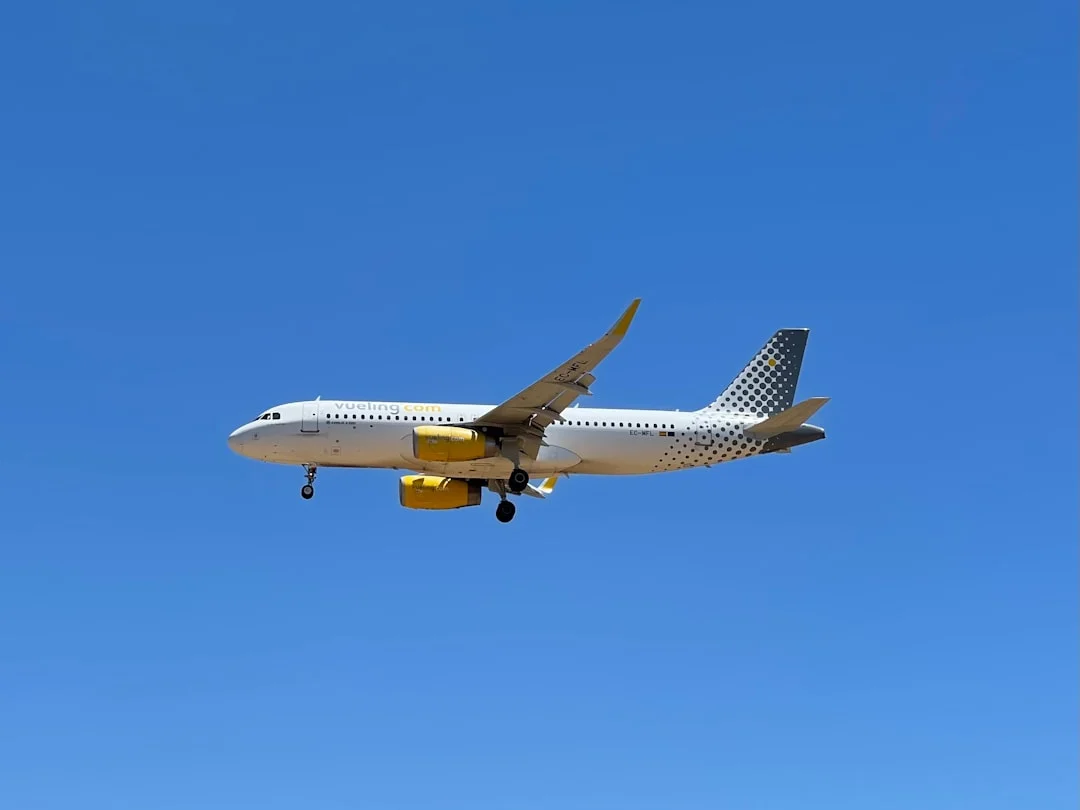
    Was bei diesen Statistiken am meisten heraussticht, ist die Art des Reisens: Über 70 % dieser internationalen Ankünfte erfolgten mit Billigfluggesellschaften. Fluggesellschaften wie Ryanair, easyJet und Vueling bauen ihre europäischen Strecken weiter aus und festigen Málagas Status als hervorragend angebundener, budgetfreundlicher Knotenpunkt.

    Attraktivität für Remote-Work und Tourismus

    Diese Dominanz der Billigflieger ist ein entscheidender Motor für die lokale Wirtschaft. Sie befeuert die wachsende Szene der digitalen Nomaden und unterstützt den florierenden Tourismussektor an der gesamten Costa del Sol. Für internationale Tech-Experten und Remote-Worker bedeutet die Möglichkeit, einen direkten und erschwinglichen Flug in große europäische Hauptstädte wie London, Berlin oder Paris zu nehmen, dass Málaga nicht nur ein Urlaubsort ist – es ist ein strategischer und praktischer Stützpunkt zum Leben und Arbeiten, insbesondere für Expats, die sich auf dem sich wandelnden lokalen Immobilienmarkt zurechtfinden müssen.

    Tipps und Tricks für den Flughafen Málaga

    Da die Passagierzahlen stark ansteigen – und Pläne für eine massive Erweiterung des Terminals 3 im Gange sind – ist es wichtiger denn je, sich effizient am AGP zurechtzufinden. Hier sind einige wichtige Tipps für Reisende, die an die Costa del Sol fliegen oder von dort abfliegen:

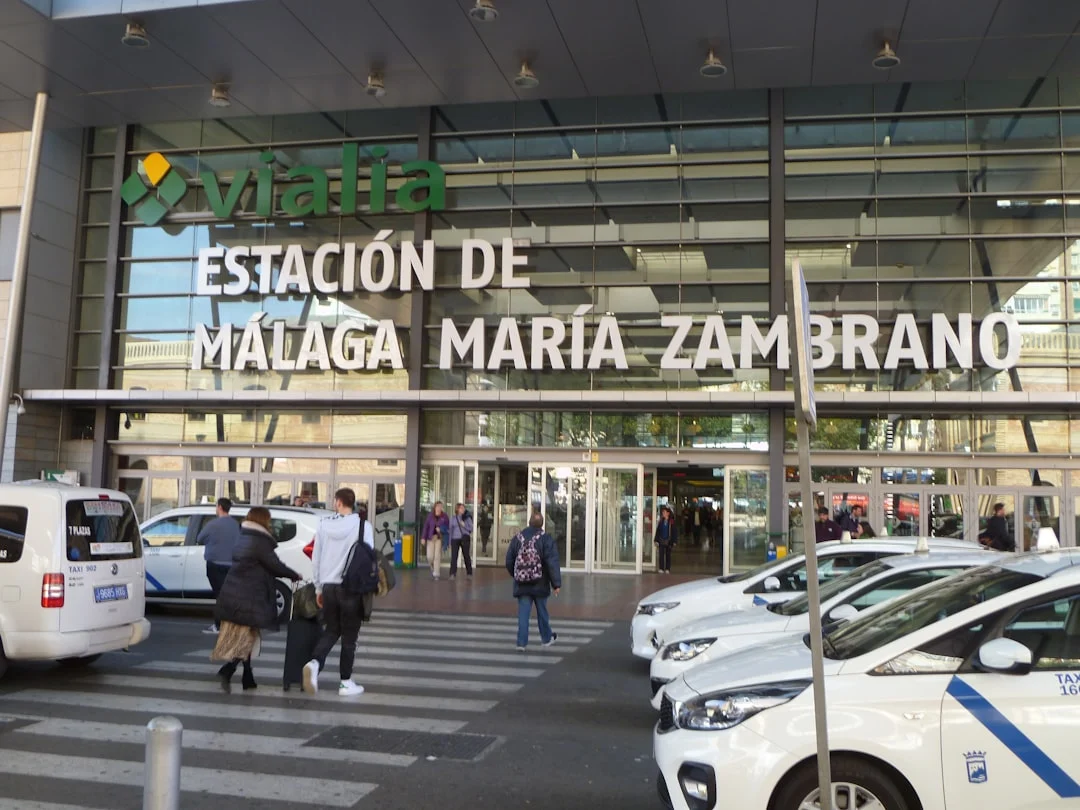
    • Nehmen Sie den C1 Cercanías-Zug: Umgehen Sie die Warteschlange am Taxistand. Der Nahverkehrszug verbindet das Terminal 3 in nur 12 Minuten direkt mit Málaga Centro (Bahnhof María Zambrano und Centro Alameda). Er ist zuverlässig, preiswert und vermeidet den Stau auf der Autobahn.
    • Nutzen Sie Flüge außerhalb der Stoßzeiten: Da Billigfluggesellschaften das Rollfeld dominieren, bieten Flüge unter der Woche oder in den frühen Morgenstunden oft die besten finanziellen Angebote und helfen Ihnen, die langen Warteschlangen an der Sicherheitskontrolle an den Wochenenden zu vermeiden.
    • Erwägen Sie Fast Track: Wenn Sie ein Vielflieger sind, kann der Kauf eines Fast-Track-Passes für die Sicherheitskontrolle wertvolle Zeit sparen, insbesondere wenn wir uns den geschäftigen Sommermonaten nähern.
    • Kommen Sie frühzeitig für Non-Schengen-Flüge: Die Passkontrollen nach dem Brexit können bei Flügen nach Großbritannien gelegentlich zu Engpässen führen. Planen Sie immer zusätzliche Zeit ein, wenn Sie außerhalb des Schengen-Raums fliegen.

    Es ist wirklich aufregend zu beobachten, wie sich Málaga weiterentwickelt, während es gleichzeitig den warmen, sonnenverwöhnten Charme bewahrt, der so viele von uns überhaupt erst hierher gezogen hat. Da der Flughafen weiterhin Rekorde bricht und die Welt vor unsere Haustür bringt, hoffen wir, dass die Stadt dieses Wachstum umsichtig bewältigt. So kann sichergestellt werden, dass sowohl Neuankömmlinge als auch Einheimische weiterhin die lebendigen Straßen, die reiche Kultur und die einladende Gemeinschaft genießen können, die diese Ecke Andalusiens zu einem echten Zuhause machen.

  • Málaga Airport: 3.18M Passengers & Low-Cost Dominance

    Málaga Airport: 3.18M Passengers & Low-Cost Dominance

    Málaga’s connectivity has long been one of its greatest assets, transforming the capital of the Costa del Sol into a premier destination for tourists, remote workers, and international residents. Recent figures from the first four months of 2026 underscore this ongoing boom, highlighting just how accessible the region has become, although this rapid influx has also sparked public debates over potential rent caps and tourist accommodation limits.

    Record-Breaking International Arrivals

    The start of 2026 has brought impressive numbers to Málaga-Costa del Sol Airport (AGP). According to recent data reported by La Opinión de Málaga, the airport welcomed 3.18 million international passengers between January and April. This represents a solid 6.8% increase compared to the same period last year.

    What stands out most in these statistics is the method of travel: over 70% of these international arrivals flew with low-cost carriers. Airlines such as Ryanair, easyJet, and Vueling continue to expand their European routes, cementing Málaga’s status as a highly connected, budget-friendly hub.

    The Remote Work and Tourism Appeal

    This low-cost dominance is a crucial driver for the local economy. It fuels the growing digital nomad scene and supports the thriving tourism sector across the Costa del Sol. For international tech professionals and remote workers, the ability to hop on a direct, affordable flight to major European capitals like London, Berlin, or Paris means Málaga isn’t just a holiday spot—it is a strategic and practical base for living and working, particularly for expats navigating the shifting local property market.

    Navigating Málaga Airport: Tips and Hacks

    With passenger numbers surging—and plans underway for a massive Terminal 3 expansion—navigating AGP efficiently is more important than ever. Here are a few essential tips for travelers flying in and out of the Costa del Sol:

    • Take the C1 Cercanías Train: Skip the taxi queue. The local train connects Terminal 3 directly to Málaga Centro (María Zambrano station and Centro Alameda) in just 12 minutes. It is reliable, inexpensive, and avoids highway traffic.
    • Leverage Off-Peak Flights: With low-cost airlines dominating the tarmac, flying mid-week or during early morning hours often yields the best financial deals and helps you avoid the heavy weekend security queues.
    • Consider Fast Track: If you are a frequent flyer, purchasing a Fast Track security pass can save valuable time, especially as we move closer to the busy summer months.
    • Arrive Early for Non-Schengen Flights: Post-Brexit passport control can occasionally cause bottlenecks for UK-bound flights. Always allow extra time if you are flying outside the Schengen zone.

    It is genuinely exciting to watch Málaga evolve while retaining the warm, sun-drenched charm that drew so many of us here in the first place. As the airport continues to break records and bring the world to our doorstep, we hope the city manages this growth thoughtfully, ensuring that both newcomers and locals can continue to enjoy the vibrant streets, rich culture, and welcoming community that make this corner of Andalusia feel like home.

  • Airplanes and Superheroes at the Aeronautical Museum

    Airplanes and Superheroes at the Aeronautical Museum

    If you are looking for an off-the-beaten-path family activity that goes beyond the usual beach days or city center strolls, the Malaga Aeronautical Museum (Aeromuseo) offers a fantastic alternative. Located right next to the Malaga Airport—and budget-friendly to reach thanks to the cheap Malaga bus passes available in 2026—this hidden gem provides a fascinating dive into local aviation history and frequently hosts creative community events that keep locals and expats coming back.

    A Journey Through Aviation History

    Situated at Plaza Pierre Georges Latécoère, right beside the General Aviation building and just a stone’s throw from the San Miguel factory, the Aeromuseo is a delight for visitors of all ages. The museum is housed in the original 1948 passenger terminal, allowing you to step back in time the moment you walk through the doors.

    Visitors can explore a collection of vintage airplanes, historical aviation equipment, and interactive exhibits. Unlike many traditional museums, the Aeromuseo encourages a hands-on experience. Kids (and adults) can climb aboard historic aircraft, sit in the pilot’s seat of a real airliner, and get a feel for what air travel was like decades ago.

    Special Events: Superheroes and Solidarity

    Beyond its permanent exhibits, the museum is known for organizing engaging weekend events that bring the community together. A perfect example of this is their themed solidarity days. As highlighted by Málaga Hoy, the museum has historically hosted special weekend events combining vintage airplanes with superhero-themed activities and a blood donation drive.

    During these special editions, the grounds fill with volunteers dressed as popular superheroes, creating a fun and welcoming environment for children. While the kids are entertained by their favorite comic book characters and aviation history, adults have the opportunity to participate in a blood donation drive, making it a weekend plan that is both entertaining and deeply beneficial to the local community.

    Planning Your Visit

    Whether you catch one of their special superhero days or visit on a regular weekend, the museum is highly accessible and family-friendly.

    • Location: Plaza Pierre Georges Latécoère, next to the General Aviation terminal at Malaga Airport.
    • Getting there: It is easily reachable by car with free parking typically available on-site. You can also take the local Cercanías train (C1 line) to the airport station, though a short walk or taxi ride is required to reach the museum entrance.
    • Admission: Entry to the Aeromuseo is traditionally free, though donations are always welcome to help maintain the historic aircraft.

    Finding activities that cater to both young children and adults can sometimes be a challenge, but the Aeromuseo strikes a wonderful balance. It offers a relaxed environment where kids can let their imaginations take flight, while parents can appreciate the rich history of Costa del Sol’s aviation development.

    Spending a few hours exploring old cockpits and learning about the pioneers of flight is a wonderful way to connect with a different side of the city. We hope this gives you a fresh idea for your next weekend outing, bringing a little extra discovery and joy to your family’s time in Malaga.

  • Airplanes and Superheroes at Malaga Aeronautical Museum

    Airplanes and Superheroes at Malaga Aeronautical Museum

    If you are looking for a weekend plan that breaks away from the usual beach trips or crowded city center strolls, Malaga has a hidden gem waiting right by the runway. Much like discovering the city’s new independent art galleries, the Malaga Aeronautical Museum (Aeromuseo) offers an off-the-beaten-path experience that is perfect for families, aviation enthusiasts, and anyone curious about the history of travel on the Costa del Sol.

    A Journey Through Aviation History

    Located at Plaza Pierre Georges Latécoère, just next to the General Aviation building and the iconic San Miguel factory, the museum is remarkably easy to reach but often overlooked by casual visitors. It sits on the grounds of the original Malaga airport terminal, providing a truly authentic backdrop for the exhibits.

    Inside and out, the museum houses an impressive collection of vintage airplanes, old control tower equipment, and historical aviation artifacts. It is a hands-on environment where children and adults alike can get up close to the aircraft that once connected Malaga to the rest of the world.

    What to Expect During Your Visit

    When you plan a trip to the Aeromuseo, you can look forward to several unique experiences:

    • Interactive Exhibits: Unlike many traditional museums, visitors can actually step inside some of the historic aircraft cockpits and passenger cabins.
    • Historical Context: Learn how the airport evolved from a small landing strip into one of Spain’s busiest international hubs.
    • Open Spaces: The outdoor display area gives kids plenty of room to safely explore the planes under the Malaga sun.

    Superheroes and Community Spirit

    Beyond its permanent collection, the museum is known for hosting engaging community events that make a weekend visit even more special.

    “The Aeromuseo isn’t just about preserving the past; it’s about bringing the community together in the present.”

    For instance, the museum regularly collaborates with local organizations for themed family days. According to Málaga Hoy, the venue has historically hosted special Saturday events that combine the magic of flight with superhero-themed activities. These specific community days often feature volunteers dressed as superheroes to entertain the kids, operating alongside a mobile blood donation drive. It is a wonderful way to keep children engaged while supporting a vital local cause.

    While the superhero blood donation drives are specially scheduled events, the museum itself remains a fantastic weekend destination year-round. It provides a relaxed environment where expat families and locals can mingle, learn, and enjoy a few hours away from the typical tourist trails.

    Practical Information for Your Visit

    Before heading out, here are a few practical tips to make the most of your weekend plan:

    • Getting There: The museum is easily accessible by car, with parking available nearby. You can also take the local Cercanías train to the airport station, though a short walk or taxi ride is required to reach the exact plaza.
    • Facilities: The proximity to the San Miguel factory and surrounding commercial areas means you can easily combine the museum visit with lunch at a nearby local restaurant.
    • Admission: Check the museum’s official channels for current opening hours, as they can occasionally vary depending on private events or volunteer availability.

    Finding new ways to spend a weekend in Malaga is one of the joys of living here. Places like the Aeronautical Museum remind us that there are always quiet corners of the city waiting to be explored. Whether you are climbing into a vintage cockpit with your kids or simply enjoying the history of how this beautiful coastal city opened up to the world, I hope this little detour brings your family a relaxed and memorable afternoon.

  • Flughafen Málaga erweitert Terminal 3 für 36 Mio. Passagiere

    Flughafen Málaga erweitert Terminal 3 für 36 Mio. Passagiere

    Der Flughafen Málaga-Costa del Sol (AGP) ist das unbestreitbare Tor zu Südspanien. Da die Region ihren Ruf nicht nur als Urlaubshotspot, sondern auch als erstklassiger Knotenpunkt für digitale Nomaden, Expats und Technologieunternehmen festigt, muss die Infrastruktur Schritt halten. Um dieser steigenden Nachfrage gerecht zu werden, beginnt der Flughafen Málaga mit einer ehrgeizigen Erweiterung des Terminal 3.

    Die Architekten kehren zurück

    Laut einem aktuellen Bericht von Diario Sur wurde genau dasselbe Architektur- und Ingenieurteam, das für das ursprüngliche Design des Terminal 3 verantwortlich war, für die Planung der neuen Erweiterung ausgewählt. Diese Kontinuität stellt sicher, dass die ästhetische und funktionale Integrität des Flughafens erhalten bleibt, während seine operativen Kapazitäten ausgebaut werden. Das ursprüngliche T3, das vor über einem Jahrzehnt eingeweiht wurde, hat die Anbindung Málagas transformiert; die Rückkehr seiner Schöpfer ist ein strategischer Schachzug, um den preisgekrönten Verkehrsfluss und das lichtdurchflutete Design des Gebäudes zu bewahren.

    Ziel: 36 Millionen Passagiere

    Das Hauptziel der Erweiterungspläne für den Flughafen Málaga besteht darin, die Kapazität der Anlage auf unglaubliche 36 Millionen Passagiere pro Jahr zu erhöhen. In den letzten Jahren hat AGP kontinuierlich seine eigenen Passagierrekorde gebrochen und die aktuelle Infrastruktur an ihre Grenzen gebracht. Durch die vorausschauende Planung dieses Meilensteins von 36 Millionen macht die Flughafenbehörde die Anbindung der Region zukunftssicher und stellt sicher, dass sie gegenüber anderen großen europäischen Drehkreuzen wettbewerbsfähig bleibt.

    Linderung der Engpässe in der Hochsaison

    Jeder, der im Juli oder August von oder nach Málaga geflogen ist, kennt das Prozedere. Obwohl das T3 modern und im Allgemeinen effizient ist, führt das schiere Volumen des Sommerverkehrs zu unvermeidlichen Engpässen an den Sicherheitskontrollen, der Passkontrolle und der Gepäckausgabe.

    Die neue Kapazität des Terminal 3 am Flughafen Málaga ist speziell darauf ausgelegt, diese Schwachstellen zu beheben. Zu den wichtigsten Verbesserungen werden voraussichtlich gehören:

    • Erweiterte Sicherheitskontrollen: Zusätzliche Spuren, um den Kontrollprozess zu beschleunigen.
    • Verbesserte Passkontrolle: Mehr automatisierte E-Gates für Ankünfte und Abflüge außerhalb des Schengen-Raums.
    • Größere Gepäckausgabebereiche: Erhöhung der Anzahl der Gepäckbänder, um mehrere Großraumflugzeuge gleichzeitig abfertigen zu können.

    Durch die Vergrößerung der Grundfläche und die Optimierung des Passagierflusses zielt der Flughafen darauf ab, die Wartezeiten während der Hauptreisezeiten erheblich zu verkürzen.

    Was dies für die Gemeinschaft in Málaga bedeutet

    Für Vielflieger, Remote-Arbeiter und internationale Einwohner, die Málaga ihr Zuhause nennen, stellt der Zeitplan für die Bauarbeiten am Flughafen Málaga bis 2026 eine entscheidende Aufwertung des täglichen Lebens dar. Eine zuverlässige, stressfreie Anbindung ist das Rückgrat der Attraktivität der Stadt für die globale Tech- und Nomaden-Community. Eine bessere Infrastruktur bedeutet mehr direkte Flugrouten, weniger Verspätungen und einen reibungsloseren Übergang vom Rollfeld ins Stadtzentrum.

    Mit Blick auf die Zukunft ist es ermutigend zu sehen, wie sich unsere Stadt proaktiv auf ihre Zukunft vorbereitet. Wachstum bringt seine eigenen Herausforderungen mit sich, aber die Investition in die Infrastruktur, die uns mit dem Rest der Welt verbindet, ist ein wichtiger Schritt nach vorn. Hoffen wir, dass diese Erweiterung den Weg für noch reibungslosere Reisen ebnet und Freunde, Familie und neue Möglichkeiten mit Leichtigkeit an unsere sonnigen Küsten bringt.

  • Malaga Airport Terminal 3 Expansion: 36 Million Passengers

    Malaga Airport Terminal 3 Expansion: 36 Million Passengers

    Málaga-Costa del Sol Airport (AGP) is the undeniable gateway to southern Spain. As the region solidifies its reputation not just as a holiday hotspot, but as a premier hub for digital nomads, expats, and tech enterprises, the infrastructure must keep pace. To meet this surging demand, Malaga Airport is embarking on an ambitious expansion of Terminal 3.

    The Architects Return

    According to a recent report by Diario Sur, the very same architectural and engineering team responsible for the original Terminal 3 design has been selected to project the new expansion. This continuity ensures that the aesthetic and functional integrity of the airport remains intact while scaling up its operational capabilities. The original T3, inaugurated over a decade ago, transformed Málaga’s connectivity; bringing back its creators is a strategic move to maintain the building’s award-winning flow and luminous design.

    Aiming for 36 Million Passengers

    The core objective of the Malaga airport expansion plans is to elevate the facility’s capacity to a staggering 36 million passengers annually. In recent years, AGP has consistently broken its own passenger records, pushing the current infrastructure to its limits. By planning ahead for this 36-million milestone, the airport authority is future-proofing the region’s connectivity and ensuring it remains competitive with other major European hubs.

    Alleviating High-Season Bottlenecks

    Anyone who has flown in or out of Málaga during July or August knows the drill. While T3 is modern and generally efficient, the sheer volume of summer traffic creates inevitable bottlenecks at security checkpoints, passport control, and baggage claim.

    The Malaga airport T3 new capacity is specifically engineered to address these pinch points. Key improvements will likely include:

    • Expanded Security Checkpoints: Additional lanes to speed up the screening process.
    • Enhanced Passport Control: More automated e-gates for non-Schengen arrivals and departures.
    • Wider Baggage Claim Areas: Increasing the number of carousels to handle multiple wide-body aircraft simultaneously.

    By expanding the footprint and optimizing passenger flow, the airport aims to significantly reduce wait times during peak travel spikes.

    What This Means for the Málaga Community

    For the frequent flyers, remote workers, and international residents who call Málaga home, the Malaga airport construction 2026 timeline represents a critical upgrade to daily life. Reliable, stress-free connectivity is the backbone of the city’s appeal to the global tech and nomad community. Better infrastructure means more direct flight routes, fewer delays, and a smoother transition from the tarmac to the city center.

    Looking ahead, it is encouraging to see our city proactively preparing for its future. Growth brings its own set of challenges, but investing in the infrastructure that connects us to the rest of the world is a vital step forward. Let’s hope this expansion paves the way for even smoother journeys, bringing friends, family, and new opportunities to our sunny shores with ease.

  • Flughafen Málaga bricht alle Vor-Pandemie-Rekorde

    Flughafen Málaga bricht alle Vor-Pandemie-Rekorde

    Málaga stellt seine unbestreitbare Anziehungskraft auf der globalen Bühne weiterhin unter Beweis. Während sich die Reisebranche seit den turbulenten Jahren der Pandemie stabilisiert hat, erholt sich der Flughafen Málaga-Costa del Sol (AGP) nicht nur – er bricht seine eigenen Rekorde auf ganzer Linie. Die neuesten Zahlen bestätigen eine dramatische Verschiebung der europäischen Reiseströme und positionieren die andalusische Hauptstadt fest als dominierendes Drehkreuz in Südeuropa.

    Beispielloses Wachstum im 1. Quartal 2026

    Die Statistiken sprechen für sich. Allein im ersten Quartal 2026 begrüßte der Flughafen Málaga atemberaubende 4,8 Millionen Passagiere. Dies entspricht einem soliden Anstieg von 6 % im Vergleich zum Vorjahreszeitraum. Noch beeindruckender ist, dass das aktuelle Passagieraufkommen nun 45 % über den vor der Pandemie verzeichneten Zahlen liegt.

    Laut aktuellen Berichten von La Opinión de Málaga unterstreicht dieser Anstieg einen anhaltenden Aufwärtstrend, der keine Anzeichen einer Verlangsamung zeigt. Der Flughafen bewältigt mehr Flüge, verbindet mehr Reiseziele und fertigt mehr Ankünfte ab als jemals zuvor in seiner Geschichte.

    Gegen den europäischen Luftfahrt-Trend

    Was die Leistung Málagas im Jahr 2026 besonders bemerkenswert macht, ist der breitere europäische Kontext. Während die Costa del Sol diesen massiven Zustrom erlebt, haben mehrere andere große europäische und nationale Flughäfen mit erheblichem Gegenwind zu kämpfen.

    Flughäfen in Ländern wie Frankreich und Belgien verzeichneten einen Abwärtstrend bei den Passagierzahlen, was damit einhergeht, dass Fluggesellschaften Frequenzen reduzieren oder bestimmte Routen komplett einstellen. Sogar in der näheren Umgebung haben benachbarte Drehkreuze wie Sevilla eine Abkühlung ihrer Flugverbindungen erlebt. Málaga fängt jedoch einen Großteil der umgeleiteten Nachfrage auf und fungiert als zuverlässiges und äußerst gefragtes Tor zur Iberischen Halbinsel.

    Der Effekt von digitalen Nomaden und dem Tech-Boom

    Dieser Sprung von 45 % über die Höchststände vor der Pandemie hinaus ist nicht nur eine touristische Anomalie; er spiegelt einen strukturellen Wandel wider, wer nach Málaga kommt und warum. Die Stadt hat sich erfolgreich von einem traditionellen Sommerurlaubsort zu einem ganzjährigen internationalen Technologie- und Kulturzentrum gewandelt.

    • Infrastruktur für Remote-Work: Der Zustrom digitaler Nomaden hat zu einer konstanten Nachfrage nach Flügen außerhalb der traditionellen Hochsommermonate geführt.
    • Unternehmensexpansionen: Da große multinationale Technologieunternehmen Büros im Málaga TechPark eröffnen, sind Geschäftsreisen sprunghaft angestiegen.
    • Lifestyle-Attraktivität: Die Kombination aus über 300 Sonnentagen, hoher Lebensqualität und hervorragender Anbindung macht die Stadt zu einem unwiderstehlichen Stützpunkt für europäische Expatriates, auch wenn sich die Region an saisonale Wasserbeschränkungen anpassen muss.

    Für Remote-Worker und internationale Unternehmen sind zuverlässige Flugverbindungen unverzichtbar. Das wachsende Netzwerk des Flughafens Málaga an Direktflügen in wichtige europäische Hauptstädte – und zunehmend auch zu transatlantischen Zielen – macht die Stadt äußerst gut erreichbar.

    Im weiteren Verlauf des Jahres 2026 bringt die kontinuierliche Erweiterung des Flughafens Málaga sowohl spannende Möglichkeiten als auch neue logistische Überlegungen für die Region mit sich, wie etwa die Bewältigung der gestiegenen Nachfrage an den lokalen Stauseen. Die Stadt pulsiert mit einer internationalen Energie, die sich gleichermaßen dynamisch und transformativ anfühlt. Es ist inspirierend zu sehen, wie sich ein lokaler Flughafen zu einer derart wichtigen europäischen Verkehrsader entwickelt, die verschiedene Kulturen und Fachleute miteinander verbindet und uns gleichzeitig an den beständigen, einladenden Geist der Costa del Sol erinnert.

  • Malaga Airport Shatters Records with 45% Passenger Surge

    Malaga Airport Shatters Records with 45% Passenger Surge

    Málaga continues to prove its undeniable appeal on the global stage. While the travel industry has stabilized since the turbulent years of the pandemic, Málaga-Costa del Sol Airport (AGP) is not just recovering—it is completely rewriting its own record books. The latest figures confirm a dramatic shift in European travel patterns, firmly positioning the Andalusian capital as a dominant hub in southern Europe.

    Unprecedented Q1 2026 Growth

    The statistics speak for themselves. In just the first quarter of 2026, Málaga Airport welcomed a staggering 4.8 million passengers. This represents a solid 6% increase compared to the same period last year. More impressively, the current passenger volume is now 45% higher than the figures recorded before the pandemic.

    According to recent reports by La Opinión de Málaga, this surge highlights a sustained upward trajectory that shows no signs of slowing down. The airport is handling more flights, connecting more destinations, and processing more arrivals than at any other point in its history.

    Defying European Aviation Trends

    What makes Málaga’s 2026 performance particularly noteworthy is the broader European context. While the Costa del Sol experiences this massive influx, several other major European and national airports are facing significant headwinds.

    Airports in countries like France and Belgium have seen a downward trend in passenger numbers, accompanied by airlines reducing frequencies or outright closing certain routes. Even closer to home, neighboring hubs such as Seville have experienced a cooling in their flight connectivity. Málaga, however, is absorbing much of the diverted demand, acting as a reliable and highly sought-after gateway to the Iberian Peninsula.

    The Digital Nomad and Tech Boom Effect

    This 45% leap past pre-pandemic ceilings is not merely a tourism anomaly; it reflects a structural change in who is coming to Málaga and why. The city has successfully rebranded itself from a traditional summer holiday spot to a year-round international tech and cultural hub.

    • Remote Work Infrastructure: The influx of digital nomads has created a consistent demand for flights outside the traditional peak summer months.
    • Corporate Expansions: With major multinational tech companies setting up offices in the Málaga TechPark, business travel has surged.
    • Lifestyle Appeal: The combination of over 300 days of sunshine, high quality of life, and excellent connectivity makes the city an irresistible base for European expatriates, even as the region adapts to seasonal water restrictions.

    For remote workers and international businesses, reliable air connectivity is non-negotiable. Málaga Airport’s expanding network of direct flights to major European capitals—and increasingly, transatlantic destinations—makes the city highly accessible.

    As we move deeper into 2026, the continued expansion of Málaga Airport brings both exciting opportunities and new logistical considerations for the region, such as managing the increased demand on local reservoirs. The city is buzzing with an international energy that feels both dynamic and transformative. It is inspiring to see a local airport evolve into such a vital European artery, connecting diverse cultures and professionals while reminding us of the enduring, welcoming spirit of the Costa del Sol.